The best hikes from bus stations in Romania
4.5
(4565)
33,191
hikers
278
hikes
Hiking in Romania offers diverse and largely untamed natural landscapes, dominated by the Carpathian Mountains. This vast mountain range provides trails through dense forests, deep valleys, and rugged peaks. The region features unique geological formations, including limestone ridges, glacial lakes, and karst landscapes with numerous caves. These varied terrains provide a wide spectrum of hiking experiences, from gentle walks to challenging multi-day treks.
Best bus station hiking trails in Romania
- The most popular bus station hiking route is Seven Ladders…
Last updated: October 13, 2026
4.7
(99)
552
hikers
17.0km
06:29
1,160m
1,160m
Hard hike. Very good fitness required. Easily-accessible paths. Suitable for all skill levels.
4.6
(67)
383
hikers
12.2km
04:25
750m
750m
Moderate hike. Good fitness required. Easily-accessible paths. Suitable for all skill levels.

5.0
(40)
359
hikers
12.2km
05:43
1,030m
1,030m
Hard hike. Very good fitness required. Mostly accessible paths. Sure-footedness required.
4.7
(46)
234
hikers
10.5km
03:17
370m
370m
Moderate hike. Good fitness required. Easily-accessible paths. Suitable for all skill levels.
5.0
(9)
105
hikers
16.1km
06:12
740m
740m
Hard hike. Very good fitness required. Mostly accessible paths. Sure-footedness required.
Get access to more routes and recommendations from other explorers.
Already have an account?
Our route recommendations are based on thousands of hikes, rides, and runs completed by other people on komoot.
Start today with a free account
Your next adventure awaits.
Popular around Romania
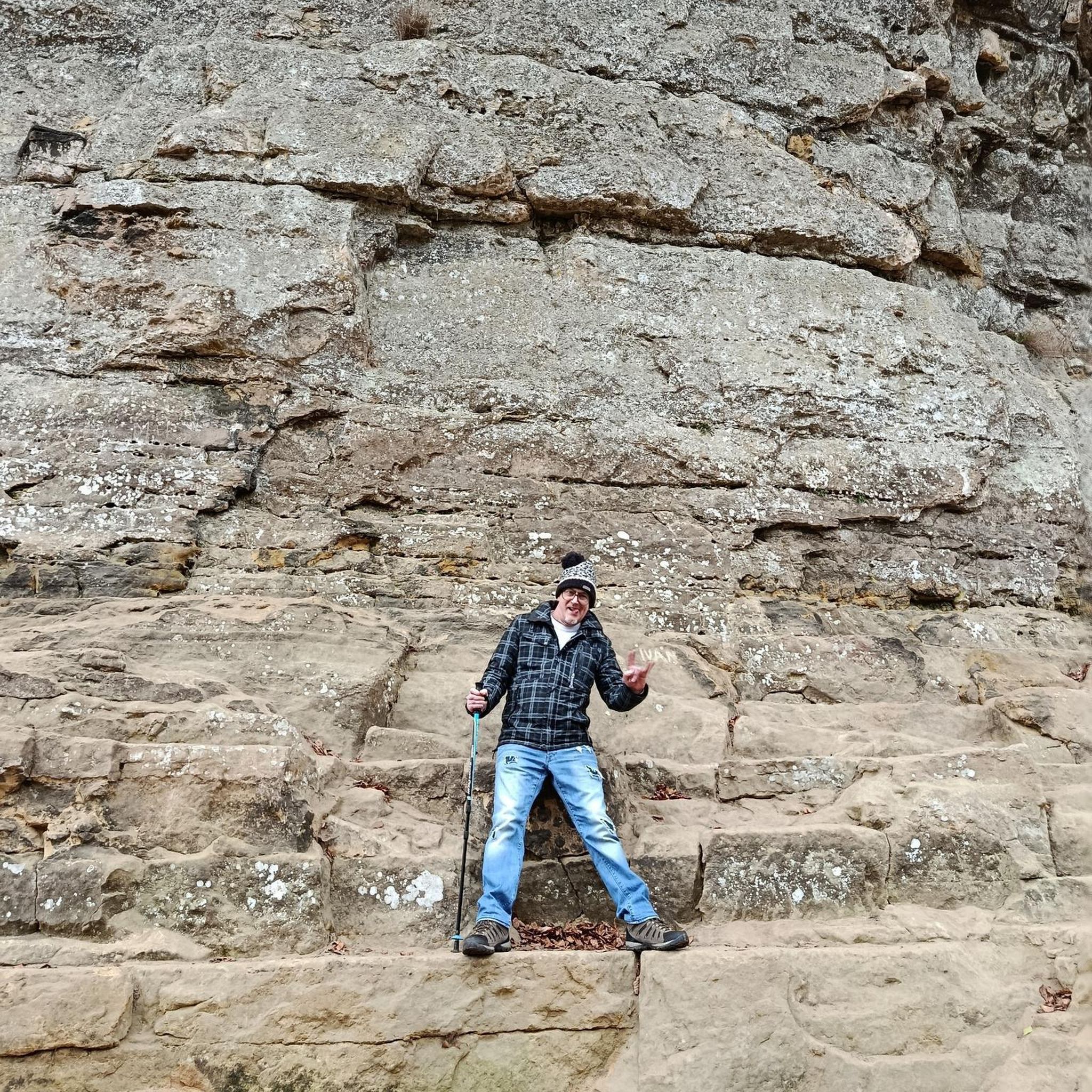
Hikes from bus stations in the Carpathian Mountains

Hikes from bus stations in Brașov

Hikes from bus stations in Sibiu
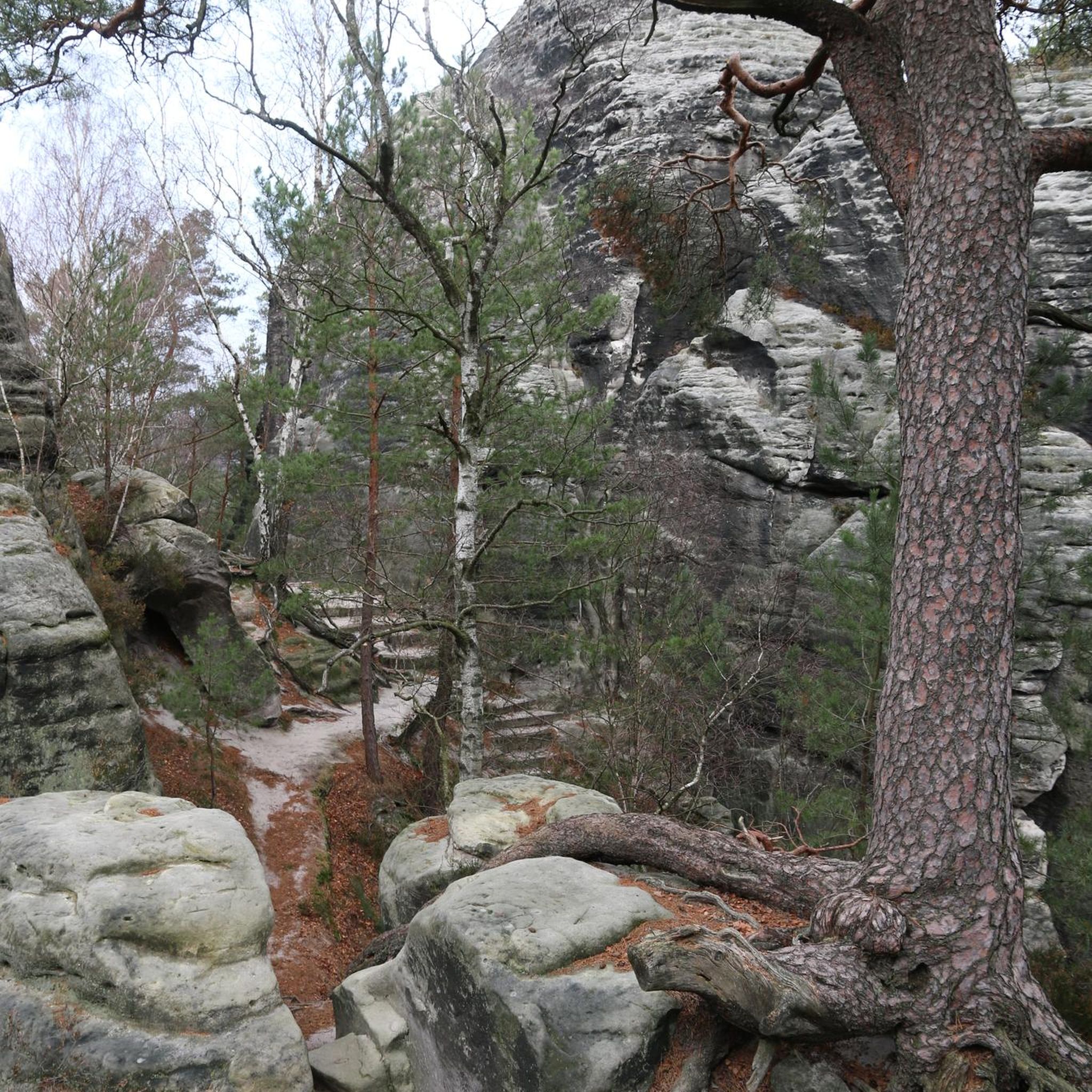
Hikes from bus stations in Cluj

Hikes from bus stations in Timiș

Hikes from bus stations in Maramureș
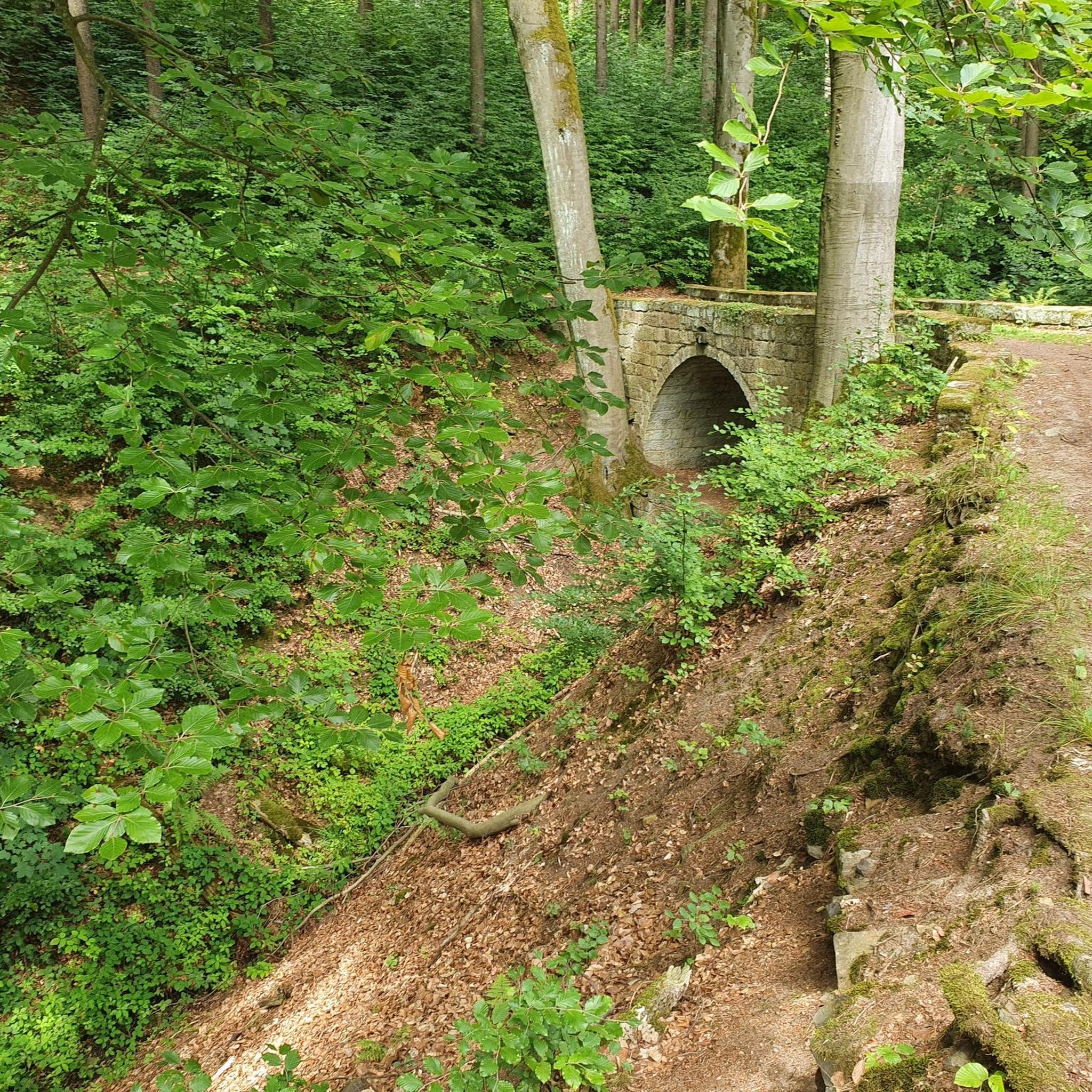
Hikes from bus stations in Neamț
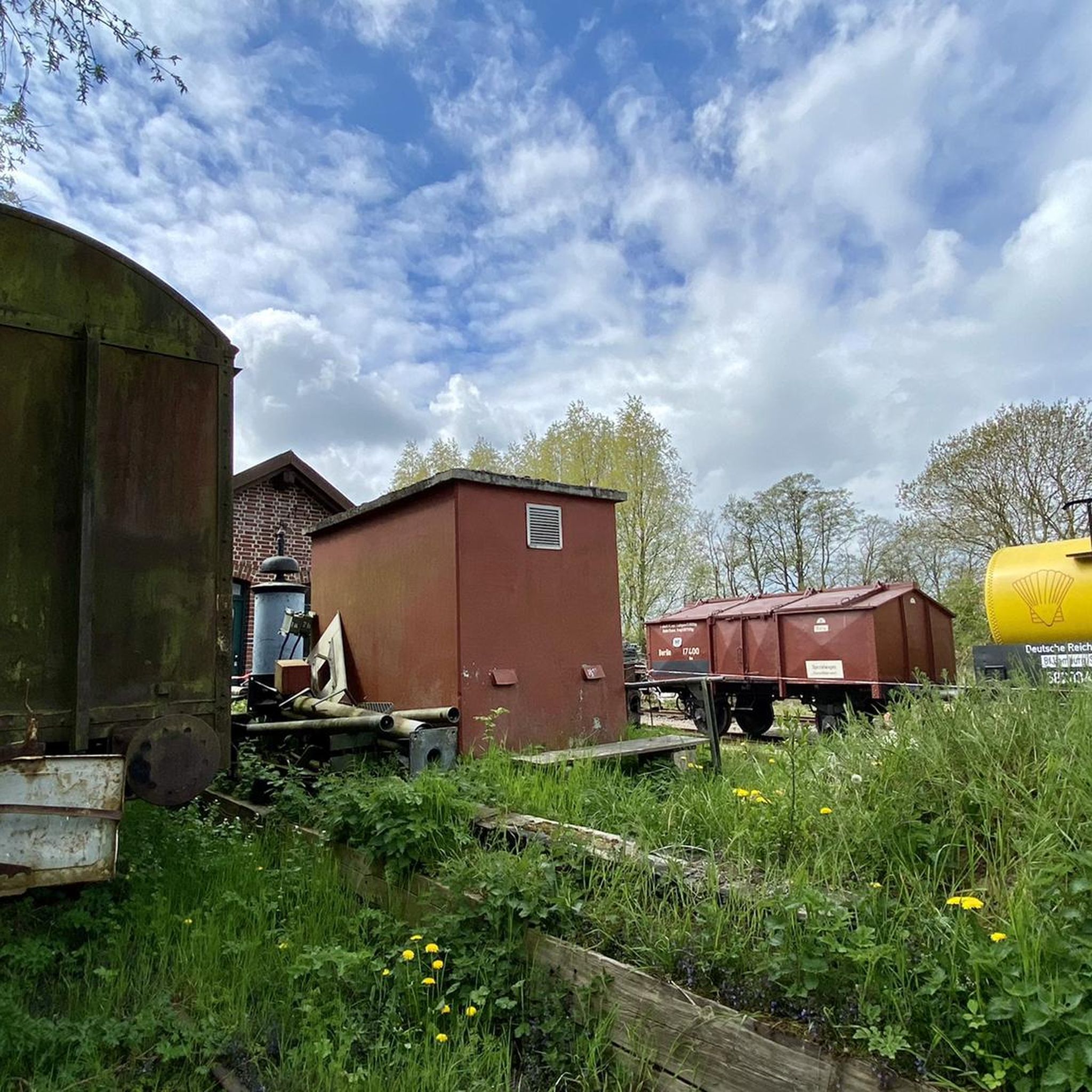
Hikes from bus stations in Constanța
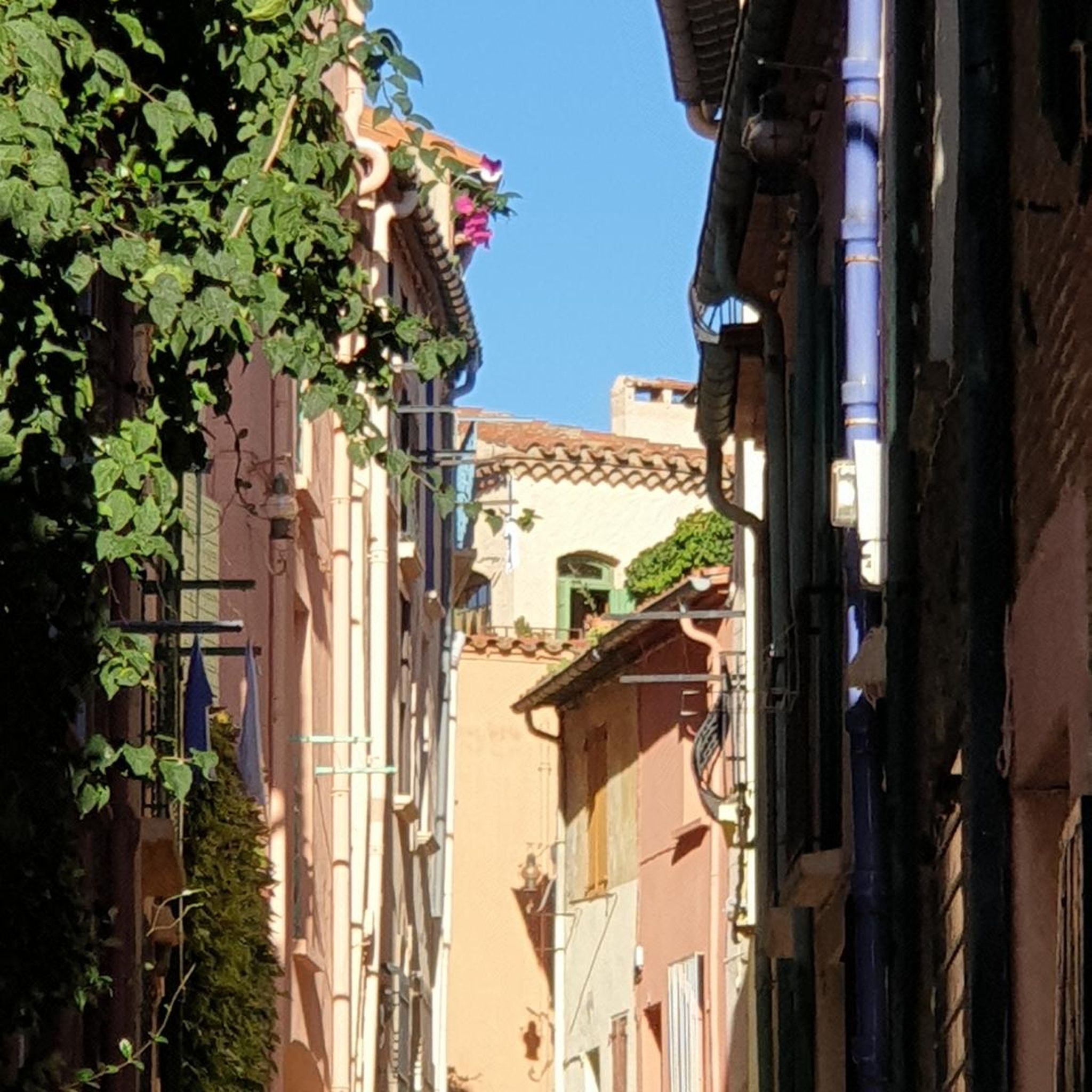
Hikes from bus stations in Bucharest

Hikes from bus stations in Ilfov
Other adventures in Romania


Tips from the Community

Unfortunately, the letters were not accessible (20-09-2026), but the view is still very beautiful.
0
0

The Șurii de Piatră mountain stream plunges spectacularly 58 meters into the Seven Ladders Gorge (Canionul Șapte Scări) over seven steps carved into the Jurassic limestone. Visitors, who are literally within touching distance of the waterfalls, negotiate the stone steps, which are between two and a half and fifteen meters high, using steel ladders connected by metal mesh walkways. The most dramatic ladder is the third: it rises fifteen meters almost vertically and is secured with bars to prevent anyone from falling backward. But that's the only safety feature in the gorge. Right next to the left handrail, the water roars impetuously into the depths. An experience!
18
0
To reach the Seven Ladders Gorge, you have to hike a good four kilometers uphill from the town of Timișu de Jos through the Piatra Mare Mountains, always following the Șurii de Piatră mountain stream, which also carved the gorge into the rock further up. In total, the approach takes just under an hour and a half and involves climbing 260 meters, occasionally surrounded by zipline adventurers who, suspended from a pulley on a rope, use gravity to crisscross the canyon.
18
0
Entrance tickets are available at this hut, just before the entrance to the gorge. A large signboard explains in several languages the potential dangers that can be expected when climbing the ladders. Once you've hiked this far, you won't be deterred by them.
16
0


Beautiful place. No tips, just a simple relaxing place.
0
0

Inside the canyon, equip yourself with a heavier t-shirt or kway, and shoes with grip
5
2
Frequently Asked Questions
How many bus-accessible hiking trails are available in Romania?
Romania offers a vast network of hiking trails accessible by bus, with over 280 routes available for exploration. These trails cater to various skill levels, from easy strolls to challenging mountain ascents.
Are there easy hiking trails accessible by bus for beginners or families?
Yes, there are many easy trails perfect for beginners and families. Over 130 routes are classified as easy. For instance, you can find gentle paths around the Bucegi Mountains or in the Apuseni Mountains, which are known for their accessible karst landscapes and traditional villages. Many bus routes lead to trailheads suitable for a relaxed day out.
What kind of landscapes can I expect on bus-accessible hikes in Romania?
Romania's bus-accessible hikes traverse incredibly diverse landscapes. You can expect to encounter the rugged peaks and deep valleys of the Carpathian Mountains, including the dramatic Făgăraș and Bucegi ranges. Other trails lead through dense forests, past glacial lakes, and into unique karst regions with caves and gorges, such as those found in the Apuseni Mountains or Cheile Bicazului.
Are there any circular hiking routes that start and end near bus stations?
Yes, many routes are designed as circular hikes, allowing you to return to your starting point without needing additional transport. An example is the moderate route, Behind the Brașov sign – Tâmpa Peak loop from Stadionul Tineretului, which offers great views and is easily reachable by public transport in Brașov.
What are some notable natural attractions or landmarks I can see along these trails?
Many bus-accessible trails lead to stunning natural attractions. You could hike to the impressive Scărișoara Cave in the Apuseni Mountains, known for its underground glacier. The Făgăraș Mountains offer access to beautiful glacial lakes like Bâlea Lake, while the Bucegi Mountains feature unique rock formations like the Sphinx and Babele. The Seven Ladders Canyon – Piatra Mare Cabin loop from Timișu de Jos offers a thrilling experience through a narrow gorge.
Can I find hikes with viewpoints accessible by bus?
Absolutely. Romania's mountainous terrain means many trails offer spectacular panoramic views. The View of Lake Poiana Ruia – Postăvaru Peak loop from Poiana Brașov is a moderate route that provides excellent vistas. The Bucegi Mountains, with their accessible cable cars from bus-reachable towns, also offer numerous viewpoints over the surrounding valleys and peaks.
What do other hikers enjoy most about bus-accessible hiking in Romania?
The komoot community highly rates hiking in Romania, with an average score of 4.6 stars. Reviewers often praise the untouched natural beauty, the diversity of landscapes from dense forests to rugged peaks, and the accessibility of many trailheads via public transport, making it easy to explore without a car.
Are there any trails that pass by historical or cultural sites?
Yes, some routes combine natural beauty with cultural heritage. For example, the Bran Castle (Dracula’s Castle) – View of the Bucegi Mountains loop from Bran Castle allows you to explore the famous castle and enjoy mountain views. Many trails in Transylvania also pass through traditional villages, offering a glimpse into local life and history.
What is the best time of year to go hiking from bus stations in Romania?
The best time for hiking in Romania generally spans from late spring (May) to early autumn (October). During these months, the weather is typically mild, trails are clear of snow (except for the highest peaks), and bus services to popular trailheads are more frequent. Summer offers lush greenery, while autumn brings vibrant foliage.
Are there any multi-day trekking options accessible by bus?
While this guide focuses on day hikes, many bus-accessible trailheads serve as starting points for longer multi-day treks, especially in the Făgăraș and Retezat Mountains. These regions have mountain huts (cabanas) and allow for wild camping, enabling extended adventures. You would typically take a bus to a mountain town and then begin your multi-day journey from there.
Can I find trails near specific cities like Brașov that are accessible by bus?
Yes, cities like Brașov serve as excellent hubs for bus-accessible hiking. The Behind the Brașov sign – Tâmpa Peak loop from Stadionul Tineretului is a prime example, offering a moderate hike right from the city's vicinity. Many local bus routes connect Brașov to nearby mountain resorts and villages, providing access to numerous trails in the Bucegi and Piatra Craiului mountains.
Most popular routes in Romania
Most popular attractions in Romania

Get inspired with the komoot mobile app


Didn’t find what you were looking for?
Check out more Hikes throughout Romania below and find the perfect route in your destination.
Explore more
Browse the best Hikes in other regions.
