The 17 Most Amazing Peaks in Brazil
Best mountain peaks in Brazil offer diverse landscapes, from remote Amazonian heights to iconic urban landmarks. These geological formations provide challenging treks and insights into Brazil's rich biodiversity. The country features a variety of mountain terrain, including granite peaks, table-top mountains, and high-altitude summits. Exploring these peaks allows for an understanding of Brazil's natural features and geological history.
Best mountain peaks in Brazil
- The most popular mountain peaks is Sugarloaf Mountain Cable Car, a man-made monument that provides views…
Last updated: July 9, 2026
Sugarloaf Mountain Cable Car
Highlight • Monument
Translated by Google •
Tip by

Pico do Papagaio Summit
Highlight • Summit
Translated by Google •
Tip by

Sign up now to discover places like this
Get recommendations on the best single tracks, peaks, & plenty of other exciting outdoor places.
Sign up for free
Sugarloaf Mountain
Highlight • Natural Monument
First, the large statue of Christ the Redeemer, which watches over one of Brazil's most famous cities from Corcovado Mountain and is featured …
Translated by Google •
Tip by

Crown Hill
Highlight • Summit
Translated by Google •
Tip by

Start of the Trail to Pico do Papagaio
Highlight • Trail
Translated by Google •
Tip by

Big Brother's view
Highlight • Viewpoint
Translated by Google •
Tip by

Tijuca Peak
Highlight • Summit
Translated by Google •
Tip by

Morro da Urca Trail
Highlight (Segment) • Trail
Alternatively, you can also take the cable car back.
Translated by Google •
Tip by

Morro do Pai Inácio viewpoint
Highlight • Viewpoint
Entry costs 12 real per person and …
Translated by Google •
Tip by

Morro do Queimado
Highlight • Summit
Translated by Google •
Tip by
Sign up for free to discover even more peaks in Brazil.
Sign up for free
Already have an account?
Start today with a free account
Your next adventure awaits.
Login or Signup
Other adventures in Brazil

Tips from the Community

Once you reach the top, take a seat and enjoy the views of the sea and the mountains stretching out below. Simply spectacular.
0
0

Best at sunrise when visibility is good.
0
0

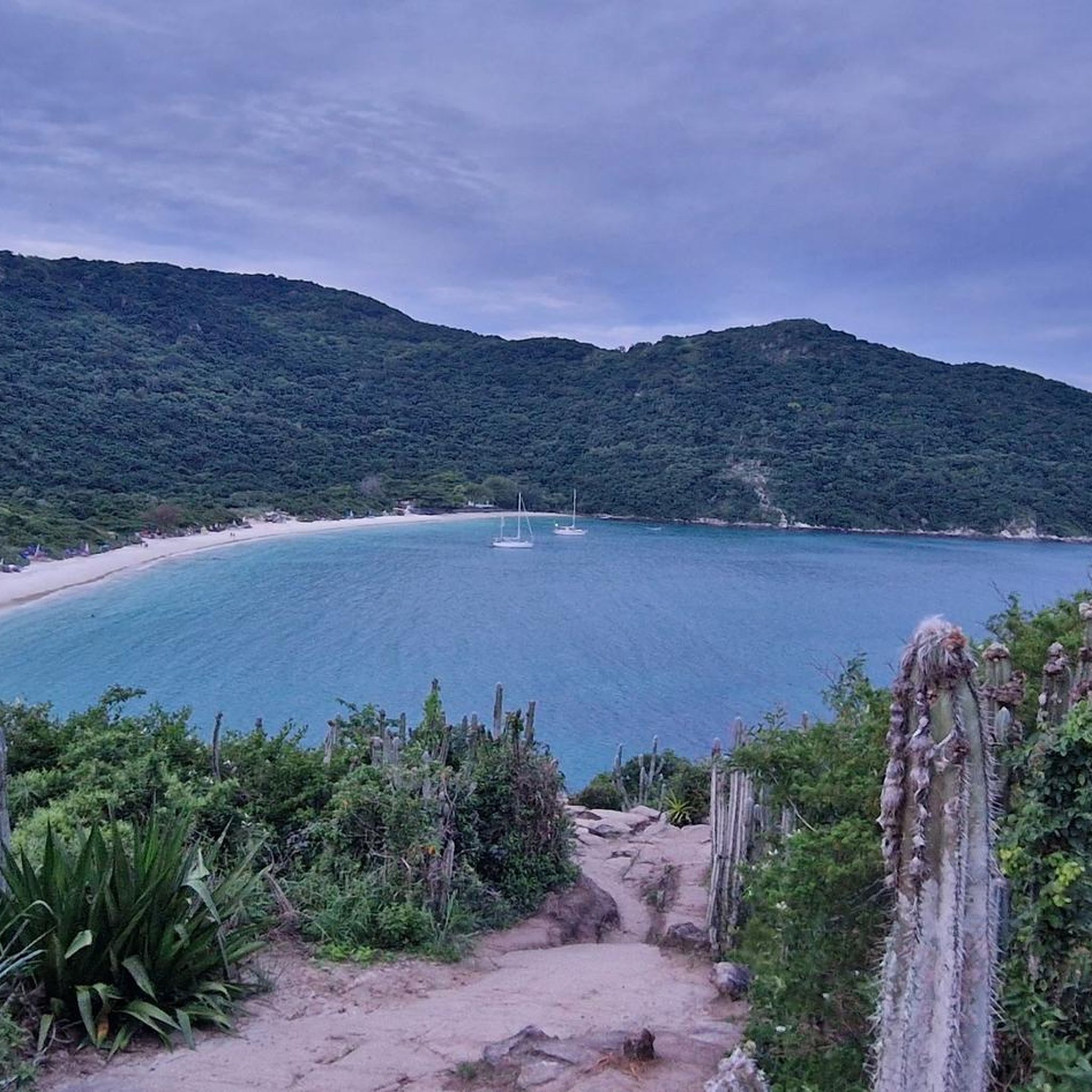
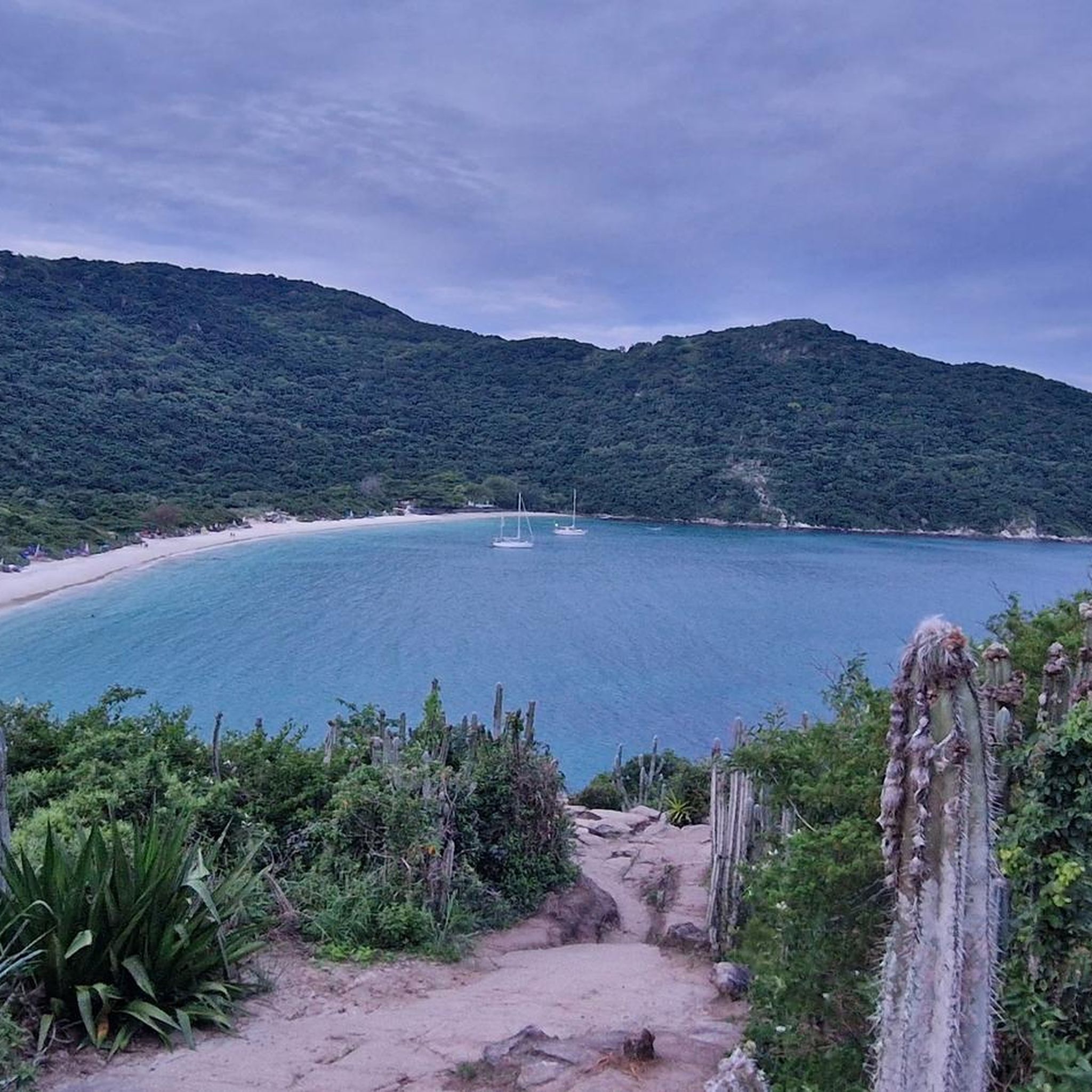
Morro da Coroa is a spectacular viewpoint overlooking Lagoinha do Leste beach, offering one of Florianópolis' most famous views. The climb is short but very steep, with sections of rock and loose soil, so good footwear is recommended, and you should take your time. From the summit, you'll have a complete panoramic view of the lagoon, the beach, and the open sea—an ideal spot to rest and take photos before returning along the same path.
1
0

Don't leave on weekends or too early for sunset - the lines for the four rides can be incredibly long!
0
0

This route is classified as difficult, as from this point there are still more than 700 meters of altitude to be gained. Approximately 3:30 hours of ascent and 3 hours of descent. It is not recommended to start after 10 am, as the descent may be too late.
0
0

The climb to Pico do Papagaio is definitely a challenge, but the reward is an unforgettable view. The hiking trail starts in Vila do Abraão and leads through dense Atlantic rainforest, which is an impressive experience in itself. The sounds of the forest, the rustling of leaves and the scent of damp earth accompany you during the approximately three-hour hike. The path is steep and challenging in places, but easy to walk, so that even less experienced hikers can find their rhythm. Once you reach the summit, a panorama awaits you that you will not soon forget. The rocky peak, which has the shape of a parrot's head from afar, offers you a fantastic view of the Baía da Ilha Grande and the surrounding islands. The climb is particularly worthwhile at sunrise, when the first rays make the ocean sparkle - a moment that conveys silence and vastness. Practical tip: Don't underestimate the time required and take enough water with you. You should also be aware of the thick fog that can sometimes obscure the view. The weather can change quickly, so it is advisable to be well prepared and perhaps hire a guide if you are unsure.
1
0

From Praia Vermelha, visitors take the first tramway to Morro da Urca, and from there, a second tramway takes them to the summit of Morro do Pão de Açúcar, which stands 396 meters above sea level. Various stories justify the name of this tourist spot; the most famous says that in the 16th and 18th centuries, at the height of sugarcane production, producers stored blocks of sugar in molds for export, and the object's resemblance to Sugarloaf Mountain gave rise to the name. Opened in 1912, the Sugarloaf Cable Car was the first cable car in Brazil and the third in the world, connecting Morro da Urca to Morro do Pão de Açúcar. Since then, more than 40 million people have used the cable cars. From the top of the two hills, you can see breathtaking views of the city, including Botafogo Bay, the Copacabana promenade, and the entrance to Guanabara Bay. In summer, the amphitheater at the top of Morro da Urca hosts shows and nighttime events that combine fun with beautiful views of the city lights. Source: www.riotur.rio/que_fazer/paodeacucar
2
0
From Praia Vermelha, visitors take the first tram to Morro da Urca, and from there, a second tram takes them to the summit of Morro do Pão de Açúcar, which stands 396 meters above sea level. Several stories justify the name of this tourist spot; the most famous says that in the 16th and 18th centuries, at the height of sugarcane production, producers stored blocks of sugar in molds for export, and the object's resemblance to Sugarloaf Mountain gave rise to the name. Opened in 1912, the Sugarloaf Cable Car was the first cable car in Brazil and the third in the world, connecting Morro da Urca to Morro do Pão de Açúcar. Since then, more than 40 million people have used the cable cars. From the top of the two hills, you can see breathtaking views of the city, including Botafogo Bay, the Copacabana promenade, and the entrance to Guanabara Bay. In summer, the amphitheater at the top of Morro da Urca hosts shows and nighttime events that combine fun with beautiful views of the city lights. Source: https://riotur.rio/que_fazer/paodeacucar/
1
0
Frequently Asked Questions
Which are Brazil's highest mountain peaks and what makes them unique?
Brazil is home to several impressive high-altitude peaks. The highest is Pico da Neblina (2,995 meters), located in the remote Amazon and known for its mist-shrouded summit and unique biodiversity within Yanomami indigenous lands. Nearby is Pico 31 de Março (2,974 meters), sharing the same remote and protected status. Pico da Bandeira (2,892 meters), the third-highest, offers stunning panoramic views within Caparaó National Park. Another notable peak is Pico das Agulhas Negras (2,791 meters) in Itatiaia National Park, famous for its distinctive dark, pointed rock formations and challenging technical climbs.
Are there any iconic mountain peaks in Brazil that are easily accessible for tourists?
Yes, Sugarloaf Mountain (Sugarloaf Mountain) in Rio de Janeiro is arguably Brazil's most famous and accessible peak. Rising 391 meters from Guanabara Bay, it offers unparalleled panoramic views of the city, beaches, and the Christ the Redeemer statue. A cable car system, accessible via the Sugarloaf Mountain Cable Car, provides easy access to its summit, making it a must-visit for nearly all tourists.
What kind of unique natural features can I expect to see on Brazil's mountain peaks?
Brazil's mountain peaks showcase a variety of unique natural features. For instance, Mount Roraima is an ancient table-top mountain with surreal landscapes, including quartz crystal formations (Crystal Valley), natural jacuzzis, waterfalls, and endemic carnivorous plants. Pico do Cristal is known for its abundance of quartz stones and rich vegetation, including various bromeliads and lilies. Peaks like Pico da Bandeira feature unique high-altitude vegetation adapted to cold and sun, such as tough shrubs and orchids.
Are there challenging hikes or climbs available on Brazil's mountain peaks?
Absolutely. Many of Brazil's peaks offer challenging experiences. The ascent to Pico das Agulhas Negras, for example, involves technical climbing sections that may require ropes, making it a favorite for experienced mountaineers. The trek to Pico da Neblina is a challenging multi-day expedition through dense jungle. Even peaks like Pico do Papagaio Summit require a challenging climb through dense Atlantic rainforest, rewarding hikers with unforgettable views.
What are some family-friendly mountain experiences in Brazil?
While many high peaks are challenging, there are options for families. The cable car ride up Sugarloaf Mountain is a popular and accessible activity for all ages, offering spectacular views without strenuous hiking. Additionally, there are easier hiking trails in Brazil that can be suitable for families, such as those mentioned in the Easy hikes in Brazil guide, which include routes like the Pedra Bonita Circular Trail.
What outdoor activities can I do near Brazil's mountain peaks?
Beyond summiting peaks, the areas around Brazil's mountains offer diverse outdoor activities. You can find numerous hiking trails, from easy strolls to challenging climbs. For example, the Easy hikes in Brazil guide lists routes like the Lagoa Rodrigo de Freitas Loop. There are also opportunities for gravel biking, with routes like the Morungaba Waterfall loop detailed in the Gravel biking in Brazil guide. Running enthusiasts can explore trails such as those found in the Running Trails in Brazil guide, including routes around Lake of Ibirapuera Park.
Do I need special permits to hike certain mountain peaks in Brazil?
Yes, for some of Brazil's most remote and protected peaks, special permits are required. For instance, accessing Pico da Neblina and Pico 31 de Março, which are within Yanomami indigenous lands and Pico da Neblina National Park, requires special permits and accredited guides to preserve the untouched ecosystem. It's always advisable to check the specific requirements for any national park or protected area you plan to visit.
What are some of the best viewpoints for panoramic scenery in Brazil's mountains?
Brazil's mountains offer many breathtaking viewpoints. The summit of Sugarloaf Mountain provides iconic views of Rio de Janeiro. Pico do Papagaio Summit offers a fantastic panorama of the Baía da Ilha Grande. Pico da Bandeira provides stunning 360-degree views of layered ridges and Atlantic Forest. Other notable viewpoints include Crown Hill overlooking Lagoinha do Leste beach, and Big Brother's view, which uniquely captures both Corcovado and Sugarloaf Mountain in one frame.
What is the best time to hike in Brazil's mountains?
The best time to hike in Brazil's mountains generally depends on the region and specific peak. For high-altitude peaks like Pico da Bandeira, the drier winter months (typically May to September) offer clearer skies and more stable weather conditions, though it can still be cold. For Amazonian peaks like Pico da Neblina, the dry season (roughly June to October) might make the challenging treks slightly more manageable, though mist is common year-round. For coastal mountains like Sugarloaf, good weather can be enjoyed almost any time, but avoiding the peak summer heat (December-February) might be preferable for hiking.
Are there any ancient or geologically significant mountain formations in Brazil?
Yes, Brazil is home to some incredibly ancient geological formations. Mount Roraima is a prime example, an ancient table-top mountain (tepui) estimated to be 1.8 billion years old, making it one of the oldest formations on Earth. Its unique geology has created a distinct ecosystem and surreal landscapes. The granite formations of peaks like Sugarloaf Mountain are also hundreds of millions of years old, formed from magma that cooled and eroded over time into its distinctive shape.
What do visitors enjoy most about exploring Brazil's mountain peaks?
Visitors frequently highlight the breathtaking panoramic views as a top enjoyment, whether it's the urban sprawl from Sugarloaf Mountain or the vast natural landscapes from Pico da Bandeira. The unique ecosystems and biodiversity, such as the endemic plants and wildlife found on Mount Roraima or Pico da Neblina, are also highly appreciated. Many also enjoy the challenge and sense of accomplishment from completing strenuous climbs, like the one to Pico do Papagaio Summit, and the immersive experience of trekking through dense Atlantic rainforest.
Most popular routes in Brazil
Most popular attractions in Brazil

Get inspired with the komoot mobile app


Didn’t find what you were looking for?
Discover Brazil’s best peaks and summits by region:
Explore more
See even more amazing summits in Brazil with these guides:
