The best gravel rides in Brazil
5.0
(1)
69
riders
17
rides
Gravel biking in Brazil offers diverse landscapes, from lush rainforests and extensive wetlands to dramatic canyons and stunning coastlines. The country's vastness provides varied terrain for exploration, including unpaved roads and challenging mountain trails. Riders can navigate through mountain ranges, past unique rock formations, and along remote coastal areas. This varied topography presents a wide array of surfaces suitable for gravel cycling.
Best gravel bike trails in Brazil
- The most popular gravel bike trail is Morungaba Waterfall loop from Condomínio Santo Antônio II, a 19.0 miles (30.6 km) trail that takes 3 hours 8 minutes to complete. This difficult route features significant elevation changes and varied terrain.
- Another top favourite among local gravel bikers is Limoeiro Viewpoint – Limoeiro da Concórdia Hotel loop from Bar da loira, a difficult 23.1 miles (37.2 km) path. This route offers expansive views and challenging climbs through the Brazilian landscape.
- Local gravel bikers also love the Limoeiro da Concórdia Hotel – Limoeiro Viewpoint loop from Armazém da Concórdia, a 16.7 miles (26.9 km) trail leading through diverse natural scenery, often completed in about 2 hours 56 minutes.
- Gravel biking in Brazil is defined by mountain ranges, extensive wetlands, and unpaved roads. The network offers options for different ability levels, from challenging endurance rides to scenic routes through varied ecosystems.
- The routes in Brazil are highly rated by the komoot community with an average score of 5.0 stars from a few reviews. More than dozens of gravel bikers have used komoot to explore Brazil's varied terrain.
Last updated: July 16, 2026
15
riders
30.5km
02:43
540m
540m
Hard gravel ride. Very good fitness required. Mostly paved surfaces. Suitable for all skill levels.
4
riders
Hard gravel ride. Very good fitness required. Mostly paved surfaces. Suitable for all skill levels.

Sign up for free
4
riders
53.0km
04:26
760m
760m
Hard gravel ride. Very good fitness required. Mostly paved surfaces. Suitable for all skill levels.
2
riders
28.1km
02:40
730m
730m
Hard gravel ride. Very good fitness required. Mostly paved surfaces. Suitable for all skill levels.
3
riders
Hard gravel ride. Very good fitness required. Mostly paved surfaces. Suitable for all skill levels.
Get access to more routes and recommendations from other explorers.
Sign up for free
Already have an account?
Our route recommendations are based on thousands of hikes, rides, and runs completed by other people on komoot.
Start today with a free account
Your next adventure awaits.
Login or Signup

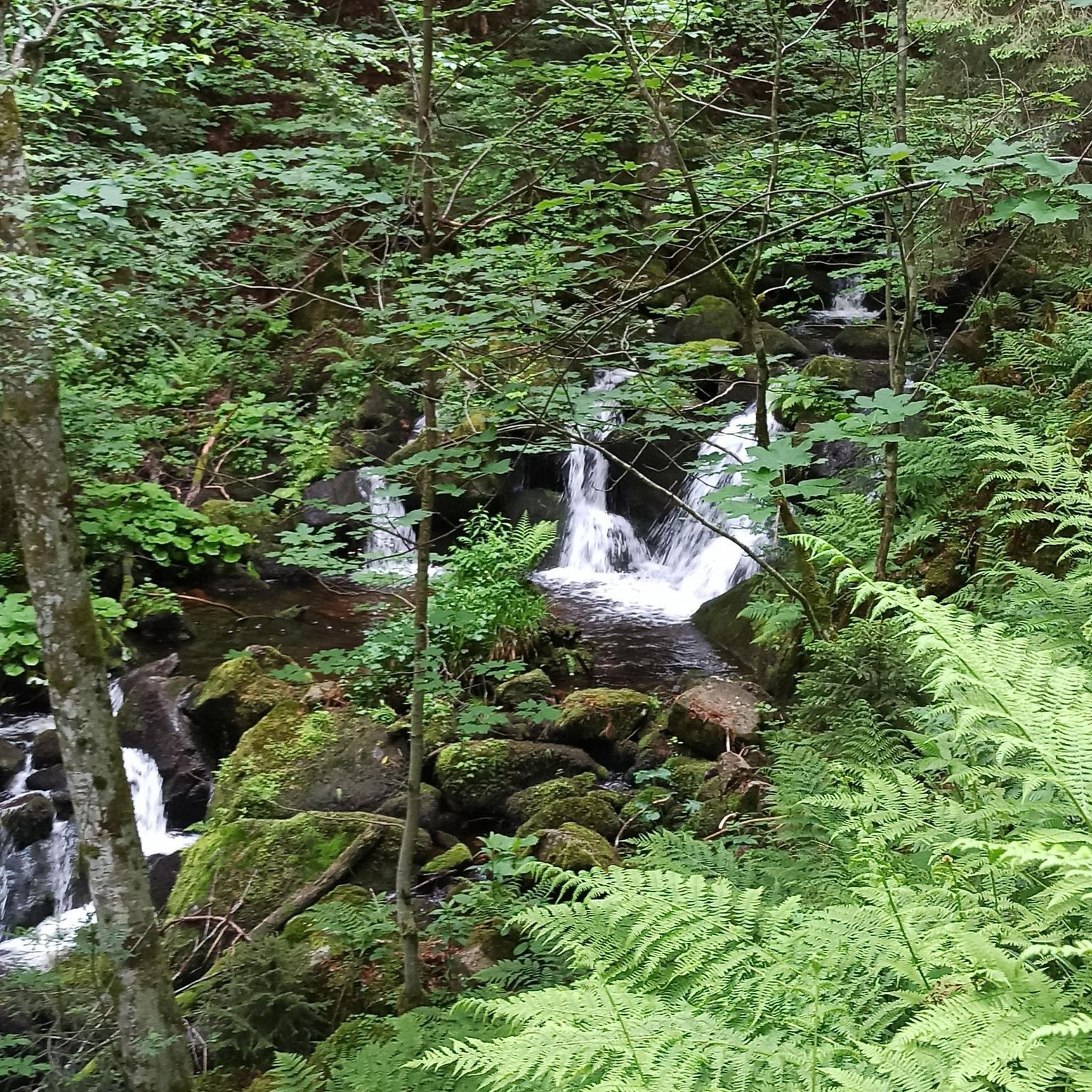
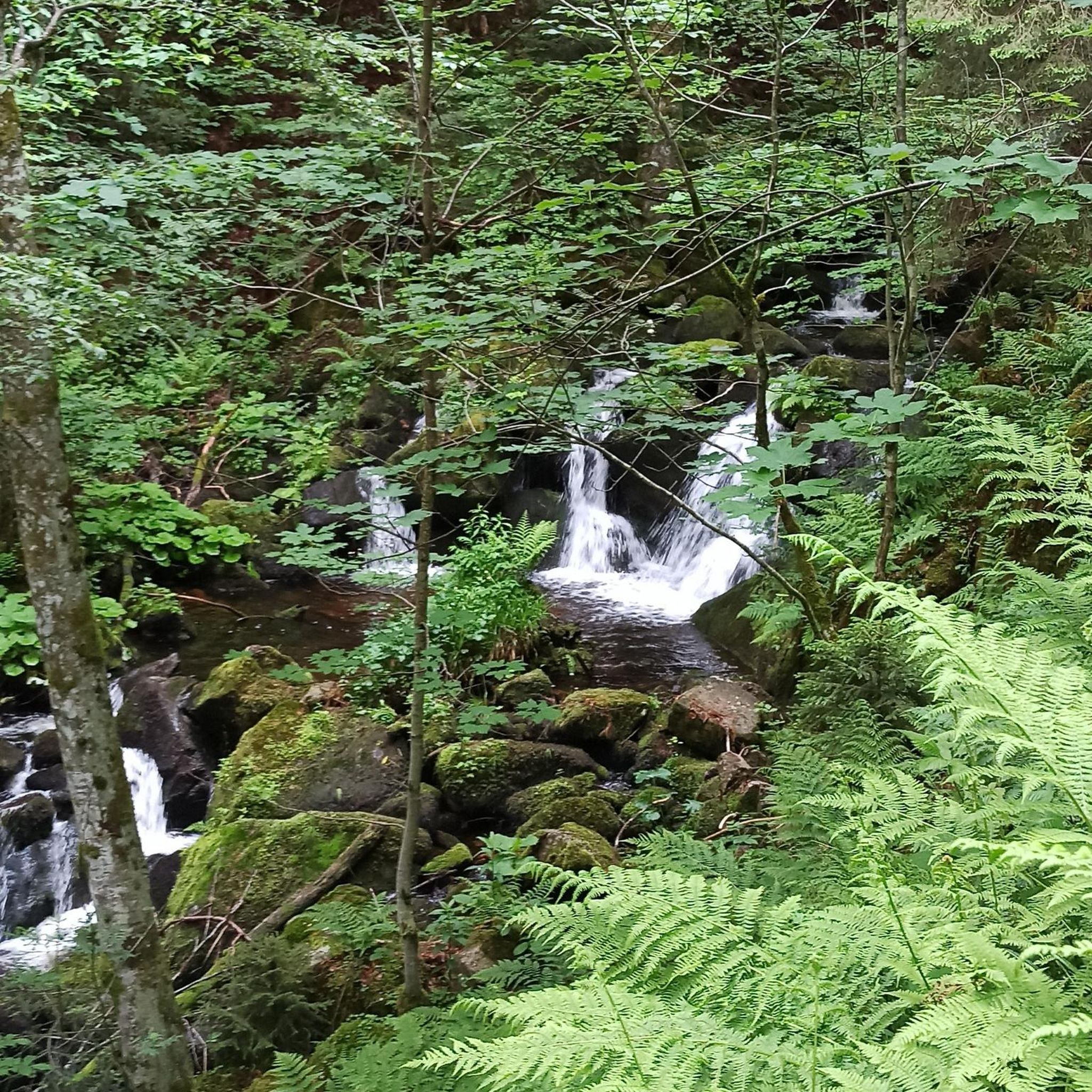
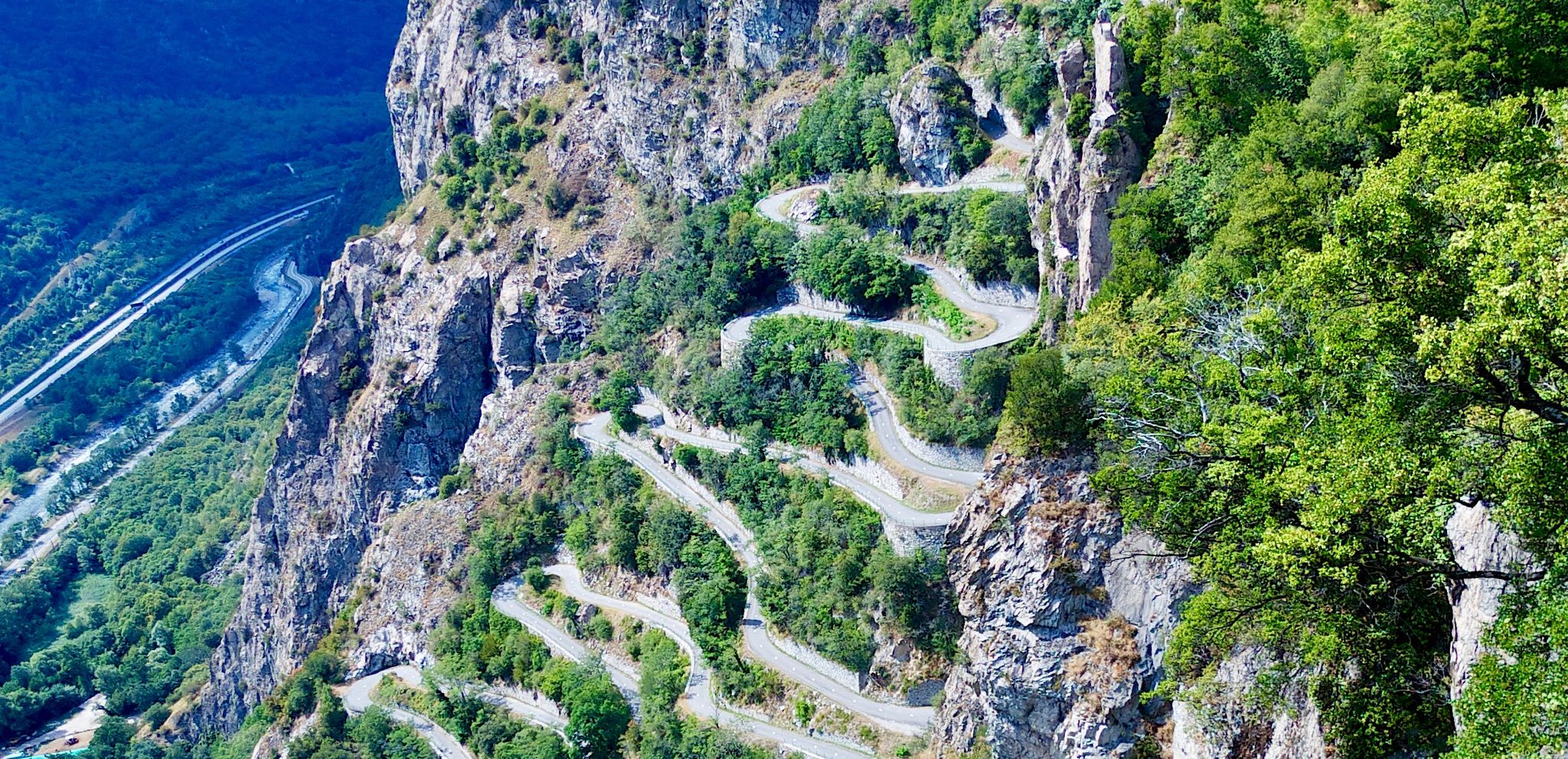
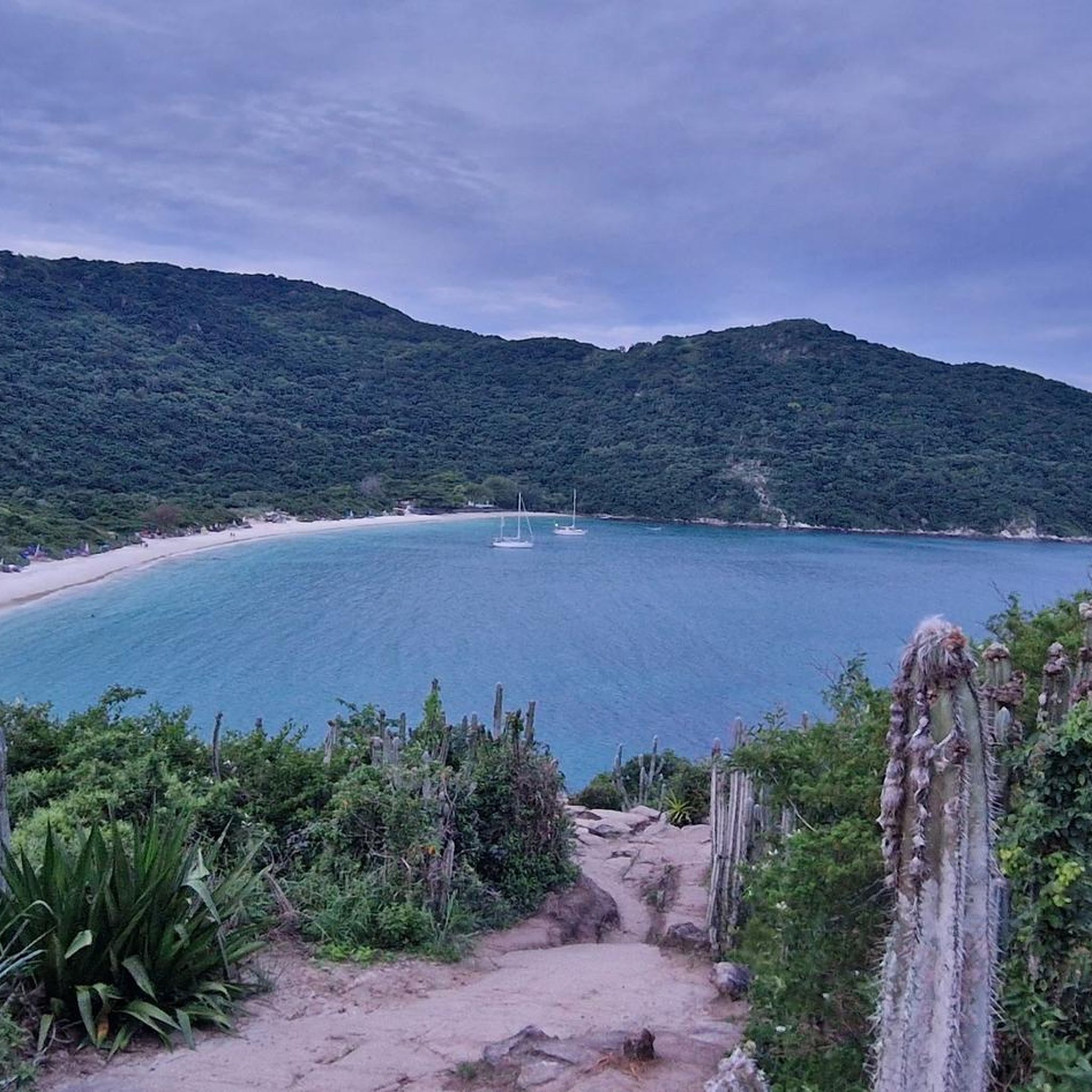
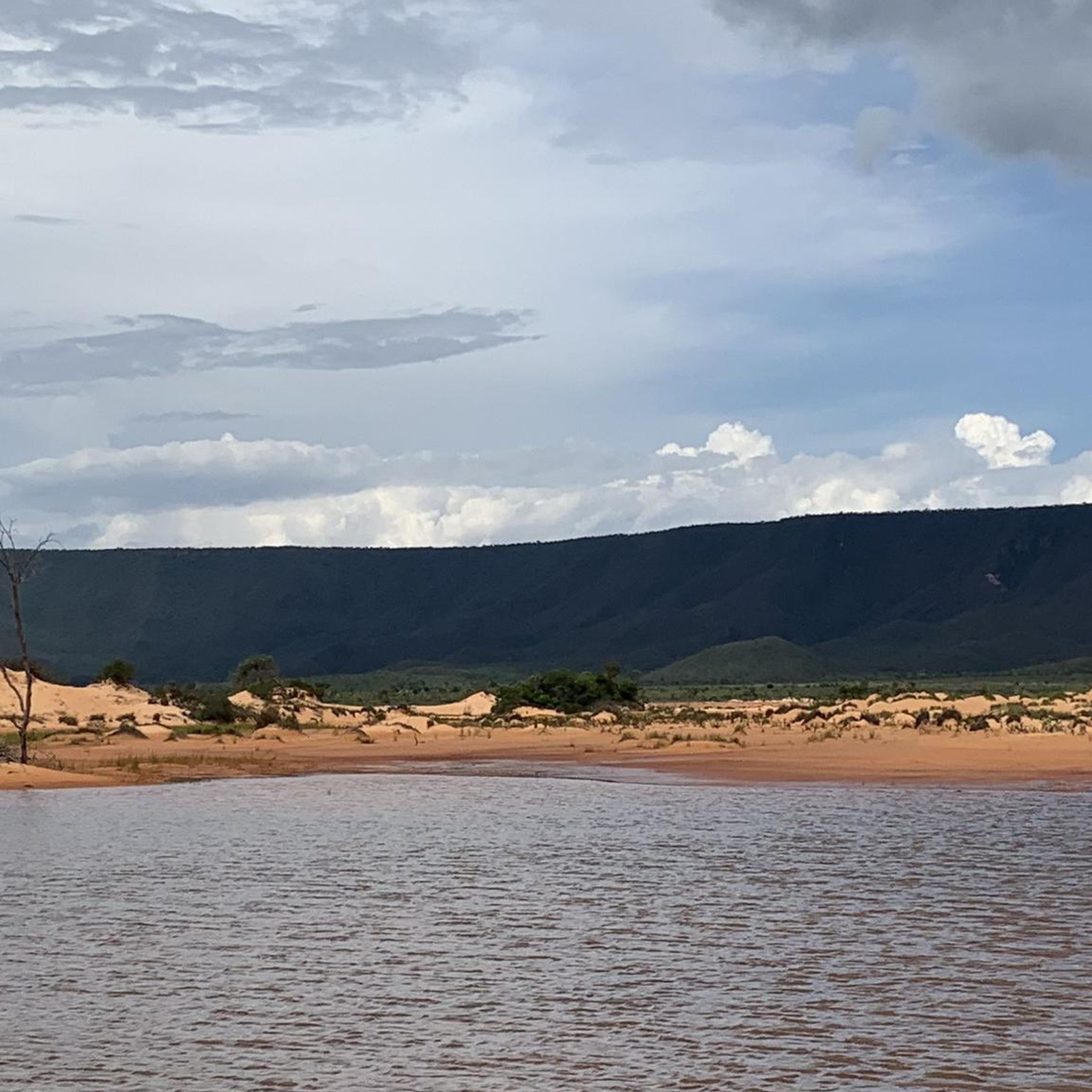
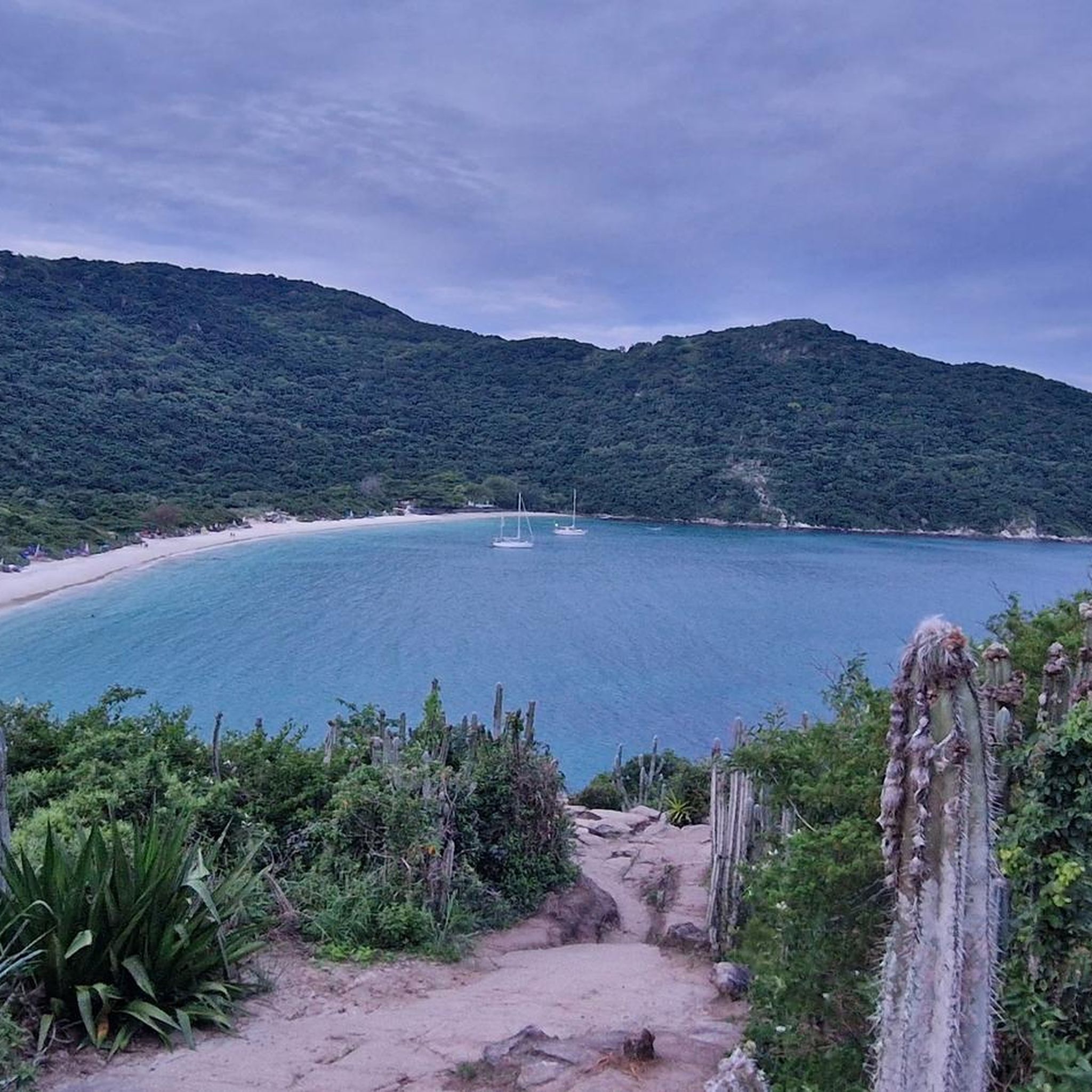
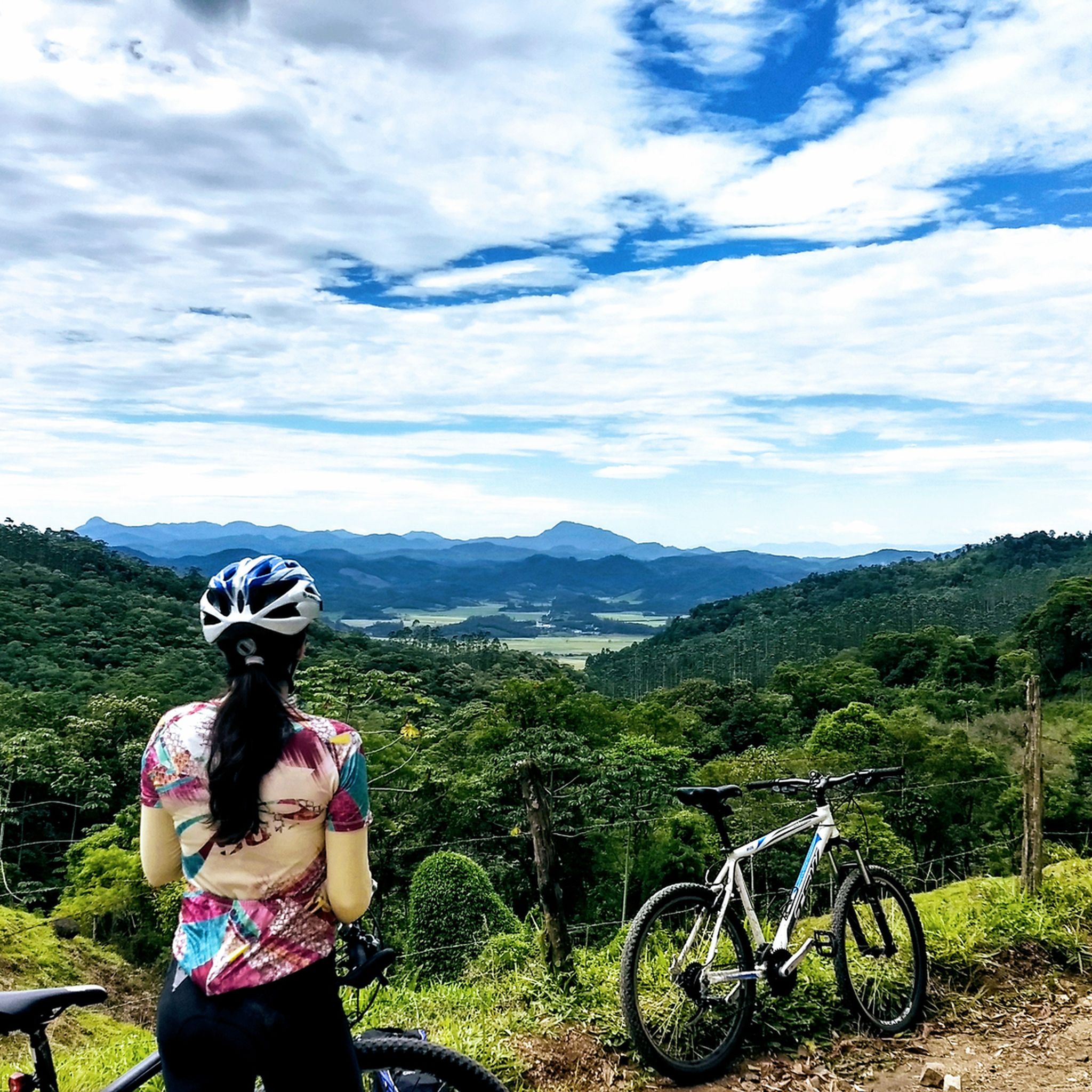
Other adventures in Brazil

Tips from the Community


The Nazaré Paulista Dam is the largest in the Cantareira System, supplying water to São Paulo since the 1960s. Cycling around the Dam is a landmark for any cyclist who loves MTB or gravel. Quiet roads surrounded by nature, where you can enjoy views of the "lake" from time to time. Be careful if you want to cycle here during the rainy season, as the roads can get quite muddy, especially near Bar do Taíde. Visit the Aventrilha website for more information about cycling around the Dam: https://aventrilha.com/rotas/represa-de-nazare-paulista/
2
0


The amount of climb is worth taking the biggest climb in the region. Even before arriving the valleys are magnificent, it is not as isolated as I imagined, but you can see very far when there is no fog, I recommend it to everyone who wants a challenge
1
0

Super technical and inclined stretch. Ideal for MTB. Light gear ratio is essential
1
0
Frequently Asked Questions
How many gravel bike trails are available in Brazil?
Komoot features over 25 gravel bike routes across Brazil, offering a wide range of experiences. These trails navigate through diverse landscapes, from challenging mountain ranges to scenic unpaved roads.
What is the typical difficulty level for gravel biking in Brazil?
Most gravel bike routes in Brazil are considered difficult, with 23 out of 26 routes falling into this category. They often feature significant elevation changes and varied terrain, making them suitable for experienced riders seeking a challenge. There are also a few moderate routes for those looking for a slightly less intense ride.
Are there any circular gravel bike routes in Brazil?
Yes, many of the gravel bike routes in Brazil are designed as loops, allowing you to start and end at the same point. For example, the Morungaba Waterfall loop from Condomínio Santo Antônio II offers a challenging 30.6 km ride, while the Limoeiro Viewpoint – Limoeiro da Concórdia Hotel loop from Bar da loira is a 37.2 km option with expansive views.
What kind of natural features or landmarks can I expect to see on gravel bike trails in Brazil?
Brazil's gravel trails often lead through breathtaking natural scenery. You might encounter majestic waterfalls like those near Iguazu Falls (Brazilian Side), or enjoy panoramic views from summits such as Pico do Papagaio Summit. The diverse landscapes include lush rainforests, extensive wetlands, and dramatic canyons, offering a rich visual experience.
What is the best time of year for gravel biking in Brazil?
Brazil's vastness means the best time can vary by region. Generally, the dry season (roughly May to September in many parts) is ideal for gravel biking, as trails are less muddy and river crossings are more manageable. However, regions like Lençóis Maranhenses are best visited after the rainy season (June to September) when lagoons are full. Always check local weather conditions for your specific destination.
Are there any gravel routes that offer significant elevation gain for experienced riders?
Absolutely. Many routes in Brazil are known for their challenging climbs. For instance, the Pedra do Coração loop from Refúgio Ágape features over 720 meters of elevation gain over 28.1 km, providing a demanding experience for seasoned gravel bikers. The Serra da Canastra region is particularly renowned for its rugged terrain and technical ascents.
What are some notable regions for gravel biking in Brazil?
Brazil offers several outstanding regions for gravel biking. Serra da Canastra is famous for its challenging rock trails and stunning views. Chapada Diamantina provides technical trails through valleys and rivers. The Pantanal offers a unique bikepacking experience along the Transpantaneira highway, while the Mata Atlântica Bike Route is an extensive network of unpaved roads connecting various states.
What do other gravel bikers say about the trails in Brazil?
The gravel biking community on komoot highly rates the trails in Brazil, with an average score of 5.0 stars. Riders often praise the diverse and challenging terrain, the stunning natural beauty, and the sense of adventure that comes with exploring Brazil's unpaved roads and landscapes.
Are there any long-distance gravel routes or bikepacking opportunities in Brazil?
Yes, Brazil is home to extensive routes suitable for bikepacking. The Mata Atlântica Bike Route (MABR) is a prime example, stretching 2,500 kilometers across five states, largely on unpaved roads. The Transpantaneira highway in the Pantanal also offers a unique multi-day bikepacking adventure through wetlands, though it requires careful planning.
What kind of terrain can I expect on gravel bike trails in Brazil?
Gravel biking in Brazil involves a wide variety of terrain. You'll encounter everything from relatively smooth gravel tracks to rough, rocky sections, and even some technical singletrack. Many routes feature significant climbs and descents, often through forested areas, open plains, or alongside rivers. Road conditions can vary greatly, so a robust gravel bike is recommended.
Are there any routes that pass by bodies of water or offer waterside views?
Yes, several routes offer views of or pass alongside bodies of water. The Bar do Taíde – Represa de Nazaré Paulista loop from Marina e Pousada Porto do Sol, for example, is a 46.4 km route that takes you around the Represa de Nazaré Paulista, offering scenic waterside stretches. Other regions like Bonito are known for their crystalline rivers and lagoons.
What should I consider regarding gear for gravel biking in Brazil?
Given the varied and often challenging terrain, a well-maintained gravel bike with sturdy tires is essential. Due to potential heat and remote sections, carrying sufficient water, navigation tools, and basic repair kits is highly recommended. For longer rides or bikepacking, consider gear for self-sufficiency, especially in less developed areas.
Most popular routes in Brazil
Most popular attractions in Brazil

Get inspired with the komoot mobile app


Didn’t find what you were looking for?
Check out more Gravel rides throughout Brazil below and find the perfect route in your destination.
