Top 7 Lakes in Lago Titicaca
Best lakes in Lago Titicaca refers to the notable islands and peninsulas within this high-altitude body of water, situated at 3,812 meters above sea level. This vast lake, straddling the border between Peru and Bolivia, is recognized for its unique cultural heritage and natural features. Visitors can explore various islands that showcase traditional Andean life, ancient ruins, and distinct communities. The region offers diverse experiences, from artificial reed islands to historical sites.
Best lakes in Lago Titicaca
- The most popular…
Last updated: July 16, 2026
Taquile Island
Highlight • Settlement
Tip by

Llachón Community
Highlight • Settlement
Translated by Google •
Tip by

Sign up now to discover places like this
Get recommendations on the best single tracks, peaks, & plenty of other exciting outdoor places.
Sign up for free
Uros Floating Islands
Highlight • Structure
Translated by Google •
Tip by

Amantani Island
Highlight • Settlement
Translated by Google •
Tip by

Southern Dock, Lake Titicaca (Peruvian Sector)
Highlight • Lake
Translated by Google •
Tip by

Island Trail on Lake Titicaca
Highlight • Trail
Translated by Google •
Tip by
View of Lake Titicaca
Highlight (Segment) • Viewpoint
Translated by Google •
Tip by

Start today with a free account
Your next adventure awaits.
Login or Signup
Popular around Lago Titicaca
Tips from the Community

The hiking trail connects the North and South Islands with breathtaking views over the island and Lake Titicaca.
1
0
The totora reed has been used for centuries to build these islands on Lake Titicaca, which are considered the home of the Uro-Aimara families. The boats are also made of totora reed and are used for small-scale fishing. Handicrafts from the cheerful inhabitants of the islands are also offered here.
0
0

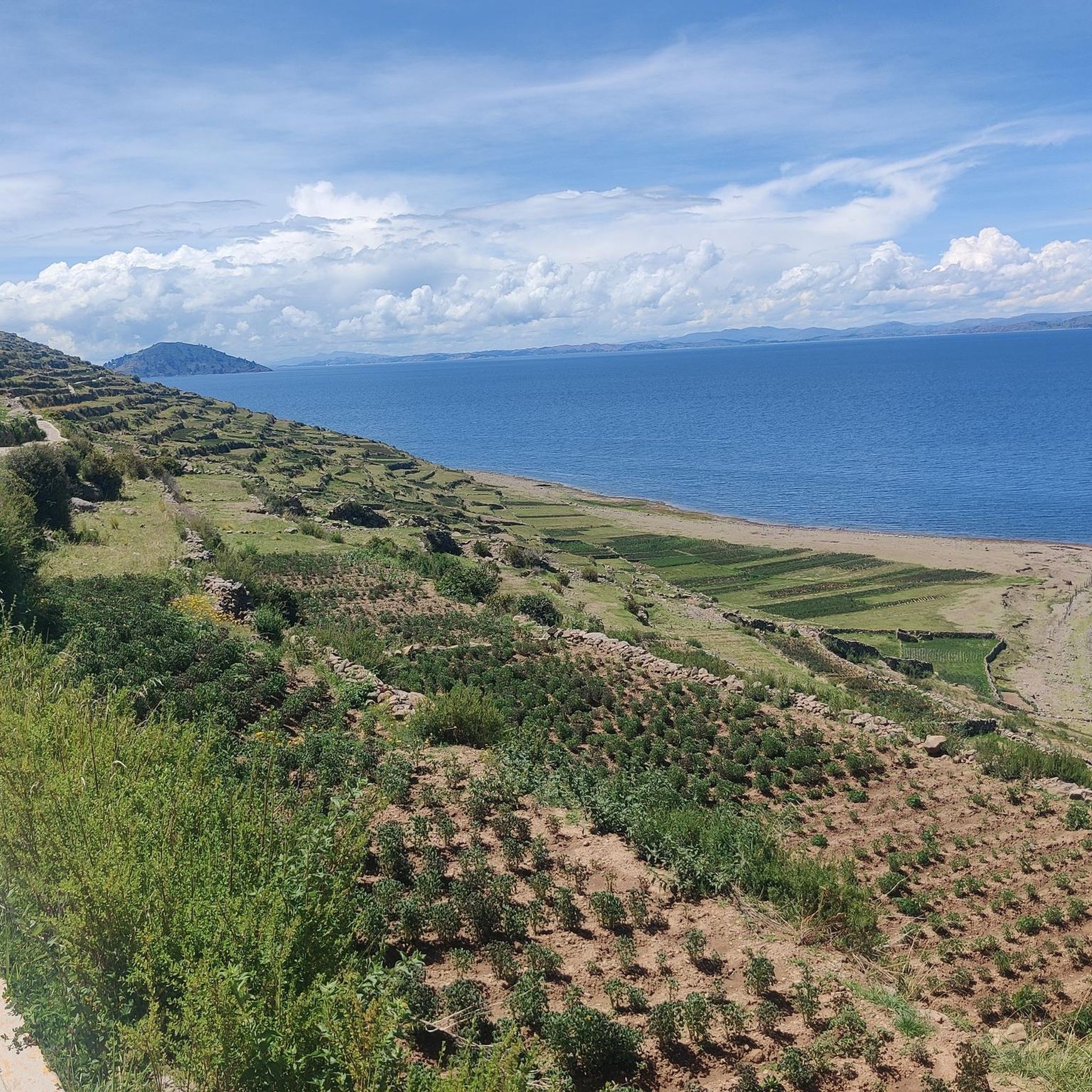
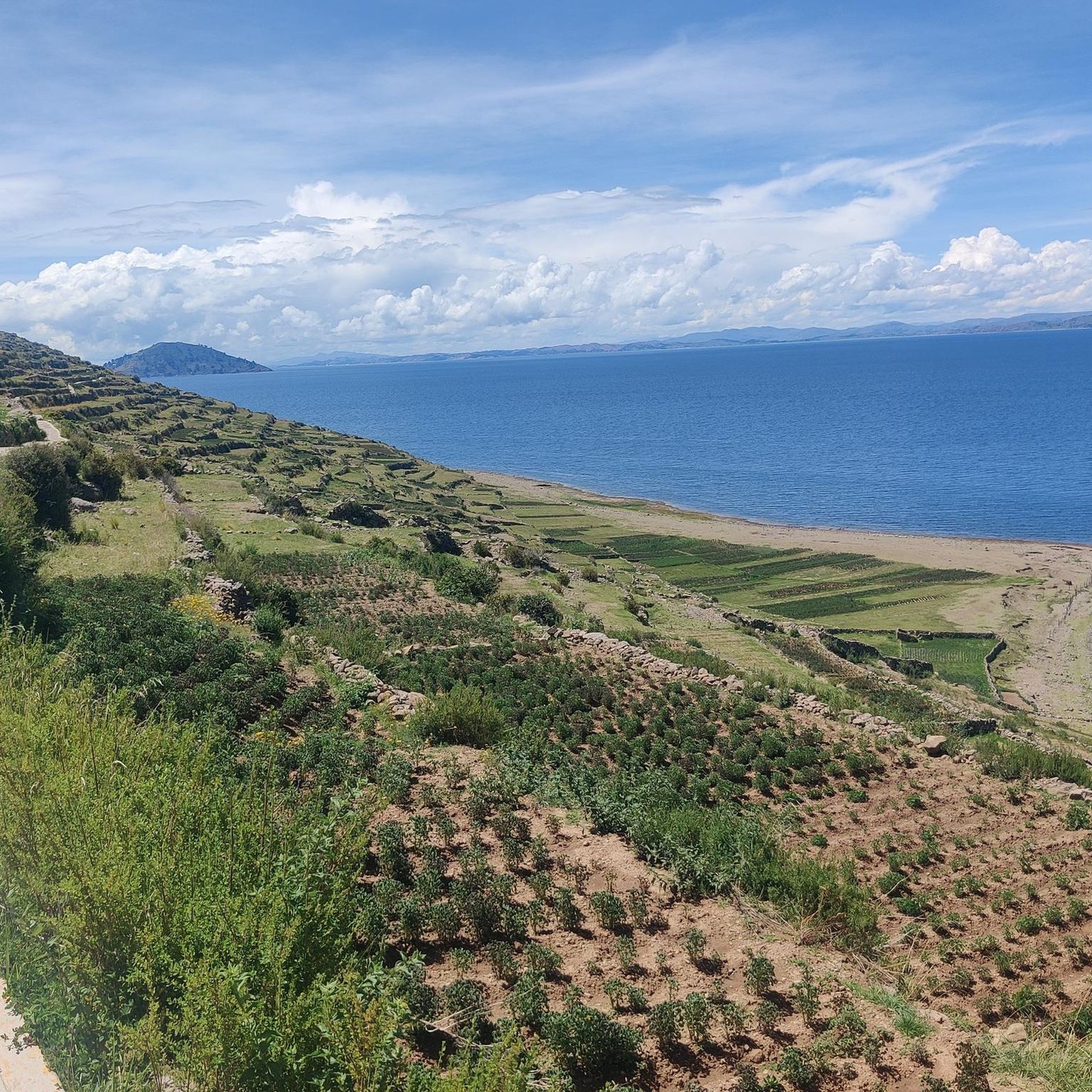
Llachón is located 75 km from the city of Puno, about 1:45 by land and 2:00 by sea. This natural landscape is rich in mountain views, terraces of pre-Inca farms and small eucalyptus forests that surround the community. This is the daily environment where comuneros and comuneras practice agriculture, fishing, weaving and their domestic tasks. Source: https://www.astursperu.org/en/authentic-stay/titicaca-lake/llachon-community/
0
0

A scenic hiking trail for a worthwhile hike to cross the island with boat shuttle service from Puno.
1
0
This point is a good opportunity to hike through the island. Further to the north there is the (main) pier...⛴️
0
0

At 3,812 meters above sea level, in the Peruvian highlands is the highest navigable lake in the world, Lake Titicaca, in Puno. Here you can find the Uros Floating Islands, a set of approximately 80 islands built from reeds, an aquatic plant that grows on the surface of Lake Titicaca. The reed is woven and spread over another layer of it to build the surface of each island. https://www.perurail.com/es/blog/las-islas-flotantes-de-uros-y-su-comunidad/
3
0
In the middle of the Peruvian part of Lake Titicaca lies the picturesque island of Amantani, home to around 8,500 inhabitants and two mountains over 4000 m high: Pachamama (Mother Earth) and Pachatata (Father Earth). On the tops of the mountains, which are used for agriculture almost all the way up, there are temple buildings that date back to the Inca and Tiwanaku cultures.
6
0
Frequently Asked Questions
What are the most popular islands to visit in Lake Titicaca?
Among the most popular destinations are Taquile Island, known for its UNESCO-recognized textile art, and the Uros Floating Islands, unique artificial islands made of totora reeds. Visitors also frequently explore Amantani Island for its cultural homestays and ancient ruins.
What kind of outdoor activities can I do around Lake Titicaca?
Lake Titicaca offers various outdoor activities, primarily hiking and running. You can find routes like the 'View of Lake Titicaca loop from Copacabana' or the 'Pachatata loop from Amantaní'. For more options, explore the Hiking in Lago Titicaca guide or the Running Trails in Lago Titicaca guide.
Are there family-friendly options for visiting Lake Titicaca?
Yes, several areas are suitable for families. The Uros Floating Islands offer a unique cultural experience that can be fascinating for children. The Llachón Community on the Capachica Peninsula is also noted as family-friendly, providing insights into rural Andean life.
What cultural and historical sites can I visit on Lake Titicaca's islands?
Lake Titicaca is rich in culture and history. Taquile Island is famous for its traditional textile art. On the Bolivian side, Isla del Sol is believed to be the birthplace of the Inca sun god and features over 80 ancient ruins, including the Titi Qala. Amantani Island also has ancient temple buildings on its peaks.
When is the best time to visit Lake Titicaca?
The dry season, typically from May to October, is generally considered the best time to visit Lake Titicaca. During these months, you can expect sunny days and less rain, making it ideal for exploring the islands and enjoying outdoor activities, though temperatures can still be cool due to the high altitude.
Are there accommodation options or amenities available on the islands?
Yes, some communities offer accommodation. For instance, the Llachón Community provides basic accommodation and homestays, allowing visitors to experience rural Andean life. On Amantani Island, homestays with local families are a popular option for cultural exchange.
What natural features and viewpoints can I explore around Lake Titicaca?
The region offers stunning natural beauty and numerous viewpoints. The islands themselves, like Amantani Island, feature terraced hillsides and panoramic lake views. The Capachica Peninsula, with villages like Llachón, provides peaceful mountain views and eucalyptus forests. Hiking trails on Isla del Sol also offer breathtaking vistas of the Cordillera Real mountains.
How long should I plan to visit the Uros Floating Islands?
A visit to the Uros Floating Islands typically takes a few hours as part of a boat tour from Puno. This allows enough time to learn about the Uros people's unique way of life, walk on the reed islands, and interact with local families.
What should I pack for a trip to Lake Titicaca?
Given Lake Titicaca's high altitude (3,812 meters), it's advisable to pack layers of clothing, including warm jackets, hats, and gloves, especially for evenings and early mornings. Sun protection (sunscreen, sunglasses, wide-brimmed hat) is also crucial due to the strong UV radiation. Comfortable walking shoes are recommended for exploring the islands.
Are there any less-known or 'hidden gem' islands to visit?
While not an island, the Capachica Peninsula, particularly villages like Llachón, offers a more serene and authentic experience away from typical tourist crowds. It's an excellent choice for community-based tourism and experiencing rural Andean life in a peaceful setting.
Can I spot wildlife around Lake Titicaca?
Lake Titicaca is home to unique high-altitude wildlife, particularly various bird species. You might spot the Titicaca grebe, Andean flicker, or different types of ducks. The totora reeds provide habitat for many of these birds.
Most popular routes in Lago Titicaca
Most popular attractions in Lago Titicaca

Get inspired with the komoot mobile app


Explore more
Still not found your perfect lake in Lago Titicaca? Check out the guides of these regions to see even more beautiful places.
