Top 5 Gorges in South Downs
Canyons in South Downs National Park are characterized by deep valleys, dry valleys, and dramatic coastal formations carved into the distinctive chalk bedrock. These natural features offer significant geological history and ecological value. The region provides scenic beauty and popular trails for exploration, showcasing its unique landscape.
Best canyons in South Downs
- The most popular canyons is Devil's Dyke, a historical site and v-shaped chalkland dry valley that’s home to wildflowers and many species of butterflies. It is recognized as the longest, deepest, and widest dry valley in the UK, offering expansive views across the South Downs.
- Another must-see spot is Grandfather's Bottom, a viewpoint and valley bowl. Visitors can expect a beautiful, quintessential English countryside experience with opportunities to observe wildlife like birds of prey and grazing livestock.
- Visitors also love Standean Bottom, a gorge and glacial coombe. This area offers a chance to explore a labyrinth of small, picturesque hollows just off the main South Downs Way, providing a sense of discovery.
- South Downs is known for its v-shaped chalkland dry valleys, glacial coombes, and river valleys. These natural features provide a variety of landscapes to see and explore, from open chalk downland to more sheltered, verdant riverine ecosystems.
- The canyons in South Downs are appreciated by the komoot community, with 5 highlights receiving more than 270 upvotes and featuring 72 photos.
Last updated: April 28, 2026
Devil's Dyke
Highlight • Historical Site
The name comes from a legend: the devil, furious for the conversion of the Kingdom of Sussex to Christianity, dug a dyke through the South Downs to allow the water from the sea to flow through and drown the villages of the Sussex Weald.
The site was a hillfort in the Iron Age. You can still see some earthworks and burrows in the surrounding area. Apparently it was a very popular destination in Victorian times, with a funfair and even a railway line from Brighton!
It gets busy on the weekend but it's a paradise if you manage to hike here on a weekday.
Tip by

Standean Bottom
Highlight • Gorge
Nick Hallissey, Country Walking deputy edito
Tip by

Sign up now to discover places like this
Get recommendations on the best single tracks, peaks, & plenty of other exciting outdoor places.
Sign up for free
Grandfather's Bottom
Highlight • Viewpoint
Tip by

Caburn Bottom
Highlight • Gorge
Tip by

Hammer Lane
Highlight (Segment) • Trail
It’s a lovely section of road cycling, typical of the quiet lanes in this part of West Sussex.
Tip by

Start today with a free account
Your next adventure awaits.
Login or Signup
Popular around South Downs
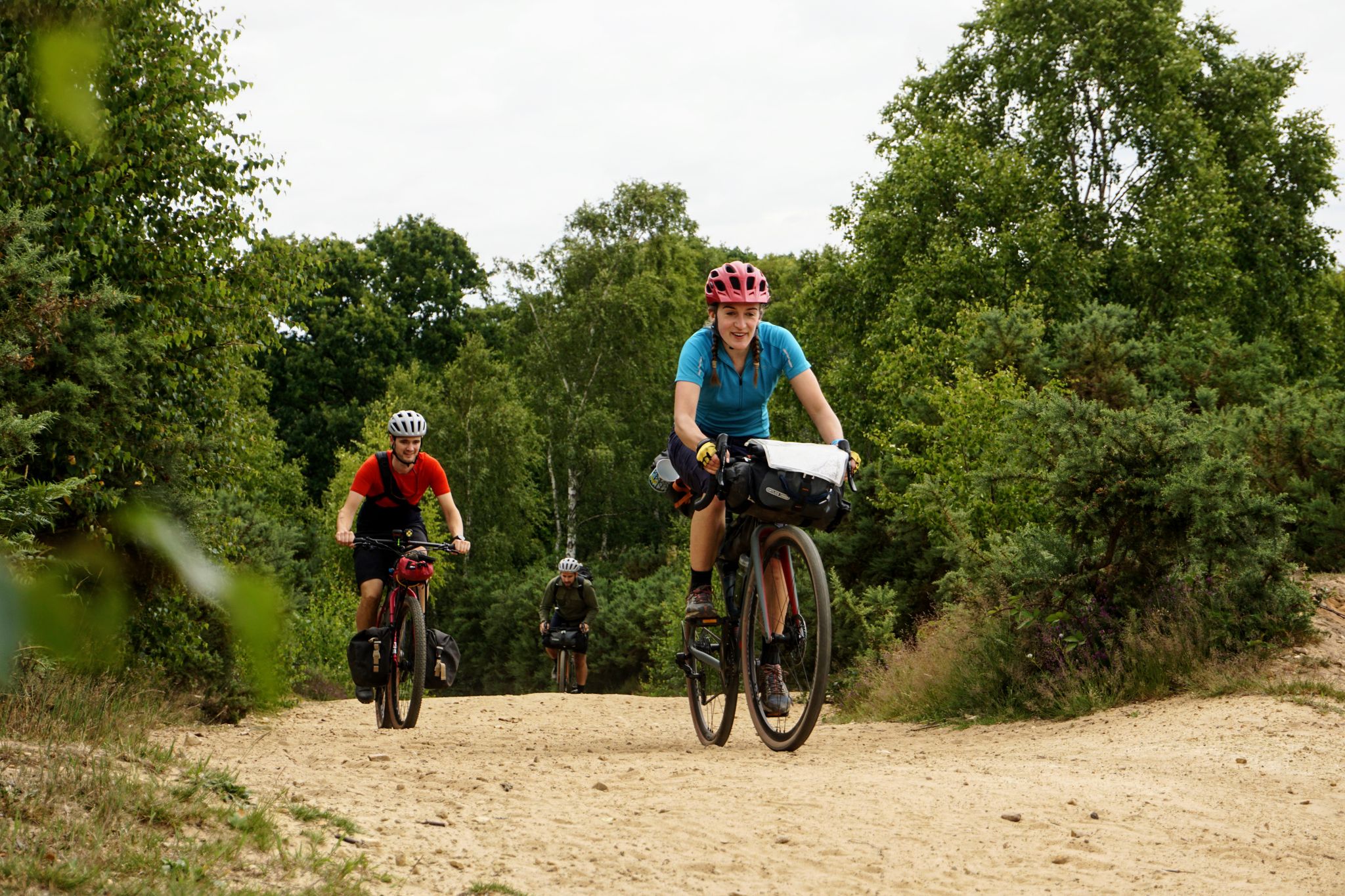
King Alfred's Way — History, chalk, grassland and forest
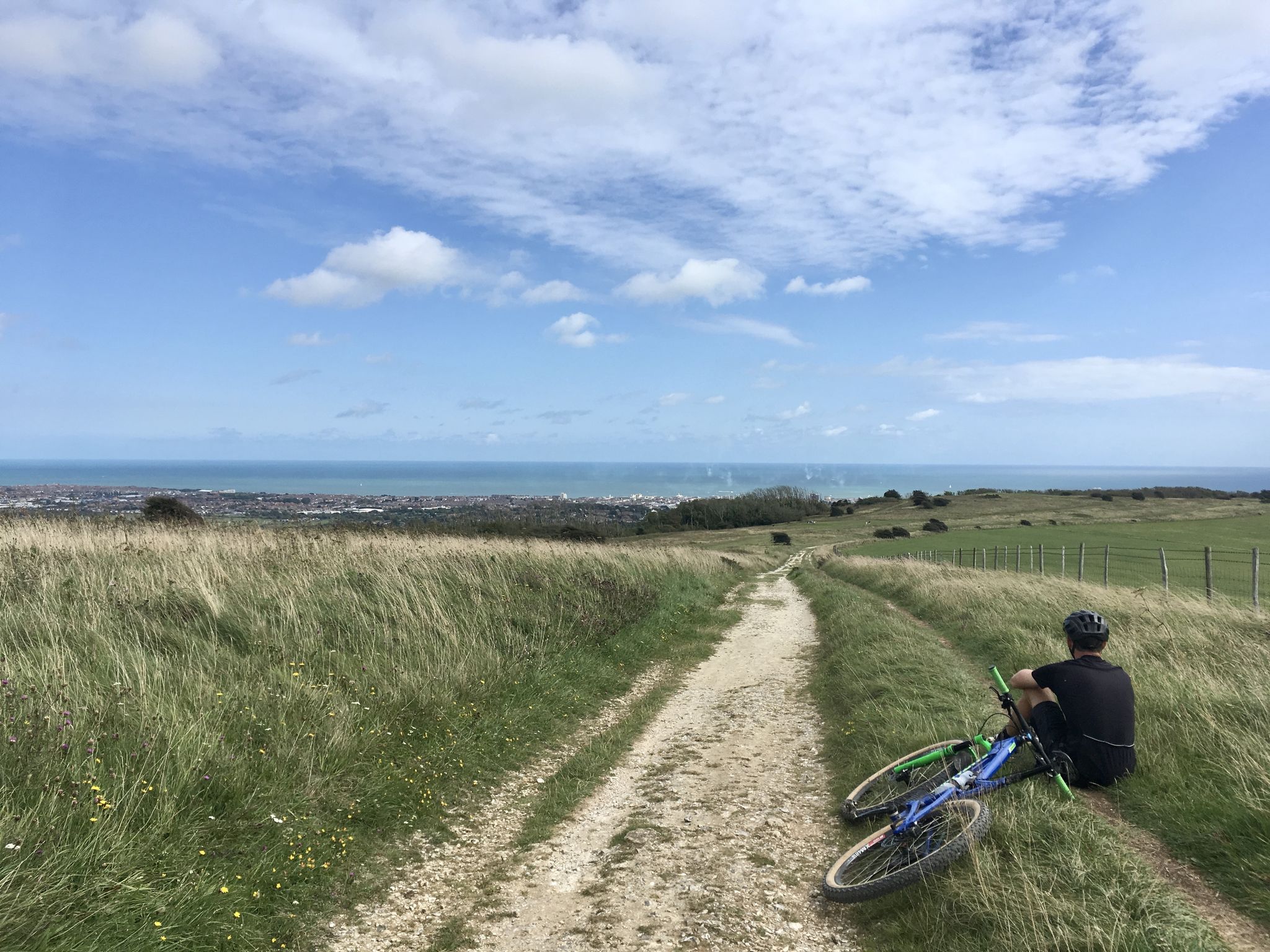
South Downs Way — A Southern off-road utopia
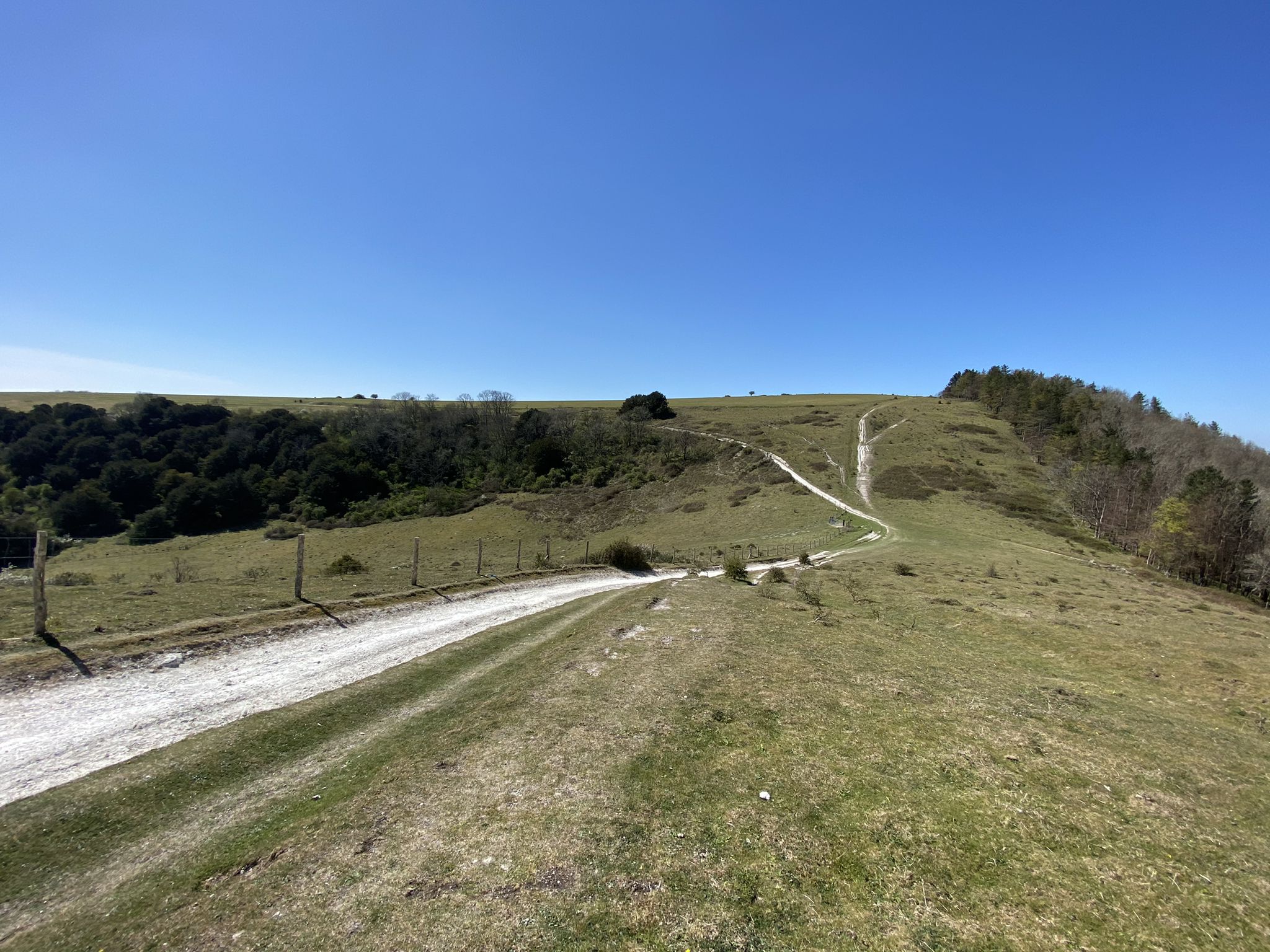
South Downs Way – a 100-mile run across the national park
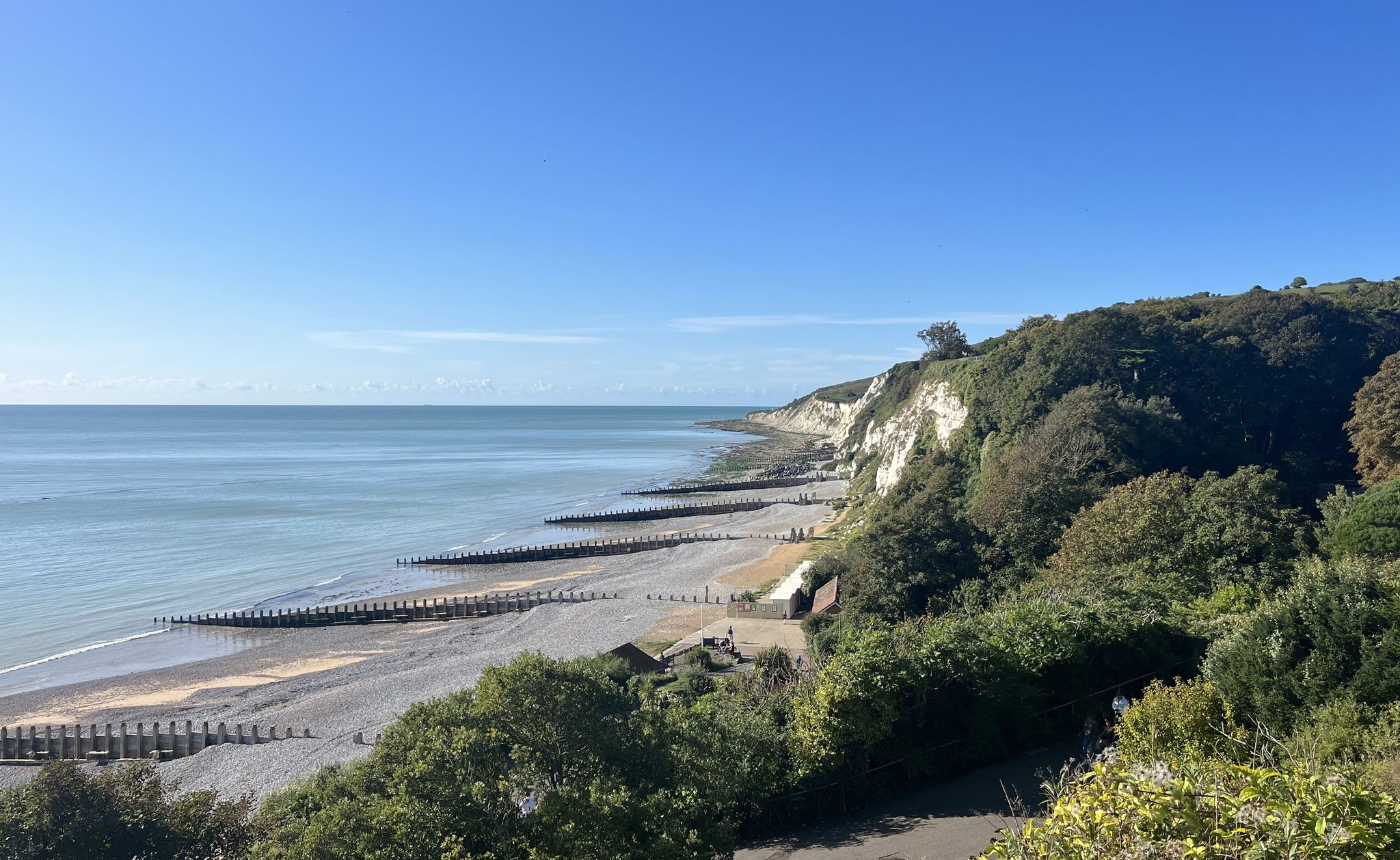
South Downs National Park – A Walk in the Parks
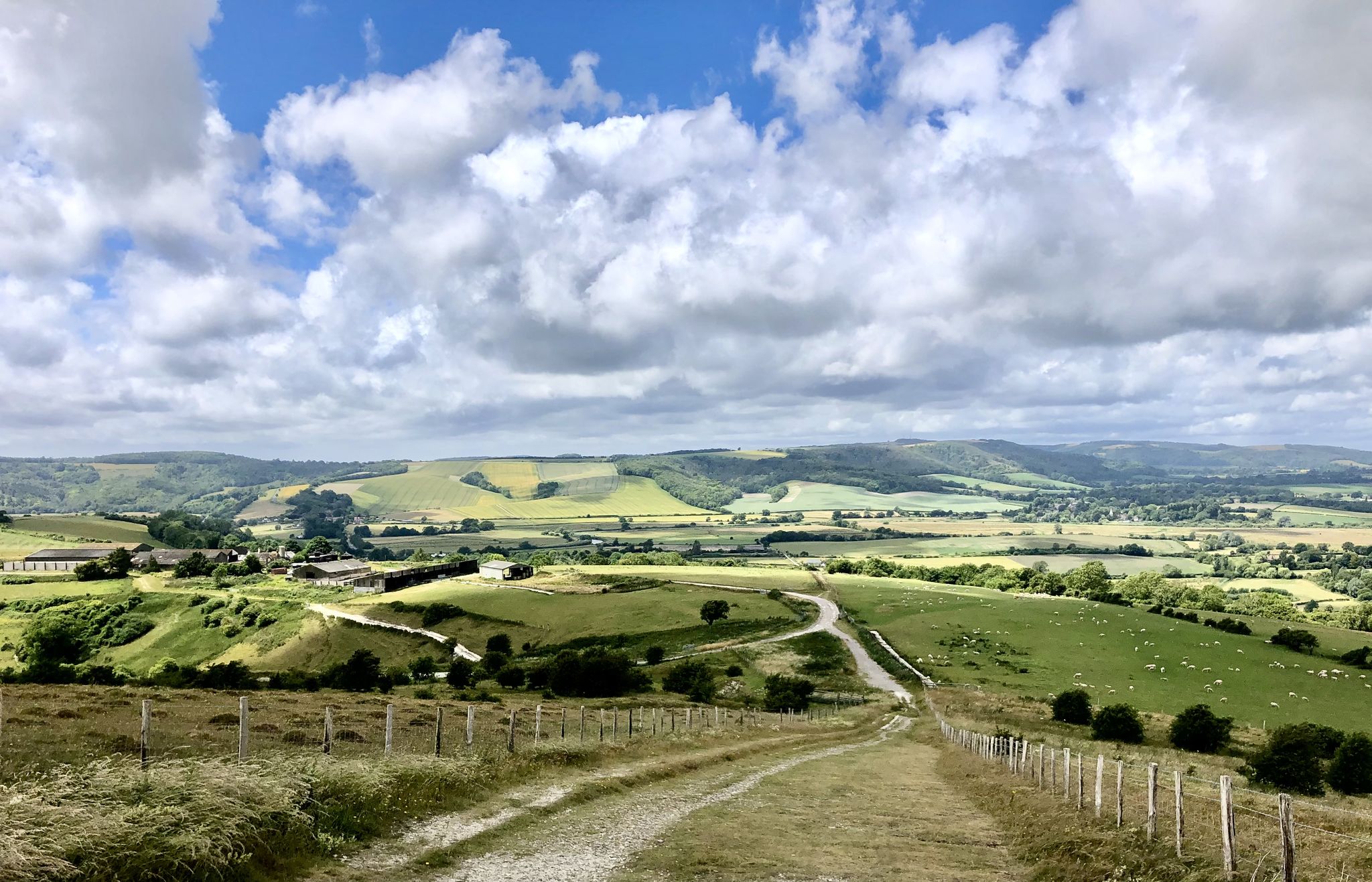
Bikepacking Brighton to Bristol — Ridges, canals and rail paths
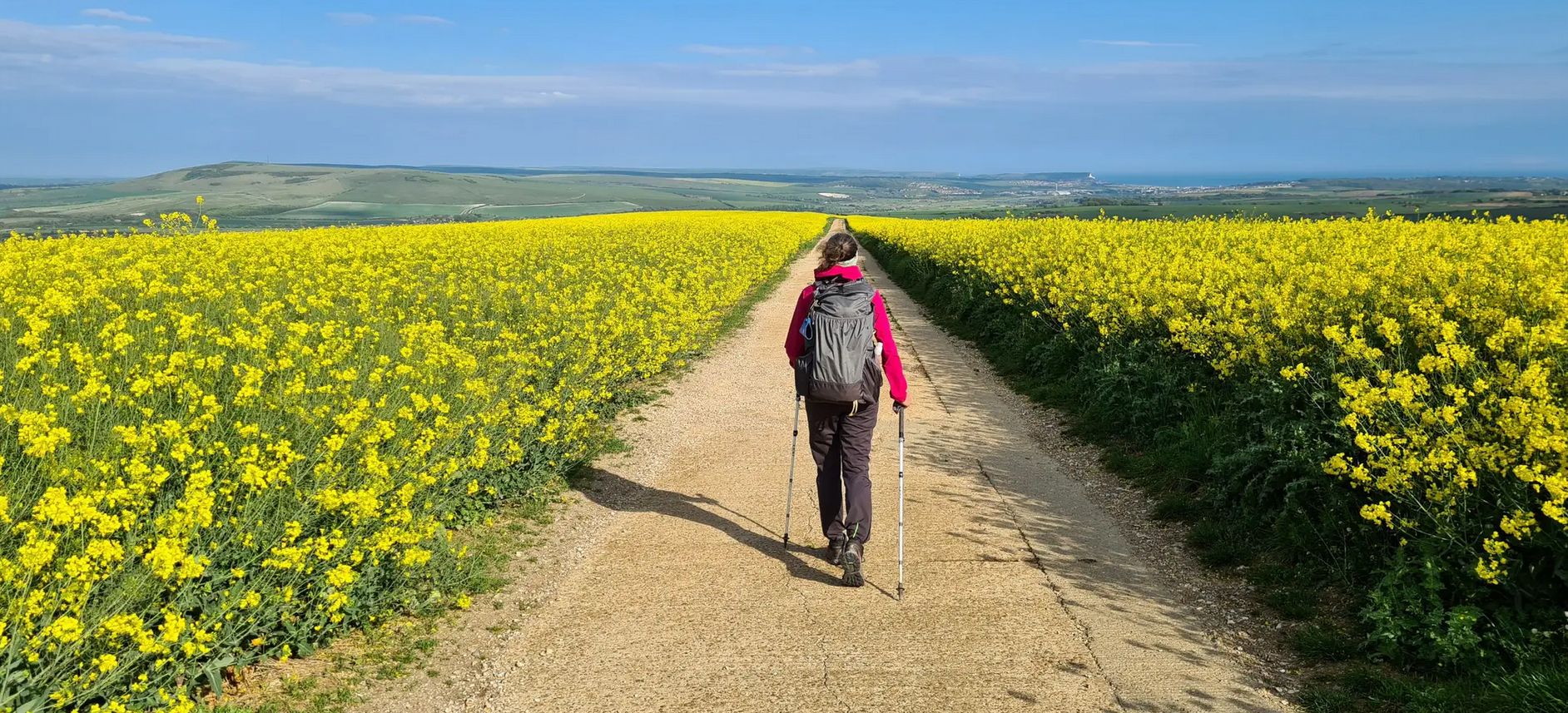
South Downs Way – A captivating hike across Southern England
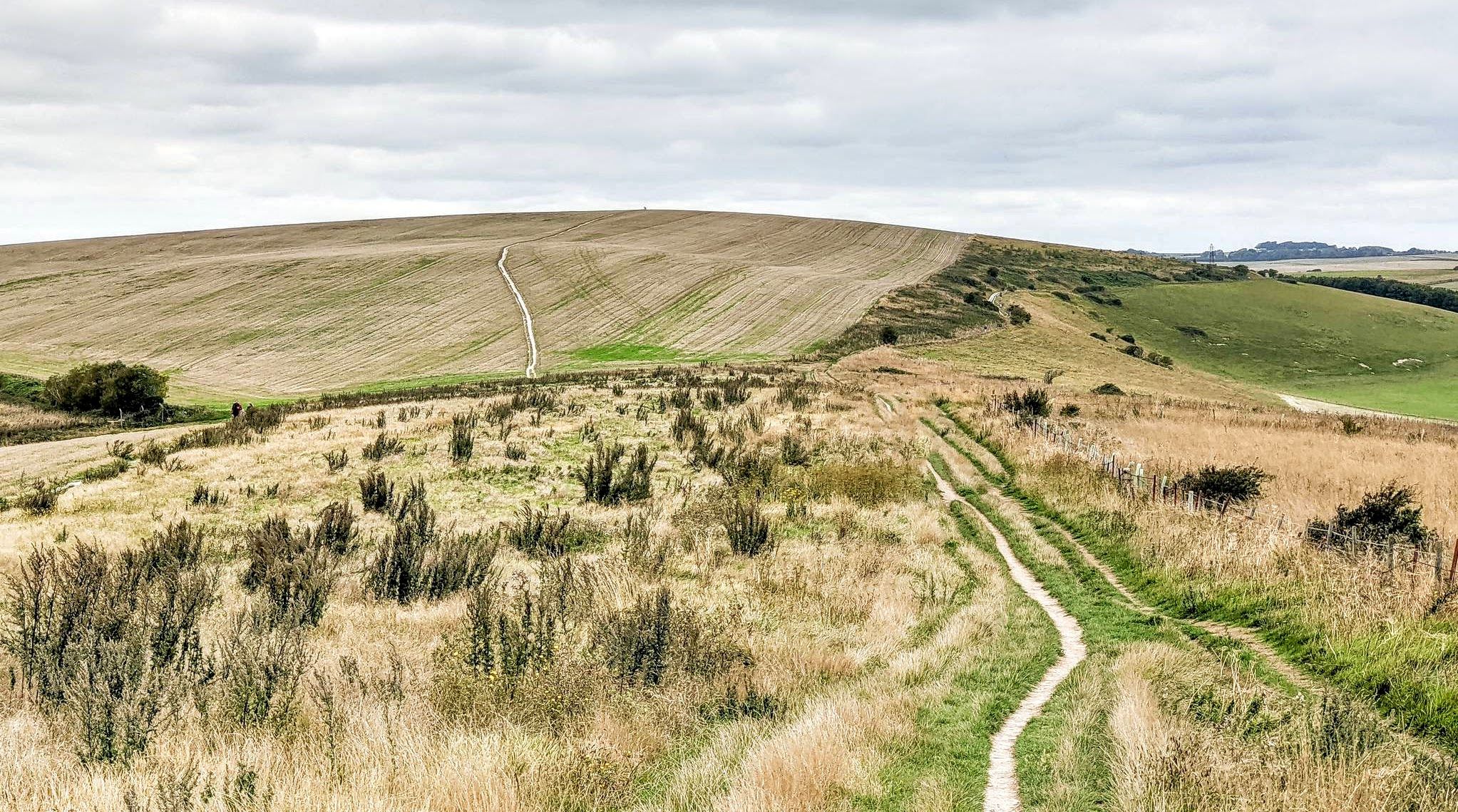
Downs Link and South Downs Way loop from Guildford
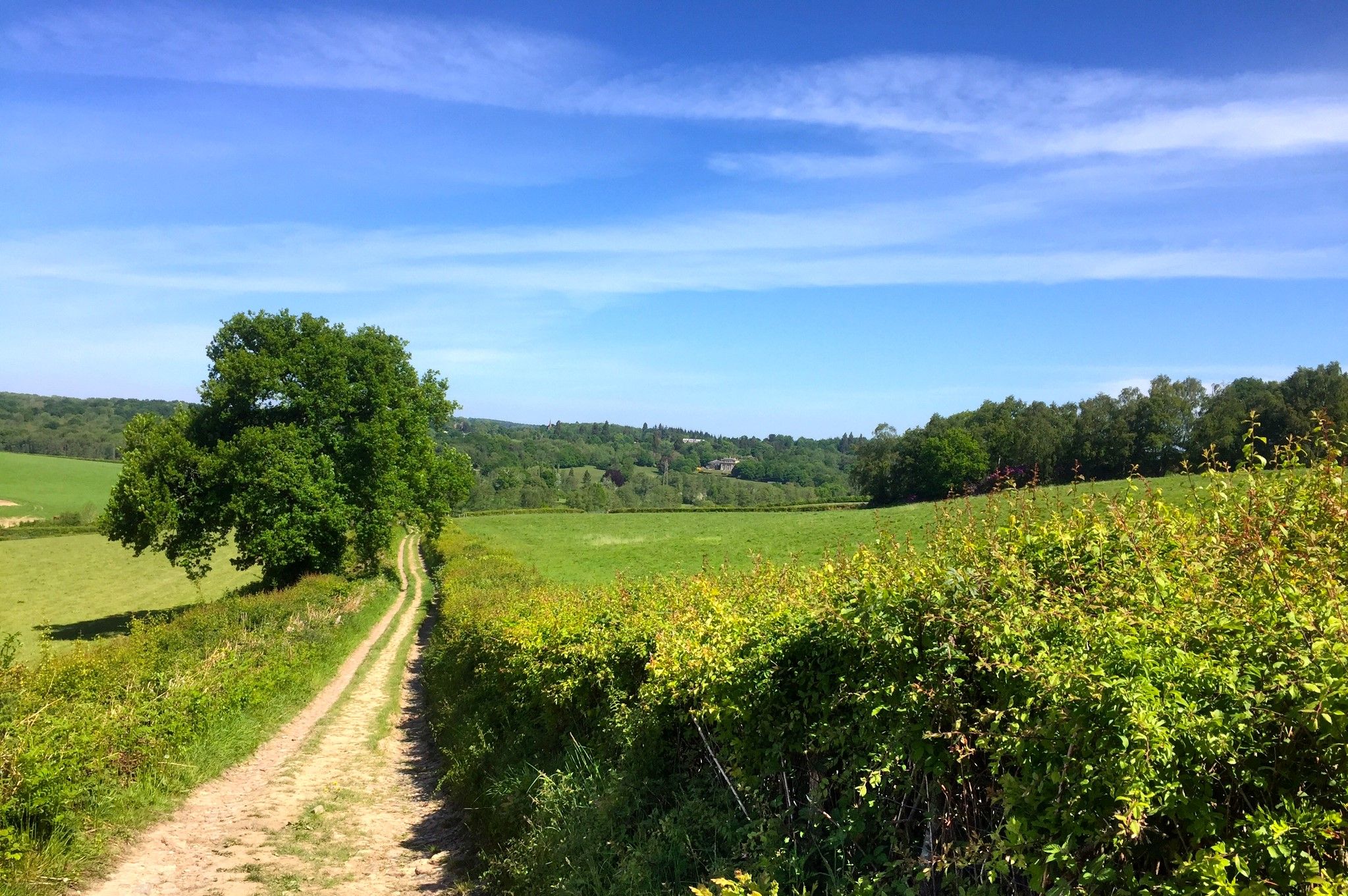
Vanguard Way – Hike some of the finest countryside in the South East
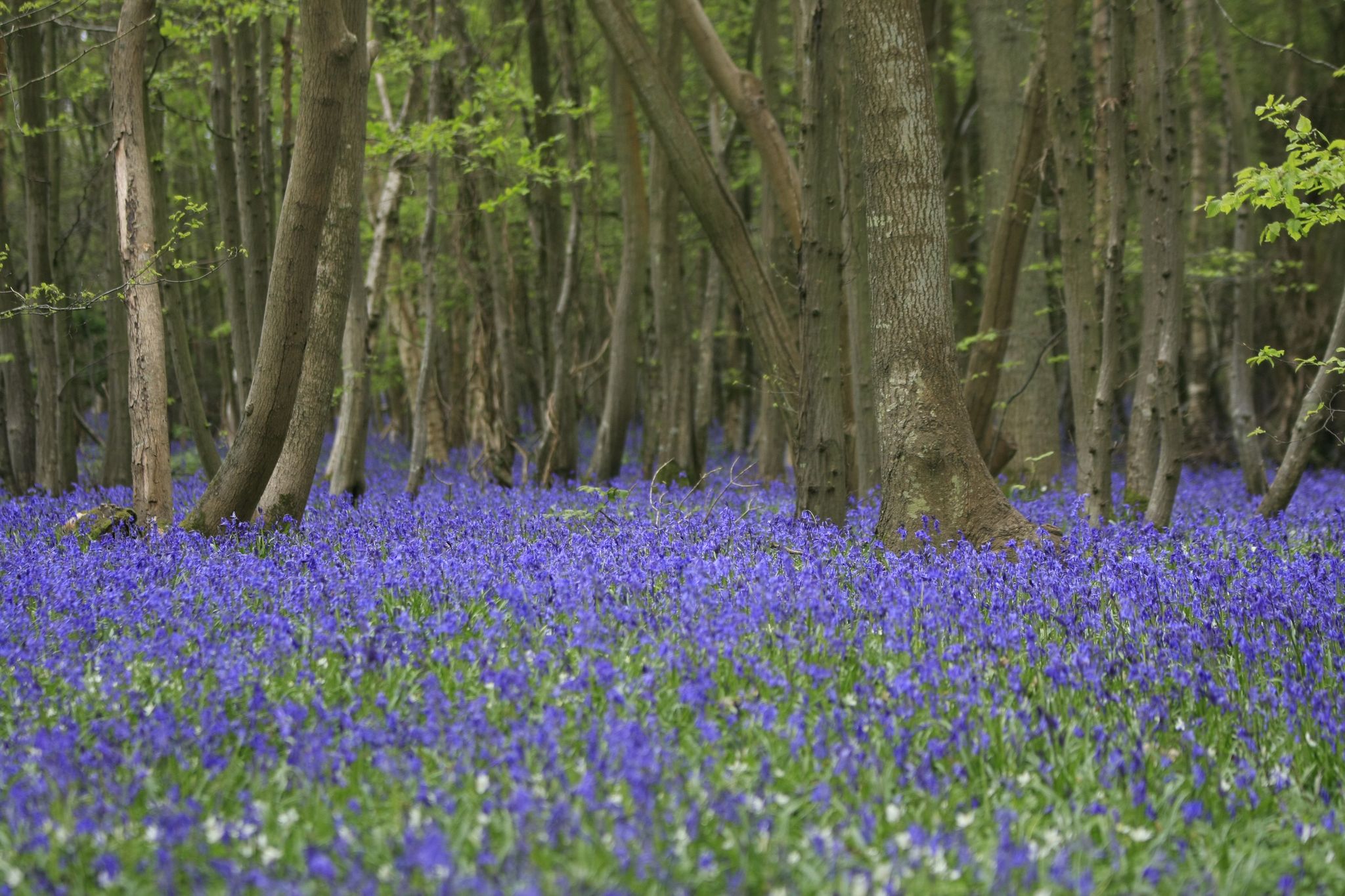
Wealdway — Hike up hill and down dale in rural South East England
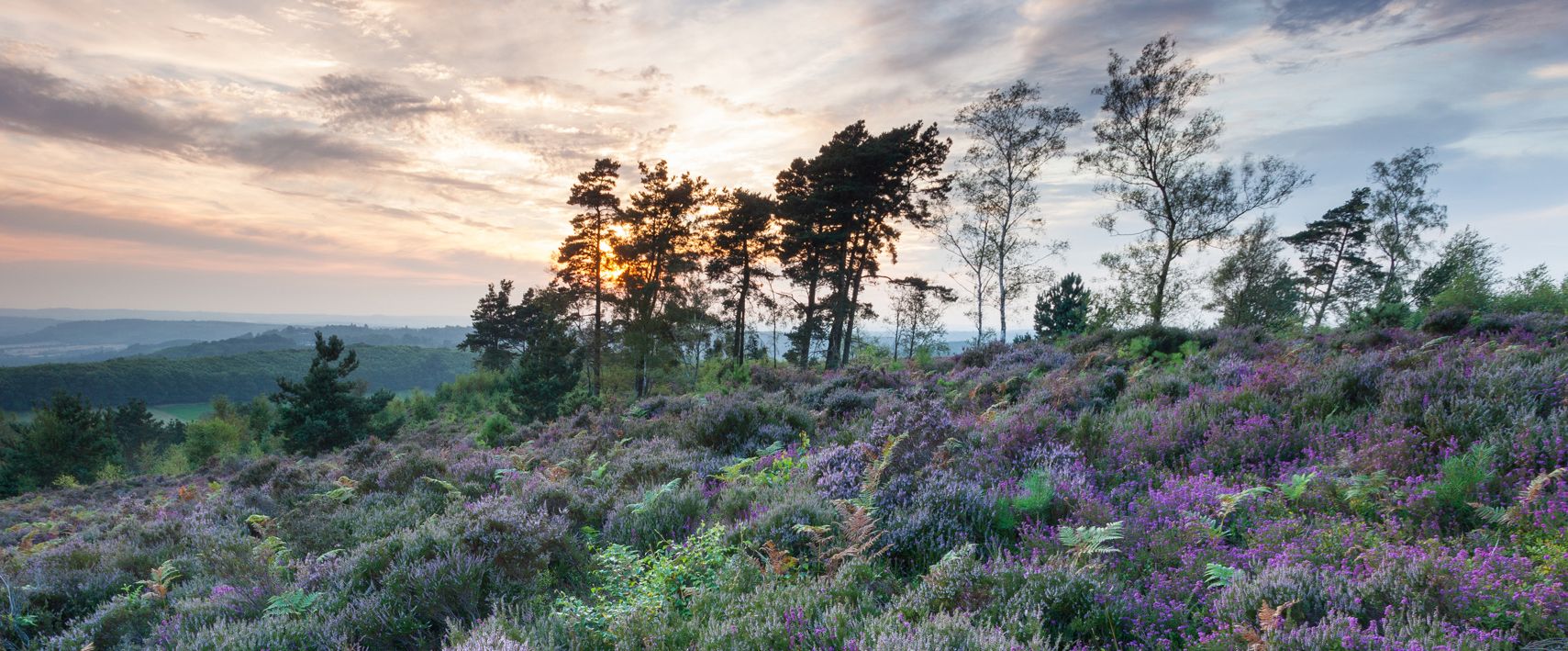
Hiking the Serpent Trail — Snake across Sussex's vibrant Greensand Hills
Other adventures in South Downs


Tips from the Community

Great views of this ‘crease’ in the hill. Lots of wildlife on view here, with its natural steep sides, birds of prey are often circling and hoovering. Grazing livestock are also common here.
0
0

Caburn Bottom is nestled below Mount Caburn and offers a picturesque walking landscape featuring chalk grassland, diverse wildlife and breathtaking views
1
0

Really lovely second part to the walk. The climb up is straightforward but quite taxing and steep in places. Difficult if you have knee problems etc
0
0

This is a beautiful spot, there is a trig point that is placed on one of the ramparts of the actual Iron Age hillfort here. It is very popular with walkers, and families. The valley bowl is also particularly beautiful.
1
0

Good place to start a hike (if in a car) - parking fees going towards upkeep of the area.
1
1

Hammer Lane is an impressive narrow sunken road in Chithurst cutting through sandstone and passing over Hammer stream. It’s a lovely section of road cycling, typical of the quiet lanes in this part of West Sussex.
0
0
Frequently Asked Questions
What types of 'canyons' can I explore in the South Downs National Park?
In the South Downs, 'canyons' refer to impressive deep valleys, dry valleys, and dramatic coastal formations carved into the distinctive chalk bedrock. These include V-shaped chalkland dry valleys like Devil's Dyke, glacial coombes such as Standean Bottom, and iconic coastal cliffs like the Seven Sisters. They offer unique geological insights and stunning landscapes.
Are there family-friendly 'canyon' walks in the South Downs?
Yes, several areas are suitable for families. Devil's Dyke is a popular family-friendly destination, offering expansive views and space for children to explore. The walks along the Seven Sisters Cliffs also provide accessible paths with breathtaking coastal scenery, though care should be taken near cliff edges.
What natural features and wildlife can I expect to see in these valleys?
The valleys and chalk formations of the South Downs are rich in natural beauty. At Devil's Dyke, you can find diverse wildflowers and many species of butterflies. River valleys like the Arun, Adur, Ouse, and Cuckmere support rich wetland habitats and diverse wildlife, including waterfowl. In places like Grandfather's Bottom, you might spot birds of prey circling and grazing livestock.
Are the 'canyons' in the South Downs suitable for dog walking?
Many of the trails and open spaces around the South Downs' valleys are dog-friendly. Devil's Dyke is a popular spot for dog walkers. Always ensure dogs are kept under control, especially around livestock or near cliff edges, and follow local signage regarding leads.
What is the best time of year to visit the South Downs' valleys and dry valleys?
The South Downs are beautiful year-round, but spring and summer are ideal for enjoying wildflowers and butterflies, particularly at Devil's Dyke. Autumn offers stunning colours across the landscape. For coastal walks along the Seven Sisters, a clear day is recommended for the best views, regardless of the season.
Are there any historical sites within or near these valleys?
Yes, the South Downs are steeped in history. Devil's Dyke itself retains ramparts of an Iron Age hill fort. The entire region has a rich geological history, with the chalk bedrock formed from marine deposits millions of years ago. You can learn more about the area's history and iconic views on the official South Downs National Park website: southdowns.gov.uk.
What kind of outdoor activities can I do near the South Downs' valleys?
The South Downs offer a wide range of outdoor activities. You can enjoy easy hikes on trails like Kingley Vale or Swanbourne Lake loop. For cyclists, there are numerous road cycling routes, including the Glynde and Laughton loop, and gravel biking options like the South Downs National Park loop from Lewes. Explore more options on our guides for easy hikes, road cycling, and gravel biking in the South Downs.
Where can I find less-frequented or 'hidden gem' valleys?
For a sense of discovery, explore Standean Bottom. It's part of a cluster of 'crazily-curved mini-valleys' hidden in the hills between Woodingdean and Lewes, just off the main South Downs Way. It offers a labyrinth of small, picturesque hollows for those who venture slightly off the beaten path.
Are there pubs or cafes near the main valley attractions?
Yes, popular spots like Devil's Dyke often have facilities nearby, including pubs or cafes, especially on weekends. The towns and villages surrounding the South Downs, such as Brighton, Lewes, and Eastbourne, also offer a wide range of dining options. For specific locations, it's best to check local listings.
What makes the Seven Sisters Cliffs a notable 'canyon' feature?
The Seven Sisters Cliffs are an iconic example of the South Downs' dramatic coastal formations. They are the remnants of dry valleys that meet the sea, presenting an undulating landscape of chalk peaks and dips. They offer breathtaking coastal views and are a prime example of the distinctive chalk geology being eroded by the sea, creating a visually stunning 'canyon-like' effect where the land drops sharply to the water.
What is the geological significance of the South Downs' valleys?
The geology of the South Downs is primarily characterized by tilted layers of Upper Cretaceous Chalk, formed from marine deposits 75 to 90 million years ago. The distinctive valleys, dry valleys, and coastal cliffs were sculpted by weathering and erosion, particularly during the last ice age. This geological history makes areas like Devil's Dyke and the Seven Sisters significant for their unique formations.
What do visitors enjoy most about exploring the valleys in the South Downs?
Visitors particularly enjoy the expansive and stunning views, such as those from Devil's Dyke. The tranquil environments of the river valleys, the chance to observe diverse wildlife, and the sense of discovery in places like Standean Bottom are also highly appreciated. Many find the quintessential English countryside experience, with its rolling hills and dramatic formations, to be truly captivating.
Most popular routes in South Downs
Most popular attractions in South Downs

Get inspired with the komoot mobile app


