St. David'S And The Cathedral Close
St. David'S And The Cathedral Close
Top 20 Natural Monuments around St. David'S And The Cathedral Close
Best natural monuments around St. David'S And The Cathedral Close are characterized by dramatic coastlines, ancient geological formations, and diverse ecosystems. The region, particularly the St David's peninsula, features very old volcanic rock, some dating back almost 500 million years, and jagged rocky cliffs. These natural landscapes offer panoramic views of the open sea, offshore islands, and a rich habitat for wildlife. The area provides compelling reasons to explore its unique natural features.
Best natural monuments around St. David'S And…
Last updated: July 10, 2026
Carn Llidi Summit View
Highlight • Natural Monument
Tip by

Abereiddy Beach
Highlight • Parking
Tip by

Sign up now to discover places like this
Get recommendations on the best single tracks, peaks, & plenty of other exciting outdoor places.
Sign up for free
Carreg Samson Dolmen
Highlight • Historical Site
Tip by
St Justinian Lifeboat Station
Highlight • Viewpoint
Tip by
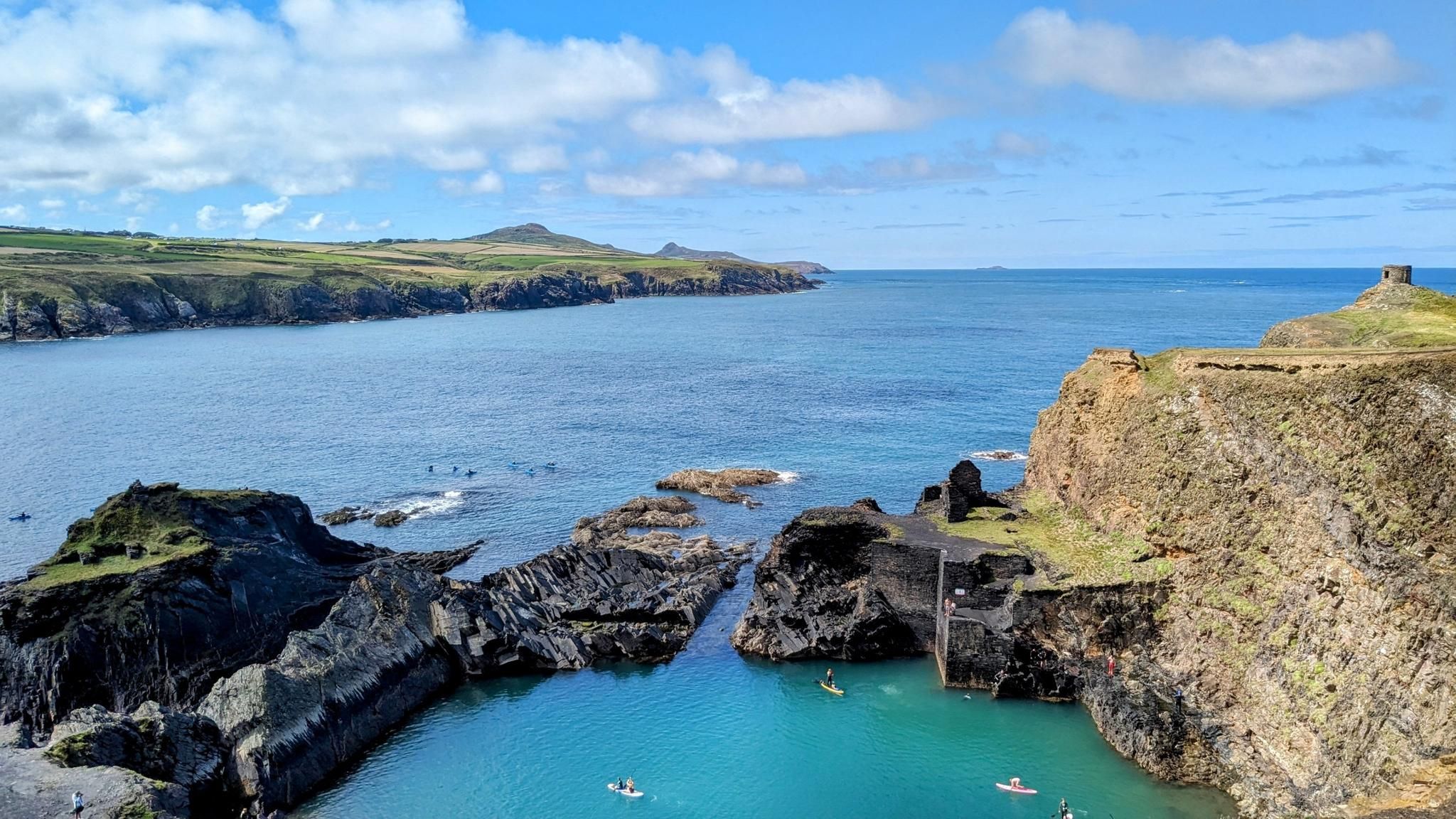
Blue Lagoon, Abereiddy
Highlight • Natural Monument
Tip by
Sign up for free to discover even more natural monuments around St. David'S And The Cathedral Close.
Sign up for free
Already have an account?
Start today with a free account
Your next adventure awaits.
Login or Signup
Popular around St. David'S And The Cathedral Close
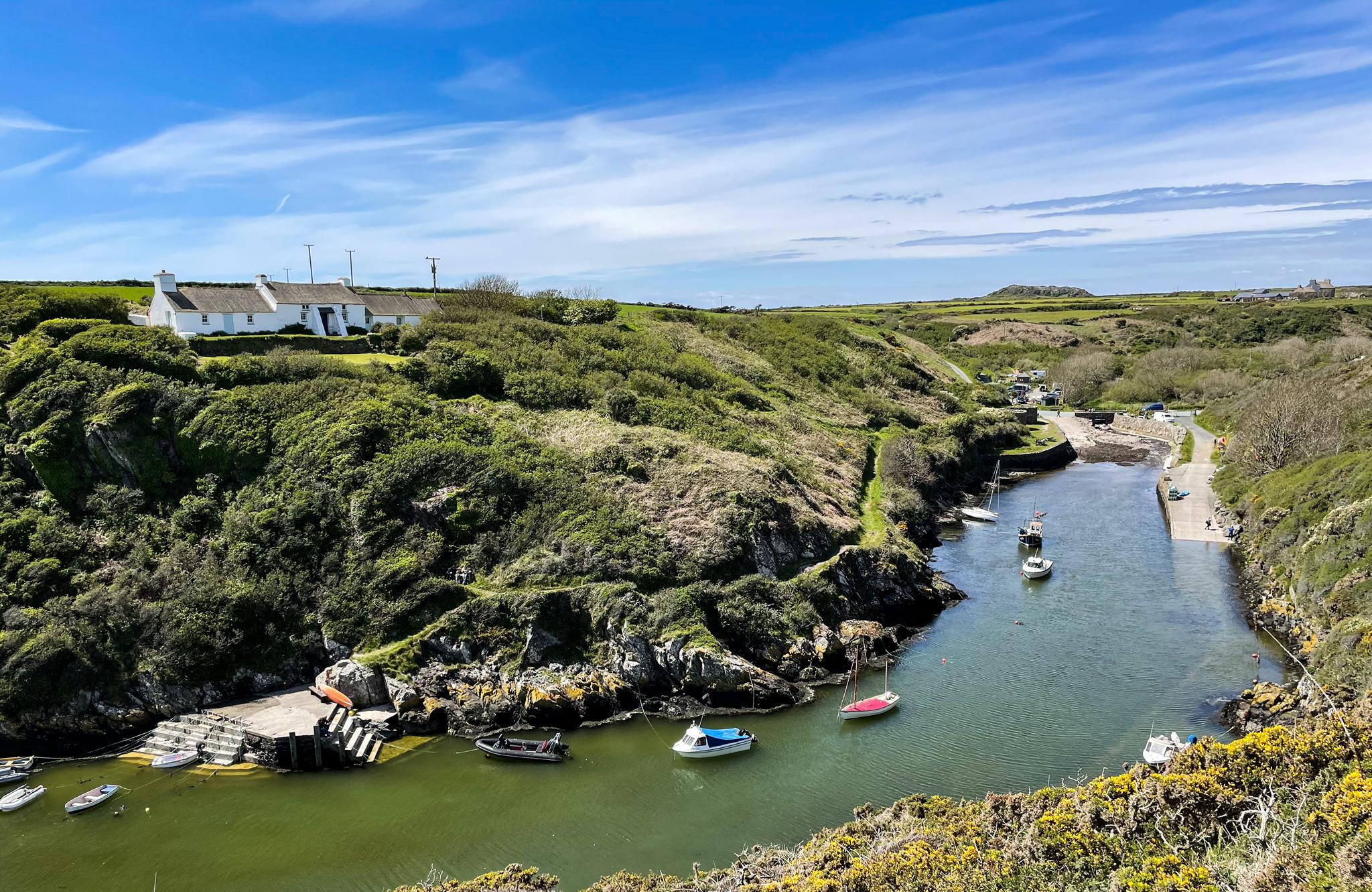
St Davids Head to Abercastle – Pembrokeshire walks
St Davids and Solva – Pembrokeshire walks
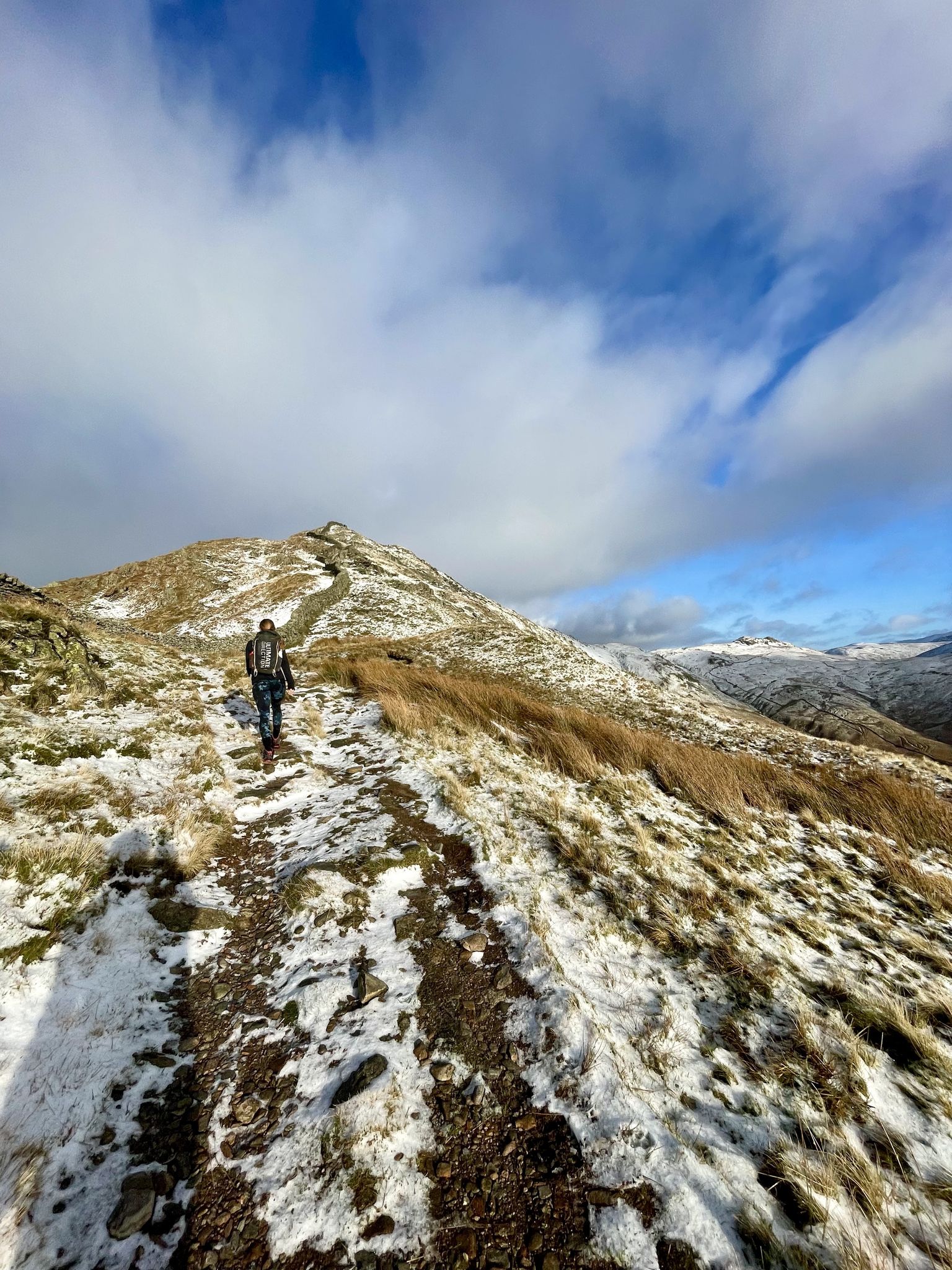
Walk Britain – 90 car-free adventures in England, Wales and Scotland
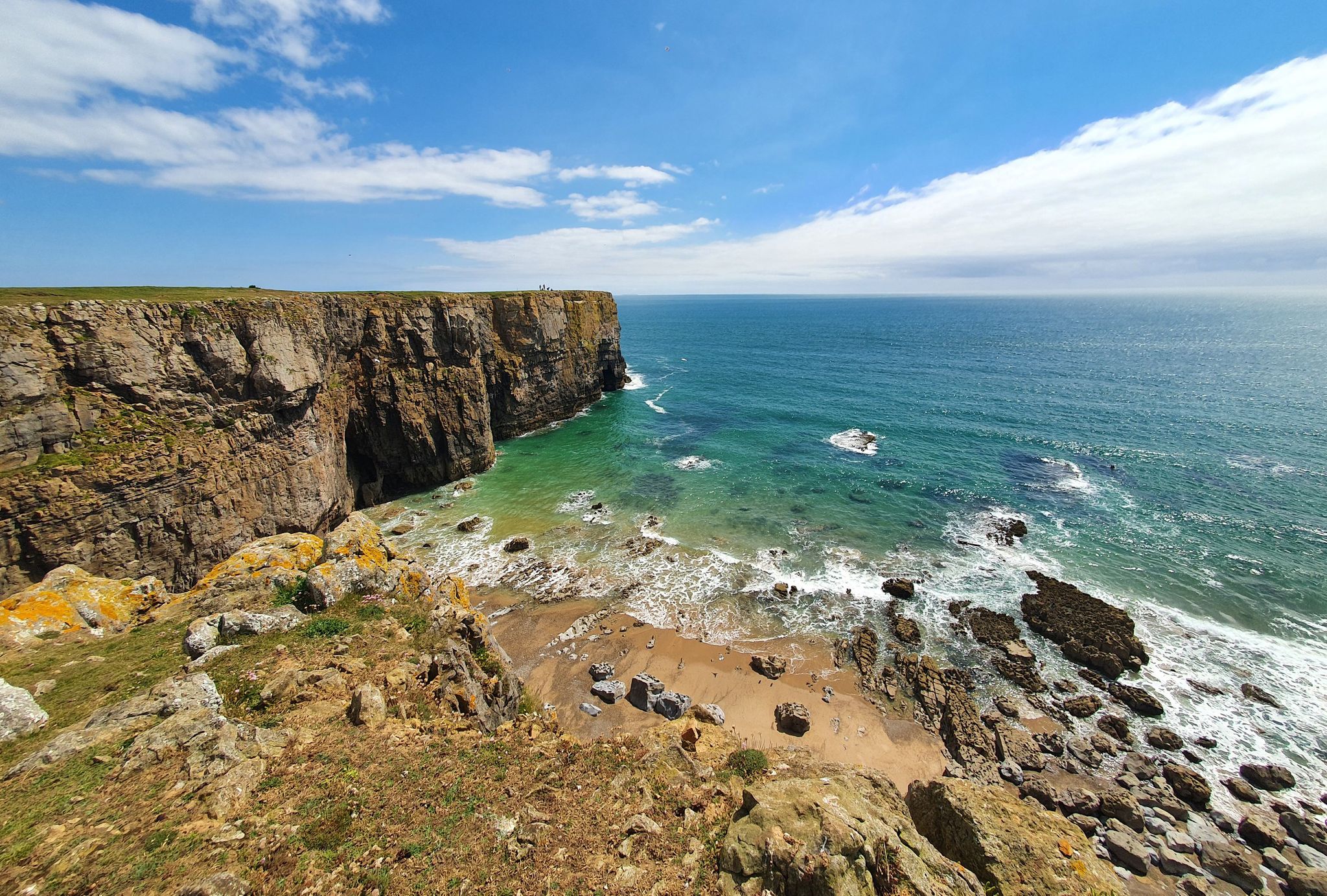
Scenic short and half-day walks in Pembrokeshire Coast National Park
Around the edge in 80 days — cycling the coastline of Britain
Explore Britain's only coastal national park – Pembrokeshire Coast
Hiking around St. David'S And The Cathedral Close
Cycling around St. David'S And The Cathedral Close
Running Trails around St. David'S And The Cathedral Close
Road Cycling Routes around St. David'S And The Cathedral Close
Other adventures around St. David'S And The Cathedral Close


Tips from the Community


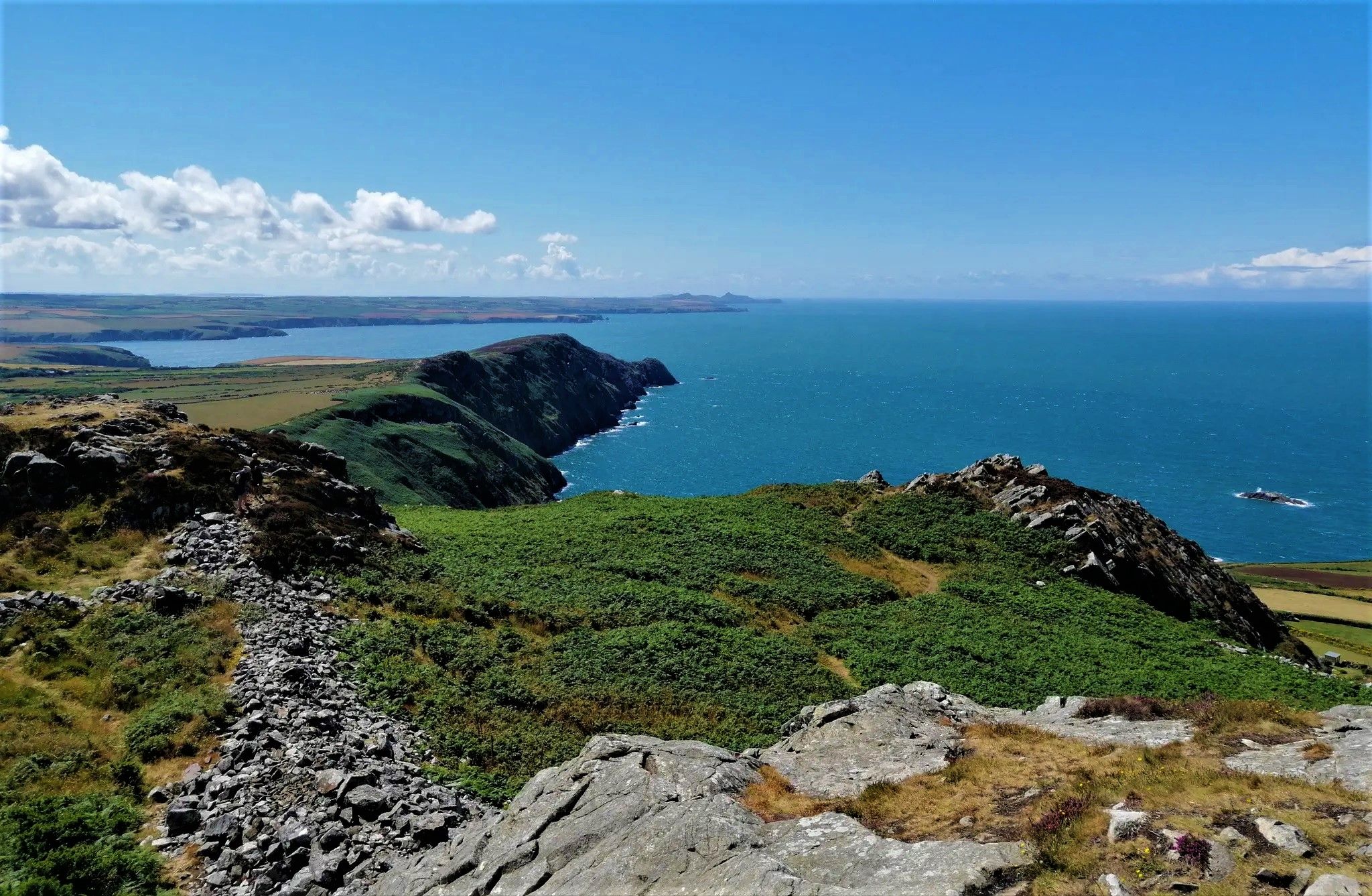
Top spot, with a great view. The approach from the east side is adventurous as there is usually little or no path visible. With only the summit roughly in sight, we steadily fought our way up.
1
0

This beach is made up of pebbles and exceptionally dark sand made from crushed grey slate. The slate gives the water in the "Blue Lagoon" its bright deep blue colour. To the north of the beach is a lovely little harbour - an open-cut quarry that is also wheelchair accessible. Be careful: there are strong currents here.
2
1
Carreg Samson, a dolmen, lies over Abercastle Bay, near Fishguard. The capstone is approximately 4 1/2 m long and 2.7 m wide. It lies on three of the seven upright support stones. The dolmen was previously covered by a mound of earth or stone. At the beginning of the 20th century, the gaps between the stones were closed so that the dolmen could be used as a sheepfold. The Carreg Samson is a so-called Scheduled Monument.
1
0

Exciting to watch the cliff divers
2
1
The monument includes the remains of two chamber tombs from the Neolithic period (ca. 4,400 BC - 2,900 BC). Chamber tombs were built and used by local farming communities over long periods of time. The two sub-megalithic burial chambers lie in rock-strewn open moorland on the sloping terrain northwest of Garn Llidi, at the westernmost point of the ridge.
2
0

The beach is closed during seal pupping season, but you can see them from above (please take care. The cliffs are very steep with a large drop!!).
3
0
A wonderful place to sit & watch a gorgeous sunset over Ramsey Island
0
0
Frequently Asked Questions
What are some of the most popular natural monuments to visit around St. David's and The Cathedral Close?
Visitors frequently enjoy the dramatic landscapes and unique geological features. Highly rated spots include the Blue Lagoon, Abereiddy, a former slate quarry popular for water sports, and the panoramic views from Carn Llidi Summit View, offering vistas across the Pembrokeshire coastline and the Irish Sea.
Are there any natural monuments with historical significance in the area?
Yes, the region blends natural beauty with ancient history. Carreg Samson Dolmen is a notable example, an exposed Neolithic burial chamber with a large capstone, offering views across Abercastle Bay. Additionally, the area around Carn Llidi Summit View also contains remains of two Neolithic chamber tombs.
What kind of unique geological features can I expect to see?
The region is characterized by very old volcanic rock, some dating back almost 500 million years, particularly evident at St David's Head and Carn Llidi. You'll find jagged rocky cliffs, dramatic coastal headlands, and unique beaches like Abereiddy Beach, famous for its black sand derived from crushed slate. The Treginnis Peninsula also boasts some of Pembrokeshire's oldest rocks.
Are there family-friendly natural monuments or activities suitable for children?
While many natural sites are suitable for families, the St Justinian Lifeboat Station area is considered family-friendly, offering stunning coastal views and opportunities to spot seals. The Blue Lagoon, Abereiddy, with its calm waters, is also popular for swimming and paddleboarding, which can be a fun family activity.
What outdoor activities can I do near these natural monuments?
The area is excellent for outdoor enthusiasts. You can explore numerous routes for hiking, cycling, and running. For hiking, consider routes like the 'St. David's Peninsular loop' or 'St. David's Head coastal loop'. Cyclists might enjoy the 'Solva and Croes-goch loop from St Davids'. Runners have options such as the 'Treginnis Walk from Porthclais'. You can find more details on these activities in the hiking, cycling, and running guides for the region.
Where can I find good viewpoints to appreciate the natural scenery?
The region offers many spectacular viewpoints. Carn Llidi Summit View provides extensive panoramic views along the Pembrokeshire coastline to Ramsey Island and across the Irish Sea. The area around St Justinian Lifeboat Station also offers stunning coastal vistas of jagged rocks and the sea.
What kind of wildlife can be observed around the natural monuments?
The diverse ecosystems support a variety of wildlife. St David's Head is important for flora and fauna, including rare coastal wildflowers, heather, and gorse, attracting butterflies, moths, and birds like stonechat and linnet. Clifftop birds such as peregrine falcons, ravens, swifts, and choughs breed here. Grey seals and porpoises can often be spotted in the waters, especially around Ramsey Island.
Is there a good place for swimming or water sports?
Yes, the Blue Lagoon, Abereiddy, a former slate quarry with deep blue water, is a popular spot for water sports like swimming and paddleboarding. Whitesands Bay is also regarded as one of the best beaches for surfers and paddlers due to its sheltered location.
What is the Pembrokeshire Coast Path and how does it relate to the natural monuments?
The Pembrokeshire Coast Path is a 186-mile National Trail that provides unparalleled access to the region's natural monuments. It journeys along the coastline, offering breathtaking scenery of dramatic cliffs, secluded beaches, and geological formations shaped by erosion. Many of the natural features mentioned, such as St David's Head and the Treginnis Peninsula, are accessible via sections of this path.
Can I see ancient forests or other unique natural phenomena?
At Whitesands Bay, during very low tides, you can witness the remains of an ancient forest. This includes tree stumps of birch, fir, hazel, and oak, offering a rare glimpse into the area's geological past and changing landscapes.
What is the best time of year to visit the natural monuments in St. David's?
The natural monuments can be enjoyed year-round, but each season offers a different experience. Late spring and summer (May to September) are ideal for walking and water sports, with warmer weather and longer daylight hours. This is also when coastal wildflowers bloom and seabirds are active. Autumn offers dramatic coastal views and opportunities to see grey seal pups. Winter provides a wilder, more remote experience for those seeking solitude.
Are there any natural monuments that are particularly remote or offer a sense of tranquility?
St David's Head, backed by Carn Llidi, offers a strong sense of remoteness and tranquility. It's a prominent, exposed rocky headland with unspoiled panoramic views, making it a perfect spot for those looking to escape the crowds and immerse themselves in nature.
Most popular routes around St. David'S And The Cathedral Close
Most popular attractions around St. David'S And The Cathedral Close

Get inspired with the komoot mobile app


Explore more
Extend your search for the best caves by checking out these guides of the top ones around St. David'S And The Cathedral Close:
