The best MTB trails around St. David'S And The Cathedral Close
4.7
(6)
44
riders
8
rides
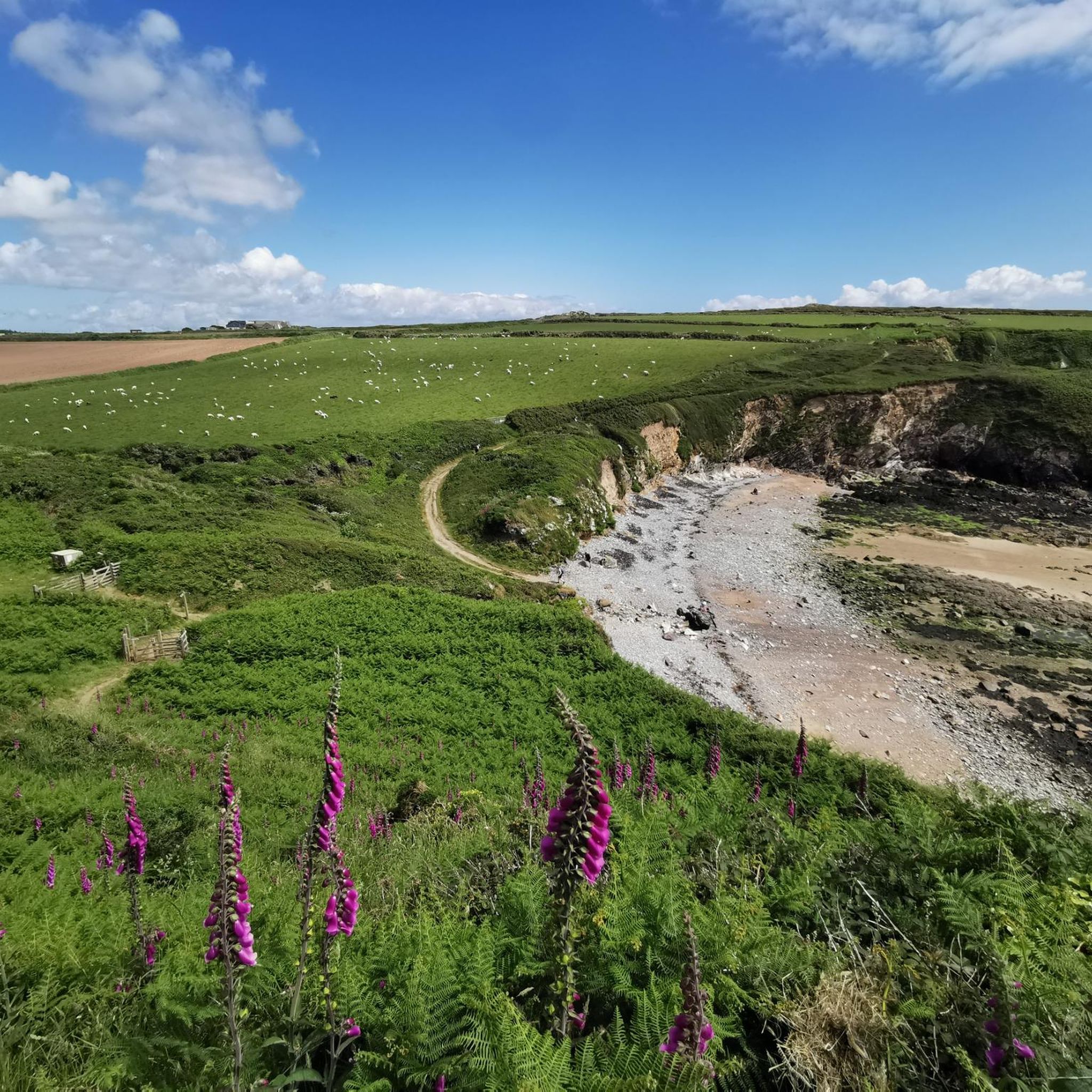
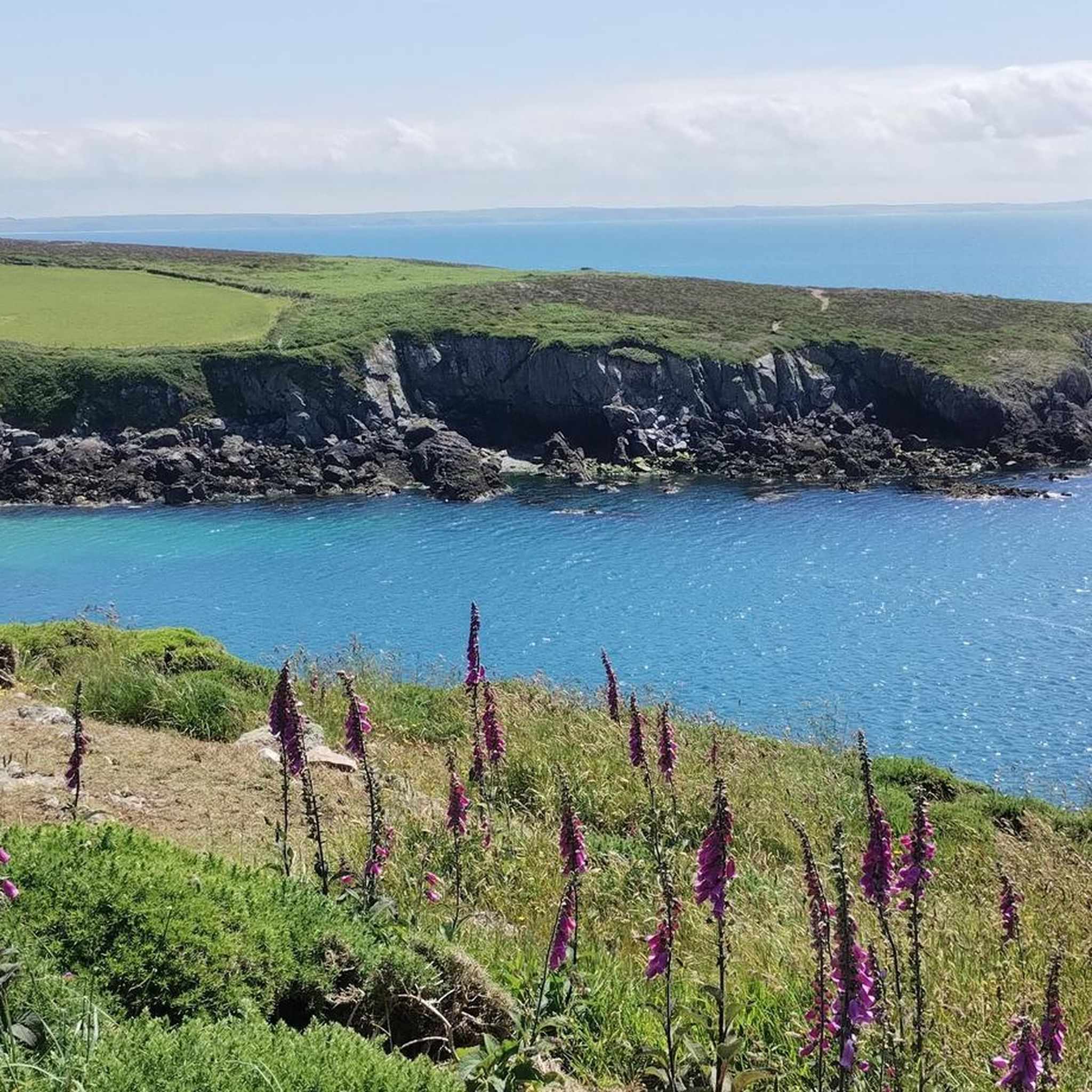
Mountain biking around St. David'S And The Cathedral Close offers access to diverse landscapes within the Pembrokeshire Coast National Park. The region features a dramatic coastline with cliffs, sandy bays, and varied terrain suitable for mountain biking. Routes often incorporate coastal paths, offering views of the Irish Sea, and traverse areas with moderate elevation changes. The area's geology includes purple sandstone cliffs and heathland, providing a distinct riding environment.
Best mountain bike trails around St. David'S And The Cathedral Close
- The most popular mountain bike trail is Porthgain Harbour – St David's Cathedral loop from Carreg Samson, a 20.4 miles (32.8 km) trail that takes 1 hour 59 minutes to complete. This route offers coastal views and varied terrain along the Pembrokeshire coastline.
- Another top favourite among local mountain bikers is St David's Cathedral – St David's Cathedral loop from St. Justinian's, a moderate 19.1 miles (30.7 km) path. This route explores the area around St. David's, featuring coastal sections and inland trails.
- Local mountain bikers also love the St David's Cathedral – St David's Cathedral loop from Solva, a 13.7 miles (22.0 km) trail leading through coastal and rural landscapes, often completed in about 1 hour 21 minutes.
- Mountain biking around St. David'S And The Cathedral Close is defined by coastal paths, varied elevation, and the unique landscapes of the Pembrokeshire Coast National Park. The network offers options for different ability levels, from easy to moderate.
- The routes in St. David'S And The Cathedral Close are highly rated by the komoot community with an average score of 4.5 stars from over 4 reviews. More than 40 mountain bikers have used komoot to explore St. David'S And The Cathedral Close's varied terrain.
Last updated: October 8, 2026
4.7
(3)
13
riders
33.3km
02:02
400m
400m
Moderate mountain bike ride. Good fitness required. Suitable for all skill levels.
4.5
(2)
12
riders
30.8km
01:49
310m
310m
Moderate mountain bike ride. Good fitness required. Suitable for all skill levels.

5.0
(1)
6
riders
21.9km
01:21
160m
160m
Moderate mountain bike ride. Great for any fitness level. Advanced riding skills necessary.
4
riders
27.6km
01:48
340m
330m
Moderate mountain bike ride. Good fitness required. Suitable for all skill levels.
3
riders
14.9km
00:54
150m
150m
Easy mountain bike ride. Great for any fitness level. Suitable for all skill levels.
Get access to more routes and recommendations from other explorers.
Already have an account?
Our route recommendations are based on thousands of hikes, rides, and runs completed by other people on komoot.
Start today with a free account
Your next adventure awaits.
Popular around St. David'S And The Cathedral Close
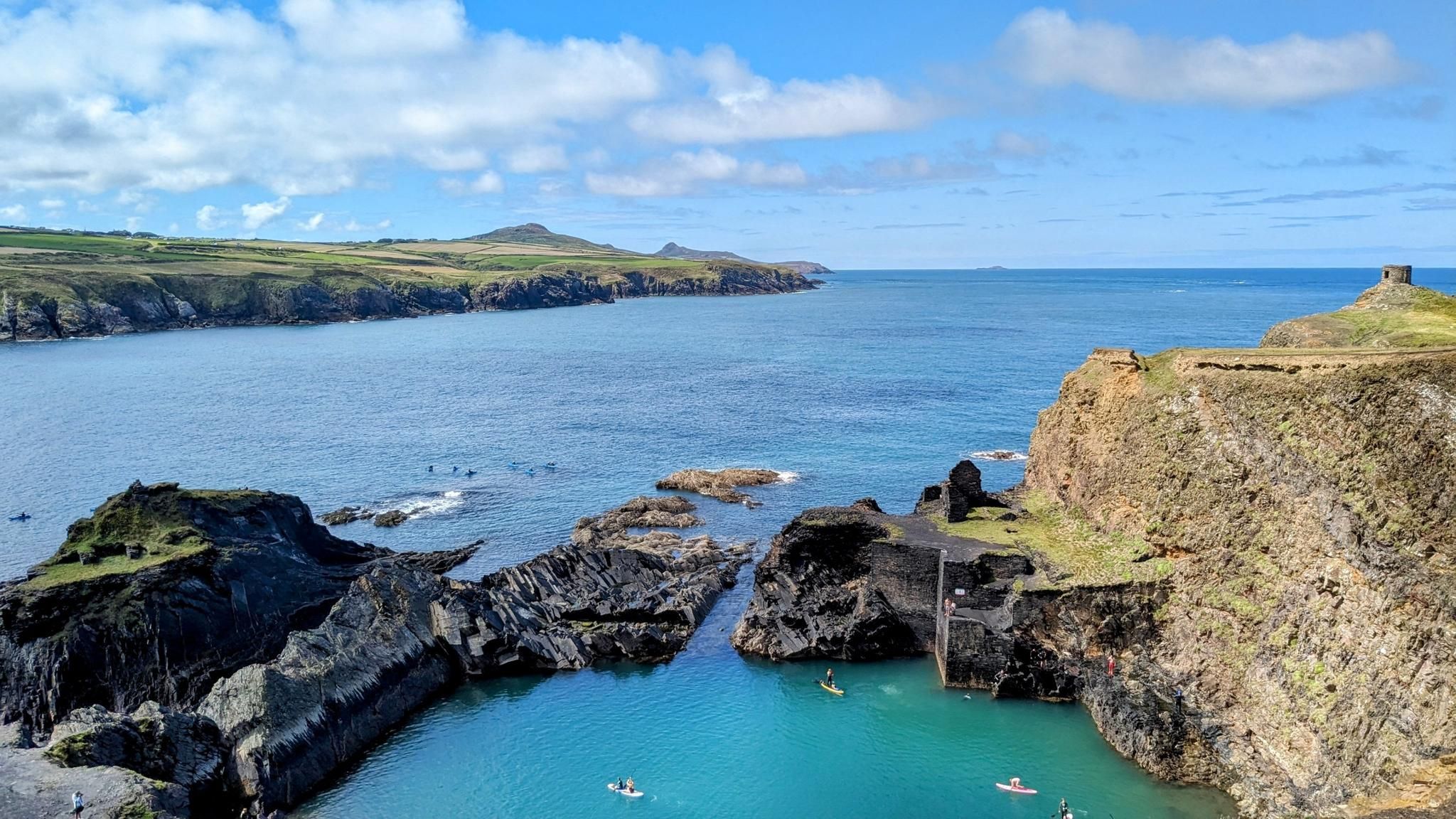
St Davids Head to Abercastle – Pembrokeshire walks
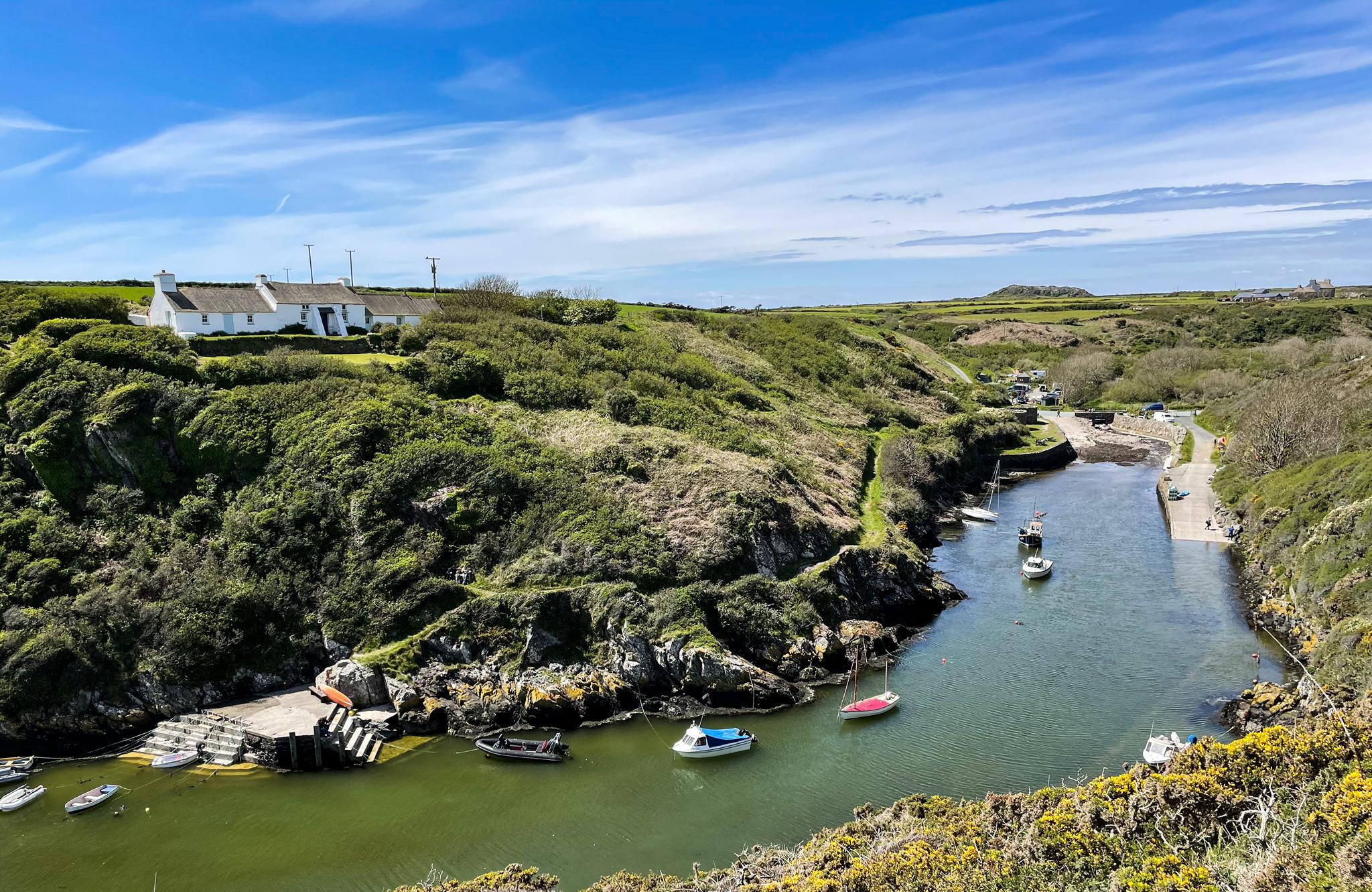
St Davids and Solva – Pembrokeshire walks
Walk Britain – 90 car-free adventures in England, Wales and Scotland
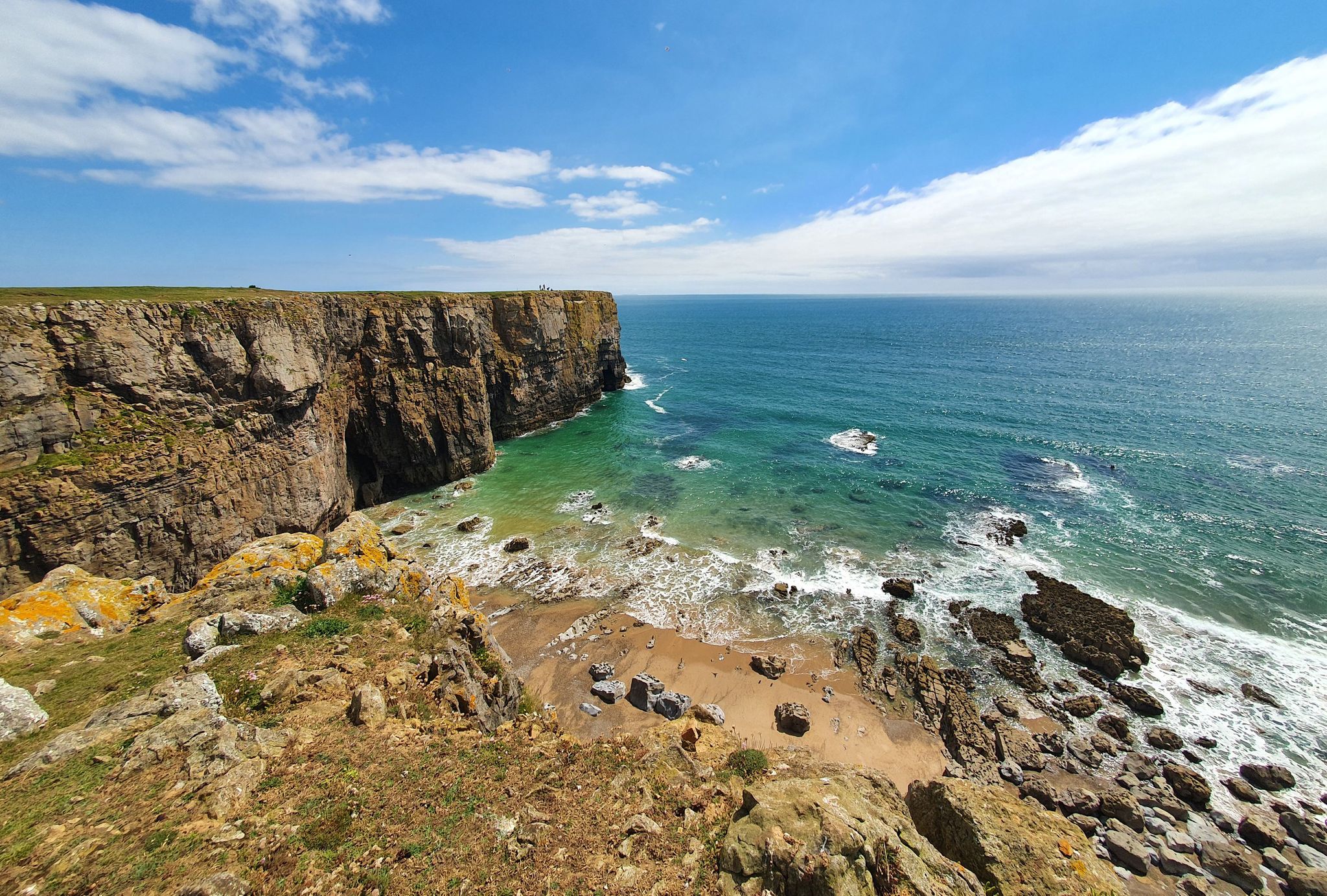
Scenic short and half-day walks in Pembrokeshire Coast National Park
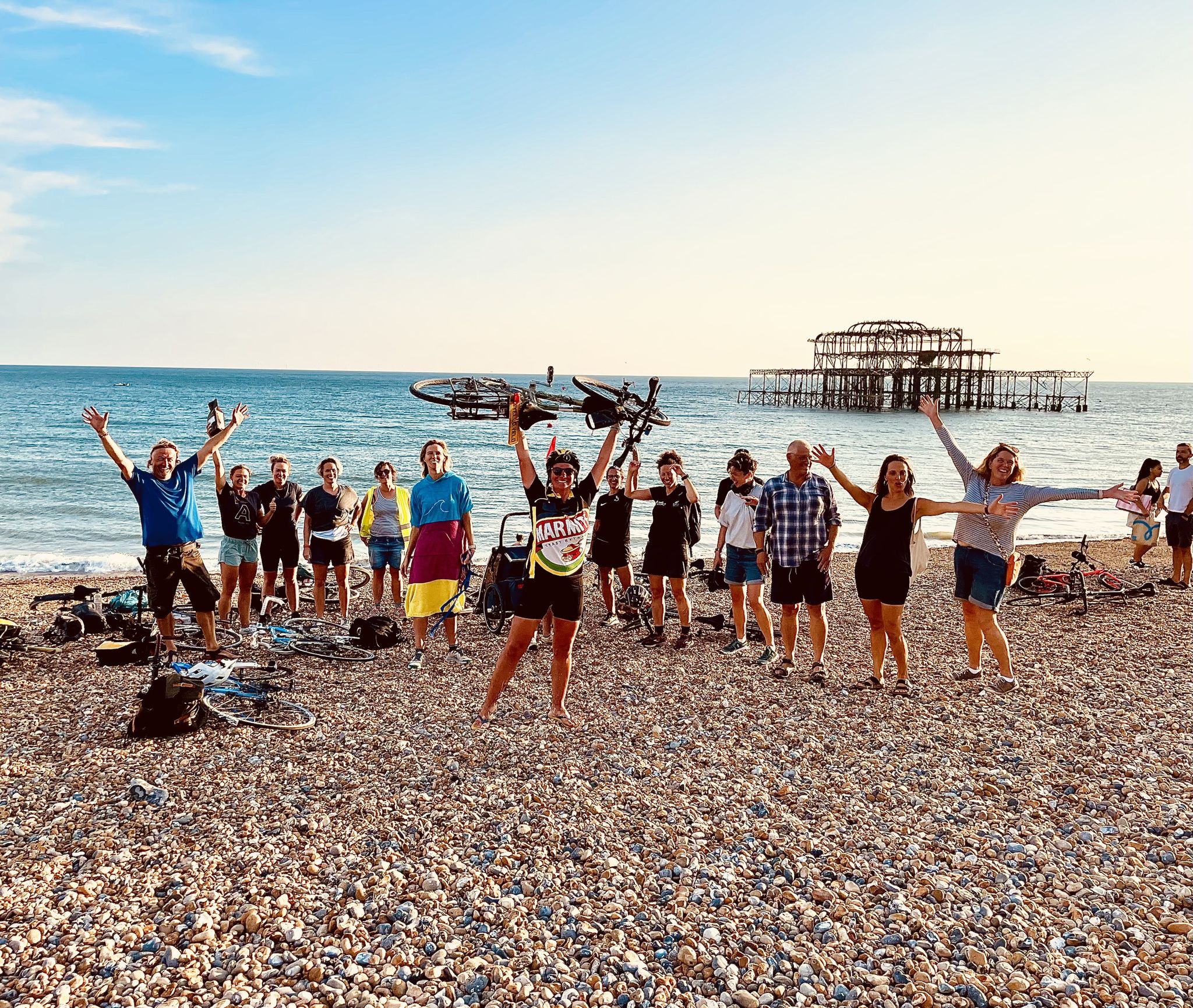
Around the edge in 80 days — cycling the coastline of Britain
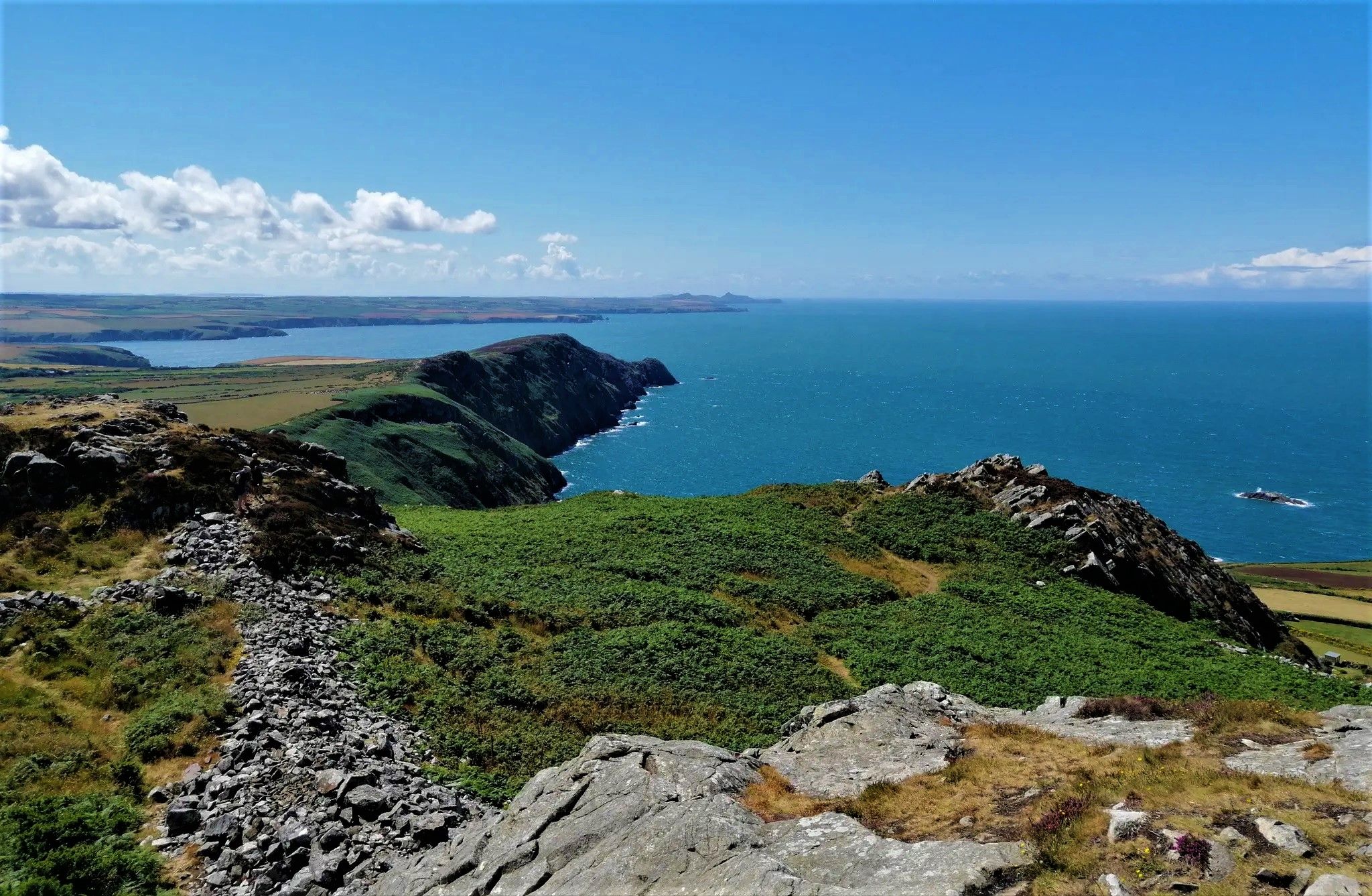
Explore Britain's only coastal national park – Pembrokeshire Coast
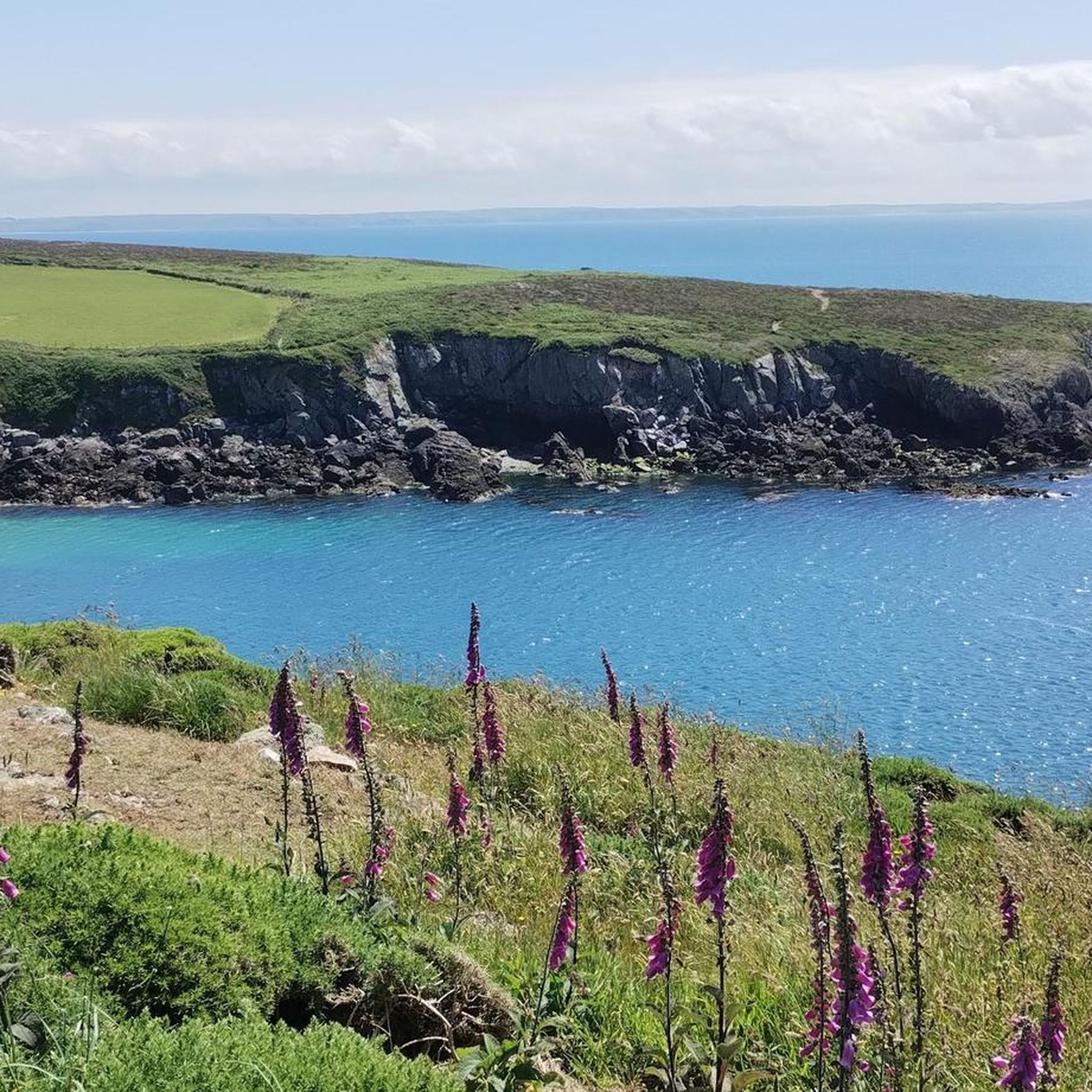
Hiking around St. David'S And The Cathedral Close
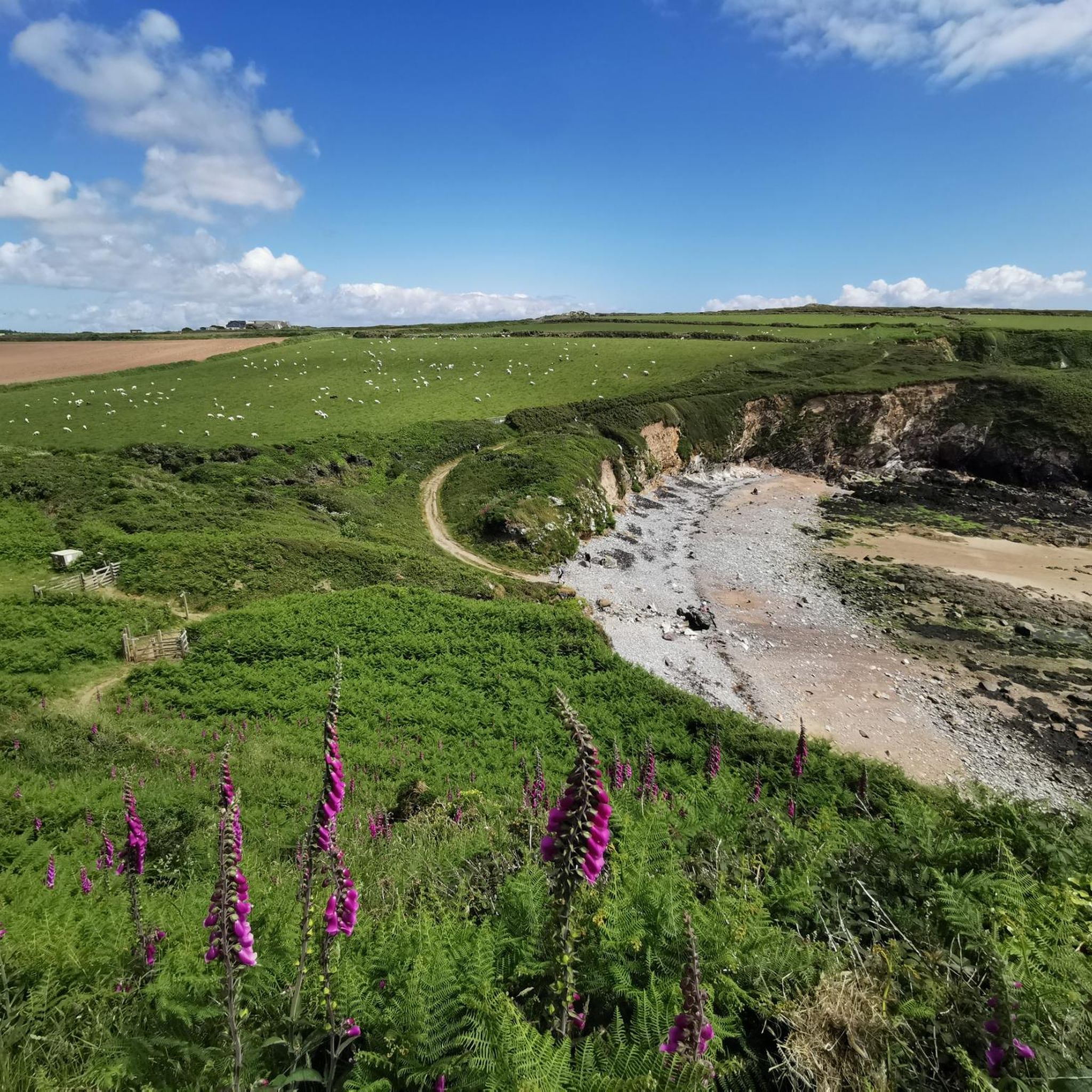
Cycling around St. David'S And The Cathedral Close
Running Trails around St. David'S And The Cathedral Close
Road Cycling Routes around St. David'S And The Cathedral Close
Other adventures around St. David'S And The Cathedral Close


Tips from the Community

Beautiful beach but easy accessibility by car means it's very busy. But it does have a café and Ice cream kiosk -great if you're coastal path walking.
0
0

Quite unusual, this church: its tower, its cruciform plan and - that I’ve not seen before - it’s oriented SW-NE. (And why not??) Inside, it’s peaceful calm, welcoming and with a cared-for atmosphere. Go visit if you’re passing.
0
0

Great: there’s also a refill station for empty water bottles!
0
0

Beautiful old pub! Stopped here after a hike & it was fascinating inside, plenty of locals, of course a lot of tourists (as I was!) But I'd love to come back here sometime & go there for the evening, it just looks like it gets a bit loose!
0
0

Visit this interesting historical site & see how Porthgain used to be
1
0
Wonderful cafe, fresh made food & drinks. Very quaint & well worth a stop there😎
0
0

Porthgain, a small coastal village in Pembrokeshire, became an industrial hub in the 19th and early 20th centuries. The quarrying activities in Porthgain primarily focused on slate and later on roadstone. The harbour, constructed in 1851, was essential for exporting slate from nearby quarries. Initially, slate was transported to the harbour by horse-drawn tramways and later by steam-powered machinery. By the late 19th century, the industry expanded to include brickmaking using slate waste. The demand for roadstone led to the development of steam-powered crushers and large storage hoppers, which are still visible today. Despite its industrial success, the Great Depression in the inter-war period led to a decline in trade, and by 1931, the quarrying activities had ceased. Today, Porthgain is a conservation area, preserving its rich industrial heritage and attracting visitors to its historical sites and scenic beauty
1
0
Frequently Asked Questions
What kind of mountain bike trails can I expect around St. David's and The Cathedral Close?
The St. David's area, nestled within the Pembrokeshire Coast National Park, offers a diverse range of mountain biking experiences. You'll find routes that combine dramatic coastal paths with inland trails, featuring varied terrain and moderate elevation changes. The landscape includes unique features like purple sandstone cliffs and heathland, providing a distinct riding environment. There are currently 8 mountain bike routes available, with options for both easy and moderate skill levels.
Are there mountain bike trails suitable for beginners in this region?
Yes, there are trails suitable for beginners. For an easier ride, consider the Whitesands Beach – St David's Cathedral loop from St. Justinian's. This route is classified as easy, covering about 14.9 km with around 150 meters of elevation gain, making it a good option for those new to mountain biking or looking for a more relaxed ride.
Can I find circular mountain bike routes starting directly from St. David's?
Many routes in the area are designed as loops, often starting from St. David's or nearby locations. For example, the St David's Cathedral – St David's Cathedral loop from St Davids is a moderate 27.5 km circular route that explores the local area, offering coastal sections and inland trails.
What natural attractions or landmarks can I see while mountain biking near St. David's?
The trails often pass by significant natural and historical landmarks. You might encounter the stunning St David's Cathedral itself, or ride near coastal features like Solva Harbour and Porthclais Harbour and Cliffs. The region is part of the Pembrokeshire Coast National Park, known for its dramatic coastline, sea caves, and diverse wildlife.
What is the best time of year to go mountain biking in St. David's?
The Pembrokeshire Coast offers beautiful riding conditions throughout much of the year. Spring (May) is particularly vibrant with wildflowers like thrift and sea campion. While the region is known for its dramatic coastal weather, the trails can be enjoyed in various seasons. Always check local weather patterns before heading out, as conditions can change quickly, especially along the coast.
Are there any moderate mountain bike trails that offer coastal views?
Yes, several moderate trails provide excellent coastal views. The Porthgain Harbour – St David's Cathedral loop from Carreg Samson is a moderate 32.8 km route that offers extensive coastal views and varied terrain along the Pembrokeshire coastline. Another option is the St David's Cathedral – St David's Cathedral loop from St. Justinian's, a 30.7 km moderate path exploring coastal sections.
What do other mountain bikers say about the trails in St. David's?
The mountain biking routes around St. David's and The Cathedral Close are highly rated by the komoot community, with an average score of 4.5 stars from over 4 reviews. Riders often praise the unique landscapes of the Pembrokeshire Coast National Park and the varied terrain that makes for an engaging ride.
Are there options for longer mountain bike rides in the area?
Yes, you can find longer routes. The Porthgain Harbour – St David's Cathedral loop from Carreg Samson is one of the longer options, spanning approximately 32.8 km and typically taking around 2 hours to complete, offering a substantial ride through coastal and varied landscapes.
Is it possible to access mountain bike trails using public transport in St. David's?
St. David's is a small city, and while public transport options exist, direct access to all trailheads might vary. The Pembrokeshire Coast National Park is well-served by local bus routes, including the 'Puffin Shuttle' and 'Strumble Shuttle' coastal buses, which can help connect you to various points along the coast. It's advisable to check current timetables and routes to plan your journey to specific trail starting points.
Where can I find places to eat or stay after a mountain bike ride in St. David's?
St. David's and its surrounding villages like Solva offer a good selection of cafes, pubs, and accommodation options. The city itself has various establishments where you can refuel and relax after your ride. Many of these are conveniently located near the Cathedral, a common starting point for routes.
Are there any trails that offer views of Whitesands Bay?
Yes, some routes will bring you close to or offer views of Whitesands Bay. The Whitesands Beach – St David's Cathedral loop from St. Justinian's, for instance, starts near this beautiful beach, known for its golden sand and stunning views, making it a scenic part of your ride.
What is the typical terrain like on the mountain bike trails in this region?
The terrain is varied, reflecting the diverse landscapes of the Pembrokeshire Coast National Park. You can expect a mix of coastal paths, which may include rocky sections or compacted earth, and inland trails that traverse heathland and rural areas. Elevation changes are generally moderate, providing a good balance of challenge and scenic riding.
Most popular routes around St. David'S And The Cathedral Close
Most popular attractions around St. David'S And The Cathedral Close

Get inspired with the komoot mobile app


Explore more
Browse the best MTB trails in other regions.
