Daniel J. Evans Wilderness
Daniel J. Evans Wilderness
The 7 Most Amazing Peaks in Daniel J. Evans Wilderness
Best mountain peaks in Daniel J. Evans Wilderness are found within the rugged Olympic Mountains, which encompass 95% of Olympic National Park in Washington State. This wilderness features a diverse array of peaks, including the highest and second-highest in the Olympic Range. The region is characterized by glacier-capped mountains, old-growth rainforests, and significant hydrological features. It offers varied experiences for those exploring its natural landscape.
Best mountain peaks in Daniel J. Evans Wilderness
- The most popular mountain peaks is Hurricane Hill, a summit that provides accessible views of the Olympic Mountains and glaciers. It offers views of the Olympic Mountains and glaciers.
- Another must-see spot is Klahhane Ridge, a summit offering views in an alpine terrain. The area is also home to wildlife such as goats, marmots, and deer.
- Visitors also love Olympic National Park, a natural monument spanning about a million acres of glacier-capped mountains, old-growth rainforests, and coastline. It is recognized as an International Biosphere Reserve and a UNESCO World Heritage Site.
- Daniel J. Evans Wilderness is known for its high-elevation summits, distinctive double peaks, and peaks that serve as hydrological divides. The variety of mountain peaks to see and explore ranges from the highest in the Olympic Mountains to more accessible viewpoints.
- The mountain peaks in Daniel J. Evans Wilderness are appreciated by the komoot community, with 11 upvotes and 15 photos shared across 7 highlights.
Last updated: May 2, 2026
Hurricane Hill
Highlight • Summit
Tip by

Klahhane Ridge
Highlight • Summit
Tip by

Sign up now to discover places like this
Get recommendations on the best single tracks, peaks, & plenty of other exciting outdoor places.
Sign up for free
Olympic National Park
Highlight • Natural Monument
Lake Crescent and Sol Duc Valley.
Tip by

High Divide Trail
Highlight (Segment) • Trail
Tip by

Blue Mountain
Highlight • Summit
Tip by
Sign up for free to discover even more peaks in Daniel J. Evans Wilderness.
Sign up for free
Already have an account?
Start today with a free account
Your next adventure awaits.
Login or Signup
Popular around Daniel J. Evans Wilderness
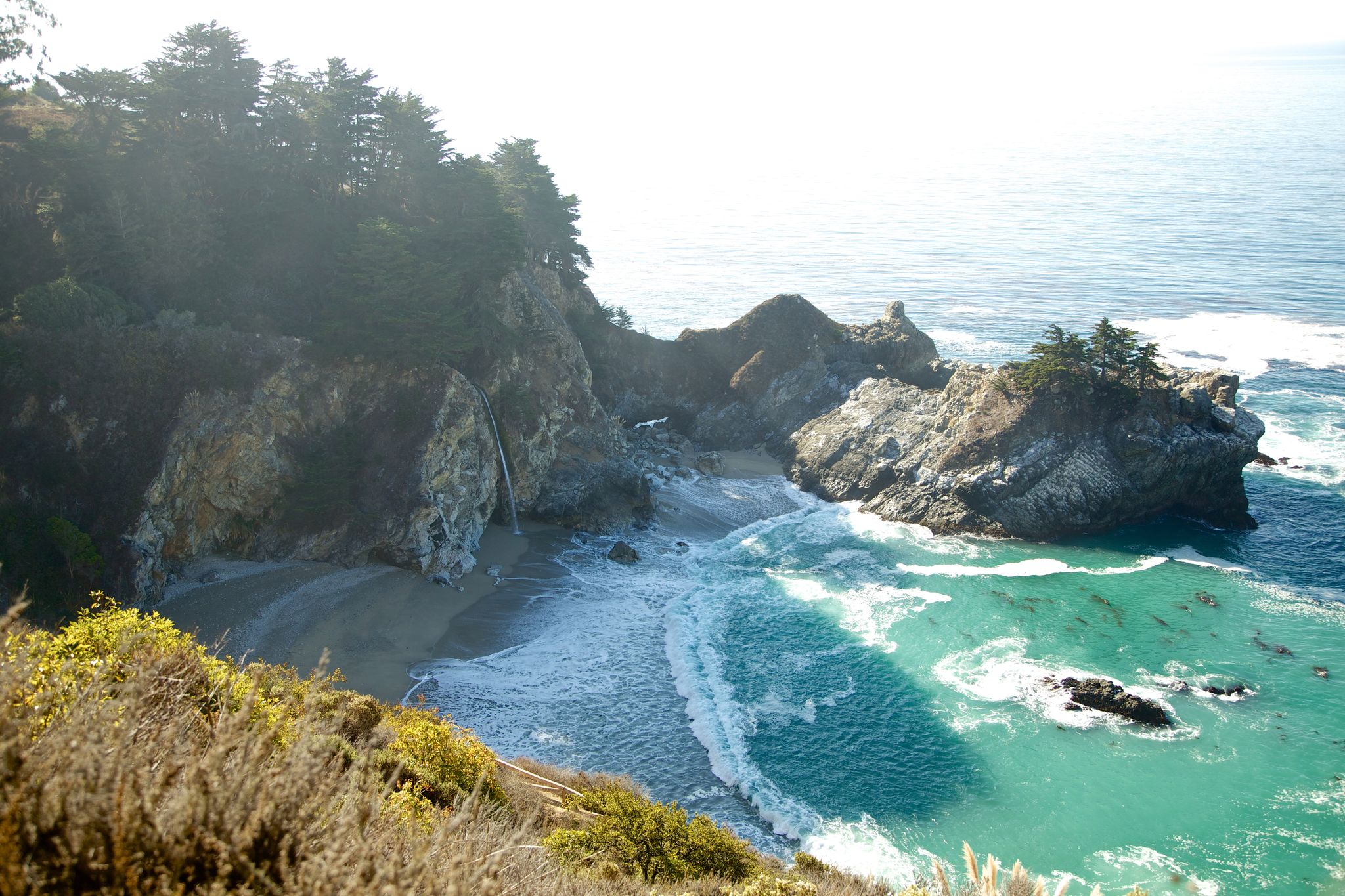
The tour of your life – music trails on the Pacific coast
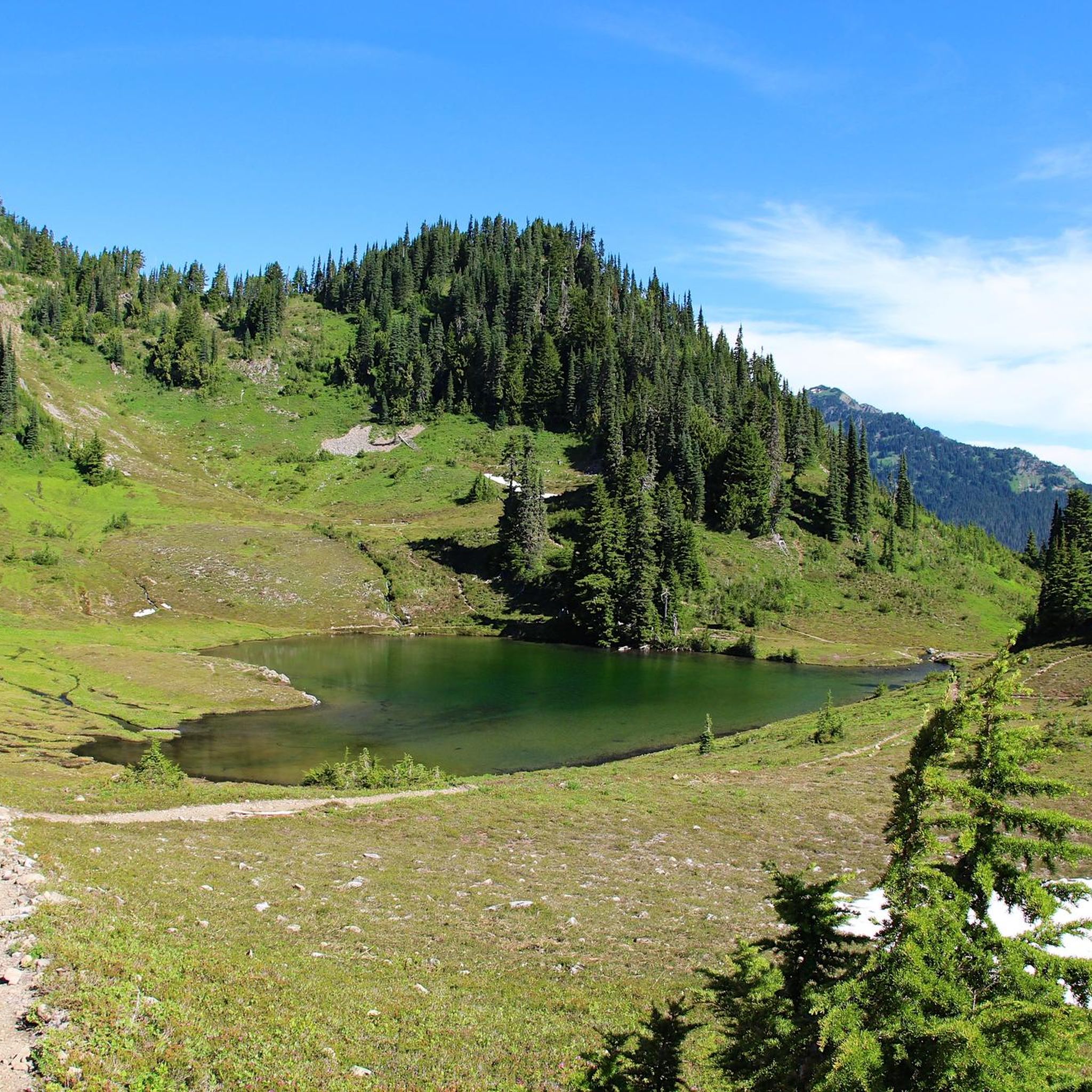
Hiking in Daniel J. Evans Wilderness
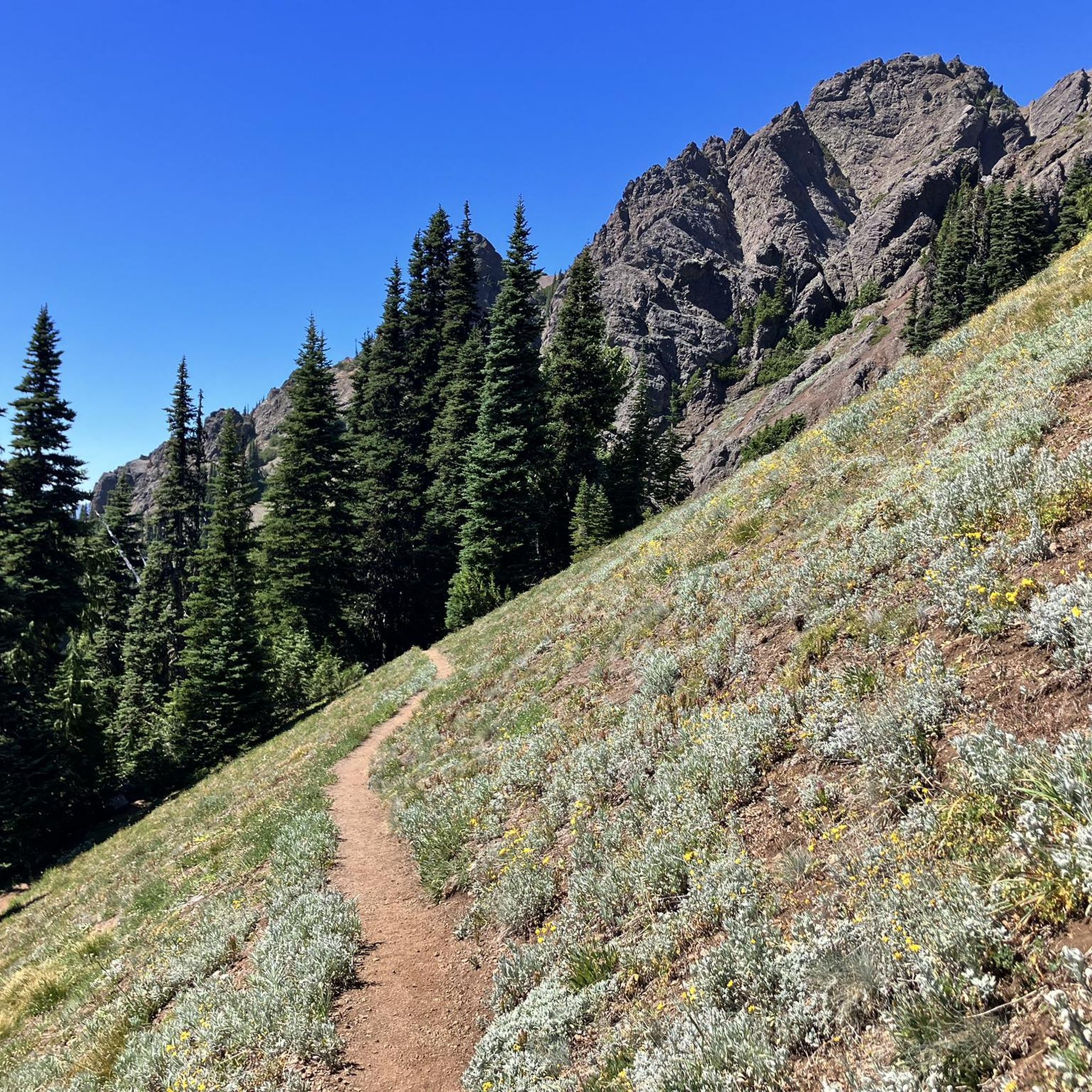
Running Trails in Daniel J. Evans Wilderness
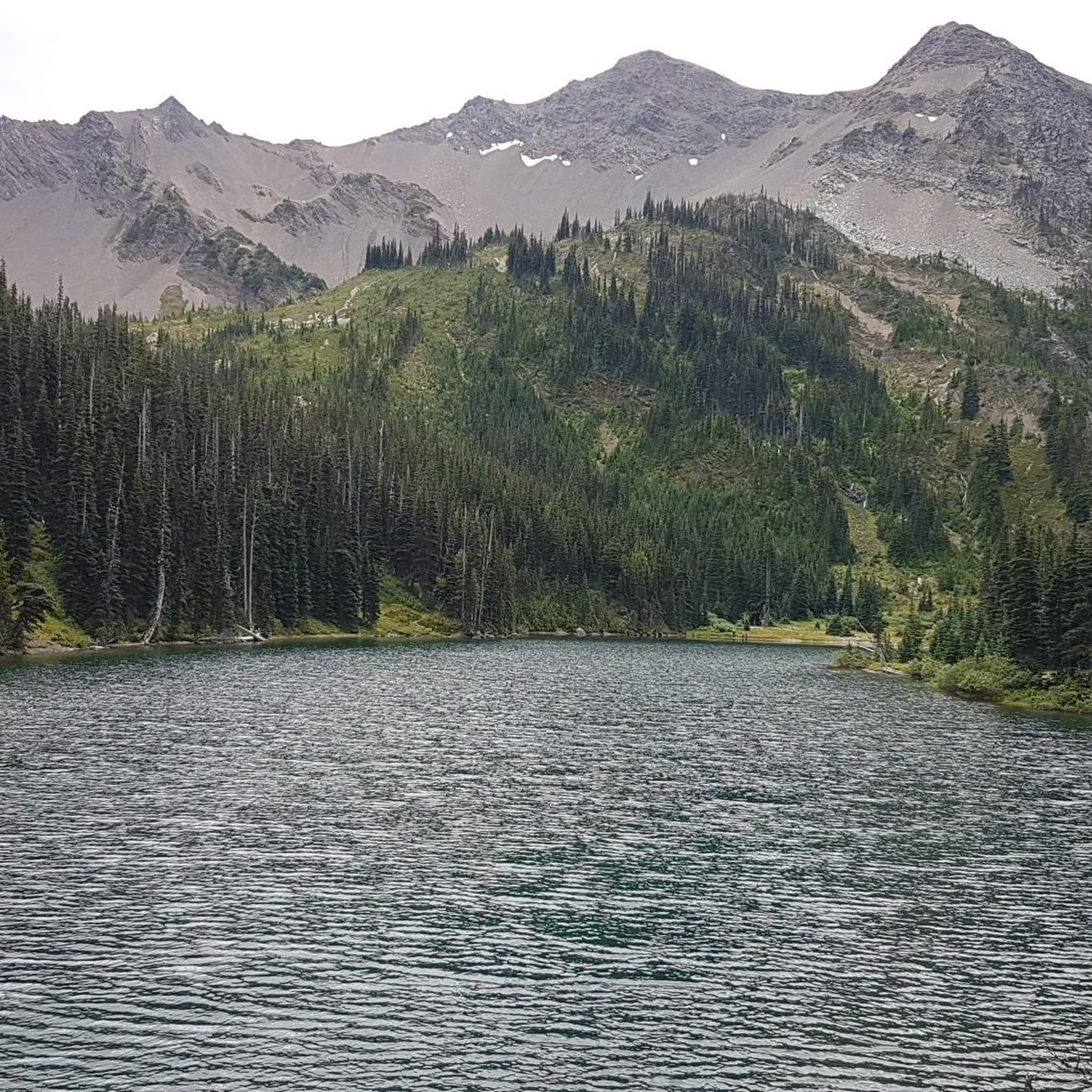
MTB Trails in Daniel J. Evans Wilderness
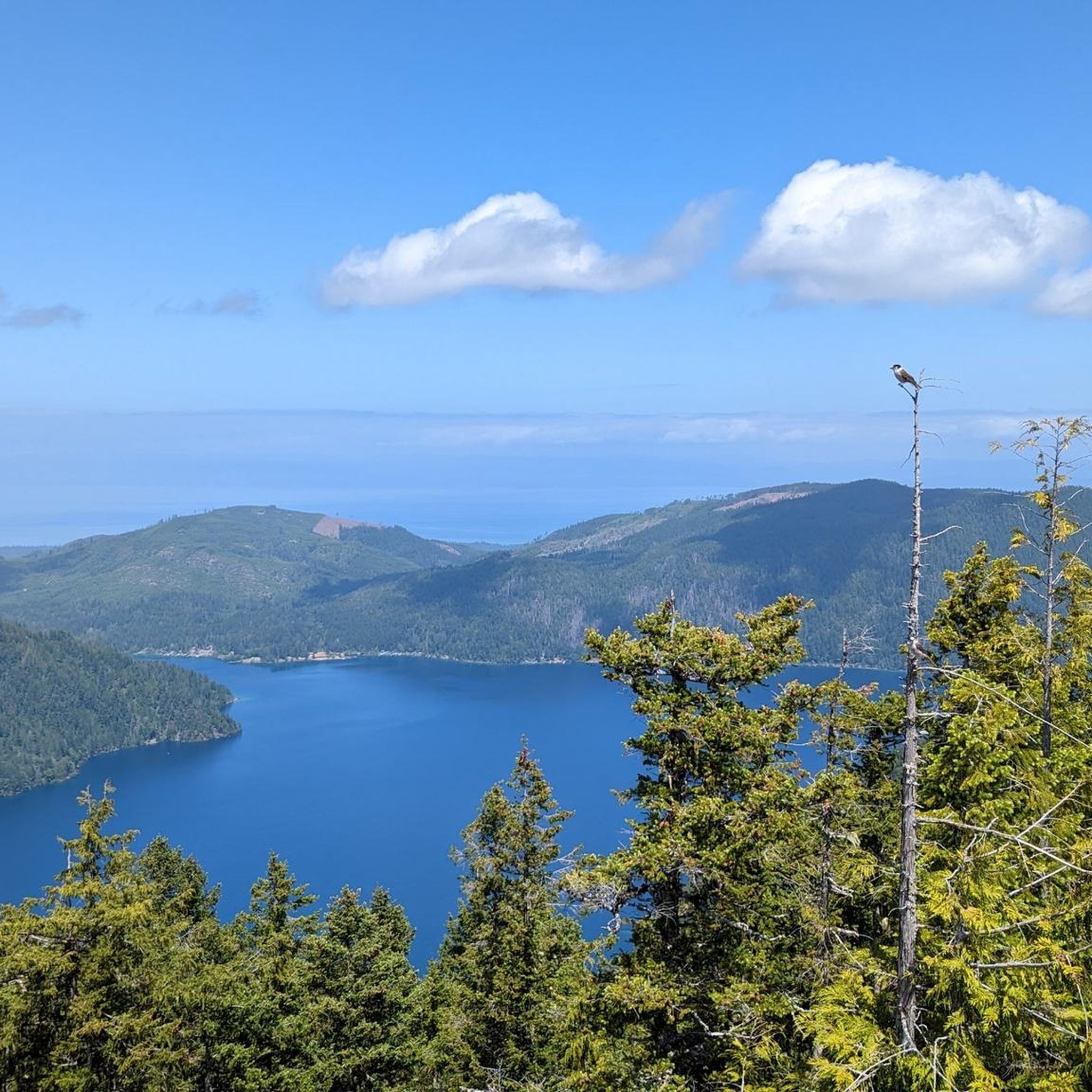
Road Cycling Routes in Daniel J. Evans Wilderness
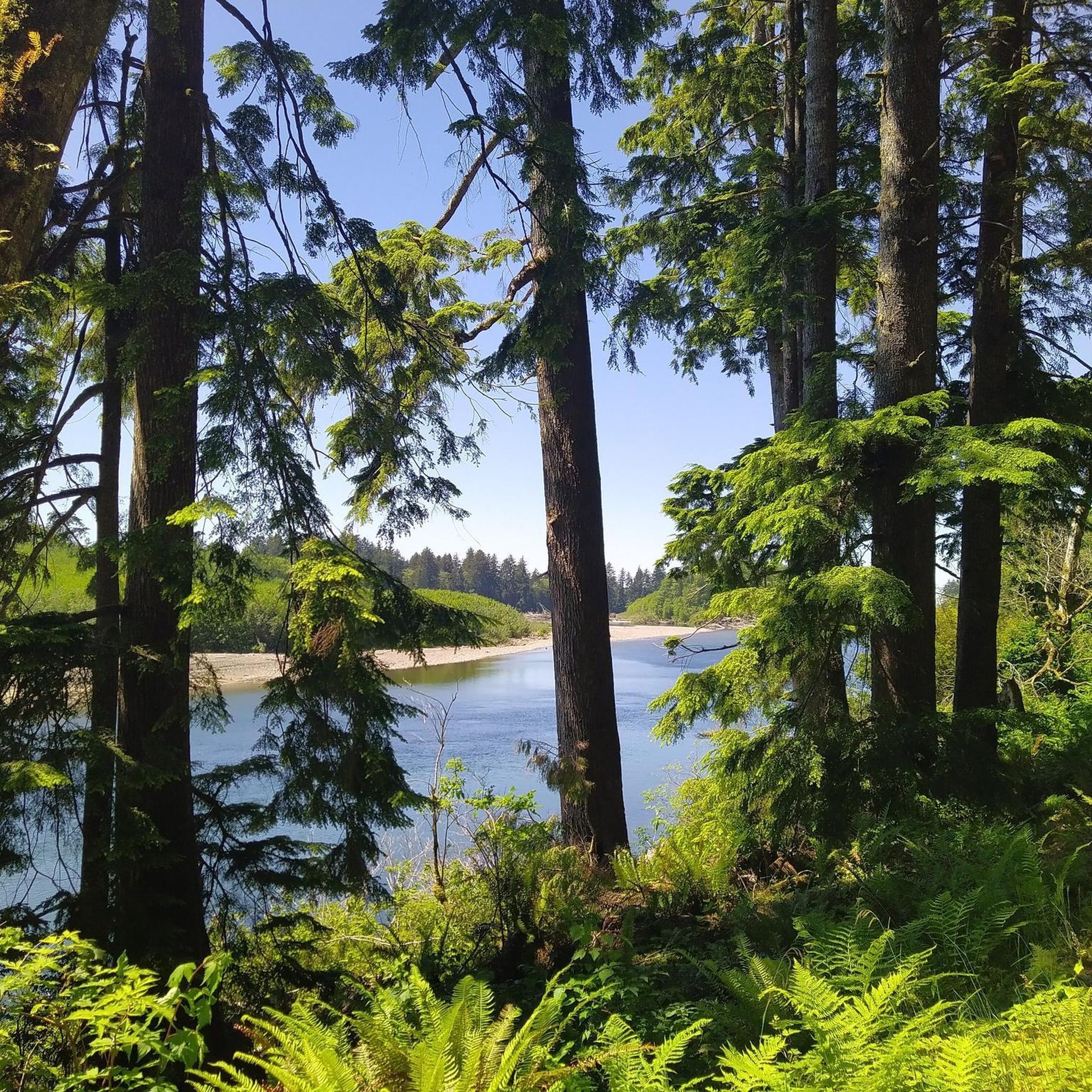
Cycling in Daniel J. Evans Wilderness

Gravel biking in Daniel J. Evans Wilderness
Other adventures in Daniel J. Evans Wilderness

Tips from the Community

Olympic National Park on Washington State's Olympic Peninsula spans about a million acres of glacier-capped mountains, old-growth rainforests, and over 70 miles of wild Pacific coastline. This National Park is also recognized as an International Biosphere Reserve and a UNESCO World Heritage Site. Hikers can explore the Hoh Rain Forest, Hurricane Ridge, Lake Crescent and Sol Duc Valley.
0
0

The High Divide Trail is the highlight here. It's a well-kept path that takes you through open hills, along ridges with pretty meadows, and scattered trees. The views are stunning, especially on clear days. You'll see Mount Olympus, the Hoh River Valley, and more mountains in all directions. Plus, there are quick side trips to beautiful lakes if you want to take a dip or refill your water.
0
0

You've reached the highest point along Klahhane Ridge, so it's time to enjoy the breathtaking views in a beautiful alpine terrain. The area is also home to a lot of wildlife so keep your eyes open for goats, marmots, black bear and deer.
0
0
Blue Mountain has a height of about 6,000 feet and is still one of the easiest summits to reach in the Olympic National Park. Thanks to the nearby parking lot, it's not even 0.5 miles (one-way) so this is the perfect spot for everybody who doesn't want to hike for very long but still be rewarded with a great view of the surrounding valleys and mountains.
0
0
You've reached the highest point along Klahhane Ridge, so it's time to enjoy the breathtaking views in a beautiful alpine terrain. The area is also home to a lot of wildlife so keep your eyes open for goats, marmots, black bear and deer.
0
0

Hurricane Hill offers spectacular views of the Olympic Mountains, forest, and glaciers. This is a great summit to run if you're looking for a moderate outing on a well-maintained trail. Only downside is that the views along the way will make it tempting to stop to admire the surroundings!
0
0

This is an easy trail built by the NPS to make it very accessible to all. Both along the hike and at the summit are great views of the Olympic Mountains and glaciers.
1
0
Frequently Asked Questions
What are some of the most prominent mountain peaks in the Daniel J. Evans Wilderness?
The Daniel J. Evans Wilderness is home to the rugged Olympic Mountains, featuring several notable peaks. These include Mount Olympus, the highest peak with a significant glacial system; Mount Deception, the second-highest; and Mount Constance, the third-highest and tallest in the Eastern Olympics. For more accessible views, Hurricane Hill and Klahhane Ridge offer stunning panoramas.
Which mountain peaks offer accessible views for all visitors?
For accessible views, Hurricane Hill is an excellent choice. It features an easy, well-maintained trail built by the NPS, making it very accessible for all to enjoy views of the Olympic Mountains and glaciers. Similarly, Blue Mountain is considered one of the easiest summits to reach in Olympic National Park, with a short walk from a nearby parking lot, rewarding visitors with great views.
Are there challenging mountaineering opportunities in the Daniel J. Evans Wilderness?
Yes, the Daniel J. Evans Wilderness offers significant challenges for experienced mountaineers. Mount Olympus, as the highest peak, provides unparalleled challenges and rewards, often requiring glacier travel skills. Mount Constance and The Brothers also present challenging ascents involving steep trails, scree slopes, snowfields, and technical scrambling, making them popular objectives for those seeking a demanding wilderness experience.
What unique natural features can I find among the peaks?
The peaks in the Daniel J. Evans Wilderness boast diverse natural features. Mount Olympus is notable for having the third-largest glacial system in the contiguous United States. Mount Anderson is recognized as the 'hydrographic apex' of the Olympic Mountains, where rivers flow outwards to the Pacific Ocean, the Strait of Juan de Fuca, and Hood Canal. The area also features alpine terrain, old-growth rainforests, and dramatic elevation changes.
What kind of wildlife can I expect to see near the mountain peaks?
The alpine terrain around peaks like Klahhane Ridge is known for its abundant wildlife. Visitors often spot goats, marmots, and deer. Black bears are also present in the wilderness, offering opportunities for wildlife observation in a truly wild setting.
What are the best times to visit the mountain peaks in Daniel J. Evans Wilderness?
The best time to visit the mountain peaks generally depends on your activity. For hiking and mountaineering, late spring through early fall (typically June to September) offers the most favorable conditions with less snow and more stable weather. However, conditions can vary significantly with elevation, and some high passes may retain snow well into summer. Always check current weather and trail conditions before heading out.
Are there family-friendly options for experiencing the mountain peaks?
Absolutely. For families, Blue Mountain is an excellent choice, offering an easy summit with great views that doesn't require a long hike. Hurricane Hill also provides a very accessible, well-maintained trail suitable for families, leading to spectacular views of the Olympic Mountains and glaciers.
What outdoor activities and trails are available near the mountain peaks?
The Daniel J. Evans Wilderness offers over 600 miles of trails for various outdoor activities. You can find excellent hiking trails, including the High Divide Trail which offers stunning views of Mount Olympus. There are also running trails like the Hurricane Hill Trail, and road cycling routes in the surrounding areas.
Can I bring my dog to the mountain peaks in Daniel J. Evans Wilderness?
Generally, dogs are not allowed on most trails within the wilderness areas of Olympic National Park, which encompasses the Daniel J. Evans Wilderness, to protect wildlife and natural resources. However, there are some specific front-country trails and roads where leashed dogs are permitted. Always check the current regulations with the National Park Service before planning your visit with a pet.
Where can I find panoramic views of the Olympic Mountains without strenuous hiking?
Hurricane Ridge offers road-accessible viewpoints with panoramic views of the Olympic Mountains and the Strait of Juan de Fuca. From here, you can enjoy spectacular vistas without undertaking strenuous hikes. The area around Hurricane Hill, accessible via a well-maintained trail, also provides incredible views with moderate effort.
Which peaks are significant for their geological or hydrological importance?
Mount Anderson holds significant hydrological importance as the 'hydrographic apex' of the Olympic Mountains. From its west peak, rivers flow in three different directions: to the Pacific Ocean, the Strait of Juan de Fuca, and Hood Canal. This highlights its crucial role in the region's water systems and offers unique insights into glacial geology, particularly with the changes observed at the former Anderson Glacier.
What makes Mount Olympus a notable peak in the region?
Mount Olympus is notable as the highest peak in the Olympic Mountains, standing at 7,980 feet. It boasts the third-largest glacial system in the contiguous United States and receives over 100 feet of snow annually. Its majestic presence and challenging ascent make it a prime objective for experienced mountaineers, offering stunning views from the isolated heart of the Olympic Peninsula.
Are there any peaks known for their distinctive appearance?
Yes, The Brothers are a distinctive double peak formation that significantly contributes to the 'Olympics skyline' as seen from Seattle. Their recognizable profile makes them a popular objective for mountaineers. Mount Constance is also highly visible from Seattle, offering a striking silhouette on the horizon and making it a prominent landmark in the Eastern Olympic Mountains.
Most popular routes in Daniel J. Evans Wilderness
Most popular attractions in Daniel J. Evans Wilderness

Get inspired with the komoot mobile app


Explore more
See even more amazing summits in Daniel J. Evans Wilderness with these guides:
