The best walks and hikes in Daniel J. Evans Wilderness
4.7
(716)
11,575
hikers
78
hikes
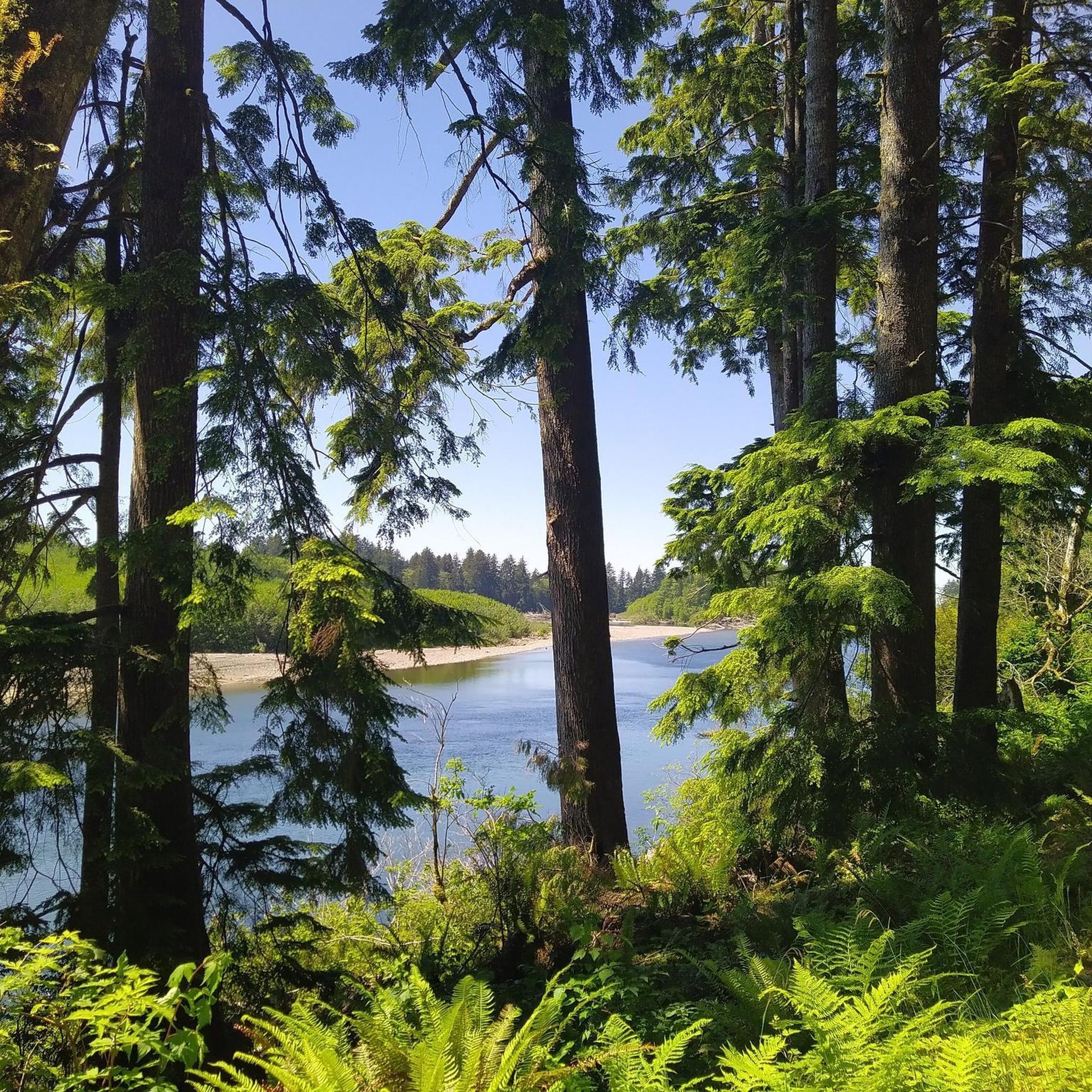
Hiking in Daniel J. Evans Wilderness covers a diverse range of ecosystems within Washington's Olympic National Park. The region is characterized by temperate rainforests in valleys, a wild Pacific coastline, and the mountainous interior of the Olympic Mountains. This variety provides trails that range from relatively flat river paths to challenging alpine ascents with significant elevation gain. The wilderness features rugged mountains, lush forests, and a pristine coastline, offering varied terrain for outdoor exploration.
Best hiking trails in Daniel J.…
Last updated: August 18, 2026
4.6
(54)
806
hikers
5.31km
01:32
120m
150m
Easy hike. Great for any fitness level. Easily-accessible paths. Suitable for all skill levels.
4.9
(30)
594
hikers
5.41km
01:43
220m
220m
Easy hike. Great for any fitness level. Easily-accessible paths. Suitable for all skill levels.

Sign up for free
4.9
(32)
603
hikers
5.28km
01:40
210m
210m
Easy hike. Great for any fitness level. Easily-accessible paths. Suitable for all skill levels.
32
hikers
12.4km
04:17
950m
170m
Hard hike. Very good fitness required. Easily-accessible paths. Suitable for all skill levels.
4.7
(31)
487
hikers
2.89km
00:48
50m
50m
Easy hike. Great for any fitness level. Easily-accessible paths. Suitable for all skill levels.
Get access to more routes and recommendations from other explorers.
Sign up for free
Already have an account?
Our route recommendations are based on thousands of hikes, rides, and runs completed by other people on komoot.
Start today with a free account
Your next adventure awaits.
Login or Signup
Popular around Daniel J. Evans Wilderness

Other adventures in Daniel J. Evans Wilderness

Tips from the Community

Definitely go in September close to Golden hour to see the rainbow over the falls at the right angle.
0
0

A quiet place in September
0
0


Marymere Falls is a waterfall near Lake Crescent inside Olympic National Park. It is reached via a 0.9-mile dirt trail that meanders through an old-growth forest of fir, cedar, hemlock, and alder trees. The trail includes two wooden bridges and leads to the 90.5-foot falls, fed by Falls Creek. The creek flows into the beautiful, milky blue waters of Barnes Creek, its color milky due to glacial flour.
0
0

A beautiful hiking trail in the Sol Duc Valley, with lush nature, rainforest and waterfalls. You should wear sturdy shoes and, depending on the season, be prepared for snow and ice. The waterfalls on the trail are worth a visit alone, very impressive and photogenic and not far from the parking lot (about 1.6 km). The paths up to then are well developed. If you want to go further, the path can get a little more difficult.
0
0

The trailhead is at the edge of the parking area. This trail is a stunning example of the Pacific Northwest landscape. Evergreen pines line the trail as it follows the river.
0
0
The trails around Sol Duc Falls are well-maintained and provide excellent viewing spots for this waterfall. Great stop for a break at the end of a run before you head back.
0
0

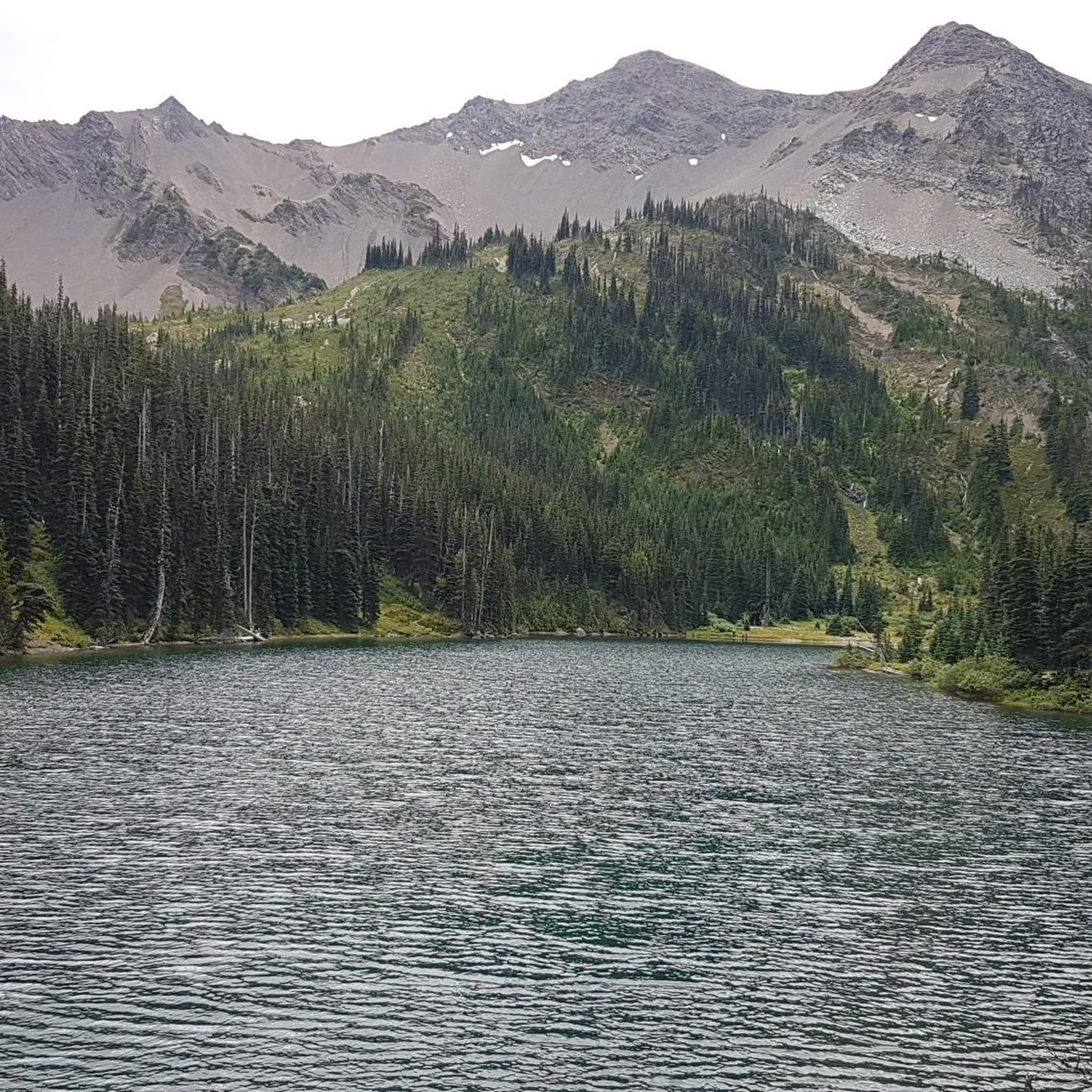
Only 5.5km from the Sol Duc River Valley parking area, Deer Lake is technically two lakes nestled in the trees of Olympic National Park. This is a beautiful spot to take a quick rest before carrying on to Round Lake or heading back!
0
0
Frequently Asked Questions
Are dogs allowed on the trails in the Daniel J. Evans Wilderness?
Generally, pets are not permitted on trails within Olympic National Park, which includes the Daniel J. Evans Wilderness, to protect the ecosystem and wildlife. There are a few exceptions on paved, front-country trails, but for most wilderness hiking, you will need to leave your dog at home.
What are some good, easy hikes for families or beginners?
The region offers several accessible trails perfect for a family outing. A great choice is the Sol Duc Falls Trail, a short and relatively flat walk through old-growth forest leading to a picturesque waterfall. It's a rewarding hike with minimal effort.
When is the best time of year to hike in this wilderness?
The best time for hiking is typically from July through September. During these summer months, the high-elevation trails are usually snow-free, the weather is drier, and the days are long. The rainforest and coastal trails can be hiked year-round, but be prepared for rain, especially from October to May.
Are there any notable waterfalls to see?
Yes, the area is known for its beautiful waterfalls. Sol Duc Falls is one of the most iconic and easily accessible, cascading into a narrow canyon. Many other smaller falls and cascades can be found along the various river and creek trails throughout the park, especially during the spring melt.
What kind of wildlife might I see while hiking?
The Daniel J. Evans Wilderness is a sanctuary for diverse wildlife. Roosevelt elk are frequently spotted in the Hoh and Quinault rainforest valleys. You might also see black bears, deer, and a variety of birds. Along the coast, look for marine life in tide pools. Always remember to keep a safe distance and never feed the animals.
Do I need a permit for hiking or backpacking?
Yes, for any overnight trips in the wilderness, a Wilderness Camping Permit is required. These are essential for managing visitor numbers and protecting the environment. For day hiking, you generally only need to pay the park entrance fee. It's always best to check the official Olympic National Park website for the most current permit requirements and quotas before your trip.
What are the options for coastal hiking?
The wilderness includes a stunning stretch of undeveloped Pacific coastline. For a classic coastal experience, the Ozette Loop is an excellent choice. This trail combines forest boardwalks with hiking along a wild beach, featuring dramatic sea stacks and ancient petroglyphs. Always carry a tide chart, as some sections can be impassable at high tide.
Are there any challenging multi-day backpacking routes?
For experienced backpackers, the wilderness offers incredible challenges. The High Divide Trail and Seven Lakes Basin loop is a world-class trek. This strenuous route rewards hikers with breathtaking views of alpine lakes, Mount Olympus, and vast wildflower meadows.
How many trails are available in the Daniel J. Evans Wilderness?
There are over 50 curated hiking routes available on komoot, covering the diverse landscapes of the region. The full trail system within the wilderness itself spans over 600 miles, offering everything from short, accessible walks to extensive multi-day expeditions.
What do other hikers enjoy most about the region?
The area is highly rated by the komoot community, with an average score of 4.7 stars. Hikers frequently praise the incredible diversity of the landscape, where you can experience lush temperate rainforests, rugged alpine peaks, and wild coastline, sometimes all in a single trip. The sheer scale and pristine nature of the wilderness are often highlighted.
Are there any good hikes to alpine lakes?
Yes, the mountainous interior has several stunning alpine lakes. A moderately challenging option is the hike to Deer Lake. This trail climbs through the forest to a beautiful subalpine lake, offering a great introduction to the park's high country.
Most popular routes in Daniel J. Evans Wilderness
Most popular attractions in Daniel J. Evans Wilderness

Get inspired with the komoot mobile app


Explore more
Browse the best Hikes in other regions.
