The best gravel rides in Daniel J. Evans Wilderness
25
riders
3
rides
Gravel biking in Daniel J. Evans Wilderness is largely restricted within the designated wilderness areas, where bicycles are generally not permitted on trails. However, within the broader Olympic National Park, specific park roads and some trails, such as the Spruce Railroad Trail, allow cycling. The region features the rugged Olympic Mountains, dense temperate rainforests, and a wild coastline. While traditional off-road gravel biking is limited in the wilderness, routes exist on permitted roads and trails within the park's diverse landscape.
Best gravel bike trails in Daniel J. Evans Wilderness
- The most popular gravel bike trail is Lake Crescent – Daley Rankin Tunnel loop from Carlsborg, a 39.6 miles (63.7 km) trail that takes 6 hours 9 minutes to complete, offering a challenging loop around Lake Crescent.
- Another top favourite among local gravel bikers is Gravel loop from Olympic Discovery Trailhead, a difficult 24.5 miles (39.4 km) path. This route connects to the Olympic Discovery Trail, providing varied terrain and scenic views.
- Local gravel bikers also love the Gravel loop from Elwha Wildlife Area, a 14.9 miles (24.0 km) trail leading through the Elwha Wildlife Area, often completed in about 1 hour 52 minutes.
- Gravel biking in Daniel J. Evans Wilderness is defined by routes along permitted park roads, through forested areas, and near the Olympic Mountains. The network offers options for different ability levels, primarily on designated cycling paths.
- The guide includes highly-rated routes that showcase the best of the region's landscape. More than 20 gravel bikers have used komoot to explore Daniel J. Evans Wilderness's varied terrain.
Last updated: August 22, 2026
12
riders
63.6km
04:59
980m
980m
Hard gravel ride. Very good fitness required. Mostly paved surfaces. Suitable for all skill levels.
4
riders
48.0km
03:36
760m
760m
Hard gravel ride. Very good fitness required. Mostly paved surfaces. Suitable for all skill levels.

Sign up for free
1
riders
24.0km
01:52
430m
430m
Moderate gravel ride. Good fitness required. Mostly paved surfaces. Suitable for all skill levels.
8
riders
92.5km
06:22
1,330m
1,330m
Hard gravel ride. Very good fitness required. Mostly paved surfaces. Suitable for all skill levels.
Our route recommendations are based on thousands of hikes, rides, and runs completed by other people on komoot.
Start today with a free account
Your next adventure awaits.
Login or Signup
Popular around Daniel J. Evans Wilderness
Other adventures in Daniel J. Evans Wilderness

Tips from the Community


Port Angeles, situated along a port of the same name, is a picturesque town that serves as the gateway to Olympic National Park. For those riding the ODT it serves as a great place to rest and refuel as there are a number of great restaurants, accommodations, and grocery stores.
1
0

Amazing trail. Can do on a gravel bike or MTB. Great for first time bike packers.
1
0

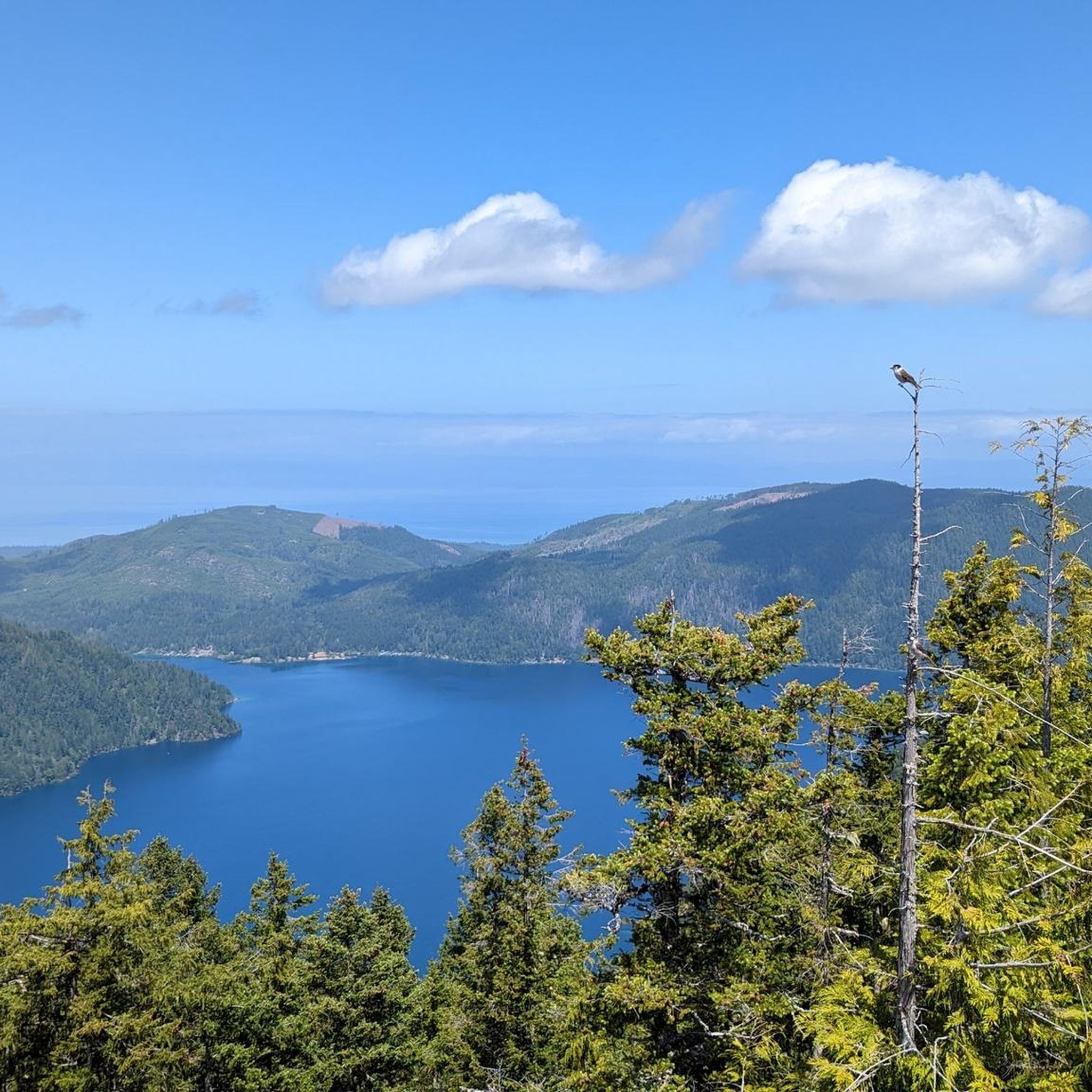
Located in the northern foothills of the Olympic Mountains, Lake Crescent, approximately 18 miles west of Port Angeles, offers a tranquil escape into nature. Its pristine, glacially carved waters make it a perfect destination for those seeking natural beauty. Interestingly, the lake's unique history, including a massive landslide 7,000 years ago, has led to distinct populations of Crescenti and Beardslee trout, adapted through genetic isolation.
0
0

Daley Rankin Tunnel is a nice tunnel carved inside a huge rock along Lake Crescent. Spruce Railroad Trail leads through the tunnel and offers great views from the wooden path right before it.
0
0
Explore a tranquil, pine-lined segment of the Olympic Discovery Trail as it winds through a peaceful wooded forest. Great place to stop and take a break in the summer!
0
0
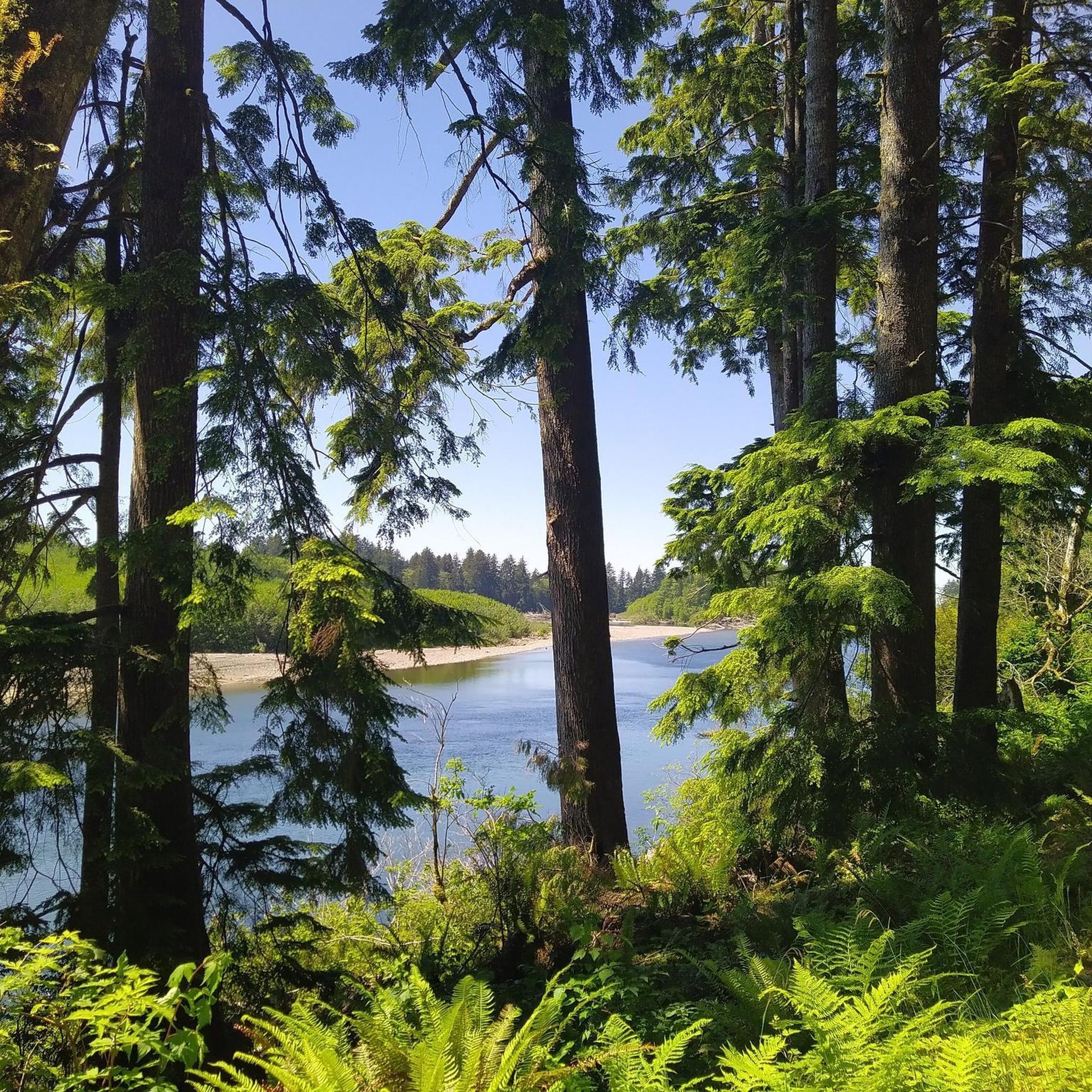
At this point, you'll cross a bridge over the Elwha River. Elwha is a Native American word that means "elk," which visit the valley in the winter. The river is also home to five different species of Pacific salmon. Enjoy the view!
0
0
A scenic rail to trail path in Olympic National Park. Built in 1918 to harvest spruce for biplanes, it now offers a picturesque route. Enjoy stunning views of Lake Crescent, pass through wooded areas, and admire the rugged lakeshore cliffs.
3
0
Frequently Asked Questions
Is gravel biking permitted within the Daniel J. Evans Wilderness?
No, bicycles and other wheeled devices are generally not permitted on trails, meadows, beaches, or any undeveloped areas within the designated Daniel J. Evans Wilderness. This means traditional off-road gravel biking is largely restricted in these specific wilderness areas. For more details on wilderness regulations, you can visit the NPS website.
Where can I ride my gravel bike in Olympic National Park, given the wilderness restrictions?
While the wilderness areas are restricted, bicycles are allowed on certain park roads and specific trails within the broader Olympic National Park. These include the Spruce Railroad Trail, Hurricane Ridge Road (when closed to motorized traffic), Dosewallips Road, the Elwha bypass trail (with dismounting required in parts), the Quinault wildlife loop drive, and Graves Creek Road, and North Fork. Always check current conditions and regulations before you go.
Are there challenging gravel bike routes in the area?
Yes, there are several challenging routes available. For example, the Lake Crescent – Daley Rankin Tunnel loop from Carlsborg is a difficult 39.6-mile (63.7 km) route with over 1000 meters of elevation gain. Another difficult option is the Gravel loop from Olympic Discovery Trailhead, which covers 24.5 miles (39.4 km) with significant elevation changes.
What are some moderate gravel biking options?
A moderate option is the Gravel loop from Elwha Wildlife Area. This route is 14.9 miles (24.0 km) long and typically takes about 1 hour 52 minutes to complete, offering a scenic ride through the Elwha Wildlife Area.
Are there any long-distance gravel bike routes available?
For a longer ride, consider the Lake Crescent – Elwha River Viewpoint loop from Port Angeles. This difficult route spans 92.7 miles (149.2 km) and features over 1300 meters of elevation gain, offering an extensive exploration of the area.
Can I find circular gravel bike routes?
Yes, several routes are designed as loops. Popular circular options include the Lake Crescent – Daley Rankin Tunnel loop from Carlsborg, the Gravel loop from Olympic Discovery Trailhead, and the Gravel loop from Elwha Wildlife Area.
What kind of natural attractions can I see along these routes?
The region is known for its diverse natural beauty. You might encounter stunning lakes like Deer Lake or Lake Angeles. There are also beautiful waterfalls such as Marymere Falls and Sol Duc Falls, which are accessible via trails near some cycling-permitted areas.
What is the best time of year for gravel biking in Daniel J. Evans Wilderness?
The Olympic Mountains and temperate rainforests experience significant precipitation, so the best time for gravel biking on permitted roads and trails is generally during the drier months, typically late spring through early fall. Winter can bring snow and ice, especially at higher elevations, making many routes impassable or more challenging.
Are there any specific permits required for gravel biking in Olympic National Park?
While general wilderness permits are required for overnight stays in the wilderness, specific permits for day-use gravel biking on permitted park roads or designated trails are not typically required. However, it's always wise to check the official Olympic National Park website for the most current regulations and any potential changes before your visit.
Can I bring my dog on gravel bike trails in the area?
Dogs are generally not permitted on trails within the wilderness areas of Olympic National Park. However, they are allowed on roads open to vehicles, in campgrounds, and on specific trails like the Spruce Railroad Trail. Always check the specific regulations for the area you plan to visit, as rules can vary.
What should I know about parking for gravel bike trails?
Parking is typically available at trailheads or designated parking areas along the park roads where biking is permitted. For routes like the Lake Crescent – Daley Rankin Tunnel loop from Carlsborg or the Gravel loop from Olympic Discovery Trailhead, you'll find parking facilities at the starting points or nearby access points.
What kind of wildlife might I see while gravel biking?
The region is home to diverse wildlife, including Roosevelt Elk, black bears, and various bird species. While biking, especially in quieter areas, you might spot these animals. Remember to maintain a safe distance and never feed wildlife.
How many gravel bike routes are available in Daniel J. Evans Wilderness and the surrounding Olympic National Park?
This guide features a selection of highly-rated routes, with over 20 gravel bikers having explored the region using komoot. In total, there are 4 routes detailed in this guide, ranging from moderate to difficult, offering various experiences on permitted cycling paths within the broader Olympic National Park area.
Most popular routes in Daniel J. Evans Wilderness
Most popular attractions in Daniel J. Evans Wilderness

Get inspired with the komoot mobile app


Explore more
Browse the best Gravel rides in other regions.
