Top 20 Natural Monuments in Hautes-Alpes
Best natural monuments in Hautes-Alpes include a variety of alpine landscapes, from high mountain passes to glacial lakes and deep gorges. This French department is characterized by its majestic peaks, extensive national and regional parks, and unique geological formations. The region offers a diverse natural environment for outdoor activities and exploration. Its natural features provide opportunities to experience the varied ecosystems of the Southern Alps.
Best natural monuments in Hautes-Alpes
- The most popular natural monuments is Col du Galibier,…
Last updated: July 10, 2026
Col du Galibier
Highlight • Mountain Pass
Translated by Google •
Tip by

Lac Gignoux (Lake of Seven Colours)
Highlight • Lake
Translated by Google •
Tip by

Sign up now to discover places like this
Get recommendations on the best single tracks, peaks, & plenty of other exciting outdoor places.
Sign up for free
Vauban Fortress
Highlight • Castle
Translated by Google •
Tip by

Méouge Gorge Route
Highlight (Segment) • Gorge
Translated by Google •
Tip by

Mirror Lake
Highlight • Lake
This is the lake where the mountains are reflected, at the foot of the GR5.
Translated by Google •
Tip by

Lac de l'Eychauda
Highlight • Lake
Translated by Google •
Tip by

Gorges of the Guil
Highlight • Gorge
Translated by Google •
Tip by

Mount Thabor
Highlight • Summit
Translated by Google •
Tip by

Chabrières Needles
Highlight • Summit
Translated by Google •
Tip by

Col Fromage
Highlight • Mountain Pass
Borrowed by the famous GR 5, it offers an unobstructed view of the Cristillan valley to the south and the points of La Selle and Rasis to the northeast.
Translated by Google •
Tip by

Sign up for free to discover even more natural monuments in Hautes-Alpes.
Sign up for free
Already have an account?
Start today with a free account
Your next adventure awaits.
Login or Signup
Popular around Hautes-Alpes
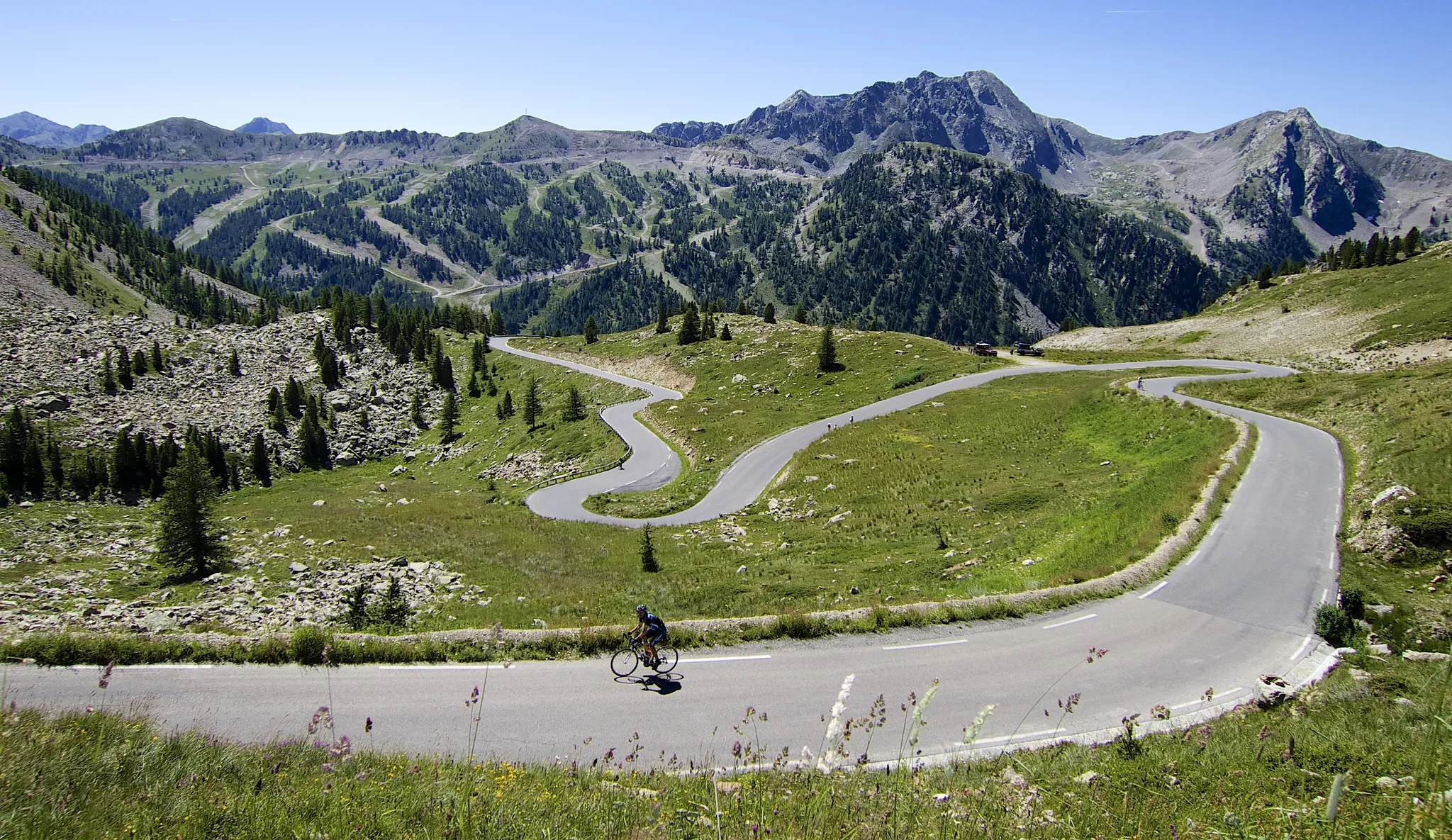
Haute Route Alps 2025 — Assaulting the Alps
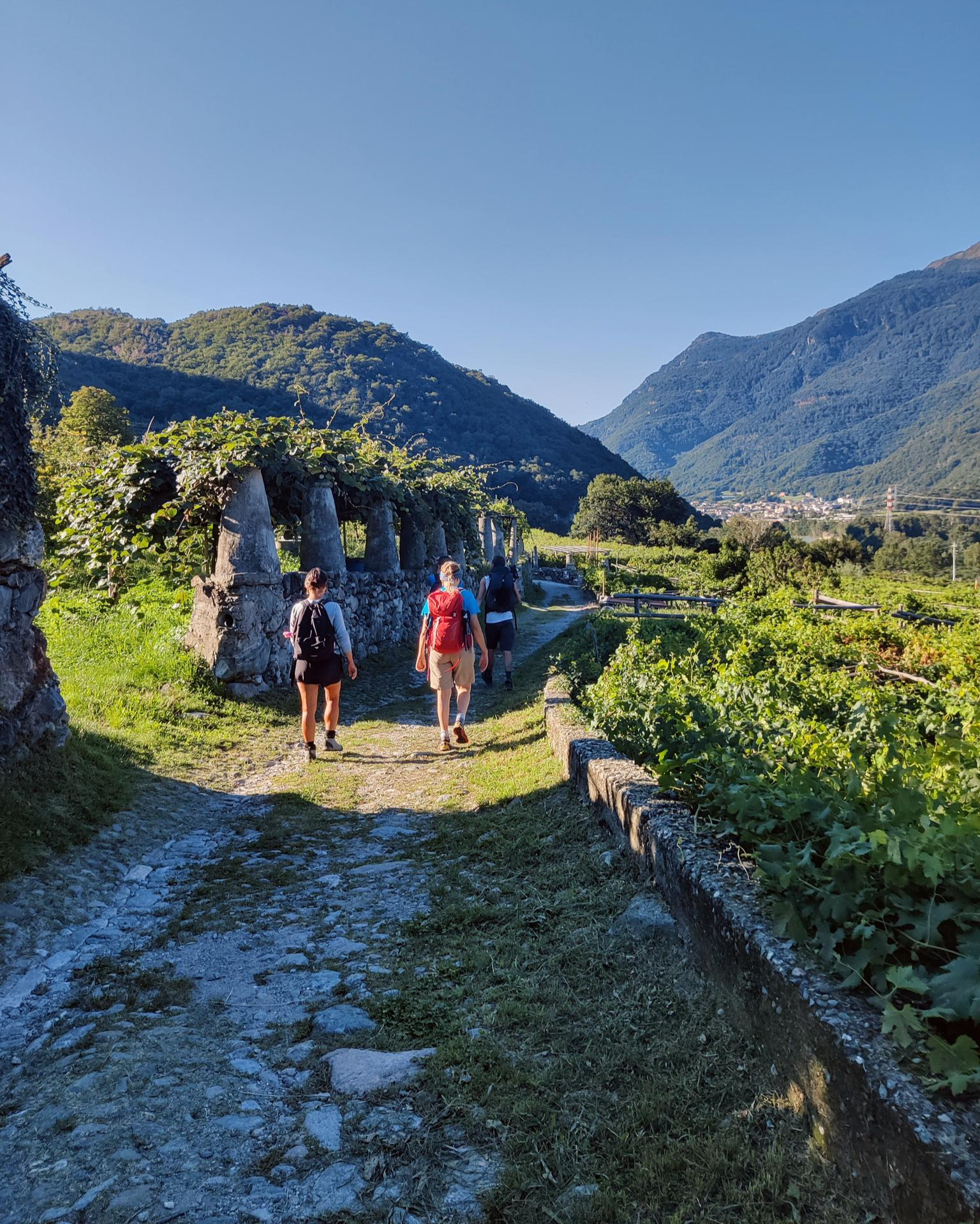
Piemont's Via Francigena
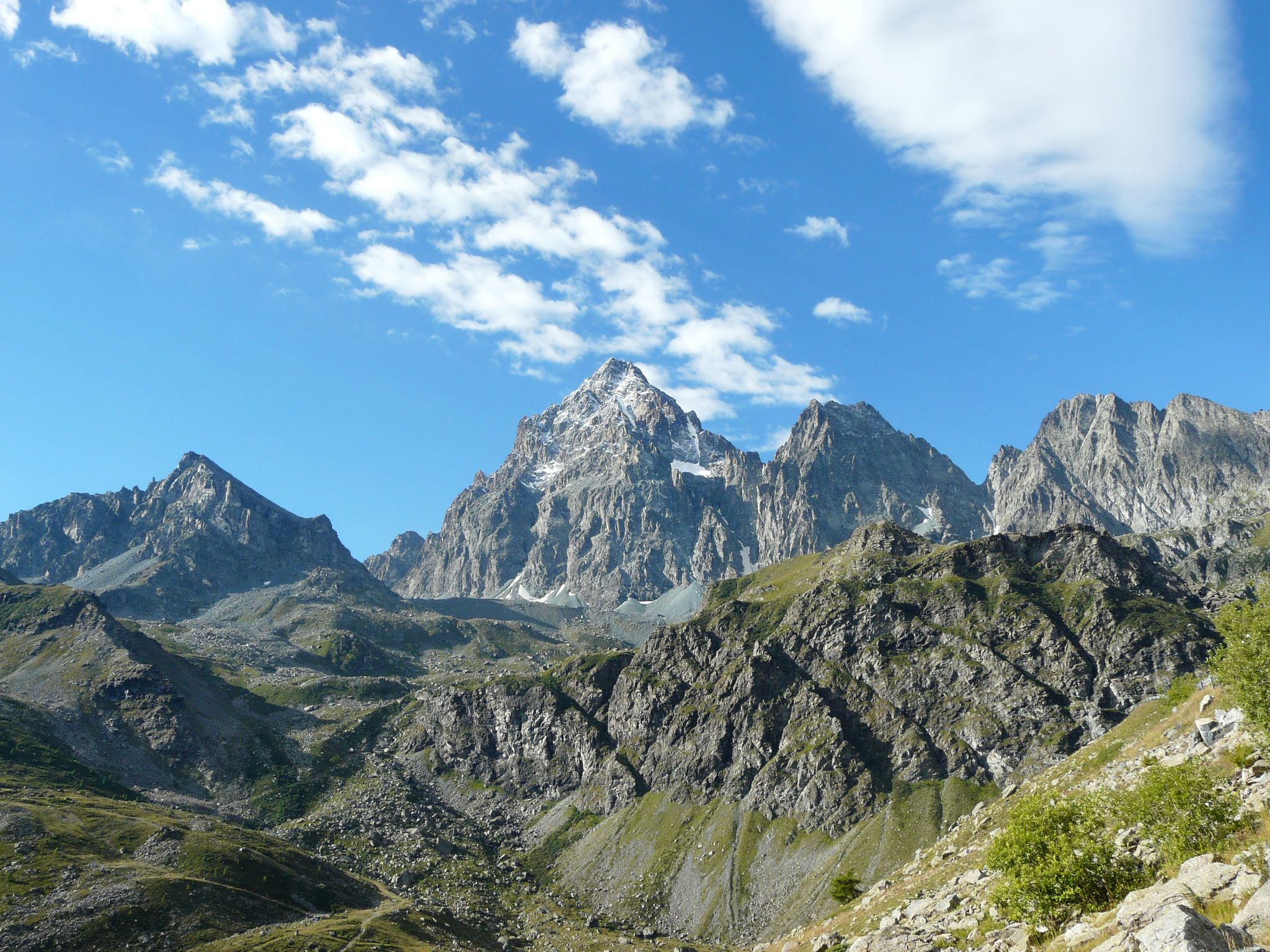
Tour di Viso – Four days around the Stone King from Castello
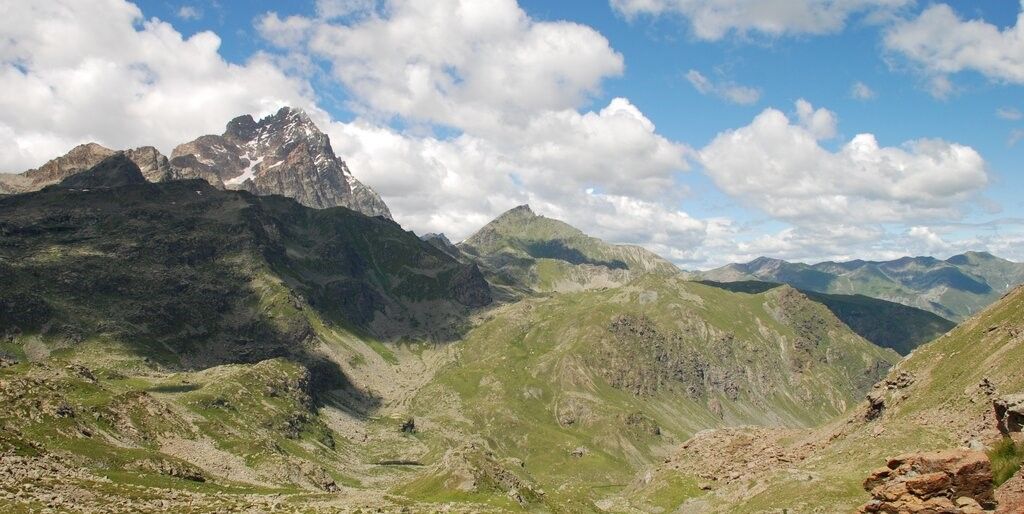
Tour di Viso – Four days around the Stone King from Meire Dacant
GR 5 – The Europe Trail from the Mediterranean to Germany
Transalps MTB – Chamonix to the Mediterranean Sea
Europe Trail (GR 5) – Hike from Briançon to Landry
Lael's 2021 Komoot Women's Torino Nice Rally
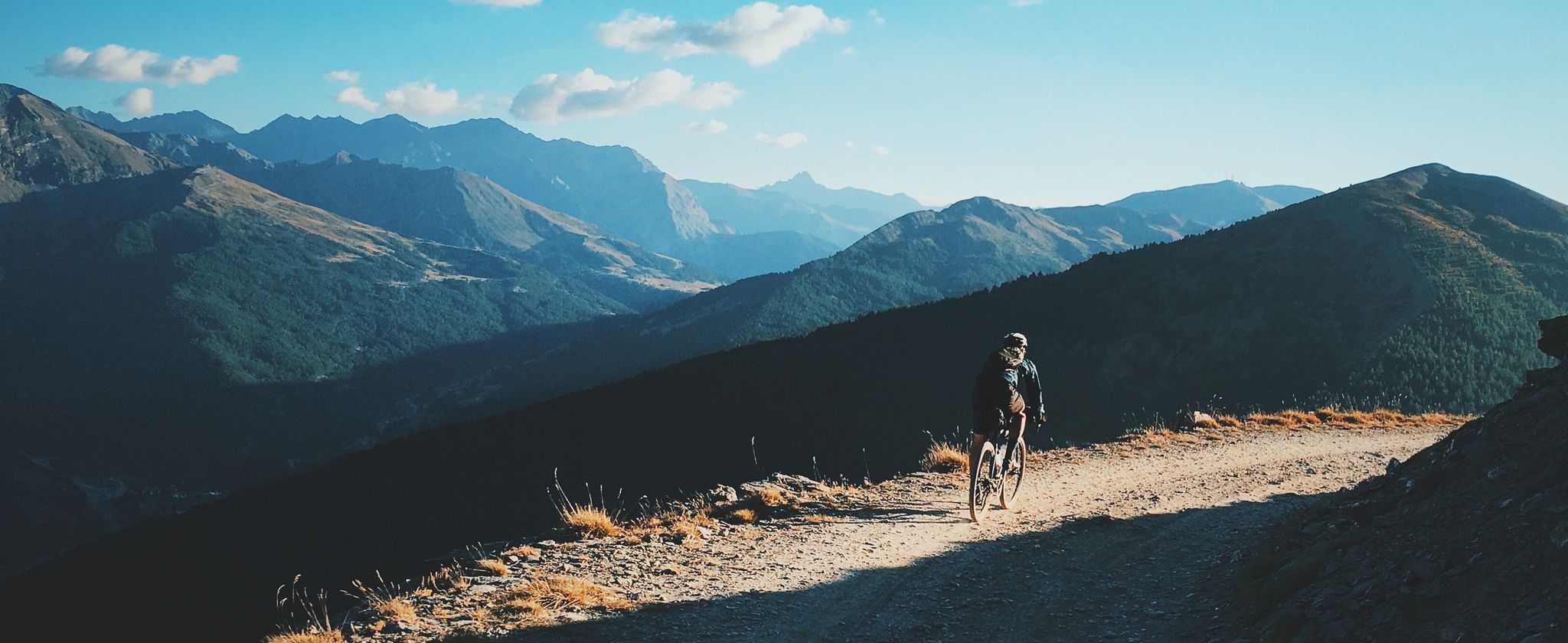
The Komoot Torino-Nice Rally
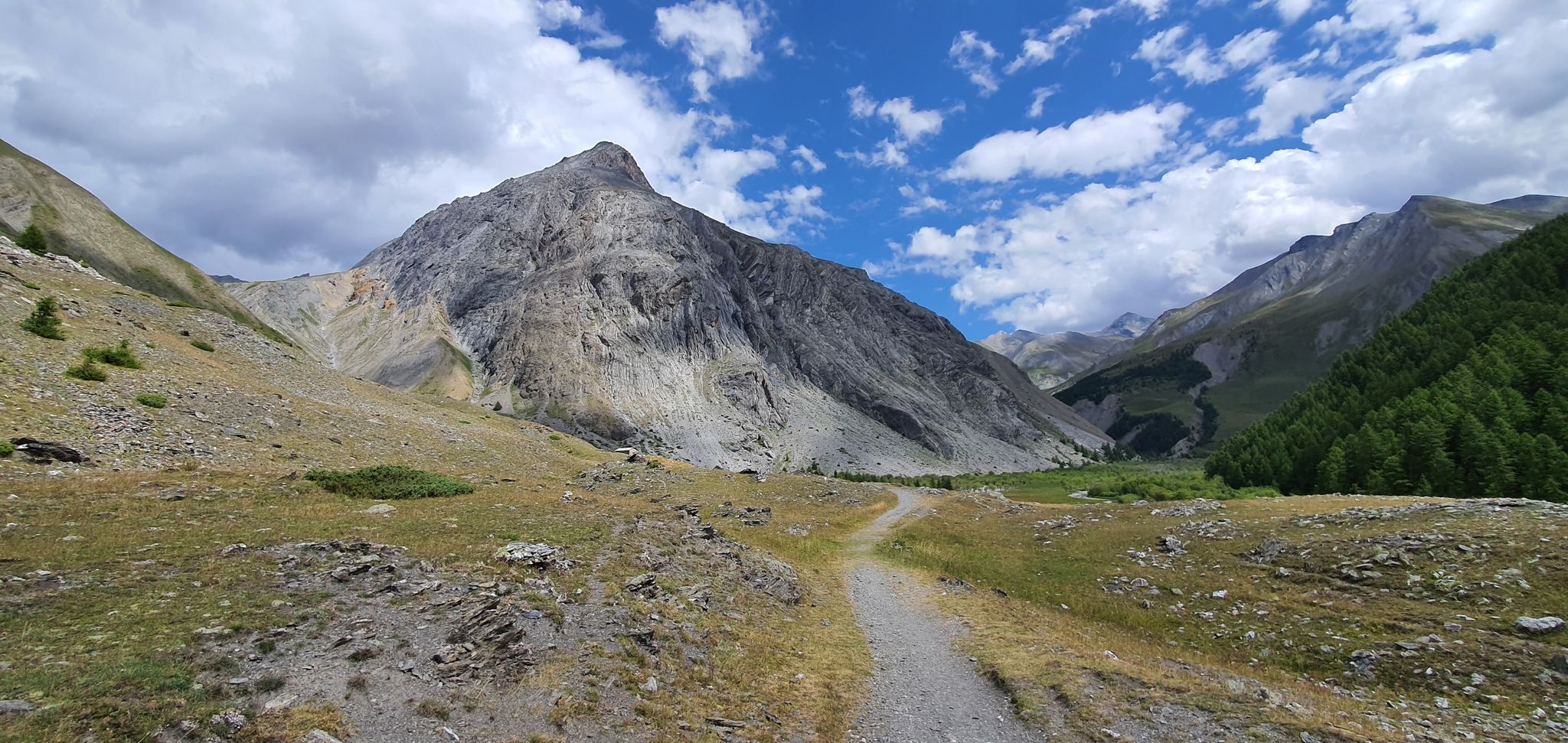
Western trans-alpine crossing – pure adventure on your mountain bike
Other adventures in Hautes-Alpes


Tips from the Community

The Gorges de la Méouge are a spectacular natural canyon located between the departments of Hautes-Alpes and Drôme, in the southeast of France. They are renowned for their turquoise waters, limestone cliffs, and numerous natural pools where you can swim in the summer.
7
0

And the Vauban fortress. It is not a castle
0
0
A fantastic mountain, making this climb was very challenging, the asphalt is in excellent condition and the gradients are regular.
14
0
The Col du Galibier from Briançon is a climb located in the Grand Briançonnais region. This climb is 34.8 kilometers long, with a positive elevation gain of 1,398 meters. The Col du Galibier from Briançon has an average gradient of 4%.
25
1
An almost fairytale passage, the Guil has carved the rock over millions of years.
14
0
Cycling through these gorges is a wonderful experience.
15
0

This lake is magnificent as are the hikes around it.
0
0

Beautiful, wild and romantic gorge near Sisteron
0
0
Frequently Asked Questions
What types of natural monuments can I explore in Hautes-Alpes?
The Hautes-Alpes region offers a diverse range of natural monuments, including majestic mountain passes like Col du Galibier, stunning glacial lakes such as Lac Gignoux (Lake of Seven Colours) and Lac de l'Eychauda, and impressive gorges like the Gorges of the Guil and Gorges de la Méouge. You'll also find high mountain summits like Mount Thabor and unique rock formations such as the Chabrières Needles.
Are there family-friendly natural monuments in Hautes-Alpes?
Yes, several natural monuments in Hautes-Alpes are suitable for families. For instance, Lac de Saint-Apollinaire is noted as family-friendly with facilities. The Méouge Gorges also offer natural limestone pools perfect for refreshing dips, and Lake Sainte-Marguerite provides a superb, family-friendly hike to a swimmable lake. Ebrún Lake, separated from Lake Serre-Ponçon, offers calm, safe waters with supervised beaches ideal for families.
When is the best time of year to visit the natural monuments in Hautes-Alpes?
The best time to visit Hautes-Alpes largely depends on the activities you plan. For hiking and enjoying the lakes, late spring to early autumn (May to October) is ideal, with summer offering warmer temperatures for swimming in lakes like Serre-Ponçon. High mountain passes like Col du Galibier are typically open from late May or early June until October, depending on snow conditions. Winter offers opportunities for snow sports, but access to some higher-altitude natural monuments may be restricted.
What outdoor activities can I do near these natural monuments?
The Hautes-Alpes region is a paradise for outdoor enthusiasts. Near these natural monuments, you can enjoy extensive hiking, running, and cycling. For example, you can find numerous running trails, including the challenging Ecrins Trail, or explore gravel biking routes like the Col du Granon. There are also many MTB trails, such as the Red Melezin Trail. Lake Serre-Ponçon is excellent for water sports like kayaking, paddleboarding, and sailing.
Are there historical or cultural sites near the natural monuments?
While the focus is on natural beauty, the region does have historical elements. For instance, Briançon Castle is a historical site that also offers viewpoints. The Queyras Regional Natural Park, while known for its landscapes, also features charming traditional villages, offering a glimpse into alpine life. Mount Thabor is listed as both a summit and a historical/religious site.
What are some notable viewpoints in the Hautes-Alpes natural monuments?
Many natural monuments in Hautes-Alpes offer spectacular viewpoints. The Col du Galibier is renowned for its panoramic views of the Écrins National Park. Mirror Lake is famous for its reflective surface, offering views of the surrounding mountains. Mont Guillaume, overlooking Lake Serre-Ponçon, provides a 360° panorama. The Chabrières Needles and Mount Thabor also offer challenging climbs rewarded with expansive vistas.
What geological formations are prominent in Hautes-Alpes?
Hautes-Alpes is rich in unique geological formations. The Écrins National Park is characterized by its magnificent alpine landscapes, including glaciers like Glacier Blanc and the imposing Pelvoux massif. The Queyras Regional Natural Park features impressive gorges carved by the Guil River, and the Méouge Gorges are known for their deep, verdant canyons and natural limestone pools. The region's numerous lakes, many of glacial origin like Lac de l'Eychauda, also showcase its geological history.
What do visitors enjoy most about the natural monuments in Hautes-Alpes?
Visitors frequently praise the breathtaking landscapes and the sense of tranquility. The intense blue waters of Eychauda Lake, the brilliant scenery of Lac Gignoux, and the reflective beauty of Mirror Lake are often highlighted. Many appreciate the challenging yet rewarding climbs to passes like Col du Galibier, and the refreshing experience of swimming in the turquoise waters of the Méouge Gorges. The overall consensus points to an authentic and peaceful immersion in unspoiled nature.
Are there any natural monuments suitable for swimming?
Yes, several natural monuments in Hautes-Alpes offer excellent opportunities for swimming. Lake Serre-Ponçon is a prime destination with numerous wild coves and Blue Flag beaches where summer water temperatures can reach up to 23°C. The Méouge Gorges feature natural limestone pools perfect for refreshing dips. Ebrún Lake also provides calm, safe waters with supervised beaches, ideal for a swim.
What are the characteristics of the Écrins National Park?
The Écrins National Park is a major highlight in Hautes-Alpes, renowned for its magnificent alpine landscapes and exceptional biodiversity. It's a sanctuary for nature lovers and hikers, offering extensive opportunities for challenging hikes, including sections of the GR54 trail. Notable features include the glacial Lac de l'Eychauda, the accessible Glacier Blanc, and the imposing Pelvoux and Meije massifs. The Pré de Madame Carle serves as a starting point for many trails within the park.
What makes the Queyras Regional Natural Park unique?
The Queyras Regional Natural Park, located on the eastern side of the Durance valley, is known for its stunning landscapes and charming traditional villages. It features impressive formations like the Gorges of the Guil and the beautiful Val d'Escreins. The Ristolas Mont Viso National Reserve within the park is rich in colorful flora, making it a paradise for photographers. The park offers excellent walking opportunities, including sections of the GR58 (Tour du Queyras) and GR5 paths, ideal for experiencing traditional alpine life.
How accessible are the natural monuments by public transport?
While specific public transport details for each natural monument are not extensively provided, the Hautes-Alpes region is generally best explored by car for maximum flexibility, especially for reaching more remote sites. Some larger towns or park entrances might have bus services, but direct public transport to many trailheads or specific natural features can be limited. It's advisable to check local transport options for your specific destination in advance.
Most popular routes in Hautes-Alpes
Most popular attractions in Hautes-Alpes

Get inspired with the komoot mobile app


Explore more
Extend your search for the best caves by checking out these guides of the top ones in Hautes-Alpes:
