Top 20 Castles in La Rioja
Castles in La Rioja stand as historical landmarks in a region known for its rich past and strategic importance. This area, characterized by its diverse terrain including river valleys and mountains, was historically a battleground between ancient kingdoms. The castles here offer insights into medieval architecture and defensive strategies. Many structures are situated to provide expansive views of the surrounding landscape, including vineyards and river systems.
Best castles in La Rioja
- The most popular castles is Clavijo Castle, a castle that features the remains of a rocky castle with a wall about 85 meters long. This fortification includes four towers, offering wide views of the surroundings.
- Another must-see spot is Sajazarra Castle, a castle and historical site. This 15th-century castle, now integrated into a winery, is well-preserved and features a keep and a believed former defensive moat.
- Visitors also love Castillo de los Velasco, a castle and historical site. This Gothic-style castle from the late 14th century is considered one of the best-preserved in La Rioja and remains inhabited.
- La Rioja is known for its well-preserved castles, strategic fortresses, and medieval towers. Visitors can explore structures ranging from those integrated into modern life to those offering panoramic views from their historical ruins.
- The castles in La Rioja are appreciated by the komoot community, with more than 50 upvotes and over 30 photos shared across 28 highlights.
Last updated: August 25, 2026
San Vicente de la Sonsierra Fortress Castle
Highlight • Castle
Translated by Google •
Tip by

Clavijo Castle
Highlight • Castle
Translated by Google •
Tip by
Sign up now to discover places like this
Get recommendations on the best single tracks, peaks, & plenty of other exciting outdoor places.
Sign up for free
Sajazarra Castle
Highlight • Castle
Between the 12th and 13th centuries the town was fortified. In its beginnings there was a single tower that was destroyed to build, during the second half of the fifteenth century, the current castle.
In the center of the fortress is the keep and, although it is not currently visible, it is believed that there was also a defensive moat.
Following the winemaking tradition of the area, today this beautiful complex made up of the castle, the fortification, the Roman bridge and its gardens, is a winery.
Translated by Google •
Tip by

Leiva Castle
Highlight • Castle
Translated by Google •
Tip by

Castillo de los Velasco
Highlight • Castle
Built with ashlar masonry from the region, the castle stands out for its square-plan keep. In addition, the fortification took advantage of the river as a defense ditch.
Although you cannot visit its interior, it is worth contemplating it from the outside while walking along the banks of the Tirón River.
Translated by Google •
Tip by
Anguciana
Highlight • Settlement
Since the 14th century it was the Lordship of the Salcedo family, who inhabited the Torre Fuerte, of which the south entrance and some loopholes are preserved.
In addition to the Torre Fuerte de los Salcedo (14th century), in the Gothic style, other places of interest in Anguciana are the church of San Martín, from the 16th century, renovated in the 17th century (two chapels in the first section, lower part of the tower, doorway and apse), the 18th century (chapel of the second section) and the 20th century (upper bodies of the tower) and the hermitages of Santa María de Oreca, from the 17th century and of La Esclavitud.
Translated by Google •
Tip by

Préjano Castle
Highlight • Castle
Translated by Google •
Tip by
Velasco Castle and Cuzcurrita de Río Tirón Bridge
Highlight • Castle
It is an elegant baroque building from the 18th century, built between 1753 and 1766 from sandstone blocks from nearby quarries.
Translated by Google •
Tip by

Torreon Sor Maria de Leiva
Highlight • Historical Site
Translated by Google •
Tip by

San Vicente de la Sonsierra
Highlight • Settlement
Translated by Google •
Tip by

Sign up for free to discover even more castles in La Rioja.
Sign up for free
Already have an account?
Start today with a free account
Your next adventure awaits.
Login or Signup
Popular around La Rioja
Camino Francés and Camino Finisterre – Cycling pilgrimages in Spain
Santiago de Compostela – A journey through northern Spain (10 days)
The Ignatian Way - In the footsteps of Ignatius of Loyola
Legendary climbs - Ports of La Vuelta a España

Zazpiak Bat Packing – a cycling adventure in the Basque Country
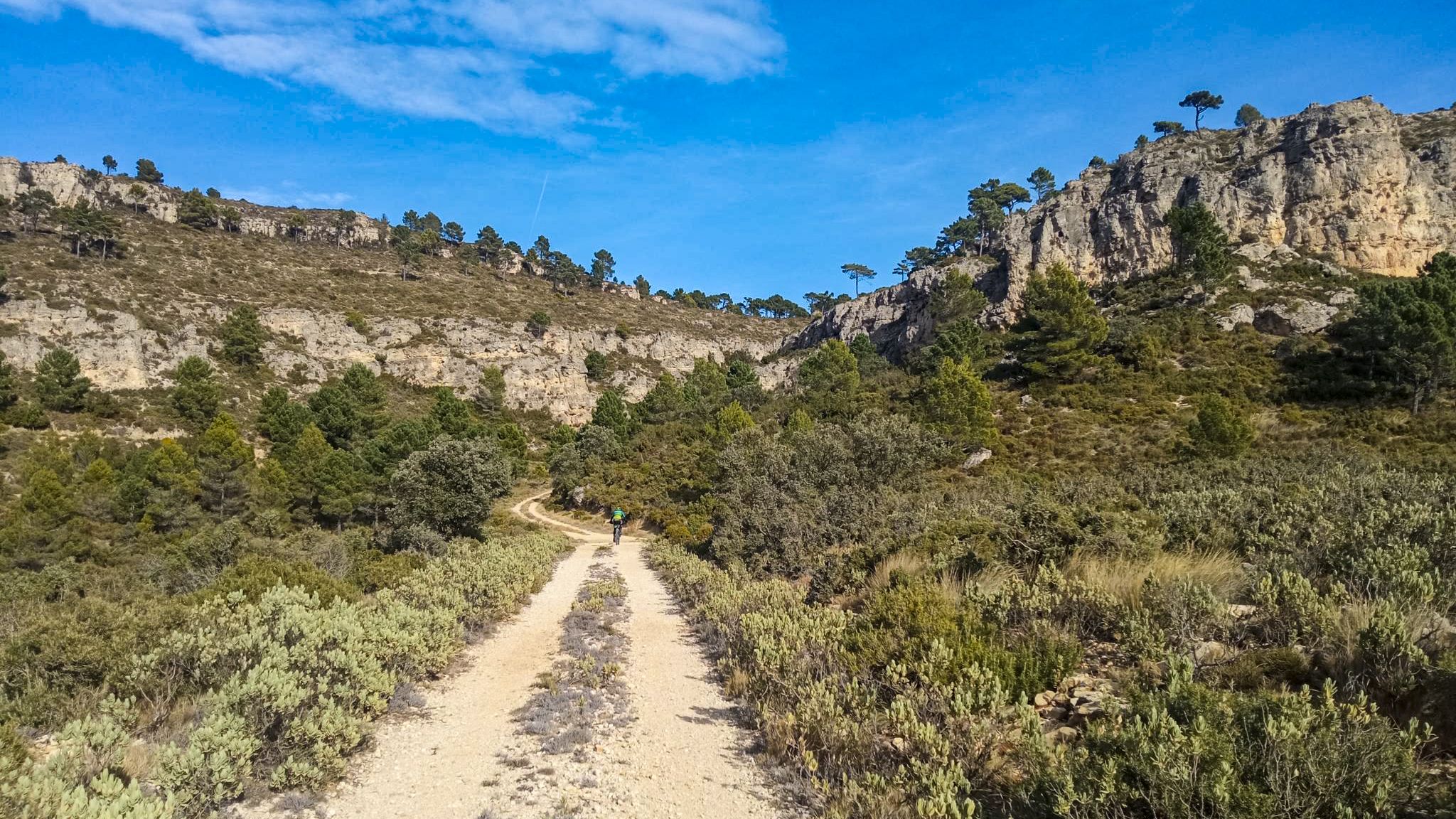
10 gravel routes to discover hidden gems in Spain
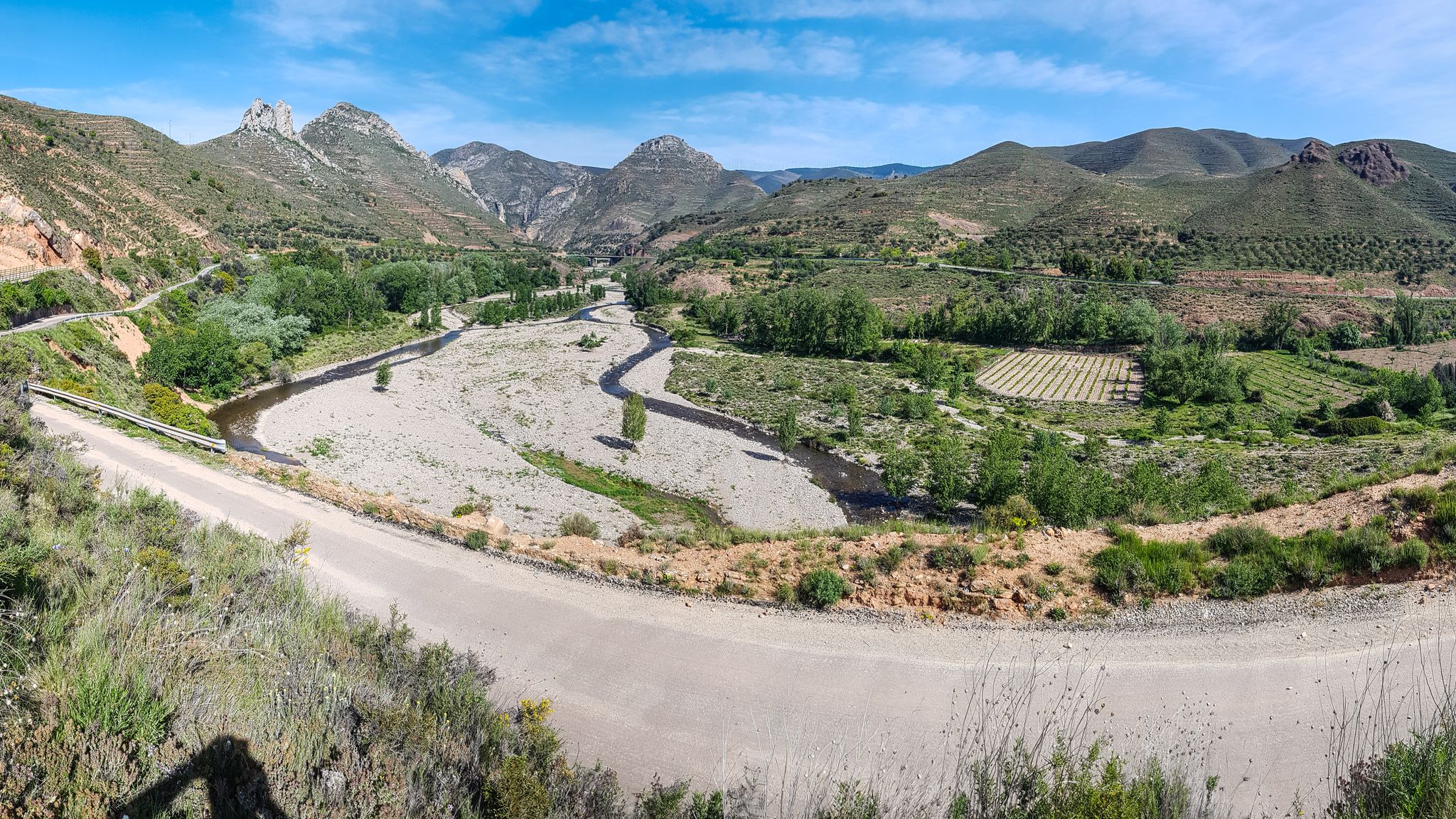
Orchards and karst peaks in La Rioja – Cidacos Greenway
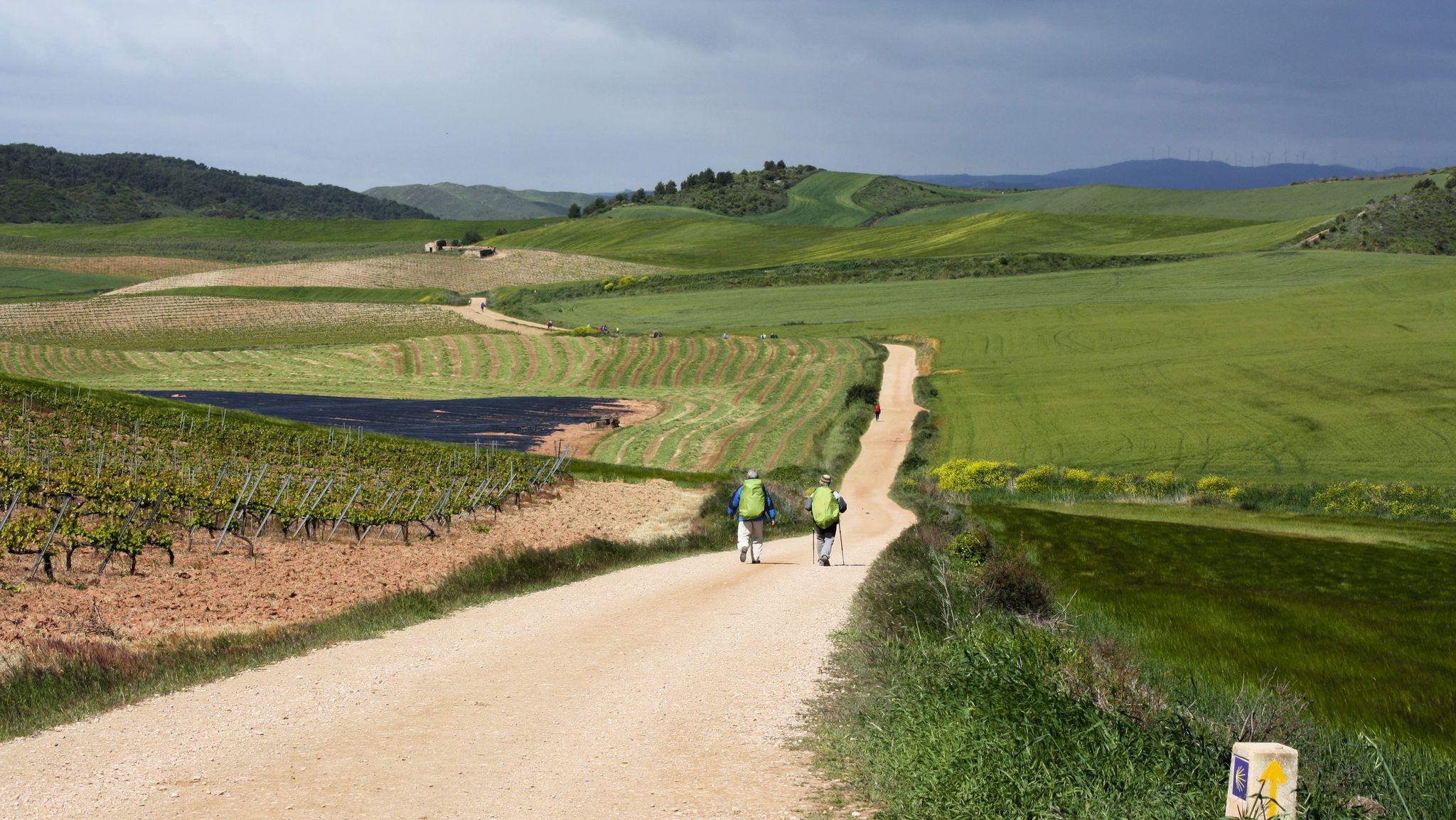
An Iberian pilgrimage – French Way of Saint James
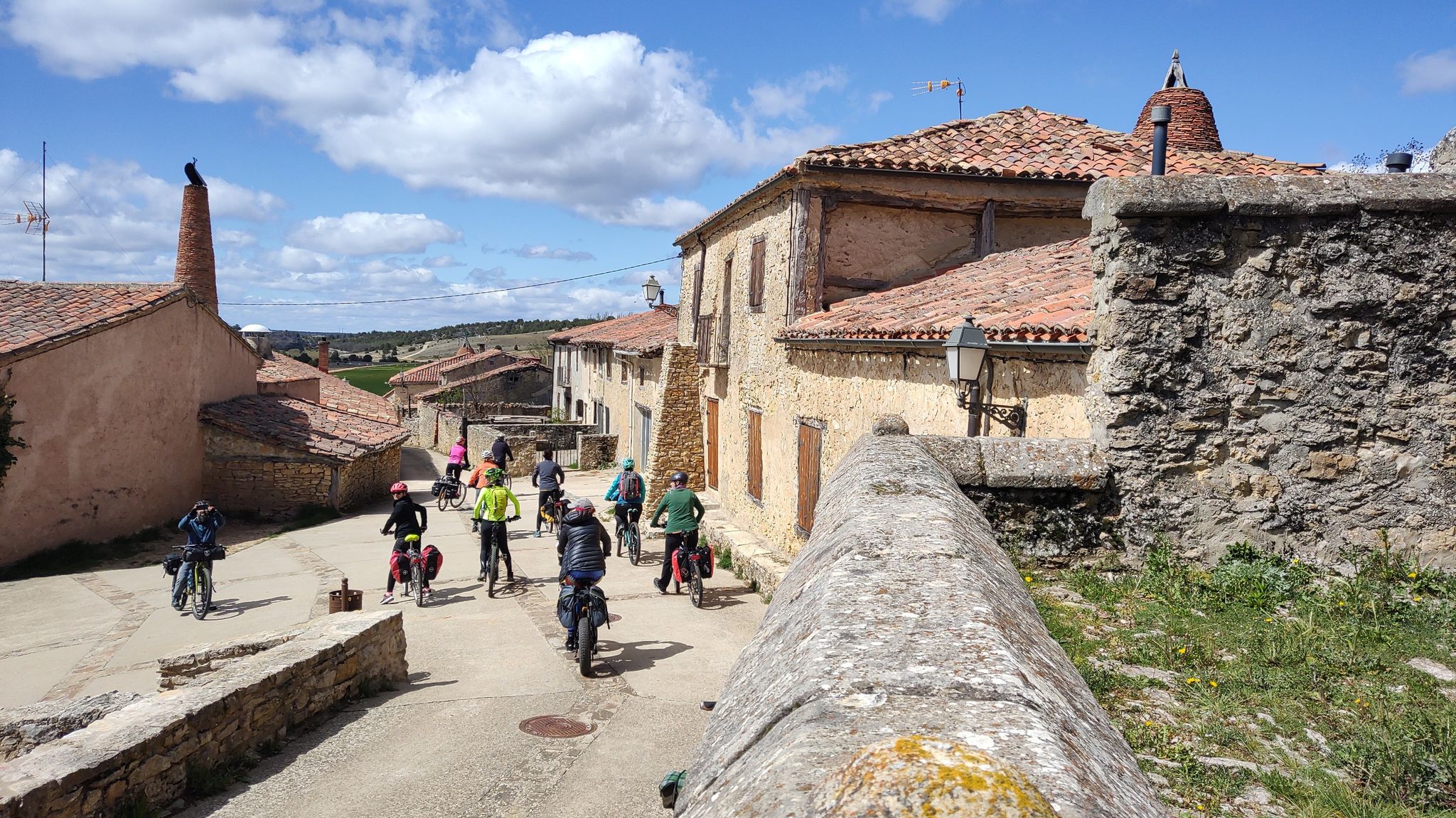
Millennial treasures on pedals – Romanesque art of Soria by MTB
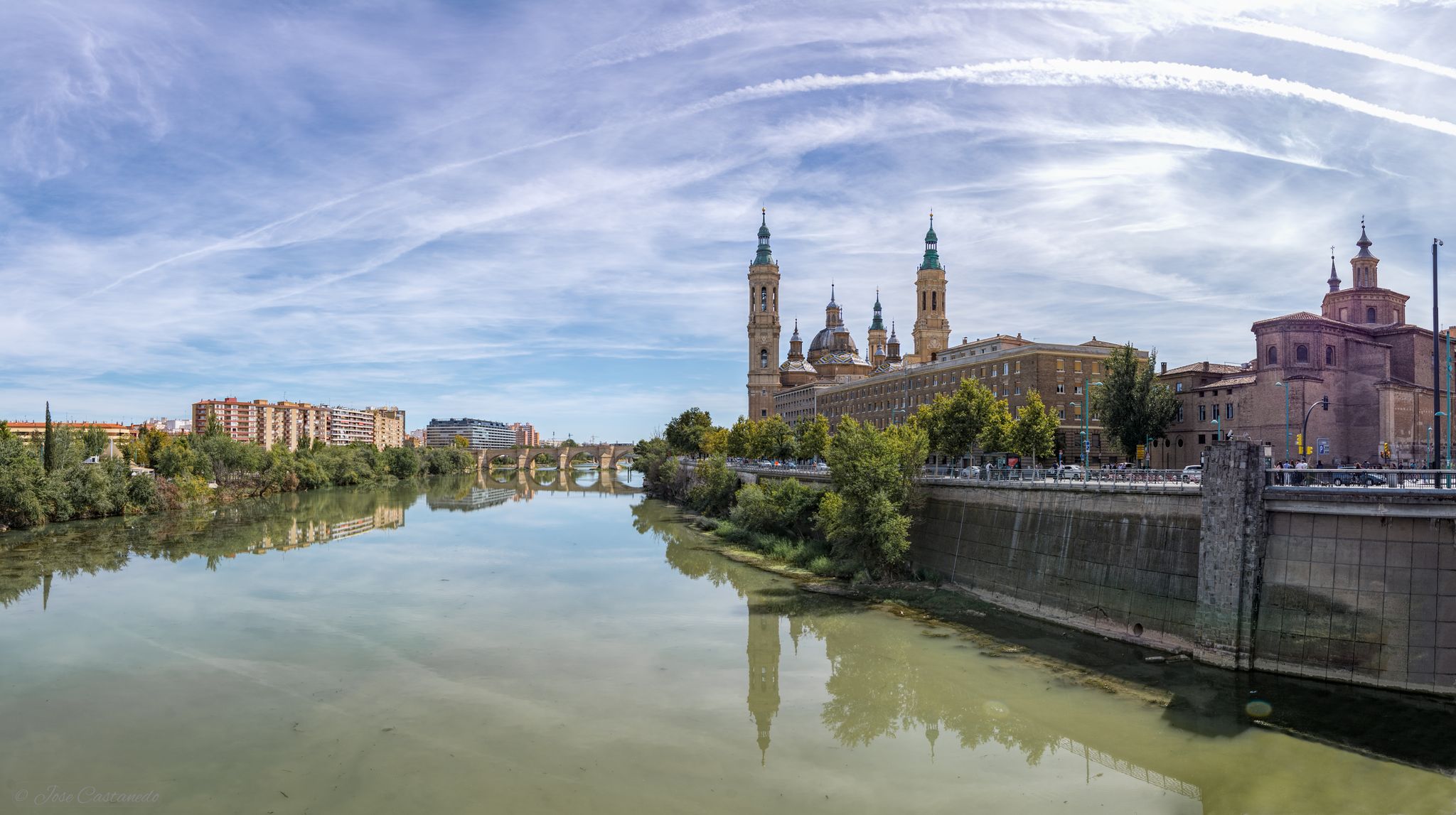
A river getaway – Ebro Natural Trail (GR 99)
Other adventures in La Rioja


Tips from the Community

A beautiful, perfectly restored building. It's a shame it's private and can't be visited.
0
0

The Torreón de Sor María de Leiva is one of the historical attractions of Santo Domingo de la Calzada. It is part of the walled enclosure of Santo Domingo de la Calzada. Built between the 14th and 16th centuries, the tower is an example of the defensive architecture of the period. The tower and its surroundings offer excellent opportunities for photography, especially at sunset.
1
0

Picnic area with water and beautiful views of the Prejano castle and the valley
0
1

Castle with towers at the corners of the structure. The ancient Roman road that connected Italy to Spain passes through here. Information table on site.
7
0

Possibly built in the 10th century. In the enclave of Clavijo, legend has it that the apostle Santiago, as patron saint of Spain, supported the troops of the king of León who had refused to pay homage to the Muslims of the south who demanded the famous tribute of the hundred maidens.
1
0

The Castillo de los Velasco is a castle built between the 14th and 15th centuries by the powerful Velasco family, who ruled these lands in the Middle Ages. It is the most important and interesting castle of Mena and one of the most striking in the province of Burgos.
3
0
The Castillo fortaleza de San Vicente de la Sonsierra is an impressive medieval castle that rises above the River Ebro. It was built in the 12th century by the Kingdom of Navarre to defend its border with Castile. It was part of a defense line connecting Laguardia and Labastida, and was the largest fortress in Navarre on the Ebro. The castle has a semi-circular shape that adapts to the rock on which it stands. It consists of three walled areas: the albacar, where the houses of the old town stood, the cortijo, where the parish church, the chapel of San Juan and the cemetery are, and the castle itself, with the keep and the bell tower. The castle lost its military importance after the annexation of Navarre by Castile in 1512, and was later used as a quarry and rubbish dump. In the 20th century, people began to realize its historical and artistic value, and several restoration projects were carried out. The castle is now a monument of cultural interest and a tourist attraction
1
0

Nice little place for a break. You can get a lot of things in the café and the small butcher's shop next door has a good selection. A steep climb leads up to the rock castle. You should definitely do it. Fantastic view of the Rioja.
3
1
Frequently Asked Questions
Which castles in La Rioja are particularly well-preserved?
La Rioja boasts several well-preserved castles. Among them, the Castillo de los Velasco in Cuzcurrita de Tirón is a Gothic-style castle from the late 14th century that remains inhabited. Sajazarra Castle, a 15th-century structure, is also celebrated as one of the region's artistic wonders and is integrated into a winery today. Cornago Castle, though having served various purposes, has undergone rehabilitation efforts and is a prime example of ashlar masonry.
Are there castles in La Rioja that offer panoramic views?
Yes, many castles in La Rioja are strategically located to provide stunning views. Clavijo Castle, perched atop an imposing rock, offers breathtaking panoramic views of the surrounding mountains and valleys. Davalillo Castle also provides magnificent views of the vineyard-laden landscape and the Ebro valley. Quel Castle, with its unique clifftop location, offers an excellent lookout over the Cidacos valley.
Which castles are recommended for history enthusiasts?
For history enthusiasts, Clavijo Castle is a must-visit, with origins tracing back before the 10th century and legends of Saint James. The San Vicente de la Sonsierra Fortress, built around 1170, was a crucial strategic point on the Ebro. Cornago Castle served as a border stronghold between ancient kingdoms, offering deep historical context.
Can I visit castles that are still inhabited or have modern uses?
Yes, some castles in La Rioja have been integrated into modern life. The Castillo de los Velasco in Cuzcurrita de Tirón remains inhabited. Sajazarra Castle is privately owned and integrated into a winery. Aguas Mansas Castle in Agoncillo has been restored and now serves as the town hall, showcasing a blend of historical preservation and modern utility.
Are there hiking or cycling routes near the castles in La Rioja?
Yes, La Rioja offers various outdoor activities near its historical sites. You can find numerous hiking and cycling routes. For instance, there are gravel biking routes like the 'Gravel route through vineyards along the Ebro River' and hiking trails such as the 'Enciso Dinosaur Trail'. You can explore more options in the Gravel biking in La Rioja, Hiking in La Rioja, and Cycling in La Rioja guides.
Which castles in La Rioja are suitable for families?
Several castles in La Rioja can be enjoyed by families. Sajazarra Castle is listed as family-friendly. The area around Velasco Castle and Cuzcurrita de Río Tirón Bridge also offers a pleasant setting for families. Exploring the external beauty and historical presence of these sites can be an engaging experience for all ages.
What is the best time of year to visit the castles in La Rioja?
The best time to visit the castles in La Rioja is generally during spring (April to June) and autumn (September to October). During these seasons, the weather is pleasant for exploring, and the landscapes, especially the vineyards, are particularly beautiful. Summers can be hot, and winters can be chilly, though visiting in the off-season might offer fewer crowds.
Are there any lesser-known or 'hidden gem' castles worth visiting?
Beyond the most prominent sites, La Rioja has several intriguing lesser-known fortifications. The polygonal towers of Leiva Castle from the 15th century and the Torremontalbo fortress tower with its Roman origins offer unique historical glimpses. The restored medieval tower of Baños de Rioja and the remains of fortifications in towns like Arnedo and Enciso also provide fascinating insights into the region's past.
Can I combine a castle visit with a winery tour in La Rioja?
Absolutely. La Rioja is renowned for its wine, and some castles offer this unique combination. Sajazarra Castle, for example, is integrated into a winery, allowing visitors to appreciate both historical architecture and the region's winemaking tradition. Many other castles are surrounded by vineyards, making it easy to visit a nearby winery after exploring a fortress.
What kind of natural features can I expect to see around the castles?
The castles in La Rioja are often set amidst diverse natural landscapes. You can expect to see river valleys, such as the Tirón River near Castillo de los Velasco, and the Ebro valley from Davalillo Castle. Many castles offer views of extensive vineyards and surrounding mountains, providing a scenic backdrop to their historical significance.
Is parking generally available at the castles in La Rioja?
For many castles in La Rioja, especially those in or near towns, parking is typically available in designated areas nearby. However, for castles located on hilltops or in more remote areas, parking might be limited to the base of the ascent, requiring a short walk to reach the site. It's advisable to check local information for specific castles if you have mobility concerns.
Most popular routes in La Rioja
Most popular attractions in La Rioja

Get inspired with the komoot mobile app


Didn’t find what you were looking for?
Explore La Rioja’s best castles region by region:
Explore more
Looking for the best castles somewhere else? Discover other guides in La Rioja:
