Attractions and Places To See in La Rioja - Top 20
Best attractions and places to see in La Rioja include a diverse landscape of vineyards, mountains, and the Ebro River valley in northern Spain. The region is known for its world-class wine, historical landmarks, and significant sites along the Camino de Santiago. Visitors can explore ancient monasteries, vibrant cities, and natural features like mountain peaks and river canyons. La Rioja offers a range of cultural and outdoor experiences.
Best attractions and places to see in La Rioja
- The most popular attractions is Santo Domingo de la Calzada Cathedral, a religious building that houses a live rooster and hen, protected as an Asset of Cultural Interest. This cathedral is notable for its unique tradition linked to a local legend.
- Another must-see spot is Pico de Urbión, a mountain summit located in the Sierra de Urbión. Visitors can expect panoramic views and opportunities for hiking in this natural area.
- Visitors also love Logroño Stone Bridge, a historical bridge over the Ebro river. It is a significant landmark next to the old town of Logroño and is illuminated at night.
- La Rioja is known for its historical sites, natural features, and cultural attractions. The region offers a variety of places to see, from ancient monasteries and charming villages to mountain ranges and river valleys.
- The attractions in La Rioja are appreciated by the komoot community, with more than 470 highlights and over 450 photos shared by visitors.
Last updated: October 9, 2026
Santo Domingo de la Calzada Cathedral
Highlight • Religious Site
The animals are replaced every two weeks and allude to the legend of the hanged man. The myth tells that a pilgrim was hanged after being unjustly accused of theft. When his parents went to see the body they found their son alive and he told them that Santo Domingo de la Calzada had saved his life. The parents proclaimed that their son was alive, but the mayor of the city did not believe them and told them something like: "Your son is as alive as the roasted rooster and hen that I am eating." And suddenly, according to legend, the animals regained their feathers and came back to life.
Translated by Google •
Tip by

Logroño Stone Bridge
Highlight • Bridge
Translated by Google •
Tip by

Sign up now to discover places like this
Get recommendations on the best single tracks, peaks, & plenty of other exciting outdoor places.
Poyo de Roldán Stone Hut
Highlight • Structure
Translated by Google •
Tip by

La Grajera Reservoir
Highlight • Lake
Translated by Google •
Tip by

Former hospital of San Juan de Acre
Highlight • Historical Site
Translated by Google •
Tip by
Co-Cathedral of Santa María de la Redonda
Highlight • Religious Site
Translated by Google •
Tip by

Santo Domingo de la Calzada Bridge
Highlight • Bridge
At the entrance, on the banks of Santo Domingo de la Calzada, there is a small hermitage and, behind it, a picnic area with two tables.
Translated by Google •
Tip by
Haro
Highlight • Settlement
Translated by Google •
Tip by

Haro
Highlight • Settlement
Haro is the birthplace of many of the most famous wineries of the Rioja designation of origin. Its numerous monuments testify to the historical importance of this region.
Translated by Google •
Tip by
Church of Nuestra Señora de la Asunción
Highlight • Religious Site
According to the account in the first chapter of the Gospel of Luke, this happened in Nazareth (Israel). There is a large church on the spot where this happened - according to a tradition of around two thousand years - which can therefore be used as the 'origin patronal church' for the title of this church here.
Translated by Google •
Tip by
Sign up for free to discover even more attractions in La Rioja.
Already have an account?
Start today with a free account
Your next adventure awaits.
Popular around La Rioja
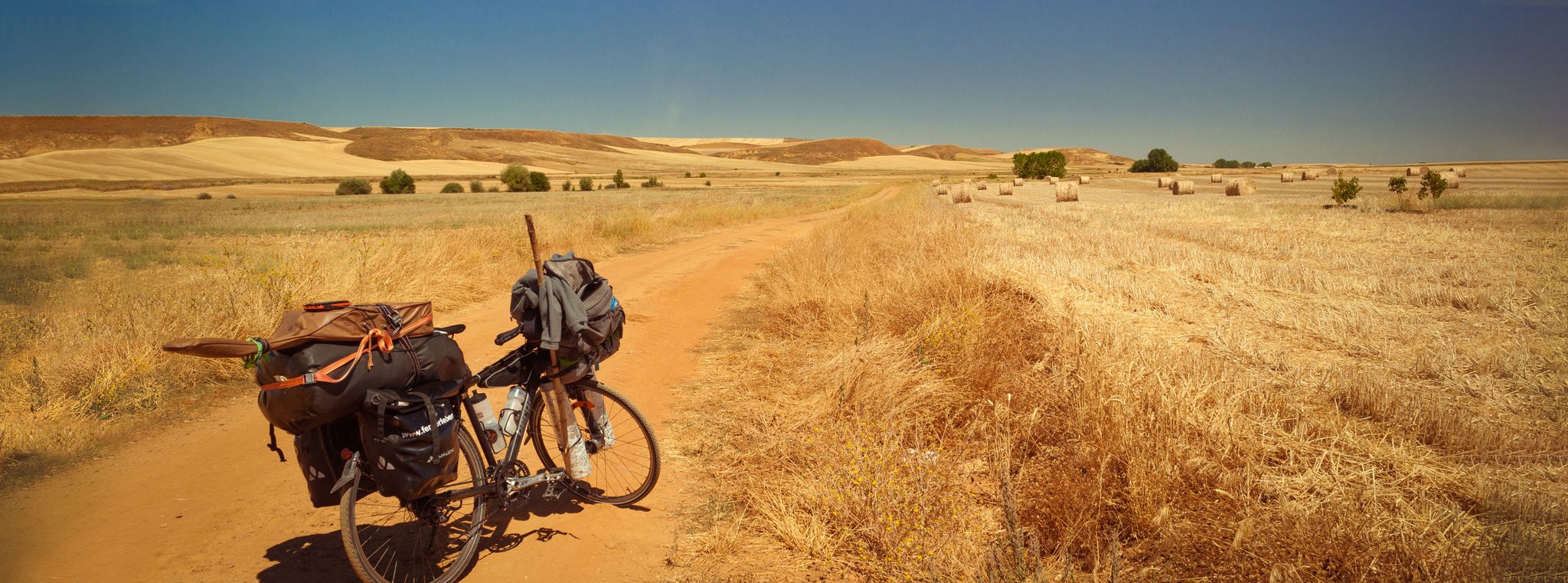
Camino Francés and Camino Finisterre – Cycling pilgrimages in Spain
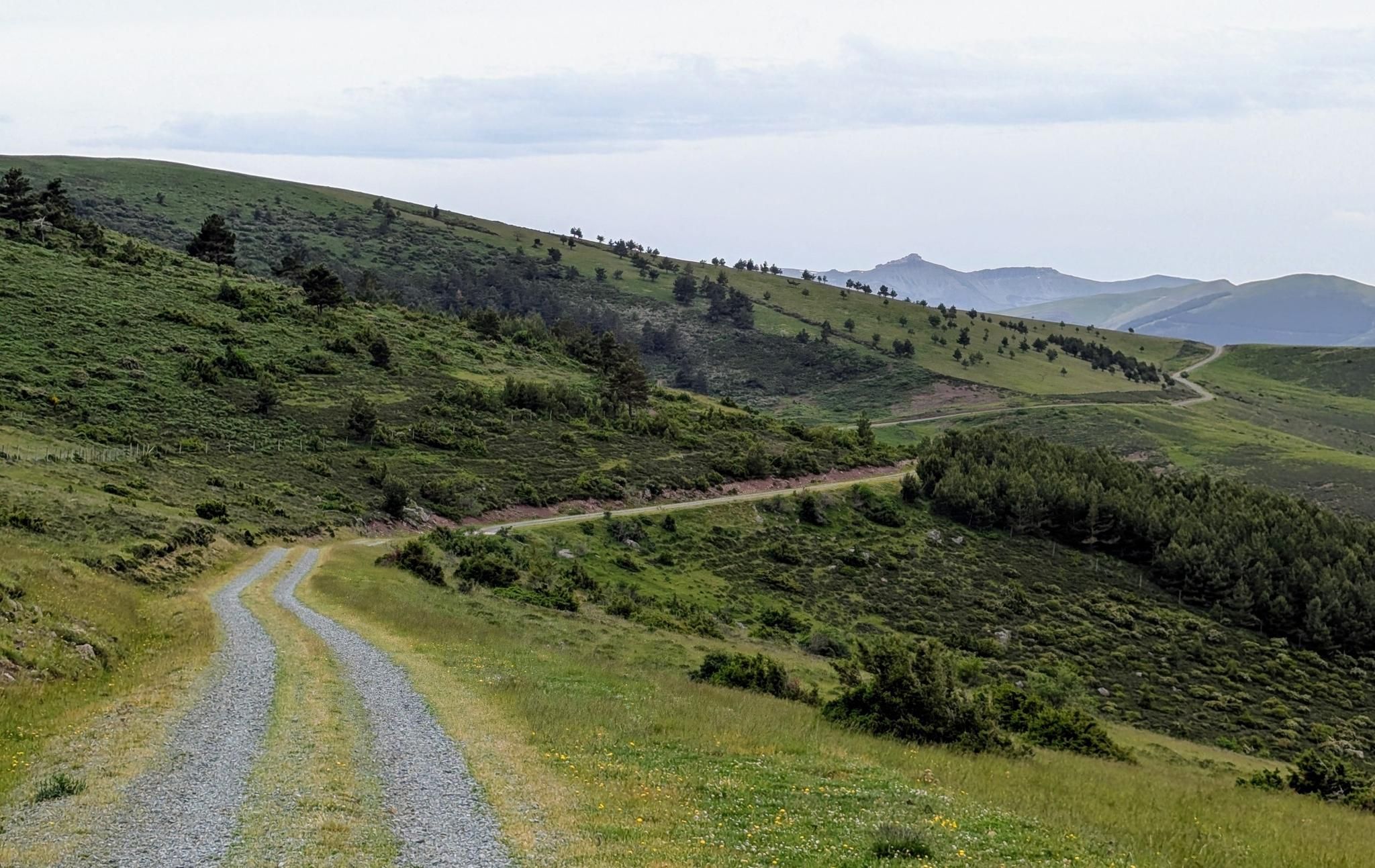
MTB Transhumance — Cañada Real Soriana Occidental
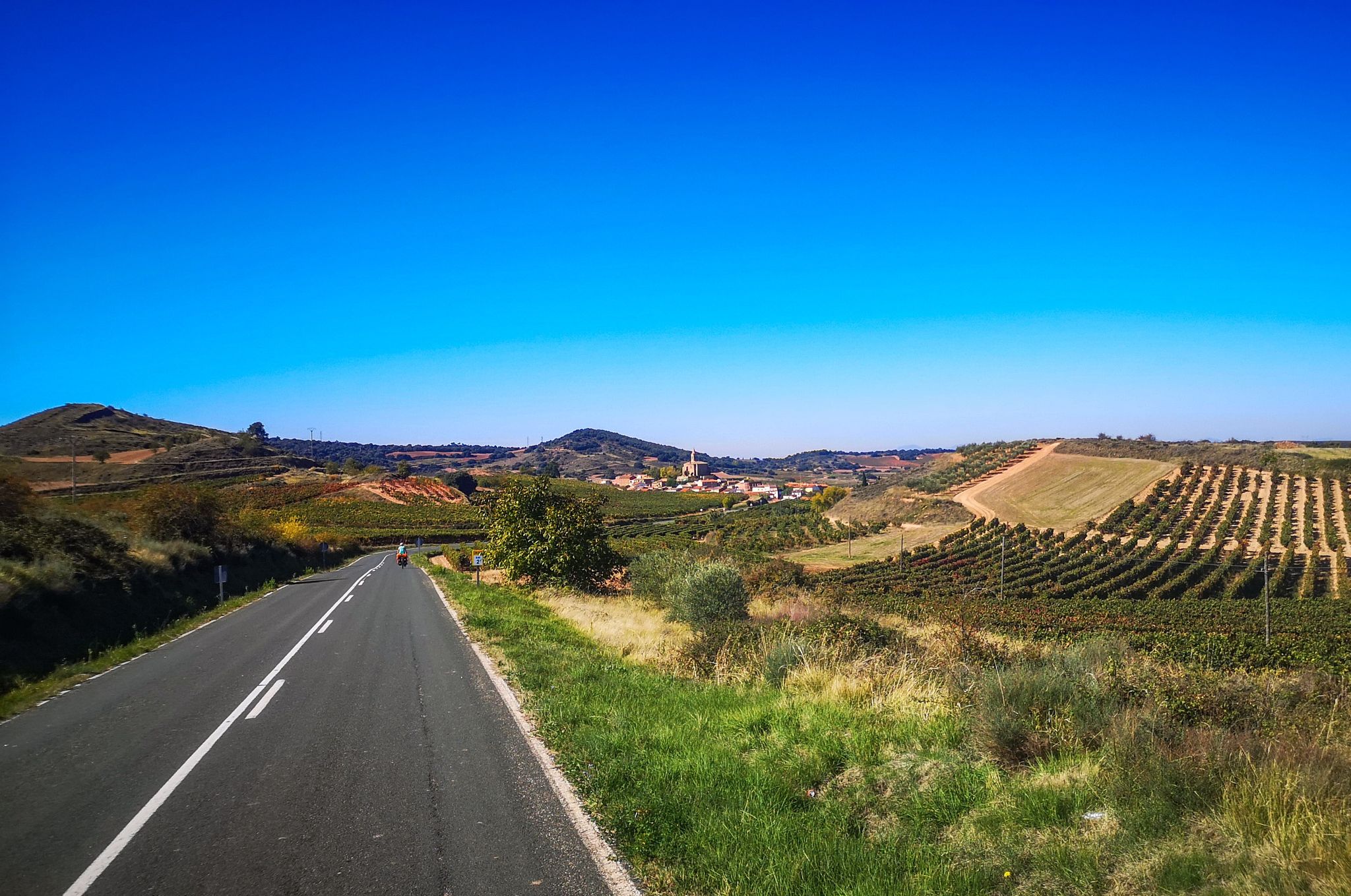
Santiago de Compostela – A journey through northern Spain (10 days)
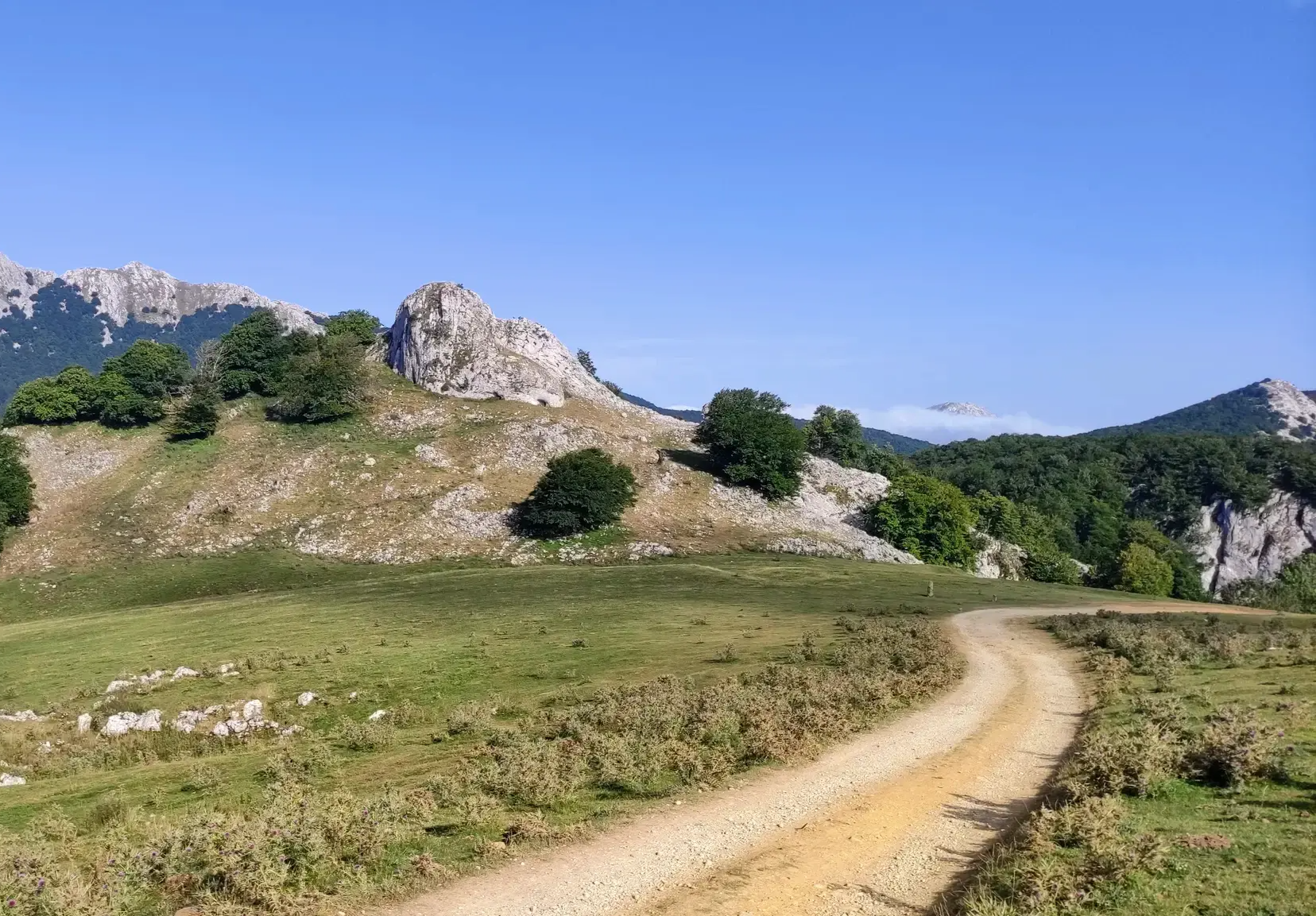
The Ignatian Way - In the footsteps of Ignatius of Loyola
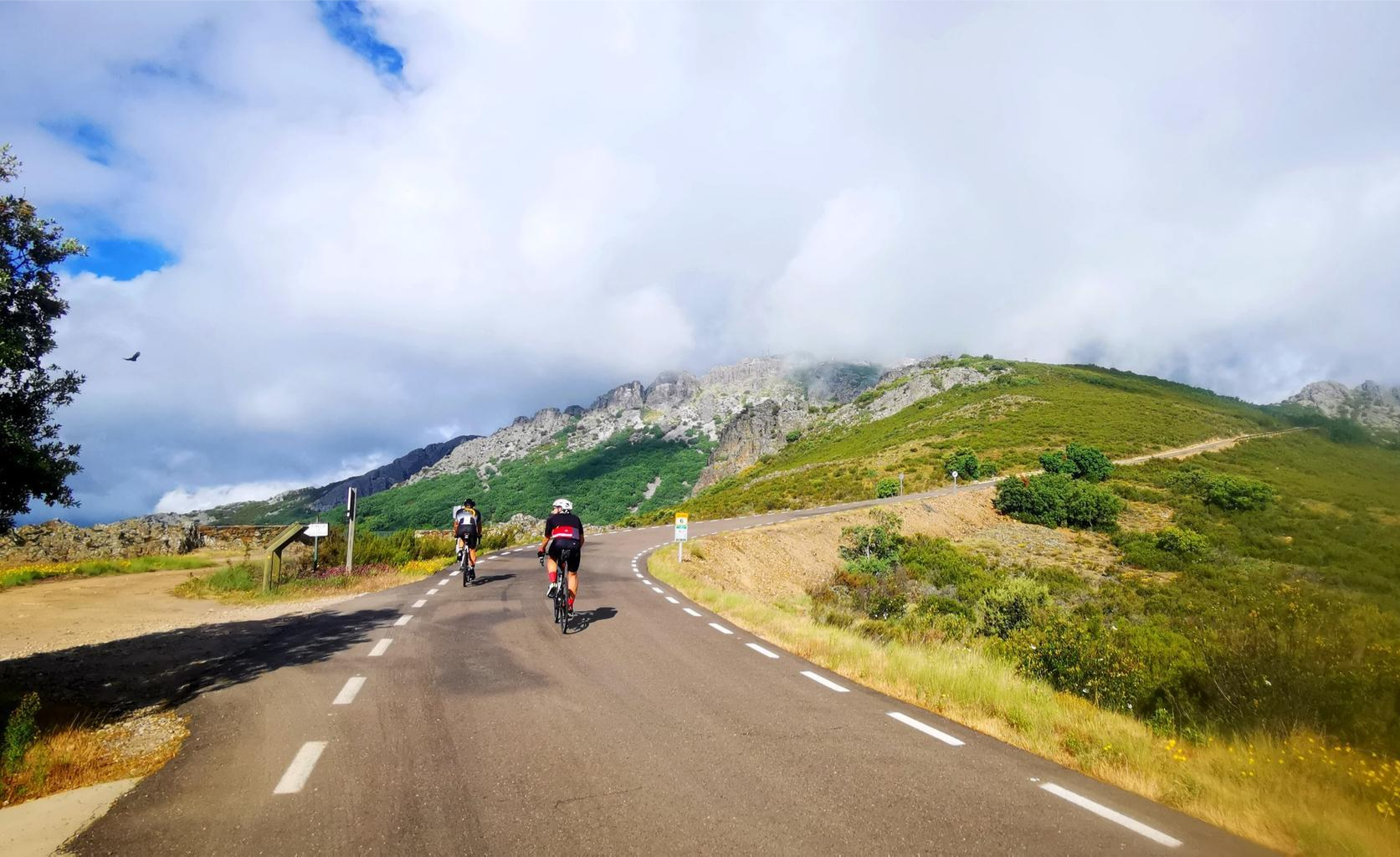
Legendary climbs - Ports of La Vuelta a España

Zazpiak Bat Packing – a cycling adventure in the Basque Country
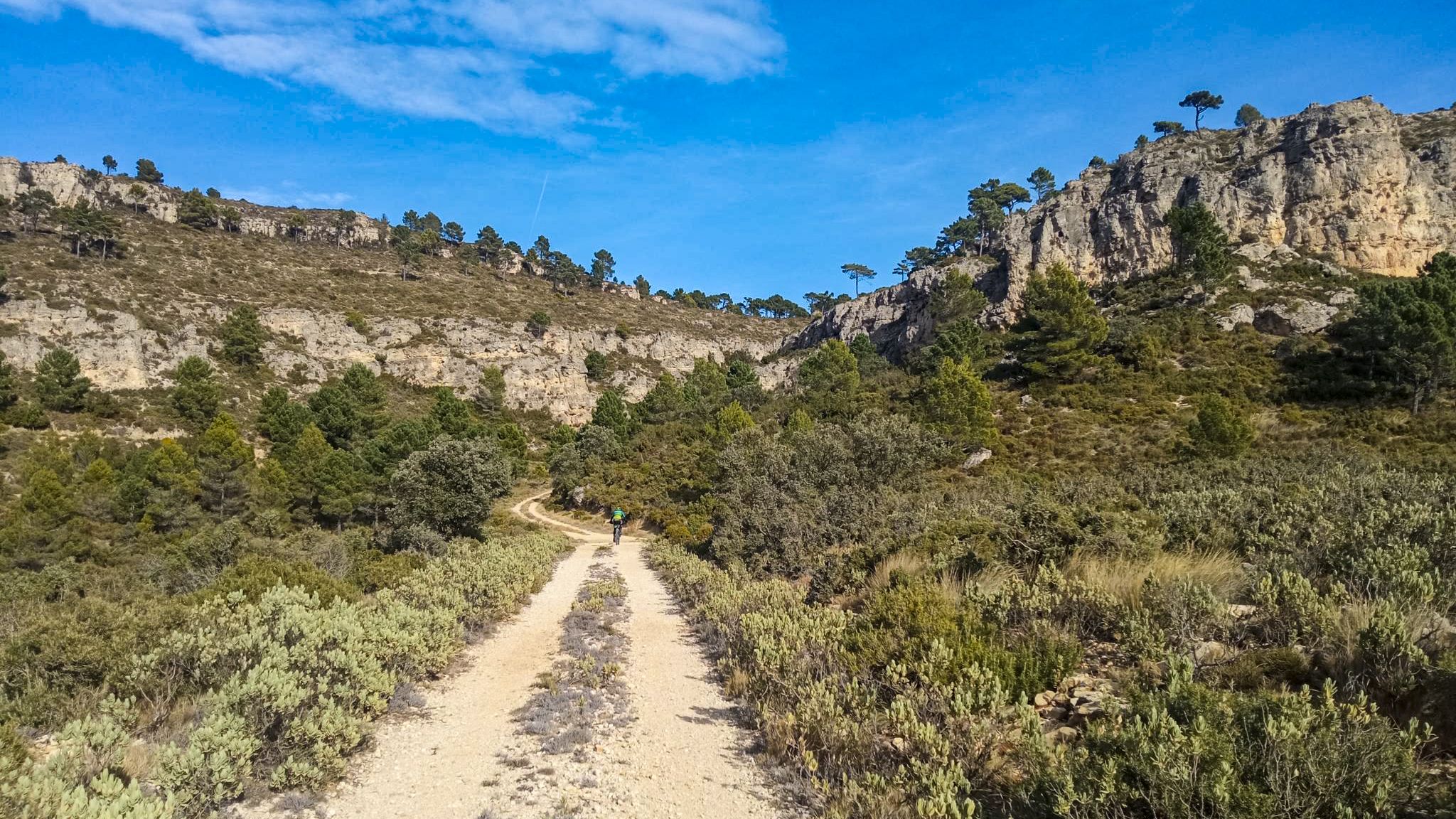
10 gravel routes to discover hidden gems in Spain
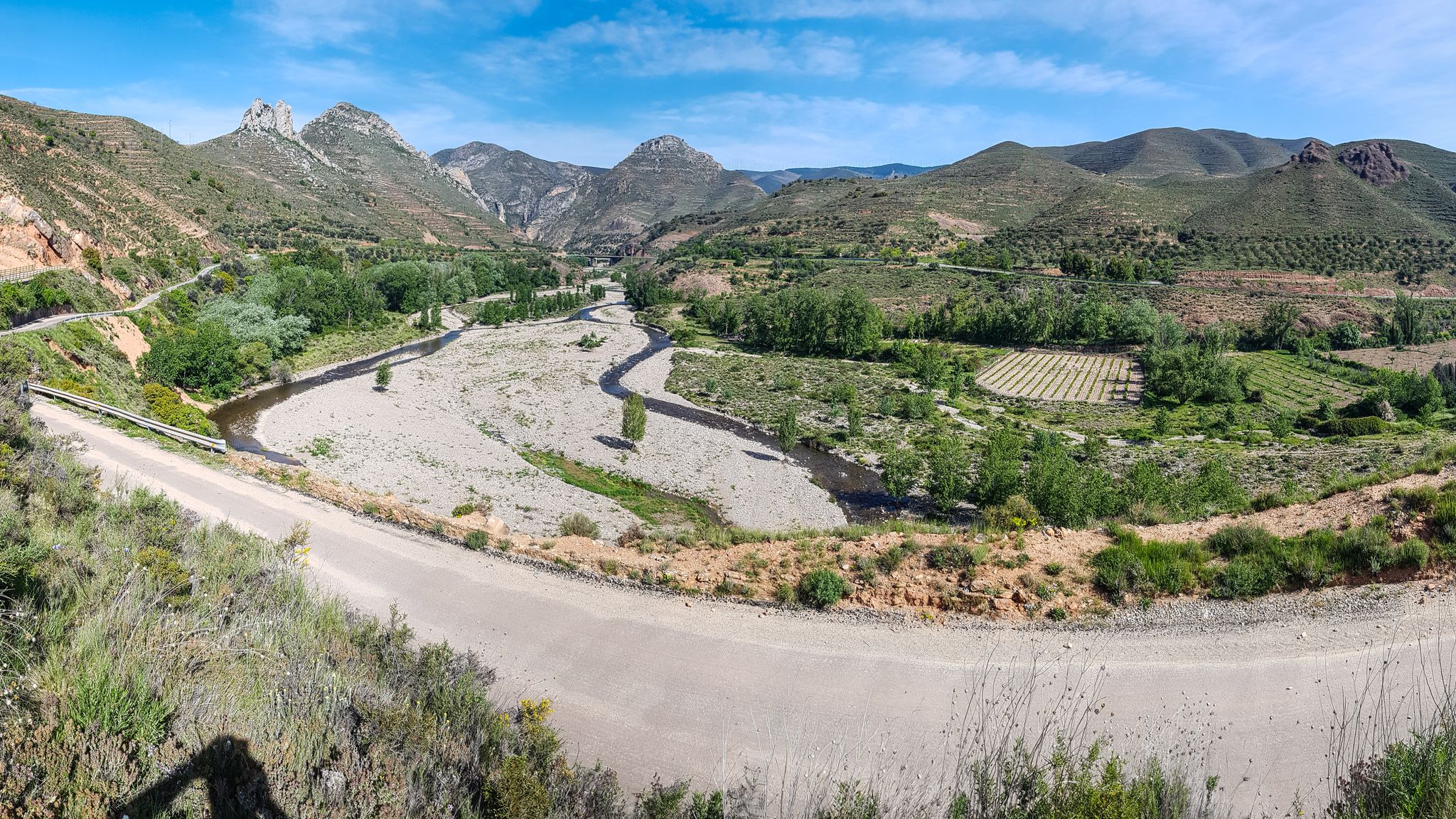
Orchards and karst peaks in La Rioja – Cidacos Greenway
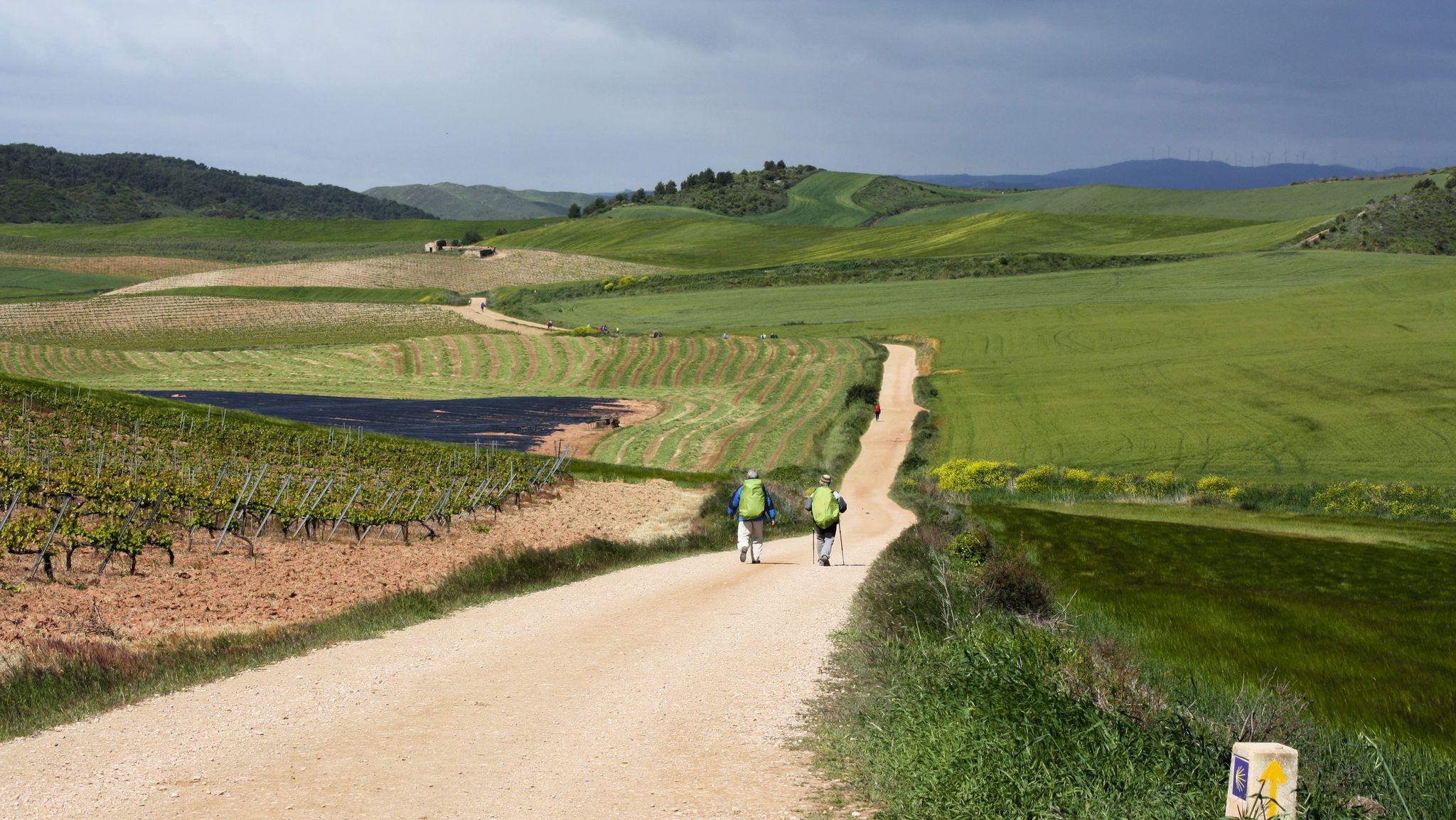
An Iberian pilgrimage – French Way of Saint James
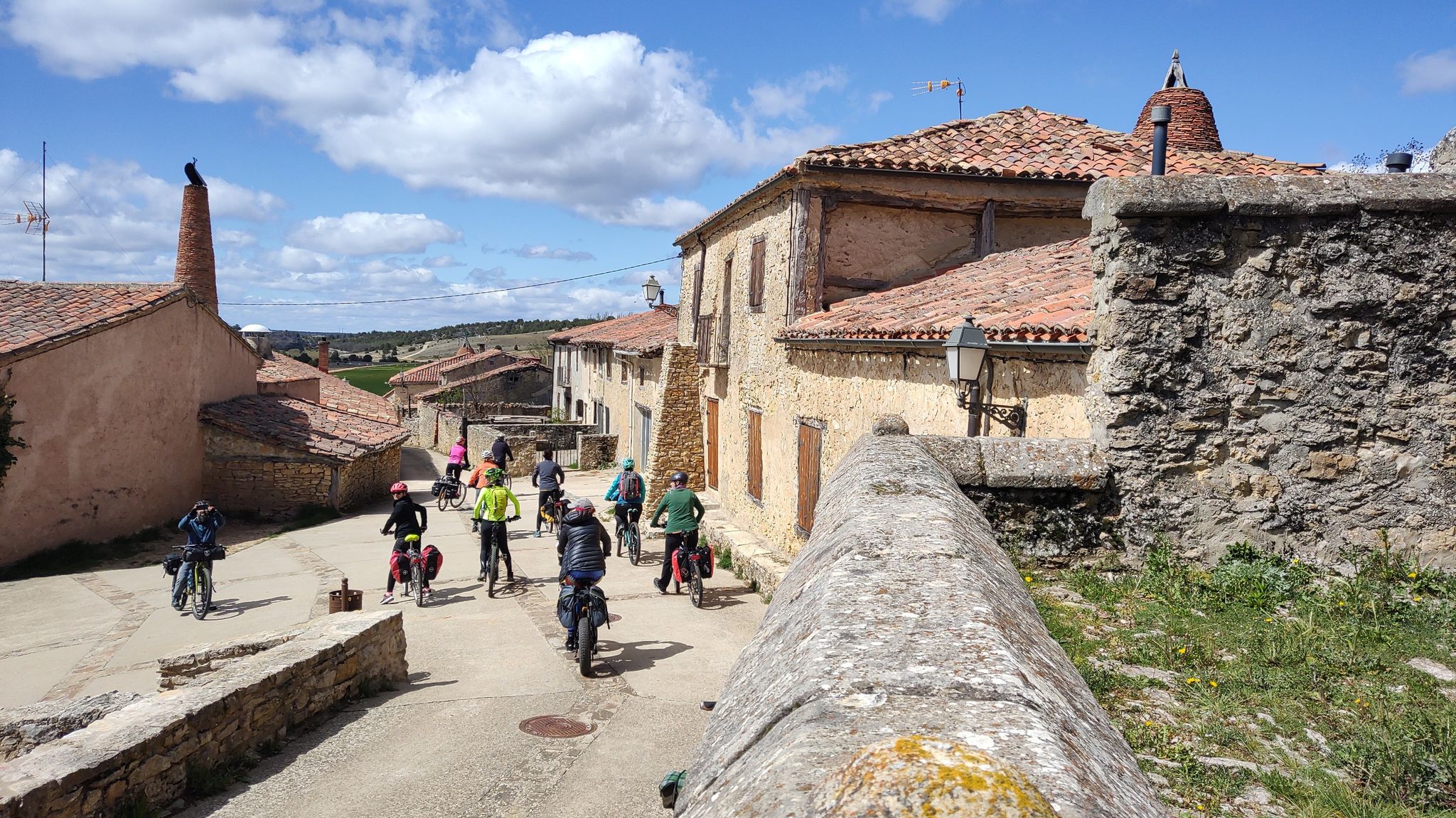
Millennial treasures on pedals – Romanesque art of Soria by MTB
Other adventures in La Rioja


Tips from the Community

The pilgrimage route repeatedly involves crossing valleys and rivers like the Rio Oja – as here at Santo Domingo de la Calzada. The bridges are sometimes relatively modern, sometimes medieval, and sometimes even older.
1
0

The Church of Santa María de la Asunción is a parish church in the historic center of the municipality of Navarrete (La Rioja). The Renaissance-style church is located in the highest area of the town. One of the church's notable elements is the Baroque-style main altar. [2] The church has a three-aisled floor plan.
0
0
The Hospital of Saint John of Acre was a medieval pilgrims' hostel in the municipality of Navarrete in La Rioja (Spain). [1] It was founded in 1185 and was a hostel for pilgrims on their way to Santiago de Compostela.
0
0
The reservoir was built over a century ago from a small natural lake to provide irrigation water for agricultural land.
1
0
The Cathedral of Santa María de la Redonda, dedicated to the Virgin Mary, is a church in the city of Logroño in the autonomous community and province of La Rioja in northern Spain. Along with the Cathedral of Calahorra and the Cathedral of Santo Domingo de la Calzada, it is one of three episcopal churches of the Diocese of Calahorra y La Calzada-Logroño. As part of the northern Spanish Way of St. James (Camino Francés), it has been a UNESCO World Heritage Site since 1993.
0
0

It crosses the Oja River, connecting different parts of the city. Built in the 12th century by Saint Dominic de la Calzada to facilitate the passage of pilgrims on the Camino de Santiago. The stone bridge features several arches, a fine example of medieval engineering.
2
0
The Cathedral of Santo Domingo de la Calzada, also known as the Cathedral of El Salvador, is an impressive monument located in the town of Santo Domingo de la Calzada. The cathedral was built between the 12th and 13th centuries, combining Romanesque and Gothic styles. A unique feature is its free-standing tower, separated from the main body of the cathedral.
8
0

The Co-Cathedral of Santa María de la Redonda is located in the heart of the old town of Logroño, nestled between the streets Portales and Caballerías and the Plaza del Mercado. It stands on the site of a primitive Romanesque church that was elevated to collegiate status in 1435 when it was merged with the church of San Martín de Albelda.
1
0
Frequently Asked Questions
What are the best natural attractions to visit in La Rioja?
La Rioja offers diverse natural beauty. You can explore the Pico de Urbión, the highest peak in the Sierra de Urbión, offering spectacular views and hiking opportunities. The Sierra de Cebollera Natural Park features extensive forests and waterfalls, while the Leza River Canyon provides breathtaking landscapes. Don't miss the Ichnite Sites, where you can see dinosaur footprints, particularly in Enciso.
Are there any historical or cultural sites related to the Camino de Santiago in La Rioja?
Yes, La Rioja is a significant part of the Camino de Santiago. The town of Santo Domingo de la Calzada is a crucial stop, famous for its Cathedral which houses a live rooster and hen, commemorating a local miracle. You can also find the Santo Domingo de la Calzada Bridge, an important historical crossing for pilgrims. The Monasteries of San Millán de la Cogolla (Yuso and Suso), UNESCO World Heritage sites, are considered the birthplace of the Spanish language and are also historically significant.
What family-friendly activities are available in La Rioja?
Families can enjoy several attractions. The La Grajera Reservoir is a great spot for outdoor recreation. In Enciso, near the Ichnite Sites, you'll find El Barranco Perdido, a paleontology-themed multi-adventure park with dinosaur footprints. Many towns like Logroño and Haro offer charming old towns to explore, and the Vivanco Museum of Wine Culture also has engaging exhibits for various ages.
Where can I experience La Rioja's famous wine culture?
La Rioja is world-renowned for its wine. The town of Haro, known as the wine capital of La Rioja Alta, is home to many prominent bodegas offering tours and tastings. Logroño also has the historic Franco-Spanish Winery. The Vivanco Museum of Wine Culture provides a comprehensive experience, including a museum, vineyard, and wine bar.
What are some popular hiking trails in La Rioja?
La Rioja offers numerous hiking opportunities. You can find trails around the Pico de Urbión and in the Sierra de Cebollera Natural Park. For a unique experience, consider the 'Route of the Dinosaurs' circular route from Enciso. The region also features trails in the Sierra de Cameros. For more detailed routes, explore the Hiking in La Rioja guide.
Are there any accessible attractions for visitors with mobility considerations?
While specific accessibility details for all attractions vary, the Santo Domingo de la Calzada Bridge is noted as wheelchair accessible. Many town centers, like Logroño's medieval old town, offer paved areas that can be navigated. It's advisable to check specific venue information for detailed accessibility features before visiting.
What is the best time of year to visit La Rioja for sightseeing and outdoor activities?
The best time to visit La Rioja for sightseeing and outdoor activities is generally during spring (April to June) and autumn (September to October). During these seasons, the weather is pleasant for exploring historical sites, hiking, and enjoying the vineyards, especially during the grape harvest in autumn. Summers can be hot, and winters offer opportunities for skiing at Valdezcaray.
Can I find cycling or gravel biking routes near the attractions?
Yes, La Rioja is excellent for cycling. You can find gravel biking routes through vineyards along the Ebro River or more challenging ones in the Sierra de la Demanda. For a comprehensive list of routes, check out the Gravel biking in La Rioja guide. There are also running trails available, such as those around the La Grajera Reservoir.
What are some notable historical landmarks in Logroño?
Logroño, the capital, boasts a rich history. Key landmarks include the Logroño Stone Bridge over the Ebro river, which is beautifully illuminated at night. The city also features the Gothic Church of San Bartolomé and the Baroque-fronted Co-Cathedral of Santa María de la Redonda. Its medieval old town is perfect for a historical stroll.
Are there any unique or 'hidden gem' attractions in La Rioja?
Beyond the main highlights, La Rioja has some unique spots. The Cave of the Hundred Pillars in Arnedo, with its excavated galleries, offers a distinctive historical experience. The Hermitage of Santa María de la Piscina is a well-preserved Romanesque building, and the Poyo de Roldán Stone Hut offers beautiful views and a local legend.
What do visitors particularly enjoy about the attractions in La Rioja?
Visitors frequently praise the blend of history, nature, and culture. They appreciate the unique traditions, such as the live rooster and hen in Santo Domingo de la Calzada Cathedral. The panoramic views from natural spots like Pico de Urbión are highly enjoyed, as is the charm of historical structures like the Logroño Stone Bridge, especially when illuminated.
Most popular routes in La Rioja
Most popular attractions in La Rioja

Get inspired with the komoot mobile app


Didn’t find what you were looking for?
Are you keen on exploring more awesome places nearby? Browse our guides:
Explore more
Still not found the Highlight you’re looking for? See guides of the top attractions in other regions:
