The best walks and hikes in the Westerwald
4.6
(89876)
330,624
hikers
15,334
hikes
Hiking in the Westerwald, a low mountain range in Germany, offers diverse landscapes for outdoor activities. The region features gently rolling hills, extensive forests, and tranquil river valleys, providing varied terrain for exploration. It is characterized by its volcanic origin, with basalt plateaus and geological formations. The Westerwald also includes marshy lands with several ponds in its lake district, alongside lush meadows.
Best hiking trails in the Westerwald
- The most popular hiking route is Siebengebirge Loop via Löwenburg and Drachenfels, a 7.3 miles (11.7 km) trail that takes 3 hours 36 minutes to complete. This moderate route offers views across the Rhine valley and includes historical sites.
- Another top favourite among local hikers is Bärenkopp (Bear’s Head) Wäller Tour, a moderate 7.6 miles (12.2 km) path. This circular trail leads through forests and open fields, showcasing the region's natural beauty.
- Local hikers also love the Drachenfelsrunde – Familienwanderung im Siebengebirge, a 4.4 miles (7.0 km) trail leading through forested slopes and offering panoramic views, often completed in about 2 hours 30 minutes.
- Hiking in the Westerwald is defined by gently rolling hills, extensive forests, and tranquil river valleys. The network offers options for different ability levels, from easy family walks to more challenging routes.
- The routes in Westerwald are highly rated by the komoot community with an average score of 4.6 stars from more than 14,000 reviews. More than 66,000 hikers have used komoot to explore Westerwald's varied terrain.
Last updated: June 27, 2026
4.7
(1158)
3,667
hikers
11.7km
03:36
390m
390m
Moderate hike. Good fitness required. Mostly accessible paths. Sure-footedness required.
4.6
(596)
2,322
hikers
7.02km
02:31
220m
220m
Moderate hike. Good fitness required. Easily-accessible paths. Suitable for all skill levels.

Sign up for free
4.8
(579)
1,928
hikers
12.2km
03:29
290m
290m
Moderate hike. Good fitness required. Mostly accessible paths. Sure-footedness required.
4.8
(715)
2,264
hikers
25.1km
07:32
720m
720m
Hard hike. Very good fitness required. Mostly accessible paths. Sure-footedness required.
4.7
(490)
1,678
hikers
16.8km
05:09
600m
600m
Hard hike. Very good fitness required. Mostly accessible paths. Sure-footedness required.
4.6
(544)
1,834
hikers
11.2km
03:11
250m
250m
Moderate hike. Good fitness required. Easily-accessible paths. Suitable for all skill levels.
4.8
(517)
1,809
hikers
15.6km
04:36
440m
440m
Moderate hike. Good fitness required. Easily-accessible paths. Suitable for all skill levels.
4.7
(439)
1,297
hikers
10.4km
02:50
160m
160m
Moderate hike. Good fitness required. Mostly accessible paths. Sure-footedness required.
4.7
(307)
1,048
hikers
10.1km
03:41
350m
350m
Moderate hike. Good fitness required. Mostly accessible paths. Sure-footedness required.
4.6
(409)
1,212
hikers
9.01km
02:28
150m
150m
Moderate hike. Good fitness required. Mostly accessible paths. Sure-footedness required.
Get access to more routes and recommendations from other explorers.
Sign up for free
Already have an account?
Our route recommendations are based on thousands of hikes, rides, and runs completed by other people on komoot.
Start today with a free account
Your next adventure awaits.
Login or Signup
Popular around Westerwald
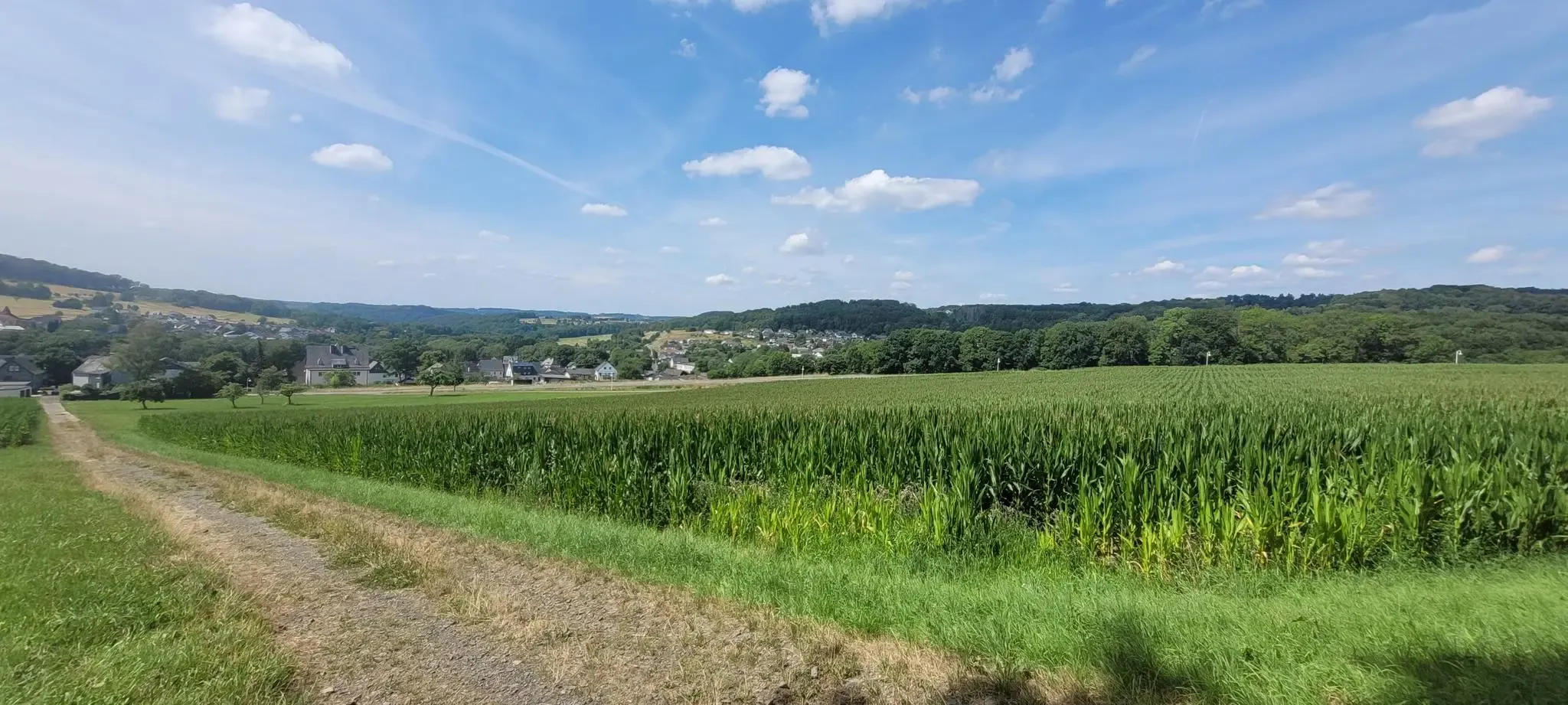
Hiking on the Cologne Trail – Discover nature close to the city
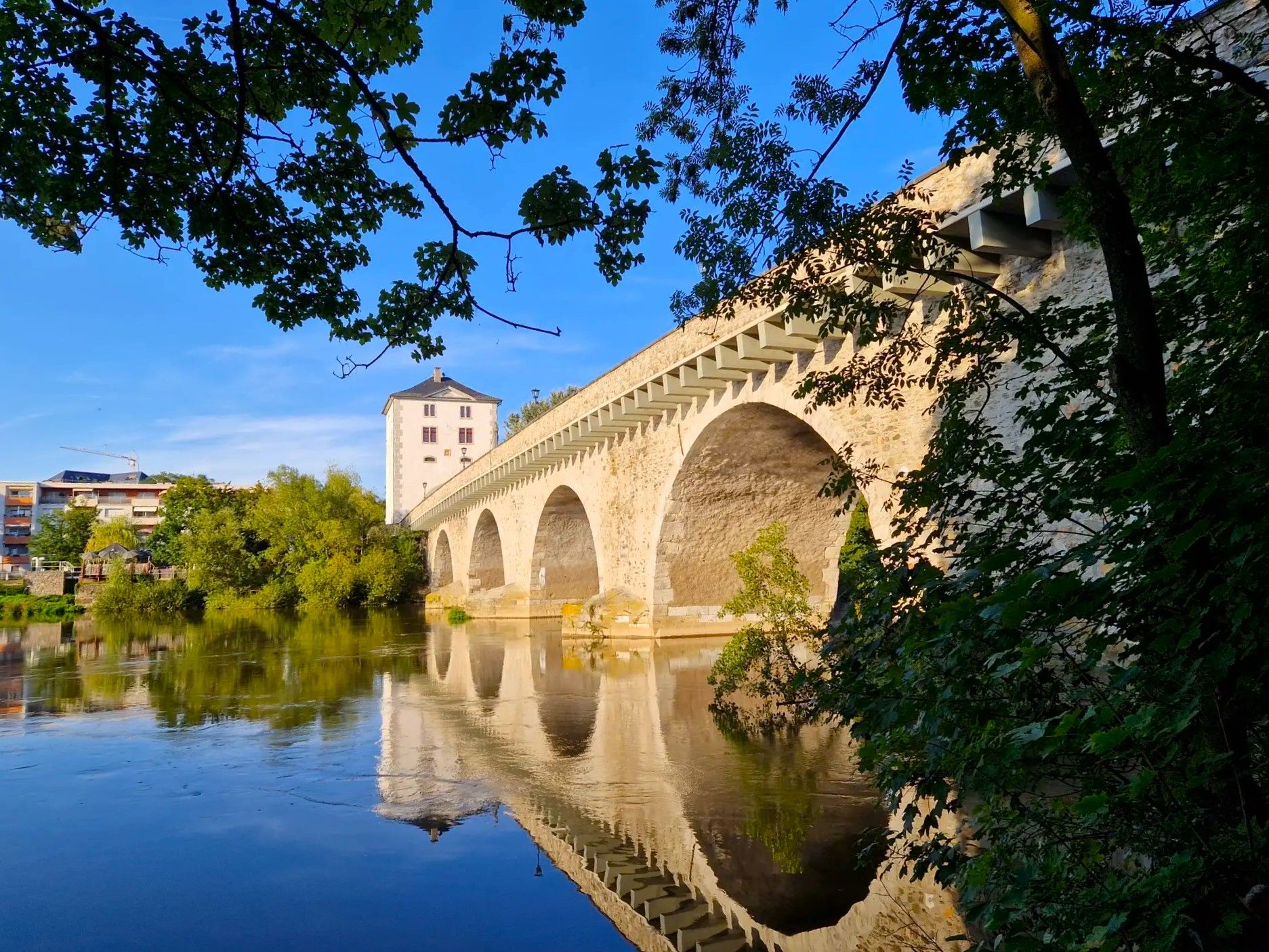
Lahnwanderweg Trail – The Lahn from its source to the estuary
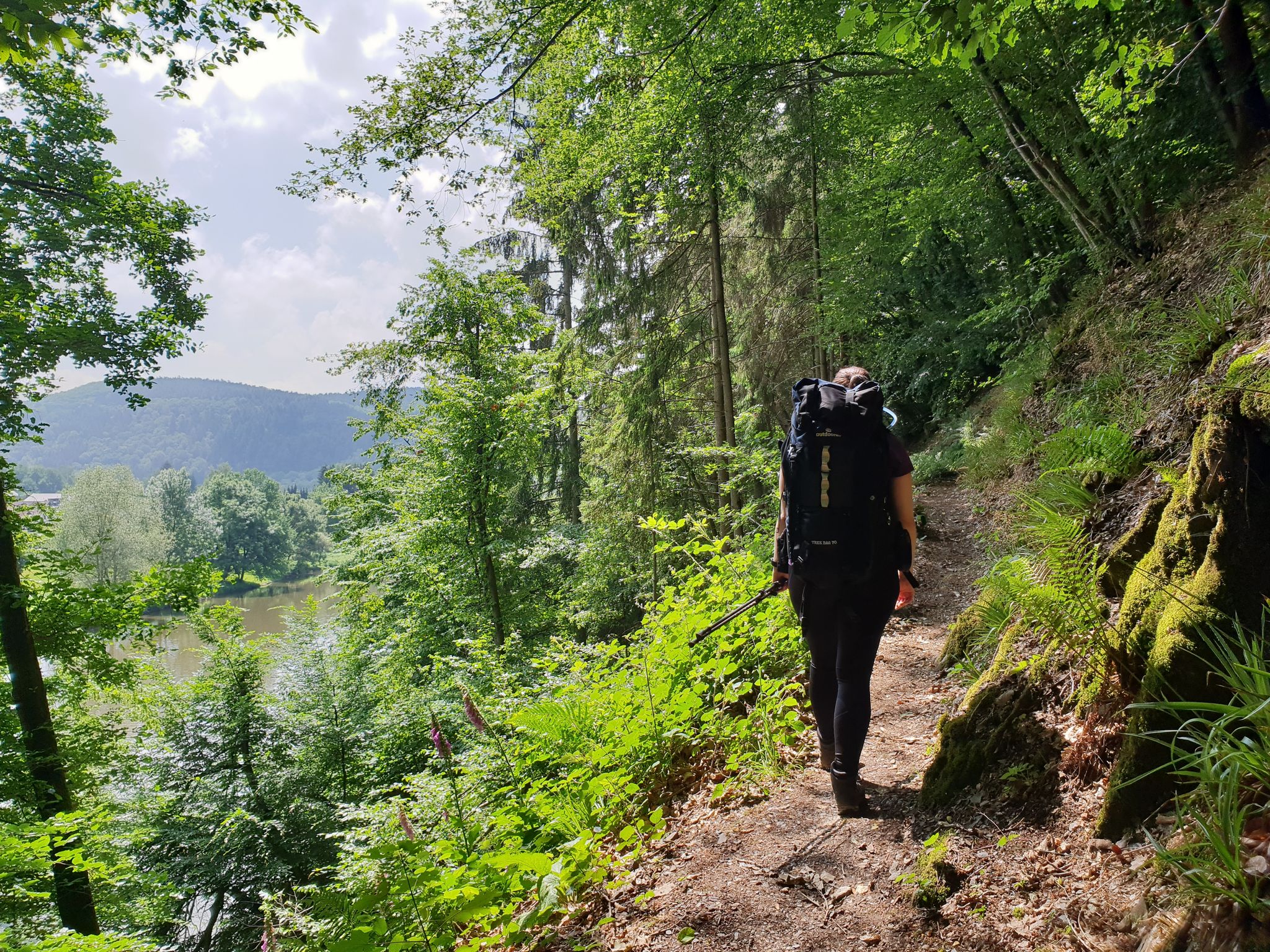
Sieg Nature Trail – Pure nature
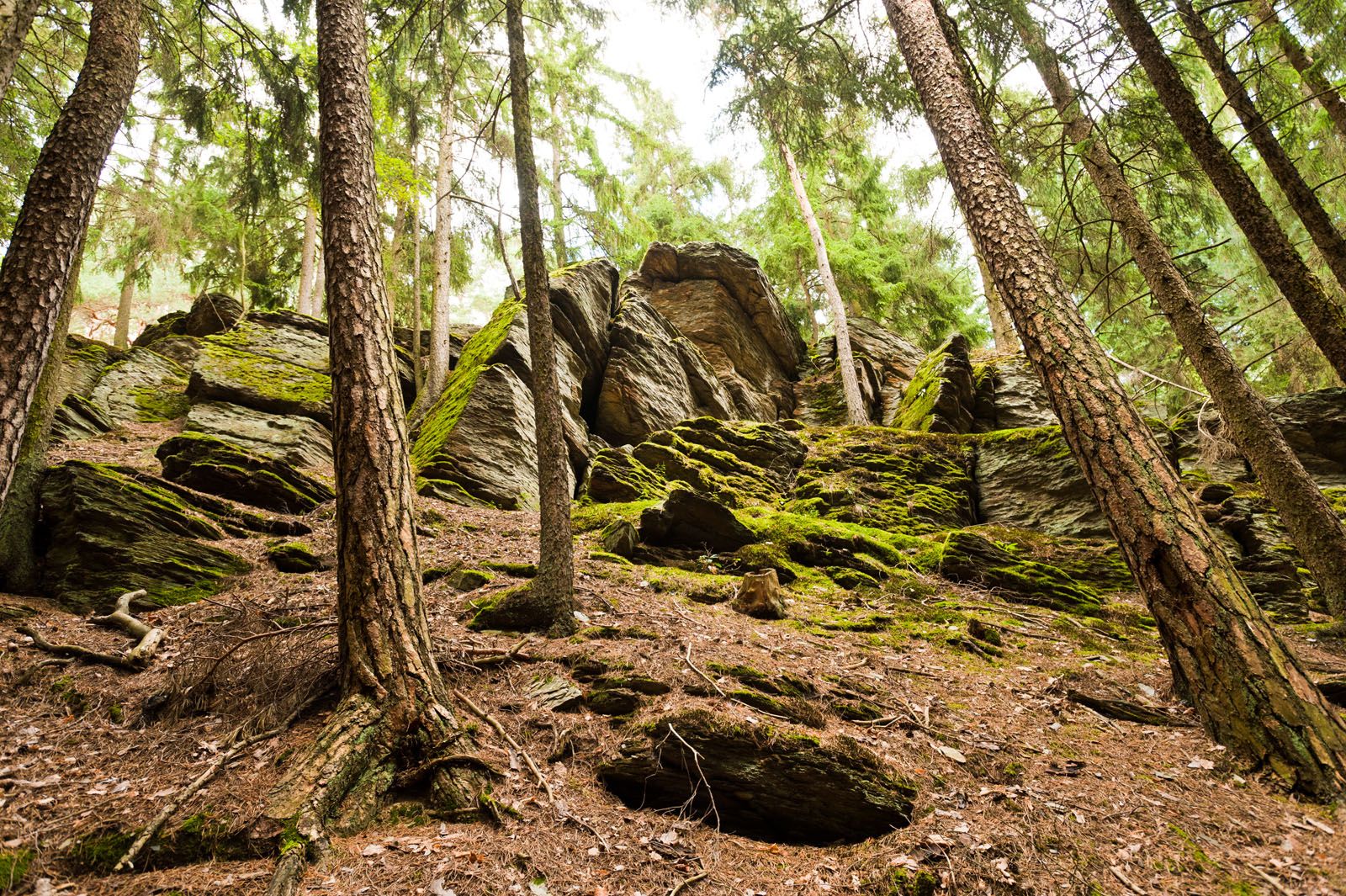
Lahn-Dill-Bergland-Pfad – Hiking trail
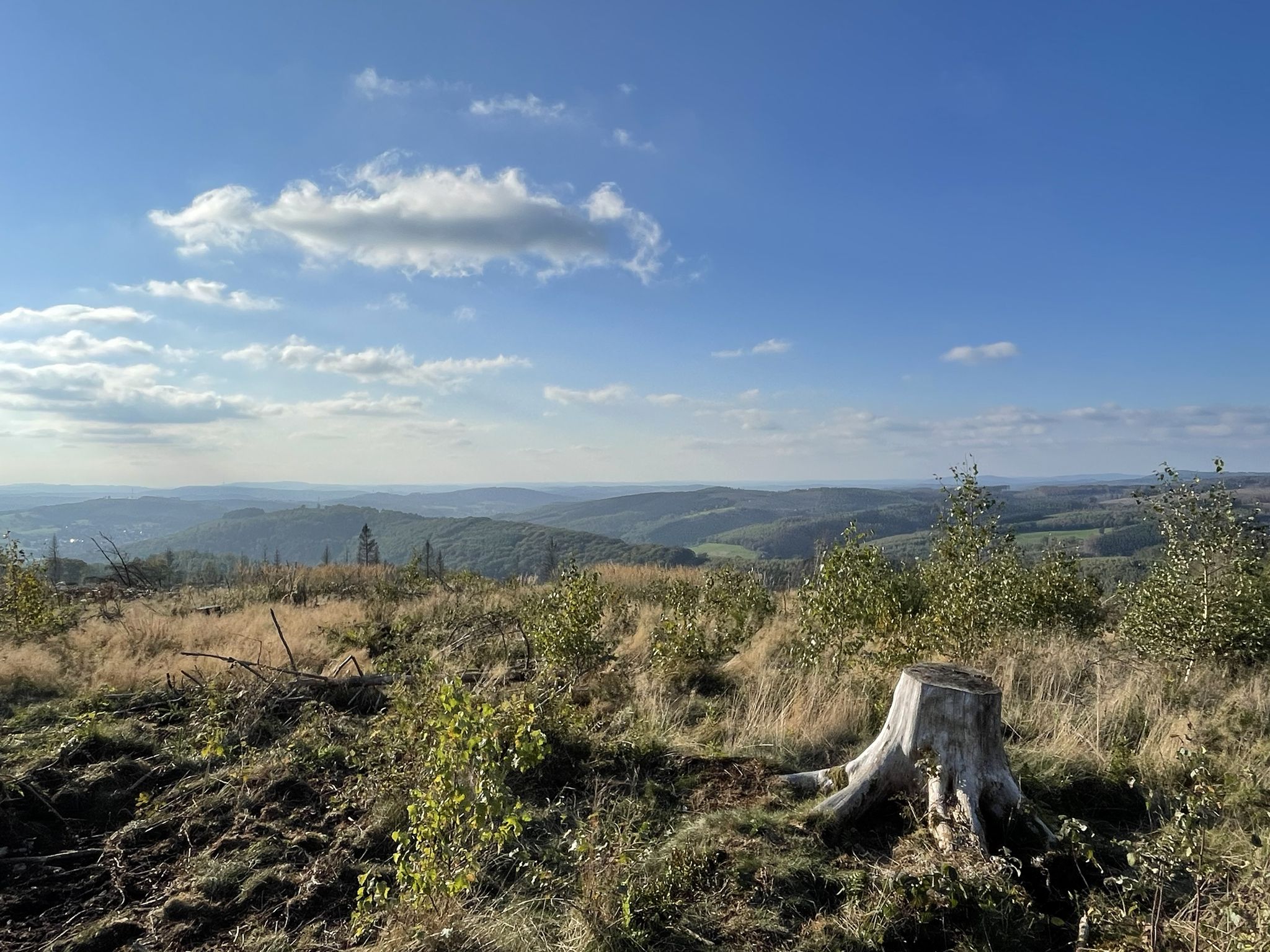
Siegerland-Höhenring – A classic in six stages
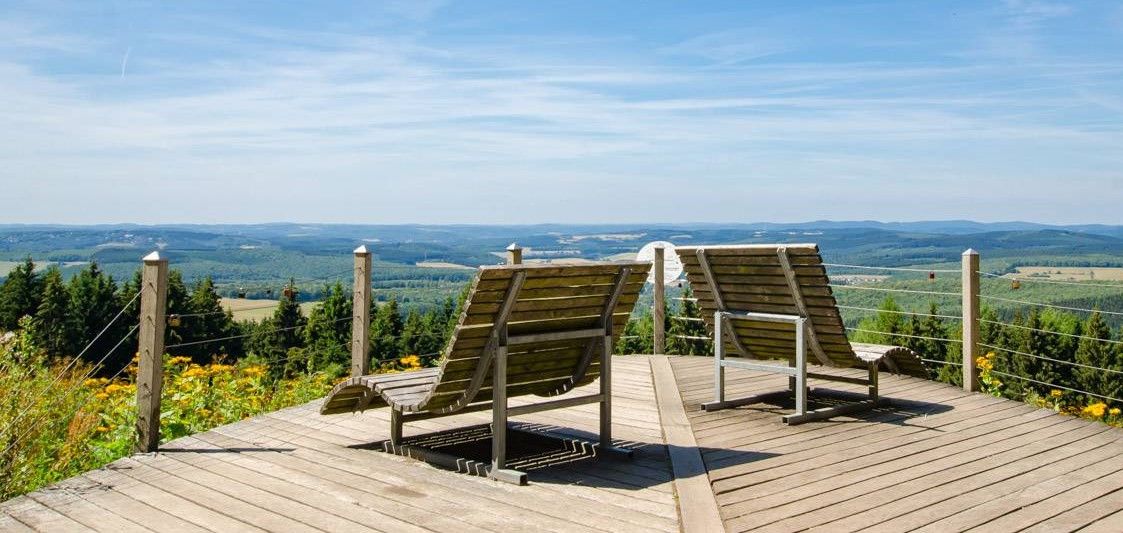
Siegerland-Höhenring – Discover a classic in 6 days
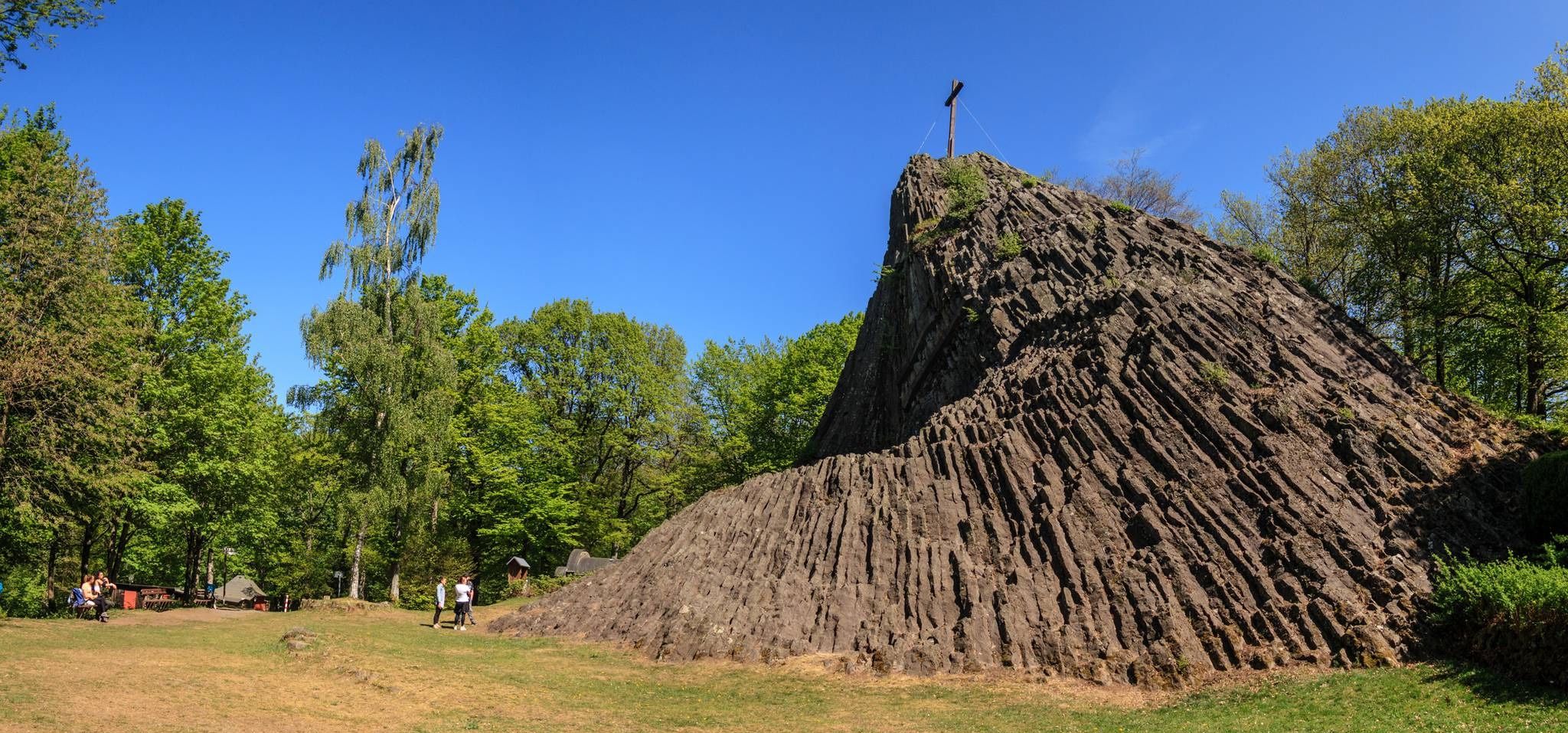
Hike Germany's Druid Trail – Legends, myths and mining
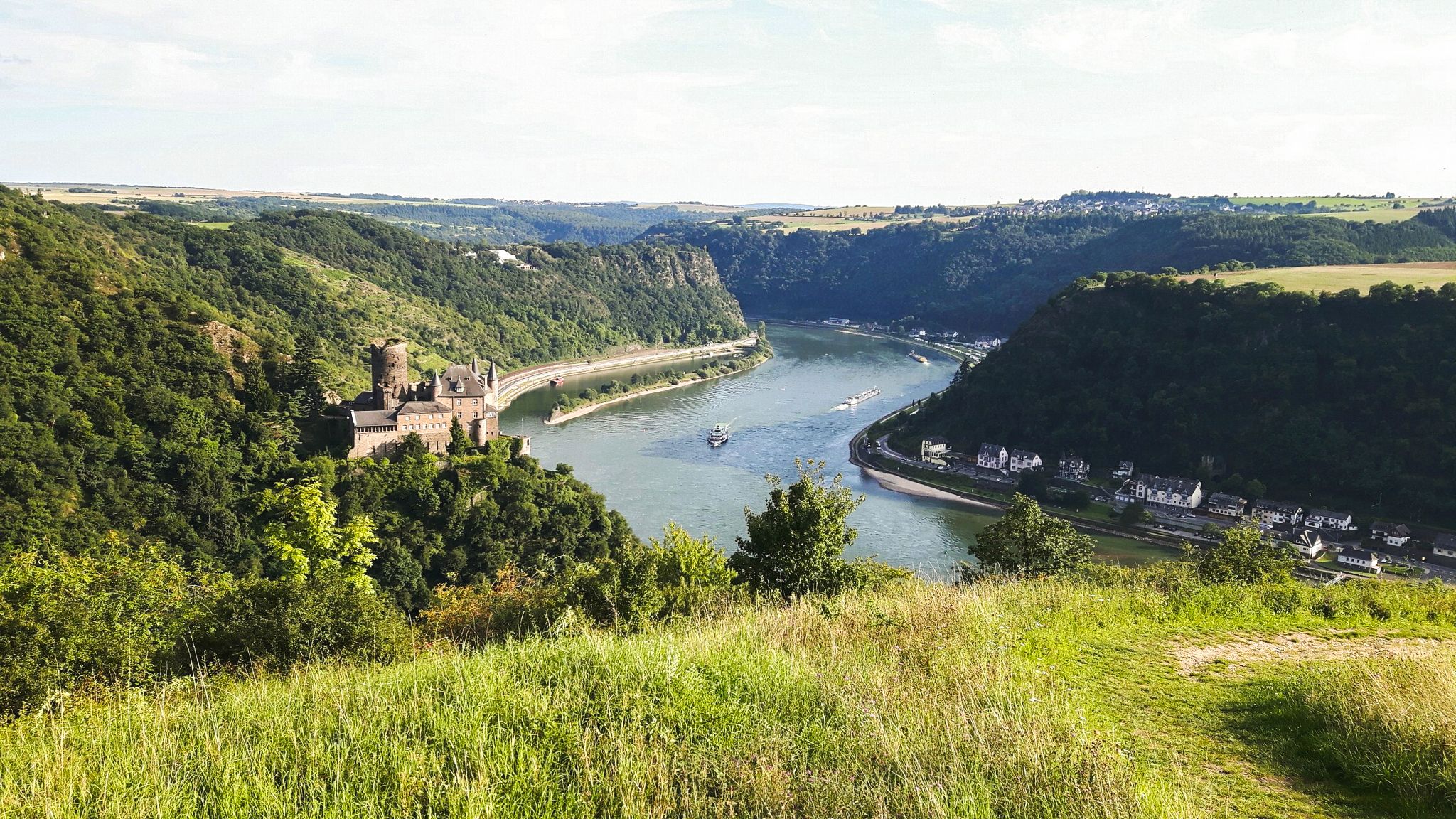
Rheinsteig Trail – The 21 stages along the Rhine
Dream Trails in the Rhine-Mosel-Eifel Region – Small Trails, Great Nature
"Wunderschön" through the Bergisches Land – on the trail of the WDR show
Other adventures in the Westerwald


Tips from the Community

Wied crossing directly at the campsite
0
0

Many of these houses date from the 17th to 19th centuries and have been preserved or restored over generations. They are testaments to traditional building methods and rural life. A guided walk among the half-timbered houses is like a journey back in time 👍🏼
1
0

And the cat, the bear, and the dwarf greet each other forever in the Gelbbach valley.
0
0

This place can provide cooling for animals and people and is very beautiful!
0
0

Franz Schultz was, alongside Oberberghauptmann Heinrich von Dechen, one of the great promoters of the Siebengebirge. The preservation of the Löwenburg ruin, in particular, is thanks to him. The bronze relief on a viewing terrace on the circular path around the Löwenburg commemorates Franz Schultz. A stone is set into the front wall of the terrace with a metal relief showing Schultz's head in profile. Below it, in raised letters, it reads SCHULTZ * 1831 † 1926. The inscription on a bronze plaque attached below reads: Franz Schultz - born 15.2.1831 Zerbst/Anhalt - died 4.3.1926 Cologne - Dedicated preserver of the Löwenburg ruin. Schultz was born on February 15, 1831, the only child of Ludwig Ferdinand and Wilhelmine Schultz, on the princely domain of Zerbst (Saxony/Anhalt), where his father was a tenant farmer. In addition to his schooling with a private tutor, he already worked in a locksmith's shop and then studied mechanical engineering in Berlin. As an engineer, he worked for several years at the Berlin-Hamburger Eisenbahn before moving to Cologne in 1856, where he led, among other things, the construction of the iron roof structure of Cologne Cathedral. At the time, this was a sensation because only wooden structures were known until then. In 1863, Schultz joined the "Charlier & Van der Zypen" wagon factory, of which he became a partner. In 1896, he sold his shares and, as a wealthy privateer, undertook numerous world travels. The company was absorbed in 1959 by the Cologne-based engine, commercial vehicle, and locomotive manufacturer Klöckner-Humboldt-Deutz AG (see Wikipedia article via link 3). In 1898, Schultz founded a committee with friends of Bismarck that promoted the construction of the Bismarck Tower, which, inaugurated in 1903, still stands today at the mouth of the Cologne Bayenthalgürtel into Rheinuferstraße. Franz Schultz died on March 4, 1926, at the age of 96, in his house in Cologne, which later fell victim to bombs. Until his death, his love was dedicated to the preservation of nature in his home region of Siebengebirge near Bonn, where a square was named in his honor. Source text: Zerbster Heimatkalender 1999
2
0

For the Brexbachtalbahn see e.g. https://www.kuladig.de/Objektansicht/O-117859-20150311-10
2
1

After a short climb there is a great resting place with a view of the greenery.
2
0

The Brexbachtalbahn ran between Engers and Hillscheid from 1884 to 2001, until operations were completely discontinued. In 2007, the Brexbachtalbahn e.V. association set about reactivating the railway line, and today there are once again special trips and trips for transporting wood on the route. This is one of the many bridges that the railway crosses.
5
0
Frequently Asked Questions
How many hiking trails are available in the Westerwald?
The Westerwald offers a vast network of hiking trails, with over 15,000 routes recorded on komoot. These range from easy strolls to challenging day hikes, catering to all experience levels.
What kind of landscapes can I expect to see while hiking in the Westerwald?
The Westerwald is known for its diverse landscapes, including gently rolling hills, extensive forests, and tranquil river valleys. You'll encounter volcanic basalt plateaus, marshy lands with picturesque ponds in the Westerwald Lake District, and lush meadows. The region is bordered by the Rhine, Sieg, and Lahn rivers, adding to its scenic beauty.
Are there any family-friendly hiking routes in the Westerwald?
Yes, the Westerwald has many routes suitable for families. For example, the Drachenfelsrunde – Familienwanderung im Siebengebirge is a moderate 7 km trail that takes about 2 hours 30 minutes, leading through forested slopes with panoramic views. The Kleine Wäller and Sieg Adventure Trails are also designed with families in mind.
What are some notable natural attractions or landmarks to look out for on a hike?
Hikers can discover several natural highlights. The wild and romantic Holzbachschlucht Gorge features cascading waterfalls. The Fuchskaute is the highest peak, offering panoramic views. You can also explore geological formations like the Druidenstein, a national geotope. For specific points of interest, consider visiting the Buchheller Valley or the Eternal Ice at Dornburg.
Are there any long-distance hiking trails in the Westerwald?
Absolutely. The Westerwald is home to the certified WesterwaldSteig, a 235-kilometer trail spanning 16 stages through eight distinct natural environments. Another significant long-distance option is the Druidensteig, which offers insights into the region's legends and mining history.
What do other hikers say about the trails in the Westerwald?
The trails in the Westerwald are highly regarded by the komoot community, with an average rating of 4.6 stars from over 14,000 reviews. Hikers frequently praise the well-maintained paths, the diverse scenery, and the opportunities for peaceful immersion in nature.
Are there challenging hiking routes for experienced hikers?
Yes, the Westerwald offers challenging routes for those seeking a more strenuous experience. For example, the Cloud 7 route is a difficult 16.8 km trail with significant elevation gain, and the Siebengebirge Seven Summits Trail is a demanding 25 km route that covers multiple peaks.
Can I find circular hiking routes in the Westerwald?
The Westerwald is well-suited for circular hikes. Many of the 'Wäller Tours' are certified circular routes designed to showcase specific areas. An example is the Bärenkopp (Bear’s Head) Wäller Tour, a moderate 12.2 km loop through forests and open fields.
Are there any caves or geological sites to explore?
Yes, the Westerwald's volcanic origin means there are interesting geological sites. You can find networks of stalactite caves, such as the Schauhöhle Herbstlabyrinth, and visit the Geological Museum in Erdbach. The Assberg slate mine and the Langenaubach Basalt Quarry Tunnel are also notable underground attractions.
What is the best time of year to go hiking in the Westerwald?
The Westerwald is beautiful year-round. Spring brings lush greenery and blooming wildflowers, while autumn offers vibrant foliage. Summer is ideal for enjoying the verdant environment, and even winter provides opportunities for snowy hikes and winter sports in its five ski resorts, though some trails might be less accessible.
Are there any historical or cultural sites along the hiking trails?
Yes, many trails lead past historical and cultural points of interest. You can discover charming historic towns with half-timbered buildings like Herborn, visit the serene Marienstatt Abbey, or explore the Limes Museum, which highlights Roman boundaries. Impressive viewing towers like the Raiffeisen tower and the Barbaraturm also offer historical context alongside panoramic views.
Are dogs allowed on the hiking trails in the Westerwald?
Generally, dogs are welcome on hiking trails in the Westerwald, provided they are kept on a leash, especially in nature reserves or near wildlife. Always ensure to clean up after your pet and respect local regulations, which may vary by specific area or park.
Most popular routes in the Westerwald
Most popular attractions in the Westerwald

Get inspired with the komoot mobile app


Explore more
Browse the best Hikes in other regions.
