Attractions and Places To See in Lago Titicaca - Top 12
Best attractions and places to see in Lago Titicaca include a diverse range of cultural and natural sites. This high-altitude lake, straddling the border of Peru and Bolivia, is recognized as the world's highest navigable lake. The region is characterized by its unique indigenous cultures, ancient history, and distinctive landscapes. Visitors can explore a variety of attractions, from traditional island communities to significant archaeological sites.
Best attractions and places to see in Lago Titicaca
- The most popular attraction is Taquile Island, a settlement known for its UNESCO-listed textile traditions. The island's inhabitants, Taquileños, preserve ancestral weaving techniques and speak Quechua.
- Another must-see spot is Pachatata (Father Earth), a historical site featuring temple ruins on its peak. These ruins are central to island festivals and traditions, including an annual competition.
- Visitors also love Uros Floating Islands, an other man-made attraction consisting of approximately 80 islands built entirely from totora reeds. The Uros people have maintained their unique way of life on these movable islands for centuries.
- Lago Titicaca is known for its unique cultural settlements, historical sites, and natural viewpoints. The region offers a variety of attractions to see and explore, from ancient temples to distinctive floating communities.
- The attractions in Lago Titicaca are appreciated by the komoot community, with 11 upvotes and 21 photos shared by visitors.
Last updated: July 17, 2026
Taquile Island
Highlight • Settlement
In 2005, "Taquile and Its Textile Art" were honored by being proclaimed "Masterpieces of the Oral and Intangible Heritage of Humanity" by UNESCO.
Taquileños are known for their fine handwoven textiles and clothing, which are regarded as among the highest-quality handicrafts in Peru.
en.m.wikipedia.org/wiki/Taquile_Island
Tip by

Llachón Community
Highlight • Settlement
Translated by Google •
Tip by

Sign up now to discover places like this
Get recommendations on the best single tracks, peaks, & plenty of other exciting outdoor places.
Sign up for free
Uros Floating Islands
Highlight • Structure
perurail.com/es/blog/las-islas-flotantes-de-uros-y-su-comunidad
Translated by Google •
Tip by

Pachatata (Father Earth)
Highlight • Historical Site
Translated by Google •
Tip by

Pachamama Peak, Amantani Island
Highlight • Summit
Translated by Google •
Tip by
Traditional Weaving and Cultural Demonstration on Taquile Island
Highlight • Historical Site
Translated by Google •
Tip by

Amantani Island
Highlight • Settlement
Translated by Google •
Tip by
Monument to Culture: Manco Cápac and Mama Ocllo
Highlight • Monument
Translated by Google •
Tip by
Southern Dock, Lake Titicaca (Peruvian Sector)
Highlight • Lake
Translated by Google •
Tip by

Island Trail on Lake Titicaca
Highlight • Trail
Translated by Google •
Tip by
Sign up for free to discover even more attractions in Lago Titicaca.
Sign up for free
Already have an account?
Start today with a free account
Your next adventure awaits.
Login or Signup
Popular around Lago Titicaca
Tips from the Community

According to the mythological beliefs of the Incas, Manco Capac was the son of the sun god Inti, who created him from the foam of Lake Titicaca. The sun god Inti was dissatisfied with humans and also created his sister Mama Ocllo. Thus Manco Capac and Mama Ocllo became the first Incas.
2
0
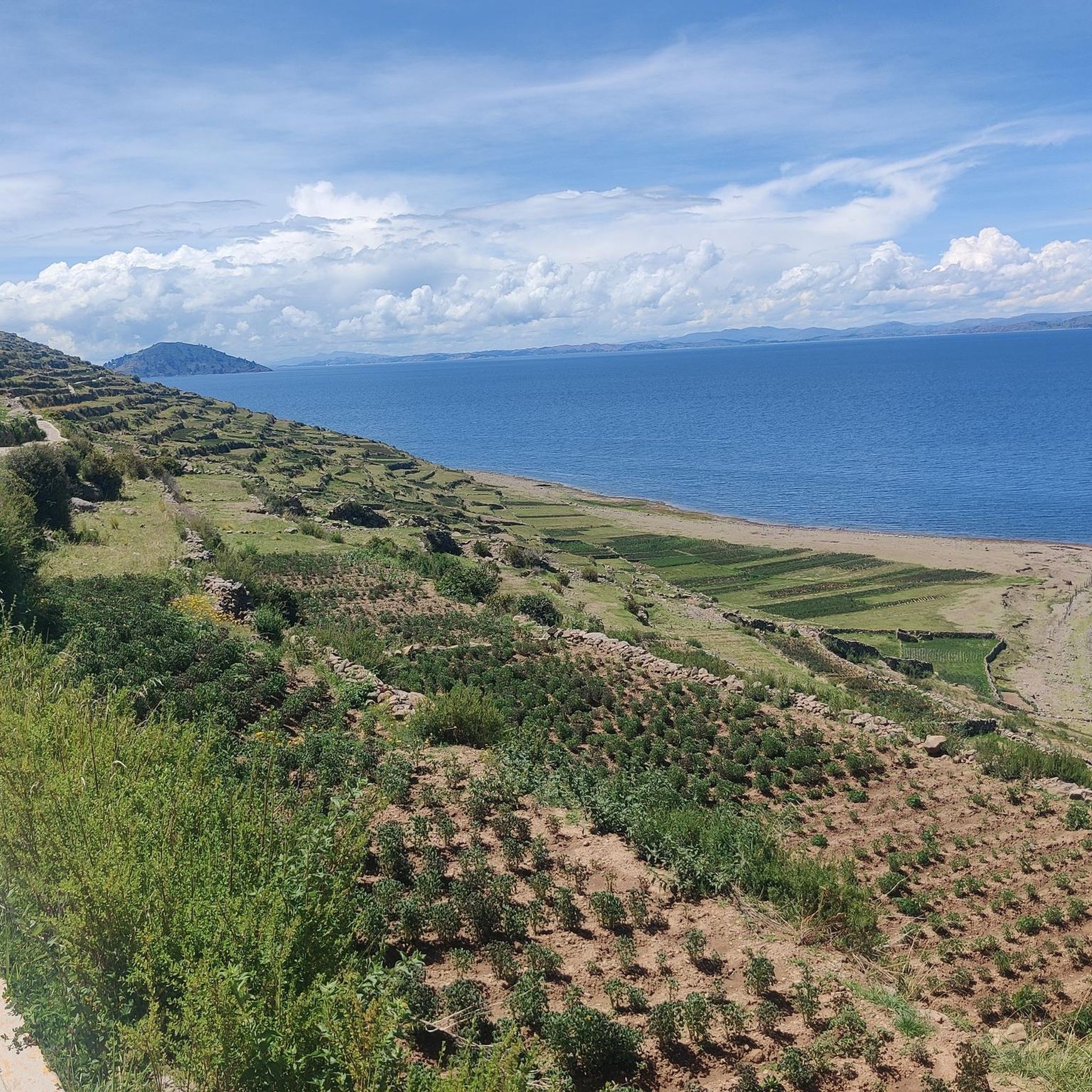
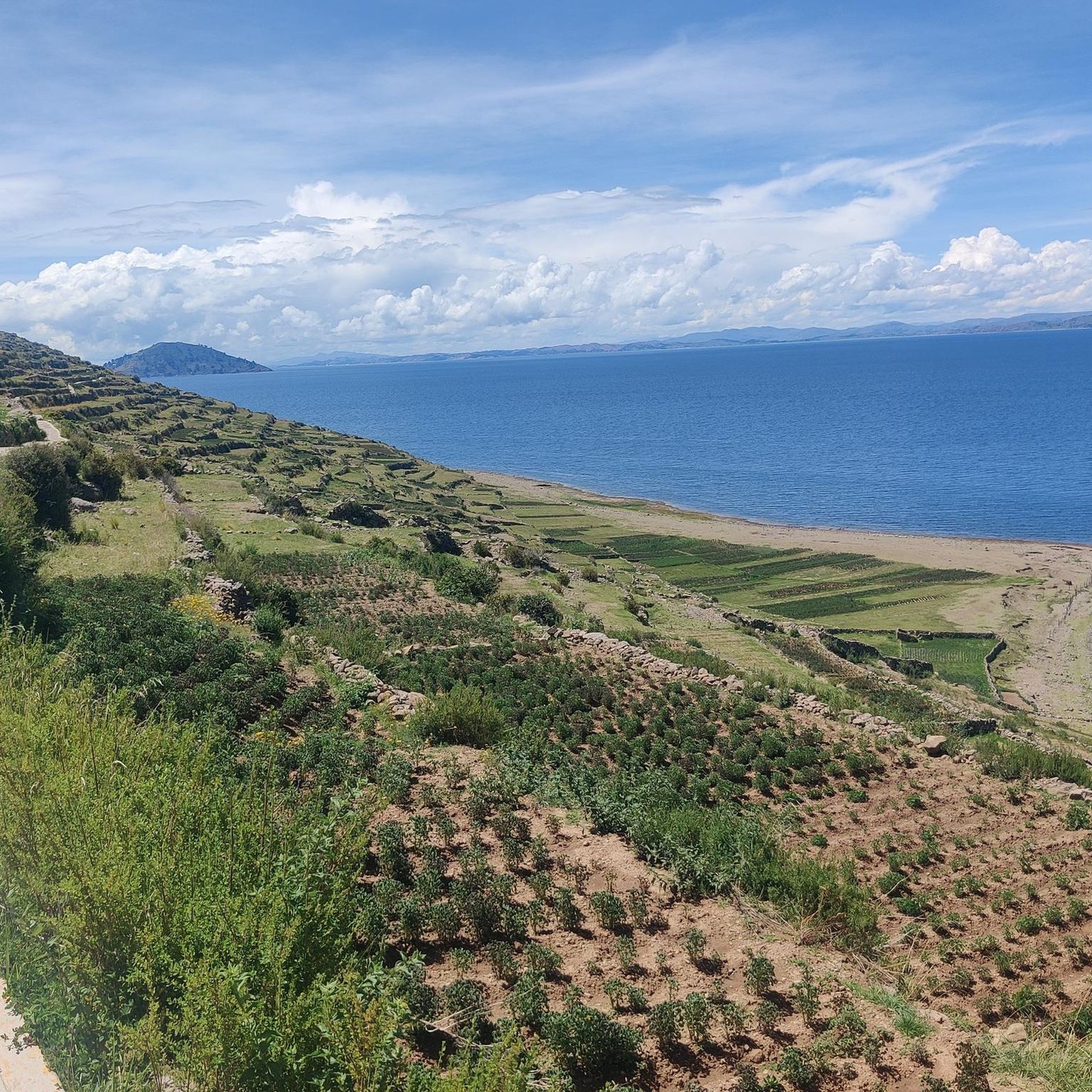
The hiking trail connects the North and South Islands with breathtaking views over the island and Lake Titicaca.
1
0
The totora reed has been used for centuries to build these islands on Lake Titicaca, which are considered the home of the Uro-Aimara families. The boats are also made of totora reed and are used for small-scale fishing. Handicrafts from the cheerful inhabitants of the islands are also offered here.
0
0

Llachón is located 75 km from the city of Puno, about 1:45 by land and 2:00 by sea. This natural landscape is rich in mountain views, terraces of pre-Inca farms and small eucalyptus forests that surround the community. This is the daily environment where comuneros and comuneras practice agriculture, fishing, weaving and their domestic tasks. Source: https://www.astursperu.org/en/authentic-stay/titicaca-lake/llachon-community/
0
0

A scenic hiking trail for a worthwhile hike to cross the island with boat shuttle service from Puno.
1
0
This point is a good opportunity to hike through the island. Further to the north there is the (main) pier...⛴️
0
0

Roadside statue depicting a woman and a man.
1
0
Frequently Asked Questions
What are the most culturally significant islands to visit in Lake Titicaca?
Lake Titicaca is home to several islands with rich cultural heritage. On the Peruvian side, you can visit Taquile Island, renowned for its UNESCO-listed textile traditions and strong community preserving ancestral weaving techniques. The Uros Floating Islands offer a unique experience, as they are entirely constructed from totora reeds by the Uros people who have maintained their distinct way of life for centuries. Amantani Island is known for its authentic cultural exchange opportunities, including homestays, and features ancient temples like Pachatata and Pachamama. On the Bolivian side, Isla del Sol is considered the mythical birthplace of the Incas, featuring numerous ruins and spiritual significance.
Are there any significant historical or archaeological sites near Lake Titicaca?
Yes, the region around Lake Titicaca is rich in historical and archaeological sites. In Peru, Pachatata (Father Earth) on Amantani Island features temple ruins central to island festivals. Near Puno, Sillustani is a pre-Inca burial ground with impressive circular and square burial towers called chullpas. On the Bolivian side, Isla del Sol holds over 80 Inca ruins, including the Chincana complex, while Isla de la Luna features the ruins of a supposed Inca nunnery. Further afield in Bolivia, the UNESCO Heritage Site of Tiwanaku represents an impressive pre-Inca city with notable remains like the Akapana Pyramid and the Semi-Subterranean Temple.
What natural features and viewpoints can I experience at Lake Titicaca?
Lake Titicaca itself is a stunning natural wonder, being the world's highest navigable lake with deep blue waters that appear to blend with the sky. The surrounding Altiplano region offers a unique high-altitude landscape. For breathtaking views, consider hiking Cerro El Calvario in Copacabana, Bolivia, especially at sunset. On Amantani Island, Pachamama Peak offers panoramic vistas. The lake is also a Ramsar Site and Important Bird Area, home to diverse birdlife and over 530 aquatic species.
What kind of outdoor activities, like hiking, are available near Lake Titicaca attractions?
The Lake Titicaca region offers various outdoor activities, especially hiking. You can find numerous trails, such as the challenging 22.8 km Playa de las Sirenas – Cerro Santa Barbara Junction loop from Isla del Sol, or the moderate 8.5 km View of Lake Titicaca – Carus Summit Cross loop. For an easier option, try the 5.7 km Cerro Calvario – Plaza 2 de Febrero loop from Copacabana. You can explore more options for hiking on the Hiking in Lago Titicaca guide. The calm waters also provide opportunities for kayaking and paddleboarding.
Are there family-friendly attractions or activities in Lago Titicaca?
Yes, several attractions in Lago Titicaca are suitable for families. The Uros Floating Islands offer an engaging cultural experience where families can learn about the unique lifestyle of the Uros people and ride in traditional reed boats. The Llachón Community provides opportunities for cultural immersion and basic accommodation. Additionally, the Southern Dock, Lake Titicaca (Peruvian Sector) is a convenient starting point for lake excursions. Many island visits involve gentle walks and cultural demonstrations, such as the Traditional Weaving and Cultural Demonstration on Taquile Island, which can be enjoyable for all ages.
When is the best time to visit Lake Titicaca?
Lake Titicaca, located in the high-altitude Altiplano region, generally experiences a semi-arid climate. The dry season, from May to October, is often considered the best time to visit, offering clear skies and less rain, which is ideal for exploring the islands and enjoying the lake's natural beauty. However, temperatures can be quite cold, especially at night. The rainy season, from November to April, brings warmer temperatures but also more precipitation, which can sometimes affect travel plans, though the landscape becomes greener.
How can I get around the islands of Lake Titicaca?
Public transport around the islands of Lake Titicaca primarily involves boat services. From Puno in Peru, regular tourist boats and slower, more economical public ferries depart for the Uros, Taquile, and Amantani Islands. From Copacabana in Bolivia, boats frequently travel to Isla del Sol and Isla de la Luna. It's advisable to check schedules in advance, especially for public ferries, as they may have less frequent departures. Many tours also include boat transport as part of their package.
What is the difference between the Uros Floating Islands and Taquile Island?
While both are significant cultural attractions on the Peruvian side of Lake Titicaca, the Uros Floating Islands are unique artificial islands made entirely from totora reeds, where the Uros people have maintained a distinct, mobile way of life for centuries. Visitors experience walking on the springy reed surfaces and learning about their reed-based culture. In contrast, Taquile Island is a natural island known for its UNESCO-listed textile traditions, where the Taquileños preserve ancestral weaving techniques and live in a strong, traditional community. Taquile offers pre-Inca ruins, agricultural terraces, and panoramic lake views.
Are there opportunities for running trails near Lake Titicaca attractions?
Yes, there are several running trails available. For example, you can find a moderate 10.7 km loop with views of Lake Titicaca starting from Copacabana, or a more challenging 7.1 km Cerro Ceroka loop also from Copacabana. On Amantani Island, there's a moderate 6.1 km Pachatata loop. For more options and detailed routes, you can refer to the Running Trails in Lago Titicaca guide.
What are some notable towns or gateways to Lake Titicaca?
The two primary gateway towns to Lake Titicaca are Puno in Peru and Copacabana in Bolivia. Puno offers attractions like the Puno Cathedral and the Carlos Dreyer Museum, and is the main departure point for the Uros, Taquile, and Amantani Islands. Copacabana, on the Bolivian side, is famous for its basilica, vibrant markets, and serves as the main starting point for boat trips to Isla del Sol and Isla de la Luna. Both towns provide accommodation, dining, and tour services for visitors.
What should I wear when visiting Lake Titicaca?
Due to Lake Titicaca's high altitude (around 3,812 meters or 12,500 feet), the weather can be unpredictable and temperatures can vary significantly, even on a single day. It's recommended to dress in layers, including warm clothing, a windproof and waterproof jacket, and a hat and gloves, especially during the dry season when nights are cold. Sun protection, such as sunscreen, sunglasses, and a wide-brimmed hat, is also crucial due to the strong high-altitude sun. Comfortable walking shoes are essential for exploring the islands and archaeological sites.
Most popular routes in Lago Titicaca
Most popular attractions in Lago Titicaca

Get inspired with the komoot mobile app


Didn’t find what you were looking for?
Are you keen on exploring more awesome places nearby? Browse our guides:
Explore more
Still not found the Highlight you’re looking for? See guides of the top attractions in other regions:
