Attractions and Places To See in Minas Gerais - Top 20
Best attractions and places to see in Minas Gerais, a Brazilian state, include a diverse array of historical sites, natural features, and cultural landmarks. The region is known for its rich history, varied landscapes, and vibrant culture. With 42 highlights available, Minas Gerais offers numerous opportunities for exploration and discovery. Visitors can find everything from colonial towns to mountain ranges and waterfalls.
Best attractions and places to see in Minas Gerais
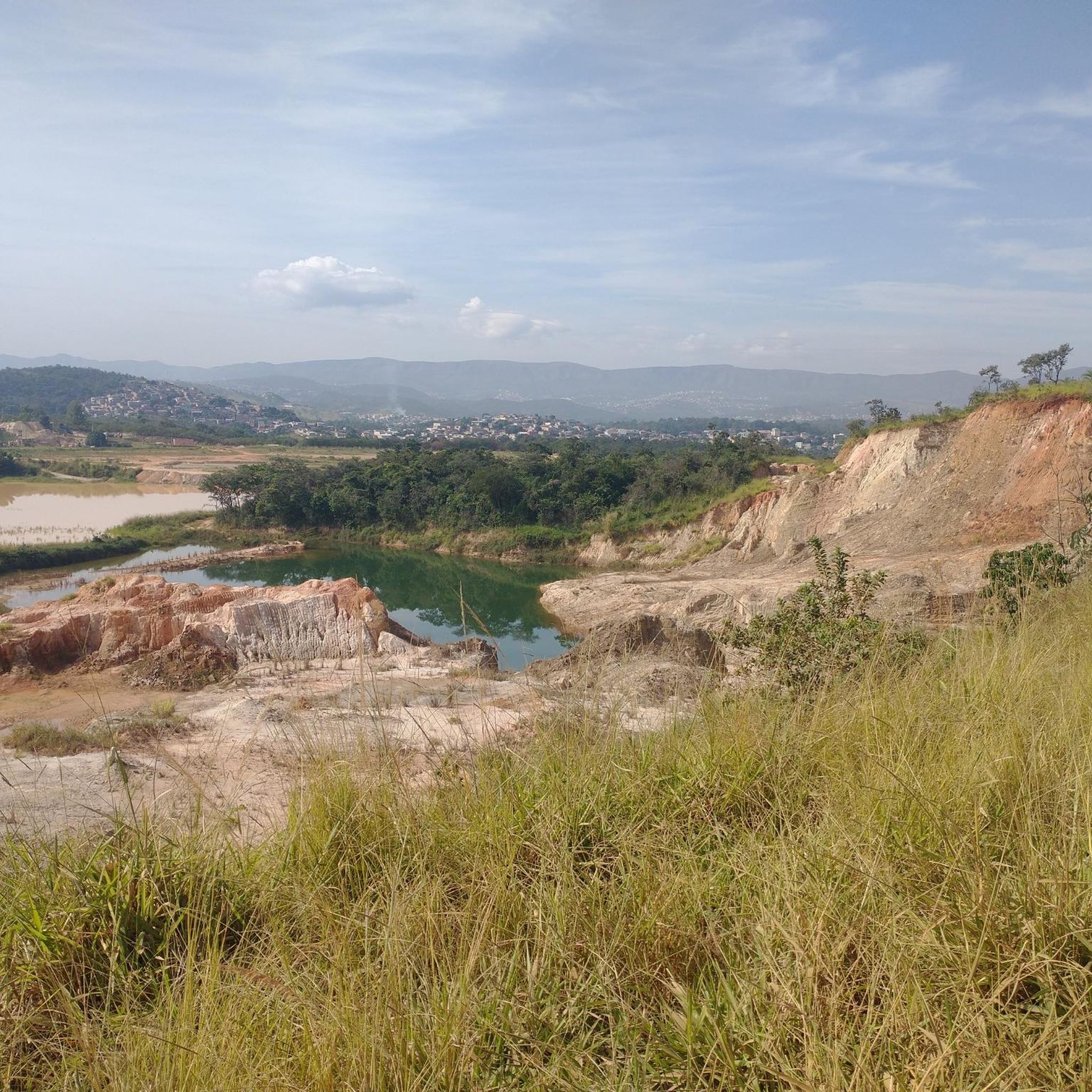
- The most popular attractions is Littered Shoreline of Pampulha Lagoon, a lake. This area is part of the Pampulha region, known for its modern ensemble.
- Another must-see spot is Pope Square, a man-made monument. This square is notable as the site where Pope John Paul II celebrated a Holy Mass on July 1, 1980.
- Visitors also love Pedra do Baú Base, a climb. This location serves as the starting point for ascents to Bau, often requiring equipment and a guide, especially on weekends.
- Minas Gerais is known for its historical sites, natural monuments, and religious buildings. The region offers a variety of attractions to see and explore, from challenging climbs to serene lakes.
- The attractions in Minas Gerais are appreciated by the komoot community, with 1 upvote and 6 photos shared across various highlights.
Last updated: July 15, 2026
Fazenda Santa Clara
Highlight • Historical Site
The Bustamante Fortes family arrived in the region from São João Del Rey and settled on the banks of the Rio Preto, playing a prominent role in the history and development of the region.
Captain Francisco Dionísio de Sousa Fortes Bustamante (Francisco Tereziano's father), a bureaucrat of the Portuguese crown, had a lot of influence and, as a result, obtained a large extension of land on the banks of the Rio Preto from the crown.
While still alive, the Captain divided up his property and handed over the portions of land to the administration of his children and people he trusted.
The building is in the colonial style, from the 18th century, and has impressive numbers. The property has 6,000 m² of built area.
Translated by Google •
Tip by

Central do Brasil Tunnel
Highlight (Segment) • Structure
The tunnel was built between 1916 and 1918 for the Central do Brasil Railway, which brought the municipality a connection with the then capital of the Republic, the city of Rio de Janeiro.
After the closure of railway activities in the municipal headquarters, the tunnel became a place where residents and tourists enjoy cooling off with the cold water from its water springs.
The tour through the tunnel is part of the City Tour offered by Guide Gil Cunha and also takes visitors to another important tourist spot, the old Pontilhão da Rede.
Come by bike, on horseback, on foot or even by motorcycle or car, but don't forget to go through the tunnel and enjoy one of the best views of the city, with the Areal Waterfall opening the doors to the City of Waterfalls and a beautiful view of the Igreja Matriz in the background!
Sources:
Source: NOGUEIRA. Laudelina Marinho, The City of Waterfalls: Santa Rita de Jacutinga and its History. 2nd ed. rev. and expanded. (Santa Rita de Jacutinga, private edition, 1985).
Translated by Google •
Tip by
Sign up now to discover places like this
Get recommendations on the best single tracks, peaks, & plenty of other exciting outdoor places.
Sign up for free
Main Church of Santa Rita de Cássia
Highlight • Religious Site
The site where the main church stands today was donated by Antônio Francisco de Mendonça and his wife Maria Vitória Ribeiro around 1832, when a chapel was built in honor of Santa Rita de Cássia. Over time, the chapel became too small to accommodate the faithful who came to thank or ask for favors from the saint.
With the need to expand the small temple, the founding families of the town donated land to the parish so that it could receive a main chapel worthy of its patron saint.
In 1835, the Gomes and Caetano families obtained authorization to build the main chapel. At the same time, Commander Francisco Teresiano Fortes (founder of the Santa Clara Farm), who had promised to build a church in the region, brought a large number of bricklayers, carpenters and construction materials to the site, but there was no consensus regarding the location of the main chapel.
The Commander wanted the chapel to be built facing north, where the local cemetery was already located, offering compensation for the services that had been performed, but his wish was not granted. In view of this, he left with his assistants (most of whom were his slaves) for Rio Preto, where he built the main church, whose patron saint is Nosso Senhor dos Passos.
By the 1950s, the chapel could no longer accommodate the population of Santa Catarina and the large number of faithful who visited it frequently. Soon, Father Francisco José Machado Filho (Father Machado) and his parishioners promoted the construction of the current church.
On July 2, 1951, the demolition of the old building began to make way for the new construction. In proportion to the grandeur of the construction, it did not take long for the city to have its long-awaited main church; on July 17, 1956, the new main church was inaugurated.
The interior of the church is breathtaking for its beauty and grandeur. Inspired by the Metropolitan Cathedral of Juiz de Fora, the church has imposing architectural lines and also has beautiful frescoes inside, which enchant with their colors and shapes made directly on the wall over the plaster – the work of the Italian painter Victorio Goretti. The artist was a cousin of Saint Maria Goretti, the young martyr canonized by Pope Pius XII in 1950.
Another highlight of the temple is the hydraulic tiles, forming various types of carpets. Its abundant and naturally lit interior is a great place to meditate, taking advantage of the calm and silent climate, recharging your batteries to enjoy many adventures in the City of Waterfalls.
Source: NOGUEIRA. Laudelina Marinho, The City of Waterfalls: Santa Rita de Jacutinga and its history. 3rd ed. rev. and expanded. (Santa Rita de Jacutinga, private edition, 2005).
Translated by Google •
Tip by
Littered Shoreline of Pampulha Lagoon
Highlight • Lake
Translated by Google •
Tip by

Pope Square
Highlight • Monument
Translated by Google •
Tip by
Maria Nossar Tunnel (Crying Tunnel)
Highlight (Segment) • Monument
This tunnel is a 19th-century engineering project and is part of the road that connects Valença to Conservatória. The tunnel is known for its water infiltrations, which create a "weeping" effect on its walls.
The Maria Nossar Tunnel is a historical and cultural heritage site in the region and is very popular with tourists and locals. It offers a unique and picturesque view of the region, with its walls covered in vegetation and its interior lit only by natural light that enters through the ends.
Translated by Google •
Tip by
Poços de Caldas XCO Trail
Highlight • MTB Park
Translated by Google •
Tip by

Gruta dos Crioulos
Highlight • Cave
Translated by Google •
Tip by

Lago Azul, Itatiaia National Park
Highlight • Lake
Translated by Google •
Tip by

Pedra do Baú Base
Highlight • Climb
Guide is mandatory (at least on weekends)
Tip by

Sign up for free to discover even more attractions in Minas Gerais.
Sign up for free
Already have an account?
Start today with a free account
Your next adventure awaits.
Login or Signup

Tips from the Community

the lake is cleaned daily on the shore don't write such SHIT
1
0

The Santa Clara Farm, for example, was once the second largest in Brazil in terms of the number of slaves, with a total of around 2,400, with the most rebellious being punished in a dungeon located beneath the house. Today, however, the place is open to the public and serves as a museum, with 6,000 m² of built area. The number of windows (365), rooms (52) and halls (12) is a reflection of the number of days, weeks and months in the calendar.
1
0
Religion is a strong characteristic of the population of Santa Rita. Located in one of the city's central points, the main church of the Santa Rita de Jacutinga Parish is a beautiful building that stands out from the surrounding landscape as an imposing symbol of the faith of its people. The site where the main church stands today was donated by Antônio Francisco de Mendonça and his wife Maria Vitória Ribeiro around 1832, when a chapel was built in honor of Santa Rita de Cássia. Over time, the chapel became too small to accommodate the faithful who came to thank or ask for favors from the saint. With the need to expand the small temple, the founding families of the town donated land to the parish so that it could receive a main chapel worthy of its patron saint. In 1835, the Gomes and Caetano families obtained authorization to build the main chapel. At the same time, Commander Francisco Teresiano Fortes (founder of the Santa Clara Farm), who had promised to build a church in the region, brought a large number of bricklayers, carpenters and construction materials to the site, but there was no consensus regarding the location of the main chapel. The Commander wanted the chapel to be built facing north, where the local cemetery was already located, offering compensation for the services that had been performed, but his wish was not granted. In view of this, he left with his assistants (most of whom were his slaves) for Rio Preto, where he built the main church, whose patron saint is Nosso Senhor dos Passos. By the 1950s, the chapel could no longer accommodate the population of Santa Catarina and the large number of faithful who visited it frequently. Soon, Father Francisco José Machado Filho (Father Machado) and his parishioners promoted the construction of the current church. On July 2, 1951, the demolition of the old building began to make way for the new construction. In proportion to the grandeur of the construction, it did not take long for the city to have its long-awaited main church; on July 17, 1956, the new main church was inaugurated. The interior of the church is breathtaking for its beauty and grandeur. Inspired by the Metropolitan Cathedral of Juiz de Fora, the church has imposing architectural lines and also has beautiful frescoes inside, which enchant with their colors and shapes made directly on the wall over the plaster – the work of the Italian painter Victorio Goretti. The artist was a cousin of Saint Maria Goretti, the young martyr canonized by Pope Pius XII in 1950. Another highlight of the temple is the hydraulic tiles, forming various types of carpets. Its abundant and naturally lit interior is a great place to meditate, taking advantage of the calm and silent climate, recharging your batteries to enjoy many adventures in the City of Waterfalls. Source: NOGUEIRA. Laudelina Marinho, The City of Waterfalls: Santa Rita de Jacutinga and its history. 3rd ed. rev. and expanded. (Santa Rita de Jacutinga, private edition, 2005).
1
0
“Many say, and it is true: whoever drinks water from the tunnel (...) will never forget this blessed land. It is as if it were a link uniting the useful with the pleasant.”
1
0
Known to the locals simply as the tunnel, it is a must-see for anyone visiting Santa Rita de Jacutinga. The tunnel was built between 1916 and 1918 for the Central do Brasil Railway, which brought the municipality a connection with the then capital of the Republic, the city of Rio de Janeiro. After the closure of railway activities in the municipal headquarters, the tunnel became a place where residents and tourists enjoy cooling off with the cold water from its water springs. The tour through the tunnel is part of the City Tour offered by Guide Gil Cunha and also takes visitors to another important tourist spot, the old Pontilhão da Rede. Come by bike, on horseback, on foot or even by motorcycle or car, but don't forget to go through the tunnel and enjoy one of the best views of the city, with the Areal Waterfall opening the doors to the City of Waterfalls and a beautiful view of the Igreja Matriz in the background! Sources: Source: NOGUEIRA. Laudelina Marinho, The City of Waterfalls: Santa Rita de Jacutinga and its History. 2nd ed. rev. and expanded. (Santa Rita de Jacutinga, private edition, 1985).
1
0
JuImposing is the word that defines the Santa Clara Farm. Built between 1760 and 1780, it was the most important farm owned by Commander Francisco Tereziano Fortes. For a long time, the farm was used for the reproduction of slaves during the colonial period. The Bustamante Fortes family arrived in the region from São João Del Rey and settled on the banks of the Rio Preto, playing a prominent role in the history and development of the region. Captain Francisco Dionísio de Sousa Fortes Bustamante (Francisco Tereziano's father), a bureaucrat of the Portuguese crown, had a lot of influence and, as a result, obtained a large extension of land on the banks of the Rio Preto from the crown. While still alive, the Captain divided up his property and handed over the portions of land to the administration of his children and people he trusted. The building is in the colonial style, from the 18th century, and has impressive numbers. The property has 6,000 m² of built area.
1
0
The Maria Nossar Tunnel, also known as the "Crying Tunnel", is located in Conservatória, Valença, in the state of Rio de Janeiro! This tunnel is a 19th-century engineering project and is part of the road that connects Valença to Conservatória. The tunnel is known for its water infiltrations, which create a "weeping" effect on its walls. The Maria Nossar Tunnel is a historical and cultural heritage site in the region and is very popular with tourists and locals. It offers a unique and picturesque view of the region, with its walls covered in vegetation and its interior lit only by natural light that enters through the ends.
3
0

A lake on a wooden bridge that doesn't inspire particular confidence. Nice stopover on the way to the waterfall.
0
0
Frequently Asked Questions
What historical towns should I visit in Minas Gerais?
Minas Gerais is renowned for its well-preserved colonial towns, which flourished during the 18th-century gold rush. Key towns include Ouro Preto, a UNESCO World Heritage Site known for its Baroque architecture and churches like the Church of Saint Francis of Assisi. Other notable towns are Tiradentes, famous for its art galleries and the Mother Church of St. Anthony; Congonhas, home to the Sanctuary of Bom Jesus de Matosinhos; and Diamantina, recognized for its diamond extraction history. Mariana, the state's oldest city, and São João del-Rei also offer rich colonial heritage.
Are there significant cultural sites beyond historical towns in Minas Gerais?
Yes, Minas Gerais offers diverse cultural experiences. Pope Square in Belo Horizonte is a significant landmark where Pope John Paul II celebrated a Holy Mass. The state also boasts Inhotim, a world-class contemporary art museum set within botanical gardens, and the Mine and Metal Museum in Belo Horizonte, which provides insight into the region's mining history. The Mercado Central in Belo Horizonte is a vibrant market to experience local cuisine and products.
What natural parks are worth exploring in Minas Gerais?
Minas Gerais is home to several stunning natural parks. Serra do Cipó National Park is ideal for outdoor enthusiasts, offering hiking trails, waterfalls, and caves. Ibitipoca State Park is a hidden gem with unique quartzite canyons and crystalline streams. Serra da Canastra National Park is known for the headwaters of the São Francisco River and the impressive Casca D'anta waterfall. Parque Nacional Cavernas do Peruaçu also offers significant geological and archaeological heritage with its impressive caves.
Where can I find impressive waterfalls and natural pools in Minas Gerais?
The state is rich in natural water features. Capitólio is famous for its breathtaking canyons and the expansive Furnas Lake, with numerous waterfalls. Other notable waterfalls include Cachoeira Aiuruoca in Itamonte, Cachoeira Tabuleiro in Conceição do Mato Dentro, and Janela do Céu, a viewpoint over a 20-meter waterfall in Ibitipoca State Park. Serra da Canastra National Park also features the majestic Casca D'anta waterfall.
What outdoor activities can I do near these attractions?
Minas Gerais offers a variety of outdoor activities. You can find numerous trails for mountain biking, running, and cycling. For example, there are challenging MTB trails like the Poços de Caldas XCO Trail. Running enthusiasts can explore routes around Lagoa Santa, while cyclists can enjoy scenic loops like the Lagoa da Pampulha loop. Hiking is also popular, with options ranging from easy walks to challenging climbs like the ascent to Pedra do Baú Base.
Are there family-friendly attractions in Minas Gerais?
Yes, many attractions in Minas Gerais are suitable for families. Historical sites like Fazenda Santa Clara and the Main Church of Santa Rita de Cássia are often family-friendly. The capital, Belo Horizonte, offers attractions like Pope Square. Natural parks with accessible trails and waterfalls can also be great for families, depending on the specific route chosen.
What is the best time to visit Minas Gerais waterfalls?
The best time to visit waterfalls in Minas Gerais is generally during the rainy season (typically from November to March), when the water flow is at its strongest and most impressive. However, this also means higher humidity and a chance of heavy downpours. The dry season (April to October) offers more stable weather for hiking to waterfalls, though some smaller falls might have reduced flow.
What is the capital city, Belo Horizonte, known for?
Belo Horizonte, the state capital, is a dynamic city known for its cultural diversity and modern architecture. Key landmarks include the Pampulha Modern Ensemble, designed by Oscar Niemeyer, and Liberty Square (Praça da Liberdade), which hosts a cultural circuit with several museums. Pope Square is also a significant site within the city.
Where can I experience the local cuisine and traditional products of Minas Gerais?
To experience the local cuisine and traditional products, a visit to the Mercado Central in Belo Horizonte is highly recommended. Here, you can find traditional cheeses, *cachaça*, and other regional delicacies. Additionally, towns like Bichinho offer opportunities for cheese tasting, as Minas Gerais is renowned for its traditional cheeses.
Are there any challenging trails for experienced hikers or mountain bikers?
Yes, Minas Gerais offers challenging terrain for experienced outdoor enthusiasts. The Espinhaço Mountain Range, with peaks over 6,000 feet, provides rugged trails for trekking. For climbers, the ascent to Pedra do Baú Base is a challenging option, often requiring equipment and a guide. Mountain bikers can tackle difficult routes like the Poços de Caldas XCO Trail, known for its technical features.
What do visitors enjoy most about Minas Gerais attractions?
Visitors particularly enjoy the blend of rich history and stunning natural beauty. The well-preserved colonial towns with their unique Baroque architecture are a major draw. The diverse landscapes, from lush mountains to numerous waterfalls, offer ample opportunities for outdoor activities. The vibrant local culture, including cuisine and art, also leaves a lasting impression on visitors.
Most popular routes in Minas Gerais
Most popular attractions in Minas Gerais

Get inspired with the komoot mobile app


Didn’t find what you were looking for?
Are you keen on exploring more awesome places nearby? Browse our guides:
Explore more
Still not found the Highlight you’re looking for? See guides of the top attractions in other regions:
