Attractions and Places To See around gmina Kunice - Top 20
Attractions and places to see around gmina Kunice include a variety of natural and cultural sites in the Silesian Lowlands. The region is characterized by features such as Kunice Lake, the Kaczawa River Valley, and extensive forest complexes. Visitors can explore historical churches, palaces, and archaeological sites, alongside opportunities for active recreation.
Best attractions and places to see around gmina Kunice
- The most popular attractions is Cistercian Abbey in Lubiąż, a historical site that is one of the largest…
Last updated: July 1, 2026
Cathedral of Saints Peter and Paul, Legnica
Highlight • Religious Site
Translated by Google •
Tip by

New Town Hall in Legnica
Highlight • Monument
Translated by Google •
Tip by

Sign up now to discover places like this
Get recommendations on the best single tracks, peaks, & plenty of other exciting outdoor places.
Sign up for free
Cistercian Abbey in Lubiąż
Highlight • Historical Site
The Cistercian Abbey in Lubiąż is one of the largest and most important monastic complexes in Central Europe.
Translated by Google •
Tip by

Piast Castle (Zamek Piastowski), Legnica
Highlight • Castle
Translated by Google •
Tip by

Cathedral of the Assumption of the Blessed Virgin Mary (Legnica)
Highlight • Religious Site
Der heutige Bau :
Beim großen Stadtbrand im Jahr 1338 wurde die Kirche vollständig zerstört. Zwischen 1362 …
Tip by
Sign up for free to discover even more attractions around gmina Kunice.
Sign up for free
Already have an account?
Start today with a free account
Your next adventure awaits.
Login or Signup
Tips from the Community

Ascent to the St. Peter's Tower, Piast Castle in Legnica
0
0

The Piast Castle in Legnica is one of the oldest and most important buildings in Poland, built in the 12th and 13th centuries by Bolesław I the Tall and Henry the Bearded.
0
0

The Piast Castle in Legnica (Zamek Piastowski w Legnicy) is one of the oldest surviving princely castles in Poland and a significant witness to the history of the Silesian Piast dynasty. Here's a comprehensive overview: 🏰 Historical Origin Built: Originally in the 12th century as a fortified castle under Bolesław I the High. Reconstruction into a castle: Transformed into a representative residence of the Piast dynasty in the 13th century under Henry the Bearded and his wife Hedwig of Silesia. Significance: Served for centuries as the seat of the Dukes of Legnica – a center of political power and cultural development. 🛕 Architecture & Features Style: A blend of Romanesque, Gothic, and Renaissance styles, with Baroque additions. Towers: St. Peter's Tower and St. Paul's Tower – named after the patron saints of the neighboring cathedral. Courtyard: With arcades and Renaissance galleries reminiscent of Italian palazzi. Chapel: The palace chapel was founded by Hedwig of Silesia and is a place of religious worship. 📜 Historical Events Battle of Legnica (1241): After the death of Henry II in battle against the Mongols, the palace became a symbol of resistance. Reformation: In the 16th century, the palace became a center of Protestant education and administration. Prussian Period: After the Piast dynasty died out in 1675, the palace became Prussian property and served as an administrative building. 🏛️ Current Use Home to various cultural institutions, including the State Archives, the Copper Museum, and event spaces. Venue for exhibitions, concerts, and historical tours. Parts of the palace are open to the public, others are used for administrative purposes. 📍 Location & Surroundings Centrally located in Legnica's Old Town, close to the Cathedral of St. Peter and Paul, the Neptune Fountain, and the Market Square. Surrounded by historic town houses, the Modrzejewska Theater, and the Old Town Hall.
0
0
Legnica's Old Town Hall (Stary Ratusz) is an architectural gem located on the central market square (Rynek) and one of the oldest surviving buildings in the city. Here are the key details: 🏛️ Historical Overview Built: Originally in the 14th century, rebuilt and expanded several times. Style: A blend of Gothic, Renaissance, and Baroque styles, with later Neoclassical elements. Function: Served for centuries as the seat of the city council, a court, and an administrative center. 🎨 Architecture & Features Facade: With arcades that formerly served as market halls. Tower: The distinctive clock tower was added in the 16th century. Interiors: Historic council chamber with vaulted ceiling and wall paintings. Former courtrooms and administrative offices. Restorations: Renovated several times, most recently extensively in the 1990s. 📍 Location & Current Use Directly on the Rynek, opposite the Neptune Fountain and close to the Galeria Sztuki (Sculpture Gallery). Today, the building houses cultural institutions, exhibitions, and occasional municipal events. A popular meeting place for city tours and history buffs. 🏙️ Cityscape Context Surrounded by restored town houses, cafés, and landmarks such as the Cathedral of St. Peter and Paul, the Church of Our Lady, and the Copper Museum. Together with the New Town Hall on Plac Słowiański, it forms an exciting architectural duo combining tradition and modernity.
0
0
The New Town Hall in Legnica (Nowy Ratusz) is an impressive Neo-Renaissance building and a significant testament to the city's development at the beginning of the 20th century. 🏛️ Architecture & Origin Built: Between 1902 and 1905 according to plans by Paul Öhlmann, originally designed by Lothar Schönfelder. Style: Neo-Renaissance with Baroque elements, richly decorated facades with sandstone cladding and granite bases. Planned concept: A four-wing complex with two courtyards and a monumental tower – however, only part of it was built. 📍 Location & Function Located at what is now Plac Słowiański (formerly Friedrichsplatz), south of the Cathedral of St. Peter and Paul. After World War II, the building became the seat of the Polish city administration in 1947. It has been a listed building since 1981. 🏢 Use & Interiors Ground floor: Police, fire department, detention cells. 1st floor: Tax office, tax offices, cash registers. 2nd floor: Mayor's office, municipal council meeting room, council library. 3rd floor: Building department. Attic: City archives. 🛠️ Technical equipment (at the time of construction) Two independent heating systems: hot water and low-pressure steam. Gas lighting in most rooms, electric lighting in representative areas such as the mayor's office and the meeting room.
0
0

The abbey grounds are accessible, allowing you to explore every nook and cranny. The abbey itself can also be explored inside. I highly recommend it 😀👍
0
0

The most striking and dominant elements of the castle are its two towers: the Hedwig's Tower to the west and the Peter's Tower to the east (at the Glogau Gate Tower). The Peter's Tower can also be climbed for a beautiful view of the city.
0
0
In the castle's inner courtyard, there's a massive linden tree that makes optimal use of the space. Furthermore, the remains of the very old St. Lawrence Chapel were discovered here during excavations. These can be viewed in a museum pavilion. Those who want to save the entrance fee can take a look through the glass panes.
0
0
Frequently Asked Questions
What natural features can I explore around gmina Kunice?
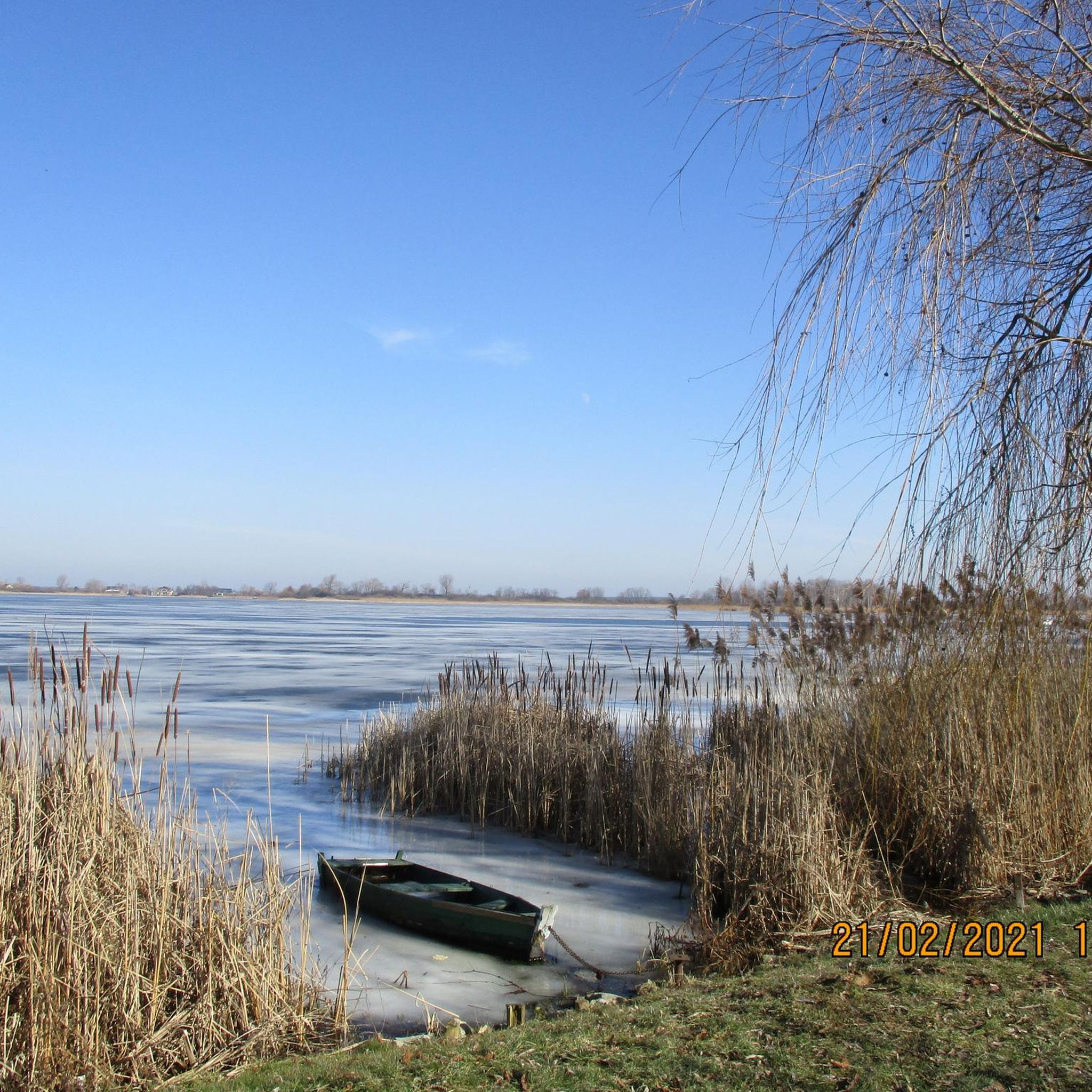
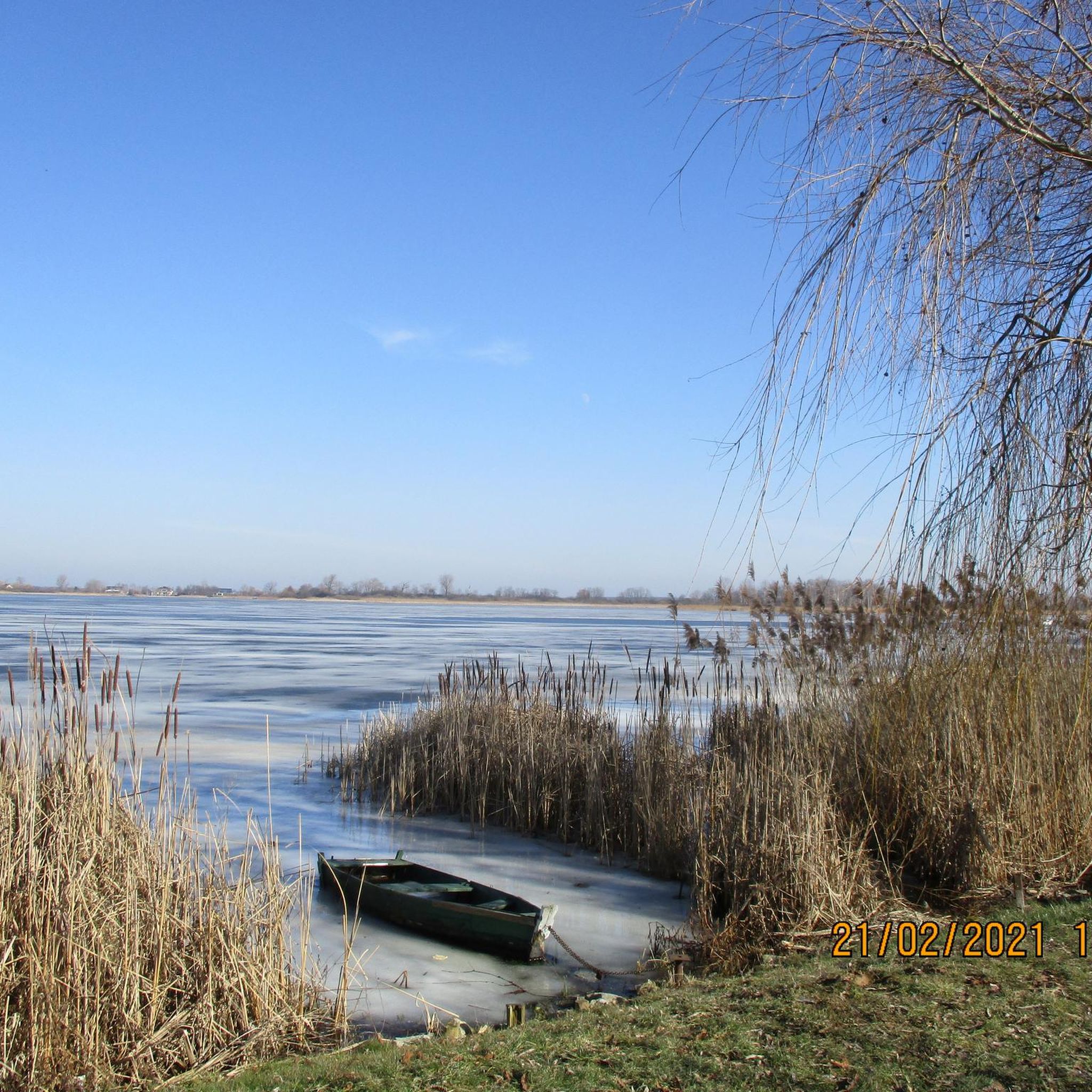
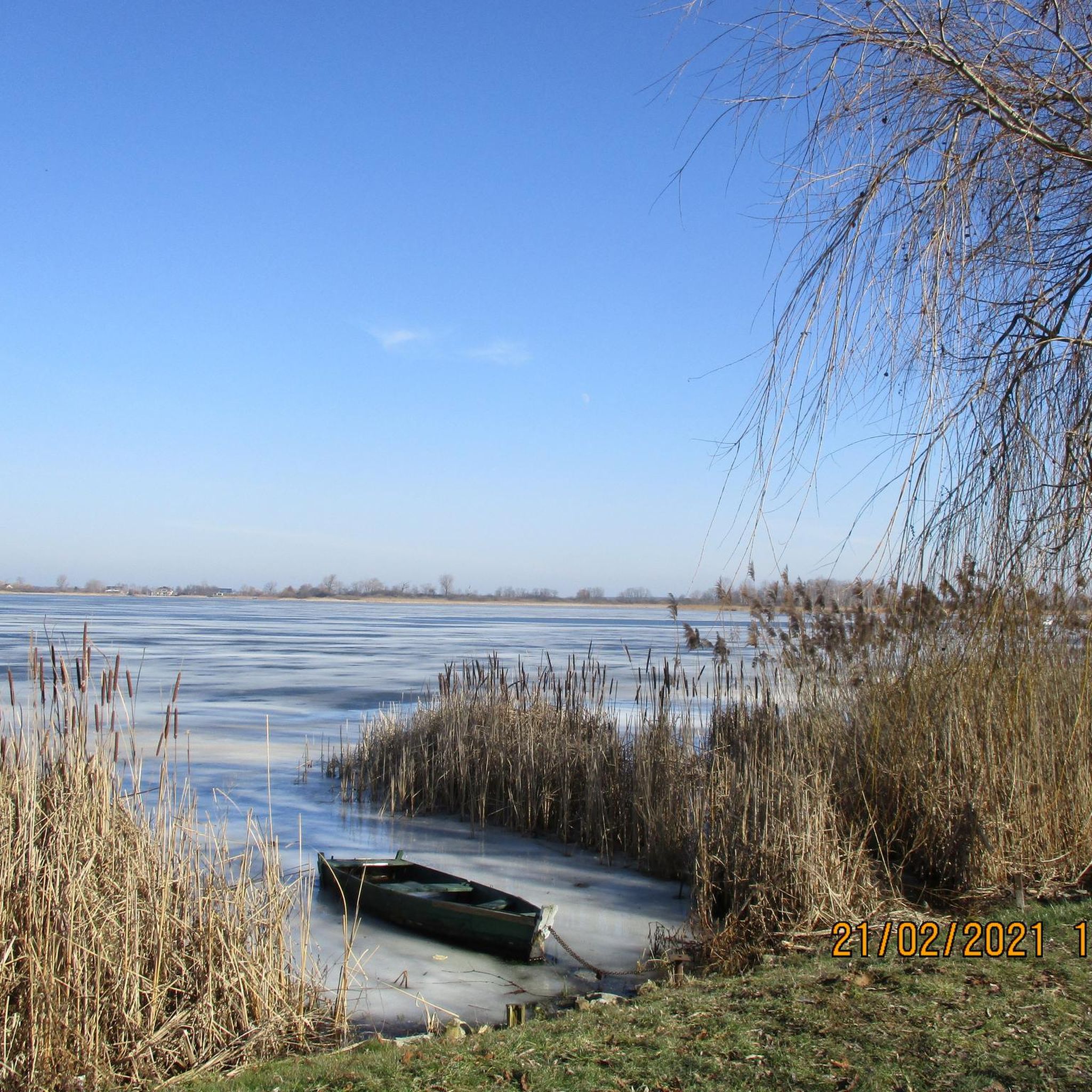
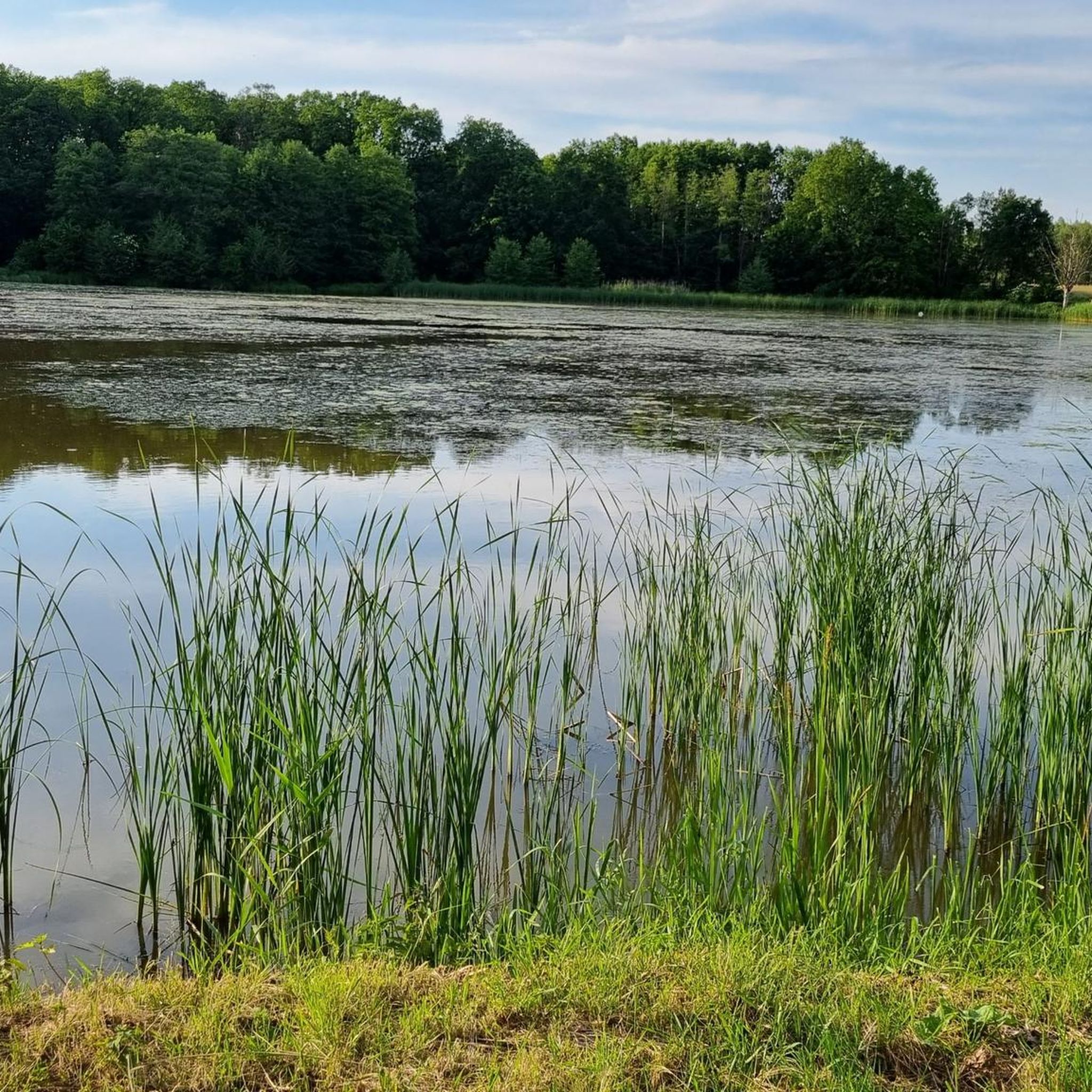
Gmina Kunice is rich in natural beauty. You can visit Kunice Lake, a primary attraction known for water sports and fishing. The Kaczawa River Valley offers scenic views with numerous smaller watercourses and oxbow lakes. Additionally, the northern part of the gmina features extensive forest complexes, forming the southern border of the Lower Silesian Forests.
Are there any historical sites or landmarks to visit in the region?
Yes, the region boasts several historical sites. A prominent one is the Cistercian Abbey in Lubiąż, one of Central Europe's largest monastic complexes. You can also explore the Manor and Park Complex in Kunice, featuring a 16th-century manor house, or the Palace Complex in Rosochata.
What kind of outdoor activities are available near gmina Kunice?
Gmina Kunice offers diverse outdoor activities. You can enjoy picturesque biking and hiking trails throughout the gmina. For water enthusiasts, Kunice Lake provides opportunities for sailing and motorboat courses through the Ireneusz Leszczyński Sailing School, or you can rent equipment from "Malva" Water Equipment Rental. Many villages also have outdoor gyms for public use.
Where can I find historical religious architecture?
You can visit the Cathedral of Saints Peter and Paul, Legnica, a Gothic architectural marvel with origins in the 13th century. The region also features a historic Gothic church in Rosochata, known for its portal displaying the Coat of Arms of Gmina Kunice.
Are there any unique historical monuments or archaeological sites?
Beyond churches and palaces, you can find historical Penitential Crosses in Pątnów Legnicki, Rosochata, and Spalona. The region also has significant archaeological sites, including an Iron Age Lusatian culture cemetery and remnants of a defensive settlement from the same period north of Kunice Lake.
What are some notable architectural highlights in nearby towns?
In nearby Legnica, you can admire the New Town Hall in Legnica, an impressive Neo-Renaissance building constructed between 1902 and 1906. It's a significant example of early 20th-century architecture and a listed building.
Are there any nature reserves or protected areas in gmina Kunice?
Yes, gmina Kunice is home to several protected natural areas. These include the Błyszcz and Ponikwa deciduous forest fragments, the "Bagno Kunickie" peat bog with rare plant species, and Seagull Island (Möweninsel) in Kunice Lake, which serves as an ornithological reserve for black-headed gulls. The "Torfowisko Szczytniki" is another ecological site of interest.
Can I find routes for hiking around gmina Kunice?
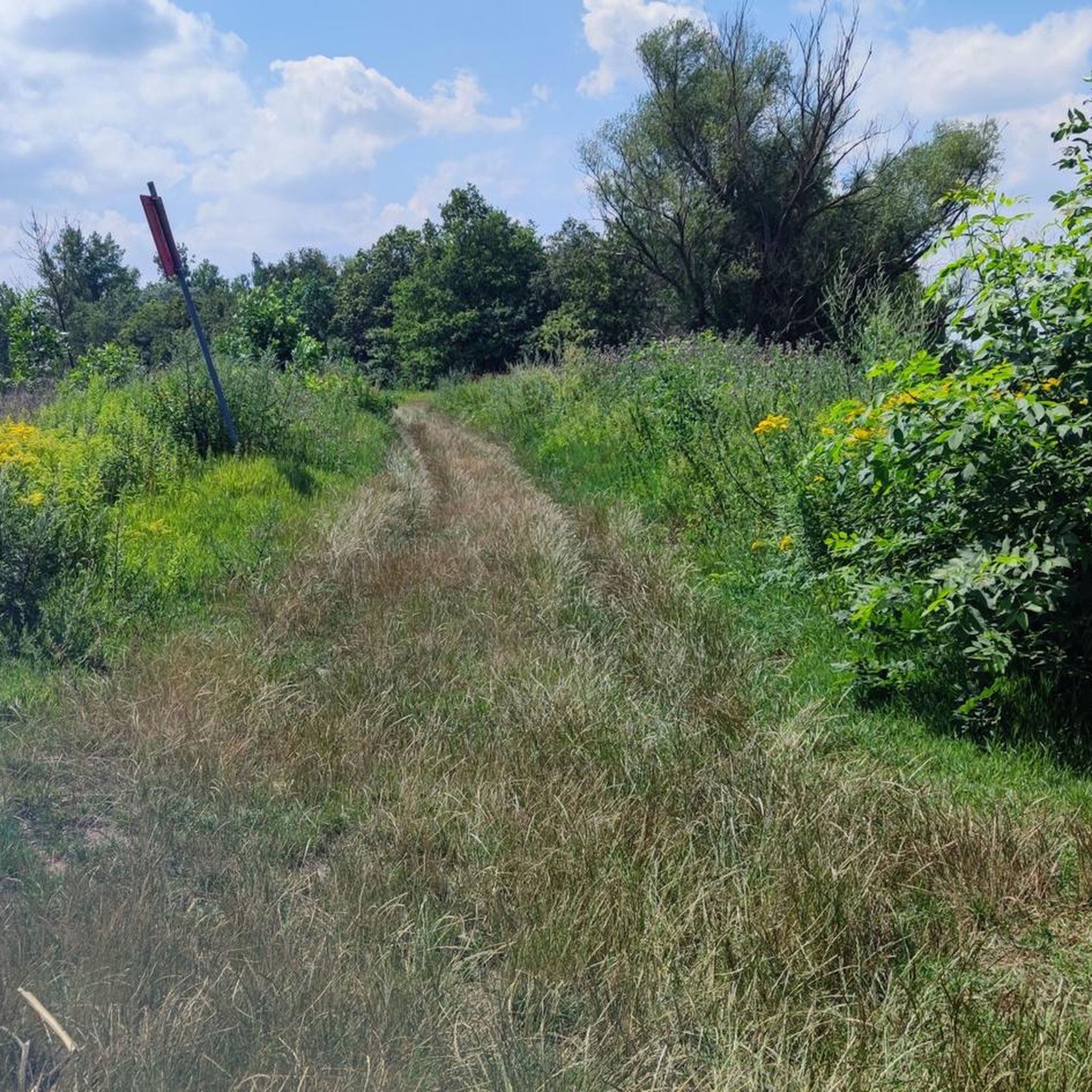
Absolutely! There are various hiking opportunities. For easy walks, you can explore routes like the "Cycling Path in Poland loop from Bartoszów" or "Rezerwat Ponikwa loop from Pątnów Legnicki." You can find more details and routes on the Hiking around gmina Kunice guide page.
Are there any cycling routes available in the area?
Yes, gmina Kunice offers several road cycling routes. Options range from easy to moderate, such as the "Rogoźnik Palace – Albino Poplar Tree loop from Legnica Piekary" or the "T-34 Tank Monument in Ścinawa loop from Kunice." More routes are available on the Road Cycling Routes around gmina Kunice guide page.
What historical trails pass through gmina Kunice?
The historic Cistercian Trail (Szlak Cystersów) passes through Gmina Kunice, specifically through Golanka Górna, Spalona, and Kunice. This trail connects significant Cistercian sites, including the nearby Cistercian Abbey in Lubiąż.
Are there any specific places for fishing or angling?
Yes, besides Kunice Lake, Jaśkowice Lake (Jezioro Jaśkowickie), located about 3.5 km from Kunice Lake, is a popular spot for anglers. While less developed for general tourism, it's a haven for those looking to fish.
Is there a place for recreation and water sports on Kunice Lake?
Yes, the "Posejdon" Training and Recreation Center on Kunice Lake offers a marina with water equipment, cottages, a hotel, conference facilities, and a camping field, making it a comprehensive spot for recreation and water sports.
Are there any annual events or markets in Kunice?
Yes, the Municipal Office in Kunice organizes an annual Christmas Market (Jarmark Bożonarodzeniowy). This event features baked goods, Christmas decorations, and workshops, offering a festive experience for visitors.
Most popular routes around gmina Kunice

Get inspired with the komoot mobile app


Explore more
Still not found the Highlight you’re looking for? See guides of the top attractions in other regions:
