The best walks and hikes around gmina Kunice
4.8
(61)
498
hikers
99
hikes
Hiking around gmina Kunice offers diverse landscapes, characterized by the broad Kaczawa River valley, numerous post-glacial lakes, and extensive forest complexes. The region features varied terrain, including flatlands, middle terraces, and southern terminal moraines. This blend provides a range of natural environments for outdoor activities.
Best hiking trails around gmina Kunice
- The most popular hiking route is Church of Our Lady in Legnica loop from Bartoszów, a 4.5 miles (7.3 km) trail that takes 1 hour 51 minutes to…
Last updated: July 1, 2026
5.0
(1)
13
hikers
7.37km
01:52
20m
20m
Easy hike. Great for any fitness level. Easily-accessible paths. Suitable for all skill levels.
5.0
(1)
13
hikers
5.19km
01:19
10m
10m
Easy hike. Great for any fitness level. Easily-accessible paths. Suitable for all skill levels.

Sign up for free
9
hikers
Easy hike. Great for any fitness level. Easily-accessible paths. Suitable for all skill levels.
3
hikers
7.85km
02:01
30m
30m
Moderate hike. Good fitness required. Easily-accessible paths. Suitable for all skill levels.
5.0
(1)
6
hikers
9.83km
02:32
40m
40m
Moderate hike. Good fitness required. Easily-accessible paths. Suitable for all skill levels.
Get access to more routes and recommendations from other explorers.
Sign up for free
Already have an account?
Our route recommendations are based on thousands of hikes, rides, and runs completed by other people on komoot.
Start today with a free account
Your next adventure awaits.
Login or Signup
Tips from the Community

The Cathedral of St. Peter and Paul in Legnica (Katedra Świętych Apostołów Piotra i Pawła) is a significant sacred building with a rich history and impressive architecture. Here are the key details: 🏰 Historical Overview First church built: Already mentioned in 1208, originally dedicated to the Apostle Peter. Gothic Rebuilding: Built between 1328 and 1378 under master builder Wiland, modeled on St. Elizabeth's Church in Breslau. Consecration: On September 20, 1342, by Bishop Wacław; St. Paul was added as a second patron. Reformation: From 1522/23, the church served as a Protestant church under Duke Frederick II. Fire & Reconstruction: After a fire in 1835, it was rebuilt in the Neo-Gothic style according to designs by Karl Friedrich Schinkel. 🛐 Catholic Cathedral Return to Catholics: After 1945, following the transfer to Poland. Elevation to cathedral status: On March 25, 1992, by Pope John Paul II, the main church of the newly established Diocese of Legnica. Visit of the Pope: John Paul II visited the cathedral on June 2, 1997. 🎨 Architecture & Furnishings Three-aisled hall church with cross vaults in the side aisles and a ribbed presbytery. Northwestern main portal: Around 1370, with a Gothic statue of the Madonna and Child (ca. 1340) – a masterpiece of stonemasonry. West portal: Scenes from the Adoration of the Magi. Interior: Renaissance pulpit (1586/88) Baroque high altar Bronze baptismal font in the shape of a Gothic chalice Gravestone of Duke Ludwig II of Brieg and Elisabeth of Brandenburg. 📍 Location & Surroundings Directly on Liegnitz Square, centrally located in the old town. In the immediate vicinity: Church of Our Lady, Liegnitz Castle, Copper Museum, and Modrzejewska Theater.
0
0
The Church of Our Lady in Legnica (German: Liegnitz, Polish: Kościół Marii Panny) is one of the oldest and most historically significant churches in Lower Silesia. Here is a comprehensive overview of its heritage:🏰 Origins & Architecture Founded: Around 1170 by Duke Bolesław I the Long, originally as a wooden, single-nave church near his castle. Reconstruction: In 1192, a Romanesque sandstone church replaced the wooden structure. It featured a short chancel and a semicircular apse. Destruction & Gothic Revival: After a devastating fire in 1338, the church was rebuilt between 1362 and 1386 as a three-nave Gothic basilica, incorporating earlier foundations. 🛐 Religious Significance Evangelical Conversion: In 1522, the first Protestant sermon in Legnica took place here, marking the transition to Lutheran worship. After World War II: The church continued to serve the German Protestant minority until 1962, when Pastor Wolfgang Meißler was expelled. He later founded the "Schlesienhilfe PWM" foundation to support the church's preservation. Interior & Restoration Neo-Gothic Renovation: After a fire caused by lightning in 1822, the church was rebuilt (1824–1829) as a hall church with a neo-Gothic interior. Redesign 1905–1906: Interior decorated with Moorish geometric patterns by Prof. Detkana of Berlin. Stained-glass windows by August Oetken. Addition of a chapel on the south side and restoration of the towers. Artistic Highlights: A neo-Gothic altarpiece depicting the "Adoration of the Shepherds" (1770). Stained-glass windows depicting biblical scenes such as the Baptism of Jesus and the Conversion of Paul. Renaissance and Baroque epitaphs embedded in the walls. 🏛️ Structure & Style Built of brick with sandstone foundations. Dimensions: 50.5 m long, 20 m wide, with two towers reaching 62 m. The interior features cross-ribbed vaulted ceilings and octagonal columns with Moorish motifs. 📍 Heritage & Recognition A square in front of the church was named Plac Pastora Wolfgang Max Meißler after its last German pastor in 2009. Today, it stands as a symbol of Legnica's multifaceted history—Polish, German, Catholic, and Protestant.
0
0

On March 25, 1992, the Church of St. Peter and Paul was raised to the cathedral under Pope John Paul II and has since served as the main church of the diocese of Legnica. Since then, a statue of the Polish Pope John Paul is standing next to the Kathedrahle in the park.
2
0
Frequently Asked Questions
How many hiking trails are available in gmina Kunice?
Gmina Kunice offers a wide selection of routes, with over 90 hiking trails recorded on komoot. The majority of these, around 60, are classified as easy, making the region accessible for various fitness levels. There are also about 30 moderate trails for those seeking a bit more challenge.
What kind of terrain can I expect on hikes in gmina Kunice?
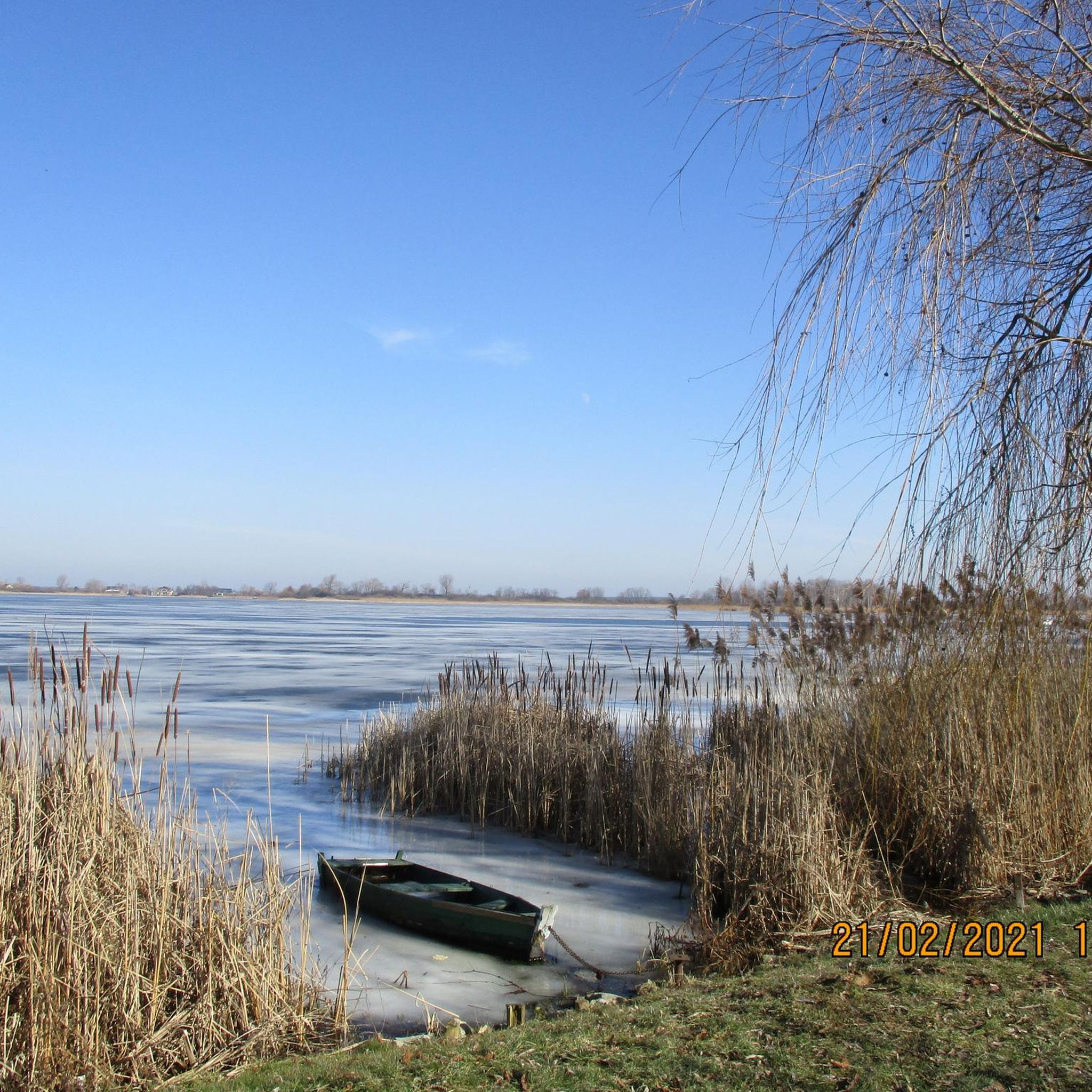
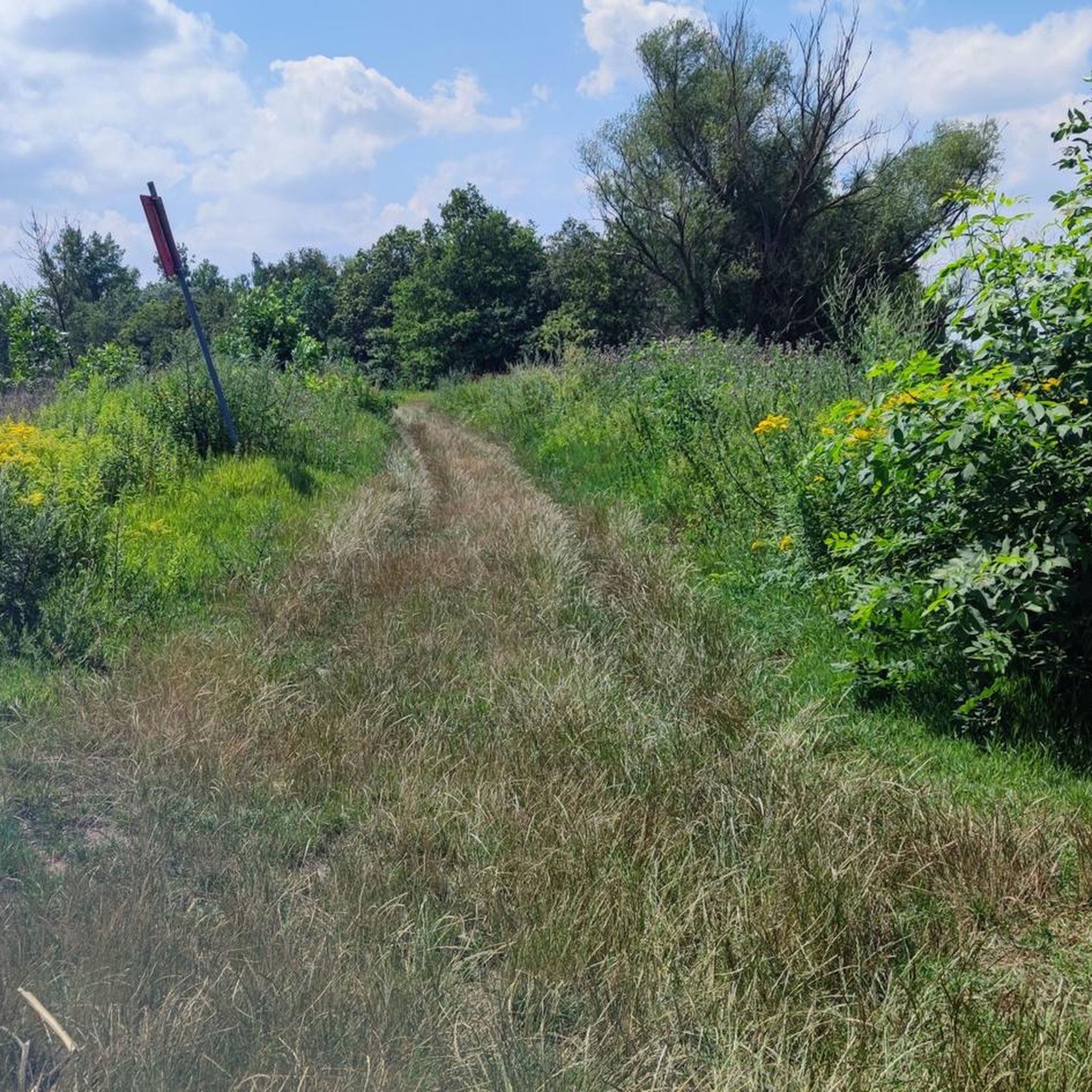
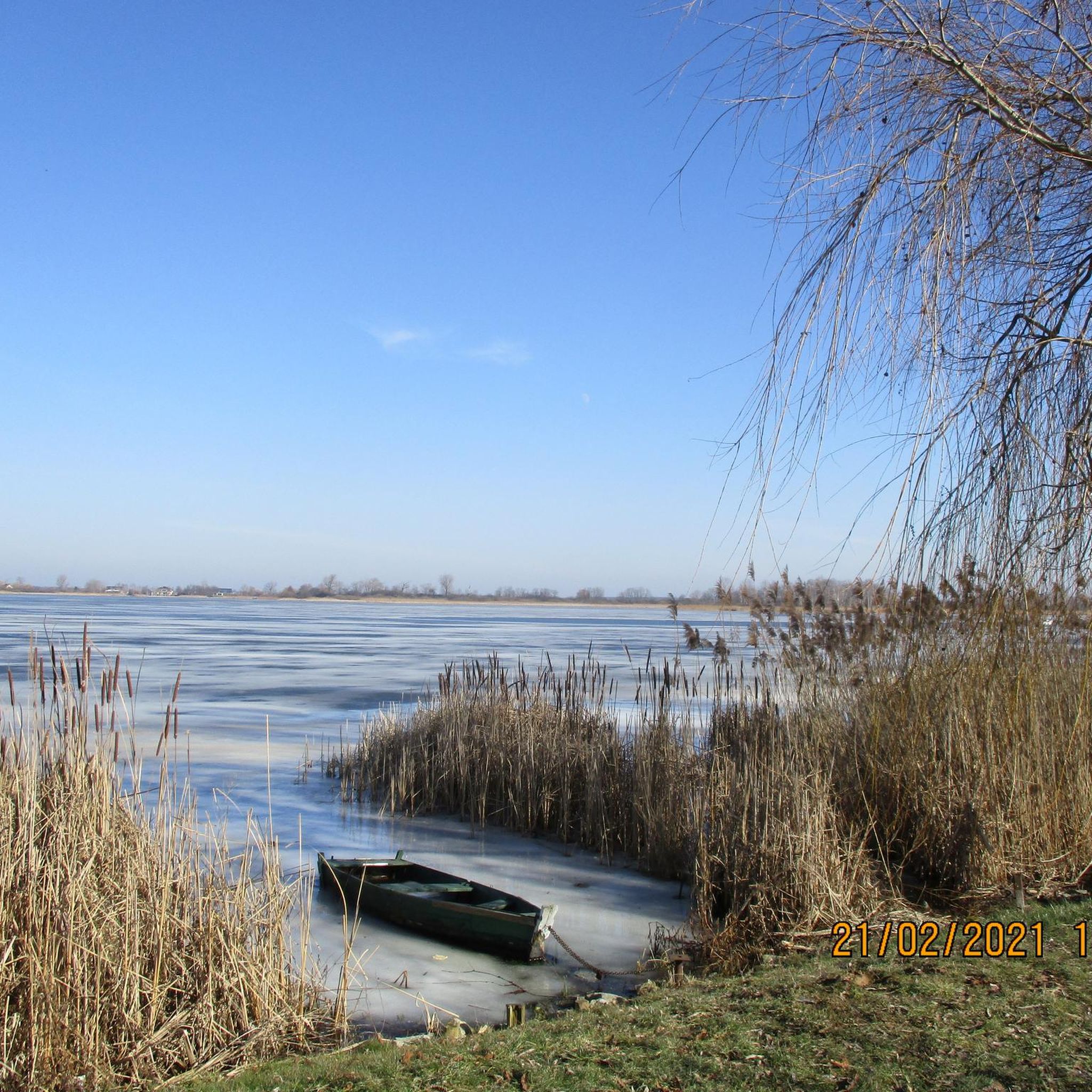
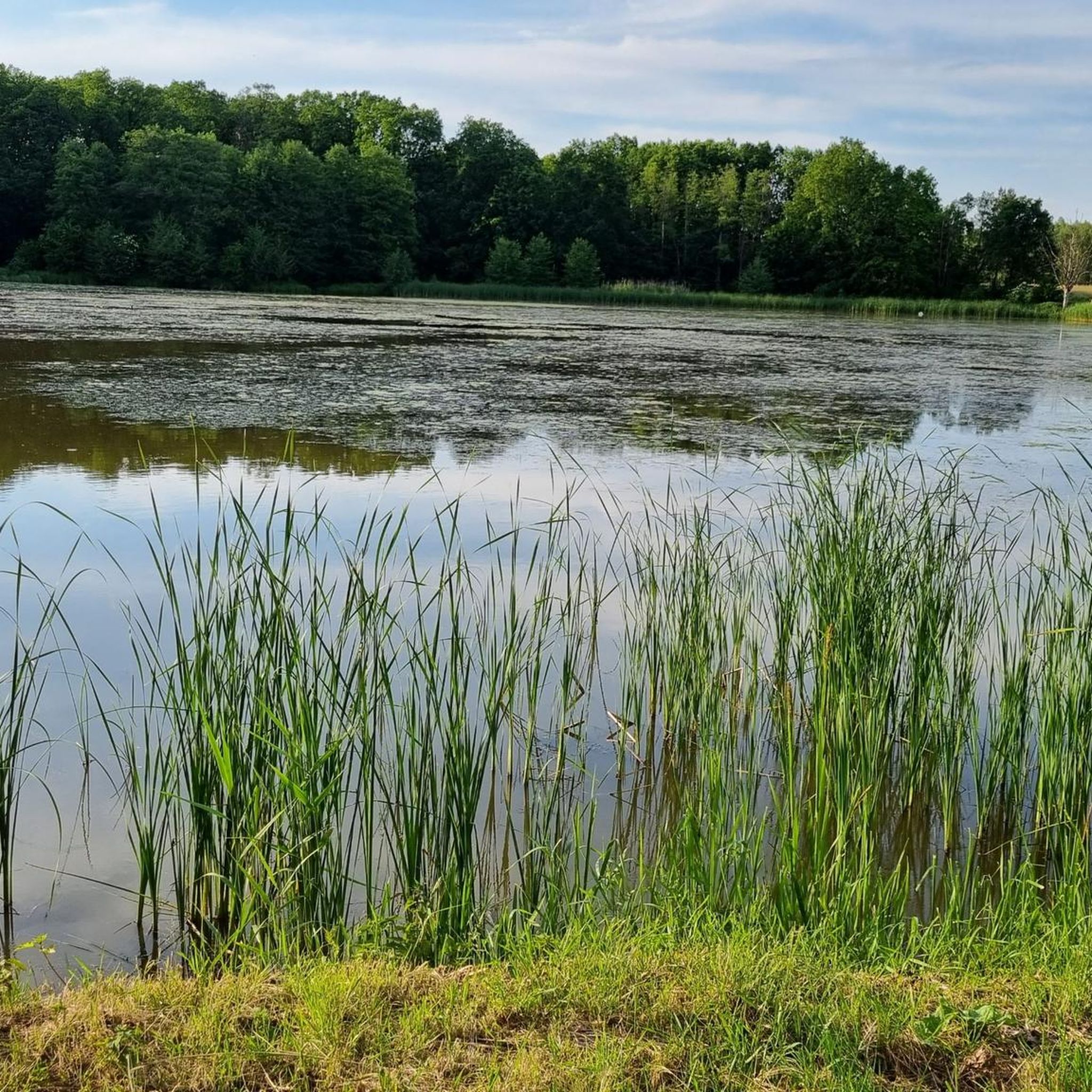
The terrain in gmina Kunice is quite diverse, characterized by the broad and flat Kaczawa River valley, numerous post-glacial lakes, and extensive forest complexes. You'll find a mix of flatlands, middle terraces, and some varied terrain in the southern part with characteristic terminal moraines. Many trails follow dedicated cycling paths, offering smooth surfaces, while others venture into natural areas like the 'Błyszcz' and 'Ponikwa' nature reserves.
Are there any circular hiking routes in gmina Kunice?
Yes, many of the trails in gmina Kunice are designed as circular routes, perfect for starting and ending at the same point. For example, you can explore the Church of Our Lady in Legnica loop from Bartoszów, an easy 7.3 km trail. Another popular option is the Cycling Path in Poland loop from Iwaszkiewicza - Sikorskiego, which is 5.2 km long.
What natural attractions or landmarks can I see along the hiking trails?
Gmina Kunice is rich in natural beauty. You can explore the region's many lakes, such as Jaśkowickie Lake and the prominent Kunickie Lake, which is a major draw for recreation. The area also features significant forest complexes, including the 'Błyszcz' and 'Ponikwa' nature reserves, and the 'Pątnów Legnicki' Natura 2000 Special Protection Area, offering diverse flora and fauna.
Are there any family-friendly hiking options in gmina Kunice?
Absolutely. Gmina Kunice is well-suited for family hikes, with a large number of easy trails that feature modest elevation gains and accessible paths. Routes like the Cycling Path in Poland loop from Legnica Piekary (5.4 km) are ideal for families, often following dedicated cycling paths that are smooth and safe for children.
What do other hikers enjoy most about hiking in gmina Kunice?
The hiking experience in gmina Kunice is highly rated by the komoot community, with an average score of 4.9 stars from over 50 reviews. Hikers often praise the region's diverse landscapes, including the serene lakes and extensive forest complexes, as well as the well-maintained and accessible trails suitable for various skill levels.
Are there any historical or cultural points of interest near the trails?
While the region is primarily known for its natural landscapes, the Cistercian Trail passes through gmina Kunice, connecting picturesque villages like Golanka Górna, Spalona, and Kunice before reaching Legnica. In nearby Legnica, you can find historical sites such as Piast Castle (Zamek Piastowski) and Legnica Castle, offering a glimpse into the area's past.
What is the best time of year to go hiking in gmina Kunice?
Gmina Kunice offers pleasant hiking conditions throughout much of the year. Spring and autumn provide comfortable temperatures and beautiful scenery, with changing foliage or blooming nature. Summer is also popular, especially around the lakes, though forest trails offer shade. The region's relatively flat terrain means that even in winter, some trails may be accessible, though appropriate gear is always recommended.
Are there any trails that pass through nature reserves?
Yes, gmina Kunice is home to several protected areas. You can find trails that lead through or near the 'Błyszcz' and 'Ponikwa' nature reserves, which are fragments of deciduous forest north of Pątnów Legnicki. The Rezerwat Ponikwa loop from Pątnów Legnicki is an easy 4.8 km route that allows you to experience this protected natural environment.
Is there parking available near the trailheads in gmina Kunice?
While specific parking information for every trailhead isn't always available, many routes in gmina Kunice start from villages or developed areas like Bartoszów or Legnica Piekary, where public parking is generally accessible. Given the region's focus on outdoor recreation, you can typically find suitable spots to park your vehicle near popular starting points for hikes.
Are there any longer, more challenging hikes in the area?
While gmina Kunice is known for its many easy trails, there are also moderate options for those looking for a longer walk. For instance, the Filip Statue – Julek Statue loop from Bartoszów is a moderate 9.8 km hike that offers a good distance for a more extended outing.
Most popular routes around gmina Kunice
Most popular attractions around gmina Kunice

Get inspired with the komoot mobile app


Explore more
Browse the best Hikes in other regions.
