Top 20 Mountain Passes in John Muir Wilderness
Best mountain passes in John Muir Wilderness are located within a vast expanse along the Sierra Nevada crest. This region is characterized by its high-alpine environment and rugged terrain. Many passes are integral to the John Muir Trail, offering routes through the High Sierra. The area provides access to diverse landscapes and significant elevation changes.
Best mountain passes in John Muir Wilderness
- The most popular mountain passes is Kearsage Pass, a mountain pass that serves as a popular resupply…
Last updated: April 28, 2026
Kearsage Pass
Highlight • Mountain Pass
Tip by

Silver Pass
Highlight • Mountain Pass
Tip by

Sign up now to discover places like this
Get recommendations on the best single tracks, peaks, & plenty of other exciting outdoor places.
Sign up for free
Trail Crest
Highlight • Mountain Pass
Tip by

Lamarck Col
Highlight • Mountain Pass
Lamarck Col can be ascended from the east by traversing the glacier beneath, or from the west via a cross country scramble through Darwin Canyon. Please ensure that …
Tip by

Shepherd Pass summit
Highlight • Summit
Tip by
Sign up for free to discover even more mountain passes in John Muir Wilderness.
Sign up for free
Already have an account?
Start today with a free account
Your next adventure awaits.
Login or Signup
Popular around John Muir Wilderness
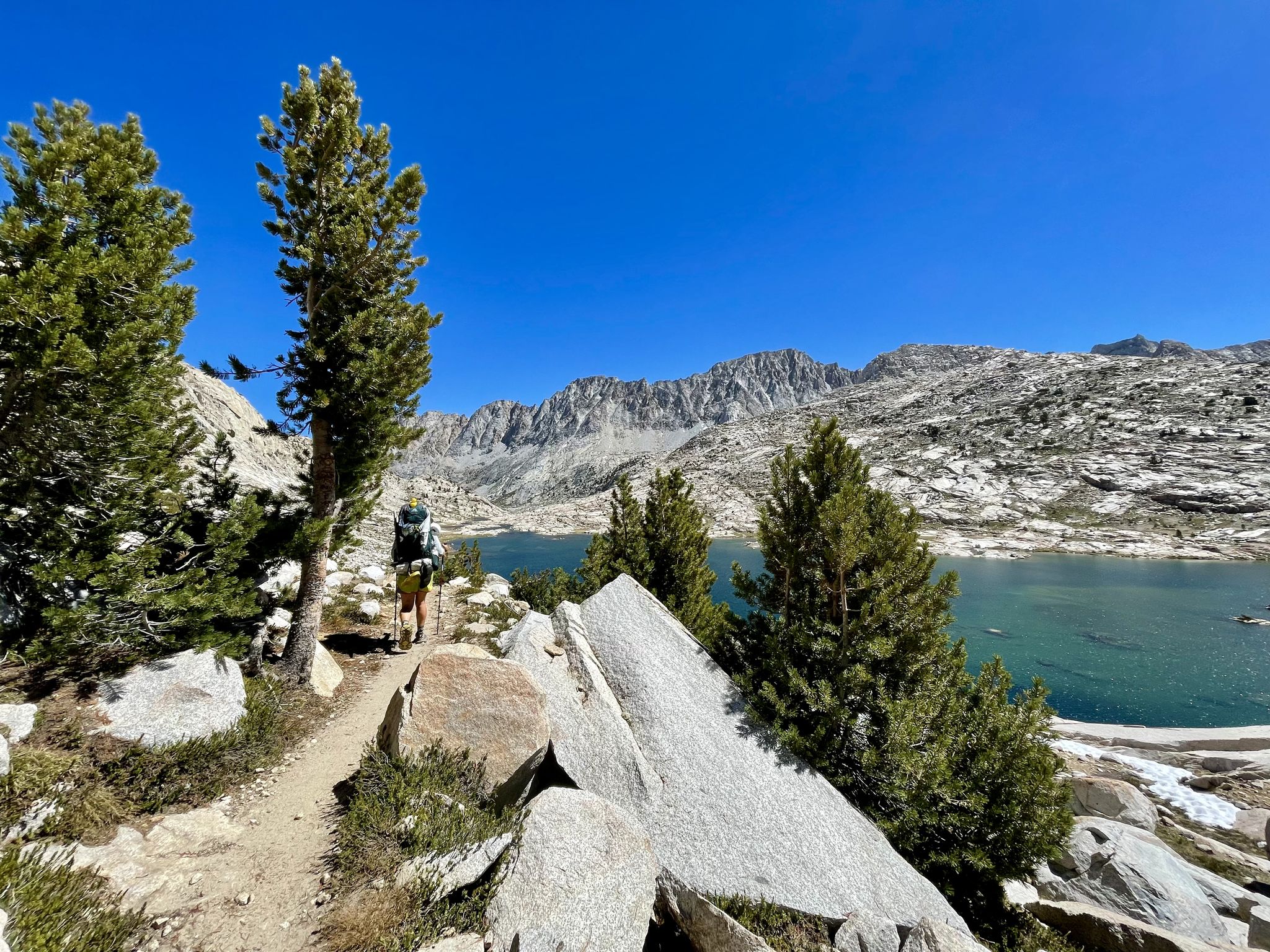
John Muir Trail – Along the legendary trail through the magical Sierra Nevada
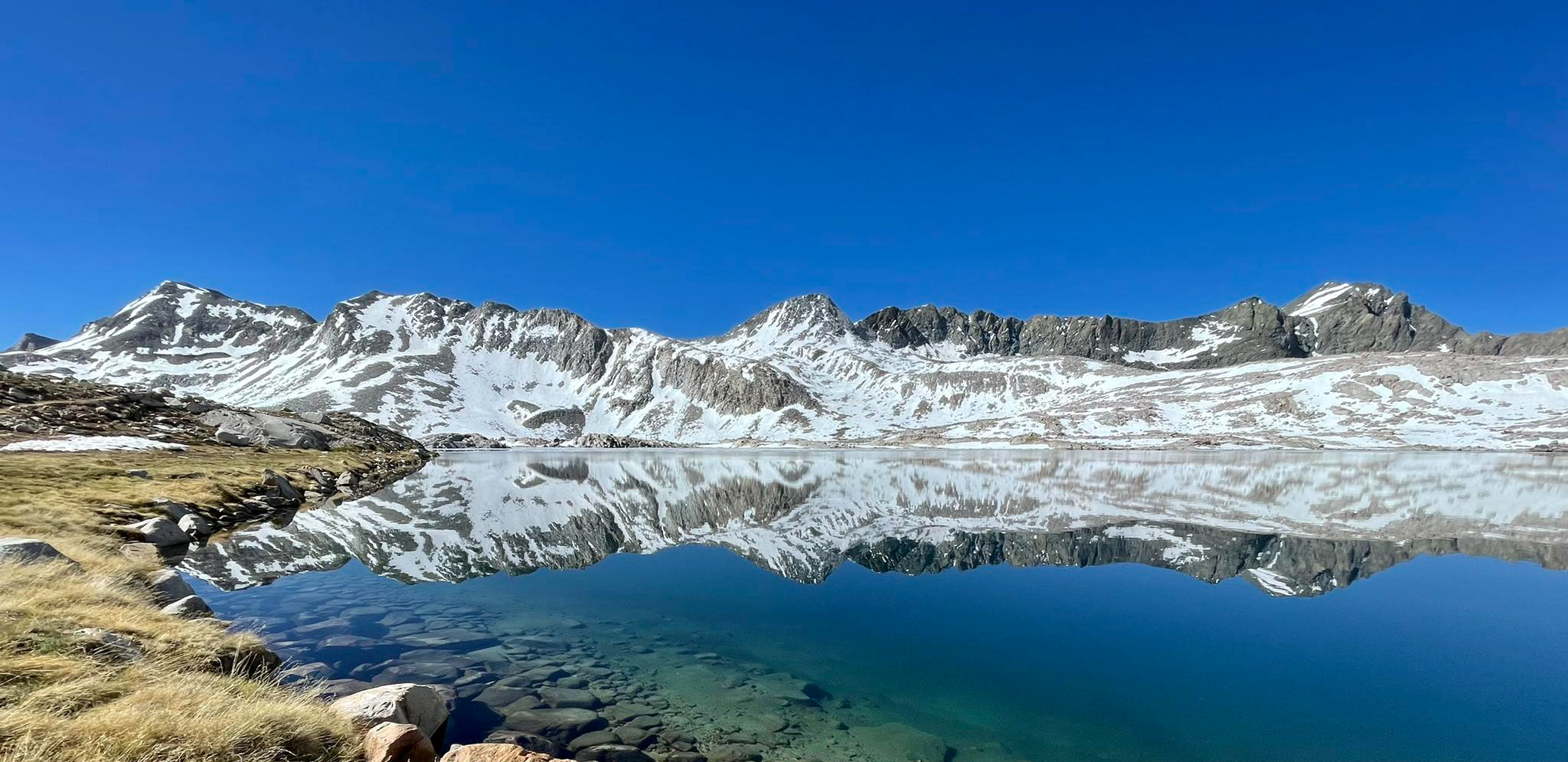
The Sierra High Route — Solitude in California's alpine country

Pacific Crest Trail from Mexico to Canada – 4,200 kilometres of wilderness
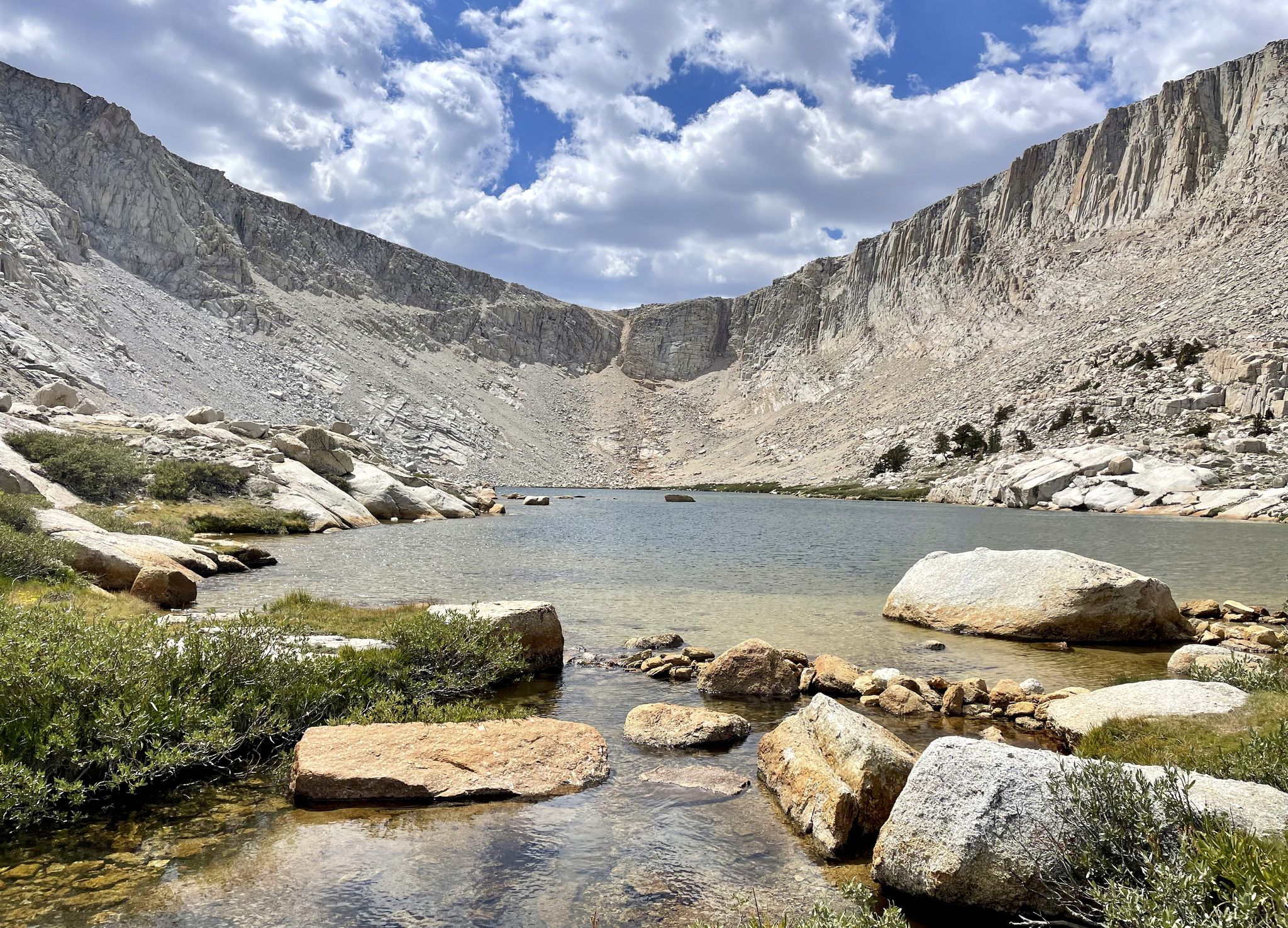
Cottonwood Lakes Loop — Exploring the Golden Trout Wilderness
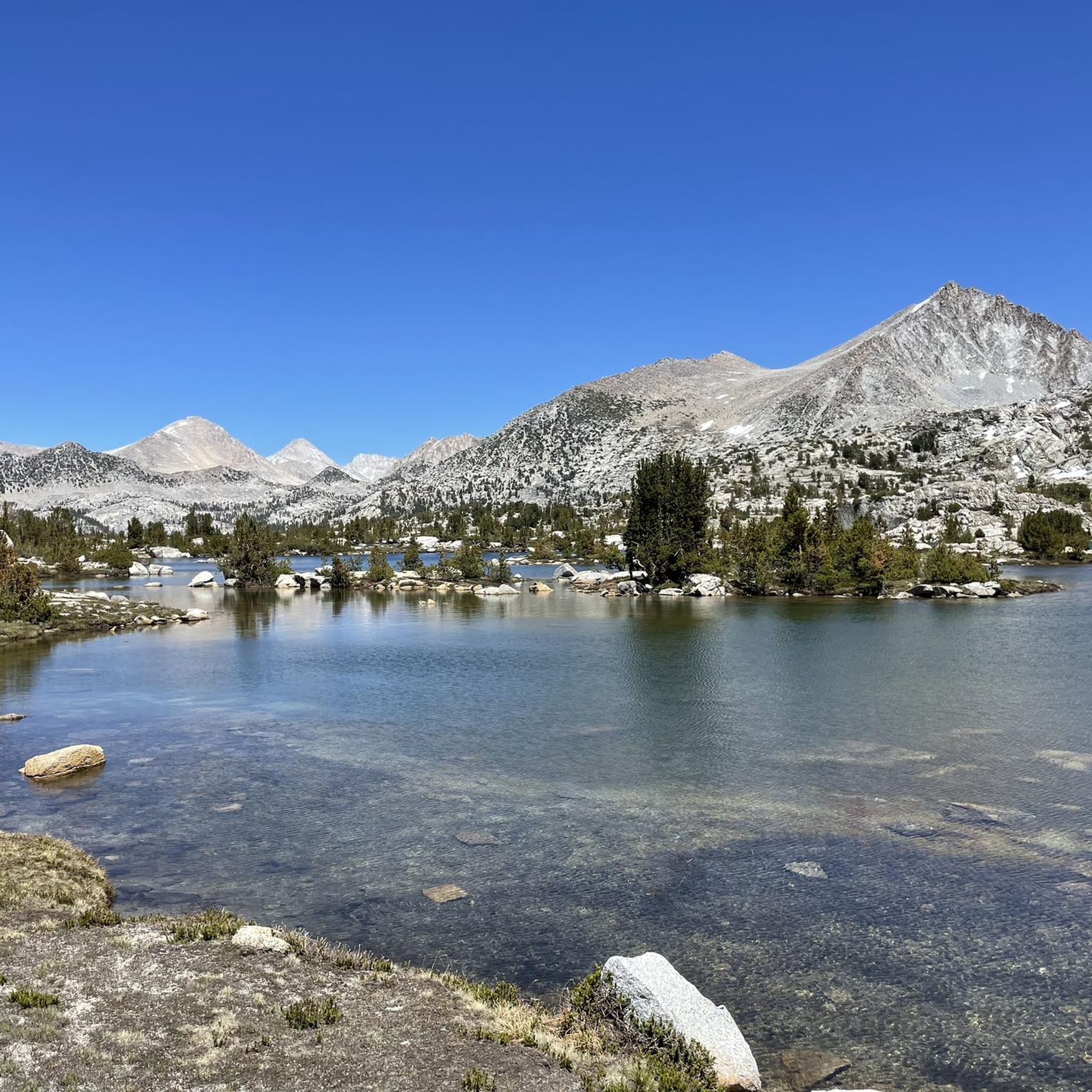
Hiking in John Muir Wilderness
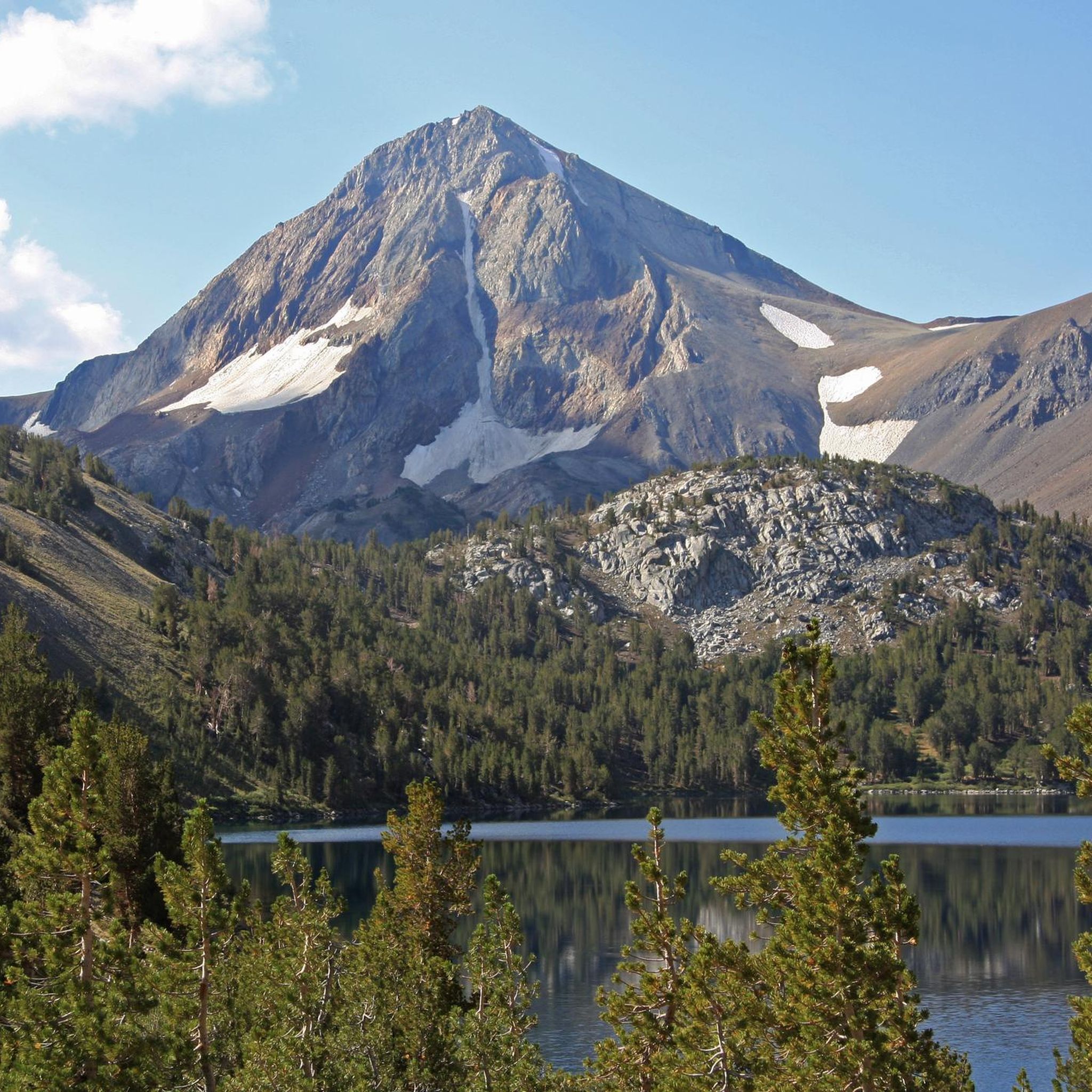
Running Trails in John Muir Wilderness
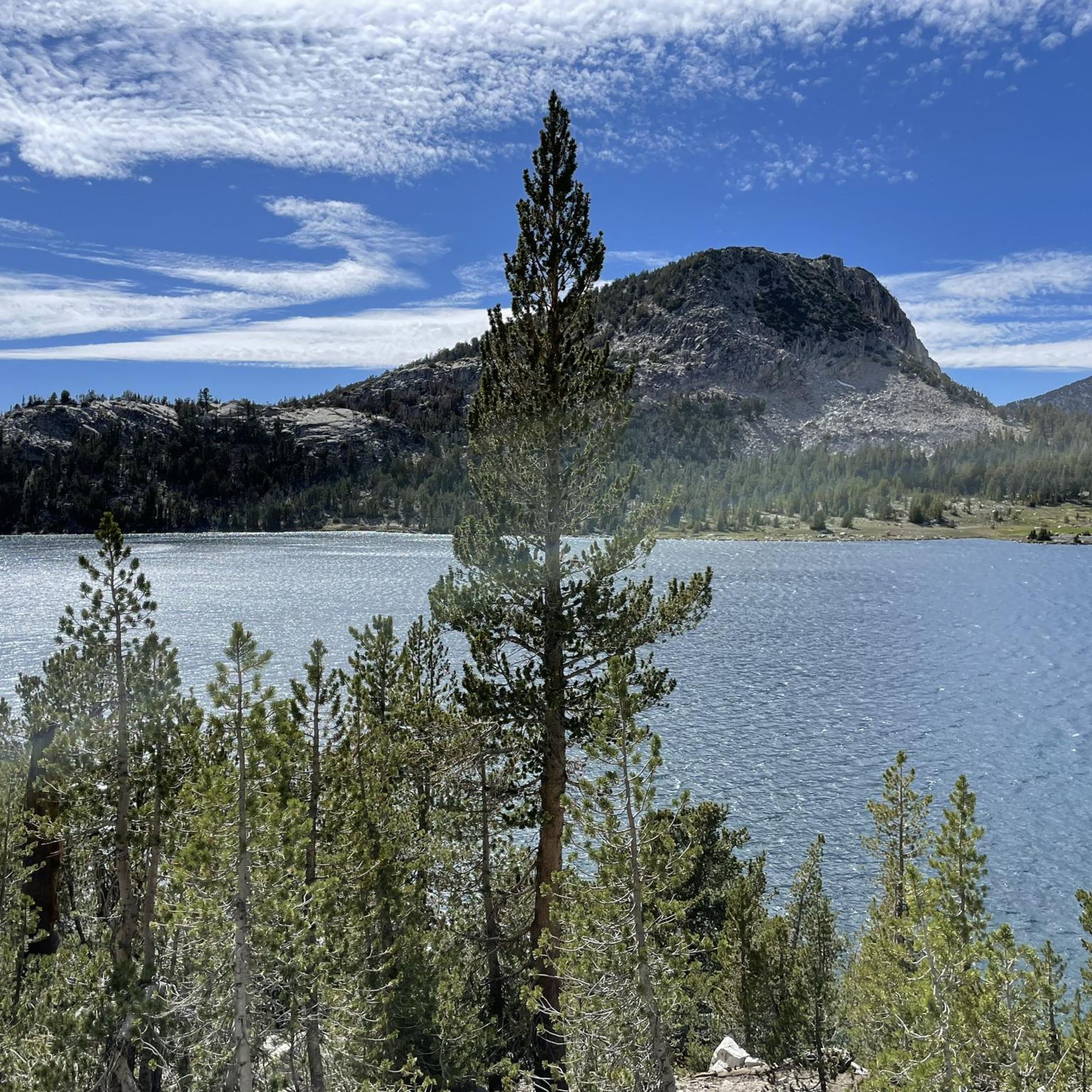
MTB Trails in John Muir Wilderness
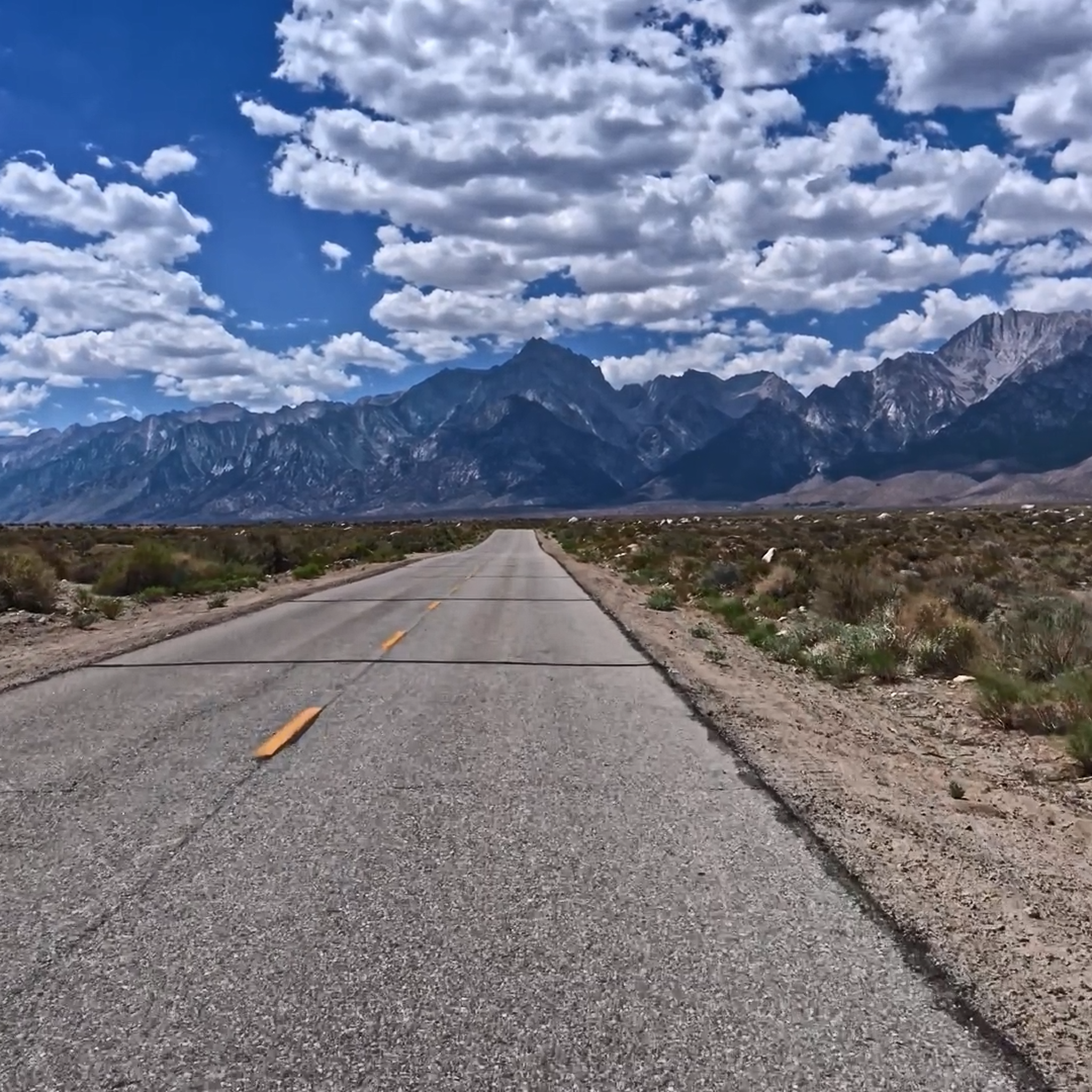
Road Cycling Routes in John Muir Wilderness
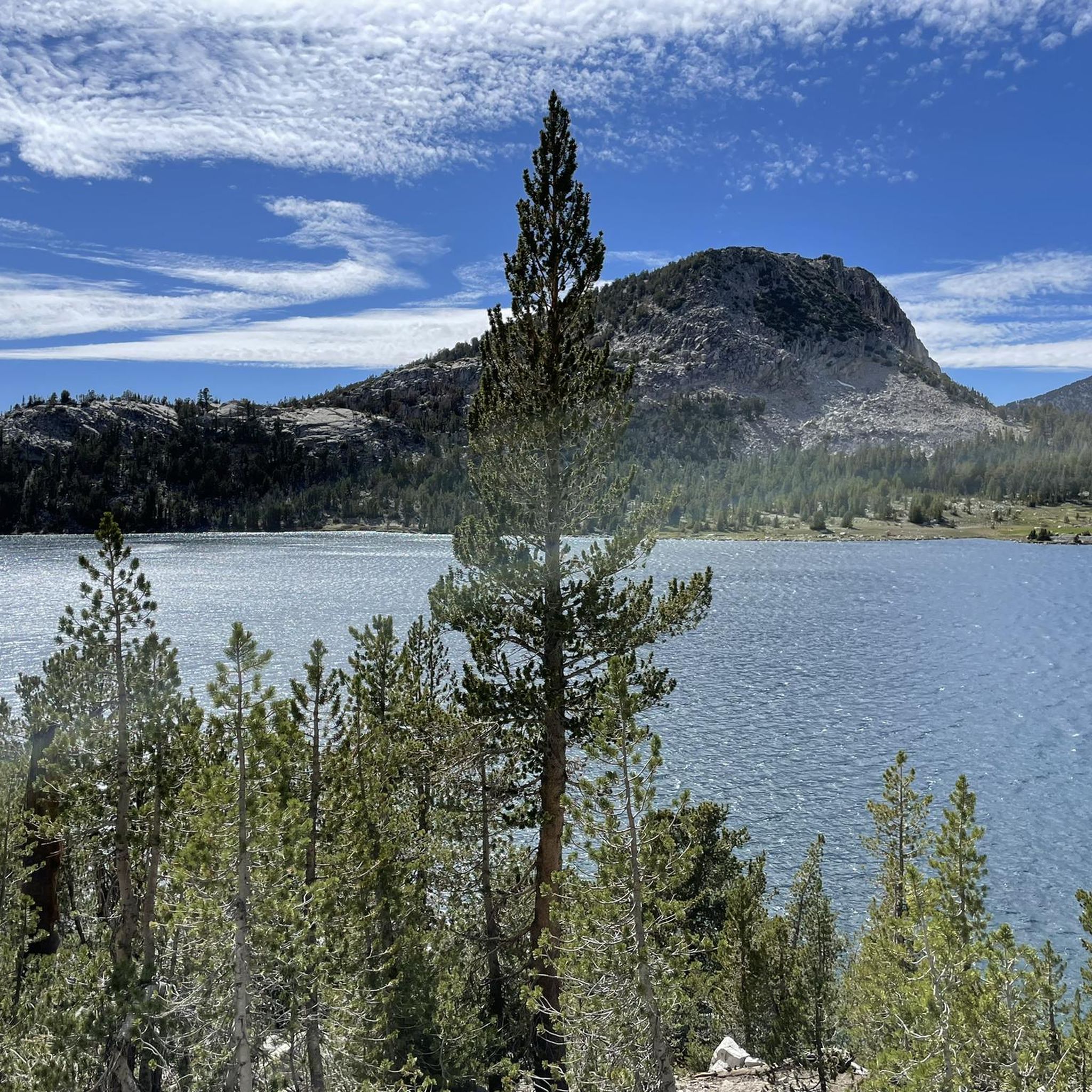
Cycling in John Muir Wilderness

Gravel biking in John Muir Wilderness
Other adventures in John Muir Wilderness


Tips from the Community

Trail Crest is a major junction at 13,600 feet where the High Sierra Trail meets the Mt. Whitney Trail on the eastern side of the Sierra Nevada. It marks the highest pass on the route before summiting Mount Whitney (14,505 feet) or descending toward Whitney Portal (8,360 feet). Located about 2 miles from the Whitney summit and 8.5 miles from Whitney Portal, Trail Crest is the point where High Sierra Trail hikers must decide whether to continue to the summit or begin their long descent to Whitney Portal. Many hikers stash their heavy packs here before the final push to the top, but this comes with risks from marmots, and, unfortunately, thieves. From Trail Crest, the path to Whitney follows a rocky ridge with breathtaking views of both the western and eastern Sierra before reaching the summit. The descent from Trail Crest is long and steep, with countless switchbacks dropping into the Whitney Zone before reaching Whitney Portal, the official end of the High Sierra Trail.
0
0

Lamarck Col! Lamarck Col can be ascended from the east by traversing the glacier beneath, or from the west via a cross country scramble through Darwin Canyon. Please ensure that you carry proper snow gear (crampons/ice axe) if you plan on traveling over this pass! Safety first! Mount Lamarck was officially named in 1911 after French naturalist Jean-Baptist Lamarck, who was an early proponent of biological evolution. The peak sits at 4,090m, and is one of eight peaks forming the Evolution Crest of the Sierra Nevada. The first six peaks were named in 1895 after Darwin and prominent supporters of his theory of evolution. In 1911, two more peaks were added to the group: Lamarck and Mendel. A small glacier is sustained under the northern cliffs of the cirque, and precipitation on the west side of the mountain drains into Evolution Creek- a tributary of the San Joaquin River.
1
0

Kearsarge Pass is the most popular location to get off the Pacific Crest Trail to get supplies in the nearby town of Lonepine or Bishop. You have to hike down several thousand feet to get to Onion Valley and try to get a ride down to the desert floor. In 2023, the road up to Onion Valley might still be closed due to the record snow year.
2
0

You have to conquer this pass if you want your resupply in the city. But don't worry, it's less strenuous the second time! :D
0
1

At the high point of the barren Shepherd Pass the trail crosses the eastern ridge of the Sierra Nevada, but there are a few more ... From here the trail either descends to the Eastern Sierra valley, or follows a stream to the West.
1
0
Silver Pass (10,781 feet) is the one of eight major passes you have to cross hiking the Pacific Crest Trail. Although most of the other passes are named after a person, this is not the case for this one. The history goes more like this: Theodore S. Solomons, also called the “father” of the John Muir Trail by some, named a nearby creek Silver Creek in 1892, because he thought its rushing water had a silvery look. He also named a summit Silver Peak presumably due to its proximity to the creek. In 1912 the first Mount Goddard map showed the Silver Divide as well as the Silver Pass, named by the USGS. Hiking northbound, you can see Lake of the Lone Indian, Papoose Lake, Chief Lake, Warrior Lake and Squaw Lake before you hike up to Silver Pass.
5
0
Only about 4.6 miles distance from the trailhead parking at Onion Valley Road, Kearsage Pass is a popular resupply detour for long distance hikers on the John-Muir or Pacific Crest Trails. But it is also just a fantastic short day hike to gain a sweeping vista into the Kings Canyon National Park, passing 5 beautiful mountain lakes along the way.
5
0
After reaching the top of Shepherd Pass the Sierra High Route continues to the West in elevations between 10,000 and 13,000 ft (3,300 to 4,000 m). The confluence of Milestone creek with Kern river is a good place to camp in winter as it is one of only a couple places with running river water access, saving fuel and time. Crossing the river is usually good here on snow-bridges into May. June-July the snowmelt makes crossing more difficult. Day ❶ https://www.komoot.com/tour/18509726 Day ❷ https://www.komoot.com/tour/18551020
1
0
Frequently Asked Questions
What are some of the most challenging mountain passes in John Muir Wilderness?
The John Muir Wilderness is known for its challenging passes. Kearsarge Pass, while a popular resupply detour, is a significant climb. Other notably difficult passes include Forester Pass, the highest point on the Pacific Crest Trail, Mather Pass with its steep northern side, Pinchot Pass which involves the most elevation gain on the JMT, and Glen Pass, known for its exceptionally steep gradient.
Which mountain passes offer the best panoramic views in John Muir Wilderness?
Many passes in the John Muir Wilderness offer breathtaking vistas. Forester Pass provides expansive views of the High Sierra. Mather Pass rewards hikers with stunning panoramic views of the northern Sierra. Pinchot Pass also offers spectacular views from its summit, overlooking a vast wilderness.
Are there any mountain passes with historical significance in the John Muir Wilderness?
Yes, Muir Pass is distinctive for the historic stone Muir Hut located at its summit, offering a unique landmark and shelter. Silver Pass is named after Silver Creek, whose rushing water was thought to have a silvery look by Theodore S. Solomons, an early proponent of the John Muir Trail.
What is the best time of year to visit the mountain passes in John Muir Wilderness?
The best time to visit the mountain passes in John Muir Wilderness is typically during the summer and early fall months (July through September) when snow has melted, and trails are generally clear. Conditions can vary greatly, especially after heavy snow years, so always check current trail and weather reports before planning your trip.
What kind of natural features can I expect to see around the mountain passes?
The mountain passes in John Muir Wilderness are surrounded by stunning natural beauty. You can expect to see numerous alpine lakes, such as the five beautiful mountain lakes along the way to Kearsarge Pass, or Lake of the Lone Indian, Papoose Lake, Chief Lake, Warrior Lake, and Squaw Lake near Silver Pass. The region also features rugged peaks, high-alpine environments, and dramatic landscapes.
Are there any family-friendly mountain passes or trails in the John Muir Wilderness?
While many passes in the John Muir Wilderness are challenging, some sections or approaches might be more suitable for families. For example, Kearsarge Pass, though a significant climb, is a popular option for a day hike, passing five beautiful mountain lakes. Always assess the difficulty and elevation gain for your family's experience level.
What outdoor activities can I do near the mountain passes in John Muir Wilderness?
The John Muir Wilderness offers a wide range of outdoor activities. You can explore numerous hiking trails like the Cottonwood Lakes Trail or Duck Pass Trail. For cycling enthusiasts, there are routes around Lake Sabrina or South Lake. Gravel biking is also popular, with routes around Mammoth Lakes. You can find more details on these activities in the Hiking in John Muir Wilderness, Gravel biking in John Muir Wilderness, and Cycling in John Muir Wilderness guides.
Do I need permits to hike the mountain passes in John Muir Wilderness?
Yes, permits are generally required for overnight backpacking trips into the John Muir Wilderness, especially for popular trails like the John Muir Trail which many of these passes are part of. Day-use regulations can vary. It's crucial to check with the relevant wilderness agencies (e.g., Inyo National Forest, Sierra National Forest, Kings Canyon National Park) for the most up-to-date permit requirements and reservation systems before your trip.
Which mountain pass is considered the highest on the Pacific Crest Trail within this region?
Forester Pass, standing at 13,117 feet (or 13,153 feet depending on the source), is the highest point on the Pacific Crest Trail (PCT) and one of the highest passes on the John Muir Trail within the John Muir Wilderness.
What makes Donohue Pass unique among the John Muir Wilderness passes?
Donohue Pass is notable as one of the early passes on the John Muir Trail when hiking southbound from Yosemite. It marks the exit from Yosemite National Park into the Ansel Adams Wilderness, offering significant views as hikers venture deeper into the High Sierra.
What is the significance of Trail Crest?
Trail Crest is a major junction at 13,600 feet where the High Sierra Trail meets the Mt. Whitney Trail. It marks the highest pass on the route before summiting Mount Whitney or descending toward Whitney Portal, offering breathtaking views of both the western and eastern Sierra.
Are there any less crowded mountain passes in the John Muir Wilderness?
While many passes on the main John Muir Trail can be popular, some passes or alternative routes might offer a more secluded experience. For example, Lamarck Col, while challenging, involves cross-country travel and may see fewer hikers than the main JMT passes. Always research specific trail conditions and popularity if seeking solitude.
Most popular routes in John Muir Wilderness
Most popular attractions in John Muir Wilderness

Get inspired with the komoot mobile app


Explore more
See even more epic mountain passes by checking out these guides in John Muir Wilderness:
