Presidential Range-Dry River Wilderness
Presidential Range-Dry River Wilderness
Attractions and Places To See in Presidential Range-Dry River Wilderness - Top 11
Best attractions and places to see in Presidential Range-Dry River Wilderness, located within New Hampshire's White Mountain National Forest, offers a rugged natural experience across approximately 27,605 to 29,000 acres. This federally designated wilderness is characterized by steep slopes, high ridgelines, and diverse ecosystems. The area features long, high ridgelines like the Southern Presidentials and Montalban Ridge, contrasting with river valleys. It is known for its spruce-fir forests, northern hardwood forests, and alpine tundra, providing a range of natural landscapes.
…Last updated: June 29, 2026
Mount Jackson Summit
Highlight • Summit
Tip by

Lake of the Clouds Hut and Lakes View
Highlight • Mountain Hut
Tip by

Sign up now to discover places like this
Get recommendations on the best single tracks, peaks, & plenty of other exciting outdoor places.
Sign up for free
Mount Pierce
Highlight • Summit
Tip by
Mount Isolation
Highlight • Summit
Translated by Google •
Tip by

Mizpah Spring Hut
Highlight • Mountain Hut
Tip by

Sign up for free to discover even more attractions in Presidential Range-Dry River Wilderness.
Sign up for free
Already have an account?
Start today with a free account
Your next adventure awaits.
Login or Signup
Popular around Presidential Range-Dry River Wilderness
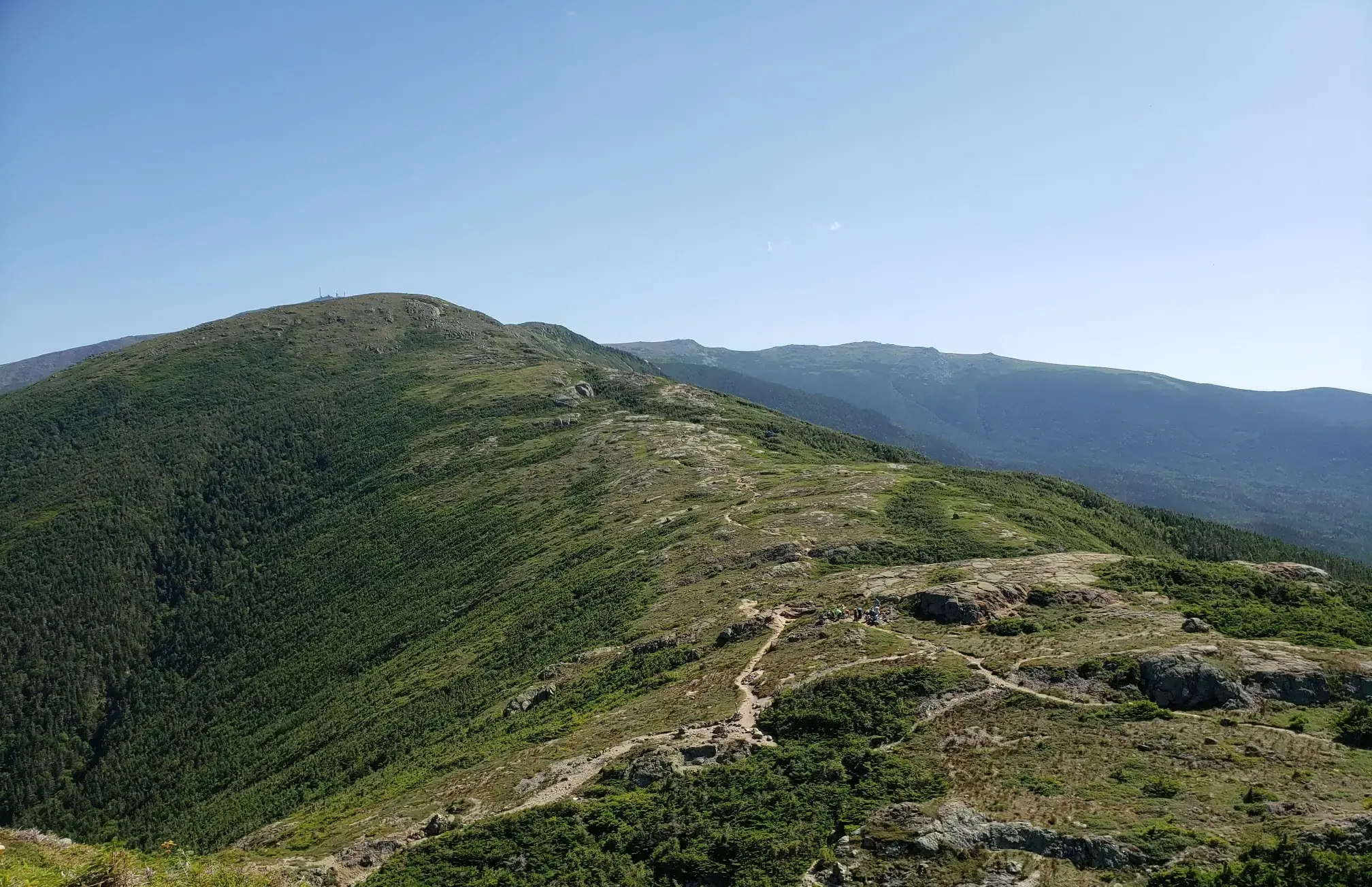
The Presidential Traverse — A classic New Hampshire sandbag
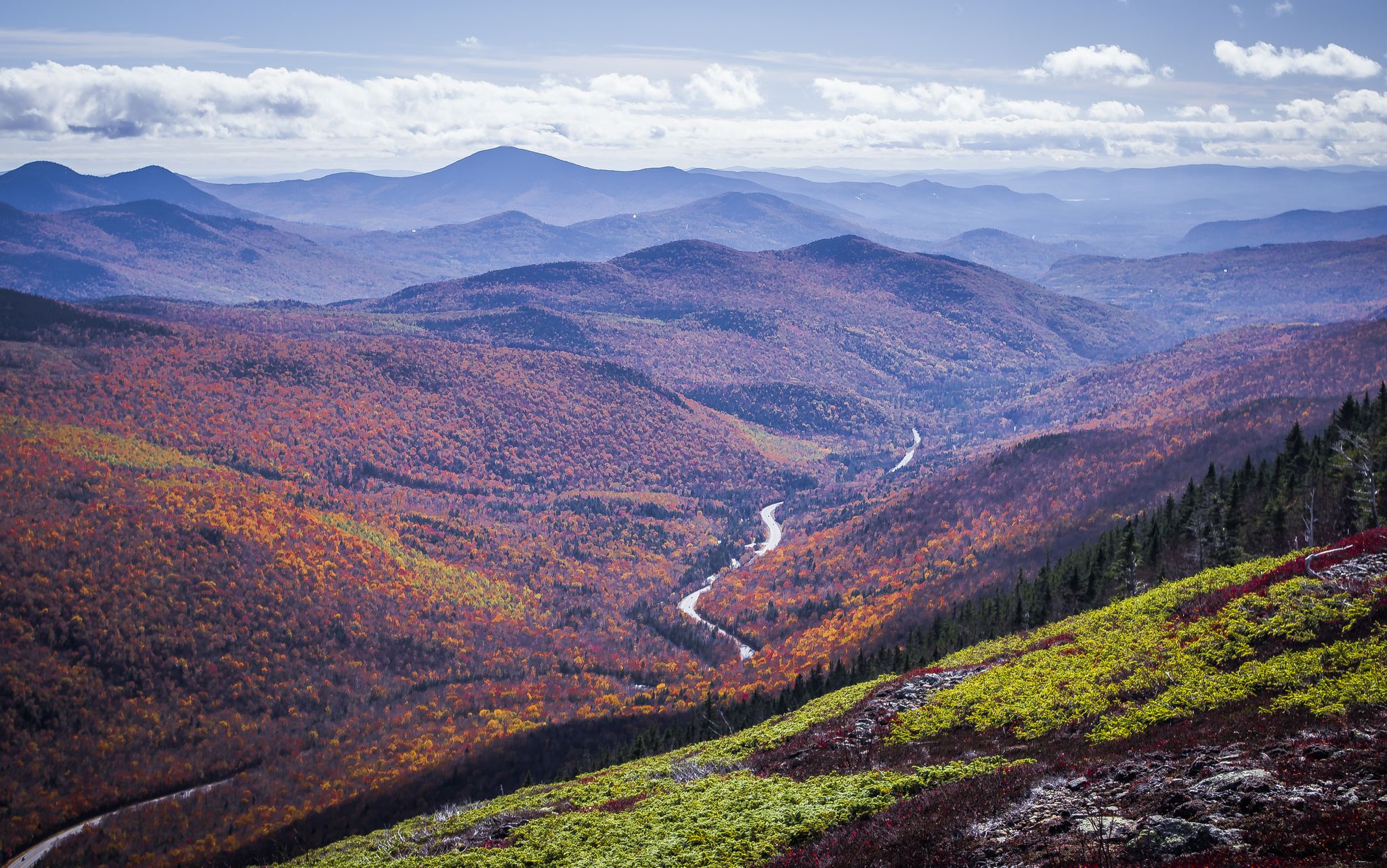
Cohos Trail — Exploring New Hampshire’s remote North Woods
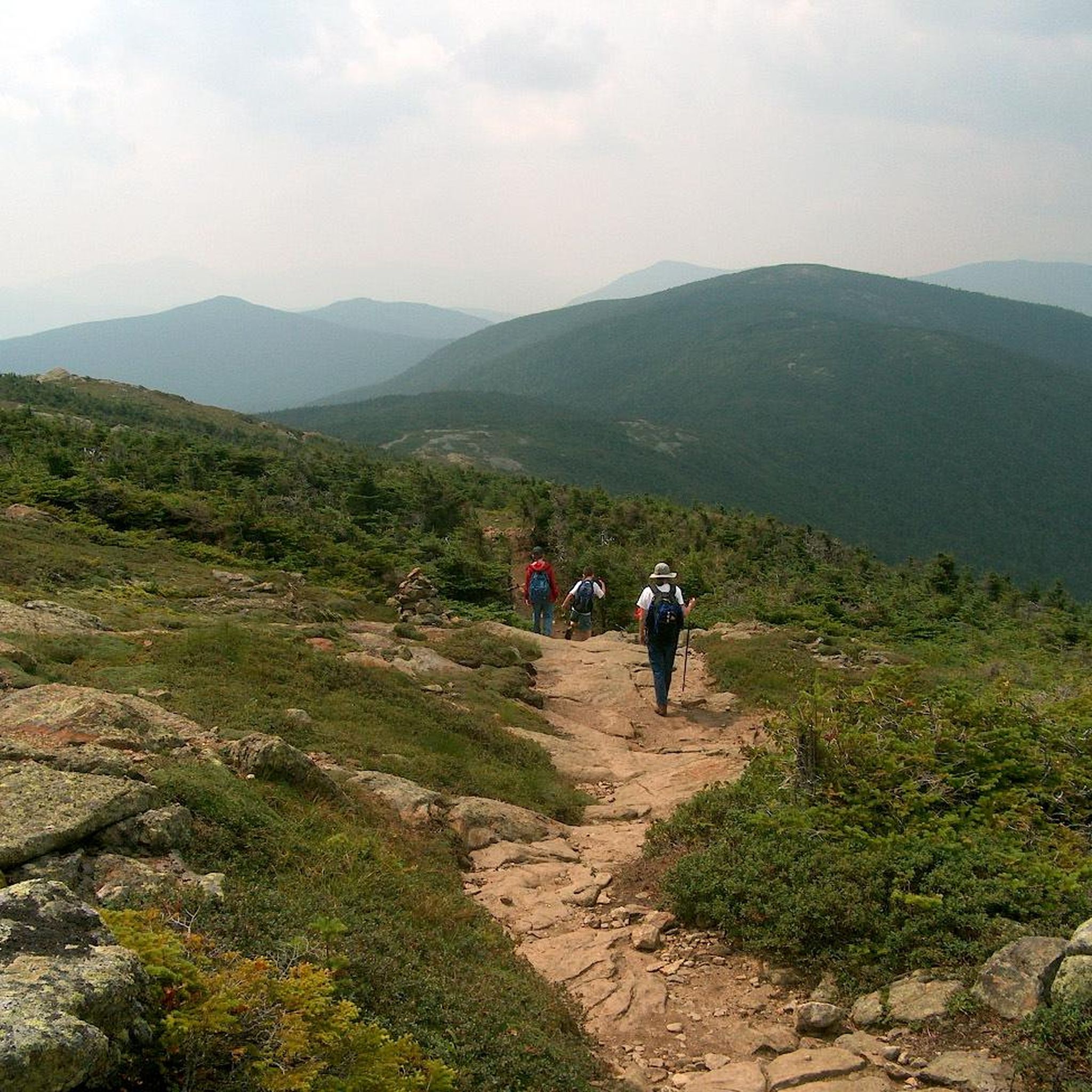
Hiking in Presidential Range-Dry River Wilderness
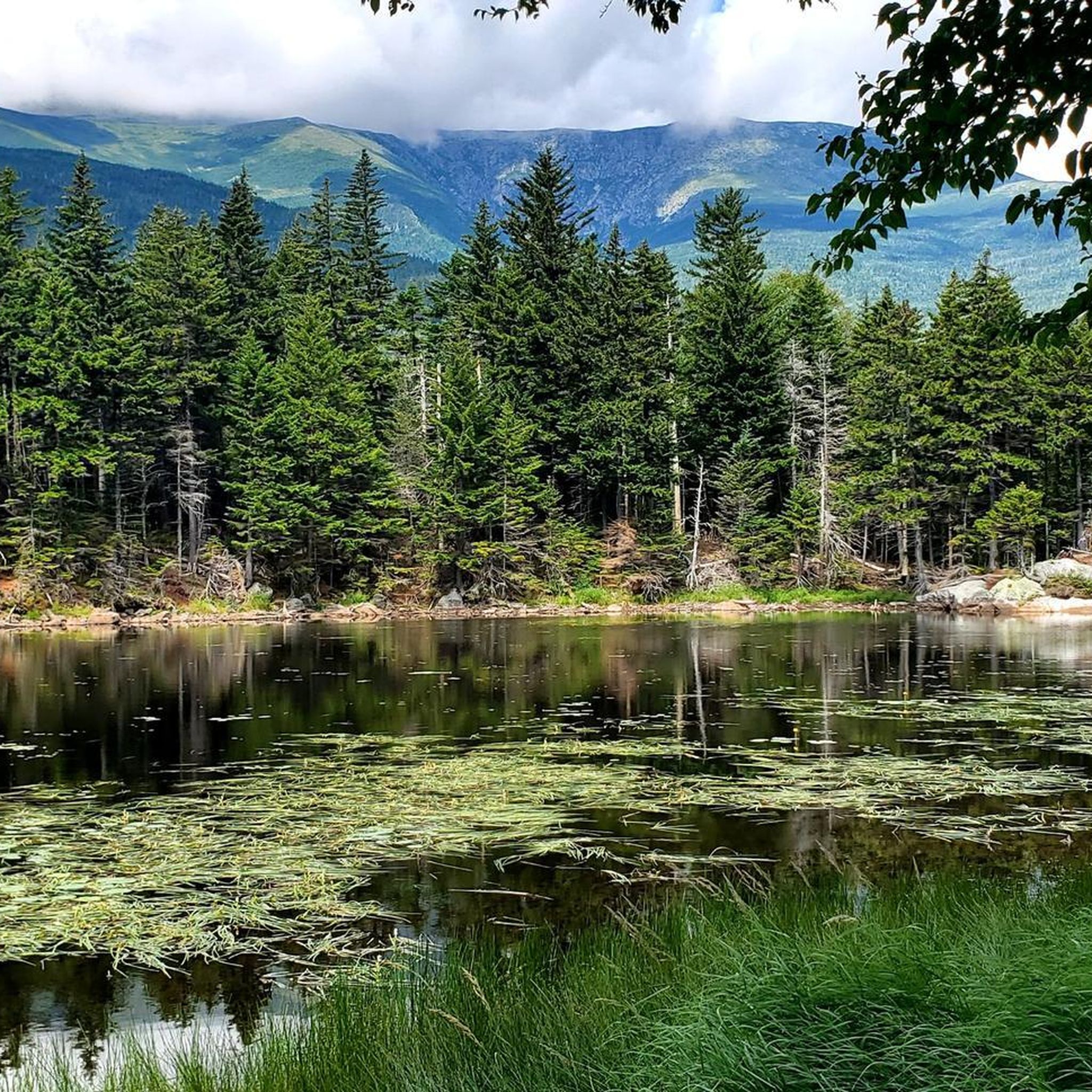
Running Trails in Presidential Range-Dry River Wilderness
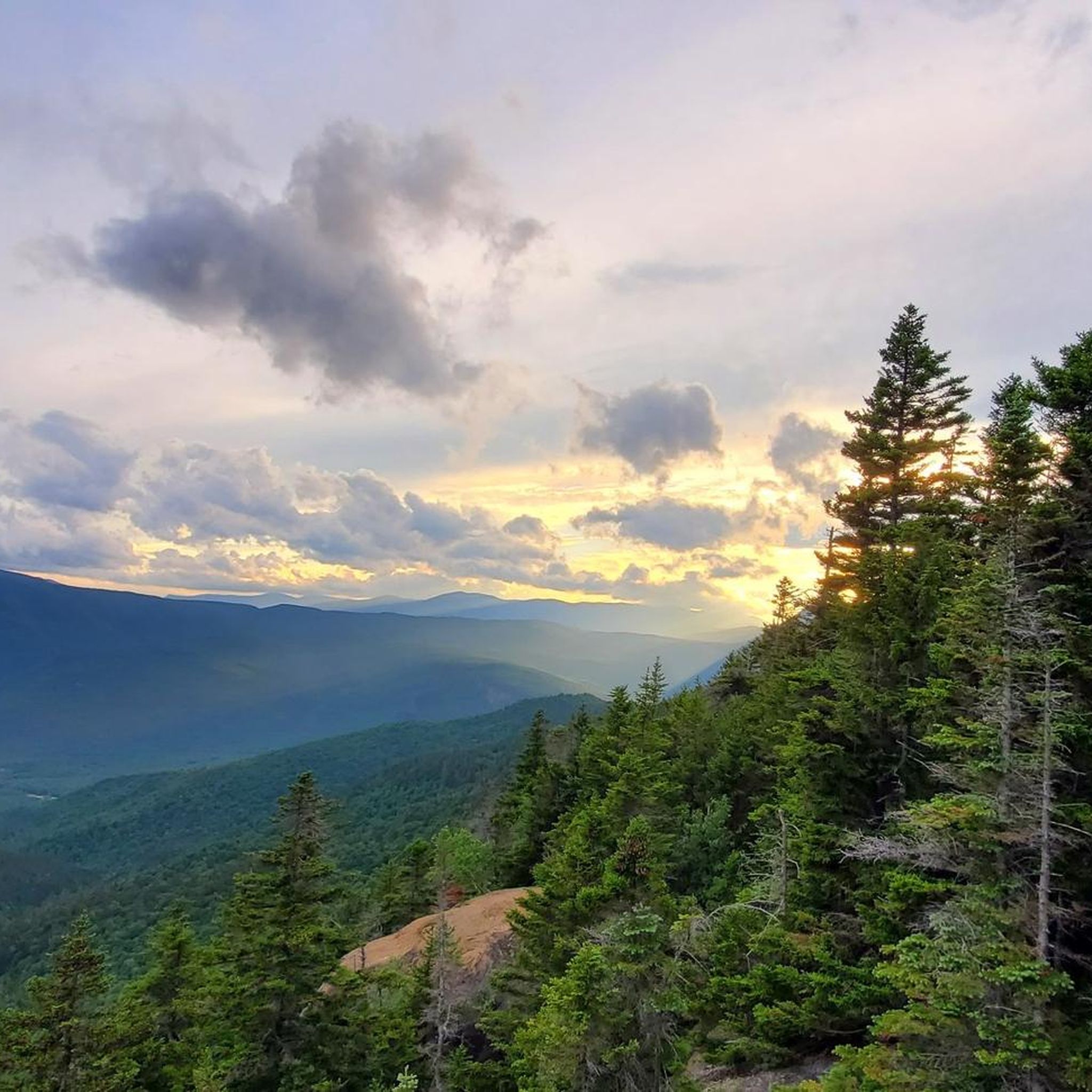
Road Cycling Routes in Presidential Range-Dry River Wilderness
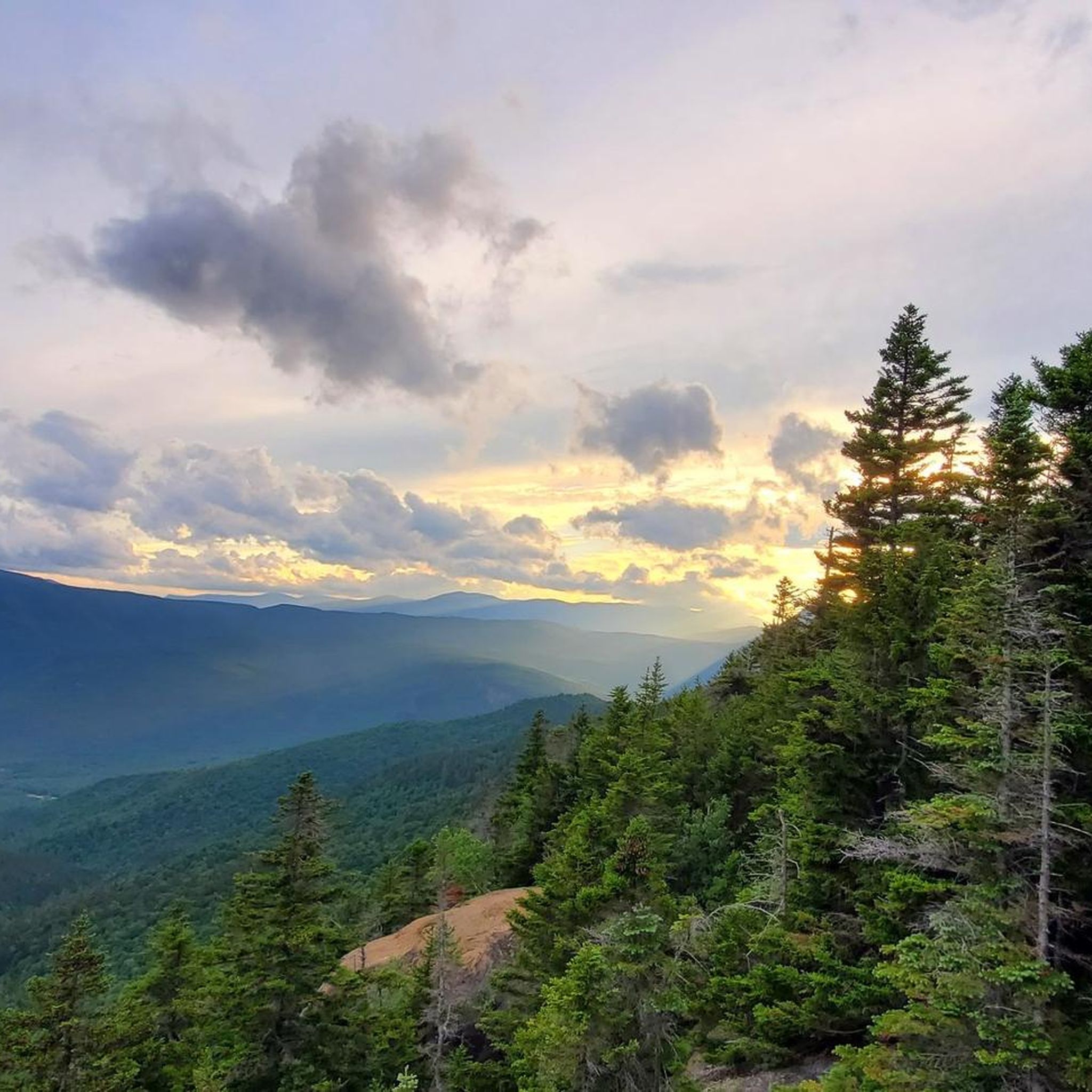
Cycling in Presidential Range-Dry River Wilderness
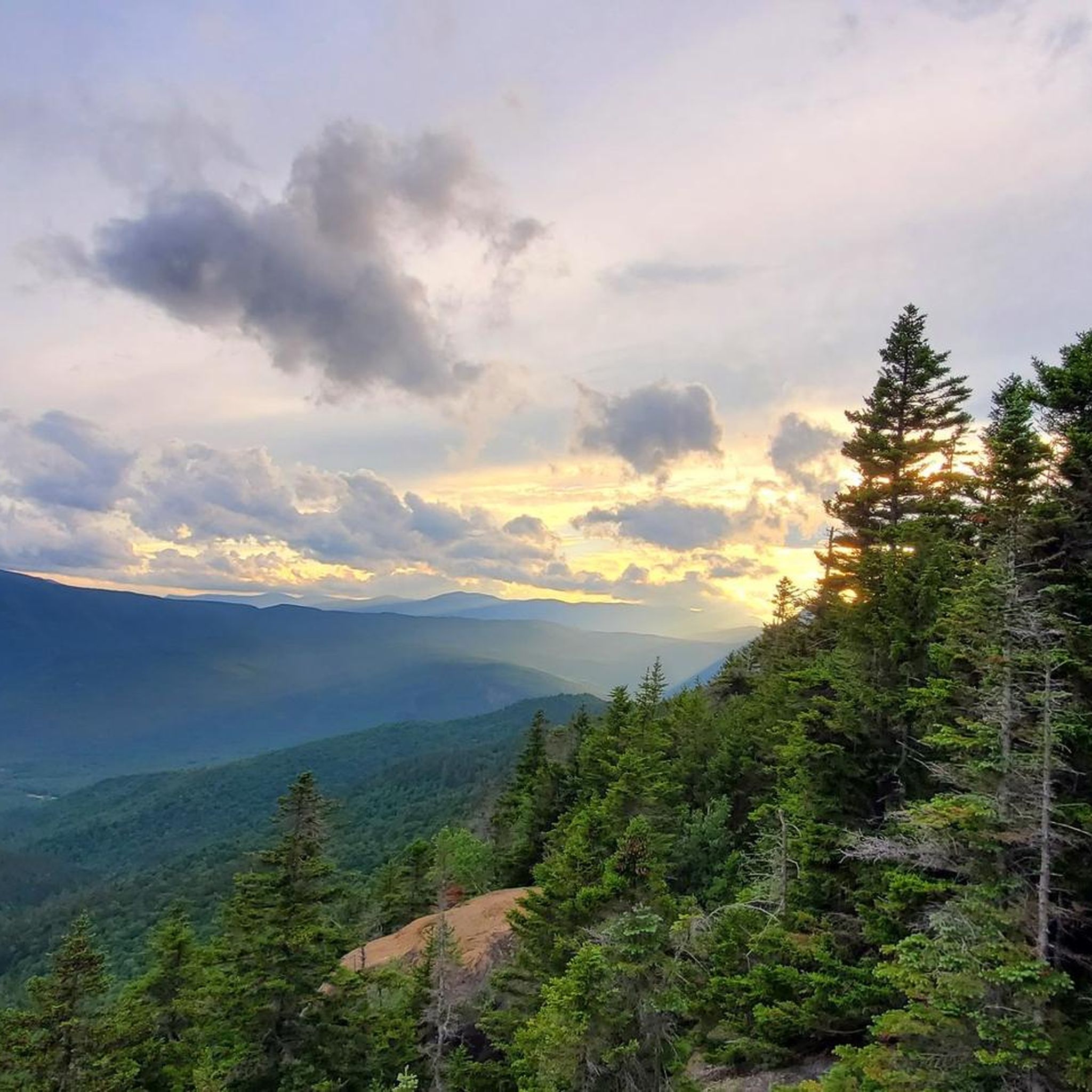
MTB Trails in Presidential Range-Dry River Wilderness
Other adventures in Presidential Range-Dry River Wilderness

Tips from the Community

Mount Pierce stands at 4,310 feet and is toward the southern end of the Presidential Range. From its summit, you get sweeping views north toward Mount Eisenhower and Mount Washington from a mix of alpine scrub and rocky ledges. Named after Franklin Pierce, the only U.S. president from New Hampshire, it’s a must stop if tagging all the peaks along on the Presidential Traverse, or those looking for a challenging day hike.
1
0
Lake of the Clouds Hut is the highest and one of the most iconic of the AMC’s backcountry huts. Perched at 5,012 feet between Mount Monroe and Mount Washington, it offers stunning alpine views, dramatic sunsets, and a front-row seat to the Presidential Range’s famously unpredictable weather. It's a great place to stop and refill water bottles or shelter from the weather on a day hike or an iconic (and popular!) place to spend the night. The hut is full-service during the summer and early fall, with bunk accommodations, family-style dinner and breakfast, potable water, and composting toilets. It sleeps over 90 hikers and is a popular overnight stop for those tackling the Presidential Traverse. Reservations are essential and fill quickly.
1
0

Nestled in the White Mountain National Forest, the Mizpah Spring Hut is a cozy stop for hikers exploring the Presidential Range. Offering bunk accommodations, hearty meals, and potable water, it’s a great place to rest and recharge while enjoying breathtaking views of the surrounding mountains. Whether you're tackling a challenging trail or looking for a serene overnight retreat, this Appalachian Mountain Club hut is a memorable part of any White Mountains adventure.
0
0

Nice stop at mountain lakes
0
0

From this view you can clearly see the lakes and this hut. Lake of the Clouds is one of the most visited destinations in the area. Above the treeline, it often seems that the clouds are sitting on top of the water.
0
0
At an elevation of 4,052 feet, Mount Jackson is the 38th tallest mountain in the state. It sits along a major ridge in the Presidential Range and is a rewarding run.
0
0
Mount Isolation (4,003 feet) is one of the multiple summits over 4,000 feet in the Presidential Range of the White Mountains. A lot of the trails passing through the range can be connected to this summit, which has great 360 degree panoramic views.
0
0

walking on the "Presidential Range", expect to find the names of the presidents of the United States. This peak, which was once called Clinton, was renamed Mount Pierce. To reach it the steep Crawford trail awaits you.
1
0
Frequently Asked Questions
What notable huts are available for hikers in the Presidential Range-Dry River Wilderness?
The wilderness features iconic Appalachian Mountain Club (AMC) huts. The Lake of the Clouds Hut and Lakes View, perched at 5,012 feet, is the highest and most iconic, offering stunning alpine views and services during summer and early fall. Another option is Mizpah Spring Hut, a cozy stop for resting and recharging with bunk accommodations and meals amidst mountain views.
Which summits offer the best views in the Presidential Range-Dry River Wilderness?
Several summits provide rewarding views. Mount Jackson Summit, one of the southernmost peaks of the Presidential Range, offers excellent hiking opportunities and views. Mount Isolation, though remote, provides 360-degree panoramic views. Additionally, Stairs Mountain Summit View, with its rocky bald area, serves as a lookout point.
What are the prominent natural features of the Presidential Range-Dry River Wilderness?
The wilderness is characterized by its rugged topography, including the long, high ridgelines of the Southern Presidentials and Montalban Ridge. It boasts diverse vegetation, from spruce-fir and northern hardwood forests to the largest contiguous area of alpine tundra east of the Rocky Mountains. The Dry River itself, along with other streams, is known for being cold, clear, and swift, fed by snowmelt. Oakes Gulf, a large glacial cirque, is also a significant feature.
What kind of wildlife can I expect to encounter in the wilderness?
Visitors have the chance to see a variety of wildlife, including deer, moose, black bears, Canada lynx, fishers, beavers, and coyotes. Birdwatchers might spot peregrine falcons, and bobcats are also present in the area.
Are there challenging hiking trails in the Presidential Range-Dry River Wilderness?
Yes, the wilderness offers challenging trails. The 9.6-mile Dry River Trail, for instance, features difficult stream crossings and provides access to other trails leading to the Lakes of the Clouds Hut. Many trails adhere to 'wilderness standards' without painted blazes and are not recommended for inexperienced hikers, making the region a notable training ground for mountaineers.
Are there any easy hiking trails suitable for beginners in the area?
While the wilderness itself is rugged, there are easier hiking options nearby. You can find several easy trails, such as the Bemis Brook Waterfalls Trail, Coliseum Falls & Arethusa Falls, and Ripley Falls from Ethan Pond Trailhead. For more details and routes, you can explore the Easy hikes in Presidential Range-Dry River Wilderness guide.
What is the best time to visit the Presidential Range-Dry River Wilderness?
The best time to visit depends on your preferred activities. Summer and early fall are popular for hiking, with the AMC huts fully serviced. Autumn offers spectacular views of the northern hardwood forests. However, the region's challenging weather, especially in higher elevations, means conditions can be unpredictable year-round. Winter offers opportunities for snowshoeing and mountaineering for experienced hikers.
Are there any historical or cultural elements within the wilderness?
While primarily natural, the wilderness has historical connections. The Appalachian Mountain Club (AMC) huts, like Lake of the Clouds Hut and Lakes View and Mizpah Spring Hut, reflect a long history of outdoor recreation. The Davis Path, completed in 1845, was historically a significant route to Mount Washington, representing past human passage through these mountains.
What makes Mount Isolation a unique hiking experience?
Mount Isolation, at 4,003 feet, is known for its remote location. It offers a sense of solitude and seclusion in the New Hampshire woods, providing a different experience compared to more frequently visited peaks. Despite not being among the highest, its 360-degree panoramic views are highly regarded by hikers.
What are the characteristics of the Dry River itself?
The Dry River, despite its name, is known for being a swift and cold waterway, especially after rain. It carves sharply through the heart of the wilderness and is fed by snowmelt well into the summer. The river and its crossings are a notable feature for hikers on the Dry River Trail.
What other outdoor activities can I do near these attractions besides hiking?
Beyond hiking, the surrounding area offers opportunities for road cycling. You can find various routes, such as the Bartlett Village Gazebo Park – Crawford Notch Street loop or the Mount Washington Viewpoint loop. For detailed routes and information, refer to the Road Cycling Routes in Presidential Range-Dry River Wilderness guide.
Are there opportunities for winter hiking in the Presidential Range-Dry River Wilderness?
Yes, winter hiking is possible for experienced individuals. Peaks like Mount Jackson Summit offer excellent winter hiking opportunities. However, the region's challenging weather and deep snow require appropriate gear like snowshoes, micro-spikes, or crampons, and a good understanding of alpine conditions.
Most popular routes in Presidential Range-Dry River Wilderness
Most popular attractions in Presidential Range-Dry River Wilderness

Get inspired with the komoot mobile app


Explore more
Still not found the Highlight you’re looking for? See guides of the top attractions in other regions:
