Top 20 Castles in Romania
Best castles in Romania offer a journey through a landscape rich in history and natural beauty, characterized by the dramatic Carpathian Mountains and ancient Transylvanian regions. These historical sites provide a glimpse into centuries of architectural evolution and cultural heritage. Visitors can explore a diverse range of fortifications, from opulent royal residences to formidable medieval strongholds. The country's varied terrain provides a scenic backdrop for these impressive structures.
Best castles in Romania
- The most popular castles is Peleș Castle,…
Last updated: October 11, 2026
Peleș Castle
Highlight • Castle
Translated by Google •
Tip by

Bran Castle (Dracula’s Castle)
Highlight • Castle
Translated by Google •
Tip by

Sign up now to discover places like this
Get recommendations on the best single tracks, peaks, & plenty of other exciting outdoor places.
Tinsmiths' Tower (Turnul Cositorarilor)
Highlight • Castle
Translated by Google •
Tip by
Viscri Fortified Church
Highlight • Historical Site
Translated by Google •
Tip by
Maria Theresa Bastion
Highlight • Historical Site
Translated by Google •
Tip by

Cisnădioara Fortified Church (Michelsberg Fortified Church)
Highlight • Religious Site
Translated by Google •
Tip by

Turnul primăriei
Highlight • Castle
Showing Translation
Tip by

Poenari Fortress
Highlight • Castle
Translated by Google •
Tip by

Colț Citadel
Highlight • Castle
Tip by

Weavers' Bastion
Highlight • Historical Site
Tip by

Sign up for free to discover even more castles in Romania.
Already have an account?
Start today with a free account
Your next adventure awaits.
Popular around Romania

Triathlon 360 – my journey around the world
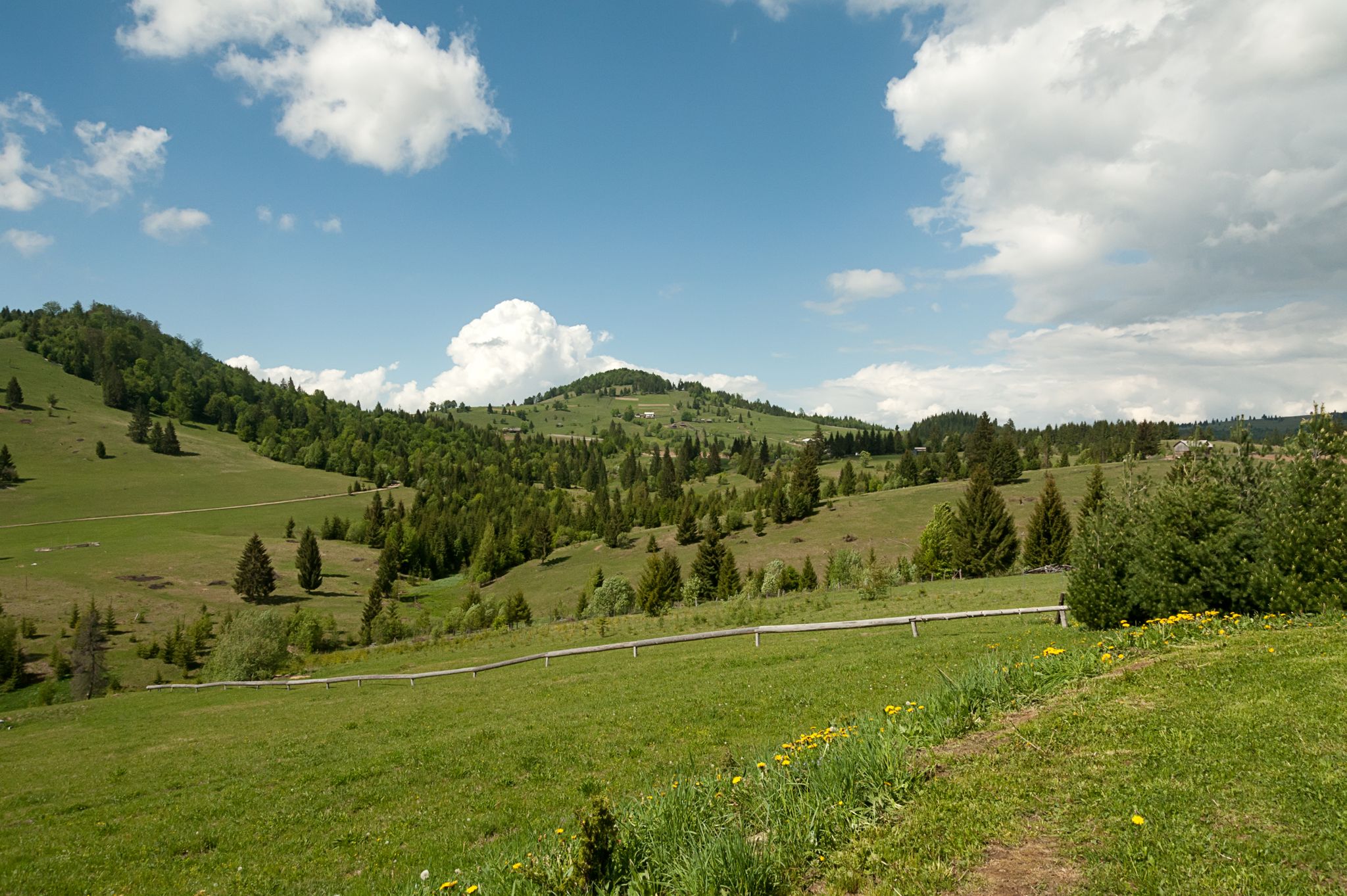
Via Transilvanica (second section) – Highlands
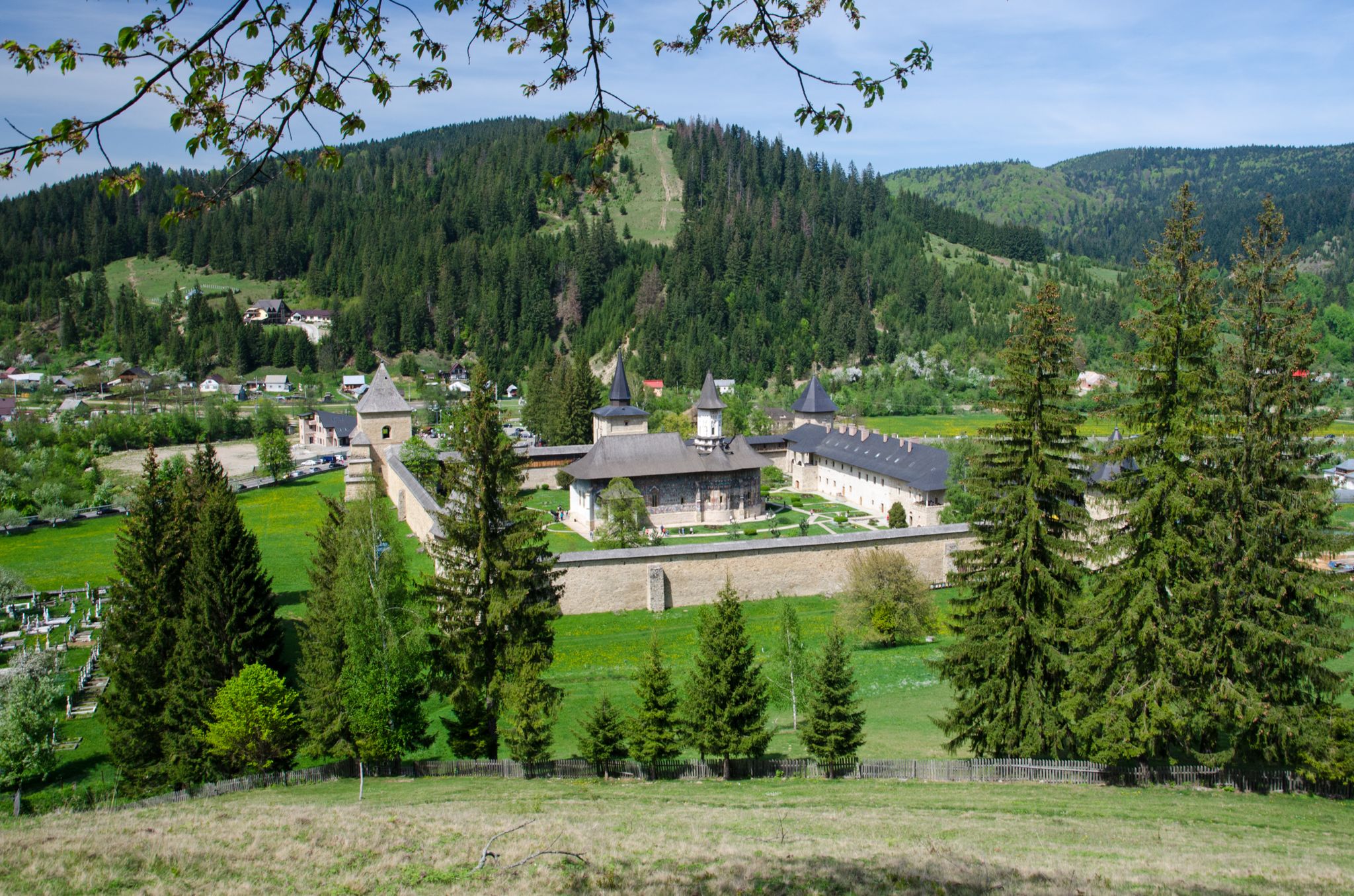
Via Transilvanica (first section) – Bucovina
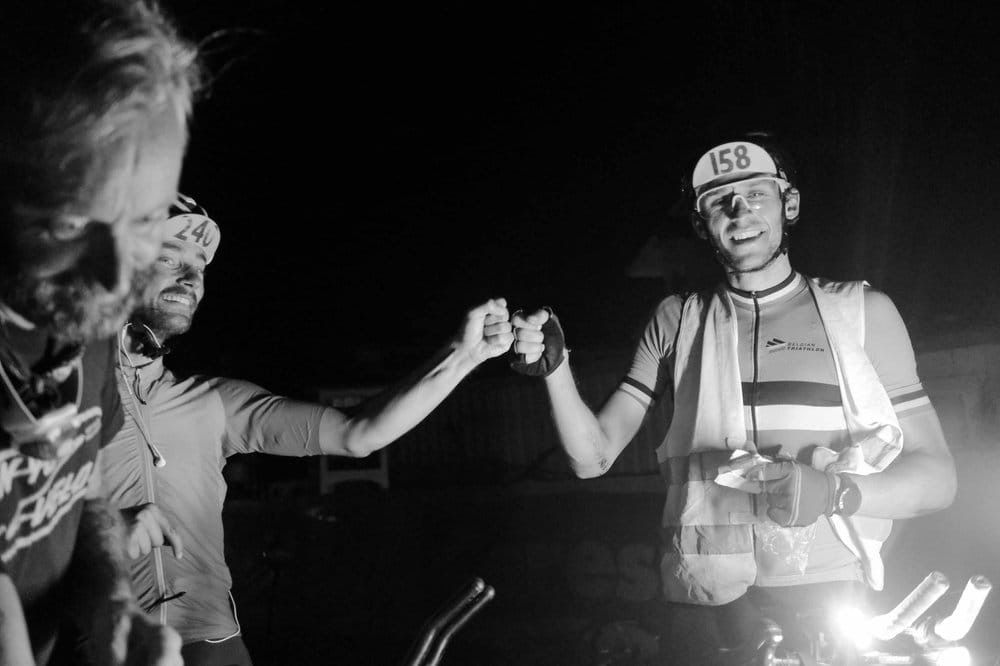
TCR No. 8 — racing across Europe
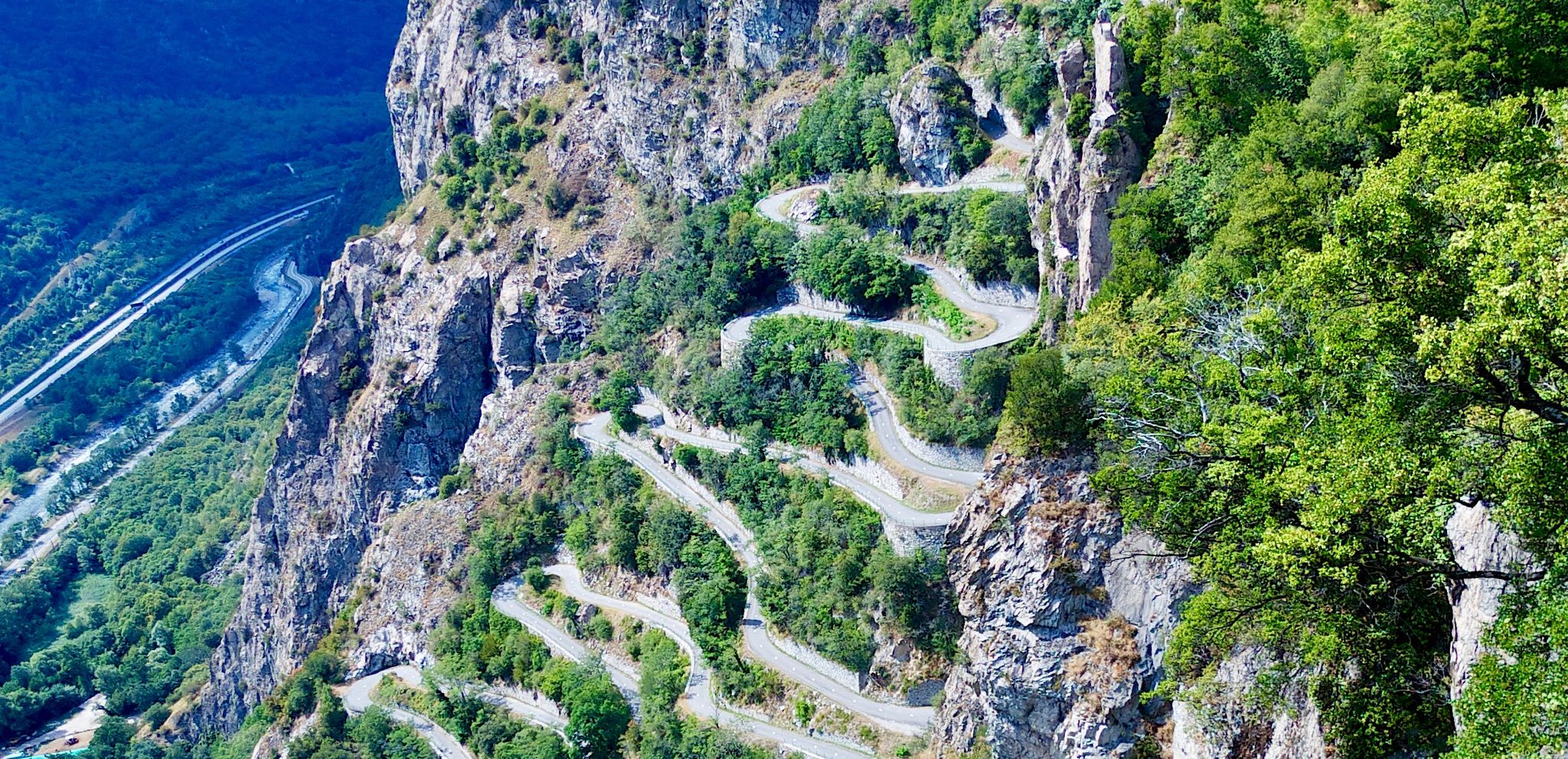
The world's most epic cycling roads
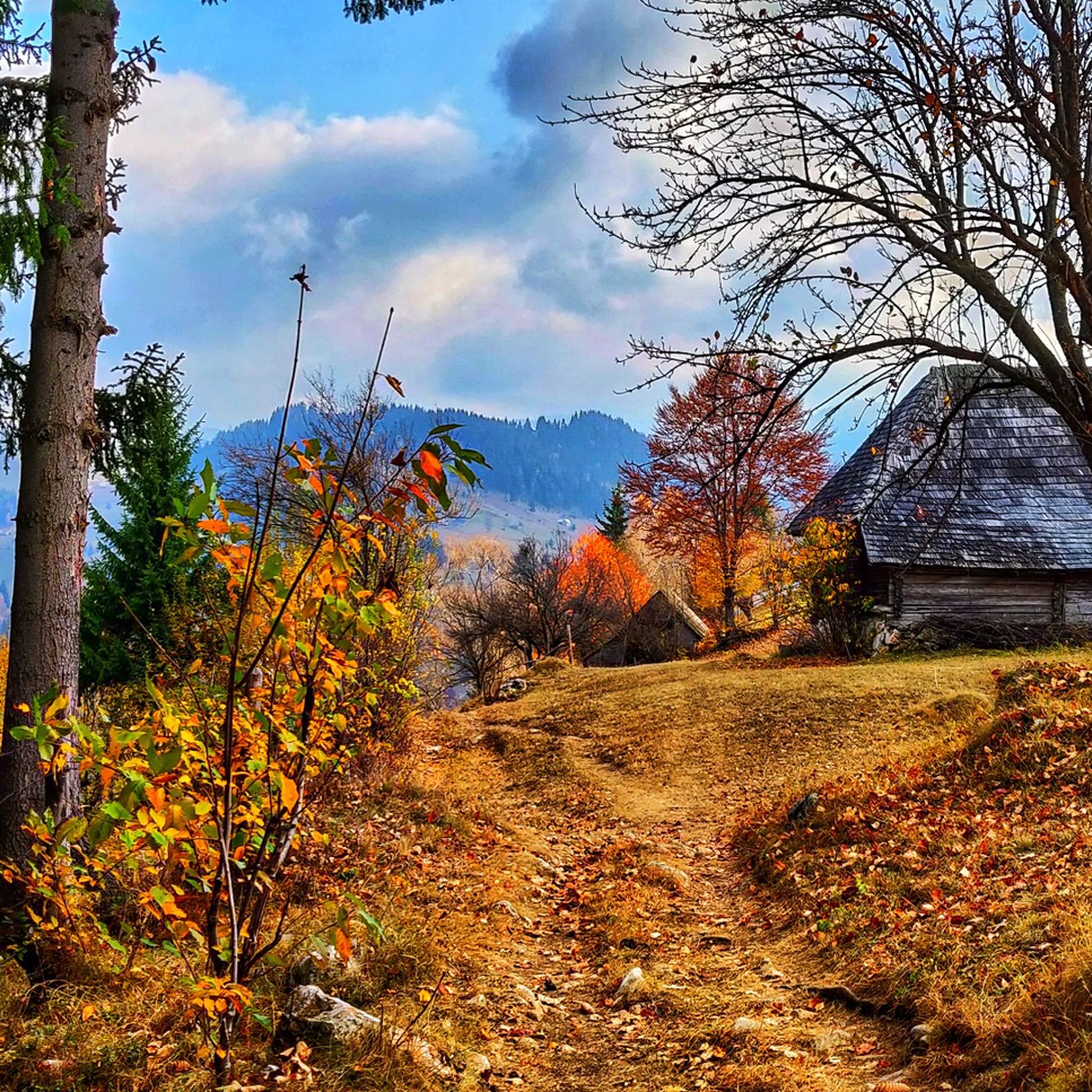
Hiking in Romania
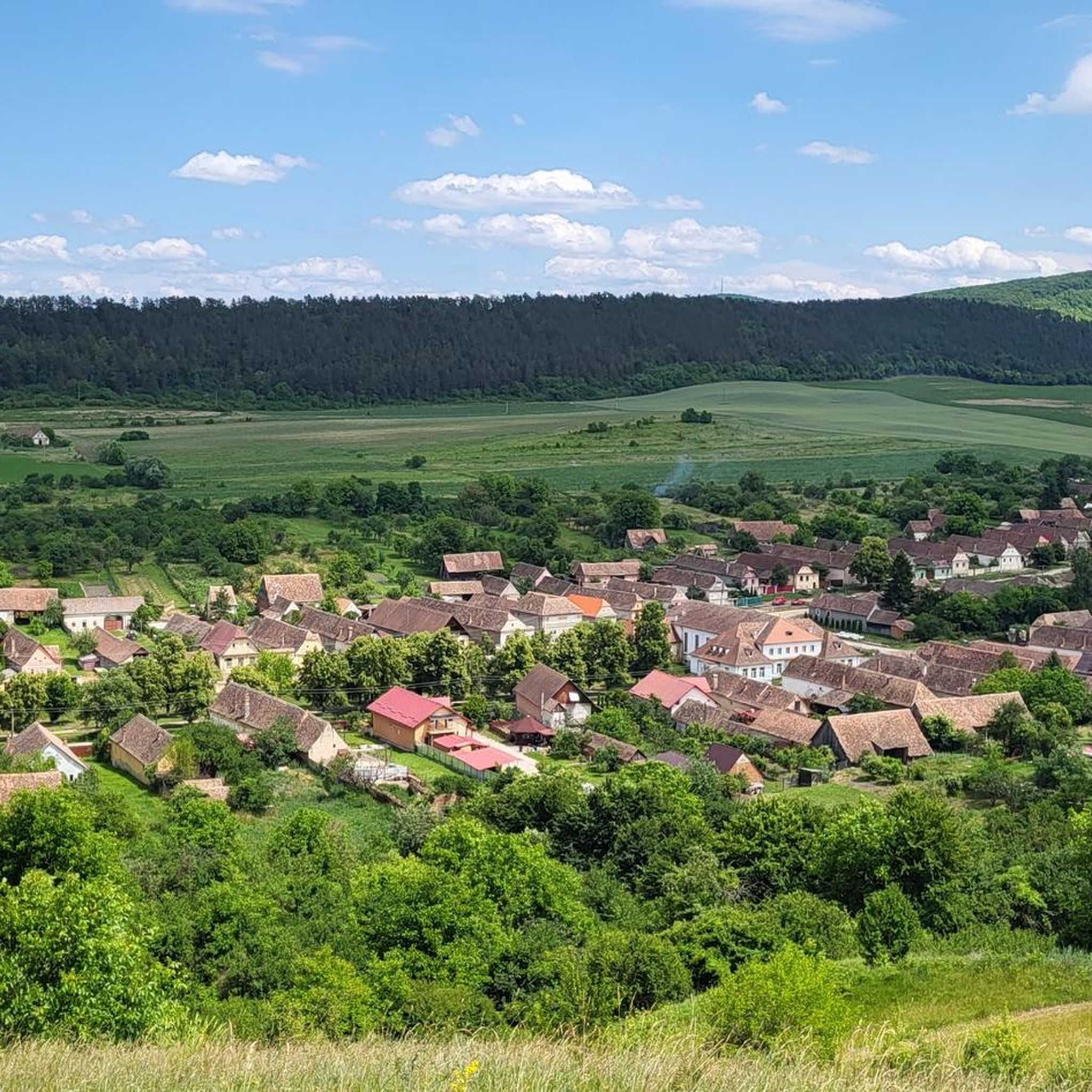
Running Trails in Romania
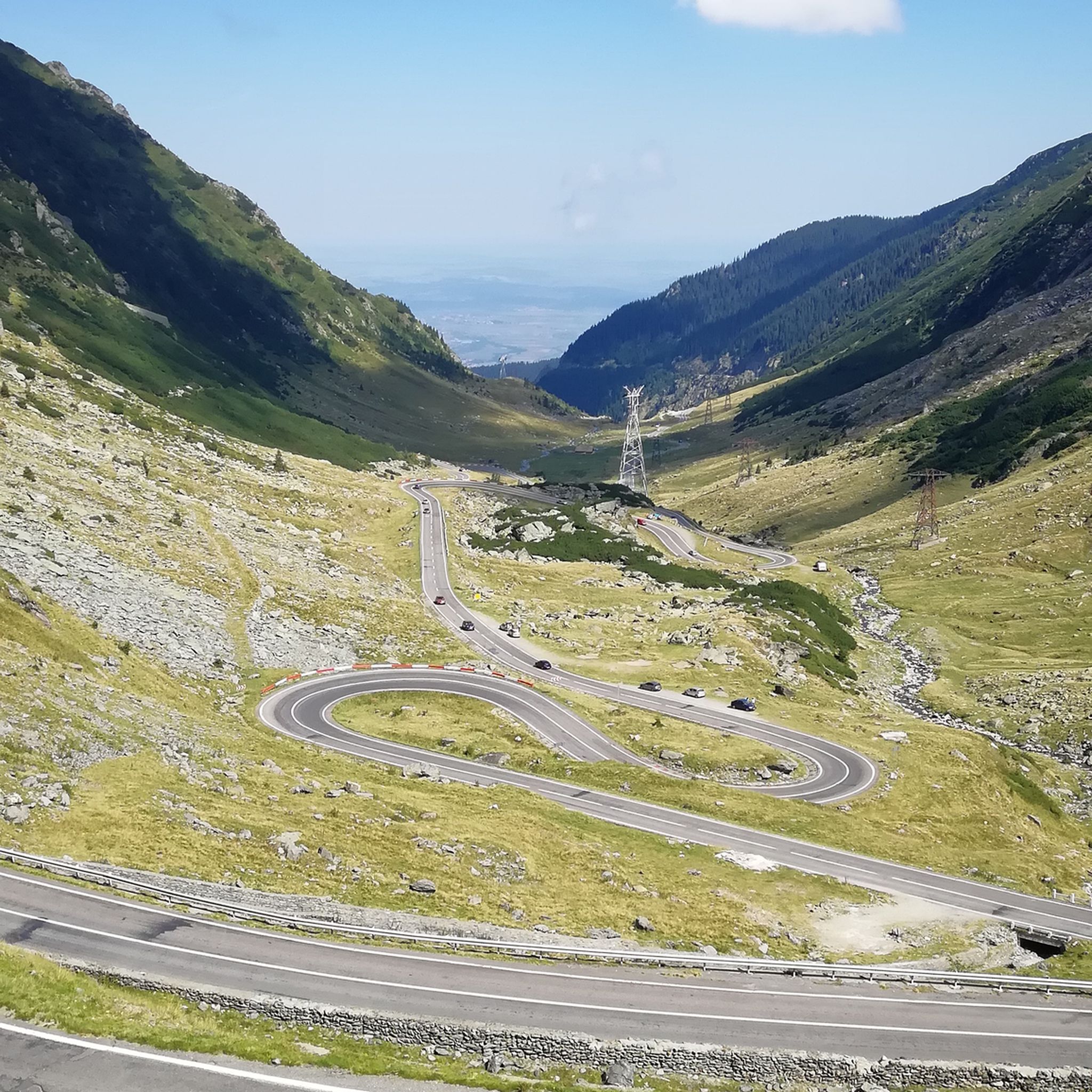
Road Cycling Routes in Romania
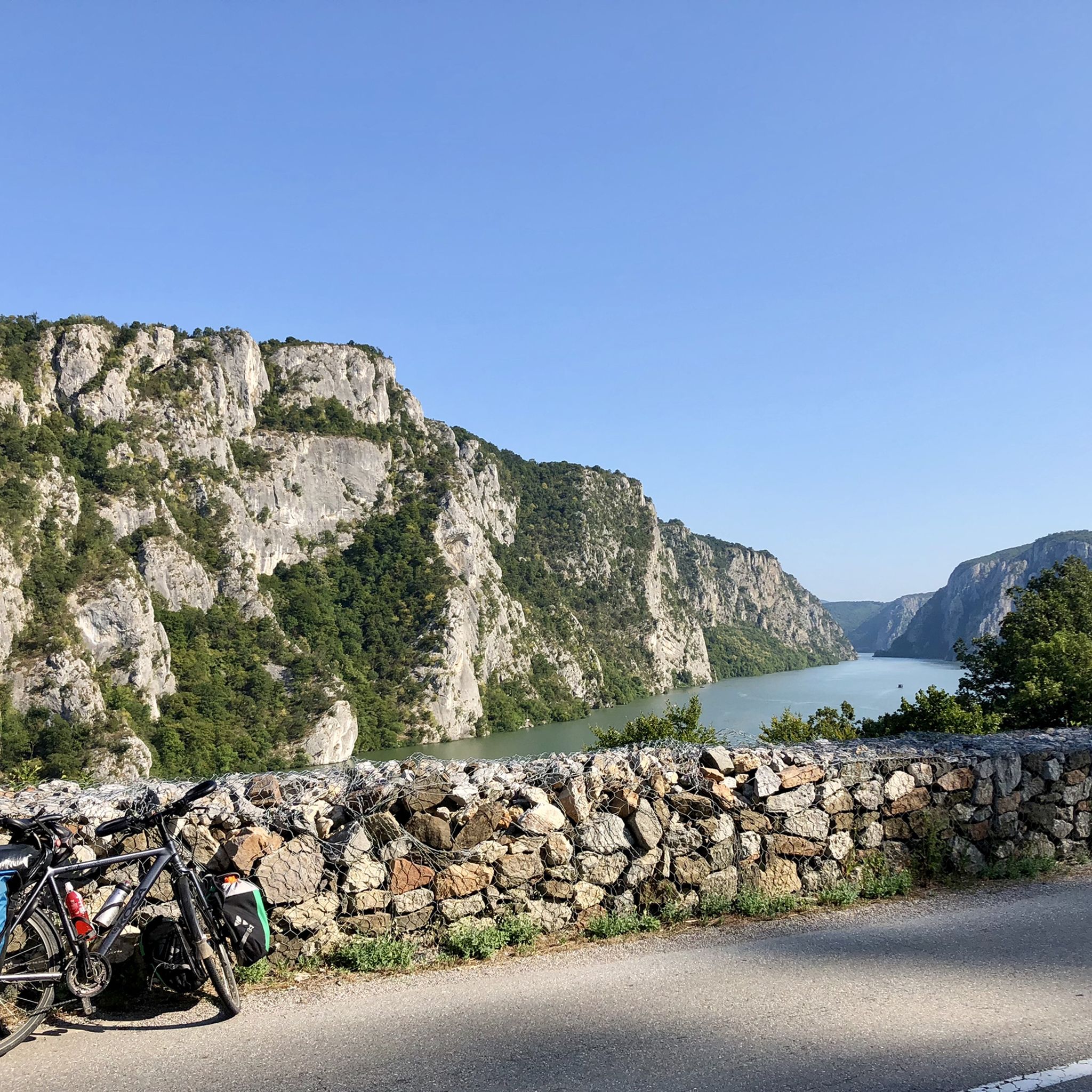
Cycling in Romania
MTB Trails in Romania
Other adventures in Romania


Tips from the Community

The fortified church of Michelsberg (Cisnădioara) is one of the oldest Romanesque basilicas in Transylvania and, according to legend, has a very charming tradition. The Legend of the Wedding Stones To prove their endurance and ensure the castle's supply of defense material, young men wishing to marry had the following custom: on the night before the wedding, they had to roll a large, round river stone up the steep castle hill. These stones were stored on the ring wall to serve as projectiles in case of siege or simply to let them roll down the hill onto the castle's attackers. Even today, some of these mighty stones can be found in the castle courtyard, and in a modified form, the custom lives on to this day: when the bride is abducted during a wedding celebration, the newly married husbands often have to symbolically drag a stone up to the castle to buy her back.
0
0

The Tinsmith's Tower (Turnul Cositorarilor) suffered considerable damage during the Hungarian siege from 1704 to 1706. Traces of the bombardment can still be seen in its 25-meter-high walls. Architecturally interesting, the tower begins on a square base, transitions into a pentagonal structure, and expands to an octagonal storey. The roof forms a hexagon. A now-lost inscription indicates that repairs were carried out in 1583, and the pentagonal bastion was built in front of the tower.
11
0
The origins of Bran Castle (German: Törzburg) date back to the early 13th century, when it was initially built as a wooden fortress called Dietrichstein by the Teutonic Knights under the patronage of King Andrew II of Hungary to defend the strategically important pass between Transylvania and Wallachia against invading troops. In 1377, the Transylvanian Saxons of Kronstadt (Brașov) were granted the privilege of building a stone castle. This example of medieval architecture underwent numerous alterations and expansions over the centuries. In the 1920s, the castle became the residence of Queen Marie of Romania, who significantly altered and modernized its interior. Bran Castle's connection to the Dracula legend is a fascinating blend of history, literature, and folklore. Largely a product of the 20th century, this connection owes much to the atmospheric descriptions in Bram Stoker's 1897 novel "Dracula." Although Stoker never visited Romania, his depiction of Dracula's castle was inspired by descriptions of Eastern European castles—and Bran Castle, with its dramatic location and menacing appearance, fits this vision remarkably well.
13
0

The remains of the former Vauban fortress, still completely preserved in Arad, were built to defend against Ottoman attacks.
0
0

To visit the Poenari Citadel, you need to find the access gate near the Dracula campsite in Arefu. This can be helpful as GPS doesn't provide accurate directions. This tour is conducted in groups at 9:00 AM, 11:00 AM, 1:00 PM, and 3:00 PM. The site is secured to prevent the intrusion of the numerous bears in the area. It's a good idea to be in good physical condition because you have to climb 1,480 steps and over 150 meters of elevation gain to access the site. From there, you'll also have a superb view of the Argeș Valley.
0
0

You can lose a good hour getting in here because there are so many tourists. There are also scammers who sell skip-the-line tickets for higher prices. Such a thing does not exist...
6
0
You can find this monument in the castle courtyard and you can see what the castle used to look like. There are also many places where you can learn about its history.
6
0
There are a few places where you can get a good view of the castle and the courtyard. The place is good for taking some pictures. If there are a lot of people, you might have to wait.
5
0
Frequently Asked Questions
What makes Peleș Castle a unique destination among Romanian castles?
Peleș Castle, nestled in the Carpathian Mountains near Sinaia, is a masterpiece of German Neo-Renaissance architecture. It was the summer residence of King Carol I and was remarkably modern for its time, being the first castle in Europe with central heating and electricity. Visitors can explore its 160 exquisitely decorated rooms, showcasing priceless art, Murano crystal, and unique themes. You can find more details about this stunning castle at Peleș Castle.
What is the historical significance of Bran Castle, beyond its association with Dracula?
While famously known as 'Dracula's Castle,' Bran Castle is a 14th-century fortress with a rich history. It was originally built by Teutonic Knights to defend the pass between Transylvania and Wallachia. Over centuries, it underwent numerous alterations and expansions, serving as a protective stronghold and later as a royal residence for Queen Marie of Romania. Its dramatic Gothic architecture and strategic location are significant historical features. Explore its history and architecture at Bran Castle (Dracula’s Castle).
What architectural style defines Corvin Castle, and what are its main attractions?
Corvin Castle, also known as Hunyadi Castle, is one of Romania's most spectacular Gothic-style castles, built in the 15th century. It features soaring towers, elegant stone bridges, ornate facades, and massive stone walls. Highlights include the sumptuous Knights' Hall, an impressive drawbridge, inner courtyards, a chapel, and mysterious dungeons. Legends also suggest Vlad the Impaler was imprisoned here.
What can visitors expect at Făgăraș Citadel?
Făgăraș Citadel is an impressively intact medieval fortification in Transylvania, with parts dating back to the 14th century. It features an irregular quadrilateral plan, protected by a moat and robust defense elements. Inside, you can visit the Valer Literat Museum, which houses archaeological findings, numismatics, and traditional costumes. Visitors can also explore the Throne Hall, Dungeon Tower, and enjoy panoramic views from the castle towers.
What is unique about Râșnov Fortress compared to other Romanian castles?
Râșnov Fortress, perched atop a rocky hill near Brașov, is unique because it was designed as a place of refuge for extended periods, housing a small village within its walls. This included houses, a school, and a chapel. Its defensive system featured nine towers, two bastions, and a drawbridge, along with a notable 470-foot-deep well. It offers stunning views and a glimpse into medieval village life. You can visit Râșnov Fortress.
Are there other notable fortified churches or historical sites to visit in Romania?
Yes, Romania is home to several impressive fortified churches and historical sites. The Viscri Fortified Church is a picturesque example of Transylvanian military architecture, standing on a hill surrounded by a ring wall. Other notable sites include the Biertan Fortified Church and the Cisnădioara Fortified Church, both offering unique historical insights.
What is the best time of year to visit castles in Romania?
The best time to visit castles in Romania is generally during the spring (April-May) and autumn (September-October) months. The weather is pleasant, and the landscapes are beautiful. Summer (June-August) is also popular, but can be crowded, especially at major sites like Bran and Peleș. Visiting in winter can offer a magical, snow-covered experience, particularly in the Carpathian Mountains, but some roads or facilities might have limited access.
Are there family-friendly castles in Romania?
Many castles in Romania are family-friendly, offering engaging experiences for all ages. Peleș Castle, with its fairytale-like design and rich interiors, often captivates children. Bran Castle, with its Dracula legend, secret passages, and medieval atmosphere, is also a popular choice for families. Fortified churches like Viscri Fortified Church offer unique historical exploration within their walls.
Are Romanian castles generally accessible for visitors with mobility challenges?
Accessibility varies significantly among Romanian castles due to their historical nature. Many medieval fortresses, with their narrow staircases, uneven terrain, and multiple levels, may present challenges for visitors with mobility issues. Modernized royal residences like Peleș Castle might offer better accessibility in certain areas, but it's always advisable to check specific castle websites or contact them directly for detailed accessibility information before your visit.
How can I reach some of Romania's castles using public transport?
Public transport options vary by castle. For Peleș Castle, you can take a train to Sinaia and then a local bus or taxi to the castle. Bran Castle is accessible by bus from Brașov. For more remote castles like Corvin Castle, reaching them often requires a combination of train/bus to a nearby town (like Hunedoara) and then a local taxi or ride-sharing service. Planning ahead with local transport schedules is recommended.
What are the parking options for popular castles like Peleș Castle?
For popular castles like Peleș Castle, parking facilities are available, though they can fill up quickly during peak season. There are designated parking areas near the castle entrance, often with a fee. It's advisable to arrive early, especially on weekends or holidays, to secure a spot. Some areas might also have private parking lots operated by local businesses.
Can I find places to eat or stay near the castles?
Yes, most popular castle locations in Romania have a range of amenities nearby. Around Peleș Castle in Sinaia, and Bran Castle near Brașov, you'll find numerous restaurants, cafes, and accommodation options ranging from hotels to guesthouses. Even near more remote sites like Corvin Castle, there are usually local eateries and guesthouses in the closest towns (e.g., Hunedoara) catering to tourists.
Are there hiking opportunities near the castles in Romania?
Absolutely! Many castles in Romania are situated in scenic regions, offering excellent hiking opportunities. For instance, the area around Peleș Castle in the Carpathian Mountains provides access to various trails. You can explore routes like the 'Seven Ladders Canyon – Piatra Mare Cabin loop' or 'Waterfalls in Piatra Mare – Seven Ladders Canyon loop'. For more hiking ideas, check out the Hiking in Romania guide.
Most popular routes in Romania
Most popular attractions in Romania

Get inspired with the komoot mobile app


Didn’t find what you were looking for?
Explore Romania’s best castles region by region:
Explore more
Looking for the best castles somewhere else? Discover other guides in Romania:
