Attractions and Places To See in Romania - Top 20
Best attractions and places to see in Romania include a diverse landscape featuring the Carpathian Mountains, the Danube Delta, and historical sites. The country offers medieval towns, fortified churches, and impressive castles. Visitors can explore a rich cultural heritage alongside significant natural landmarks.
Best attractions and places to see in Romania
- The most popular attractions is Zarnesti Gorges, a gorge that is easily accessible for hiking. This natural monument features impressive mountain scenery and is suitable for various outdoor activities.
- Another must-see spot is Bâlea Lake, an intermediate mountain lake. Visitors can expect deep blue waters and panoramic views, making it a notable natural landmark within the Carpathian Mountains.
- Visitors also love Palace of the People - Palace of the Parliament, a man-made monument and historical site. This building is one of the world's largest administrative structures and houses the Romanian Parliament.
- Romania is known for its diverse range of attractions, including historical castles, natural gorges, and significant architectural landmarks. The country offers a variety of experiences, from exploring ancient history to enjoying natural beauty.
- The attractions in Romania are appreciated by the komoot community, with 47 upvotes and 32 photos shared by visitors.
Last updated: October 9, 2026
Moldoveanu Peak
Highlight • Summit
Translated by Google •
Tip by

Mount Omu
Highlight • Summit
Tip by

Sign up now to discover places like this
Get recommendations on the best single tracks, peaks, & plenty of other exciting outdoor places.
Bâlea Lake
Highlight • Lake
Translated by Google •
Tip by

Council House (Casa Sfatului), Brașov
Highlight • Historical Site
Translated by Google •
Tip by

Council Square
Highlight • Historical Site
Tip by

Stavropoleos Monastery
Highlight • Religious Site
Translated by Google •
Tip by

Zarnesti Gorges
Highlight (Segment) • Gorge
Climbing is also possible on the walls of the gorge, with equipment and everything necessary provided by a small hut.
You can reach the starting point by car, but note that there's no "official" parking place, and it might get very crowded during the peak season. Once you reach the start of the gorge, there are no cars and you can enjoy nature.
Tip by
The Council Tower
Highlight • Monument
Tip by
The Great Square
Highlight • Historical Site
It is the largest public square in the old town and has witnessed the economic activities of Sibiu's merchants. It hosted civic assemblies, fairs, and even executions. It was in this market square that Johann Sachs von Harteneck was beheaded in 1703, a practice committed by the Saxons between 1691 and 1703.
Translated by Google •
Tip by

Seven Ladders Canyon
Highlight • Canyon
Translated by Google •
Tip by
Sign up for free to discover even more attractions in Romania.
Already have an account?
Start today with a free account
Your next adventure awaits.
Popular around Romania

Triathlon 360 – my journey around the world
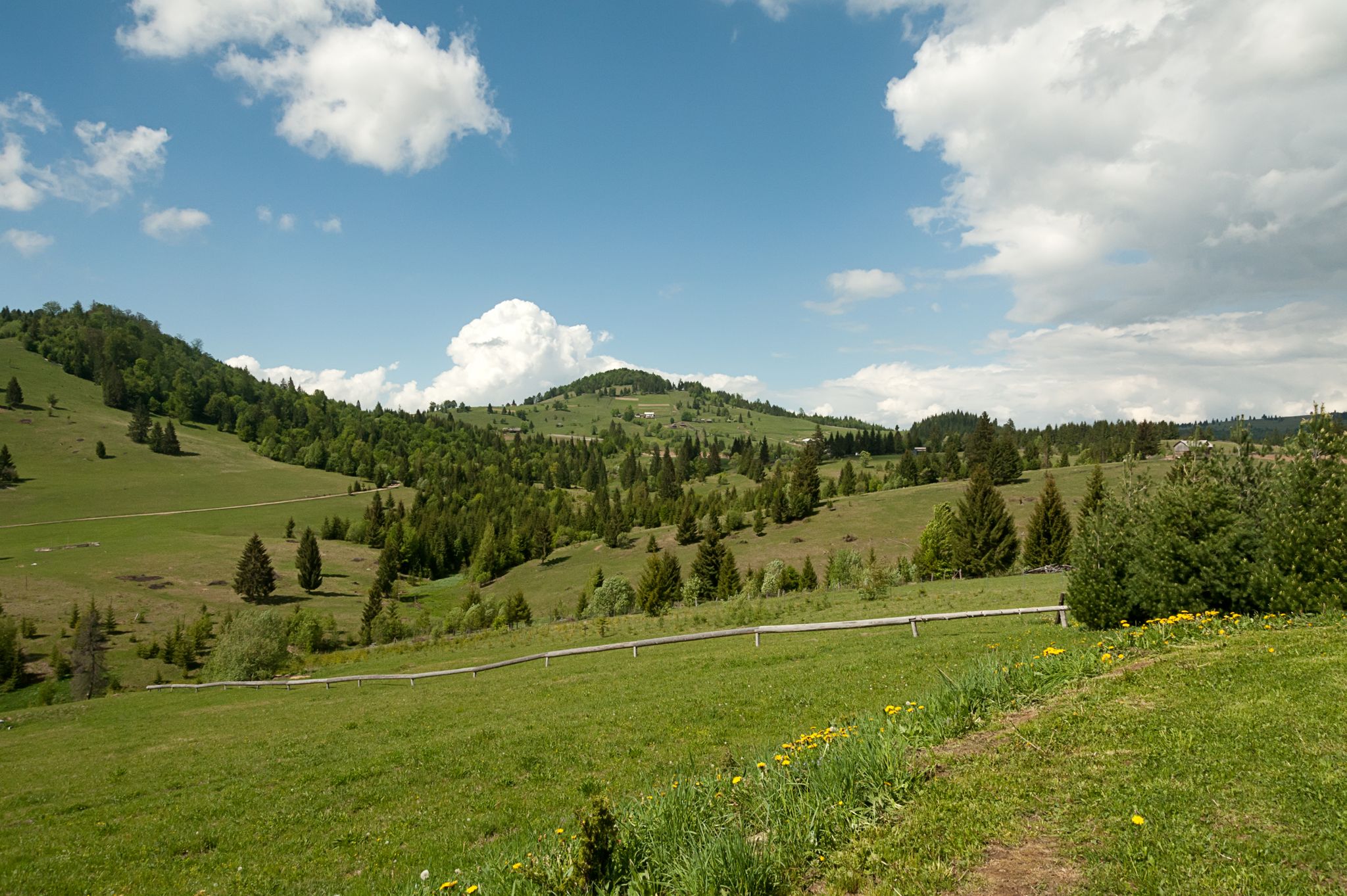
Via Transilvanica (second section) – Highlands
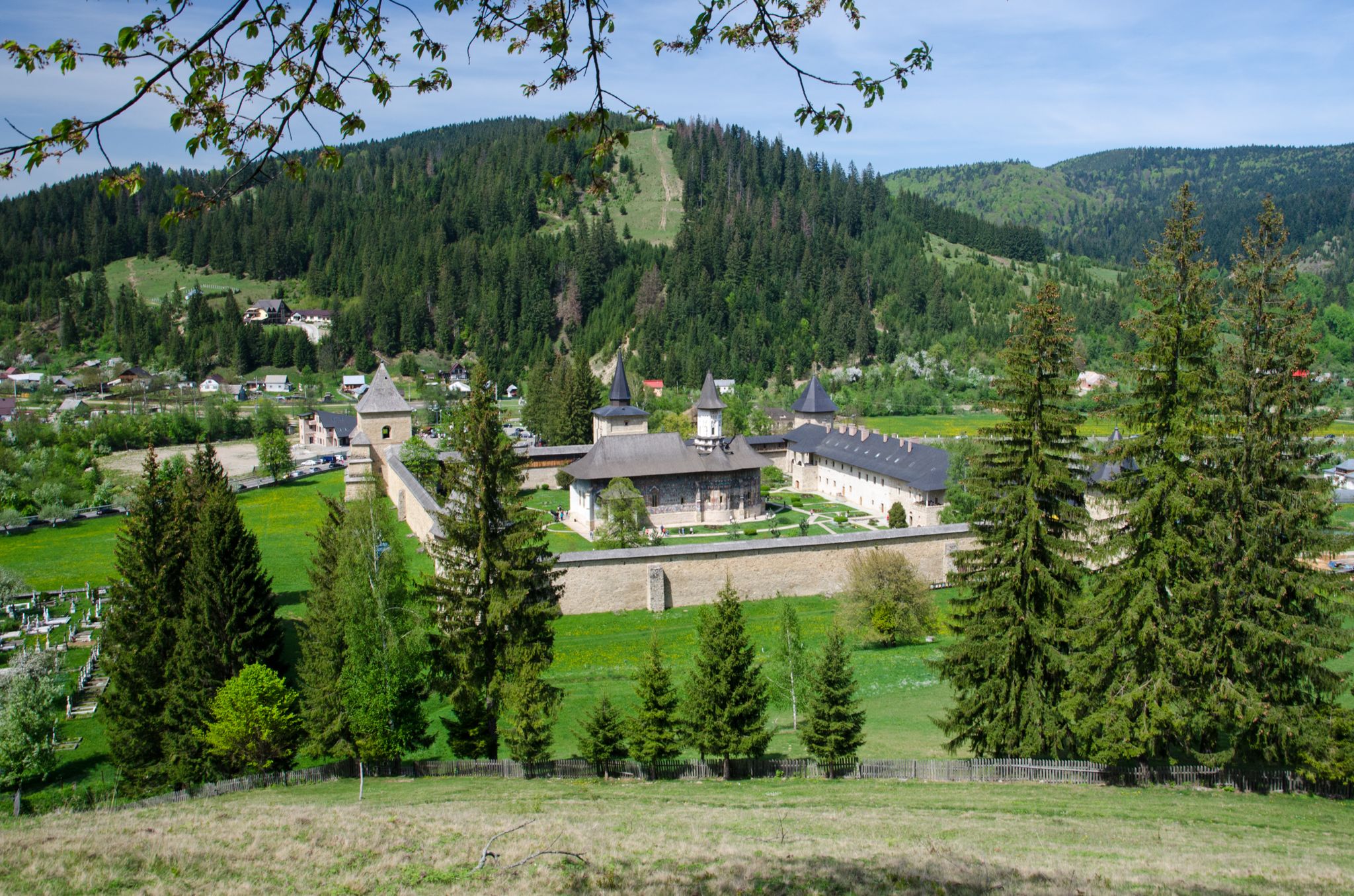
Via Transilvanica (first section) – Bucovina
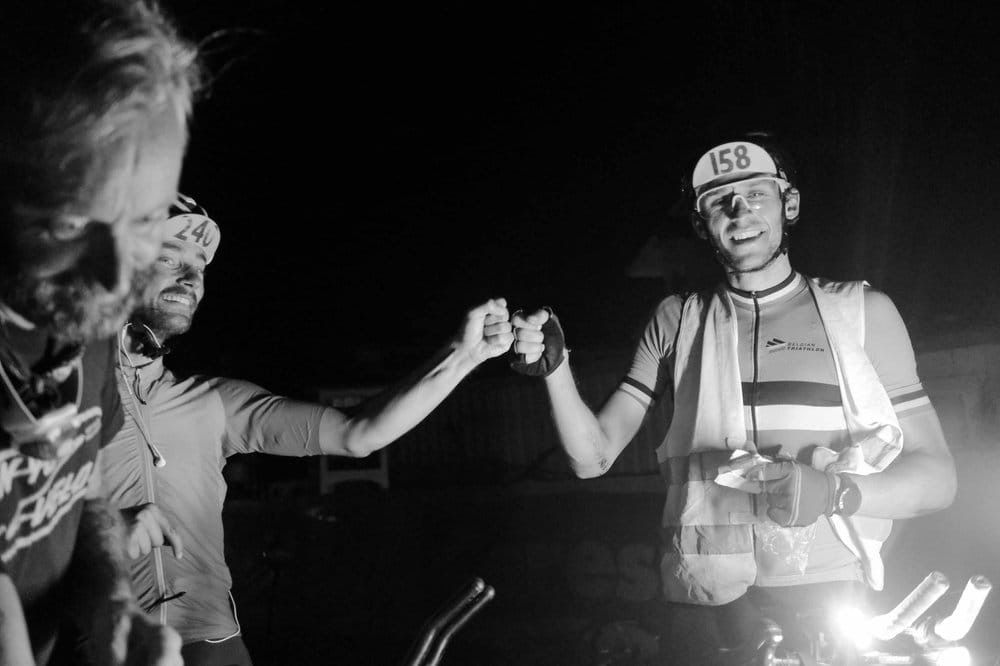
TCR No. 8 — racing across Europe
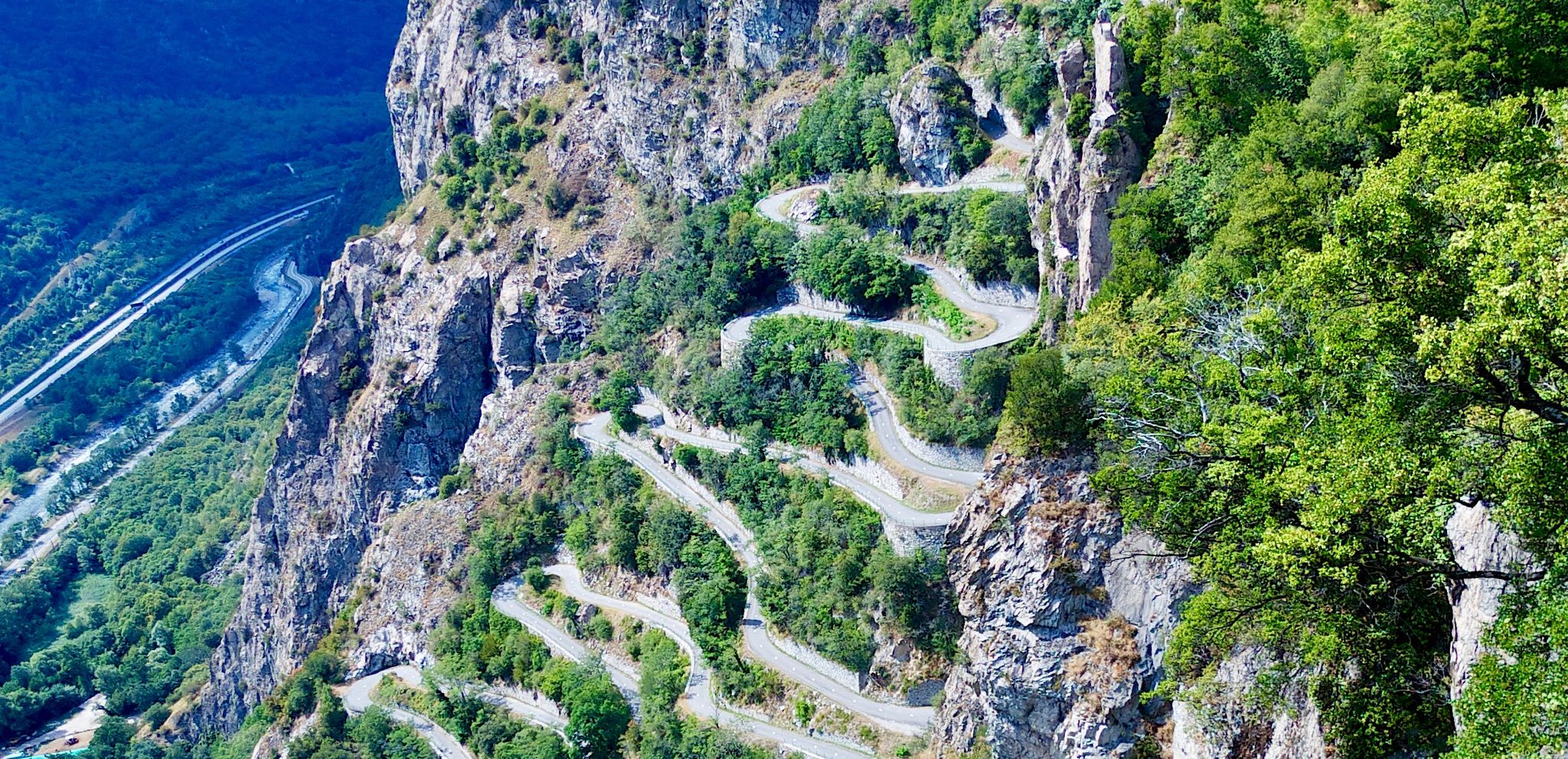
The world's most epic cycling roads
Hiking in Romania
Running Trails in Romania
Road Cycling Routes in Romania
Cycling in Romania
MTB Trails in Romania
Other adventures in Romania


Tips from the Community

Piața Sfatului (German: Marktplatz or Ratplatz) in Brașov is the vibrant heart of the city and one of Romania's most beautiful and historic squares. Nestled between colorful burgher houses, the Black Church, and the Old Town Hall, it has been the heart of Brașov since the Middle Ages – a place of trade, festivals, and social life. Today, it is a meeting point for locals and tourists, captivating with its historical atmosphere, lively cafés, and cultural events. Piața Sfatului originated in the 14th century and quickly developed into the most important trading center of Transylvania. Saxon merchants, Hungarian traders, and Romanian farmers met here to exchange goods such as wool, leather, salt, and spices. The square was not only an economic center but also a place of power: the city council (Sfatul) met here, deciding the fate of the city, and laws were proclaimed and judgments were passed here.
0
0

Actually quite small and inconspicuous, but still very beautiful.
0
0

For 2 lei you can climb up, look into the rooms of the tower and have a beautiful view from the top (but only from behind the window panes)
0
1

The Șurii de Piatră mountain stream plunges spectacularly 58 meters into the Seven Ladders Gorge (Canionul Șapte Scări) over seven steps carved into the Jurassic limestone. Visitors, who are literally within touching distance of the waterfalls, negotiate the stone steps, which are between two and a half and fifteen meters high, using steel ladders connected by metal mesh walkways. The most dramatic ladder is the third: it rises fifteen meters almost vertically and is secured with bars to prevent anyone from falling backward. But that's the only safety feature in the gorge. Right next to the left handrail, the water roars impetuously into the depths. An experience!
18
0
The Old Town Hall, located on Town Hall Square in the historic center, is Brașov's most important secular monument. The town hall was originally a watchtower, the foundations of which lay on those of the present tower. The adjacent building was constructed later, with construction work beginning on December 23, 1420. The Turkish invasion of 1421 and the resulting destruction, as well as the arrest of the city judge, delayed construction. The building was only later converted into the town hall. It was first mentioned in 1503, when it appears as the "Praetorium," the seat of the city administration. From 1950 onward, the Old Town Hall housed the Brașov State Museum, which later became the Brașov County History Museum.
15
0


Frequently Asked Questions
What are some challenging hiking trails in Romania?
For experienced hikers seeking a challenge, Romania offers several demanding trails. You can conquer Moldoveanu Peak, the highest summit in Romania, which can take a full day or two if you opt for an overnight stay. Another significant climb is Mount Omu in the Bucegi Mountains, known for its rugged terrain. The Făgăraș Mountains, home to Bâlea Lake, also present numerous challenging routes. For more options, explore the 'difficult' rated routes in the Hiking in Romania guide.
Are there family-friendly attractions and easy outdoor activities in Romania?
Yes, Romania has many family-friendly options. The Zarnesti Gorges offer an easily accessible and beautiful hike suitable for families. The Palace of the People - Palace of the Parliament is an impressive architectural marvel that can fascinate all ages. In Brașov, the Council House and Stavropoleos Monastery are also considered family-friendly historical sites. For a unique experience, the Turda Salt Mine (Salina Turda) is an underground amusement park and health resort. You can also find easy hiking routes in the Hiking in Romania guide, such as those near Turda Gorge.
What unique natural features can I explore in Romania?
Romania boasts diverse and unique natural landscapes. The Danube Delta, a UNESCO World Heritage Site, is Europe's second-largest and best-preserved river delta, ideal for birdwatching. The Transfăgărășan Highway offers breathtaking views as it winds through the Făgăraș Mountains. You can also visit Cheile Turzii (Turda Gorge), a dramatic canyon popular for rock climbing and hiking, or the picturesque Bigăr Waterfall, known for its moss-covered cascade. The Râpa Roșie ('Red Ravine') resembles a mini Grand Canyon, and Lacul Sfânta Ana is Romania's only crater lake.
What historical and cultural sites, beyond the famous castles, should I visit in Romania?
Beyond the well-known castles, Romania offers a wealth of historical and cultural sites. Explore the UNESCO World Heritage Site of Sighișoara Citadel, a vibrant medieval town. The Alba Iulia Citadel, a star-shaped fortress, features two cathedrals and Roman-era history. The Fortified Churches of Transylvania, such as those in Biertan, Prejmer, and Viscri, are also UNESCO sites showcasing unique defensive architecture. In Bucharest, the Stavropoleos Monastery is a beautiful example of Brâncovenesc architecture. The Monasteries of Bucovina, with their stunning exterior frescoes, and the Wooden Churches of Maramureș, known for their unique timber architecture, are also significant cultural landmarks.
When is the best time to visit Romania for sightseeing and outdoor activities?
The best time to visit Romania largely depends on your planned activities. For sightseeing and exploring cities like Bucharest, Sibiu, or Brașov, late spring (May-June) and early autumn (September-October) offer pleasant temperatures and fewer crowds. For hiking and exploring the Carpathian Mountains, including areas around Bâlea Lake or the Seven Ladders Canyon, summer (July-August) provides the warmest weather and most accessible trails. However, be prepared for many visitors during peak season. Winter (December-March) is ideal for winter sports in the mountains.
What outdoor activities, besides hiking, can I enjoy in Romania?
Romania offers a variety of outdoor activities beyond hiking. The Carpathian Mountains are excellent for mountain biking, with routes suitable for various skill levels. You can find numerous gravel biking trails, such as those listed in the Gravel biking in Romania guide, including routes near Saschiz and Cloașterf. Road cycling is also popular, with scenic routes like those in the Road Cycling Routes in Romania guide, including options near Cluj Napoca and Brașov. The Danube Delta is a prime location for birdwatching and boat tours, while areas like Cheile Turzii are popular for rock climbing.
Are there any unique or 'hidden gem' attractions in Romania?
Yes, Romania has several unique attractions that offer a different experience. The Turda Salt Mine (Salina Turda) is an extraordinary underground amusement park built within an ancient salt mine. In the Maramureș region, the Merry Cemetery (Săpânța) stands out with its brightly painted, whimsical tombstones depicting the lives of the deceased. Râpa Roșie, often called Romania's 'Grand Canyon,' is a striking geological formation with dramatic red ravines. The Dacian Fortresses of the Orăștie Mountains, UNESCO World Heritage Sites, offer a glimpse into ancient military and religious architecture.
What do visitors enjoy most about the attractions in Romania?
Visitors frequently praise the stunning natural beauty and the rich historical atmosphere. Many are impressed by the 'very beautiful mountain world' and 'deep blue waters' of places like Bâlea Lake and the Zarnesti Gorges, noting their accessibility for easy hikes. The sheer scale and historical significance of landmarks like the Palace of the People - Palace of the Parliament are also highly appreciated. The blend of impressive scenery and historical depth creates a memorable experience for many.
Can I find viewpoints with panoramic scenery in Romania?
Absolutely. Romania is rich in viewpoints offering breathtaking panoramic scenery. Moldoveanu Peak and Mount Omu provide extensive views over the Carpathian Mountains. The Council Tower in Sibiu and the Council House in Brașov offer excellent perspectives of their respective historic city centers. For natural vistas, the Transfăgărășan Highway and the areas around Bâlea Lake are renowned for their spectacular mountain views.
Are there any specific regulations for hiking with dogs in Romania's national parks?
While specific regulations can vary by national park, generally, dogs are allowed on many hiking trails in Romania, especially on marked paths. However, they often need to be kept on a leash to protect wildlife and ensure the safety of other hikers. Some protected areas or nature reserves might have stricter rules or restrict access for dogs in certain zones, particularly during nesting seasons or in areas with sensitive ecosystems. It's always advisable to check the specific rules of the national park or protected area you plan to visit beforehand.
What are the best places to experience medieval history in Romania?
To immerse yourself in medieval history, Romania offers several outstanding locations. Sighișoara Citadel is a UNESCO World Heritage Site and one of the best-preserved medieval fortified towns in Europe, with colorful buildings and historic towers. Brașov, with its charming old town, historic gates, and the Gothic-style Black Church, provides a strong medieval atmosphere. The Fortified Churches of Transylvania, such as Biertan and Viscri, are unique examples of medieval defensive architecture. Corvin Castle (Hunyadi Castle) in Hunedoara is another magnificent Gothic-Renaissance fortress, one of the largest in Europe, offering a deep dive into medieval Transylvanian history.
Most popular routes in Romania
Most popular attractions in Romania

Get inspired with the komoot mobile app


Didn’t find what you were looking for?
Are you keen on exploring more awesome places nearby? Browse our guides:
Explore more
Still not found the Highlight you’re looking for? See guides of the top attractions in other regions:
