Top 20 Caves around Olsberg
Best caves around Olsberg offers a diverse range of underground experiences, from ancient natural shelters to spectacular stalactite formations. This region in Germany is characterized by its captivating natural landscapes and rich geological history. Visitors can explore sites that reveal both prehistoric human activity and significant mining heritage. The area provides a unique blend of natural wonders and cultural insights for explorers.
Best caves around Olsberg
- The most popular caves is Hollow Stone, a cave that has yielded archaeological…
Last updated: October 11, 2026
Hollow Stone
Highlight • Cave
Translated by Google •
Tip by

Bilsteintal Wildlife Park
Highlight • Natural
Translated by Google •
Tip by

Sign up now to discover places like this
Get recommendations on the best single tracks, peaks, & plenty of other exciting outdoor places.
Bilstein Cave
Highlight • Cave
Translated by Google •
Tip by

Old Ice Cellar
Highlight • Structure
Translated by Google •
Tip by

Marian Grotto, Assinghausen
Highlight • Religious Site
Translated by Google •
Tip by

Sign up for free to discover even more caves around Olsberg.
Already have an account?
Start today with a free account
Your next adventure awaits.
Popular around Olsberg
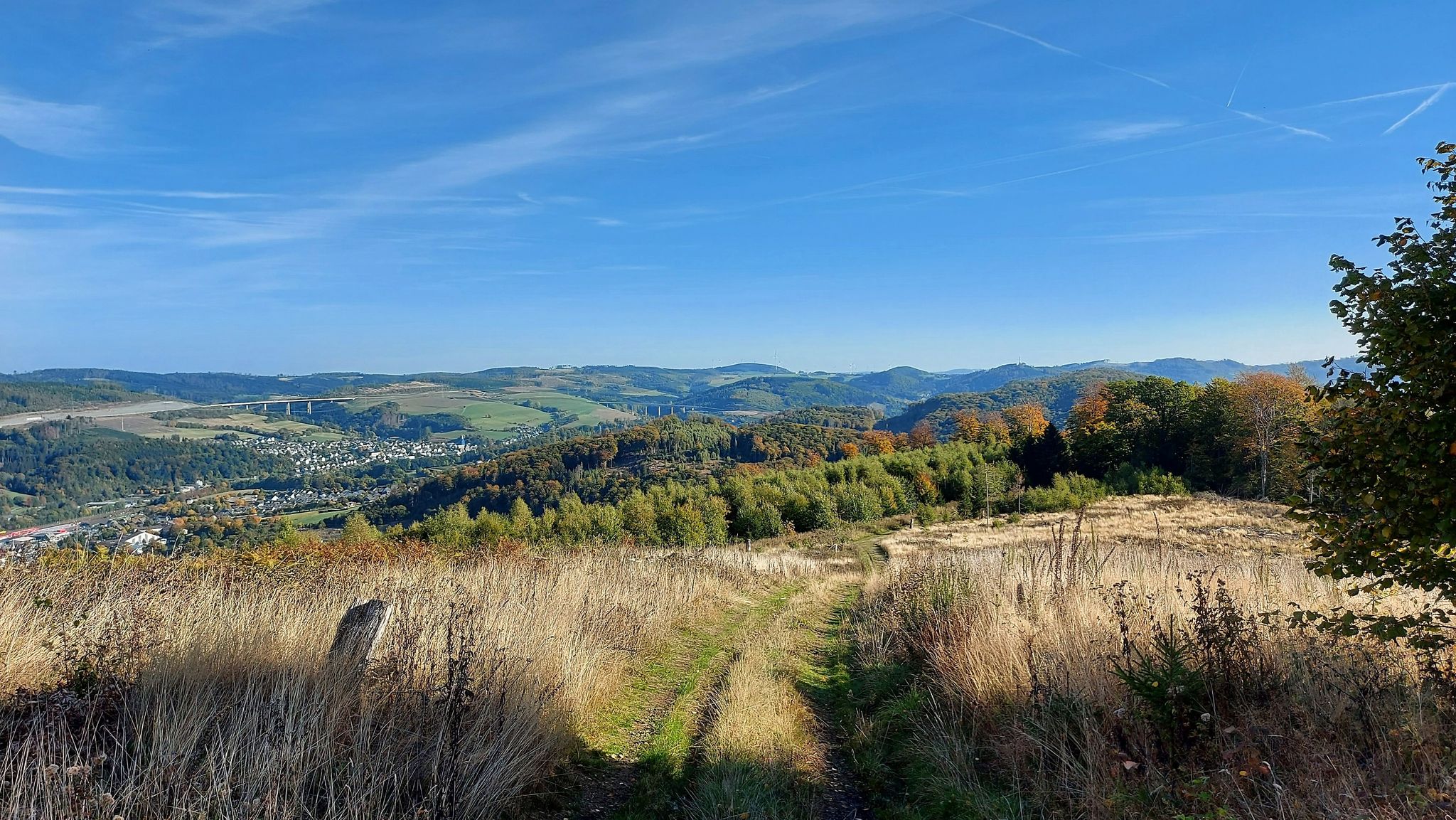
Bestwig Panorama Trail – 4 days of Sauerland views
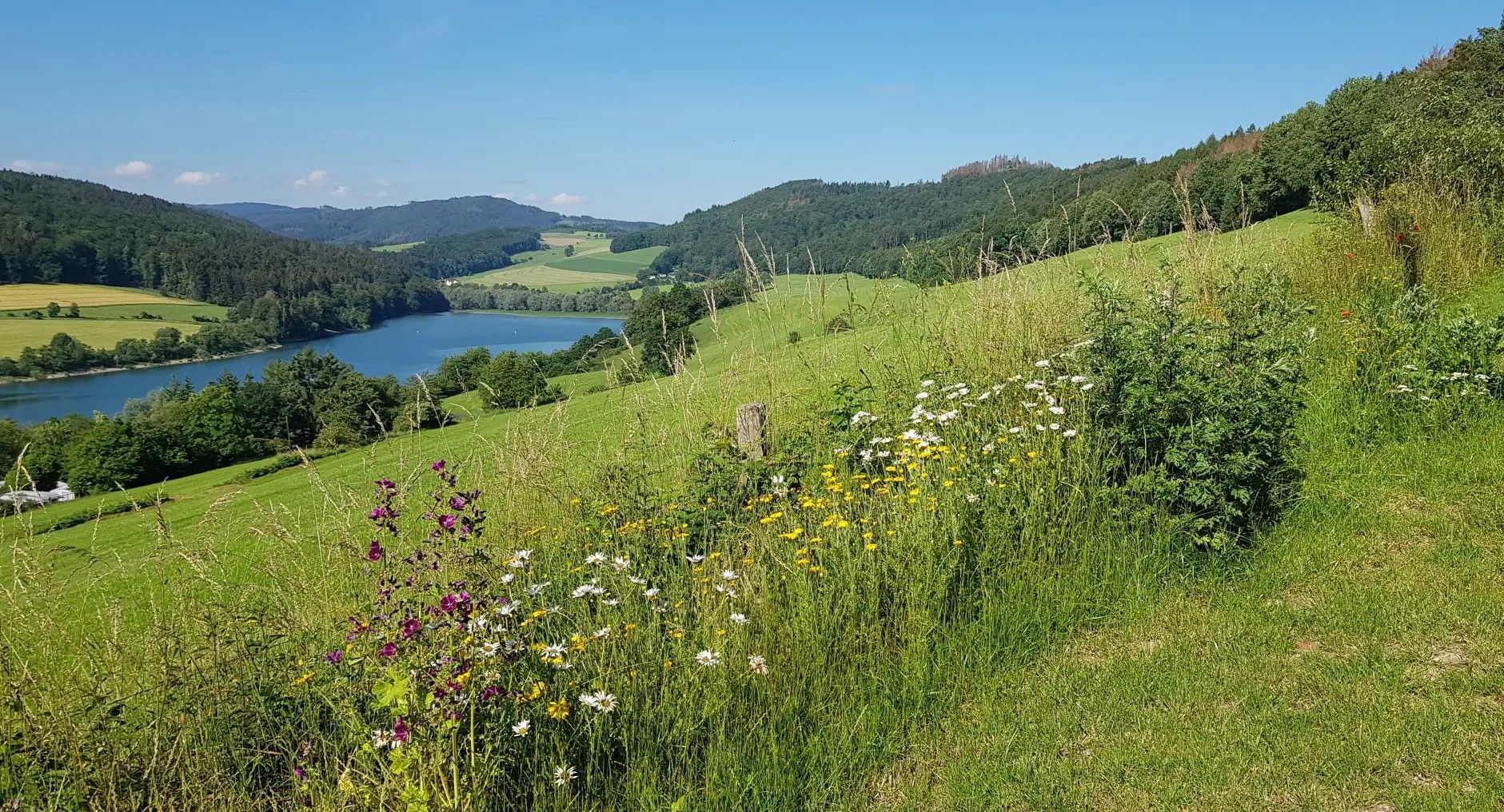
Germany's Sauerland Forest Route – Views and discoveries

Sauerland Trails – altitude, distant views, pure nature

Multi-day hikes in the Sauerland – eight trails, many unforgettable moments
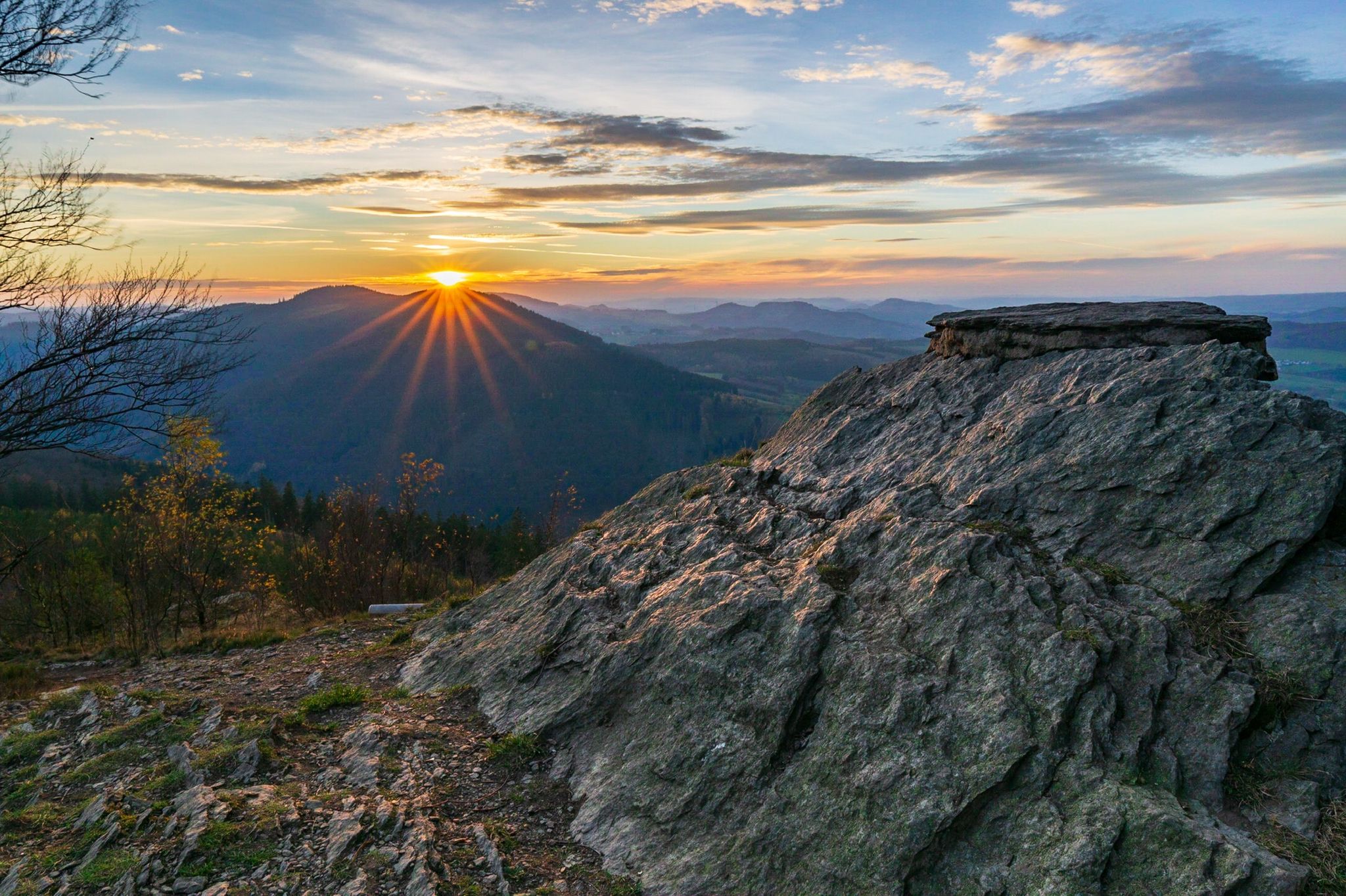
Water, hiking and wellness – Olsberg Kneipp Hiking Trail
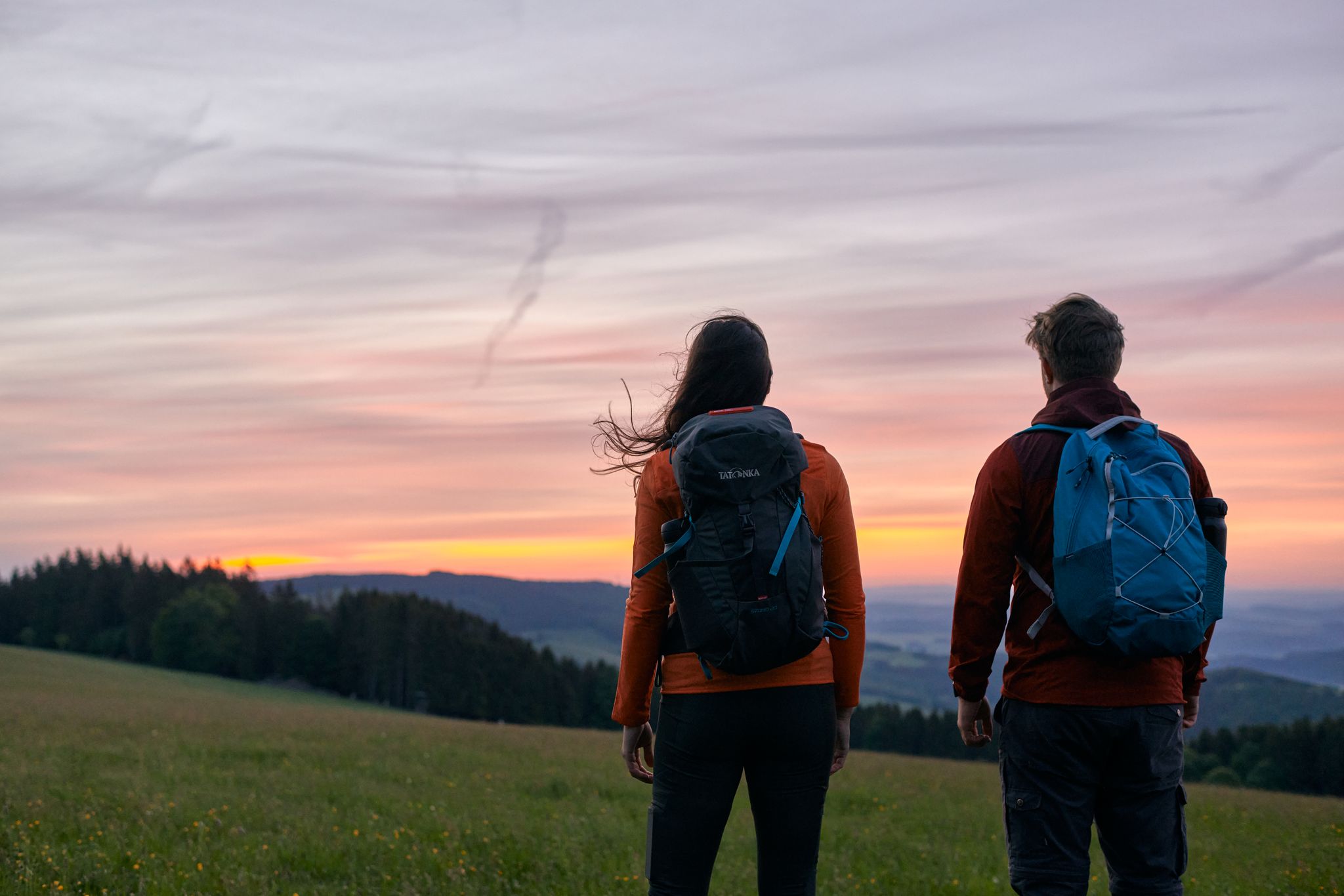
Hiking in Gemany’s Sauerland – the most beautiful multi–day Tours
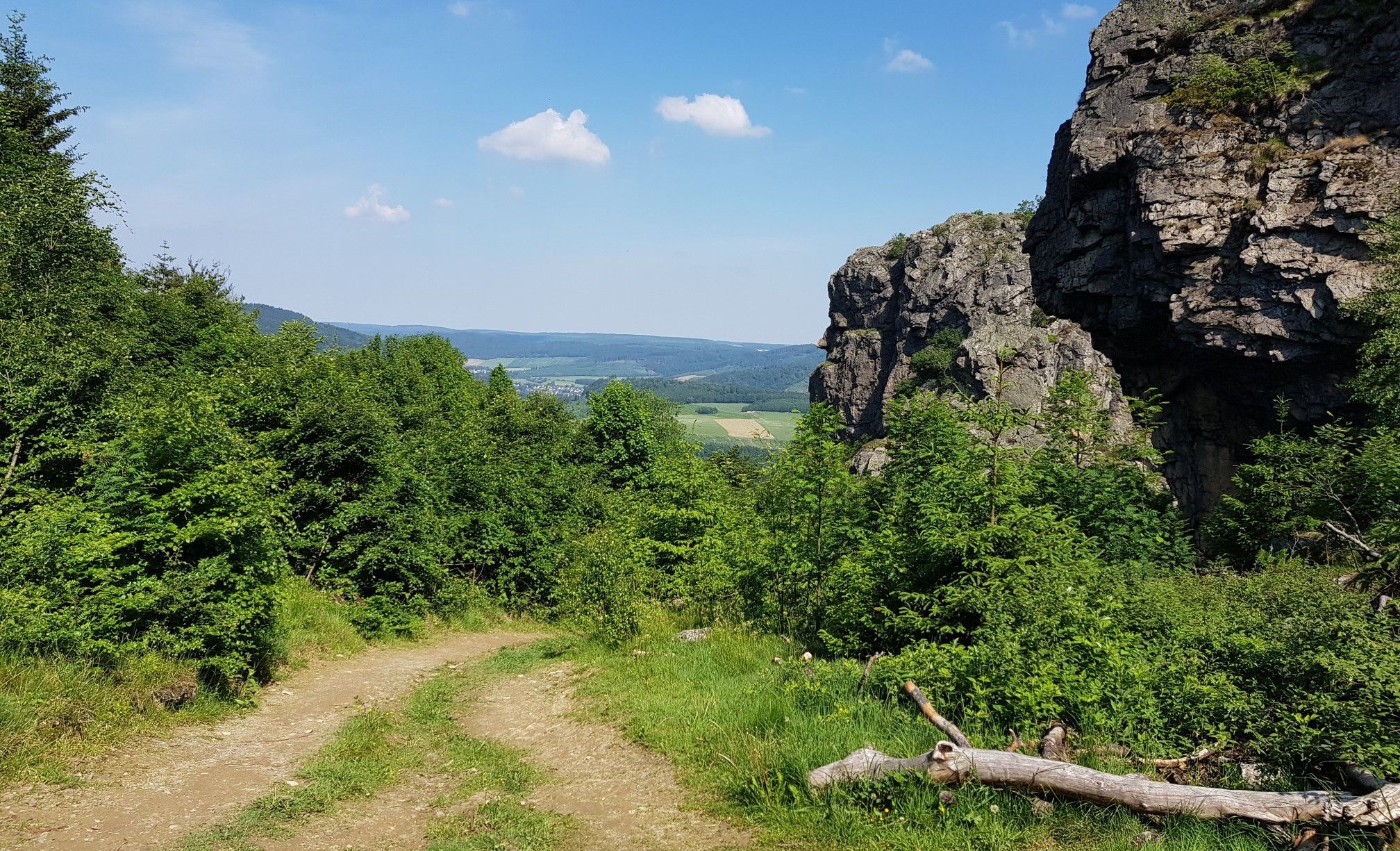
Hiking the Briloner Kammweg in Sauerland – forests and stone giants
Lowest to Highest (L2H) in Germany
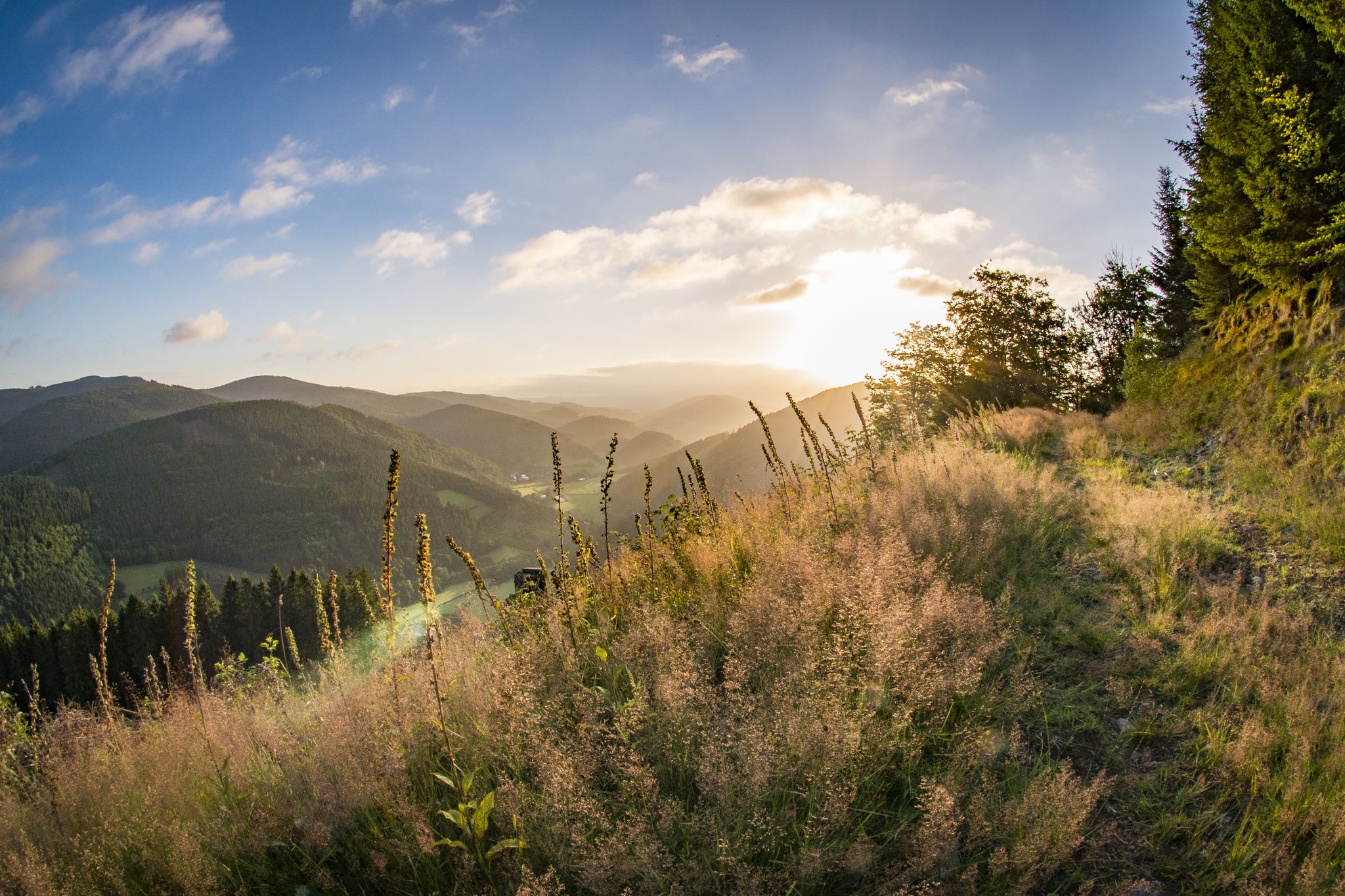
Pure Wanderlust — day Tours in the Sauerland

Mit der Familie auf Tour – Wanderspaß im Sauerland
Other adventures around Olsberg


Tips from the Community


Like in many places, ice was stored here in the winter to be used to cool the brewed beer in the summer. Another example of this can be found in Grevenstein. It's a stamp station for the Assinghausen Hiking Badge.
3
0

In the lower village there is a tunnel about 15 m long carved into the rock, the entrance of which is framed with slate stones. In earlier times the tunnel served as a storage room for ice that was cut from the ice cover of a pond during the winter. The ice remained in the tunnel until the summer months and was used to cool the beer brewed in the village. Source: www.assinghausen-live.de
4
0

The ice bucket was used to store ice in the winter. The ice, packed in straw, lasted until the summer.
3
0

In the lower village there is a tunnel about 15 m long carved into the rock, the entrance of which is framed with slate stones. In earlier times the tunnel served as a storage room for ice that was cut from the ice cover of a pond during the winter. The ice remained in the tunnel until the summer months and was used to cool the beer brewed in the village. Source: https://www.assinghausen-live.de/sehenswertes/sehenswertes-in-assinghausen/
3
0

Short (paid) tours depending on demand, at least every 45 minutes, lots of explanations - not just about stalagmites, stalactites and stalagnates, but about the entire formation and previous cave. Dogs are also allowed on a leash, just note that there are a few stairs. PS: Sorry, guys, but did you understand that the highlight is called "BilsteinHÖHLE" and not "Tierpark" or "Bilsteinfelsen"? It would be nice if the photos were uploaded accordingly!
7
0

When there were no refrigerators, ice was cut in winter and taken to a natural cellar like this. This kept the stored food cool until the next summer.
7
1

"...Whether you are praying the rosary or just enjoying the peace and quiet: in any case, it is a very idyllic place..." Find out more about this and our tour on the Ruhr Valley Cycle Path at: https://www.netreisetagebuch.de/ruhrtalradweg
7
1
Frequently Asked Questions
What types of caves can I explore around Olsberg?
Olsberg offers a diverse range of underground experiences. You can find natural stalactite caves like Bilstein Cave, ancient natural shelters such as Hollow Stone with archaeological significance, and historic mining tunnels like the Philippstollen Show Mine, which showcases the region's industrial past.
What geological features can I expect to see in the caves near Olsberg?
In natural caves like Bilstein Cave, you will see impressive stalactites and stalagmites, some forming a 'forest of stalagmites.' The Philippstollen Show Mine features geological formations like diabases, tuffs, and red iron ore, along with unique formations like the 'Sinter Wall' and the 'Barbara Grotto' created by water and minerals.
Are there any natural rock shelters with historical significance in the Olsberg area?
Yes, the Hollow Stone is a significant natural rock shelter. Excavations have revealed finds from the late Paleolithic to the pre-Roman Iron Age, indicating its use as a shelter by Stone Age hunters approximately 10,000 years ago. It's a valuable cultural asset for those interested in archaeology and prehistory.
Can I learn about the mining history of the Olsberg region through its caves?
Absolutely. The Philippstollen Show Mine offers a journey into Olsberg's rich mining history. This former iron ore mine provides insights into the arduous work of iron ore extraction and the lives of miners. You can observe various geological formations and the red iron ore itself.
Are the caves around Olsberg suitable for families with children?
Many caves and related attractions are family-friendly. Bilstein Cave offers guided tours that are accessible for families. The Bilsteintal Wildlife Park, which includes a stalactite cave, is also very popular with families, offering wildlife observation alongside the cave experience. The Philippstollen Show Mine also organizes special events like treasure hunts for children.
What are the typical opening times for the show caves in Olsberg?
The Bilstein Cave and the Philippstollen Show Mine generally operate with seasonal opening times. The Philippstollen, for instance, typically offers guided tours from April to October. It's advisable to check the specific opening hours for each attraction before planning your visit.
Are there guided tours available for the caves?
Yes, guided tours are available for the main show caves. At Bilstein Cave, you can explore approximately 400 meters of its length through guided tours lasting about 30 minutes. The Philippstollen Show Mine also provides guided tours, offering insights into the mining process and geological features.
What should I wear when visiting caves in Olsberg?
Caves maintain a cool and constant temperature year-round, typically around 8-10°C (46-50°F), regardless of the outside weather. It's recommended to wear warm clothing, such as a jacket or sweater, and comfortable, sturdy shoes with good grip, as paths can sometimes be damp or uneven.
What outdoor activities can I combine with a cave visit in Olsberg?
The Olsberg region offers numerous outdoor activities. You can enjoy gravel biking on routes like 'The Ruhr River in Olsberg' or 'Diemelsee' from the Gravel biking around Olsberg guide. For runners, there are trails like 'Ruhr Floodplains in Olsberg' or 'Olsberg Reservoir' from the Running Trails around Olsberg guide. Mountain hikes, such as 'Gaugreben’s Jägersteig' or 'Bornstein (Bruchhauser Steine)', are also popular, as detailed in the Mountain Hikes around Olsberg guide.
Are there hiking trails near the caves in Olsberg?
Yes, several caves are integrated into hiking networks. The Hollow Stone can be explored as part of various hiking routes and is connected to the Arnsberg Forest Nature Park. The Bilstein Cave is located within the Bilsteintal Wildlife Park, which has numerous hiking trails. The Philippstollen Show Mine is also part of the 11 km long Brilon Olsberg Mining Trail, allowing for further exploration of the mining landscape on foot.
What is the best time to visit the caves in Olsberg?
The best time to visit depends on the specific cave. Show caves like Bilstein Cave and the Philippstollen are generally open from spring to autumn, with the Philippstollen typically operating from April to October. Visiting during these months allows you to enjoy the surrounding natural areas and wildlife parks in pleasant weather. Some special events, like 'Glowing Bilsteintal' in September, offer unique experiences.
Are there any other historical underground sites besides natural caves?
Beyond natural caves and mining tunnels, you can visit the Old Ice Cellar in Assinghausen. This historical site demonstrates how ice was cut in winter and stored in natural cellars to keep food cool before modern refrigeration. Additionally, the Marian Grotto, Assinghausen, while a religious site, is also an interesting man-made grotto to explore.
Most popular routes around Olsberg
Most popular attractions around Olsberg

Get inspired with the komoot mobile app


Explore more
Extend your search for the best caves by checking out these guides of the top ones around Olsberg:
