Top 20 Gorges in the Munich Backyard Mountains
Best canyons in the Munich Backyard Mountains are found within the Bavarian Alps and their foothills, easily accessible from Munich. These dramatic geological formations, often carved by glacial meltwater, provide unique hiking experiences. The region offers numerous gorges and canyons, characterized by deep rock walls, rushing rivers, and impressive natural features. Visitors can explore well-maintained paths and walkways that showcase the area's natural beauty.
Best canyons in the Munich Backyard Mountains
- The most popular canyons is Leutasch Gorge Panoramic Bridge, a bridge that offers an impressive nature experience. The technically advanced way allows visitors to always be close to the gorge.
- Another must-see spot is Klammweg, a gorge trail that leads through the beautiful Höllentalklamm. Nature lovers will find an unforgettable natural spectacle with many waterfalls and illuminated passages.
- Visitors also love Leutasch Ghost Gorge, a gorge with a secured lattice way in its upper area. Several stations offer special experiences such as horns, a wind chime, and panels explaining the gorge's history.
- Munich Backyard Mountains is known for gorges, bridges, and viewpoints. The region offers a variety of canyons to see and explore, from deep rock formations to panoramic bridges.
- The canyons in the Munich Backyard Mountains are appreciated by the komoot community, with more than 8000 upvotes and over 9000 photos shared across more than 400 highlights.
Last updated: June 22, 2026
Partnach Gorge
Highlight (Segment) • Gorge
Translated by Google •
Tip by

Leutasch Gorge Panoramic Bridge
Highlight • Bridge
Translated by Google •
Tip by

Sign up now to discover places like this
Get recommendations on the best single tracks, peaks, & plenty of other exciting outdoor places.
Sign up for free
Leutasch Ghost Gorge
Highlight (Segment) • Gorge
Translated by Google •
Tip by

Höllental Gorge
Highlight (Segment) • Gorge
In the snow-free period, around mid-May to the end of October, the gorge is open 24 hours a day. Please don't forget to bring appropriate clothing, as it is quite humid in the gorge and even in summer the temperatures are sometimes cool. The Höllentalangerhütte at an altitude of 1,387 meters invites you to stop off afterwards. You can also stay overnight here. There are drying rooms for clothes if it gets too wet. From the Höllentalangerhütte, further climbs are possible, for example to the Alpspitze, the Matheisenkar or even to the Zugspitze. Information at: grainau.de/hoellentalklamm.
Translated by Google •
Tip by

View of Leutasch Gorge
Highlight • Gorge
Translated by Google •
Tip by

Waterfall in Höllentalklamm
Highlight • Waterfall
Translated by Google •
Tip by

Klammweg
Highlight (Segment) • Gorge
Translated by Google •
Tip by

Entrance to the Partnach Gorge
Highlight • Gorge
Translated by Google •
Tip by

Höll Bridge (Leutaschklamm Gorge Bridge)
Highlight • Bridge
Translated by Google •
Tip by
Wimbach Gorge
Highlight (Segment) • Gorge
Translated by Google •
Tip by

Sign up for free to discover even more gorges in the Munich Backyard Mountains.
Sign up for free
Already have an account?
Start today with a free account
Your next adventure awaits.
Login or Signup
Popular around Munich Backyard Mountains
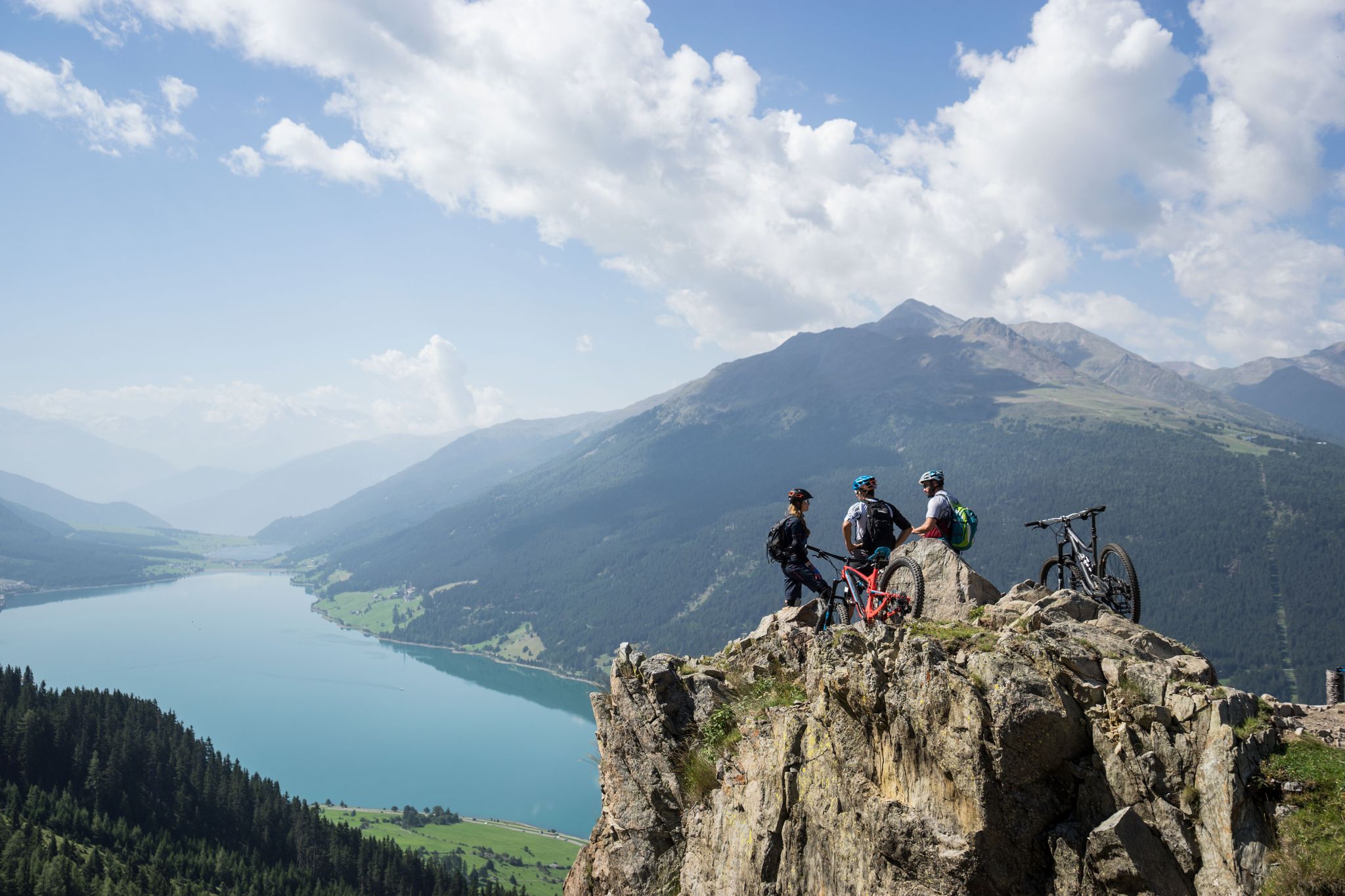
High into the Tyrolean mountain world – mountain biking in Tyrol
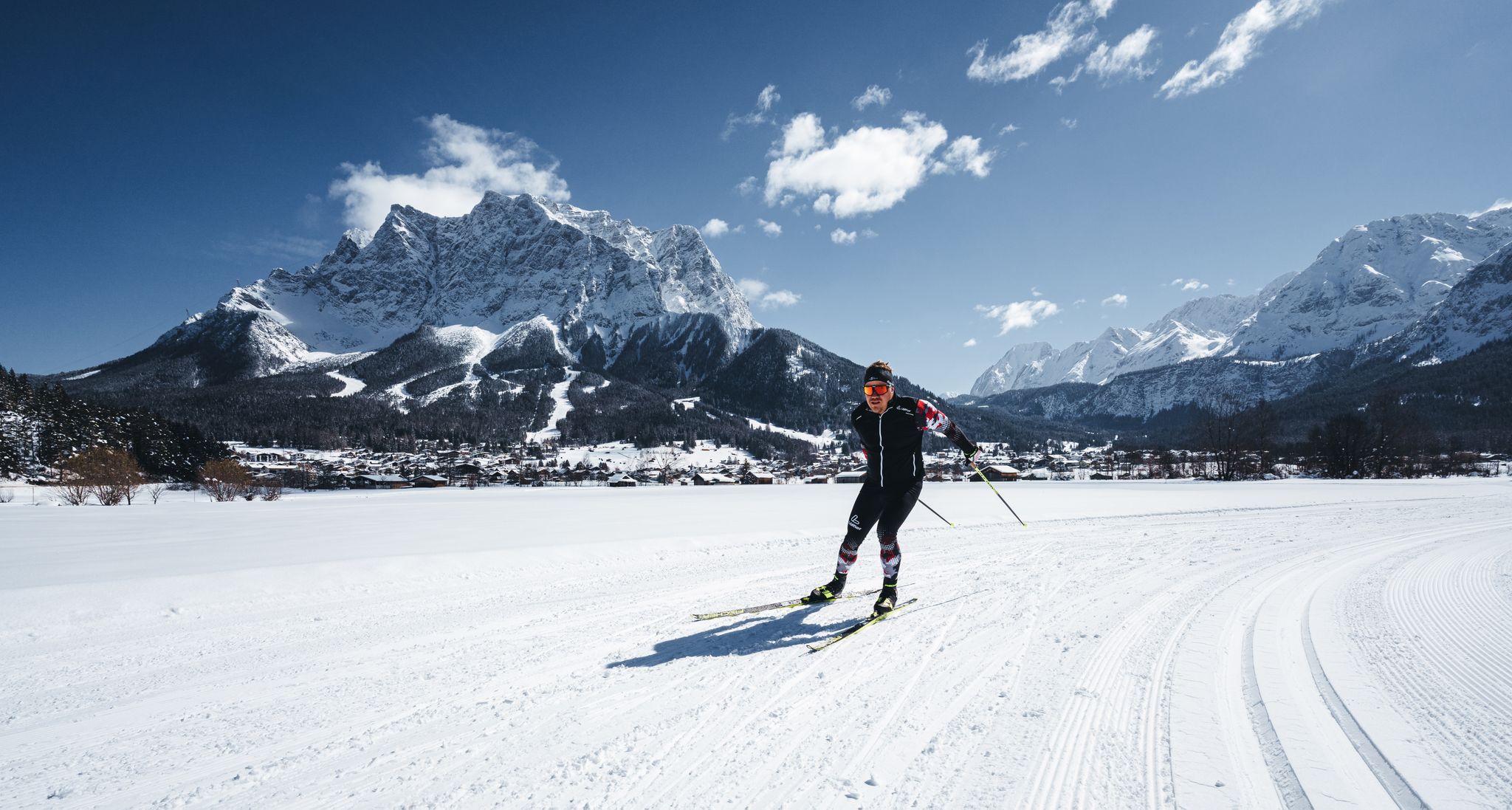
Glide and enjoy – cross-country skiing in the Tyrolean Zugspitz Arena
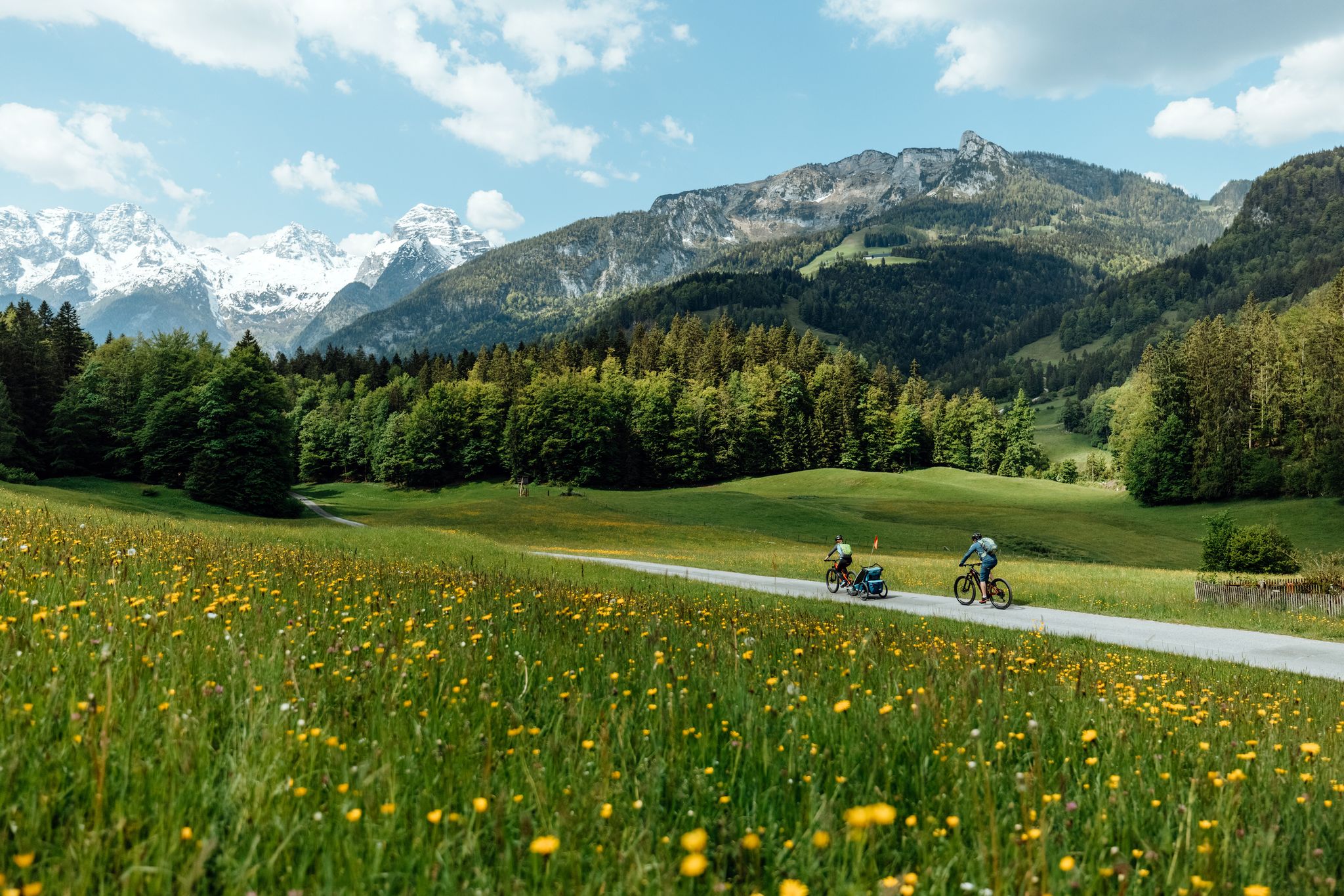
Biking with kids in Salzburg's Saalach Valley
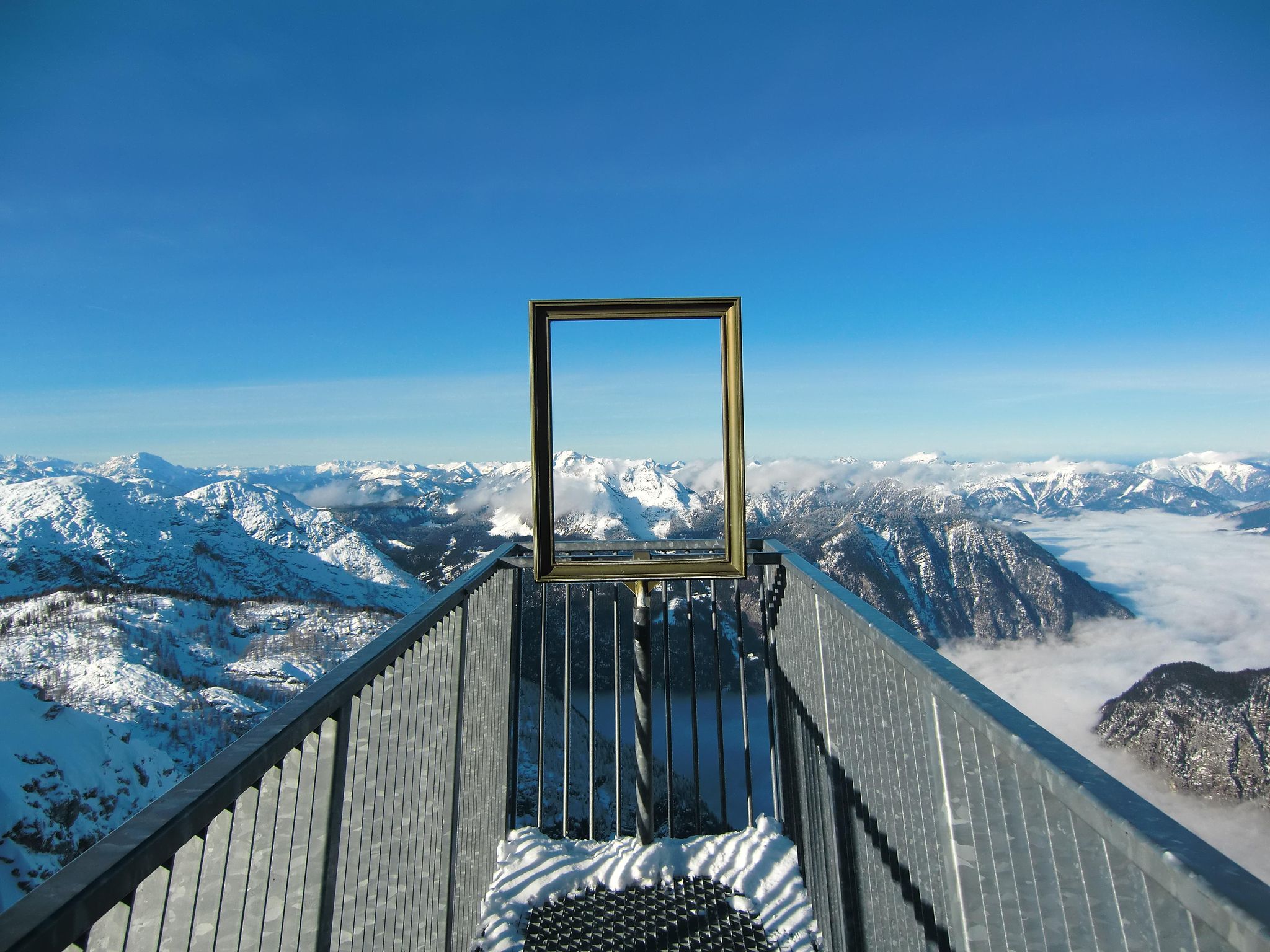
#Winterlove — 14 tips for your winter adventure in Austria
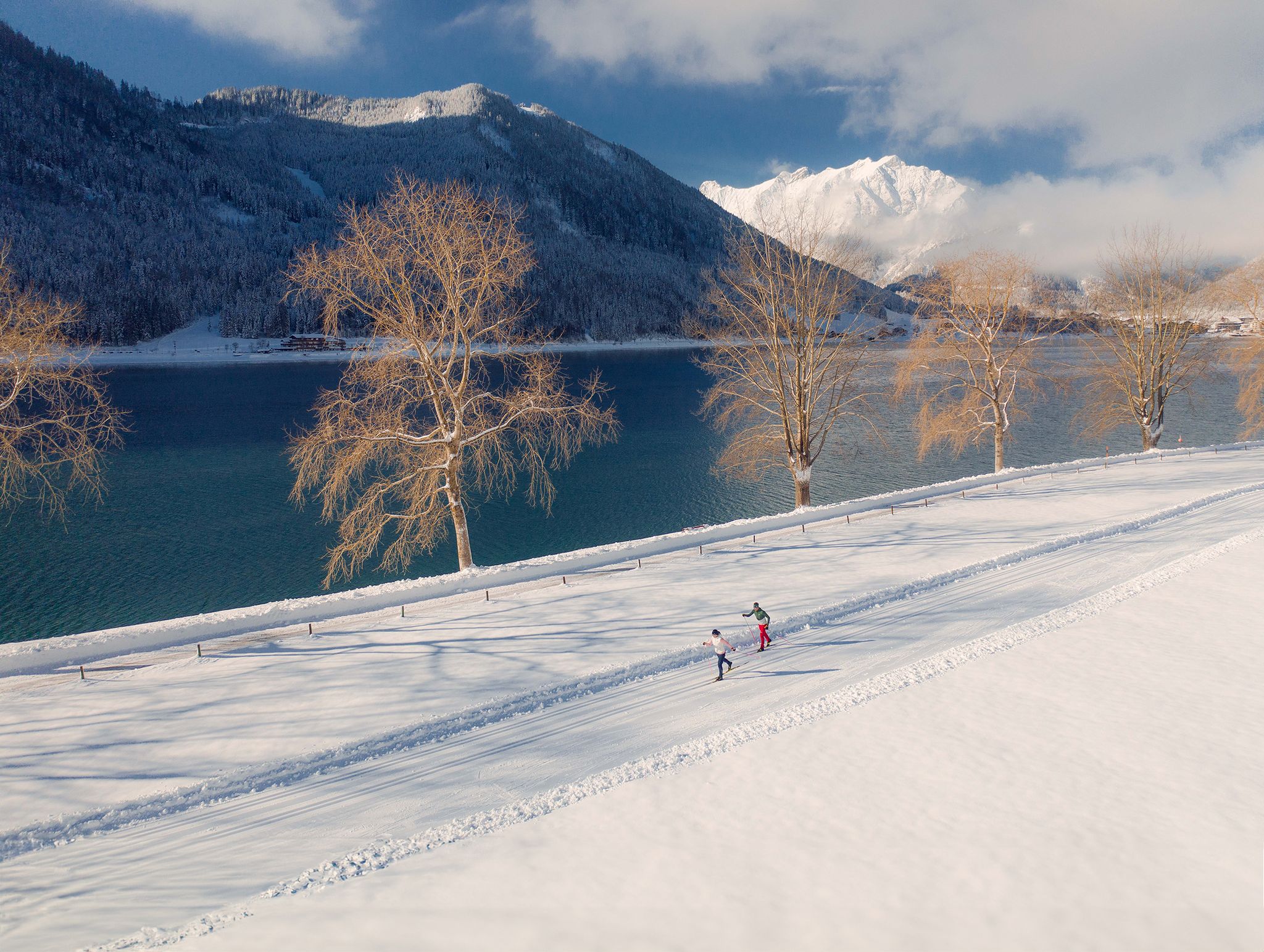
Winter magic at Lake Achen in Austria – a paradise for cross-country skiers
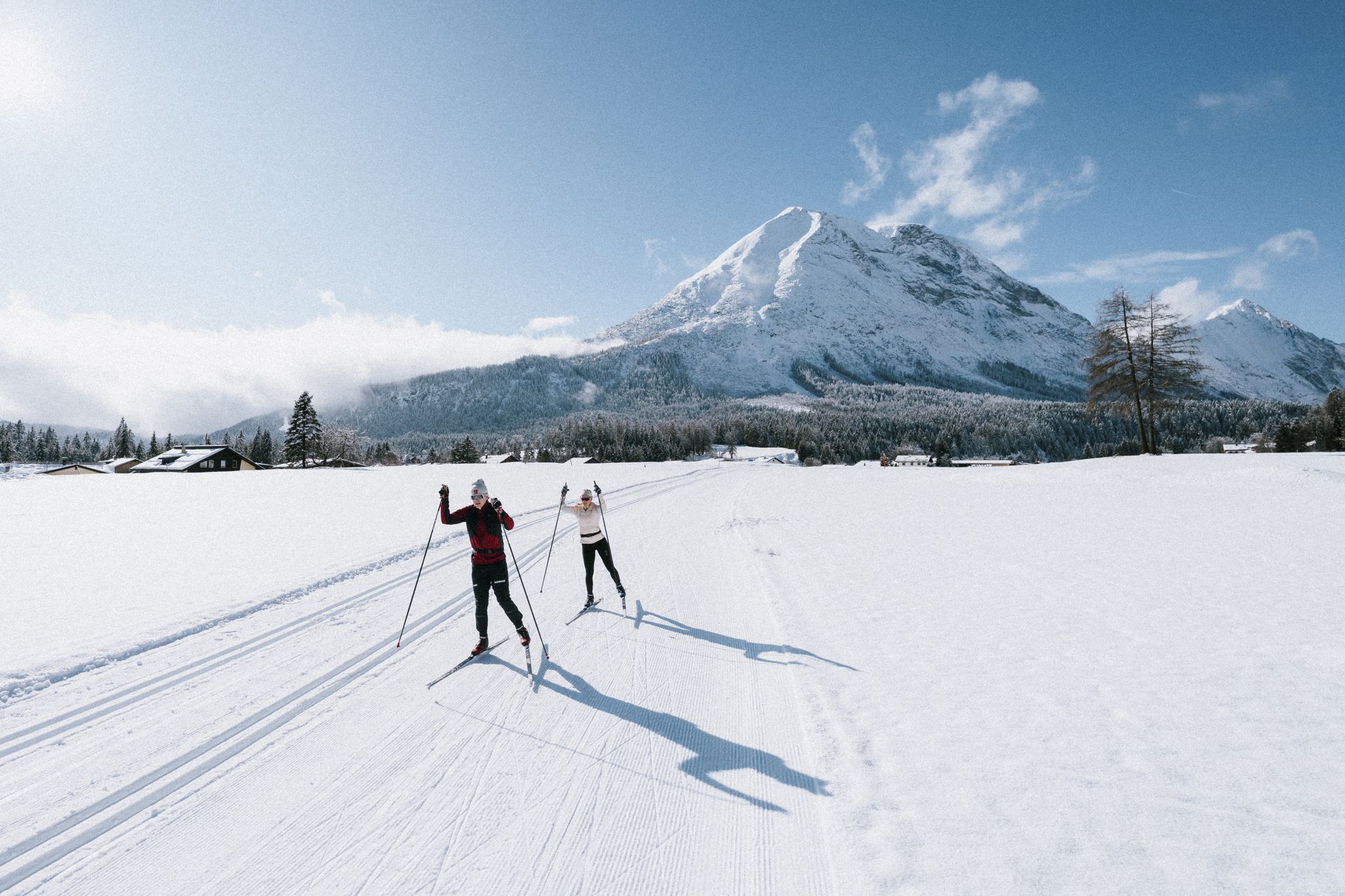
World class ski trails – cross-country winter in Austria’s Seefeld
Triathlon around Germany
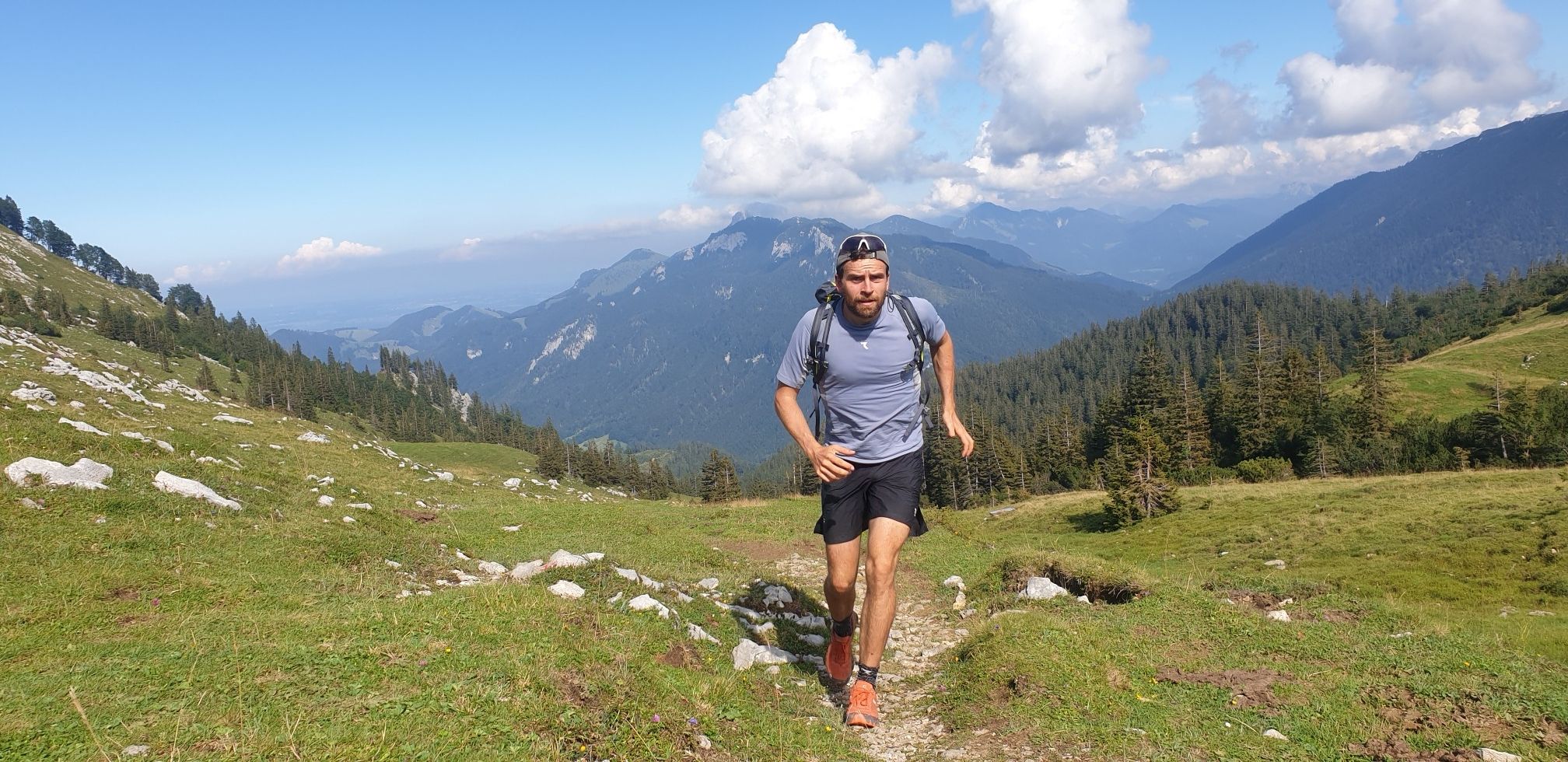
Zugspitz Ultratrail – experience Germany's highest mountain over 3 days
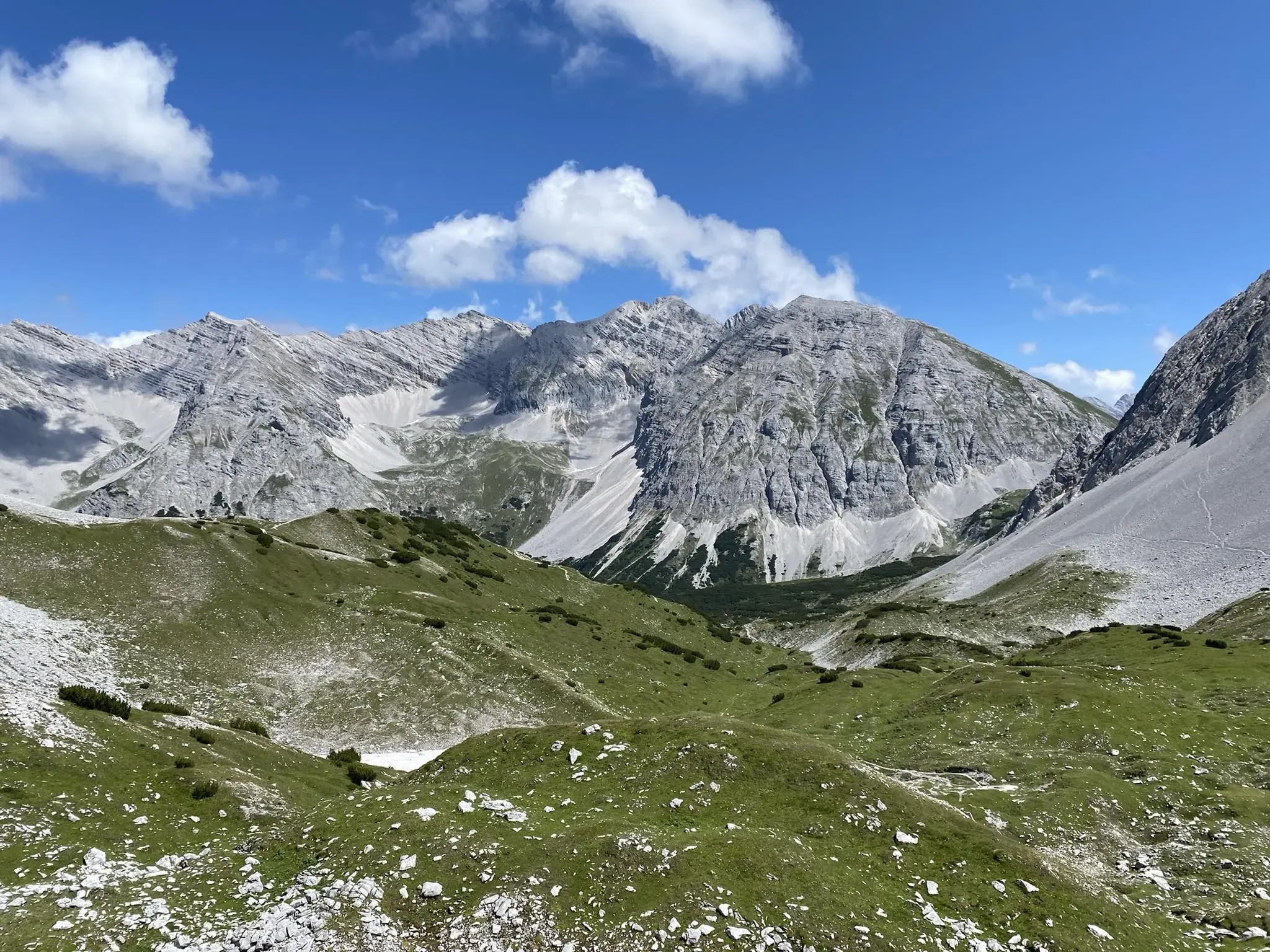
Karwendel crossing – Innsbruck to Sylvensteinspeicher
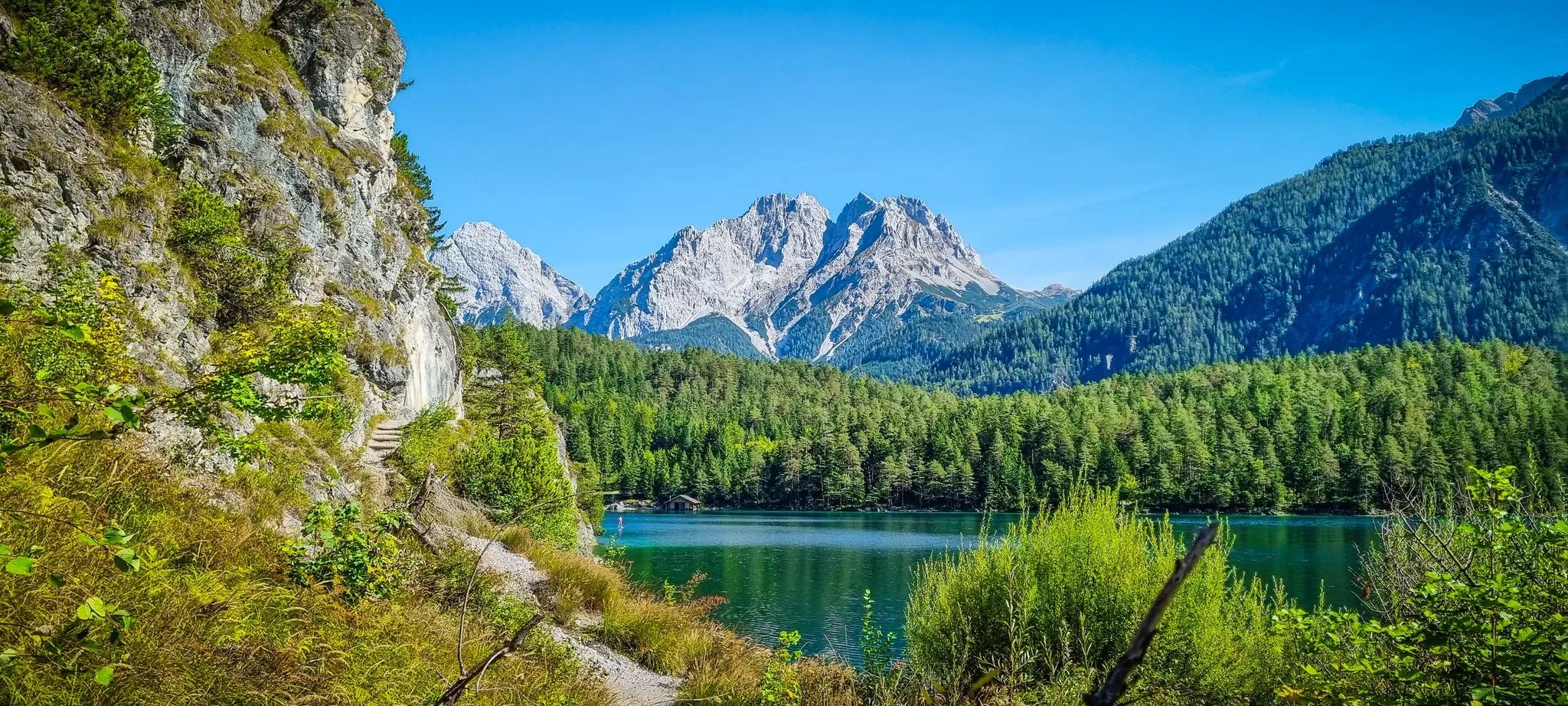
Starkenberg Panorama Trail – Lakes, gorges and noble paths
Other adventures in the Munich Backyard Mountains


Tips from the Community

Force of nature and man becomes very small
10
0
The waterfalls are very impressive
5
0


Mega beautiful hike with a gigantic view of the gorge.
6
0

From 1910 to 1912, the Partnach Gorge, which is up to 80 meters deep, was opened up for tourism under the most difficult conditions and at great financial expense.
11
0

The sign above the entrance to the gorge, a popular photo motif, shows the time it was opened up in the years 1910-1920.
13
0

Lower entrance to the gorge. here you can buy the tickets
12
0

The Partnach Gorge is a 700-meter-long gorge in the Reintal near Garmisch-Partenkirchen, cut by the Partnach torrent to a depth of more than 80 meters in places. The valley floor is at about 800 m above sea level in the middle of the gorge. In 1912, the Partnach Gorge was declared a natural monument. The path always runs on the right side of the stream. In the Middle Triassic, around 240 million years ago, dark gray, relatively hard layers of alpine shell limestone, known as Wurstel limestone or Knollenkalk, were deposited on the bottom of a shallow sea in the area of today's Partnach Gorge. On the bulging layers of this rock, you can still often see traces of burrowing and feeding by the sea creatures of that time. Around five million years later, significantly softer marls were deposited in the same sea basin, which are now known as the Partnach layers. During the later Alpine folding, the so-called Wamberger Saddle was formed from these rock layers. The erosion power of the Partnach, fed by the Schneeferner on the Zugspitzplatt, was great enough to quickly erode the softer layers, keep pace with the ongoing uplift of the terrain and thus also cut into the hard alpine Muschelkalk. Today, the river forms the typical narrow valley shape of a gorge in the Muschelkalk area, while to the north and south of it, in the areas of the softer Partnach layers, wider valley shapes predominate. Source: https://de.wikipedia.org/wiki/Partnachklamm
10
0
Frequently Asked Questions
Which canyons in the Munich Backyard Mountains are particularly popular?
Among the most popular canyons are the Partnach Gorge, known for its well-maintained paths and stunning winter ice formations, and the Höllental Gorge, which offers an intense hiking experience with numerous waterfalls. The Wimbach Gorge is also highly regarded for its unique natural beauty, despite its shorter length.
What is the best time of year to visit the canyons near Munich?
Many canyons, like the Höllentalklamm, are typically open from May to October, as footbridges are dismantled during the off-season due to avalanche susceptibility. However, the Partnach Gorge and Breitachklamm are notable for being accessible year-round, offering unique experiences with ice formations in winter. Always check specific gorge opening times before your visit.
Are there family-friendly canyons in the Munich Backyard Mountains?
Yes, several canyons are suitable for families. The Leutasch Gorge Panoramic Bridge and Leutasch Ghost Gorge offer interactive stations and secured walkways, making them engaging for children. The Partnach Gorge and Wimbach Gorge are also categorized as family-friendly, providing accessible paths through impressive natural scenery.
What kind of natural features can I expect to see in these canyons?
The canyons in the Munich Backyard Mountains are characterized by dramatic geological formations. You'll encounter deep rock walls, roaring rapids, powerful waterfalls, and unique rock formations carved by glacial meltwater. Many gorges feature well-maintained paths and wooden walkways, sometimes carved directly into the rock, offering close-up views of the water's vivid turquoise hues and the surrounding alpine landscape.
How accessible are the canyons by public transport from Munich?
Many canyons in the Munich Backyard Mountains are well-connected by public transport. For example, the Partnachklamm is easily reachable from Munich via train to Garmisch-Partenkirchen, followed by a short local bus or walk. The Höllentalklamm is also near Garmisch-Partenkirchen. For the Leutaschklamm, you can travel to Mittenwald, which has good public transport links. It's advisable to check specific routes and schedules for your chosen destination.
What are the difficulty levels for hiking through the canyons?
Difficulty levels vary. Many gorges, like the Partnach Gorge and Leutasch Gorge Panoramic Bridge, offer intermediate trails with well-secured paths suitable for most visitors. However, the Höllental Gorge is considered more challenging, featuring steeper, wetter sections and requiring a good level of fitness. Always wear appropriate footwear and be prepared for potentially slippery conditions.
Can I bring my dog to the canyons?
Policies regarding dogs can vary by gorge. While some trails in the broader region are dog-friendly, specific gorges with narrow walkways or high visitor numbers might have restrictions or require dogs to be on a leash. It's best to check the specific rules for each canyon you plan to visit beforehand to ensure a smooth experience for you and your pet.
Are there any unique features or experiences in the Leutasch Gorge?
The Leutasch Gorge, also known as the Leutasch Ghost Gorge, is notable for its modern infrastructure, including a secured lattice walkway in its upper areas. It offers various interactive stations like horns, a wind chime, and panels explaining the gorge's history, along with a 'hidden gorge spirit' to discover. The walk through the gorge also involves crossing into Austria, adding a unique cross-border element.
What outdoor activities can I do near these canyons?
The region around the canyons offers a wide range of outdoor activities. You can find numerous hiking trails, including routes like the Eibsee Loop Trail or the Partnach Gorge and Graseck Loop Trail. There are also options for waterfall hikes and cycling tours, such as the Salvenradrunde. Many canyons serve as starting points for longer mountain excursions, including ascents to peaks like the Zugspitze.
What should I wear when visiting the canyons?
Given the often wet and cool conditions inside the gorges, even in summer, it's recommended to wear appropriate clothing. Sturdy, waterproof hiking shoes with good grip are essential due to potentially slippery paths and wooden walkways. Layers of clothing are advisable to adapt to temperature changes, and a light rain jacket can be useful to stay dry from mist and spray.
Are there any cafes or places to eat near the canyons?
Yes, many popular canyons have facilities or nearby villages offering refreshments. For instance, near the Höllentalklamm, the Höllentalangerhütte provides a place to stop for a break and even offers overnight stays. The areas around Garmisch-Partenkirchen and Mittenwald, which are close to several gorges, also have various cafes, restaurants, and accommodations.
What makes the Breitachklamm unique among the canyons?
The Breitachklamm, located in the Allgäu Alps, stands out as the deepest rocky gorge in Central Europe. Its walls reach up to 150 meters high, and it extends over 2.5 kilometers. It's one of the few gorges that remains open in winter, offering impressive nightly torchlight hikes on ice and snow, making it a truly wild and spectacular experience.
Most popular routes in the Munich Backyard Mountains
Most popular attractions in the Munich Backyard Mountains

Get inspired with the komoot mobile app


Explore more
Already discovered everything in this region? See additional gorges in the Munich Backyard Mountains for your next adventure:
