Top 20 Natural Monuments in the Weser Uplands
Best natural monuments in the Weser Uplands are found within this picturesque hill region, encompassing parts of Lower Saxony, Hesse, and North Rhine-Westphalia. The area is characterized by vast forests, rolling hills, and the meandering Weser River. It features unique geological formations, diverse flora, and significant natural landmarks. The Weser Uplands offer numerous opportunities to experience its natural appeal.
Best natural monuments in the Weser Uplands
- The most popular natural monument is Externsteine, a rock formation that consists of…
Last updated: June 26, 2026
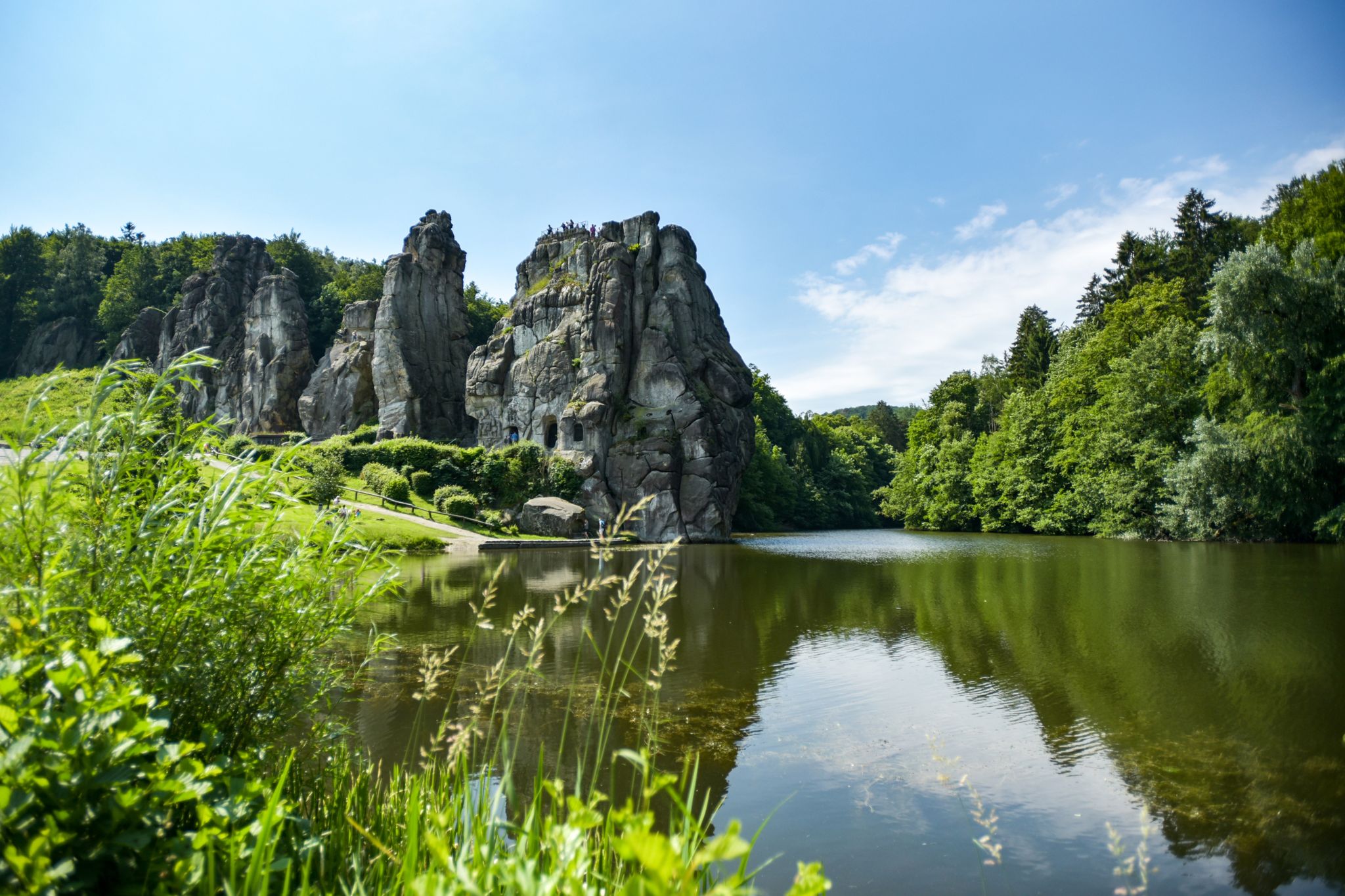
Externsteine
Highlight • Natural Monument
Translated by Google •
Tip by

View of the Externsteine from the north shore of the Upper Pond
Highlight • Viewpoint
Translated by Google •
Tip by

Sign up now to discover places like this
Get recommendations on the best single tracks, peaks, & plenty of other exciting outdoor places.
Sign up for free
View of the Externsteine
Highlight • Viewpoint
Translated by Google •
Tip by

The Falkenburg
Highlight • Castle
Translated by Google •
Tip by

Lippische Velmerstot
Highlight • Summit
Translated by Google •
Tip by

Hermann Monument
Highlight • Monument
Translated by Google •
Tip by

Eggeturm Observation Tower (Preußische Velmerstot)
Highlight • Viewpoint
Translated by Google •
Tip by

Silberbach Stream in Silberbachtal
Highlight • River
Translated by Google •
Tip by

Hohenstein Cliffs and Scenic Viewpoint
Highlight • Viewpoint
Translated by Google •
Tip by

Confluence of the Werra and Fulda rivers
Highlight • Monument
Translated by Google •
Tip by

Sign up for free to discover even more natural monuments in the Weser Uplands.
Sign up for free
Already have an account?
Start today with a free account
Your next adventure awaits.
Login or Signup
Popular around Weser Uplands
Hiking Germany's Hermannsweg – In the footsteps of the Cheruscan
Loccum-Volkenroda pilgrim's way – From monastery to monastery
11 Hessen trails – criss-cross through the countryside
Frau Holle Trail – Nature and fairytales, eight stages
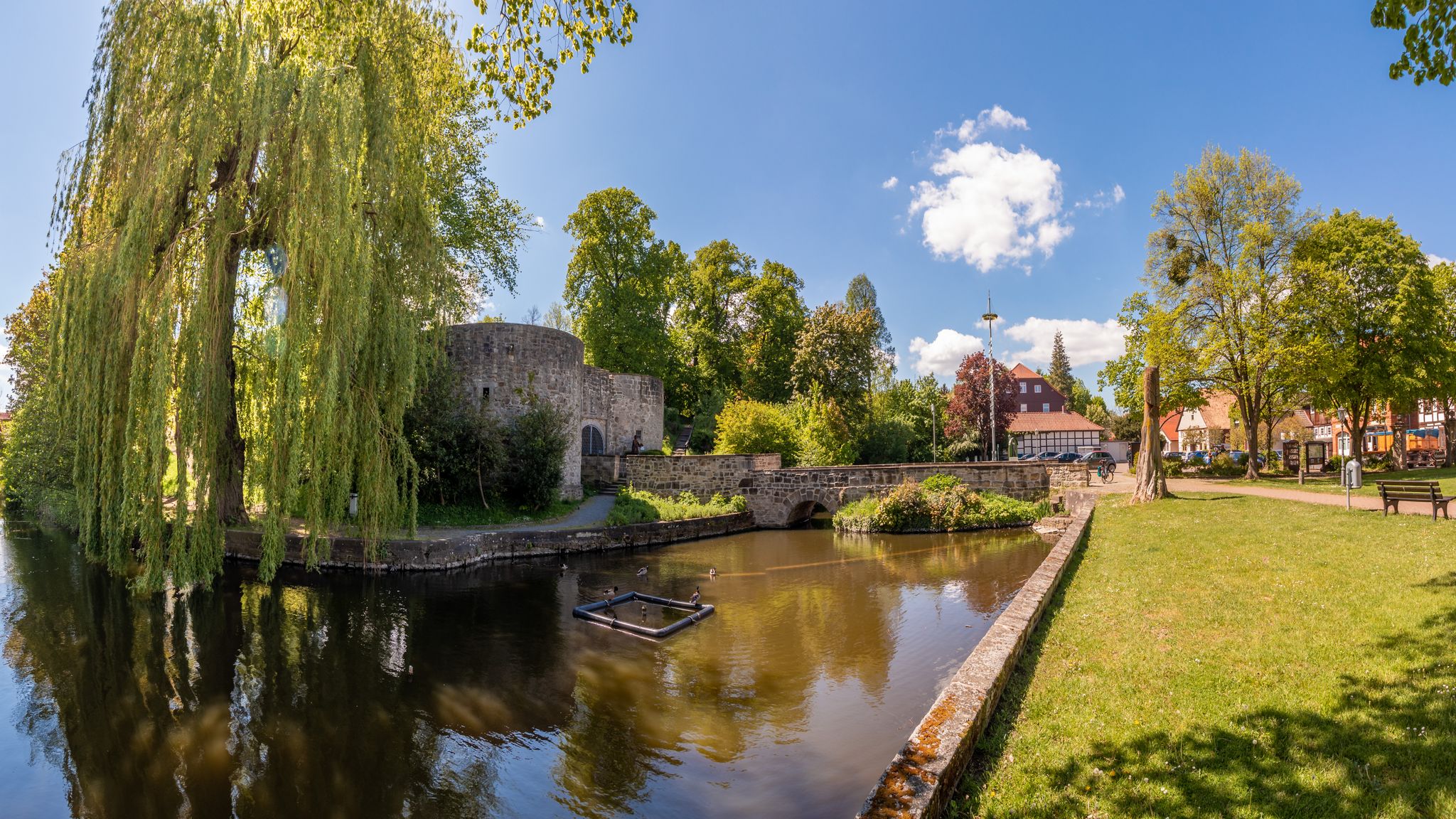
Berlin-Hameln Cycle Route – From West to East
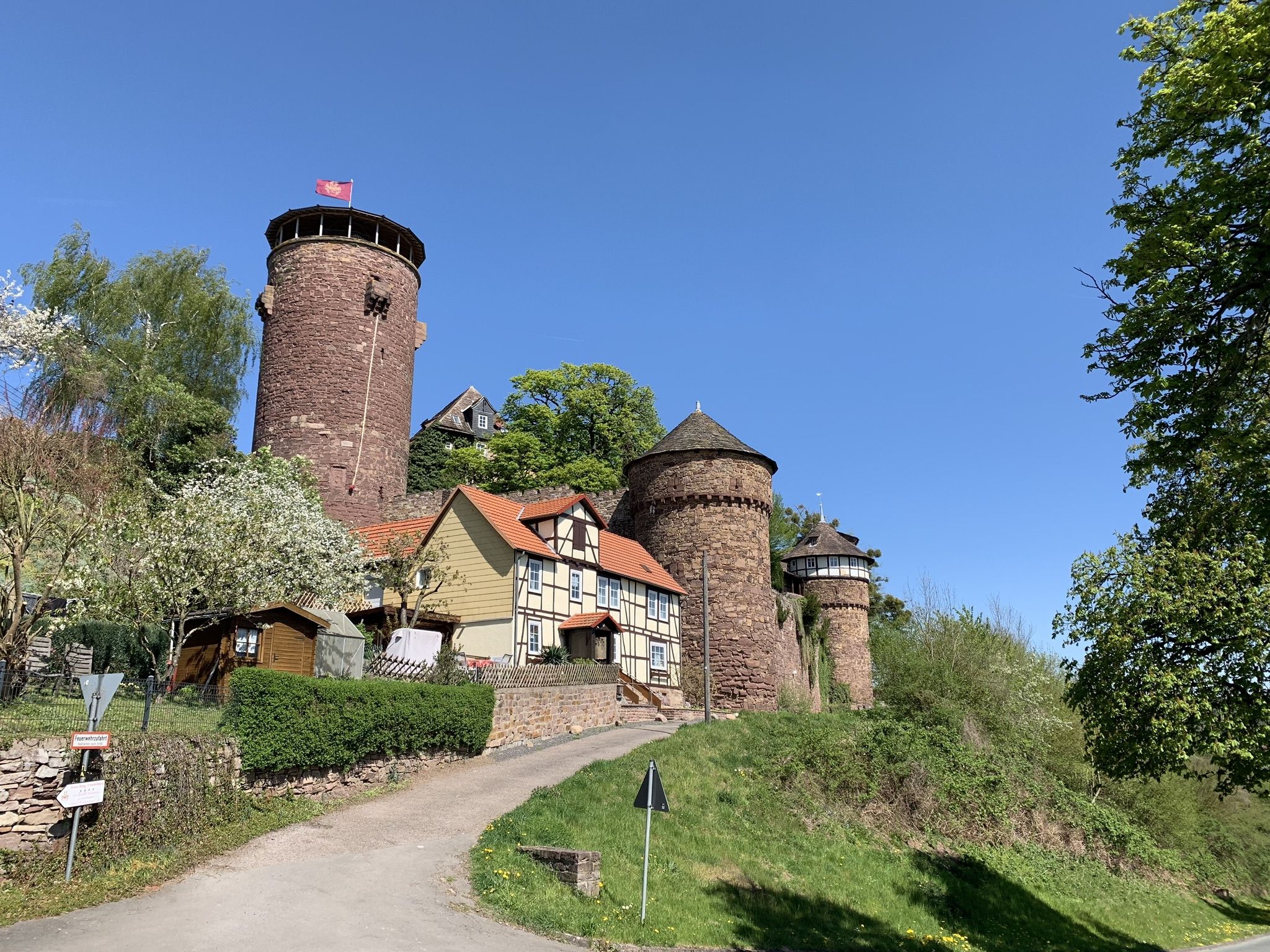
Hike the Fairy Tale Route – Enchanting days in Germany
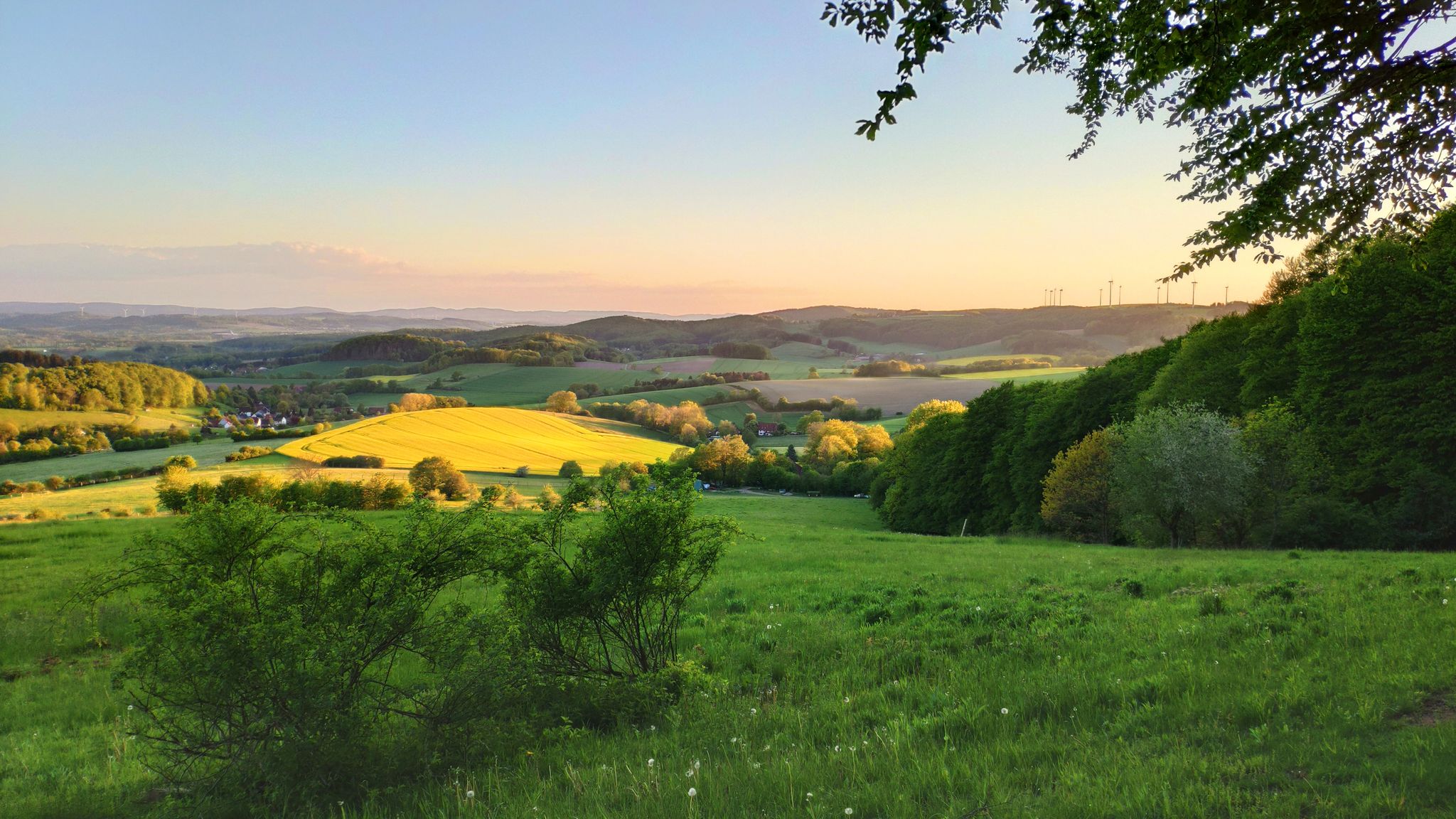
Hansa Trail in 6 stages – Hills and fun in Germany's Lipper Bergland
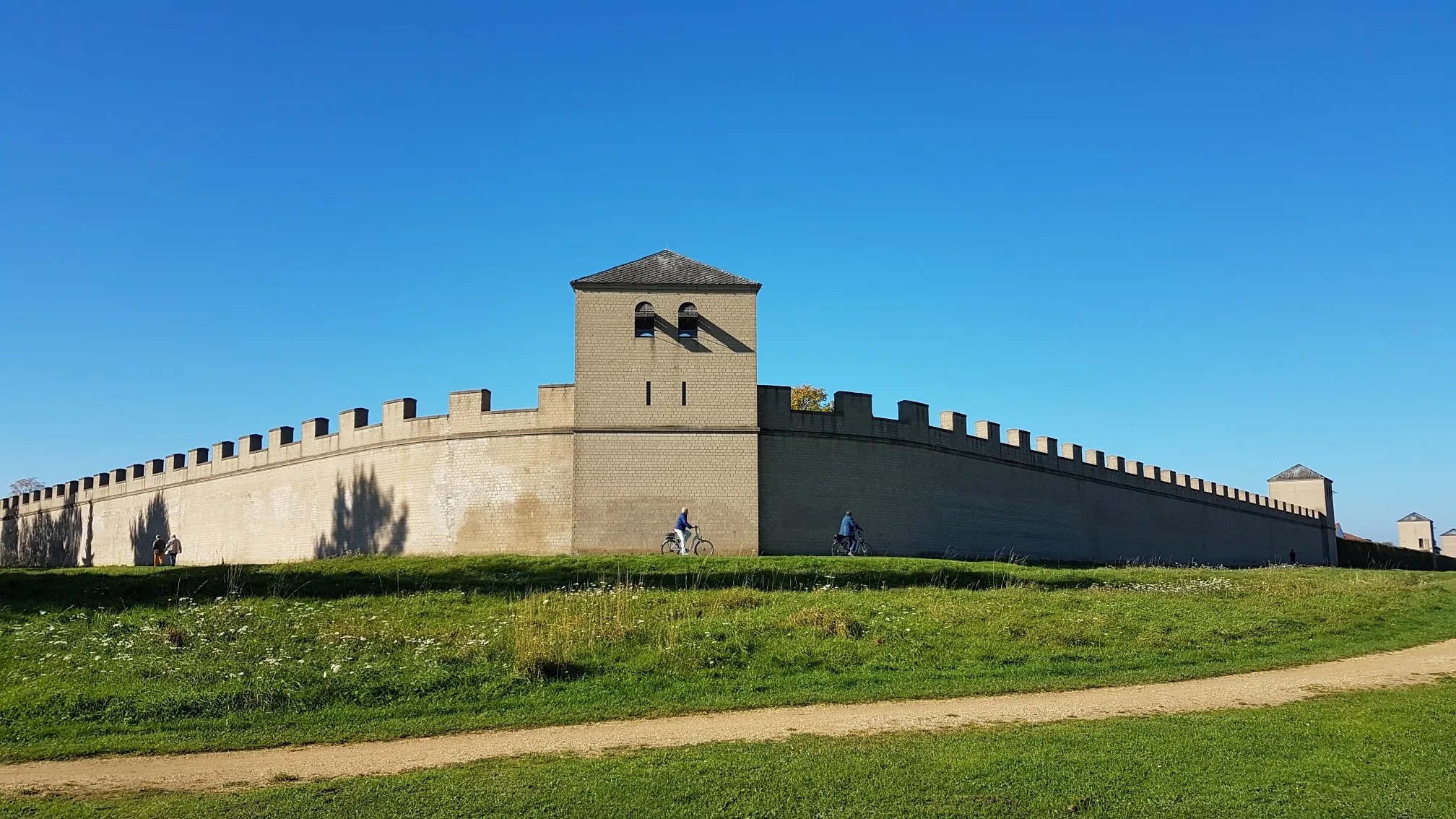
Römer‑Lippe Route – Water and history – 6 days
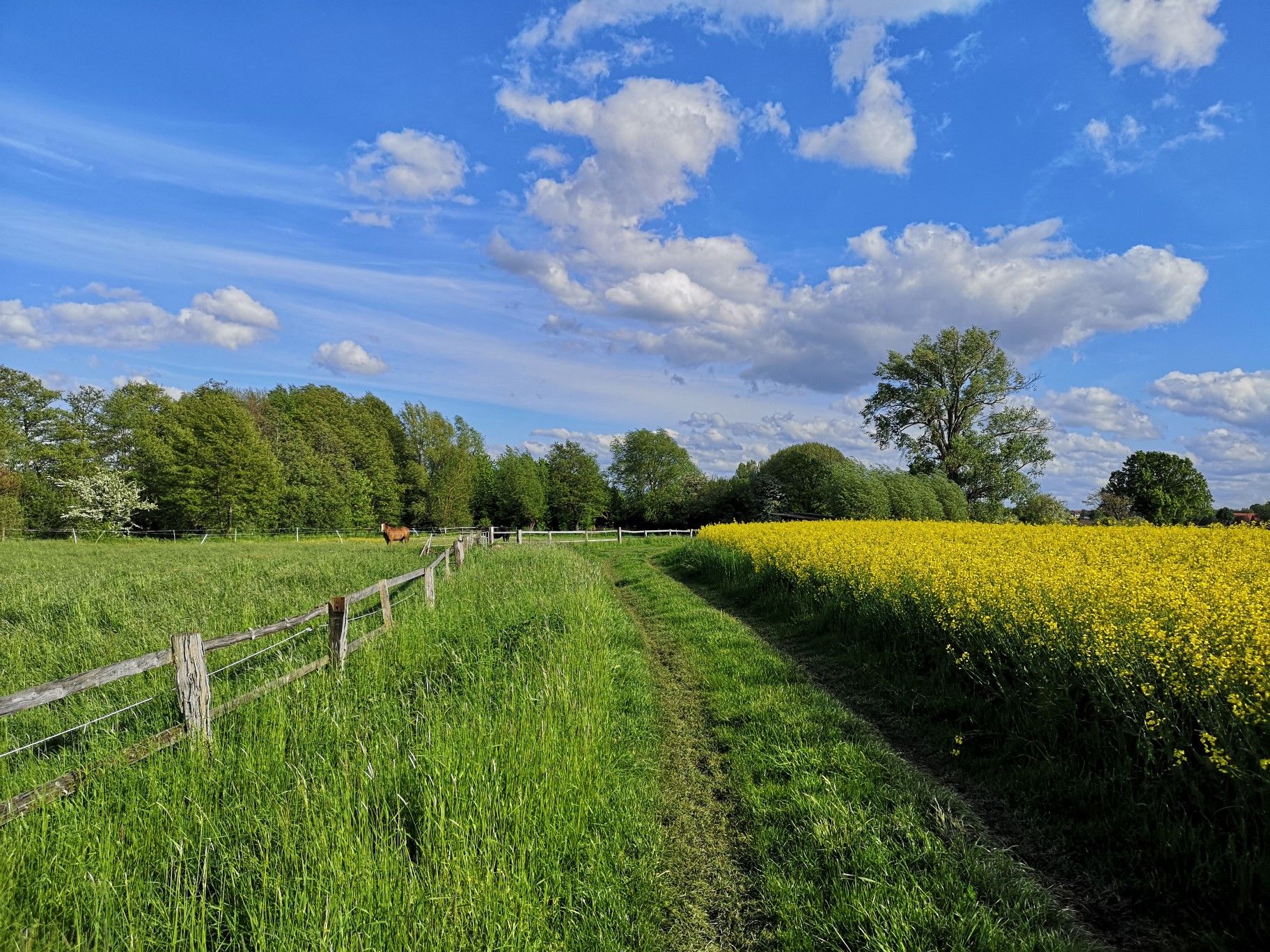
Hiking on Germany's Bückeberg Trail – Gentle hills and green forests
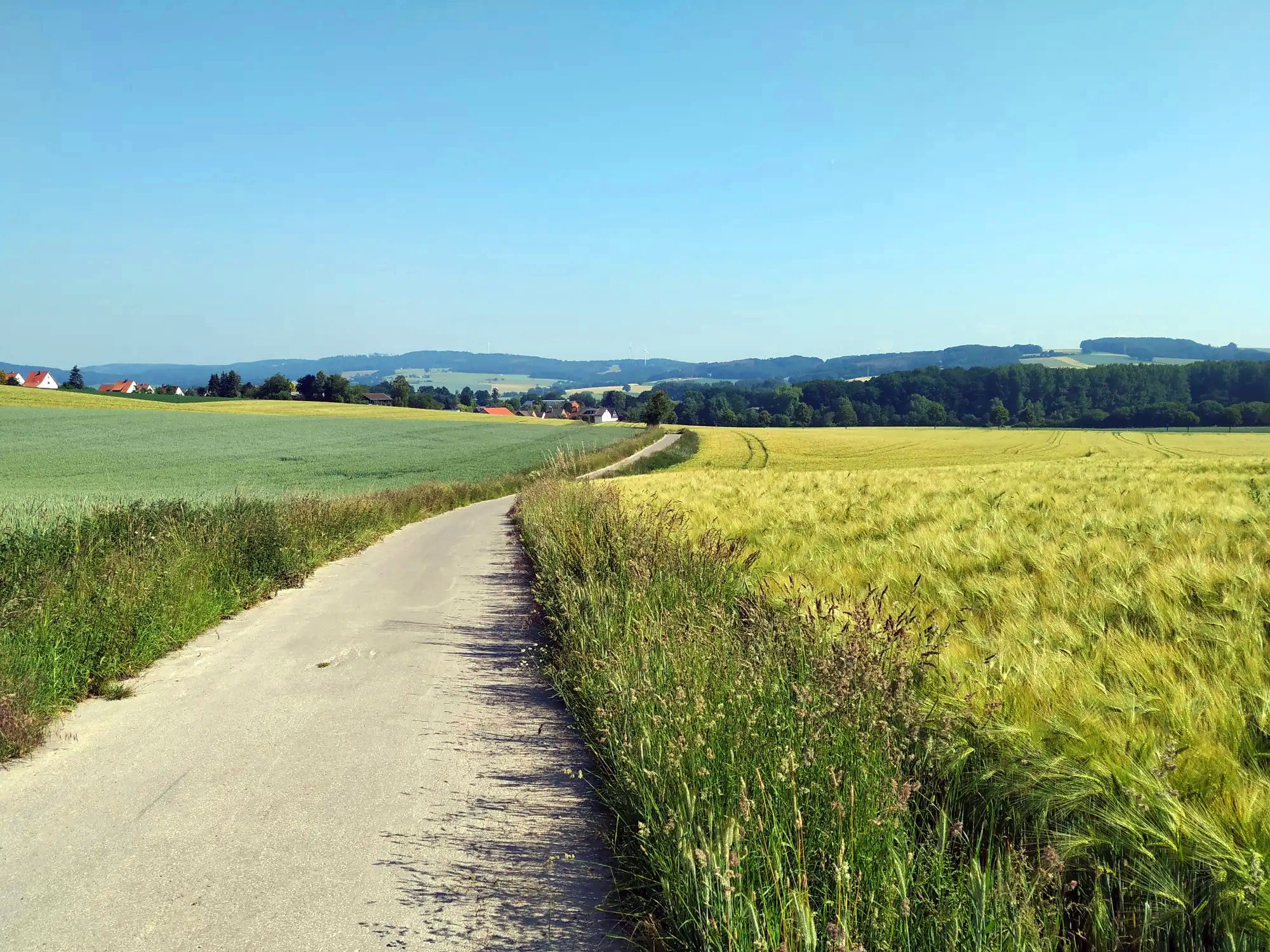
Hellweg-Weser railway cycle route – Ride through western Germany
Other adventures in the Weser Uplands


Tips from the Community

August 2025 – the Silberbach stream is barely recognizable anymore. If you're out with dogs and think you'll find the water here, you're in luck! Everything's overgrown and barely accessible! Perhaps it would be a good idea to organize the comments by year! The pictures shown here don't fit at all!
1
0

It's really nice to be standing where Fulda and Werra "kiss" and the Weser is formed. You have an even better overview from the car bridge with bicycle and pedestrian path across the street.
10
0

The Externsteine are a unique sandstone formation. It is worth taking a break at this special natural spectacle. The rocks can also be climbed. Information about prices and opening hours can be found here: https://www.externsteine-info.de/tickets-und-anreise/tickets/
8
0

A really mystical place. Actually too bad to "rush by". So get off, take a break and enjoy the sight!
8
0

Here the Weser begins at the confluence of the Fulda and Werra - the cycle path to Bremen is mostly well developed and recommendable.
15
1

Taking a picture without people is difficult
14
1
Taking a picture without people is difficult
12
0

Crisp climb over the main road
12
0
Frequently Asked Questions
What unique geological formations can I explore in the Weser Uplands?
The Weser Uplands are rich in diverse geological features. You can visit the imposing Externsteine, a series of dramatic sandstone rock formations with historical significance. The region also features prominent rocky crags and steep cliffs along the Süntel and Ith ridges, composed of Hartstein rock, offering spectacular views and challenging terrain. Additionally, the area is known for its karst landscapes, including dripstone caves.
Are there any notable cave systems in the Weser Uplands?
Yes, the Weser Uplands are home to the Schillat Cave, a significant dripstone cave. It's located in the most important karst area of both Hessen and Lower Saxony, showcasing impressive speleothems formed over millennia. Exploring this cave offers a unique opportunity to witness intricate subterranean geological formations.
Where can I see unusual plant life, like the Dwarf Beeches, in the Weser Uplands?
The rare, native Dwarf Beeches, locally known as "Süntelbuchen," are a distinctive botanical feature of the Weser Uplands, particularly found in the Süntel hills. These trees exhibit unusual, contorted growth patterns, creating an almost magical appearance. The areas where they grow often feature well-maintained trails for visitors to explore this unique natural phenomenon.
What are some of the best natural viewpoints in the Weser Uplands?
For breathtaking vistas, consider visiting the Hohenstein Cliffs and Scenic Viewpoint, which offers expansive views of the Weser Valley. The Lippische Velmerstot, a summit with a stone formation, also provides panoramic views. You can also climb the Externsteine for wide-ranging views of the surrounding area.
Are there family-friendly natural monuments in the Weser Uplands?
Many natural monuments in the Weser Uplands are suitable for families. The Externsteine are a popular choice, offering both natural beauty and historical context, with opportunities to climb the rocks for older children. The View of the Externsteine from the north shore of the Upper Pond is also a great spot for families. The unique Dwarf Beeches also provide a captivating and serene experience for all ages.
What kind of hiking opportunities are available near the natural monuments?
The Weser Uplands offer extensive hiking opportunities. You can find trails near many natural monuments, such as the quality-certified Ith-Hils Trail which traverses the dramatic landscapes of the Ith and Süntel ridges. For more specific routes, explore guides like Waterfall hikes in the Weser Uplands or Mountain Hikes in the Weser Uplands. The region's vast forests and rolling hills are perfect for various hiking levels.
Can I find historical or cultural sites alongside natural monuments in the Weser Uplands?
Yes, the Weser Uplands blend natural beauty with rich history. The Externsteine are not only a natural wonder but also hold significant cultural and mythical importance. Nearby, you can also find historical sites like the Falkenburg ruins and the Hermann Monument, which commemorates a historic battle. These sites often offer viewpoints and trails that connect natural and cultural experiences.
What is the best time of year to visit the natural monuments in the Weser Uplands?
The Weser Uplands are beautiful year-round, but the best time depends on your preferred activities. Spring and autumn offer pleasant temperatures for hiking and vibrant foliage. Summer is ideal for longer days and exploring, though some popular spots might be busier. Winter can provide a serene, snow-covered landscape, especially appealing for those seeking tranquility.
Are there any natural monuments suitable for climbing in the Weser Uplands?
Yes, the rocky crags of the Süntel and Ith ridges, such as the Hohenstein Cliffs, are known for offering challenging climbing opportunities. These dramatic geological formations provide excellent terrain for climbers, with the added bonus of spectacular views from the top.
What do visitors enjoy most about the natural monuments in the Weser Uplands?
Visitors frequently praise the stunning panoramic views from locations like the Lippische Velmerstot and the Hohenstein Cliffs. The unique combination of natural beauty and historical significance at sites like the Externsteine is also highly appreciated. Many enjoy the well-maintained trails and the peaceful, serene atmosphere found throughout the region's diverse landscapes, from forests to river valleys like the Silberbachtal.
Are there any natural monuments that involve water features?
Yes, the Weser Uplands feature several natural monuments with water elements. You can visit the Silberbach Stream in Silberbachtal, which offers a picturesque natural setting. Additionally, the Confluence of the Werra and Fulda rivers is a notable natural monument where these two rivers meet to form the Weser River.
What kind of wildlife can I expect to see near the natural monuments?
The diverse ecosystems of the Weser Uplands, including its vast forests, rocky crags, and river valleys, support a variety of wildlife. While specific sightings are never guaranteed, you might encounter various bird species, small mammals, and insects. The craggy cliffs of the Weser Uplands Nature Park are also adorned with rare lichens, mosses, and flowering plants, contributing to the rich biodiversity.
Most popular routes in the Weser Uplands
Most popular attractions in the Weser Uplands

Get inspired with the komoot mobile app


Explore more
Extend your search for the best caves by checking out these guides of the top ones in the Weser Uplands:
