Attractions and Places To See In Lothian - Top 20
Best attractions and places to see In Lothian encompass a diverse landscape, from the urban heart of Edinburgh to the rolling Pentland Hills and the coastline along the Firth of Forth. The region features significant historical sites, prominent natural landmarks, and numerous viewpoints offering expansive vistas. Lothian provides opportunities for exploring both cultural heritage and outdoor environments. It is a region with more than 300 places to see and visit.
Best attractions and places to see In Lothian
- The most…
Last updated: August 16, 2026
Arthur's Seat
Highlight • Summit
Tip by

Scott Monument
Highlight • Viewpoint
Translated by Google •
Tip by

Sign up now to discover places like this
Get recommendations on the best single tracks, peaks, & plenty of other exciting outdoor places.
Sign up for free
Corstorphine Hill Tower
Highlight • Viewpoint
Tip by

The Dry Dam Path to Arthur's Seat
Highlight • Natural Monument
Translated by Google •
Tip by

Royal Mile
Highlight • Viewpoint
Tip by
Victoria Street
Highlight • Monument
Tip by

View from Allermuir Hill
Highlight • Viewpoint
Translated by Google •
Tip by

Nelson Monument, Calton Hill
Highlight • Monument
Tip by

Cockleroy Hill Summit
Highlight • Summit
Tip by

St. Anthony's Chapel Ruins
Highlight • Historical Site
Translated by Google •
Tip by

Sign up for free to discover even more attractions In Lothian.
Sign up for free
Already have an account?
Start today with a free account
Your next adventure awaits.
Login or Signup
Popular around Lothian
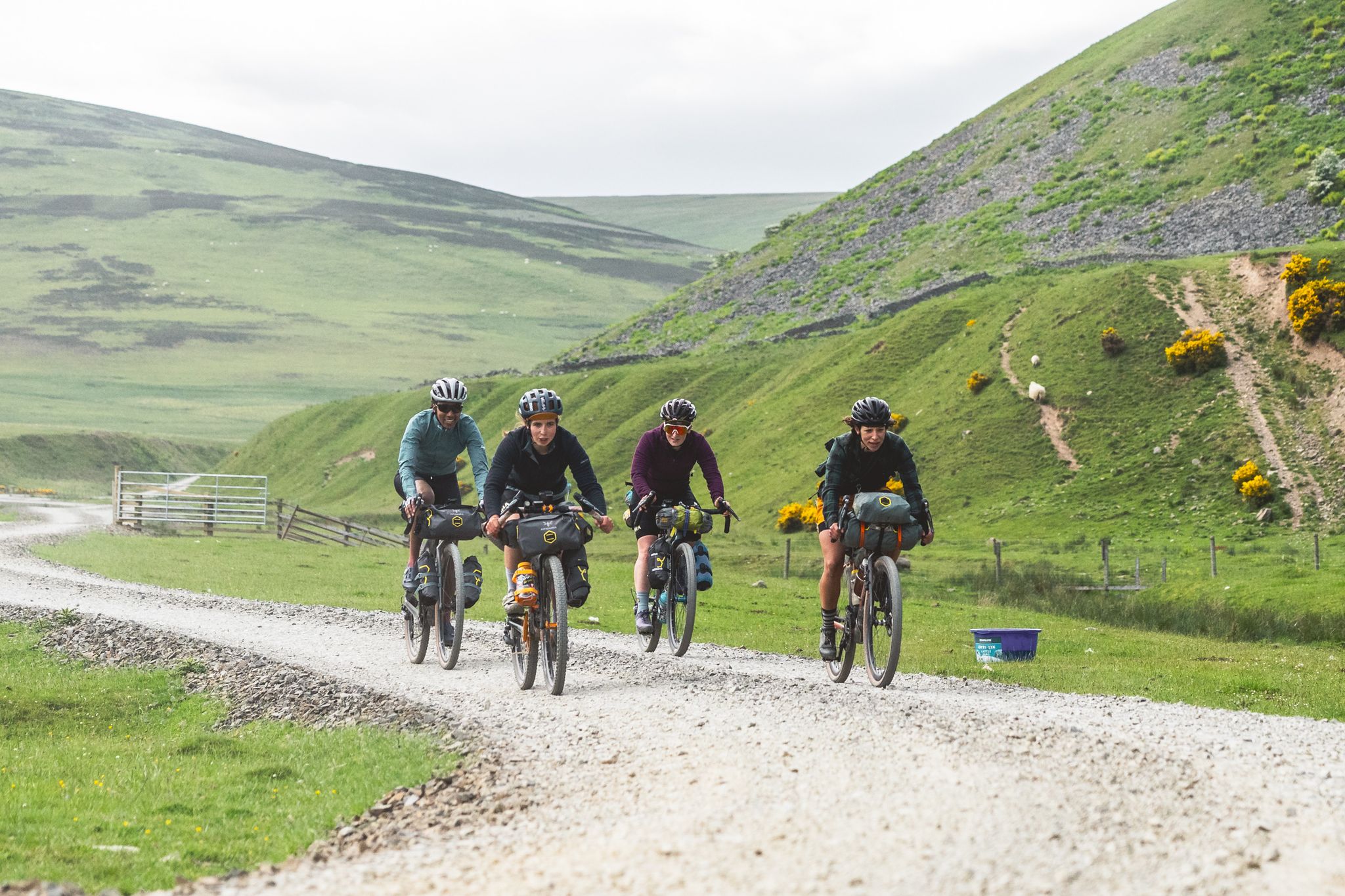
The Pennine Rally — Bikepacking Edinburgh to Manchester
The John Muir Way — A conservationist's Scottish coast to coast
The Central Belter — Gravel trails of the coast and Cairngorms
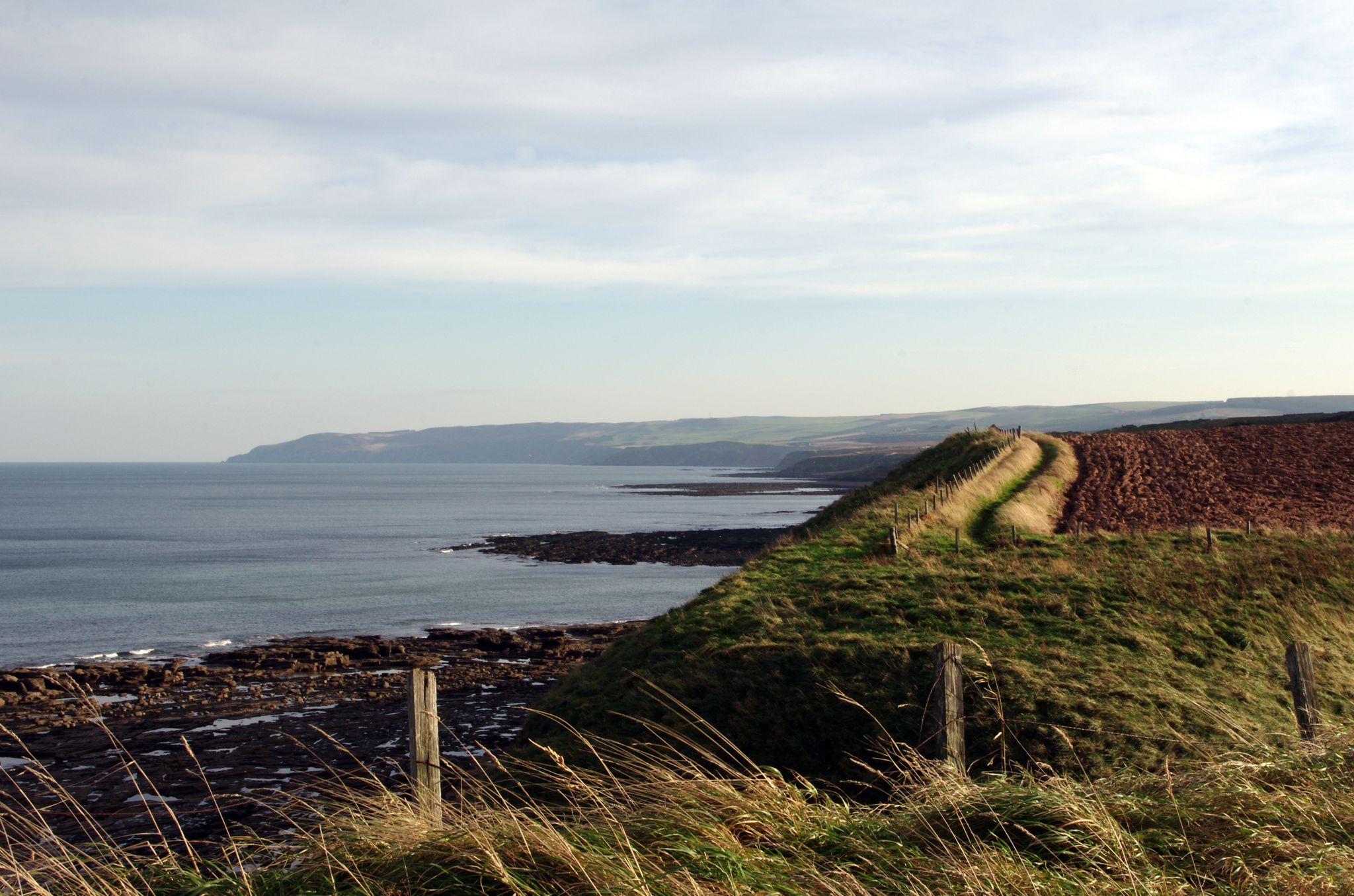
Cycling the John Muir Way — Across Scotland by canal and coastline
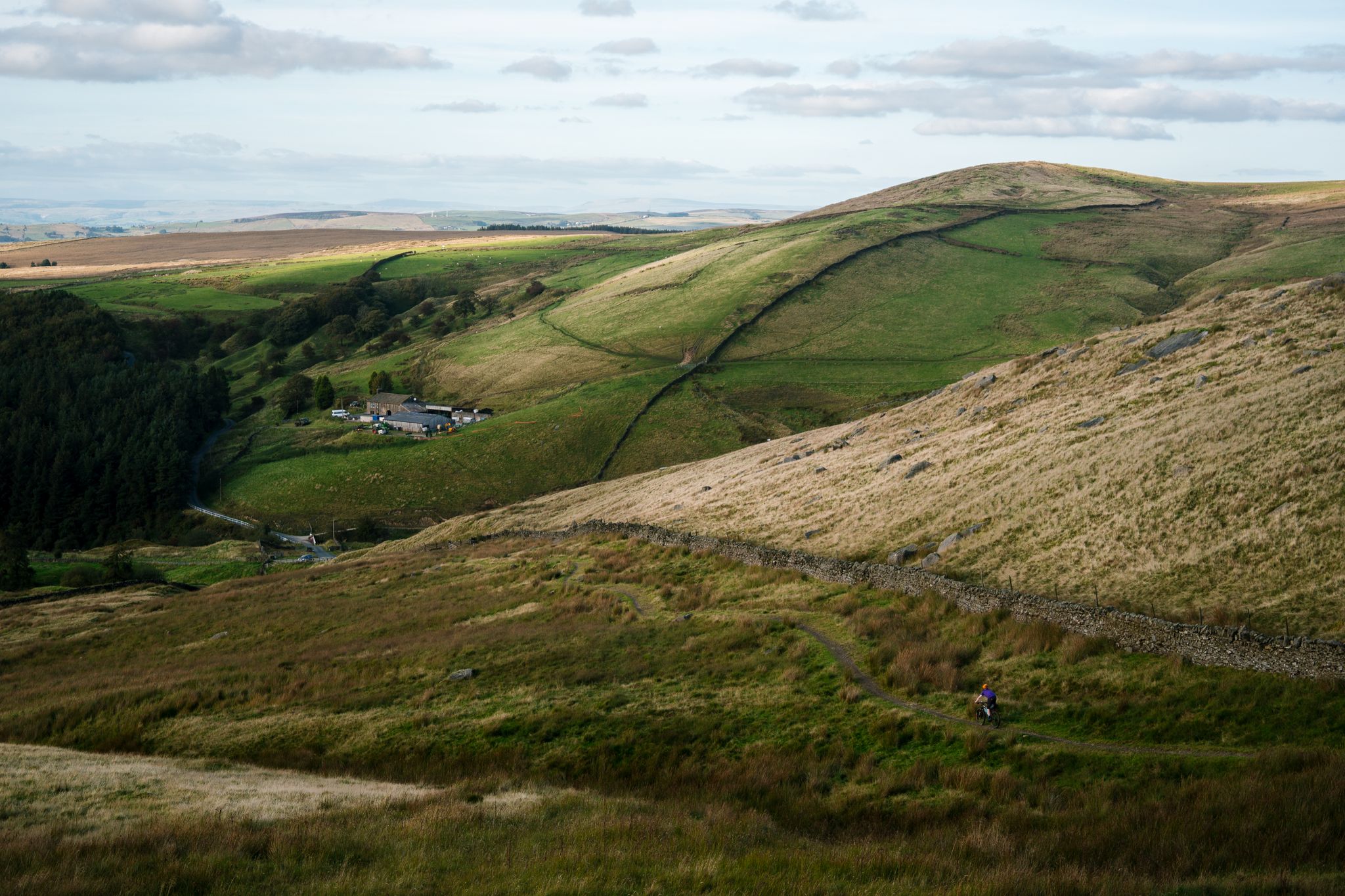
Great North Trail — From the Pennine Hills to the tip of Scotland
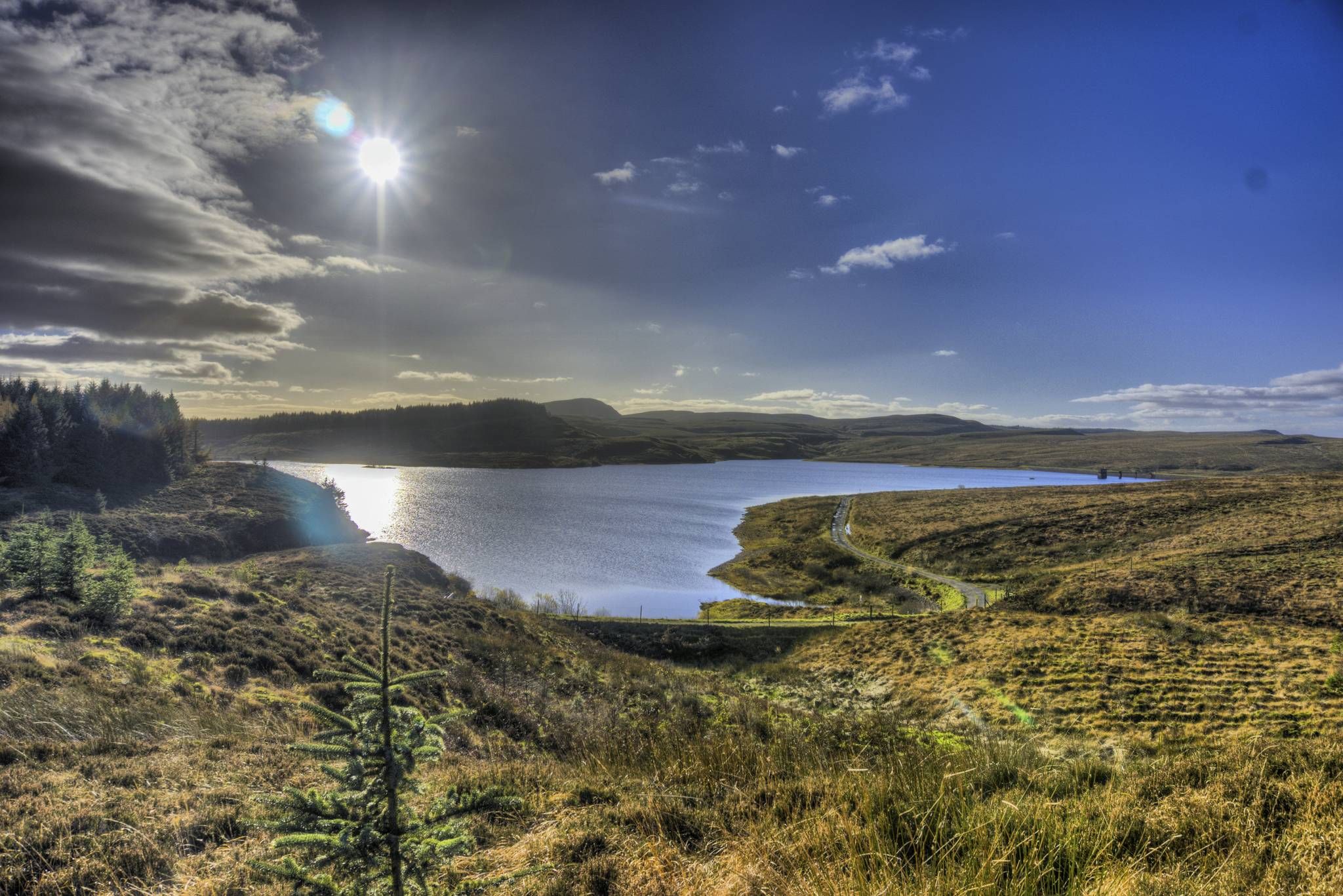
John Muir Way — A coast-to-coast across the heartland of Scotland
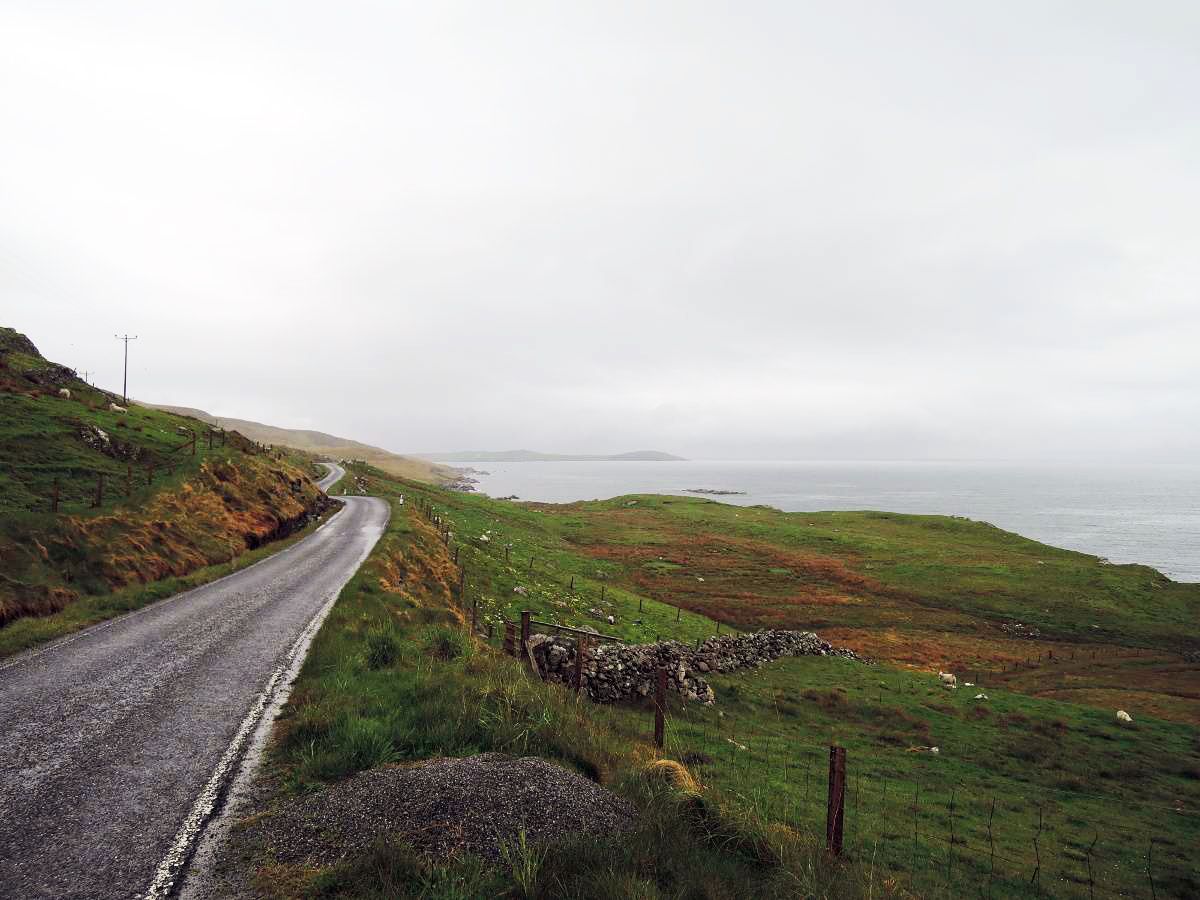
The North Sea Coast Cycle Route part 7 — Scotland
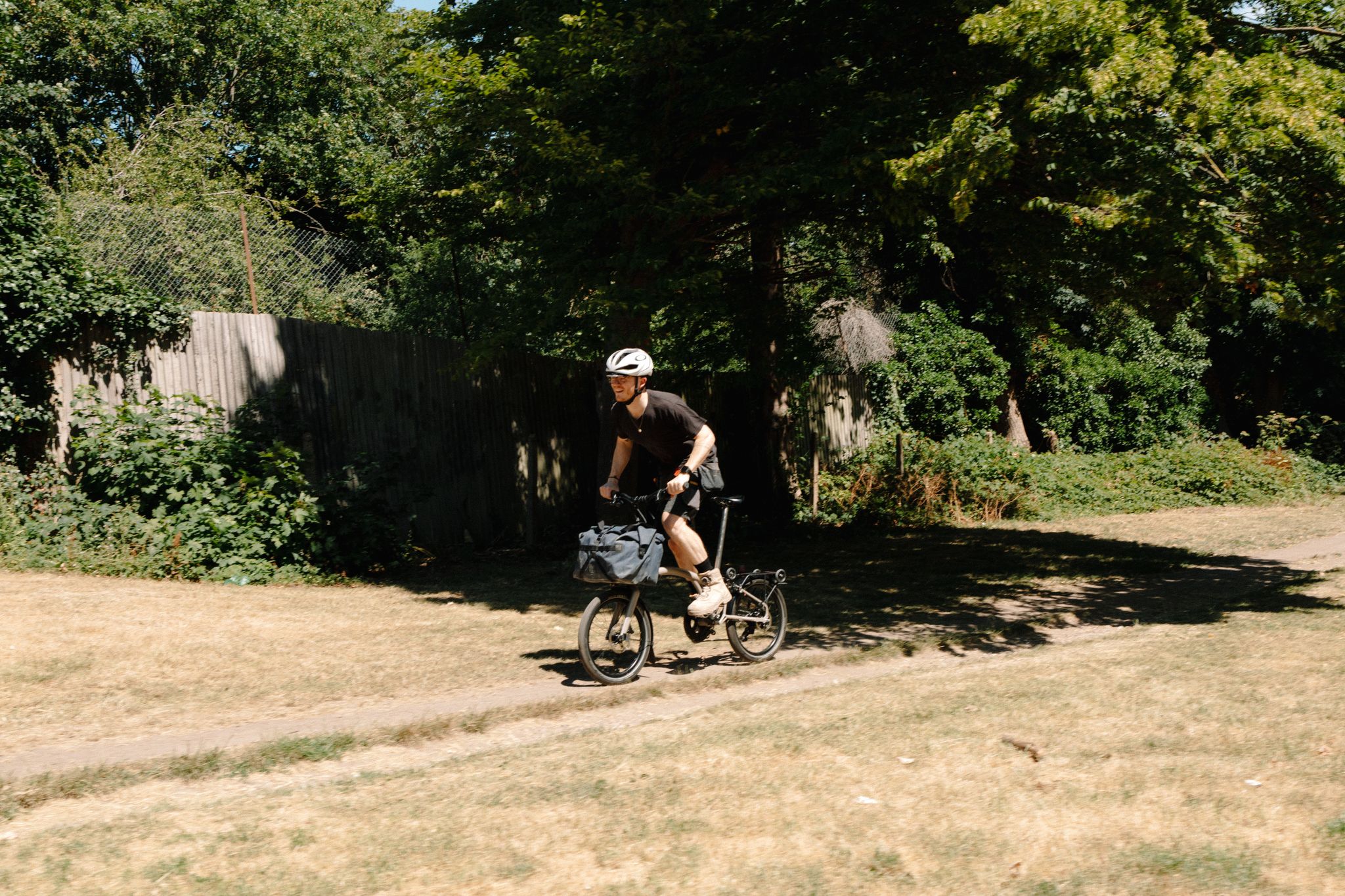
Brompton G Line: Beyond the Everyday around Bristol, London & Edinburgh
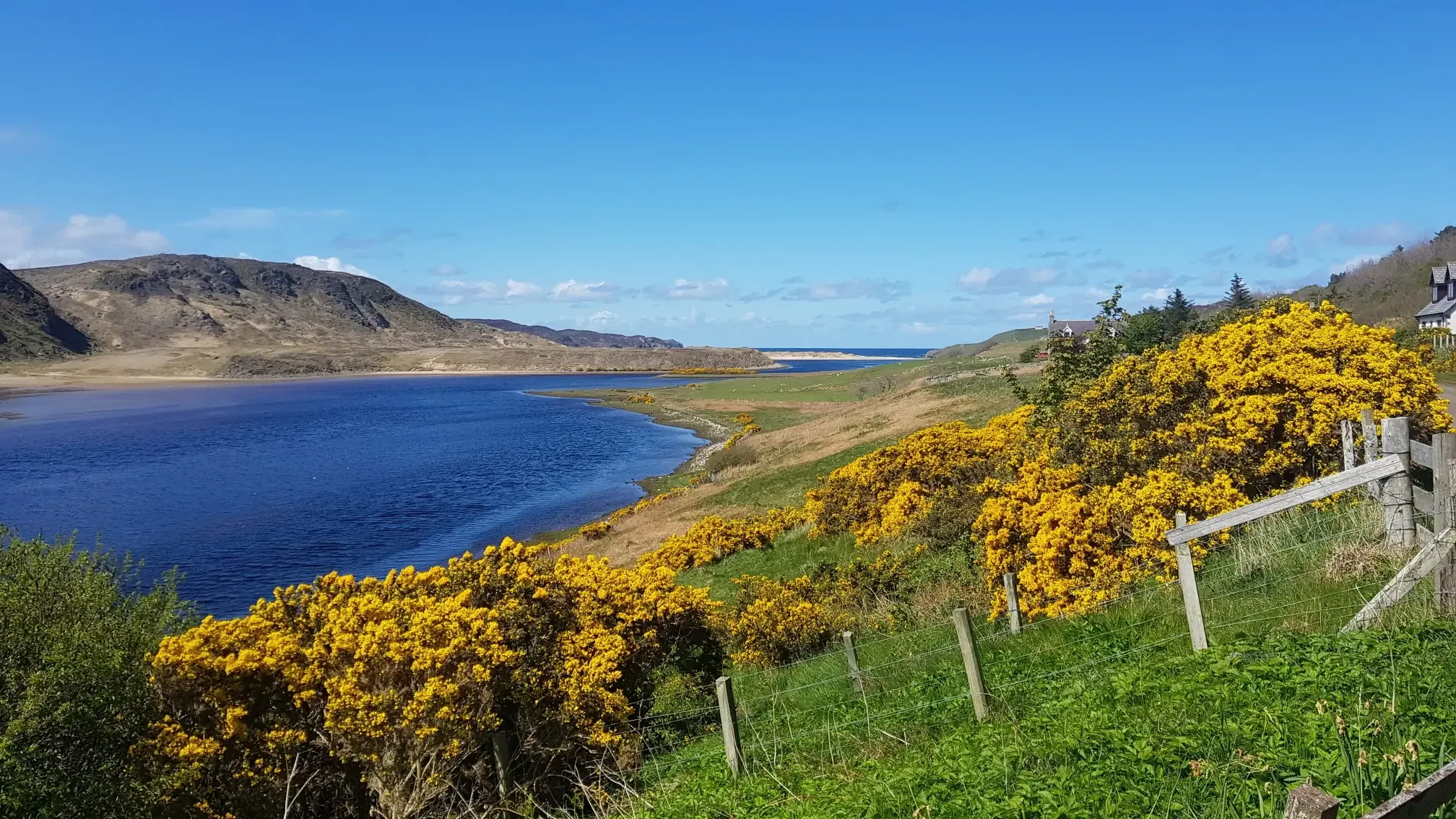
A fantastic journey along Britain’s entire East Coast – NCN 1
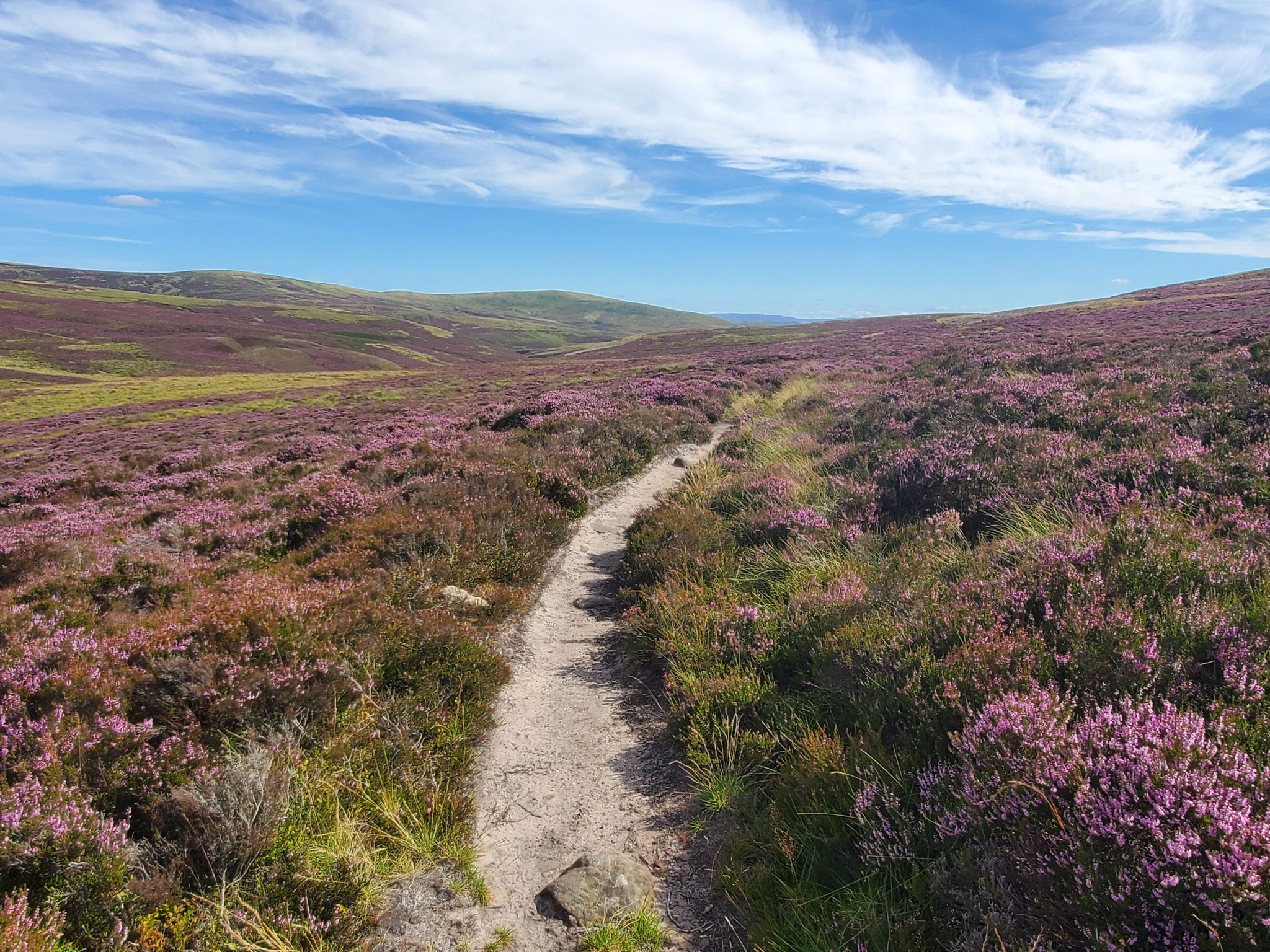
Hike in the footsteps of history – Cross Borders Drove Road
Other adventures In Lothian


Tips from the Community

This is how some 200 years ago, bookworms began: "In that lovely district of merry England, which is watered by the River Don, there was in ancient times a great wood... Here dwelt... the fabulous Dragon of Wantley; here were fought several of the bloodiest battles during the Rose Civil Wars..." Through translations, Scott's fame on the British Isles soon spread throughout Europe, even to the New World. The author, who continued to publish his books anonymously, with the reference "By the Author of Waverley," naturally rejoiced in his hiding place over the success – until, by chance, it was revealed that he, Walter Scott, was the author. The honors in Scotland were endless. The toast Lord Meadowbank made at a banquet held in Scott's honor in 1827 remains valid in Scotland to this day: "The beauties of our country... and the fame of our ancestors have been carried by him beyond the shores of this island, to the ends of the earth. He has... immortalized the name of Scotland..." (Text from https://www.deutschlandfunk.de/250-geburtstag-des-schriftstellers-wie-sir-walter-scott-den-100.html )
0
0

One of the most distinctive places in Edinburgh. Note that a staircase on the right leads to the upper level. It's fascinating how one row of houses stands above another here.
1
0


The Pentland Hills (a range of hills south of Edinburgh) offer countless hiking opportunities. One of the "best" (= the northernmost) is Allermuir Hill. There are many paths up the mountain, but the best route is undoubtedly the panoramic route from the Midlothian Snowsports Center parking lot to the summit. The center is...???...interesting... (Skiing on mats in the summer is also possible!), and the summit offers magnificent views in all directions!
0
0


The ruins of St Anthony's Chapel on Arthur's Seat in Edinburgh are a fascinating relic from the late Middle Ages. Built in the 15th century, probably around 1400, as part of a pilgrimage centre, the chapel was dedicated to St Anthony of Padua. At the time, Arthur's Seat was a major pilgrimage site and the chapel served as a spiritual stop for believers stopping by on their pilgrimage. As well as being a place of worship, the chapel housed a collection of relics that promised pilgrims sacred experiences. Its architecture was simple but functional and it was built from local stone, blending it into the landscape of the hill. Over the centuries, however, the chapel lost importance and in the 16th century it was abandoned during the Reformation. Today, all that remains are the ruins of the chapel, which sits in a stunning location high on Arthur's Seat. The ruin is a popular destination for hikers and photographers who want to not only explore the historic site but also enjoy the spectacular panoramic views of Edinburgh and the surrounding hills. The St. Anthony Chapel ruins are accessible by a walking trail that takes visitors on a little journey of discovery. The climb to the top of Arthur's Seat offers not only a view of the ruins themselves but also of the vast, rolling terrain that underlines the historical significance of this site. Today the ruins are a fascinating monument to Edinburgh's history and a silent witness to past religious practices.
1
0

To climb to the top of the tower, you must climb 287 steps, which are divided into four levels, where you can pause and rest if you wish. As you continue up the spiral staircase, the climb becomes increasingly challenging as the walls become narrower and the steps become unstable. Although the climb may seem endless and a bit tiring, the effort will be worth it once you reach the top. Here, you'll be able to enjoy some of the best views of Edinburgh. Simply stunning views. If you don't suffer from claustrophobia or have a condition that prevents you from climbing to the top of the Scott Monument, we highly recommend climbing to the top to enjoy the breathtaking views. https://www.introducingedinburgh.com/scott-monument
5
0
Frequently Asked Questions
Are there family-friendly attractions in Lothian?
Yes, Lothian offers several family-friendly attractions. For example, St Giles' Cathedral and Scott Monument are listed as family-friendly. Outdoor options like Cockleroy Hill Summit also welcome families. Many of the historical sites and viewpoints are suitable for all ages.
What historical sites can I visit in Lothian?
Lothian is rich in history. You can explore significant landmarks such as St Giles' Cathedral, a prominent religious building, and the impressive Scott Monument. Other historical sites include Corstorphine Hill Tower, St. Anthony's Chapel Ruins, and Nelson Monument, Calton Hill. The historic Royal Mile and Victoria Street also offer a glimpse into the region's past.
Where can I find the best scenic viewpoints in Lothian?
Lothian is known for its superb viewpoints. Arthur's Seat offers commanding views across Edinburgh and the Firth of Forth. Another excellent spot is View from Allermuir Hill in the Pentland Hills, providing panoramic vistas towards Edinburgh, the Firth of Forth, and even Fife and the Scottish Highlands on clear days. Other notable viewpoints include Corstorphine Hill Tower and Nelson Monument, Calton Hill.
Are there good hiking opportunities near Lothian's attractions?
Absolutely. Lothian offers diverse hiking opportunities. You can find routes like the 'Carnethy Hill & Scald Law loop from Flotterstone' or the 'Arthur's Seat & Salisbury Crags loop from Holyrood'. For more options, explore the comprehensive guide to Hiking In Lothian, which includes trails of varying difficulty.
Are there any wheelchair-accessible attractions in Lothian?
The Scott Monument is listed as wheelchair accessible, offering a unique historical experience. While many natural outdoor areas may have varied terrain, urban attractions often provide better accessibility. It's always advisable to check specific venue details for the most up-to-date accessibility information.
Can you recommend some less crowded attractions or hidden gems in Lothian?
While popular spots like Arthur's Seat draw crowds, exploring areas slightly off the main tourist paths can reveal quieter gems. Consider visiting Corstorphine Hill Tower for views away from the city centre, or the peaceful St. Anthony's Chapel Ruins for a historical site with a serene atmosphere. The Pentland Hills, while popular, offer many trails where you can find solitude, such as the less frequented paths around Allermuir Hill.
What is the best time of year to visit attractions in Lothian?
The best time to visit Lothian attractions generally depends on your preferences. Spring (April-May) and Autumn (September-October) offer pleasant weather, fewer crowds than summer, and beautiful scenery. Summer (June-August) provides the warmest temperatures and longest daylight hours, ideal for outdoor activities, but also sees the highest number of tourists. Winter (November-March) can be cold and wet, but offers a unique, often quieter, experience, especially around historical sites and for crisp, clear views from summits.
What are some good indoor or rainy-day attractions in Lothian?
For rainy days, consider exploring the interior of St Giles' Cathedral, a magnificent historical building. You can also climb the Scott Monument for an indoor ascent to a viewing platform, offering shelter while still experiencing a key landmark. Many of Edinburgh's museums and galleries also provide excellent indoor options.
What natural features or outdoor spaces can I explore in Lothian?
Lothian boasts a diverse natural landscape. You can hike up Arthur's Seat, an ancient volcano, or explore the Pentland Hills, home to peaks like Allermuir Hill. The region also features forests around Corstorphine Hill Tower and various coastal areas along the Firth of Forth, offering opportunities for walks and enjoying the natural environment.
Are there dog-friendly attractions or walks in Lothian?
Many of Lothian's outdoor spaces and walking trails are dog-friendly. Holyrood Park, which encompasses Arthur's Seat, is a popular spot for dog walks. The Pentland Hills also offer numerous trails suitable for dogs. Always remember to keep dogs on a lead where livestock are present and to clean up after them.
How accessible are Lothian's attractions by public transport?
Many of Lothian's key attractions, especially those within Edinburgh, are highly accessible by public transport, primarily buses. Landmarks like St Giles' Cathedral, Scott Monument, and the Royal Mile are centrally located and well-served. For attractions further afield, such as those in the Pentland Hills, bus services are available, though may require more planning.
Are there opportunities for road cycling near Lothian's attractions?
Yes, Lothian offers excellent road cycling routes. You can find options like the 'Edinburgh to West Linton loop via Moor Road' or the 'Forth Bridge loop from Leith'. For a comprehensive overview of routes, consult the Road Cycling Routes In Lothian guide, which details various tours suitable for different skill levels.
What do visitors enjoy the most about Lothian's attractions?
Visitors frequently praise the commanding and panoramic views from summits like Arthur's Seat and Allermuir Hill. The historical significance and architectural beauty of sites like Scott Monument and St Giles' Cathedral are also highly appreciated. The atmospheric charm of streets like Victoria Street and the Royal Mile, with their unique shops and historical ambiance, are also popular highlights.
Most popular routes In Lothian
Most popular attractions In Lothian

Get inspired with the komoot mobile app


Didn’t find what you were looking for?
Are you keen on exploring more awesome places nearby? Browse our guides:
Explore more
Still not found the Highlight you’re looking for? See guides of the top attractions in other regions:
