Attractions and Places To See around Cabañas De Yepes - Top 20
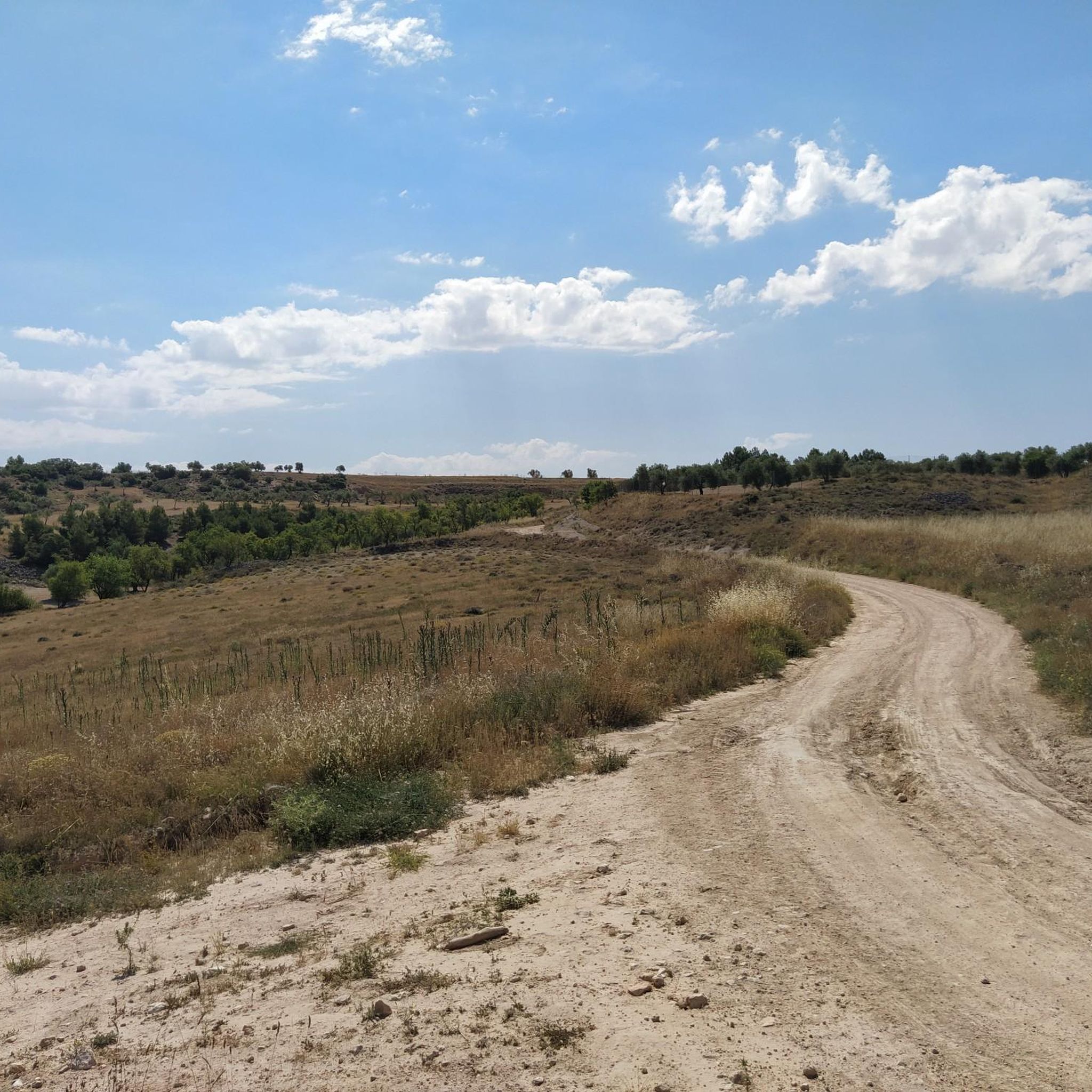
Attractions around Cabañas de Yepes include historical religious architecture, traditional village features, and access to natural landscapes within the province of Toledo, Castilla-La Mancha, Spain. The area features barrancos (ravines) and agricultural fields of cereals, vineyards, and olive groves. It also holds historical significance as an intersection point for former transhumance routes.
Best attractions and places to see around Cabañas De Yepes
- The most popular attractions is Toledo Gate of Yepes, a historical site that is part of the…
Last updated: July 7, 2026
Toledo Gate of Yepes
Highlight • Historical Site
It connects with important streets …
Showing Translation
Tip by

Plaza Mayor de Ocaña
Highlight • Historical Site
Translated by Google •
Tip by
Sign up now to discover places like this
Get recommendations on the best single tracks, peaks, & plenty of other exciting outdoor places.
Sign up for free
Fuente Grande
Highlight • Monument
Translated by Google •
Tip by
Ocaña
Highlight • Settlement
Translated by Google •
Tip by
Church of San Juan Bautista
Highlight • Religious Site
Translated by Google •
Tip by
Sign up for free to discover even more attractions around Cabañas De Yepes.
Sign up for free
Already have an account?
Start today with a free account
Your next adventure awaits.
Login or Signup


Tips from the Community

Avenida de Juan Pablo II is one of the main and busiest streets in Yepes, both residentially and commercially. It is approximately 1 km long. It connects with important streets such as Avenida de Cuatro Caminos, Paseo Santa Eulalia and Avenida San Luis Very close to the historic center, the Colegiata de San Benito Abad and the Town Hall.
15
0
The Plaza Mayor of Ocaña (Toledo) is one of the most impressive examples of Castilian Baroque architecture and a must-see if you visit the La Mesa de Ocaña region. Construction: Ordered by Charles III in 1777, inspired by the Plaza Mayor of Madrid.
4
0

If you haven't visited it, you'll miss its spectacular church and its walls around the town.
2
1
Ocaña stands on the plateau in its own territory, La Mesa de Ocaña, which elevates it with landscapes, monuments, culture and history. Portico de la Mancha, its urban fabric treasures religious and civil legacies. Nuestra Señora de la Asunción and San Juan Bautista guard most of the images and brotherhoods that give reputation to its famous Holy Week, a Festival of National Tourist Interest. For more than 400 years, from Palm Sunday to Easter Sunday, order and silence have accompanied the majestic processions that take to the streets, made up of ten Brotherhoods and Confraternities, some of which date back to the 16th century, XVII and XVIII, with a total of 2,000 brothers. Civil works are scattered among its streets and exalt the importance that the activity of the town gave them at the time. Its monumental Plaza Mayor is a regular Plaza-cloister, with a closed structure and a vaulted architectural system. The main façade corresponds to the Town Hall Houses, at whose main door you can see the arms of the Villa. The construction works began in the last third of the 18th century, the first phase being completed in 1791 under the reign of Carlos IV. Another interesting visit is the Palace of Cárdenas, an Asset of Cultural Interest from the 15th-16th century, it was ordered built by Don Gutierre de Cárdenas from Ocaño, Knight of Santiago, Commander of León and Maestresala of Queen Isabella I, the Catholic.
23
0
Ocaña stands on the plateau in its own territory, La Mesa de Ocaña, which elevates it with landscapes, monuments, culture and history. Portico de la Mancha, its urban fabric treasures religious and civil legacies.
10
0

Walking through Ocaña is stopping at every moment to contemplate palaces, squares, churches and convents. Especially famous in Ocaña is its Plaza Mayor, one of the largest and most beautiful in Spain. In fact, it is considered the third Plaza Mayor in Spain, only surpassed by Madrid and Salamanca. In summer it is transformed into an open-air theater attended by thousands of spectators.
1
1

Yepes is sometimes called Toledillo for having, on a different scale, a similar wealth of heritage and for having also been a place of coexistence for the three cultures during the Middle Ages. It is worth admiring its walls, its Plaza Mayor and, without a doubt, its Collegiate Church of San Benito Abad, considered, due to its size, as the Cathedral of La Mancha.
4
1
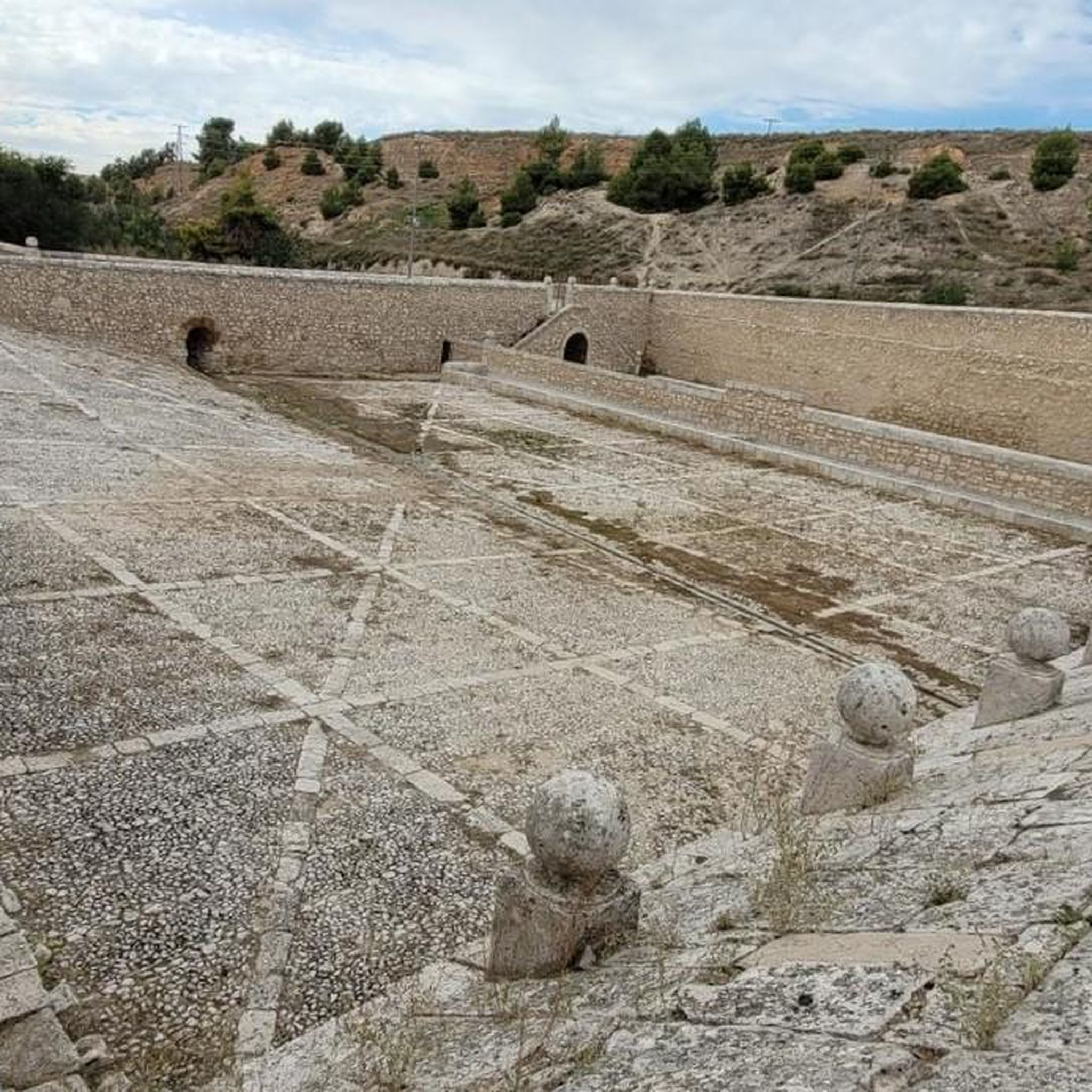
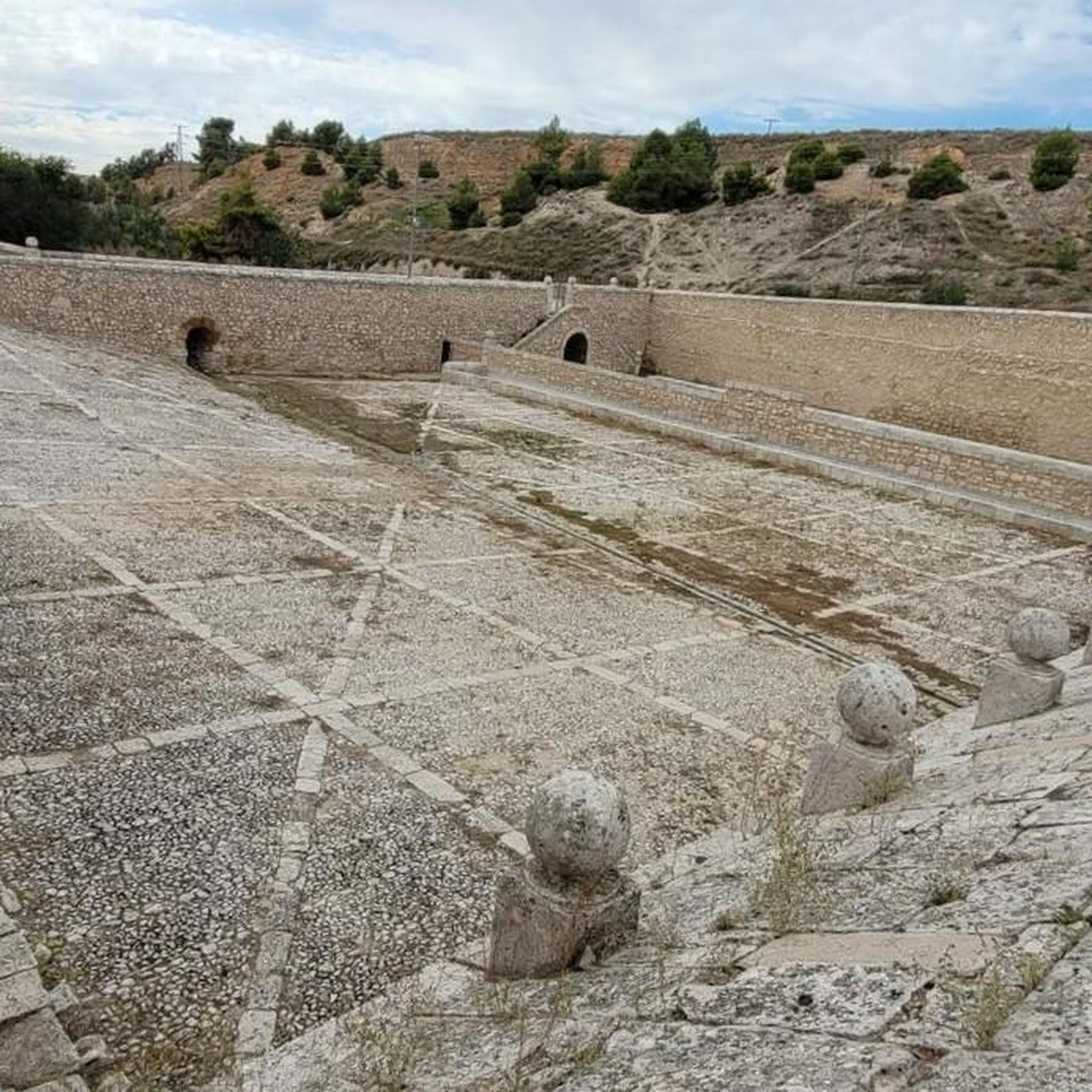
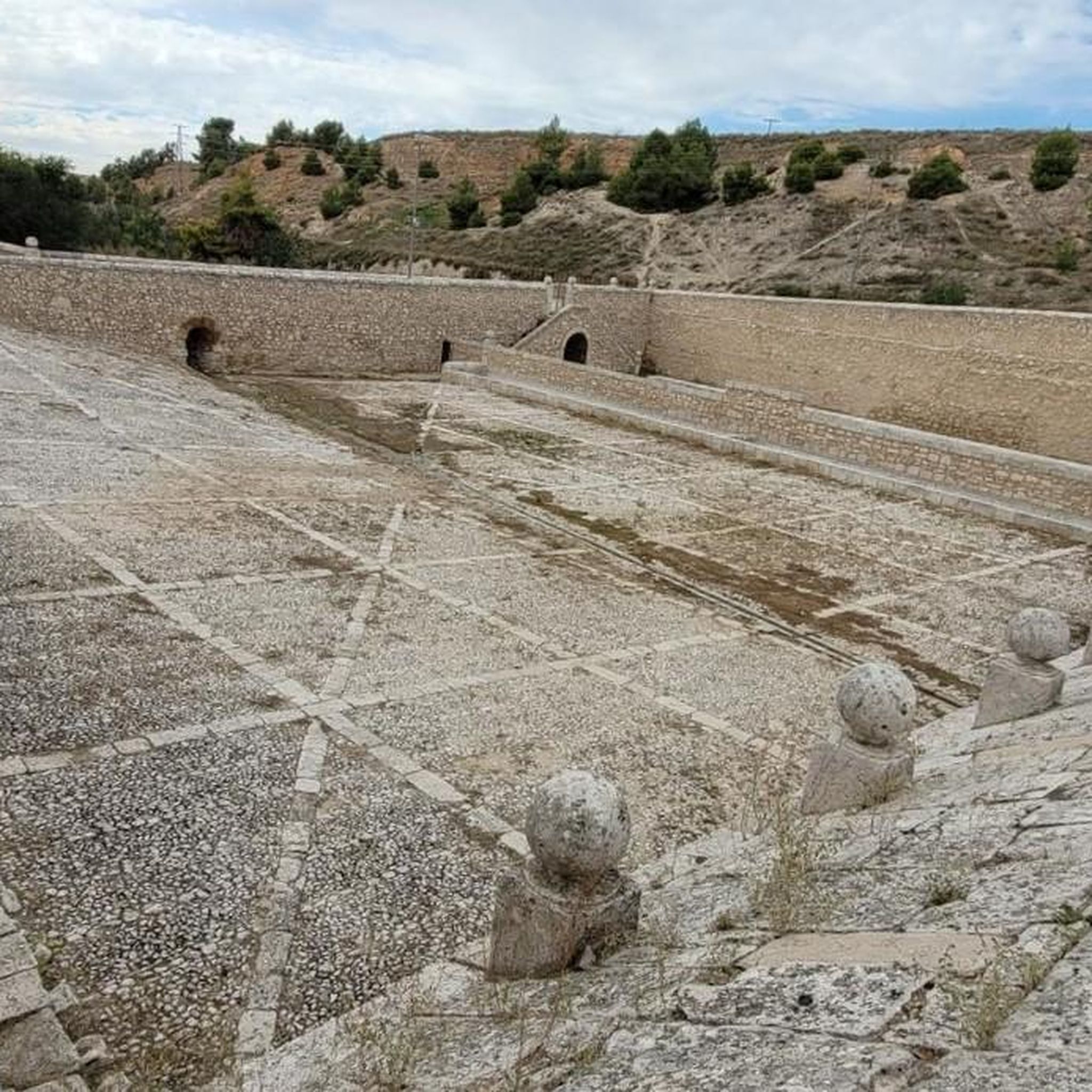
La Fuente Grande is an example of Herrerian-style Renaissance architecture. Its construction began in 1573 and was completed in 1578. Its project is attributed to Juan de Herrera, although the material realization is due to the local master masons Blas Hernández and Francisco Sánchez, and the stonemasons Lucas and Pedro de Villa.
23
1
Frequently Asked Questions
What historical and cultural sites can I explore in Cabañas de Yepes?
Cabañas de Yepes offers a glimpse into traditional Spanish village life with several notable historical and cultural sites. You can visit the Church of Nuestra Señora de la Asunción, an early 17th-century church with a distinctive 'hanging' appearance. Other sites include the 18th-century Hermitage of San Sebastián, the historical Casa de Gaspar Gutiérrez, and the remnants of the 15th-century Church of San Martín Obispo, specifically its impressive Herrerian-Renaissance style Tower and Portal of San Martín. The village also features historic water sources like the 16th-century Old Fountain and the New Fountain, once known for its medicinal water.
What natural features and landscapes are characteristic of the Cabañas de Yepes area?
The area around Cabañas de Yepes is characterized by diverse natural landscapes, including barrancos (ravines) and extensive agricultural fields of cereals, vineyards, and olive groves. It's an excellent starting point for exploring these surroundings through various hiking and walking trails. The region also features the Yesares del Valle del Tajo, which are gypsum formations of significant natural value, and remnants of former transhumance routes, reflecting its historical connection to livestock movement.
What do visitors particularly enjoy about the attractions around Cabañas de Yepes?
Visitors appreciate the rich historical and cultural heritage, particularly the impressive architecture and the traditional village atmosphere. Highlights like the Plaza Mayor de Ocaña are praised for their beauty and historical importance, often compared to larger Spanish squares. The Toledo Gate of Yepes and the town of Ocaña itself are also highly regarded for their monumental legacies and charming urban fabric.
When is the best time to visit Cabañas de Yepes for outdoor activities?
The best time to visit Cabañas de Yepes for outdoor activities like hiking and cycling is generally during spring (April-May) and autumn (September-October). During these seasons, the weather is typically mild and pleasant, making it ideal for exploring the natural landscapes and historical sites without the extreme heat of summer or the cooler, potentially wetter conditions of winter.
Are there family-friendly attractions near Cabañas de Yepes?
Yes, several attractions in the vicinity are considered family-friendly. The Plaza Mayor de Ocaña offers a spacious and historically rich environment for families to explore. Similarly, the Toledo Gate of Yepes and the settlement of Ocaña with its various monuments provide engaging experiences for all ages. Exploring the historic fountains and easy walking routes like the PR-TO 16 can also be enjoyable for families.
Are there any accessible walking routes around Cabañas de Yepes?
While specific accessibility information for all routes is not detailed, the local circular hiking route PR-TO 16, known as "Fuentes de Cabañas de Yepes," passes by several historic fountains and through agricultural fields. This route is generally considered easy, suggesting it may be suitable for a wider range of mobility levels. For detailed accessibility, it's always recommended to check local information upon arrival.
What outdoor activities can I do near these attractions?
The region around Cabañas de Yepes is excellent for various outdoor activities. You can enjoy hiking on routes like the "Sources of Cabañas de Yepes - circular route (PR-TO 16)" or explore the historic center of Ocaña on foot. For cycling, there are routes ranging from moderate to difficult, such as the "Royal Palace of Aranjuez and the Prince's Garden – circular from Ocaña." Running enthusiasts can find several loops around Ocaña and Yepes. You can find more details on these activities in the Hiking around Cabañas De Yepes, Cycling around Cabañas De Yepes, and Running Trails around Cabañas De Yepes guides.
Are there hiking trails near Cabañas de Yepes?
Yes, there are several hiking trails available. A notable local route is the PR-TO 16, "Sources of Cabañas de Yepes - circular route," which is an easy 5.2 km loop taking you past historic fountains and through the local landscape. Other options include easy and moderate routes around Ocaña, such as the "Ocana - circular tour of the historic center" (4.9 km, easy) and "Plaza de Gutiérrez Cárdenas loop from Ocaña" (8.5 km, moderate). For more hiking options, refer to the Hiking around Cabañas De Yepes guide.
What are some significant religious buildings to visit?
The most prominent religious building in Cabañas de Yepes is the Church of Nuestra Señora de la Asunción, dating back to the early 17th century and built on the site of an earlier temple. The Hermitage of San Sebastián is another popular 18th-century religious site. Nearby, in Ocaña, you can visit the Church of San Juan Bautista, which features Gothic and Mudejar influences from the 13th to 17th centuries.
Are there any notable historical squares or plazas in the vicinity?
Absolutely. The Plaza Mayor de Ocaña is a must-see, considered one of the most impressive examples of Castilian Baroque architecture. Begun in 1777, it's known for its size, harmony, and historical importance. It's a central feature of the nearby settlement of Ocaña, which itself is rich in civil and religious legacies.
Where can I find examples of Renaissance architecture?
You can find notable examples of Renaissance architecture in the area. The Tower and Portal of San Martín in Cabañas de Yepes are remnants of a 15th-century church, with the impressive Herrerian-Renaissance style tower constructed between 1562 and 1577. Additionally, the Fuente Grande in Ocaña is a prime example of Herrerian-style Renaissance architecture, with its construction starting in 1573 and attributed to Juan de Herrera.
Most popular routes around Cabañas De Yepes

Get inspired with the komoot mobile app


Explore more
Still not found the Highlight you’re looking for? See guides of the top attractions in other regions:
