The best cycling routes around Cabañas De Yepes
2.0
(1)
59
riders
19
rides
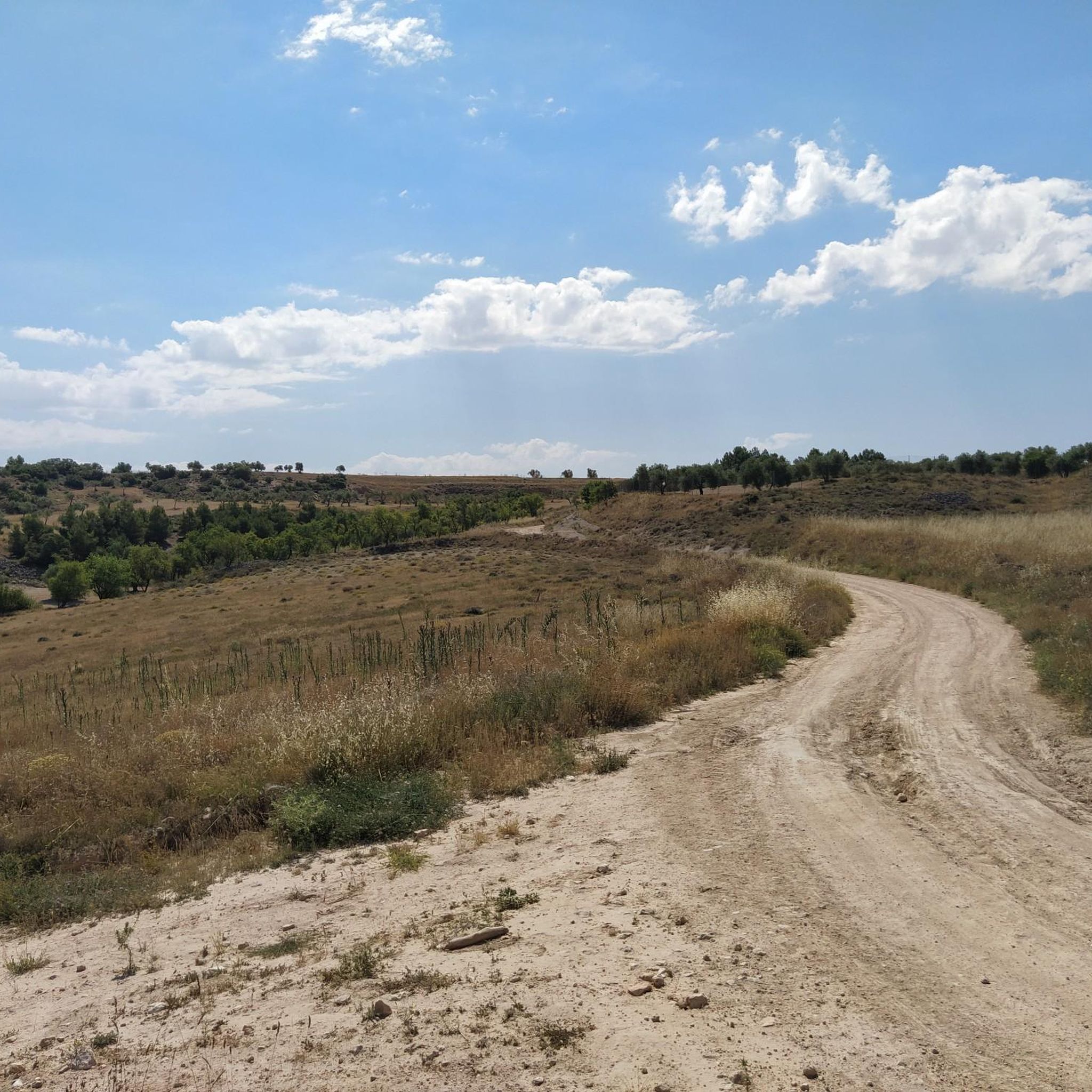
Touring cycling routes around Cabañas De Yepes traverse a landscape characterized by flat plains and gently rolling countryside, making it suitable for long-distance rides. The region features extensive agricultural fields, including cereals, vineyards, and olive groves, providing open rural scenery. Cyclists can also encounter ancient cattle tracks and repopulated pine forests, offering varied terrain and historical context. The area's geology includes gypsum fields, adding unique visual interest to some routes.
Best touring cycling routes around Cabañas De Yepes
- The most…
Last updated: June 27, 2026
2.0
(1)
3
riders
37.7km
03:00
330m
330m
Moderate bike ride. Good fitness required. Mostly paved surfaces. Suitable for all skill levels.
25.2km
01:54
250m
250m
Moderate bike ride. Good fitness required. Mostly paved surfaces. Suitable for all skill levels.

Sign up for free
11
riders
Hard bike ride. Very good fitness required. Mostly paved surfaces. Suitable for all skill levels.
14
riders
Hard bike ride. Very good fitness required. Mostly paved surfaces. Suitable for all skill levels.
8
riders
37.0km
02:59
380m
380m
Moderate bike ride. Good fitness required. Mostly paved surfaces. Suitable for all skill levels.
Get access to more routes and recommendations from other explorers.
Sign up for free
Already have an account?
Our route recommendations are based on thousands of hikes, rides, and runs completed by other people on komoot.
Start today with a free account
Your next adventure awaits.
Login or Signup


Tips from the Community

The Collegiate Church of San Benito Abad is the main historical and artistic monument of Yepes and one of the most outstanding Renaissance temples in the province of Toledo, to the point that it is often known as the "Cathedral of La Mancha" due to its monumentality. [turismocas...amancha.es]
16
0
Avenida de Juan Pablo II is one of the main and busiest streets in Yepes, both residentially and commercially. It is approximately 1 km long. It connects with important streets such as Avenida de Cuatro Caminos, Paseo Santa Eulalia and Avenida San Luis Very close to the historic center, the Colegiata de San Benito Abad and the Town Hall.
15
0
It was the site of historical events such as the proclamation of the 1812 Constitution and military actions in the 19th century. Its construction lasted more than 150 years, finally being completed in 1961. Its Baroque aesthetic has made it a popular filming location for television series such as Águila Roja and for commercials. It was declared a Site of Cultural Interest in 2002.
6
0
The Plaza Mayor of Ocaña (Toledo) is considered one of the most impressive in Castilla-La Mancha due to its size, harmony, and historical significance. It is an arcaded square in the Baroque and Neoclassical styles, begun in 1777 by order of Charles III to emulate the Plaza Mayor of Madrid, albeit on a smaller scale. Its dimensions are imposing: 55 x 52 meters, almost square, with 70 stone pillars and semicircular arches supporting balconies and dormer windows. Symmetry and proportion are highly valued, creating an elegant and monumental visual effect.
7
0
Origin: It dates back to the 16th century, when Philip II ordered its construction as a country residence and royal retreat. Architects: Juan Bautista de Toledo and Juan de Herrera, the same architects who worked on El Escorial. Styles: A blend of Renaissance, Baroque, and Neoclassical, with Rococo details in the interior decoration. Heritage: Declared a World Heritage Site by UNESCO in 2001, along with the Aranjuez Cultural Landscape. It was the setting for royal weddings, treaties, and historical events such as the Peninsular War.
7
0
The Plaza Mayor of Ocaña (Toledo) is one of the most impressive examples of Castilian Baroque architecture and a must-see if you visit the La Mesa de Ocaña region. Construction: Ordered by Charles III in 1777, inspired by the Plaza Mayor of Madrid.
4
0
Modern arcaded plaza (2000-2006) that contrasts with the traditional architecture. Meeting point and institutional space.
3
0
The historic center of Noblejas (Toledo) combines tradition, religious architecture, and cultural spaces with modern corners. Church of Santiago Apóstol Herrerian and neoclassical style, built in the 17th century. It has three naves and six chapels, with ornamentation from Toledo workshops. Hermitage of Santa María Magdalena Located in Plaza Manuel García Oliva. Baroque in style, with a Latin cross layout and a tower at its foot. Plaza de José Bono Modern arcaded plaza (2000-2006) that contrasts with the traditional architecture. Meeting point and institutional space. Other nearby attractions Bodega Grande: an old 19th-century winery, a symbol of the winemaking tradition. Cueva de Villacampa: a Roman gypsum (lapis specularis) mine, accessible only with a guide.
4
0
Frequently Asked Questions
How many touring cycling routes are available around Cabañas De Yepes?
There are over 20 touring cycling routes around Cabañas De Yepes, offering a variety of experiences for different skill levels.
What kind of terrain can I expect when touring cycling in Cabañas De Yepes?
You'll primarily encounter flat plains and gently rolling countryside, characteristic of the "Mesa de Ocaña" region. The routes often traverse extensive agricultural fields with cereals, vineyards, and olive groves. Some paths follow ancient cattle tracks, and you might also find sections through repopulated pine forests or near unique gypsum fields, offering varied scenery.
Are there easy touring cycling routes suitable for beginners in Cabañas De Yepes?
Yes, there is at least one easy touring cycling route available, making the area accessible for beginners or those looking for a relaxed ride. The generally flat terrain also makes many moderate routes manageable for less experienced cyclists.
Are there challenging touring cycling routes for experienced cyclists?
For experienced cyclists seeking a challenge, there are 3 difficult routes available. One such route is the Pinares de Yepes – Toledo Gate of Yepes loop from Yepes, which covers nearly 30 miles (48 km) with significant elevation changes.
Can I find circular touring cycling routes around Cabañas De Yepes?
Yes, several routes are circular. For example, the Royal Palace of Aranjuez and the Prince's Garden – circular from Ocaña is a popular option. Another is the Pinares de Yepes – Toledo Gate of Yepes loop from Yepes, which takes you through pine forests.
What historical or natural attractions can I see along the touring cycling routes?
Many routes offer glimpses of the region's heritage. You can explore historical sites like the Plaza Mayor de Ocaña and the Toledo Gate of Yepes. The area also features unique natural elements such as the gypsum fields of the Tagus Valley and repopulated pine forests, providing diverse visual interest.
Are there any notable landmarks to visit in Cabañas De Yepes itself?
In Cabañas de Yepes, you can visit the 16th-century Mudejar-style Parish Church of Nuestra Señora de la Asunción, uniquely built into a ravine. Other points of interest include the 18th-century whitewashed hermitage of San Sebastián and popular fountains like the 16th-century Fuente Vieja.
When is the best time of year for touring cycling in Cabañas De Yepes?
The best times for touring cycling are typically spring (April-May) and autumn (September-October) when temperatures are milder. Summers can be very hot, and winters can be chilly, though the relatively flat terrain makes it accessible year-round with appropriate gear.
What do other touring cyclists enjoy the most about touring cycling in Cabañas De Yepes?
The area is highly rated by the komoot community, with an average score of 3.5 stars. Reviewers often praise the peaceful agricultural vistas, the historical context provided by ancient pathways, and the variety of routes that connect charming local towns.
Are there routes that pass by reservoirs or significant water features?
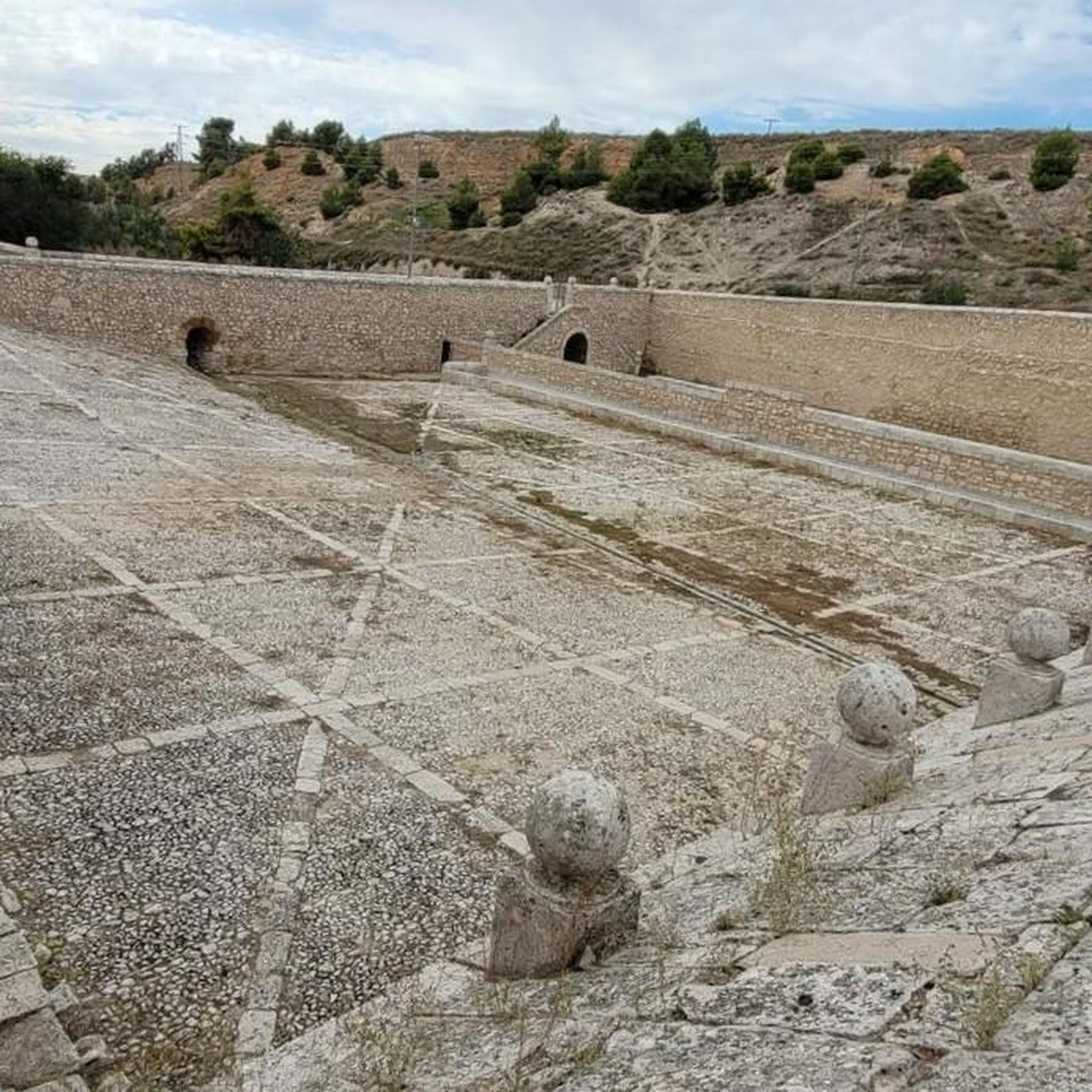
Yes, the Ocaña and Noblejas Reservoir Loop is a moderate route that offers views of the Noblejas Reservoir and the surrounding countryside, providing a pleasant change of scenery.
Can I combine cycling with exploring nearby towns?
Absolutely. The region's routes often connect Cabañas de Yepes with other towns in the Ocaña area, such as Ocaña, Dosbarrios, and Huerta de Valdecarábanos. This allows for extended tours where you can experience the unique attractions and character of multiple villages.
Most popular routes around Cabañas De Yepes
Most popular attractions around Cabañas De Yepes

Get inspired with the komoot mobile app


Explore more
Browse the best Cycling routes in other regions.
