Attractions and Places To See around Boé - Top 18
Best attractions and places to see around Boé, a town situated on the right bank of the Garonne river in the Lot-et-Garonne department, blend historical heritage with natural beauty. This area, once a village of sailors, features significant waterways like the Garonne River and the Canal Latéral à la Garonne. Boé offers a diverse landscape, from impressive engineering feats to serene natural parks.
Best attractions and places to see around Boé
- The most popular attractions is Notre-Dame Church of Moirax…
Last updated: August 17, 2026
Agen river port
Highlight • Other
Translated by Google •
Tip by

Agen Canal Bridge
Highlight (Segment) • Bridge
Translated by Google •
Tip by

Sign up now to discover places like this
Get recommendations on the best single tracks, peaks, & plenty of other exciting outdoor places.
Sign up for free
Notre-Dame Church of Moirax
Highlight • Religious Site
Translated by Google •
Tip by

Place des Laitiers
Highlight • Other
Translated by Google •
Tip by

Poule à Vélo Inn
Highlight • Cafe
Translated by Google •
Tip by

Sign up for free to discover even more attractions around Boé.
Sign up for free
Already have an account?
Start today with a free account
Your next adventure awaits.
Login or Signup
Tips from the Community

In Gallo-Roman times, this was the forum and forecourt of the first Saint-Étienne Cathedral. It is still the heart of the city. Every Saturday morning, the market welcomes shoppers. This market offers only organic produce. This square intersects Boulevard de la République, a vast thoroughfare that was designed and invented in the 19th century by a certain Eugène Haussmann. He was not yet a baron; he was sub-prefect of Nérac when he brought a breath of fresh air to the departmental metropolis by opening boulevards: Boulevard Carnot and Boulevard de la République. Fortunately, the Place des laitiers was not affected by the transformations. In the center of the square stands a statue depicting a pilgrim walking the Camino de Santiago. A reminder of this medieval context. Pilgrims stayed in two towns: Moissac and Agen. Needless to say, the rivalry between these two cities was fierce... They fought over what were then called "the marchers of piety." This square is magnificent. It is lined with houses surmounted by corners also called ambans. These covered galleries allowed merchants in the Middle Ages to display their wares without fear of damage from the sun or rain. Today, many cafes and ice cream parlors have set up their tables there. And since cars are not allowed to park, it's a perfect place to safely set up café terraces. If you're curious, go admire the painted ceiling of the Dairymen's Brasserie. The decor is Rococo, it's true, the structure is reminiscent of a Parisian bistro (which is hardly surprising when you know the owner's background), but when you look up at the ceiling, you discover a painted canvas mounted on it. This painting is a copy of the one that adorned the ceiling of the couple's bedroom in the Hôtel de Gonzague in Mantua. It's original, surprising, and exotic. Another interesting place: the Quesseveur bookstore. This shop is next to the brasserie. It's certainly one of the oldest businesses in the city, since the first printing press in Agen opened there in 1634. A bookstore was later added. By the way, do you know why this square is called Place des laitiers? The explanation is quite simple: it was on this square that every morning, local farmers arrived to sell milk from their farms to the bourgeoisie of Agen. On this square was the forecourt of Saint-Étienne Cathedral, the first cathedral in Agen. Falling into ruins, it was demolished. It was replaced in 1883 by a Baltard-style market hall. In 1970, the covered market was built in its place... A long concrete spire rises into the sky, below the covered market, above 5 floors of parking. It's really not pretty, but it has one advantage. An exterior elevator allows you to reach the upper floors of the parking lot. By taking it, you discover the beautiful city of Agen
0
0

Incredible lodge and restaurant, great quality and very friendly atmosphere.
1
0

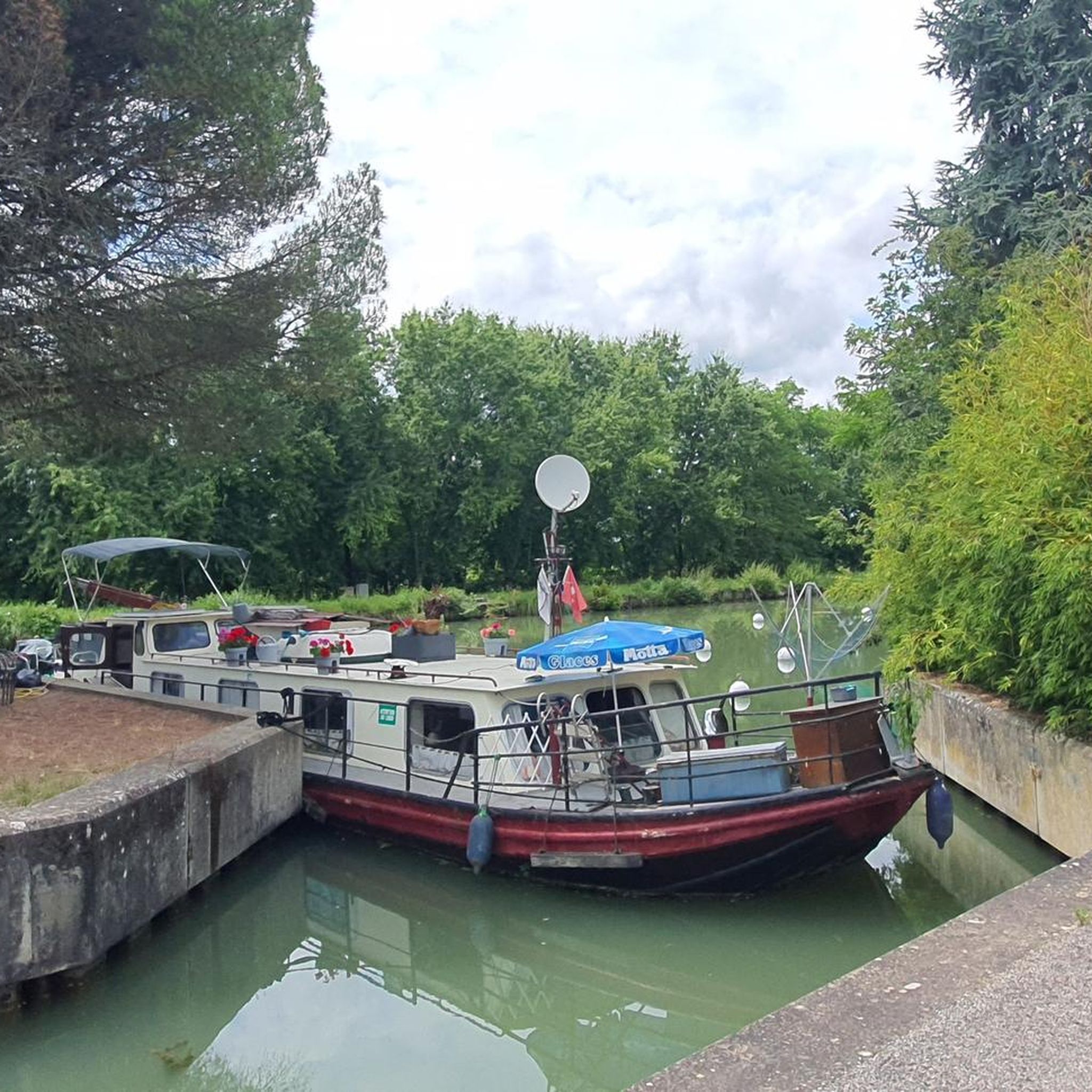
Located in a former lock-keeper's house on the banks of the Canal des Deux Mers, the Auberge de la Poule à Vélo offers a warm and authentic atmosphere. Certified Accueil Vélo (Cycling Welcome), this friendly establishment offers comfortable rooms, a unique caravan, and local cuisine. Perfect for a peaceful cycling break, as a couple or with family, in the heart of the Gascon way of life.
0
1

Nice little cafe with friendly staff and delicious ice cream. Ideal for a short break
1
0


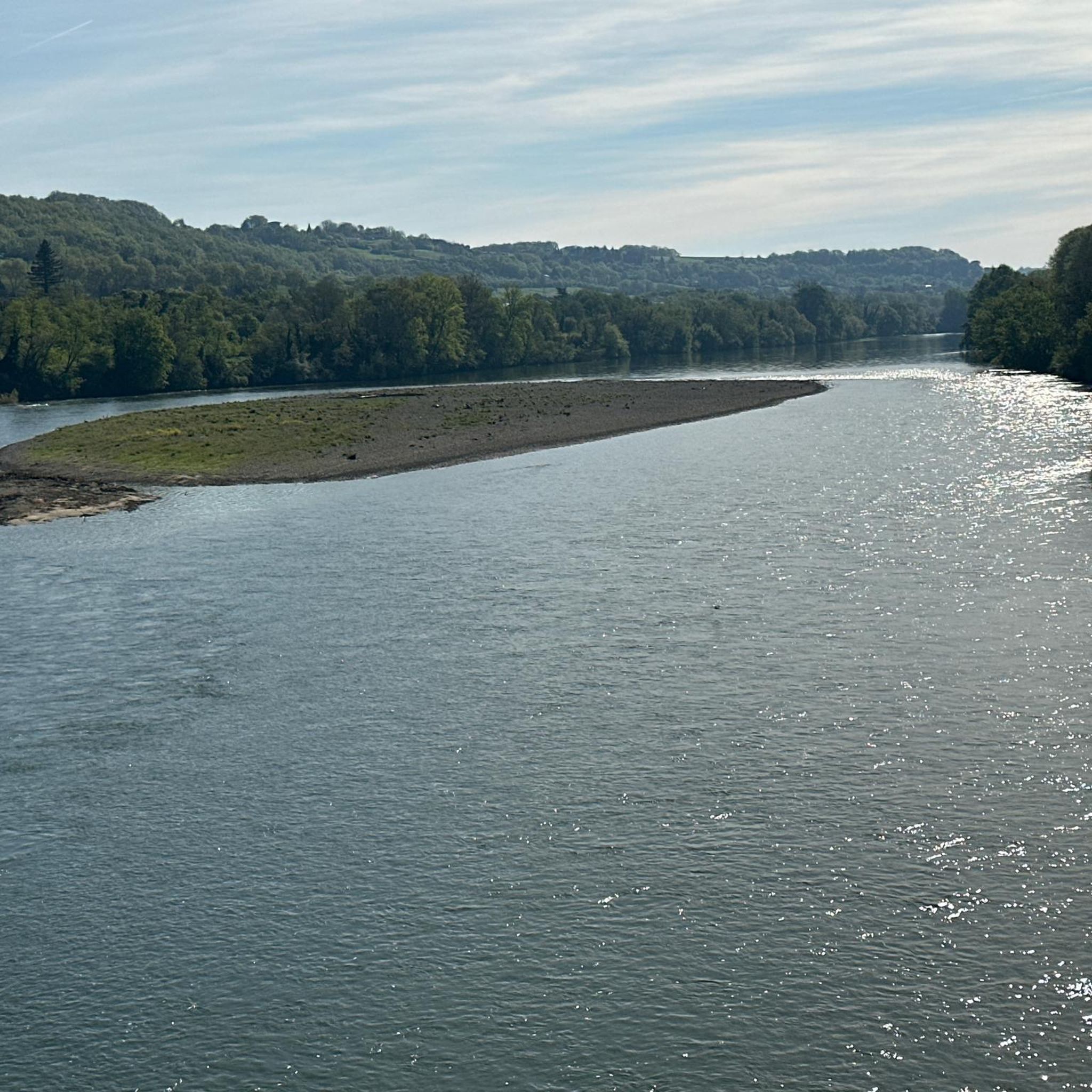
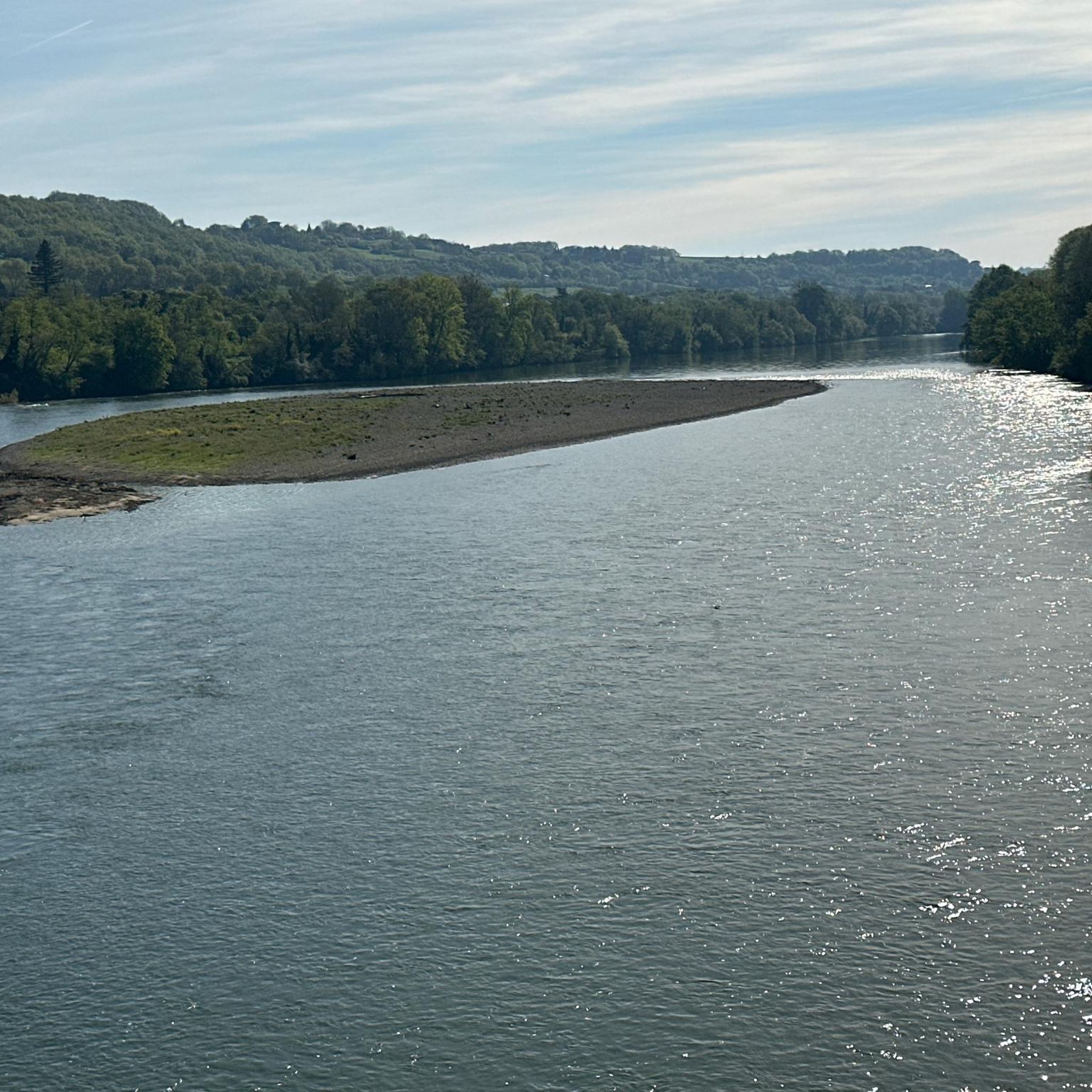
I'm sorry but the river port of Agen no longer has any influence on the transport of goods and the rental of small boats has been moved to the much more active port of Buzet sur Baïse.
1
0

Spectacular canal bridge over the Garonne
3
0

We fell in love with this stage in a bed and breakfast. Very nice and relaxing place run by a very friendly person. The room was tastefully decorated and well equipped and the meal (we took the snack board option) was perfect, organic and local products. One of our best stops along the canal.
0
1
Frequently Asked Questions
What historical landmarks can I explore in Boé?
Boé is rich in history, featuring several notable landmarks. You can visit the impressive Agen Aqueduct (also known as the Agen Canal Bridge), an engineering marvel spanning the Garonne. The Notre-Dame Church of Moirax is a significant Cluniac Priory from the 11th century, known for its Romanesque art and its role as a stopover for pilgrims. The town also boasts several historic châteaux like Château d'Allot, Château de La Couronne, Château de Bailles, and Château de Saint-Marcel, as well as the fortified Lacassagne Tower.
Are there any natural attractions or parks in Boé?
Yes, Boé offers beautiful natural escapes. The Agen river port is a historical point of interest along the Garonne. You can also explore Lac de Passeligne, a 60-hectare natural park with 30 hectares of lakes, perfect for a serene visit. The Garonne River and the Canal Latéral à la Garonne are central to the landscape, offering peaceful views and opportunities to learn about their significance at the Maison de Garonne.
What family-friendly activities are available in Boé?
For families, Boé offers several engaging options. The Agen Aqueduct is a fascinating sight for all ages. The Lac de Passeligne natural park provides space for outdoor enjoyment. Additionally, nearby attractions like Pop Corn Labyrinthe AGEN (Boé) offer recreational fun, and larger parks like Aqualand Agen and Walibi Sud-Ouest are a short distance away for more extensive leisure.
Where can I find cultural experiences in Boé?
Boé provides cultural insights through its historical sites and dedicated venues. The Notre-Dame Church of Moirax is a prime example of Romanesque art. The Cultural Space F. Mitterrand hosts various performances and activities. The Maison de Garonne educates visitors on the rich historical and natural aspects of the Garonne river. You can also visit the historic Boé-Village and Saint-Pierre de Gaubert Churches, the latter housing a classified historical monument painting, 'The Resurrection of Tabitha'.
What outdoor activities can I do near Boé's attractions?
Boé and its surroundings are ideal for outdoor enthusiasts. You can enjoy road cycling on routes like the 'Mills of Moirax – Notre-Dame de Moirax Church loop' or 'Garonne Canal – The Garonne loop'. Mountain biking trails include 'Agen river port – Agen loop' and 'Notre-Dame Church of Moirax – Église de Moirax loop'. For running, consider the 'Bassin de retention – Lac de Passeligne loop' or 'Garonne Canal – Poule à Vélo Inn loop'. Find more routes on the Road Cycling Routes around Boé, MTB Trails around Boé, and Running Trails around Boé guide pages.
Are there places to eat or relax near the attractions?
Yes, for a relaxing break or a meal, the Poule à Vélo Inn is an excellent choice. Located in a former lock-keeper's house on the Canal des Deux Mers, it offers a warm atmosphere, local cuisine, and is certified Accueil Vélo, making it perfect for cyclists. It's known for its friendly staff and delicious ice cream, ideal for a short break.
What is the significance of the waterways in Boé?
The Garonne River and the Canal Latéral à la Garonne are historically and naturally significant to Boé. The town was once a village of sailors and watermen, and these waterways remain central to its identity. The Agen Aqueduct is a testament to the engineering required to navigate these waters, allowing the canal to cross the Garonne. The Maison de Garonne provides insights into their rich past and ecological importance.
Can I find information about local tourism in Boé?
Yes, the Destination Agen - Tourist Office of Boé is available to assist visitors. It is conveniently located at the nautical stop, providing tourist information, souvenirs, and often serving as an exhibition space. This is a great resource for planning your visit and discovering more about the area.
What makes the Notre-Dame Church of Moirax special?
The Notre-Dame Church of Moirax is a jewel of Romanesque art and a significant historical site. It served as a crucial stopover for pilgrims on their way to Santiago de Compostela, with its land donated in 1049. This imposing Cluniac Priory from the 11th century has been perfectly restored and is listed as a historical monument, showcasing remarkable architectural beauty.
Are there golf courses near Boé?
Yes, golf enthusiasts can visit the Golf du Château d'Allot Agen Boé. Situated on the grounds of the historic Château d'Allot amidst centenary cedars, this course offers an original and undulating 18-hole experience that runs alongside lakes and the Garonne, welcoming players of all skill levels.
What is the Agen Aqueduct and why is it important?
The Agen Aqueduct, also known as the Agen Canal Bridge, is an impressive engineering feat. This 539-meter long structure features 23 arches and allows the Canal de Garonne to cross over the Garonne river. Its construction began in 1839 and was completed in 1847, made entirely of freestone from Quercy, making it a significant historical and architectural landmark in the region.

Get inspired with the komoot mobile app


Explore more
Still not found the Highlight you’re looking for? See guides of the top attractions in other regions:
