Attractions and Places To See around La Saucelle - Top 20
Best attractions and places to see around La Saucelle include historical sites and natural landscapes. This village in the Eure-et-Loir department is situated at the edge of the Senonches Forest and within the Perche Regional Natural Park. The area offers a blend of historical intrigue, including ties to the Knights Templar, and opportunities to explore its natural environment. Visitors can find a variety of attractions, from painted churches to extensive forest trails.
Best attractions and places to see around La…
Last updated: August 25, 2026
Château de Senonches
Highlight • Castle
Translated by Google •
Tip by

Ferté-Vidame Castle
Highlight • Other
Translated by Google •
Tip by
Sign up now to discover places like this
Get recommendations on the best single tracks, peaks, & plenty of other exciting outdoor places.
Sign up for free
Ruins of the Château de La Ferté-Vidame
Highlight • Castle
Translated by Google •
Tip by

View of the Château de Saint-Simon⚜️🏰✨
Highlight • Historical Site
Translated by Google •
Tip by
Saint Nicholas Church - La Ferté-Vidame
Highlight • Religious Site
SAINT NICOLAS
(17th century)
The town of La Ferté-Vidame takes its name from the Latin Firmitas Castrum which means the fortified villa belonging to the vidame'.
Its primitive church …
Translated by Google •
Tip by

Sign up for free to discover even more attractions around La Saucelle.
Sign up for free
Already have an account?
Start today with a free account
Your next adventure awaits.
Login or Signup



Tips from the Community

The castle of Senonches. You will find an information point inside.
0
0
Possibility of taking a walk in the park adjoining this beautiful ruin.
0
0
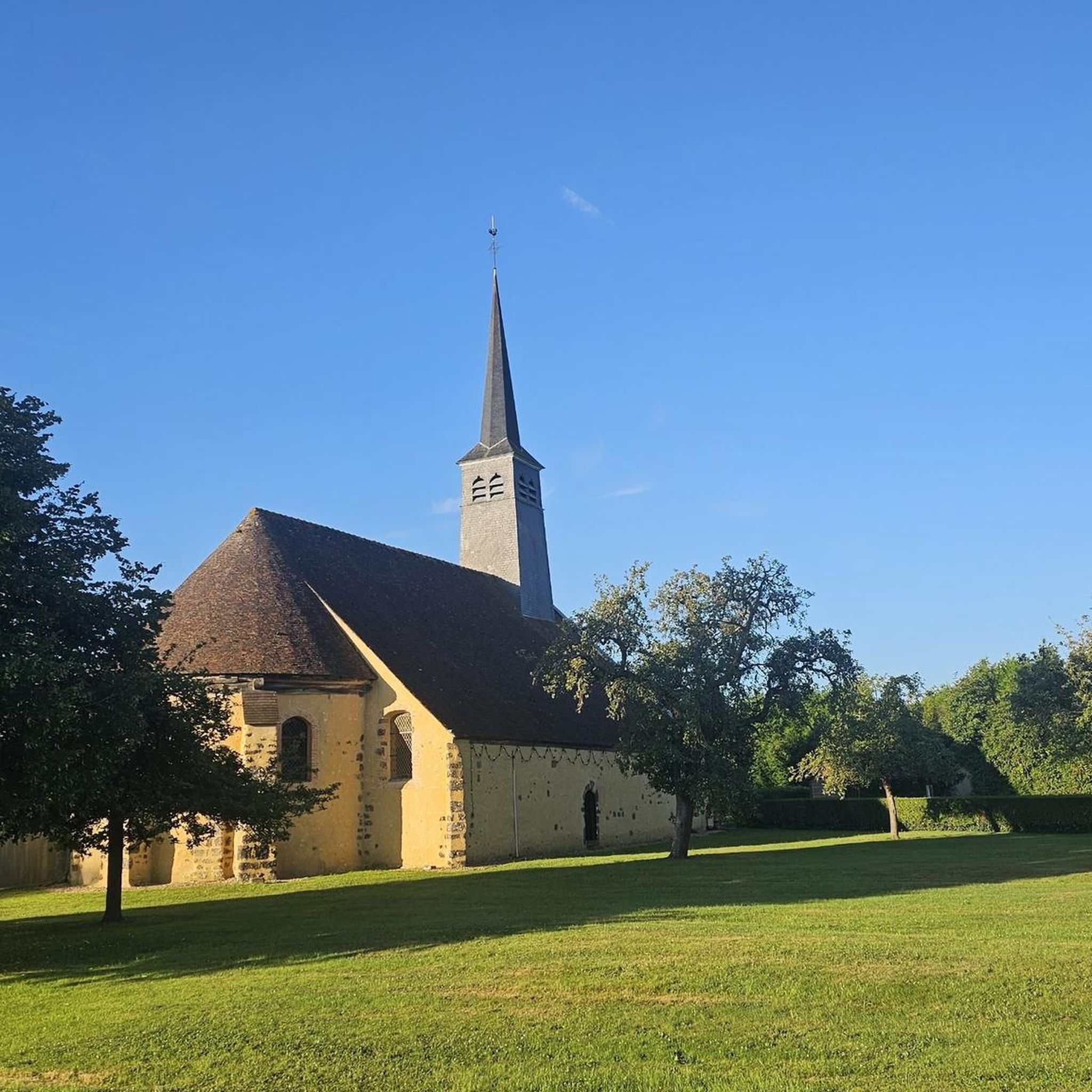
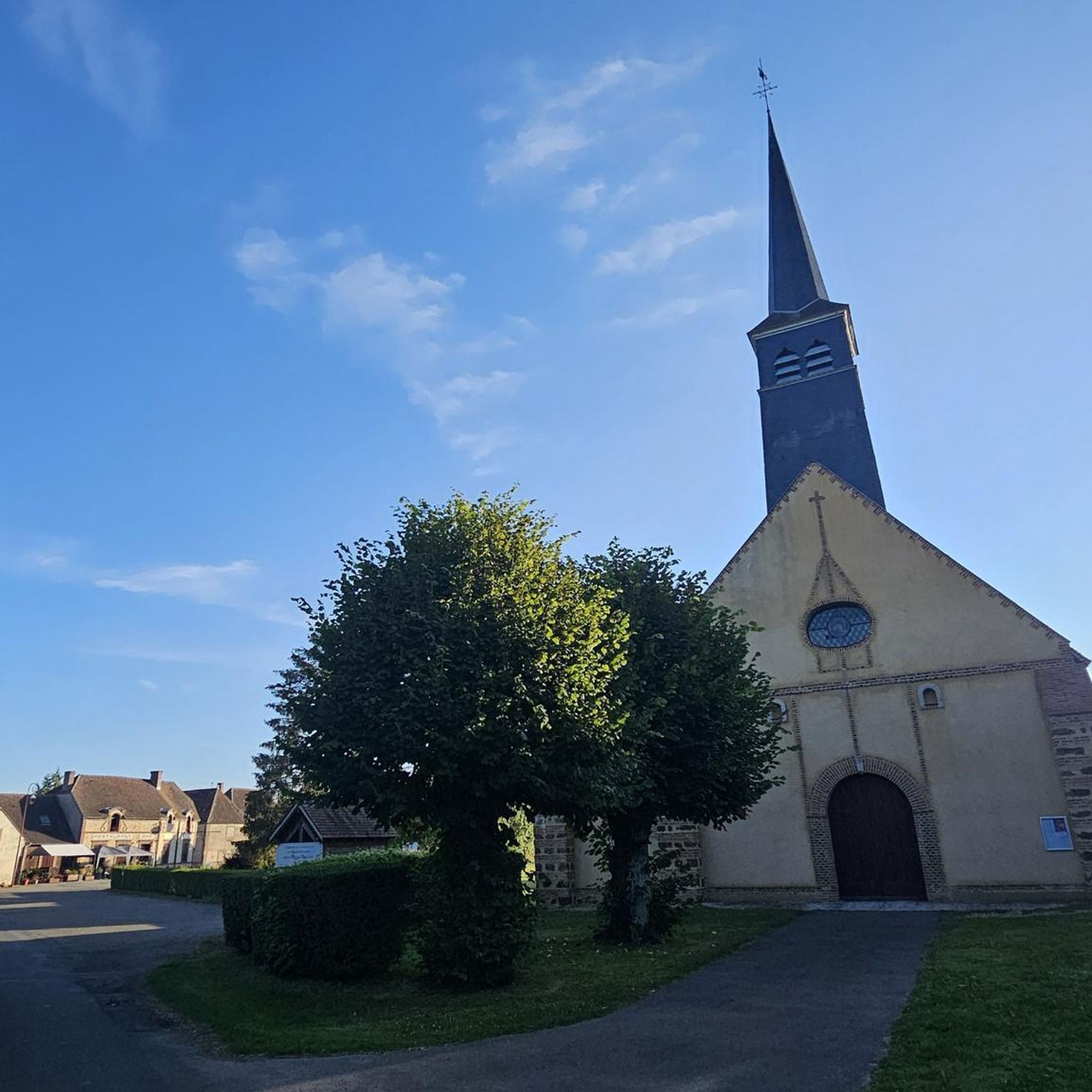
CHURCH SAINT NICOLAS (17th century) The town of La Ferté-Vidame takes its name from the Latin Firmitas Castrum which means the fortified villa belonging to the vidame'. Its primitive church existed from the 12th century. We find it mentioned in a charter dated 1136 under the name “Ecclesia Sancti Nicolai de Firmitate”. Under the Ancien Régime, the rectory which was at the disposal of the abbot of Saint-Vincent-des-Bois became an annex of the parish of Lamblore. This particular situation of a chief town of a castellany belonging to a rural parish is explained by the detachment of the original parish from the territory around the castle. Successor to the Huguenot heirs, Claude de Rouvroy de Saint-Simon, proclaimed by the grace of Louis XIII duke and peer of France, acquired the La Ferté estate in 1632. In order to erase all traces of Protestantism, of which the church had become over the centuries a very active platform, the Duke of Saint-Simon ordered in 1658 the demolition of the original church to replace it on the same site with the current building. The work was carried out promptly. On November 1, 1659, the Saint-Nicolas church was blessed by Messire Louis Oudard de Germens, canon priest of Chartres. Classic in style with its homogeneous and ordered composition, the church was built according to a plan in the shape of a Latin cross. Its construction was inspired by the drawings of the famous Italian architect, Andrea di Pietro Palladio, whose sketches Duke Saint-Simon had brought back from Spain. The architecture remains faithful to the marriage of stone and brick while giving this alternation a fanciful touch. Very majestic, the facade is built according to the Italian pattern (bossed pilasters, superposition of orders, pediment, volutes), a style also in vogue in France since 1630. The arms of the Saint-Simon family were engraved on a stone at the pediment of the portal and on two others on either side of the portal. They were burned during the Revolution. Today, only the date engraved on the frieze remains: 1659. 16 59 Square in plan, the bell tower, which adjoins the church in the northern part, is topped with a dome surmounted by a lantern. Two bells are housed in the bell tower: one dates from 1762, the second from 1813. The history of the church is closely intertwined with that of the lords of the parish, including the families Saint-Simon, Laborde, Bourbon-Penthievre and Bourbon-Orléans remain the most famous. Grandstands accessible from the outside and opening onto the side chapels recall their presence. In 1743, at the request of Louis de Saint-Simon, a great memoirist, the family vault was built in the Chapel of the Resurrection. A slab on the ground marks the location of the grave. Unfortunately, during the Revolution, the tombs were desecrated, the bones of the benefactors were extracted from the vault and scattered in a common grave dug at the apse of the church. The church was the subject of significant restorations at the end of the 18th century and the beginning of the 19th century, including the interior ornamentation of the building which is a manifestation of the neo-classical style.
2
0

The castle park is a great spot for a break. Access to the park is free.
0
0

The castle of La Ferté-Vidame impresses with its ruins, the only remains of its destruction during the French Revolution. Its park is also pleasant to visit.
2
0

A report on the castle and its history https://www.dailymotion.com/video/x7ypeas
0
0

On the edge of the Perche, the Senonches castle, whose oldest remains date from the 12th century, had illustrious owners until the Revolution: from the lords of Thimerais to “Monsieur”, brother of King Louis XVI.
0
0

The Château de Senonches is a medieval castle which dates from the 12th century and which is classified as a historic monument. It is surrounded by the Senonches forest, one of the largest and most diverse forests in Perche. You can explore the castle and its museum, which presents the ecology, history and industry of the forest.
2
0
Frequently Asked Questions
What historical sites can I explore around La Saucelle?
La Saucelle and its surroundings are rich in history. You can visit the Château de Senonches, a medieval castle with a 12th-century keep and a museum detailing the forest's history. The village itself has historical ties to the Knights Templar, with sites like a former Templar mill. Additionally, the Ferté-Vidame Castle offers the remains of a grand 18th-century estate, and the Saint Nicholas Church - La Ferté-Vidame is a notable 17th-century religious building.
Are there any natural parks or forests near La Saucelle for outdoor activities?
Yes, La Saucelle is ideally located at the edge of the extensive Senonches Forest and within the peaceful countryside of the Perche Regional Natural Park. This area is characterized by rolling hills, woods, and oak trees, offering numerous opportunities for outdoor activities.
What kind of hiking trails are available around La Saucelle?
The region around La Saucelle, particularly within the Senonches Forest and Perche Regional Natural Park, features thematic hiking circuits. These trails allow you to explore local history, including the Templars' influence, World War II resistance, and forest management. For specific routes, you can find various trails in the Running Trails around La Saucelle guide, such as the 'Senonches Forest Loop'.
Can I go cycling near La Saucelle?
Absolutely. The Perche Regional Natural Park and Senonches Forest offer several thematic cycling circuits. These routes are designed to showcase both the region's history and its natural environment. For detailed road cycling options, explore the Road Cycling Routes around La Saucelle guide, which includes routes like 'La Ferté-Vidame - Senonches Loop'.
Are there mountain biking opportunities in the area?
Yes, mountain biking is a popular activity around La Saucelle. The Senonches Forest provides a great setting for MTB trails. You can discover various routes, including 'Ritual oak – Magnificent panoramic lake loop from Senonches' and 'Château de Senonches – Forêt de Senonches loop from Senonches', by checking the MTB Trails around La Saucelle guide.
What are the highlights of the Perche Regional Natural Park near La Saucelle?
The Perche Regional Natural Park, where La Saucelle is situated, is known for its peaceful countryside, rolling hills, woods, and ancient oak trees. It offers a serene natural environment perfect for hiking and cycling along thematic circuits that delve into the region's history and natural resources.
What is the Painted Church in La Saucelle?
La Saucelle is home to a unique Painted Church (Église peinte), which is an important site reflecting the village's historical and cultural heritage. This church underwent restoration between 2017 and 2021, preserving its distinctive artistic features.
What can I expect to see at the Ruins of the Château de La Ferté-Vidame?
The Ruins of the Château de La Ferté-Vidame are the remains of a 14th-century castle that was once the residence of Louis de Rouvroy, Duke of Saint-Simon. Visitors can admire the ruins, explore the surrounding park and ponds, and enjoy panoramic views of the area. The site also offers access to nearby forests and trails.
What do visitors enjoy most about the attractions around La Saucelle?
Visitors particularly appreciate the blend of historical intrigue and natural beauty. The medieval castles, such as Château de Senonches, and the extensive forests like Senonches Forest, are highly rated. The komoot community has shared over 16 photos and given more than 40 upvotes to the attractions, highlighting their appeal for exploration and outdoor activities.
Are there any notable natural features directly within La Saucelle?
While La Saucelle is surrounded by the larger Senonches Forest and Perche Regional Natural Park, a notable natural feature mentioned within the village's immediate vicinity is 'The Big Oak', reflecting the area's natural beauty.
What is the significance of the Templar sites in La Saucelle?
La Saucelle holds historical ties to the Knights Templar, who established one of their first sites in the Drouais region within the village. Visitors can explore locations related to their presence, including a former Templar mill, which also served as a hiding place for allied airmen during WWII.
Are there any other historical buildings besides castles and churches?
Yes, La Saucelle also features an old 19th-century renovated mill. This point of interest is set amidst the natural landscape of the Regional Natural Park of Le Perche, offering a glimpse into the area's industrial and rural heritage.
Most popular routes around La Saucelle
Most popular attractions around La Saucelle

Get inspired with the komoot mobile app


Explore more
Still not found the Highlight you’re looking for? See guides of the top attractions in other regions:
