Highlight • Summit
Norse Peak
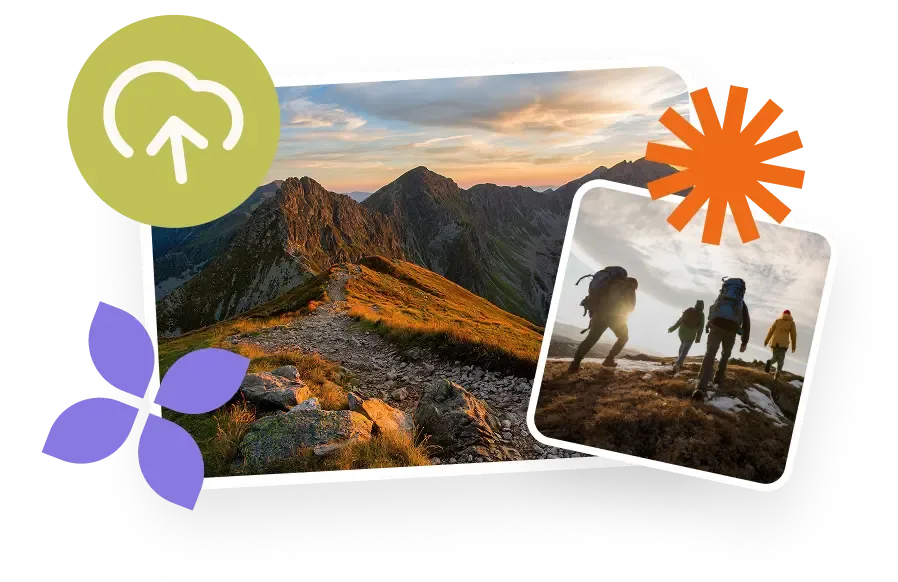
Norse Peak is a prominent summit in Washington state's Cascade Range, reaching an elevation of 2,090 meters (6,856 feet). Located on the border of Pierce and Yakima counties, just east of Mount Rainier National Park, it forms a significant part of the expansive Norse Peak Wilderness. This challenging peak is renowned for its commanding panoramic views of the surrounding mountains and valleys.
Hikers consistently praise the breathtaking vistas from the top, which on a clear day can include Mount Rainier,…
This Highlight is in a protected area
Please check local regulations for:
Tips
In the know? Log-in to add a tip for other adventurers!
Nearby routes
Best routes near Norse Peak

21
hikers
14.3km
04:57
810m
810m
Moderate hike. Good fitness required. Easily-accessible paths. Suitable for all skill levels.
6
hikers
17.7km
06:01
870m
870m
Hard hike. Very good fitness required. Easily-accessible paths. Suitable for all skill levels.
4
hikers
9.72km
03:33
590m
590m
Moderate hike. Good fitness required. Easily-accessible paths. Suitable for all skill levels.
Details
Informations
Elevation 2,060 m
Weather
Powered by Foreca
Today
Monday 19 October
9°C
1°C
0 %
Additional weather tips
Max wind speed: 7.0 km/h
Frequently Asked Questions
What is the best time of year to hike Norse Peak for wildflowers?
The alpine meadows around Norse Peak are known for their vibrant wildflowers. The best time to experience them is typically in mid-to-late summer, usually from July through August, when the snow has fully melted and the blooms are at their peak. Early fall can also offer beautiful colors as the foliage begins to change.
Is Norse Peak suitable for beginner hikers or families with young children?
The main Norse Peak Trail (Trail 1191) is generally considered strenuous, with significant elevation gain (around 2,800 feet over 10.8 miles round trip). It may not be suitable for beginner hikers or very young children. For families or those seeking an easier experience, consider exploring trails in the nearby Crystal Mountain area or looking for less strenuous options within the Norse Peak Wilderness that don't involve a summit attempt.
Are dogs allowed on the Norse Peak trails?
Yes, dogs are allowed on the Norse Peak trails, including Trail 1191. However, it's crucial to keep them leashed at all times and to pack out all waste. Remember there are no water sources along the primary trail, so bring plenty of water for your canine companion as well.
What permits are required to hike Norse Peak?
For parking at trailheads accessing Norse Peak, you will likely need a Northwest Forest Pass or a similar recreation pass. Wilderness permits are also required for entry into the Norse Peak Wilderness; these are typically free and self-issuing at the trailheads.
Are there any water sources along the main Norse Peak Trail?
No, the primary Norse Peak Trail (Trail 1191) is described as dry and dusty, with no reliable water sources along its 10.8-mile length. Hikers must carry all the water they will need for the entire round trip, especially during warmer months.
What wildlife might I encounter on Norse Peak?
Norse Peak and its surrounding wilderness are home to various wildlife. Hikers often report sightings of elk and mountain goats, particularly in the alpine meadows. Keep an eye out for smaller mammals and a variety of bird species as well. Always observe wildlife from a respectful distance.
How do spring and fall conditions differ for hiking Norse Peak?
Spring on Norse Peak can still involve significant snow cover, making it popular for snowshoeing and backcountry skiing. However, avalanche risks are present, and trails may not be clear until late spring or early summer. Fall offers cooler temperatures, potentially fewer crowds, and beautiful autumn foliage. Early fall typically remains snow-free, but late fall can see the first snowfalls, especially at higher elevations.
What are the public transport options to get to Norse Peak?
Public transport options directly to Norse Peak or the Crystal Mountain Ski Area (the nearest access point) are very limited or non-existent. Access is primarily by private vehicle. Hikers typically drive to the trailheads located off State Route 410.
Where can I find accommodation or dining options near Norse Peak?
The closest amenities for accommodation, cafes, pubs, and restaurants are typically found near the Crystal Mountain Ski Area, which is located nearby and accessed from the same road leading off State Route 410. Further options can be found in towns along State Route 410, such as Greenwater.
How does the Norse Peak summit view compare to other views of Mount Rainier?
From Norse Peak, you are treated to expansive, panoramic views that include a truly spectacular perspective of Mount Rainier, often cited as a major highlight by hikers. On a clear day, you can also see Mount Adams, Mount Stuart, Glacier Peak, the North Cascades, Mount Baker, and the Olympic Range, offering a broader mountain vista compared to some closer, more localized Rainier viewpoints.
Is it possible to hike Norse Peak in winter?
Yes, Norse Peak can be accessed in winter via snowshoe or backcountry skiing, often starting from the Crystal Mountain parking lot. However, winter ascents carry a significant risk of avalanches, and proper avalanche safety knowledge, equipment, and conditions assessment are essential. It is a much more challenging and potentially dangerous endeavor than a summer hike.