The 20 Most Amazing Peaks in Washington
Mountain peaks in Washington offer diverse landscapes across the state. The region features prominent active stratovolcanoes, glaciated peaks, and non-volcanic summits. These mountains are often found within national parks and wilderness areas, providing varied ecosystems from ancient forests to subalpine meadows. The state's topography includes some of the highest peaks in the contiguous U.S.
Best mountain peaks in Washington
- The most popular mountain peaks is Faraway Rock Overlook, a viewpoint that offers panoramic views of Lake Louise and the…
Last updated: August 4, 2026
Faraway Rock Overlook
Highlight • Viewpoint
Tip by

Panorama Point Summit
Highlight • Viewpoint
Tip by
Sign up now to discover places like this
Get recommendations on the best single tracks, peaks, & plenty of other exciting outdoor places.
Sign up for free
Panorama Point View of Mount Rainier
Highlight • Viewpoint
Tip by

Hurricane Hill
Highlight • Summit
Tip by

Squak Mountain Central Peak
Highlight • Summit
Tip by

Dog Mountain summit
Highlight • Summit
Tip by

Whittaker Wilderness Peak Trail (upper section)
Highlight (Segment) • Trail
Tip by

Samish Overlook
Highlight • Viewpoint
Tip by

Little Si Summit
Highlight • Summit
Tip by

Bench at Wilderness Peak
Highlight • Summit
Tip by

Sign up for free to discover even more peaks in Washington.
Sign up for free
Already have an account?
Start today with a free account
Your next adventure awaits.
Login or Signup
Popular around Washington
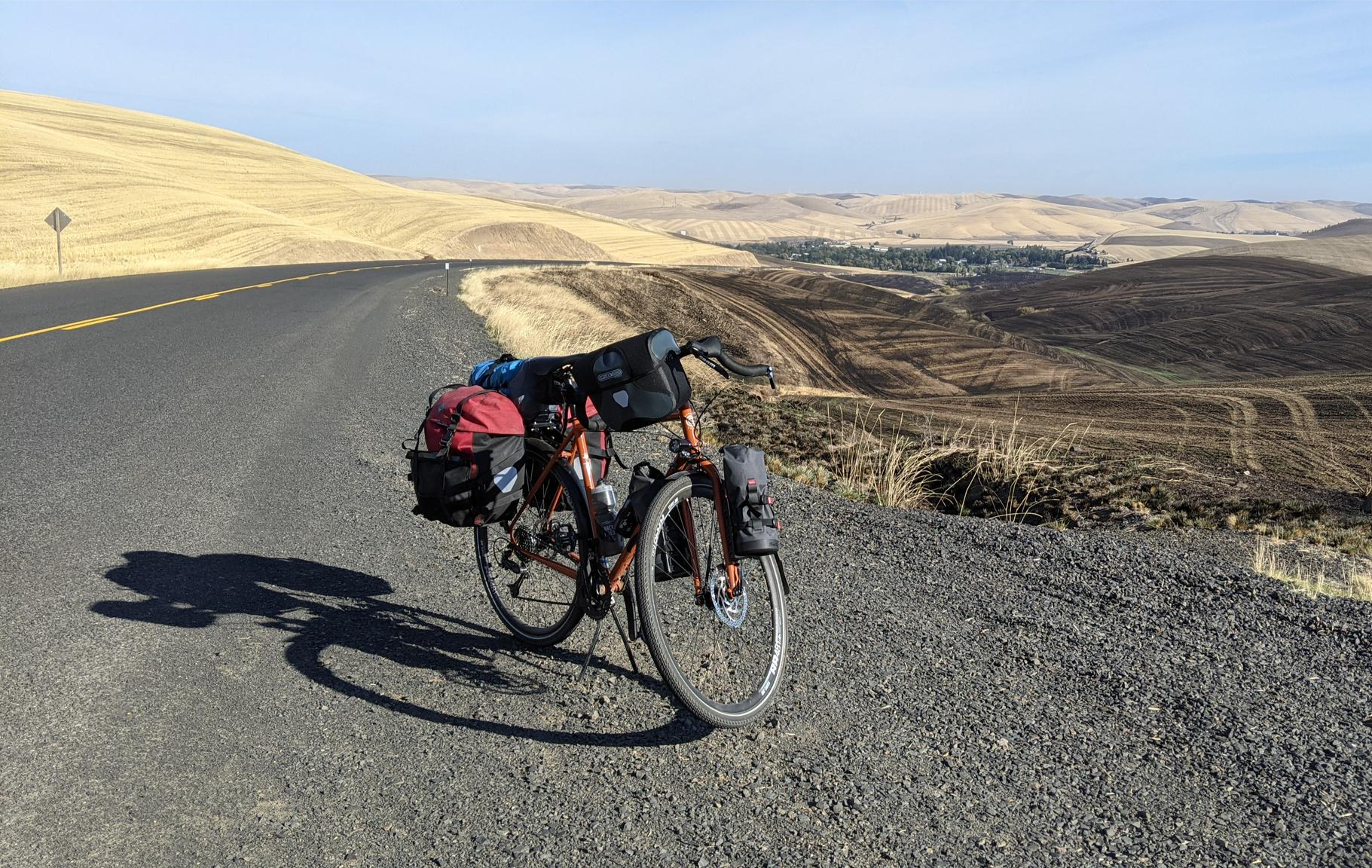
The Lewis & Clark Trail — Following the Corps of Discovery
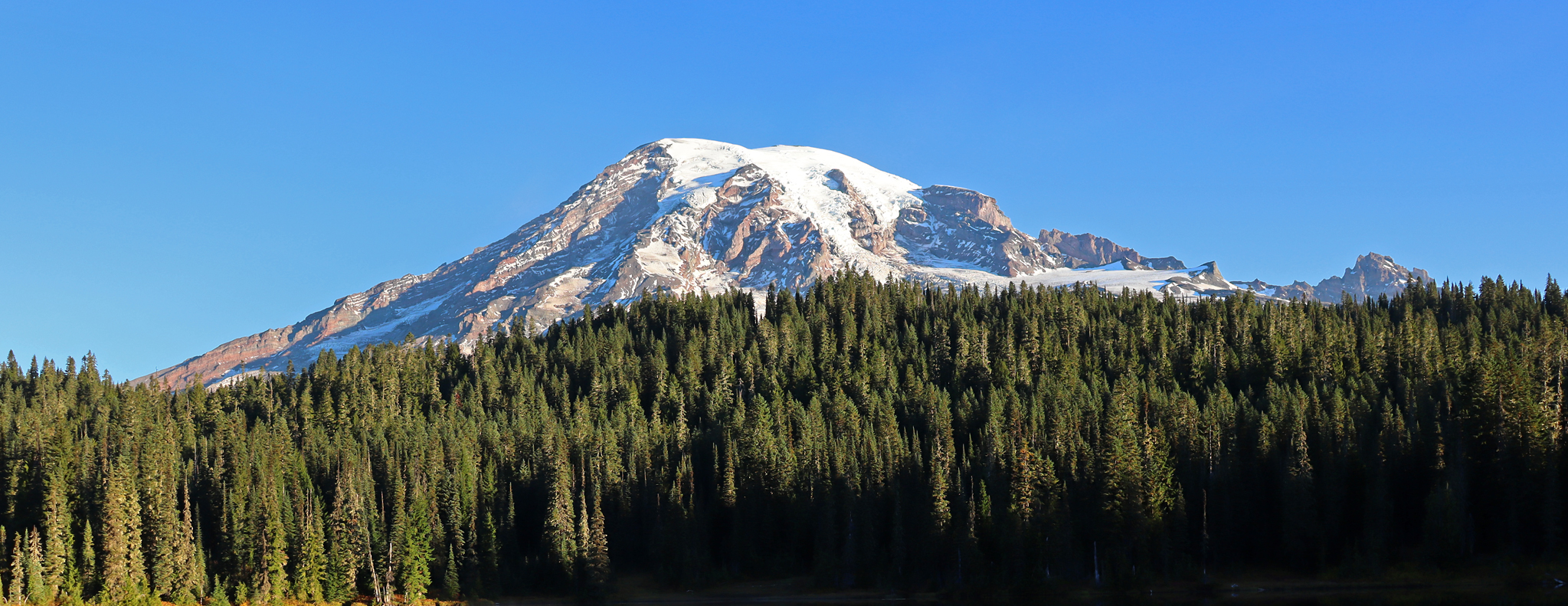
Wonderland Trail — 93 iconic miles around Mount Rainier
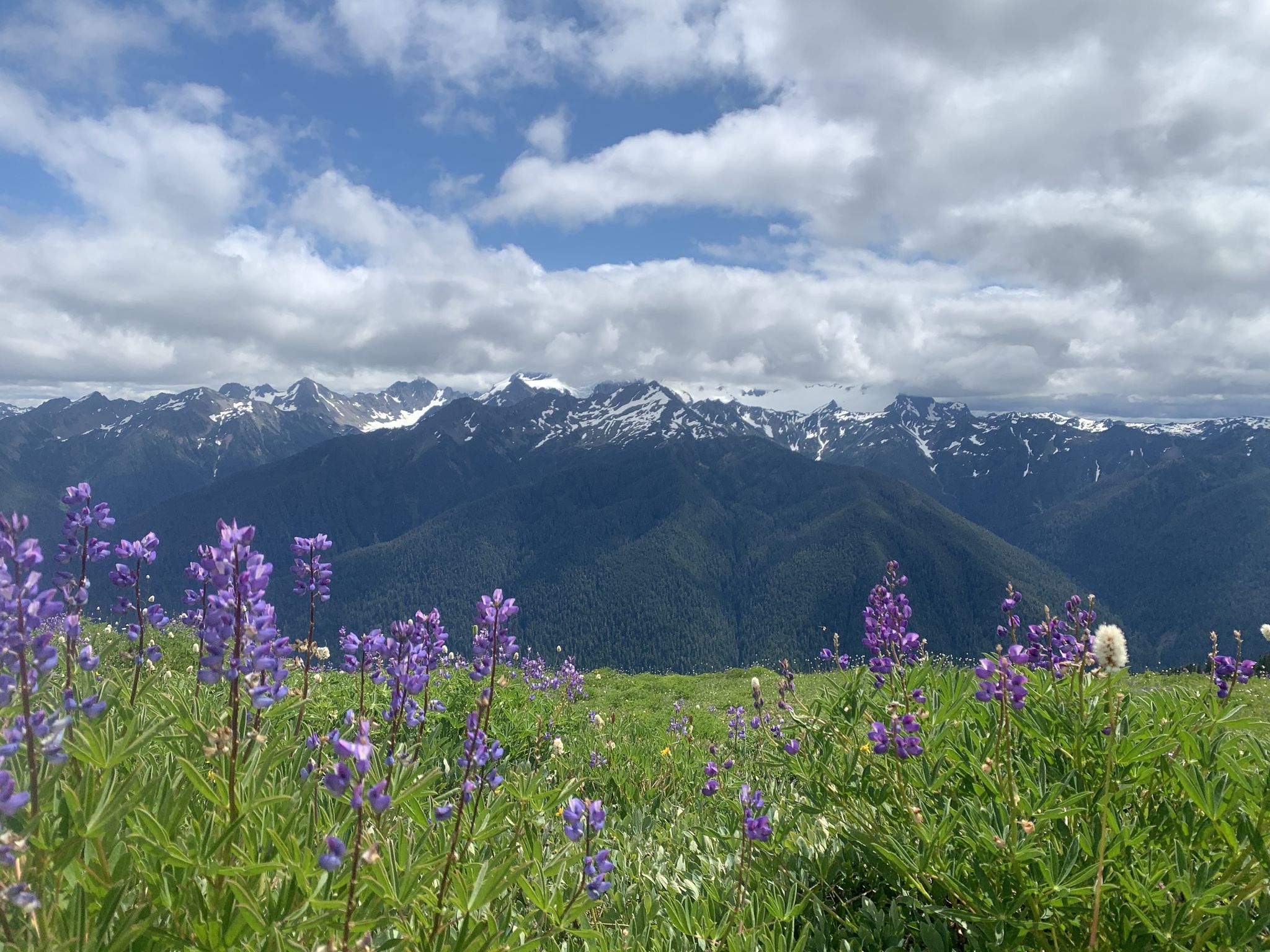
Pacific Northwest National Scenic Trail — From Alpine to Alava through the untamed Northwest

Pacific Crest Trail from Mexico to Canada – 4,200 kilometres of wilderness
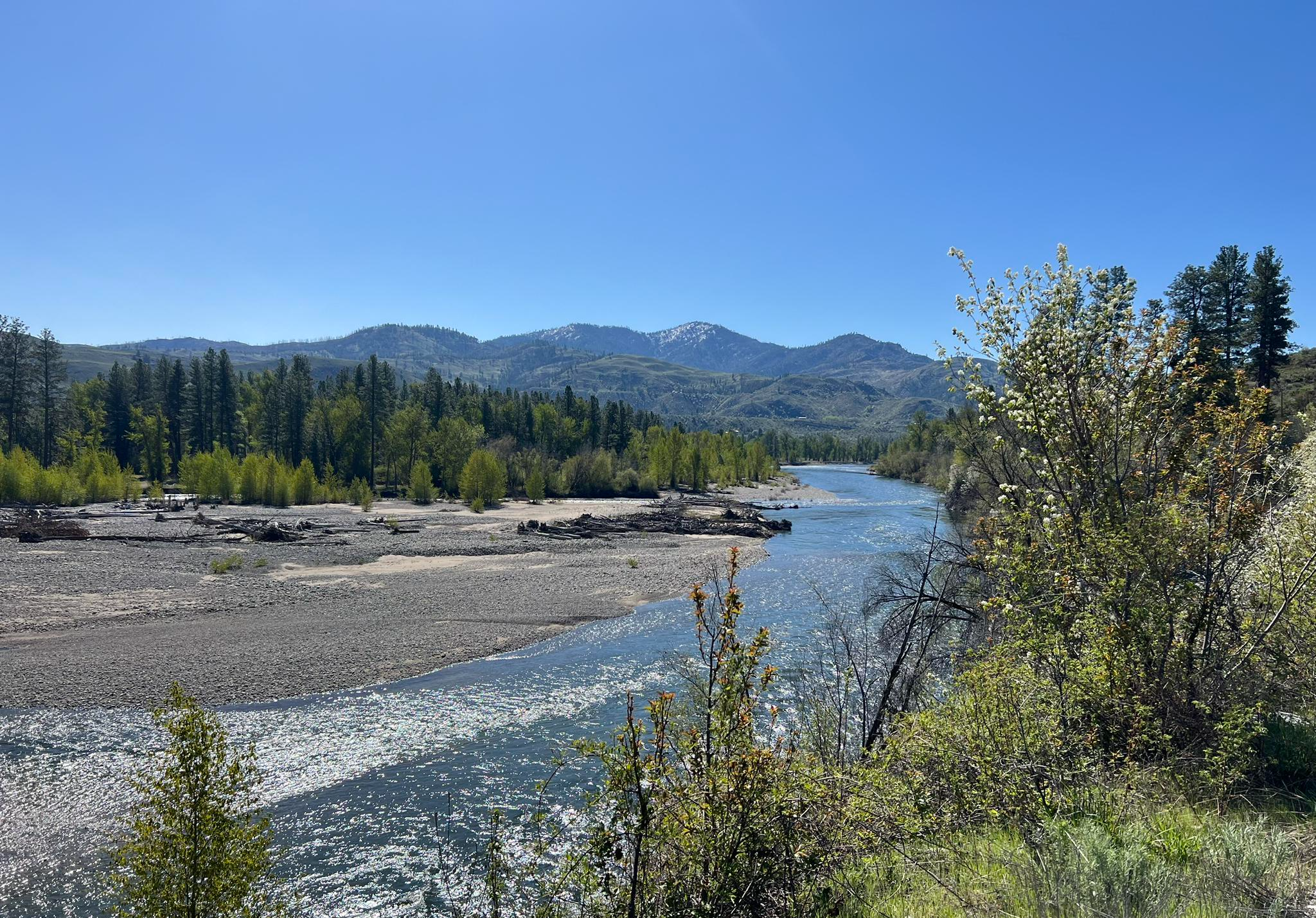
Winthrop Chelan Traverse — The backroads of the Eastern Cascades
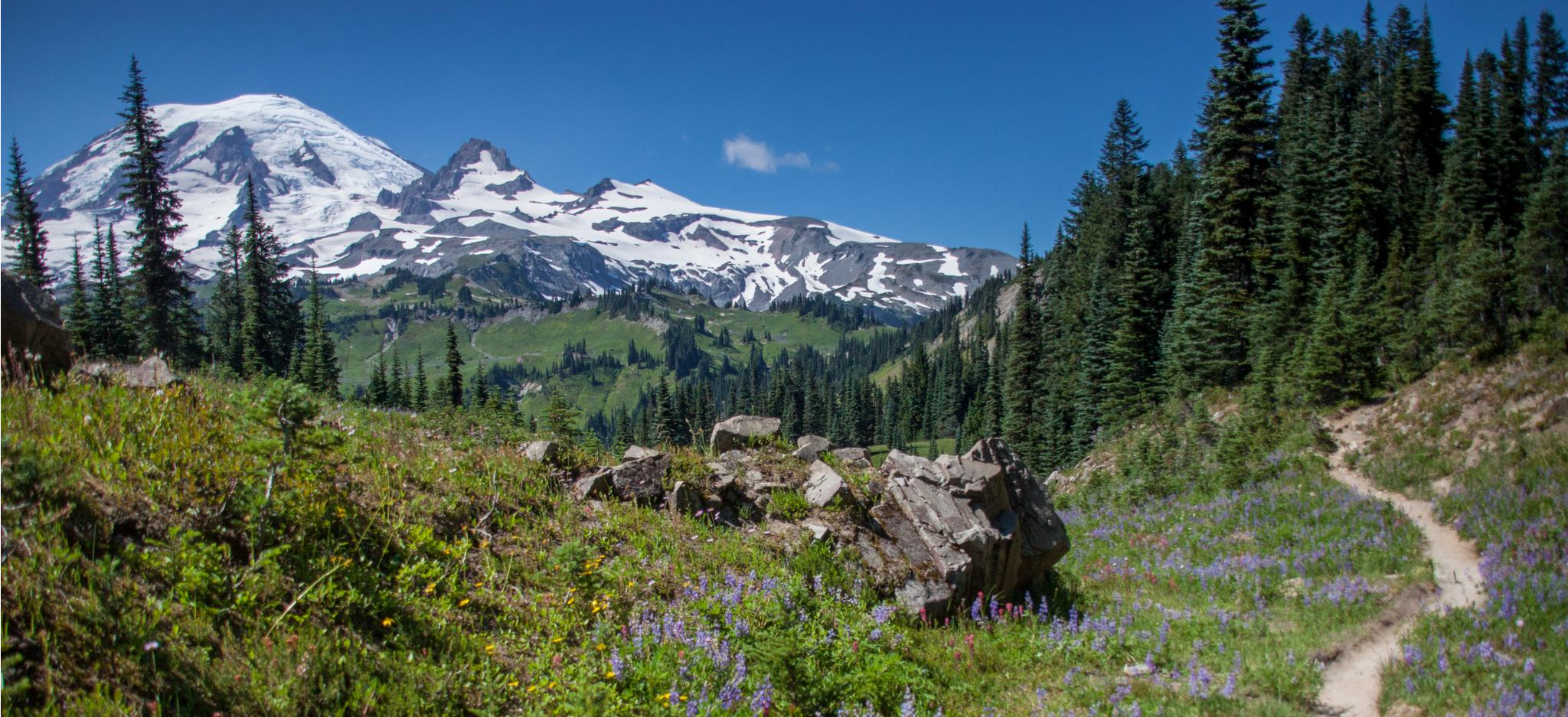
Wonderland Trail — 3-Day fastpacking through the dreamscape
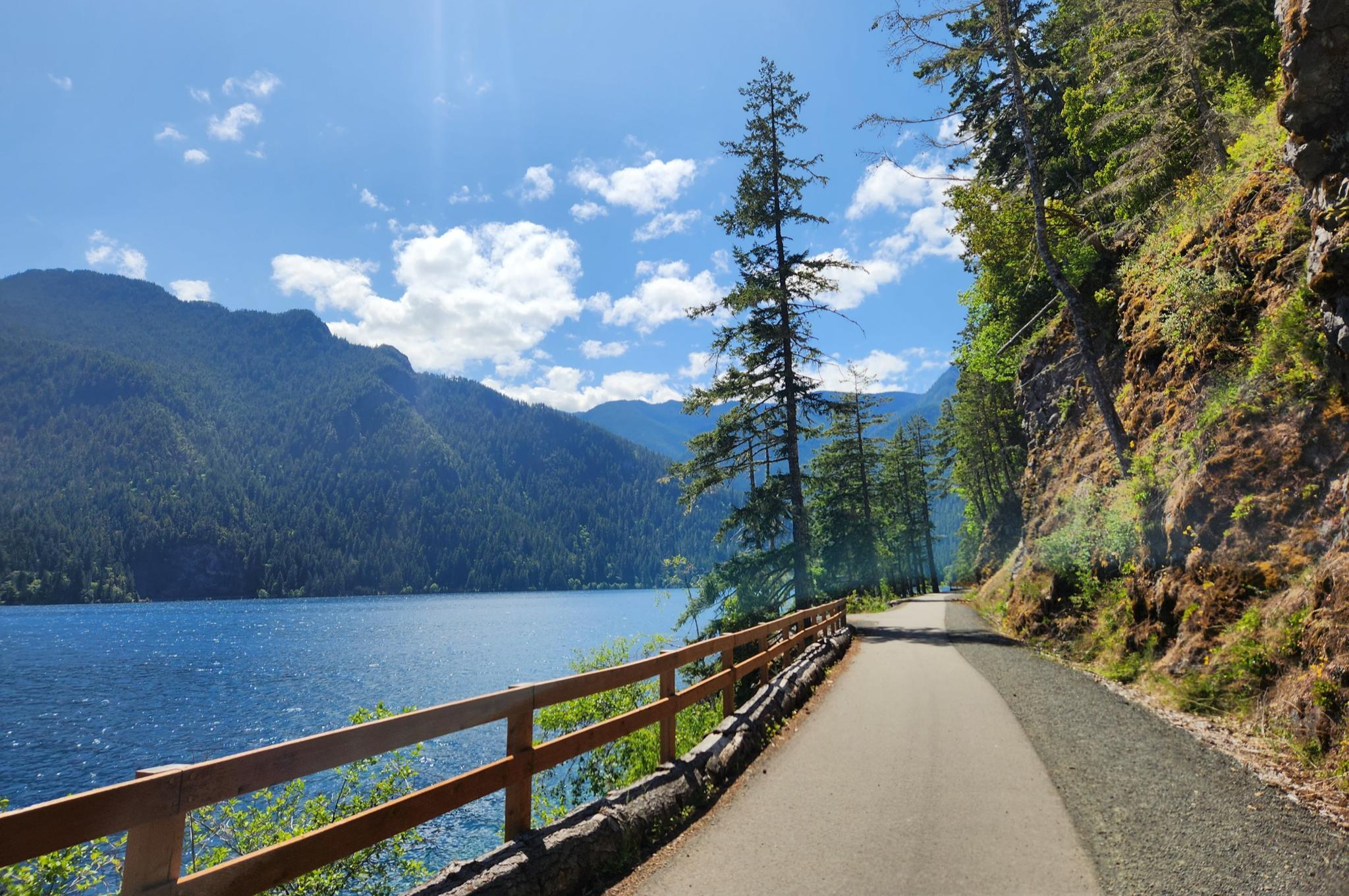
Olympic Discovery Trail — A True Northwest Adventure
The tour of your life – music trails on the Pacific coast
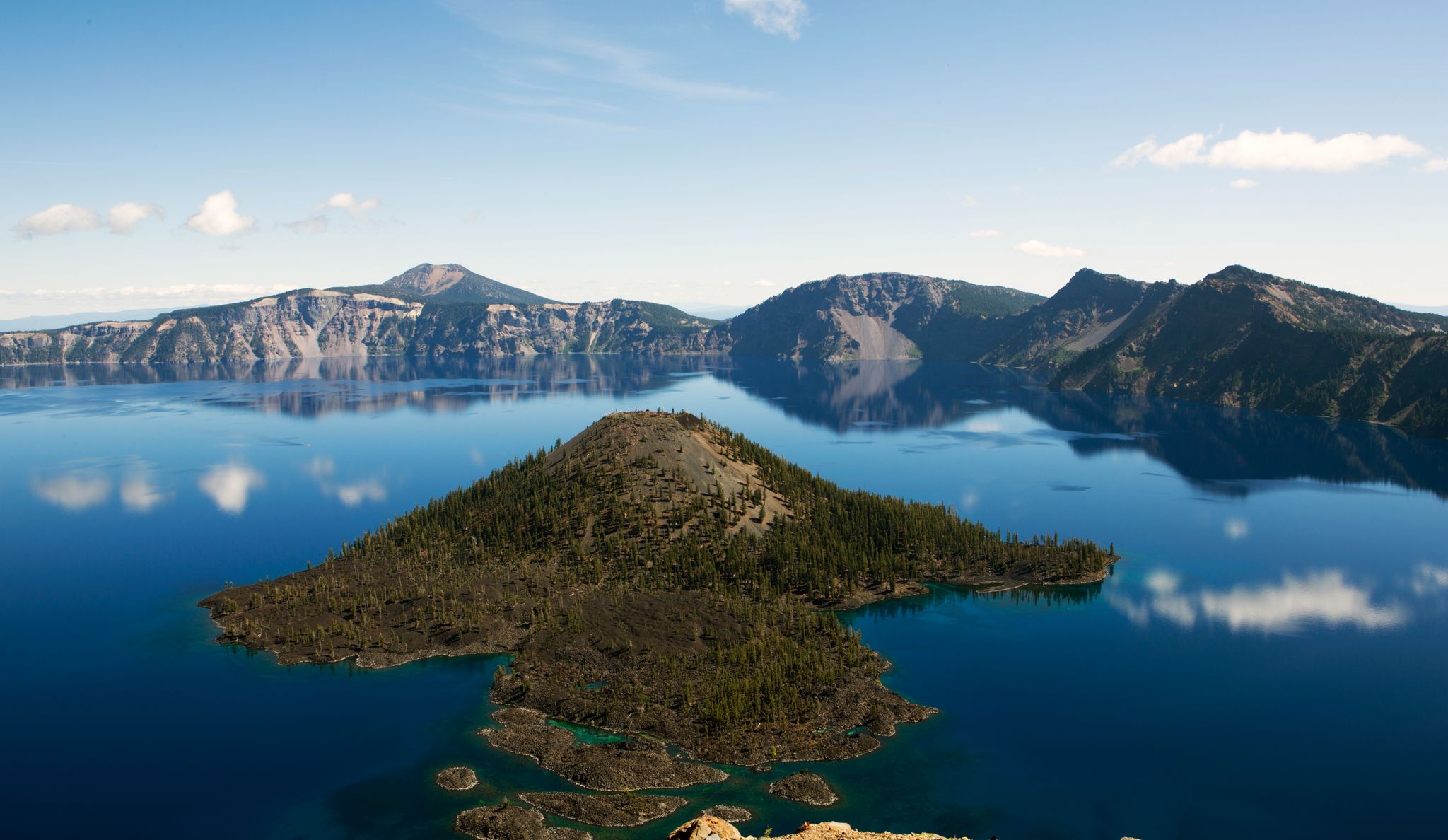
Volcanic peaks and glistening shores – discover Oregon and Washington
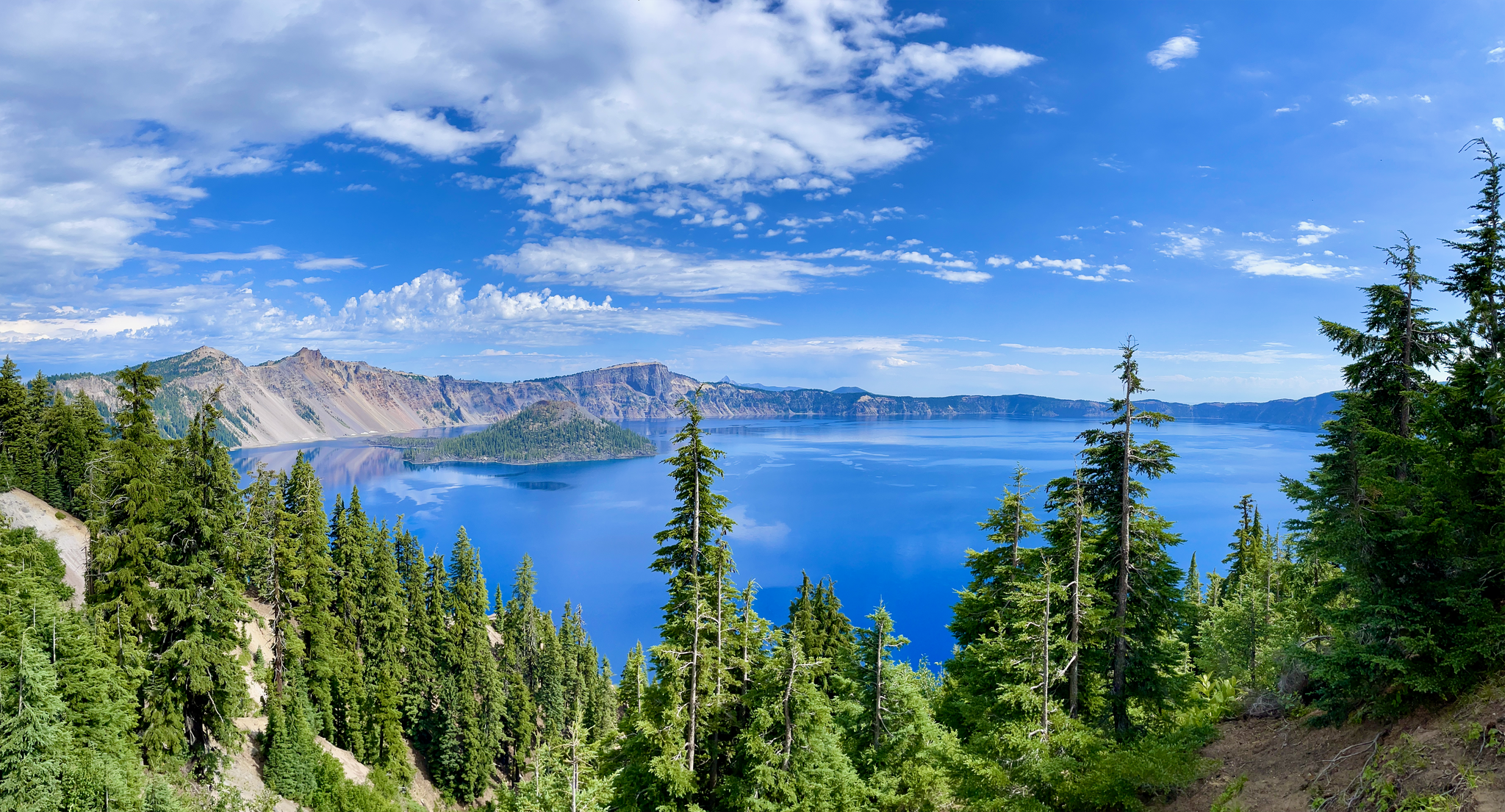
The pristine beauty of the US National Parks
Other adventures in Washington


Tips from the Community

A fantastic vantage point. You can see Mt. Rainier and other surrounding highlights such as Mt. Adams and Mt. Hood. Highly recommended!
0
0

Holy mountain views, Batman! That's all there really is to say about this famous photo spot. From here you get great views down into Paradise Valley, Mount St. Helens, Mount Adams and, on very clear days, Mount Hood.
0
0

When navigating to the peak, some of the downed trees and vegetation can make it a bit confusing. There's white spray painted arrows on the ground at the most confusing spots, so keep an eye out for those!
1
1

From this spot, just a short distance down a spur trail off the main Skyline Trail, just below the summit of Panorama Point, a mountain of the same name, you stunning views of Mount Rainier (if the weather is good, of course!) and the surrounding mountains.
0
0
Faraway Rock is an accessible overlook on the Mazama Ridge Trail in Mount Rainier National Park. From the top of Faraway Rock, you get panoramic views of Lake Louise and the Tatoosh Ridge, which includes Tatoosh, Stevens, Plummer, Unicorn, Foss, and Pinnacle Peaks. From here you can keep going on the Mazama Ridge Trail to a tarn and the intersection of the High Lakes Trail, or you can loop back to the trailhead and parking area at Reflection Lakes via the Lower Lakes Trail.
0
0

Panorama Point offers stunning view of majestic Mount Rainier – of course, if the weather is good. Take a hike on a sunny day and enjoy the picturesque panorama of the dormant volcano and the surrounding mountain ranges. If you are lucky, you can see mountain goats roaming in the area. Sights of marmots and chipmunks are way more frequent.
4
0

Beautiful hiking area that offers a lot of variety and beautiful views. However, the weather can change very quickly and you should wear rainproof clothing. Good hiking shoes are also recommended, as the ground is often uneven and you sometimes have to climb over rocks. There is a parking lot and a visitor center where you can get information.
0
0

Hurricane Hill offers spectacular views of the Olympic Mountains, forest, and glaciers. This is a great summit to run if you're looking for a moderate outing on a well-maintained trail. Only downside is that the views along the way will make it tempting to stop to admire the surroundings!
0
0
Frequently Asked Questions
What are some of the most popular viewpoints and trails in Washington's mountain peaks?
Washington's mountain peaks offer numerous stunning viewpoints and trails. In Mount Rainier National Park, you can find the Faraway Rock Overlook, which provides panoramic views of Lake Louise and the Tatoosh Ridge. Another popular spot is Panorama Point Summit, offering views of Paradise Valley, Mount St. Helens, Mount Adams, and sometimes Mount Hood. For views of surrounding valleys and nearby peaks like Mount Si, consider visiting Little Si Summit. The Samish Overlook in Blanchard State Forest also provides stunning views of the San Juan Islands and Skagit Valley.
Are there family-friendly mountain trails in Washington?
Yes, many mountain areas in Washington offer family-friendly options. For instance, the Olympic Mountains within Olympic National Park feature trails suitable for various abilities, including lowland trails and routes through rainforests. Hurricane Ridge in the Olympic Mountains is particularly family-friendly, offering numerous hiking trails and winter activities. The Samish Overlook is also noted as family-friendly, providing access to multiple trails with scenic views.
What is the best time to visit Washington's mountain peaks for hiking and outdoor activities?
The best time to visit Washington's mountain peaks largely depends on the activity. For general hiking and nature exploration, late spring through early fall (May to October) is ideal, especially for higher elevations where snow can linger. Mount Adams, for example, is best visited in May and early June for hiking. For winter sports like skiing and snowboarding, Mount Baker is renowned for its heavy snowfall, ensuring a long ski season. Mount Rainier also offers year-round activities, from wildflower hikes in summer to snowshoeing in winter.
What kind of natural features can I expect to see around Washington's mountain peaks?
Washington's mountain peaks are rich in diverse natural features. You can expect to see active stratovolcanoes like Mount Rainier and Mount Adams, which are also heavily glaciated. Subalpine wildflower meadows, ancient forests, and alpine lakes are common, especially around Mount Rainier and Mount Shuksan. The Olympic Mountains uniquely combine glacier-capped peaks with temperate rainforests, like the Hoh Rain Forest, and rugged coastlines. You might also encounter waterfalls, such as Sulphide Creek Falls near Mount Shuksan, and lava fields around Mount Adams.
What outdoor activities can I do near Washington's mountain peaks?
Near Washington's mountain peaks, you can enjoy a wide range of outdoor activities. Hiking is very popular, with trails like the Marymere Falls Nature Trail and Hurricane Hill Trail in the Olympic Mountains, or the Skyline Trail Loop in Mount Rainier National Park. You can find more hiking options in the Hiking in Washington guide. For those interested in running, routes like Chuckanut Drive and Lacamas Heritage Trail are available, detailed in the Running Trails in Washington guide. Gravel biking is also an option, with routes such as Klepatchee Park via West Side Road, found in the Gravel biking in Washington guide. Other activities include mountaineering, scenic drives, wildlife watching, and winter sports like skiing and snowshoeing.
Are there any specific permits required for climbing or accessing certain mountain peaks?
Yes, permits can be required for climbing or accessing certain areas. For example, serious climbers attempting the summit of Mount Rainier via technical routes like the Disappointment Cleaver will need permits. Similarly, for Mount Adams, the non-technical South Spur is a popular climbing route to the summit, and permits are required for climbing this peak. It's always advisable to check with the relevant national park or forest service for the most up-to-date permit requirements before planning your trip.
Which mountain peaks are known for their unique geological features or history?
Washington's mountain peaks boast fascinating geological features and history. Mount Rainier is an active stratovolcano and the most glaciated peak in the contiguous U.S., giving rise to five major rivers. Mount Adams is another active stratovolcano, surrounded by pristine lava fields and remnants of older volcanoes, showcasing a history of glacial erosion and rebuilding. Mount Shuksan is unique for its peak made of Shuksan Greenschist, a rock unit formed from metamorphosed ocean sediments and basaltic seafloor lavas. Mount Baker is notable for having the second-most thermally active crater among the Cascade Range's volcanoes.
Can I spot wildlife when visiting Washington's mountain peaks?
Yes, wildlife spotting is a common and exciting part of visiting Washington's mountain peaks. In Mount Rainier National Park, visitors might spot black bears, butterflies, and mountain goats in the high country, and hoary marmots in the subalpine meadows. The Olympic Mountains are known for their diverse wildlife, including elk herds and mountain goats. Around Mount Baker, you might encounter black bears, mountain goats, and deer. Always observe wildlife from a safe distance and avoid disturbing their natural habitats.
What are the differences between hiking Mount Rainier and Mount Adams?
While both Mount Rainier and Mount Adams are prominent active stratovolcanoes in Washington, they offer different experiences. Mount Rainier is the highest mountain in Washington, more glaciated, and its national park is highly accessible with extensive infrastructure and well-maintained trails like the challenging Skyline Trail. Mount Adams, the second-highest, is located in a more remote wilderness area, offering a more secluded experience with limited developed infrastructure. Its non-technical South Spur is a popular climbing route, providing sweeping views and tranquility, often with fewer crowds compared to Rainier.
Are there any mountain peaks suitable for winter sports?
Absolutely. Washington's mountain peaks are excellent for winter sports. Mount Baker is a premier destination for skiing and snowboarding, renowned for receiving some of the highest volumes of snow in the world, ensuring a long ski season. Mount Rainier National Park also offers winter activities such as skiing, snowboarding, and snowshoeing. Additionally, Hurricane Ridge in Olympic National Park provides winter activities, including skiing, sledding, and snowshoeing, and is one of the few national parks with a ski lift.
Where can I find visitor centers or facilities near the mountain peaks?
Visitor centers and facilities are available in many of Washington's mountain regions. Mount Rainier National Park has visitor centers, such as the one near Panorama Point Summit, where you can get information. In the Olympic Mountains, the Hurricane Ridge Visitor Center is a key facility offering information and amenities. These centers often provide maps, trail conditions, and ranger assistance to help you plan your visit.
Most popular routes in Washington
Most popular attractions in Washington

Get inspired with the komoot mobile app


Didn’t find what you were looking for?
Discover Washington’s best peaks and summits by region:
Explore more
See even more amazing summits in Washington with these guides:
