The best walks and hikes in Washington
4.7
(3844)
76,043
hikers
3,942
hikes
Hiking in Washington offers access to a landscape defined by glaciated peaks, temperate rainforests, and rugged coastlines. The state is characterized by dominant mountain ranges like the Cascades and Olympics, alongside unique volcanic terrain. This diverse geography provides a wide array of natural features, from alpine meadows and old-growth forests to dramatic sea stacks and high desert areas. The region's public lands ensure a comprehensive network of trails for exploration.
Best hiking trails in Washington
- The most popular hiking route is Skyline Trail loop — Mount Rainier National Park, a 6.3 miles (10.2 km) trail that takes 3 hours 27 minutes to complete. This route offers panoramic views of Mount Rainier and is known for its summer wildflower blooms.
- Another top favourite among local hikers is Panorama Point – Mount Rainier National Park, a moderate 5.9 miles (9.5 km) path. It provides close-up views of the iconic volcano and surrounding alpine scenery.
- Local hikers also love the Rattlesnake Ledge Trail, a 5.4 miles (8.7 km) trail leading through dense forest to a prominent viewpoint, often completed in about 2 hours 49 minutes.
- Hiking in Washington is defined by glaciated peaks, temperate rainforests, rugged coastlines, and volcanic landscapes. The extensive trail network offers options for various ability levels, from easy day hikes to challenging multi-day expeditions.
- The routes in Washington are highly rated by the komoot community with an average score of 4.7 stars from over 3,200 reviews. More than 63,000 hikers have used komoot to explore Washington's varied terrain.
Last updated: August 4, 2026
4.6
(53)
789
hikers
5.31km
01:32
120m
150m
Step into a magical world on the Marymere Falls Nature Trail, where ancient old-growth forest envelops you in a canopy of towering Douglas firs and western hemlocks. The path winds through a lush understory of ferns and moss, crossing charming wooden bridges over Barnes Creek and Falls Creek, with the sound of rushing water accompanying your journey. The highlight is undoubtedly Marymere Falls itself, a stunning 90-foot waterfall that rewards your efforts with its powerful cascade.
Planning your visit to this popular trail is straightforward, as it's easily accessible near Lake Crescent and Highway 101. The route is rated easy, covering 3.3 miles (5.3 km) with 399 feet (122 metres) of elevation gain, and typically takes about 1 hour and 32 minutes to complete. While the initial sections are gentle, be prepared for a steeper climb with stairs in the final approach to the falls; sturdy shoes are a good idea. Arriving early is recommended, especially during peak season, to secure parking and enjoy the tranquility.
What makes the Marymere Falls Nature Trail truly special is its reputation as a "low effort, high reward," offering spectacular natural beauty without an exhausting trek. It's an excellent family-friendly option and serves as a fantastic introduction to the ancient forest environment of Olympic National Park. This trail is a perfect choice if you're looking for a scenic, accessible hike that delivers a memorable waterfall experience.
4.9
(28)
571
hikers
5.41km
01:43
220m
220m
Embark on an easy hike up Hurricane Hill, a 3.4 miles (5.4 km) route that takes about 1 hour and 42 minutes to complete. You will gain 725 feet (221 metres) of elevation, leading you through vibrant subalpine meadows. As you climb, look out for wildflowers like lupine and Indian paintbrush, and keep an eye peeled for local wildlife such as deer and Olympic marmots. The summit offers expansive views of the Olympic Mountains and the Strait of Juan de Fuca.
Accessing the Hurricane Hill Trail is straightforward, as it begins close to the Hurricane Ridge Visitor Center. This makes parking and initial orientation simple for your visit. While the path is generally easy, be aware that some upper sections feature steeper grades and water bars. During winter months, the trail transforms into a popular destination for snowshoeing, offering a safe option with low avalanche danger.
The Hurricane Hill Trail is a highlight within Olympic National Park, renowned for its diverse ecosystem. It provides a unique opportunity to witness the park's subalpine environment, which bursts with color during summer. From the top, you can often spot Mount Olympus and even Vancouver Island on clear days, showcasing the region's vast natural beauty and geographical significance.

Sign up for free
4.9
(118)
1,535
hikers
9.49km
03:18
520m
520m
Moderate hike. Good fitness required. Mostly accessible paths. Sure-footedness required.
4.9
(114)
1,530
hikers
10.2km
03:27
510m
510m
Embark on the Skyline Trail Loop for a classic Mount Rainier hiking experience, covering 6.3 miles (10.2 km) with a moderate difficulty. You'll ascend 1684 feet (513 metres) over an estimated 3 hours and 27 minutes, traversing varied terrain from paved sections to rocky paths. As you climb, you'll be treated to expansive views of Mount Rainier and its majestic glaciers. Look out for vibrant subalpine wildflower meadows that add splashes of color to the landscape. Don't miss the stunning vistas from Panorama Point Summit, offering 360-degree views of the surrounding peaks. The trail also passes the picturesque Myrtle Falls Viewpoint, where Mount Rainier provides a dramatic backdrop.
Plan your hike on the Skyline Trail Loop between mid-July and early October, which is the prime season for exploring this area. If you want to see the wildflowers at their peak, aim for late July to mid-August. Be prepared for varied terrain, including potential snow patches at higher elevations, even during summer months. This popular trail can become very crowded, especially on summer weekends, so consider starting early or visiting on a weekday to avoid the busiest times.
The Skyline Trail Loop offers a deep dive into the natural environment of Mount Rainier National Park. You'll encounter diverse ecosystems, from the lush subalpine meadows to the rugged, glaciated slopes of the mountain itself. Keep an eye out for local wildlife, such as marmots, which are often spotted along the route. This trail is notable for providing some of the most iconic and accessible views of Mount Rainier, making it a highlight for many visitors to the park.
4.9
(15)
362
hikers
10.5km
03:26
530m
340m
The Chain Lakes Loop Trail is a truly rewarding experience in the Mount Baker Wilderness, offering a moderate 6.5-mile (10.5 km) hike with 1748 feet (533 metres) of elevation gain that typically takes around 3 hours and 25 minutes. You'll be treated to continuous panoramic views of Mount Baker and Mount Shuksan as the path winds past several pristine sub-alpine lakes, including Iceberg Lake and Mazama Lake. The route's loop design ensures you're always seeing new scenery, from vibrant wildflowers in summer to rugged boulder fields and the impressive Stone Bridge.
Planning your visit requires attention to the short hiking season, which usually runs from July to September due to significant snow cover at high elevations. Trailheads are easily accessible near Artist Point, but it's wise to carry an offline map as signage can be limited. Pets are welcome on a leash, and there are designated campsites around Hayes and Mazama Lakes for those considering an overnight trip.
This trail is considered a
4.8
(55)
1,200
hikers
8.70km
02:49
400m
400m
Embark on the Rattlesnake Ledge Trail, a popular hike that takes you through a lush second-growth forest. You will climb steadily, navigating well-engineered switchbacks as you gain elevation, with glimpses of Rattlesnake Lake appearing below. This moderate route covers 5.4 miles (8.7 km) with an elevation gain of 1313 feet (400 metres), typically taking around 2 hours and 49 minutes to complete, culminating in panoramic views from the Ledge.
When planning your visit, be aware that the trail is very popular, especially on weekends and sunny days. Parking at the trailhead can fill up quickly, so arriving early is highly recommended to secure a spot. While generally accessible year-round, always check local conditions before you go to ensure a smooth experience.
The main reward of this trail is the expansive vista from Rattlesnake Ledge, where you can clearly see the blue-green waters of Rattlesnake Lake, Mount Si, and the distant peaks of Snoqualmie Pass. For a quieter experience and different perspectives, you have the option to continue your hike to Rattlesnake Middle Ledge or Rattlesnake Upper Ledge View.
5.0
(10)
252
hikers
10.5km
04:41
1,220m
650m
Embark on the challenging Dog Mountain Trail, a difficult hike that spans 6.5 miles (10.5 km) and climbs a significant 3986 feet (1215 metres). This route typically takes around 4 hours and 41 minutes to complete, offering a strenuous but rewarding journey through varied landscapes. As you ascend, you'll move from dense temperate forests into expansive meadows, often bursting with vibrant wildflowers like yellow balsamroot and purple lupine. The highlight is reaching the summit, where you're greeted with sweeping views of the Columbia River Gorge, and on clear days, distant glimpses of Mount Hood and Mount St. Helens.
Planning your hike requires some foresight, especially if you aim to visit during the popular wildflower season from mid-April to mid-June. During this peak time, permits are mandatory for weekend hikes. Be aware that the trailhead parking lot fills up very early, so consider utilizing the transit service from Stevenson, which often includes your permit. For this demanding ascent and descent, trekking poles are highly recommended, and if you plan a winter visit, be prepared for snow-covered conditions at the peak, potentially requiring mountaineering gear.
The Dog Mountain Trail is a renowned destination within the Columbia River Gorge National Scenic Area, celebrated for its dramatic elevation changes and seasonal floral displays. It stands out as a prime example of the region's diverse ecosystems, transitioning from lush forest floors to exposed, sun-drenched slopes. The trail's popularity underscores its status as a classic Pacific Northwest experience, drawing hikers seeking both a physical challenge and unparalleled natural beauty.
4.7
(23)
246
hikers
6.29km
01:43
90m
90m
Step into the lush embrace of the Quinault Loop Trail, an easy hike that winds through a vibrant temperate rainforest. You will find yourself beneath a dense canopy of towering old-growth conifers, with the forest floor a soft carpet of ferns and mosses. This accessible route offers serene views of the Quinault River and picturesque glimpses of Quinault Lake, along with charming small waterfalls like Cascade Falls, all within a comfortable 3.9 miles (6.3 km) journey.
Completing the loop typically takes around 1 hour and 42 minutes, with a gentle elevation gain of 298 feet (91 metres), making it an ideal choice for a relaxing outing. Parking is conveniently available near the historic Lake Quinault Lodge, providing easy access to the trailhead. Given the region's frequent rainfall, expect muddy conditions on the trail, so be sure to wear waterproof footwear to keep your feet dry.
This trail is a fantastic way to experience the unique ecosystem of the Quinault Rainforest, known for its ancient trees and rich biodiversity. As you hike, you will pass through a fascinating cedar bog, a distinctive feature of this temperate environment. The Quinault Loop Trail is also welcoming to families and leashed dogs, offering a wonderful opportunity for everyone to enjoy the natural beauty of the Olympic National Forest.
4.7
(23)
246
hikers
6.29km
01:43
90m
90m
Step into a lush temperate rainforest on the Quinault Loop Trail, an easy hike covering 3.9 miles (6.3 km) with a gentle elevation gain of 298 feet (91 metres). You will find yourself surrounded by towering Douglas firs and Sitka spruces, forming a dense canopy overhead. The forest floor is a vibrant carpet of ferns and mosses, leading you past picturesque Cascade Falls and a unique boardwalk through a cedar bog, all completable in about 1 hour and 42 minutes.
When you plan your visit, be prepared for rain and potentially muddy conditions; waterproof gear is essential for your comfort. Convenient parking is available near the trailhead. The route is also close to the historic Lake Quinault Lodge, which offers amenities like food and restrooms. If you are bringing your furry friend, leashed dogs are welcome on the trail.
This trail offers a serene rainforest experience, often with fewer crowds compared to other popular areas in the region. It provides a wonderful opportunity to immerse yourself in the unique ecosystem of the Olympic National Forest, exploring its ancient trees and diverse plant life without the hustle and bustle you might find elsewhere. It is a perfect choice for a peaceful outing.
4.8
(8)
187
hikers
8.44km
02:21
160m
140m
Embark on the Discovery Park and Lighthouse Loop Trail, a moderate hike that guides you through Seattle's largest public park. This 5.2 miles (8.4 km) route features an elevation gain of 532 feet (162 metres) and typically takes about 2 hours and 20 minutes to complete. You will traverse lush forests, open meadows, and sandy beaches, all while enjoying panoramic views of Puget Sound and the Olympic Mountains, with the historic West Point Lighthouse as a key landmark.
When preparing for your visit, note that while the main loop is generally easy, the trails descending to the beaches and lighthouse can be steep and include stairs. During winter months, some sections may become muddy, so wear appropriate footwear. You will also encounter sandy stretches along the route, particularly near the water. Arriving earlier in the day is advisable to secure parking and experience the park at its most serene.
This trail is celebrated for its diverse landscapes and expansive vistas, offering a unique blend of natural beauty within an urban setting. On clear days, you might even catch glimpses of Mount Rainier and the distant Cascade Mountains. It provides a refreshing escape and a chance to connect with nature, making it a standout option for hikers looking for varied scenery and a rewarding outdoor experience.
Get access to more routes and recommendations from other explorers.
Sign up for free
Already have an account?
Our route recommendations are based on thousands of hikes, rides, and runs completed by other people on komoot.
Start today with a free account
Your next adventure awaits.
Login or Signup
Popular around Washington
Other adventures in Washington


Tips from the Community

I was recently looking for traditional Viennese restaurants and came across Restaurant Marienhof https://restaurant-marienhof.de/ . I particularly liked the combination of classic Viennese cuisine, cozy atmosphere, and the quiet courtyard garden. Such places show that traditional gastronomy still retains its special charm today. Those who want to enjoy authentic Austrian dishes and spend a relaxing evening in Vienna will find an interesting address there.
0
0


A fantastic vantage point. You can see Mt. Rainier and other surrounding highlights such as Mt. Adams and Mt. Hood. Highly recommended!
0
0
Great visitor center. The parking lot has just been renovated. The restrooms are currently being renovated.
0
0

A quiet place in September
0
0


Holy mountain views, Batman! That's all there really is to say about this famous photo spot. From here you get great views down into Paradise Valley, Mount St. Helens, Mount Adams and, on very clear days, Mount Hood.
0
0
More Information
Adventures on the Ring of Fire
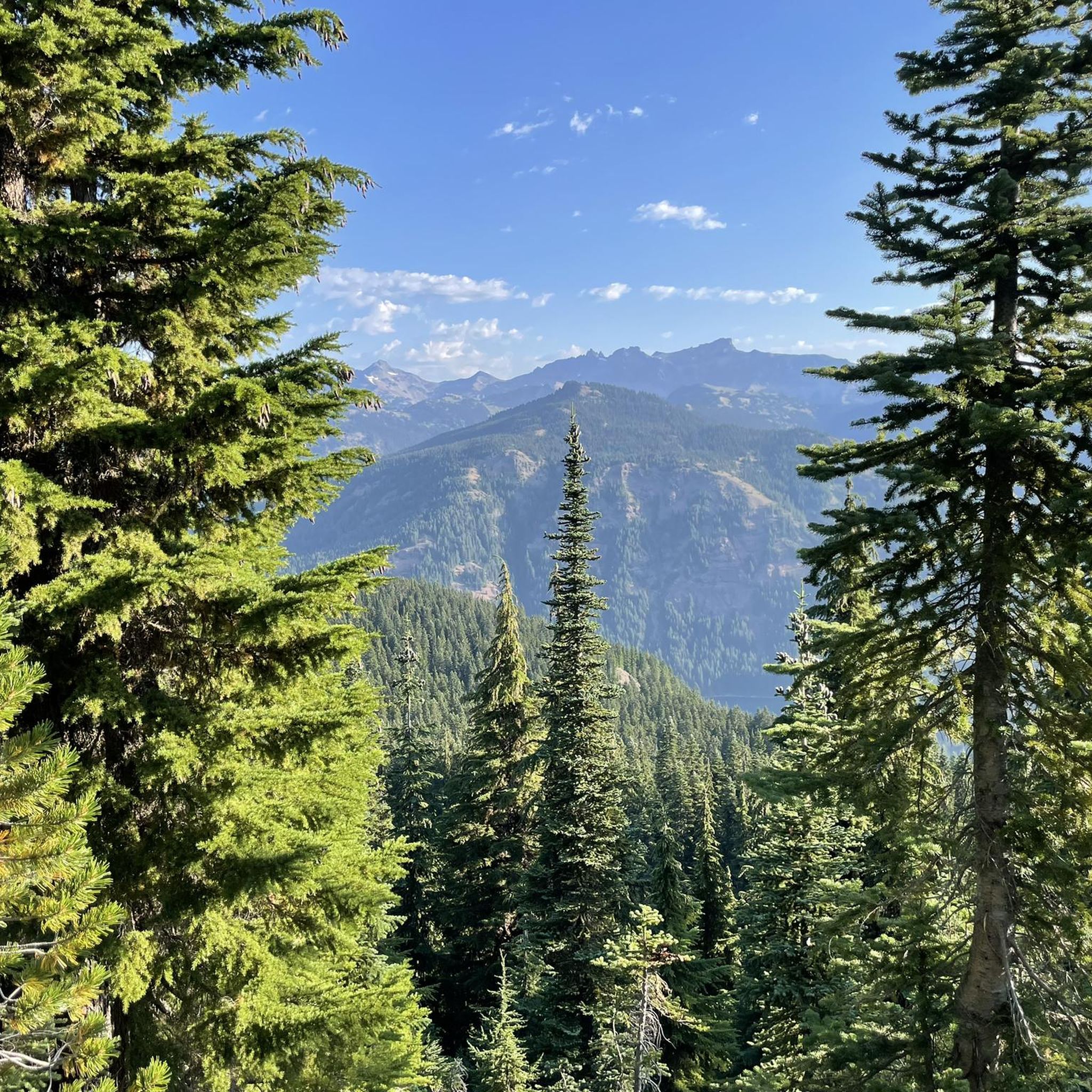
The highest peaks in Washington are the iconic volcanoes of the High Cascades. Emblematic of the region, glacier capped Mount Rainier, at 14,411 feet (4,392 m), is a truly sensational sight. Its huge topographic prominence means that it absolutely dominates the surrounding national park. Walks in Washington don’t get much better than those found here. Its lower reaches are cloaked by ancient woodland and encircled by gorgeous wildflower meadows. It’s worth noting that you will need to apply for a permit if you plan to camp within the national park.
Further south, Mount St Helens is most famous for the devastating eruption that ripped the volcano apart in 1980. Its north facing aspect is a haunting sight to behold on a ramble; it’s as if some giant has gouged out half the mountain.
The Olympic and North Cascades National Parks
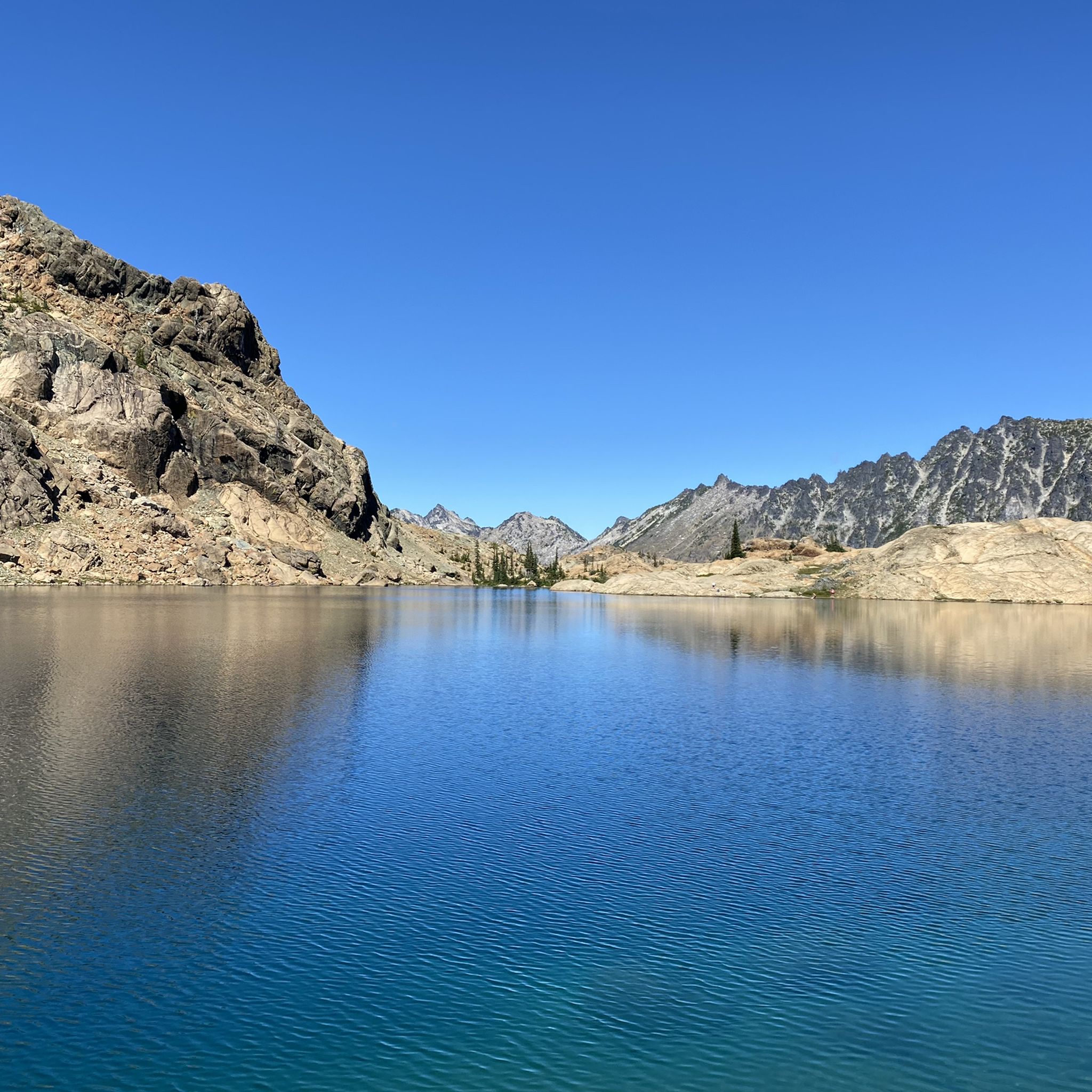
The Cascade Mountains cleave the state in two, with the land to the west exposed to weather fronts rolling in off the Pacific, whilst the drier lands to the east remain sheltered. The North Cascades National Park boasts the most rugged mountains on mainland USA. Many of the best hiking trails in Washington explore these spectacular peaks, whilst their 300 glaciers feed the majestic waterfalls, rushing rivers and turquoise lakes the region is known for.
To the west of Seattle and the complex, fjord-like stretch of Puget Sound is the magnificently diverse Olympic National Park. The mossy trails that explore the temperate Hoh Rainforest are uniquely charming. As well as this, there’s almost a million acres of wilderness, glacier-capped peaks and dense coniferous forest, meaning you’ll never run out of opportunities for adventure. And let’s not forget the 70 miles of wild Pacific coastline, featuring beautiful beaches and rocky island sentinels that rise dramatically just off the shoreline.
When to strap those hiking boots on
Hikes in Washington are most popular during the drier months of July and August. If you don’t mind occasionally braving the elements, spring is the time when glacial melt sets the waterfalls in motion, whilst autumn’s colours are magical well into October.
Parks remain open during the winter, but snowfall does often limit road access and makes higher trails impassable to all but skilled and equipped mountaineers. As for year-round accommodation, Washington’s inns and lodges offer a comfy bed, great food and that famously friendly American hospitality.
Frequently Asked Questions
What types of landscapes can I expect to encounter while hiking in Washington?
Washington offers an incredibly diverse range of landscapes. You can explore glaciated peaks in the Cascade Mountains, lush temperate rainforests like the Hoh Rainforest in Olympic National Park, rugged coastlines with sea stacks, and unique volcanic terrain around Mount St. Helens. The state also features alpine meadows, old-growth forests, and picturesque lakes.
Are there easy hiking trails suitable for beginners or families in Washington?
Yes, Washington has numerous easy trails perfect for beginners and families. For example, the Marymere Falls Trail offers a gentle walk to a beautiful waterfall. Another great option is the Spruce Nature Trail and Hall of Mosses in the Hoh Rain Forest, providing an immersive experience in an old-growth forest. Overall, there are over 1,400 easy routes available across the state.
Can I find hikes that feature waterfalls in Washington?
Absolutely. Washington is home to many stunning waterfalls. The Marymere Falls Trail in Olympic National Park is a popular choice, leading to a beautiful cascade. Other notable waterfalls in the state include Wallace Falls and Franklin Falls, offering impressive multi-tiered drops.
Are there any trails that lead to scenic lakes in Washington?
Yes, many hikes in Washington feature breathtaking alpine lakes. The Snow Lake Trail in Mt. Baker-Snoqualmie National Forest is a popular moderate route leading to a stunning mountain lake. The Green Lake Trail also offers a pleasant experience around a serene lake.
What is the best time of year to go hiking in Washington?
The best time for hiking in Washington largely depends on the region and elevation. Generally, late spring through early fall (June to September) offers the most favorable conditions for high-elevation trails in the Cascades and Olympics, with wildflowers blooming in summer. Lower elevation trails and coastal areas can be enjoyed year-round, though rain is common outside of summer. For winter hiking, some trails remain accessible, especially at lower elevations, but higher routes will require snowshoes or skis.
Are there any loop hikes available in Washington?
Yes, Washington offers several excellent loop hikes for varied experiences. The Skyline Trail loop at Mount Rainier National Park is a highly-rated option, providing panoramic views and summer wildflowers. Another great loop is the Upper Skyline & Golden Gate Loop Trail, also within Mount Rainier National Park, offering diverse scenery.
What do other hikers enjoy most about hiking in Washington?
The hiking routes in Washington are highly rated by the komoot community, with an average score of 4.7 stars from over 3,200 reviews. Hikers frequently praise the diverse scenery, from glaciated peaks and alpine meadows to lush rainforests and coastal views. The well-maintained trails and the opportunity to experience unique natural features like Mount Rainier and the Hoh Rainforest are often highlighted.
Are there any notable landmarks or attractions near the hiking trails in Washington?
Yes, many hiking areas are close to interesting landmarks and attractions. For instance, near some trails, you can find highlights like Log Boom Park (Tracy Owen Station) or the scenic Tommy Thompson Trestle. The Lake Crescent Beach and Lodge is also a beautiful spot near trails in Olympic National Park.
How many hiking routes are available to explore in Washington?
There are over 2,800 hiking routes available in Washington, catering to a wide range of skill levels. This includes over 1,400 easy routes, more than 1,000 moderate options, and over 400 challenging trails for experienced hikers.
Where can I experience Washington's famous temperate rainforests?
The most iconic place to experience Washington's temperate rainforests is within Olympic National Park. The Spruce Nature Trail and Hall of Mosses in the Hoh Rain Forest offers an immersive experience among giant trees, cascading moss, and unique wildlife like Roosevelt elk.
What are some popular moderate hikes in Washington?
For those seeking moderate challenges, Washington offers many rewarding trails. The Panorama Point – Mount Rainier National Park trail provides close-up views of the iconic volcano. Another popular choice is the Rattlesnake Ledge Trail, which leads through dense forest to a prominent viewpoint.
Most popular routes in Washington
Most popular attractions in Washington

Get inspired with the komoot mobile app


Didn’t find what you were looking for?
Check out more Hikes throughout Washington below and find the perfect route in your destination.
Explore more
Browse the best Hikes in other regions.
