The best MTB trails around Prats-De-Mollo-La-Preste
4.2
(107)
1,107
riders
14
rides
Mountain biking around Prats-De-Mollo-La-Preste offers diverse terrain within the southernmost French Pyrenees, close to the Spanish border. The region is characterized by significant altitude variations, ranging from 525 meters to over 2500 meters, creating a varied landscape for mountain bikers. Extensive forests cover much of the area, particularly within the Canigó National Park, providing numerous shaded trails. The Tech River valley also contributes to the varied topography, with routes often featuring both challenging climbs and scenic descents.
Best mountain bike…
Last updated: August 22, 2026
27
riders
49.6km
05:53
2,050m
2,050m
Hard mountain bike ride. Very good fitness required. Advanced riding skills necessary.
3.0
(1)
15
riders
35.0km
03:34
1,050m
1,050m
Hard mountain bike ride. Very good fitness required. Advanced riding skills necessary.

Sign up for free
4.3
(3)
19
riders
76.0km
08:38
2,930m
2,930m
Hard mountain bike ride. Very good fitness required. Suitable for all skill levels.
4.0
(1)
12
riders
31.3km
03:27
1,000m
1,000m
Hard mountain bike ride. Very good fitness required. Advanced riding skills necessary.
5.0
(1)
11
riders
13.8km
01:23
330m
330m
Moderate mountain bike ride. Good fitness required. Advanced riding skills necessary.
Get access to more routes and recommendations from other explorers.
Sign up for free
Already have an account?
Our route recommendations are based on thousands of hikes, rides, and runs completed by other people on komoot.
Start today with a free account
Your next adventure awaits.
Login or Signup
Popular around Prats-De-Mollo-La-Preste
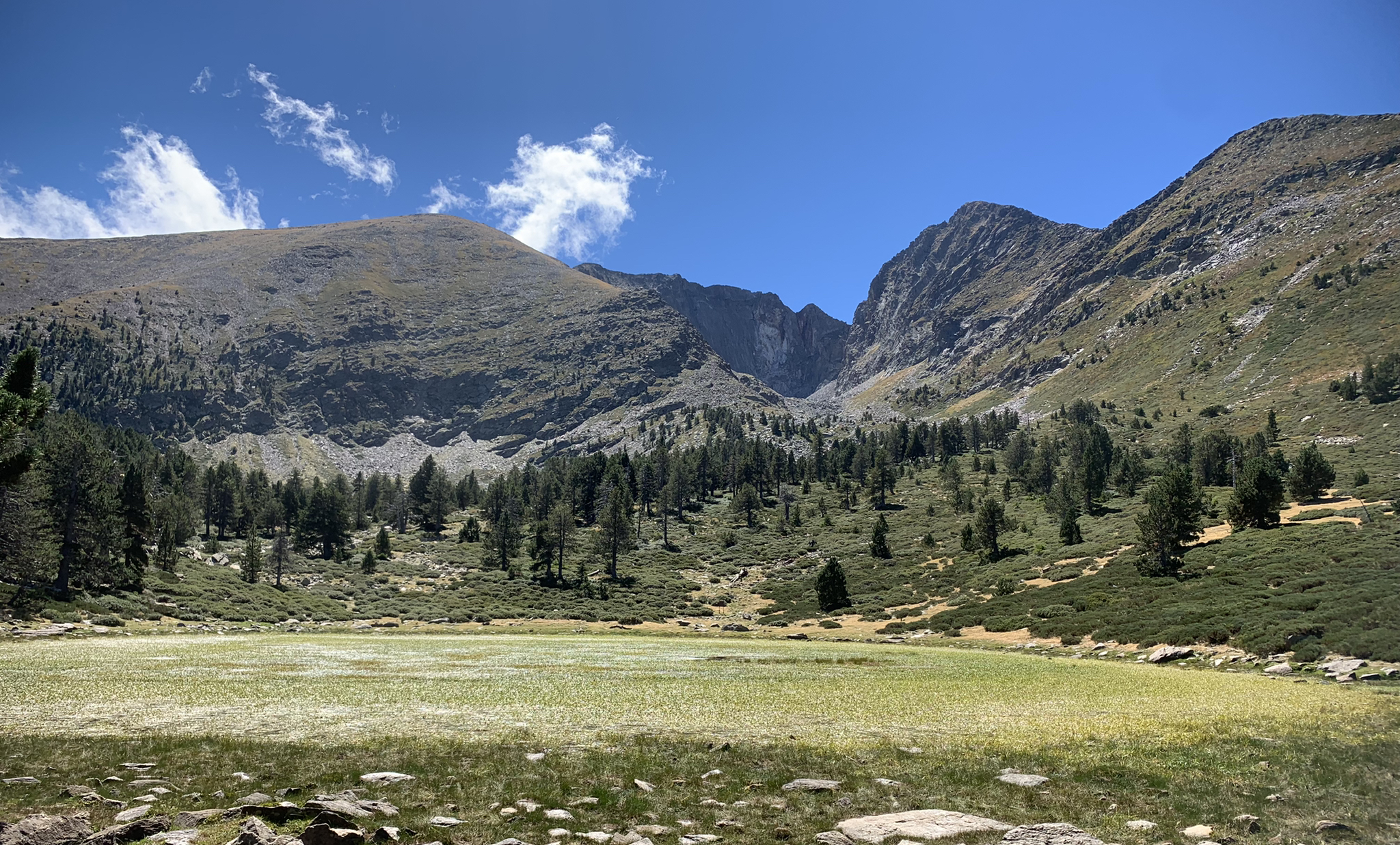
Tour du Canigou – Through the heart of the Mediterranean Pyrenees
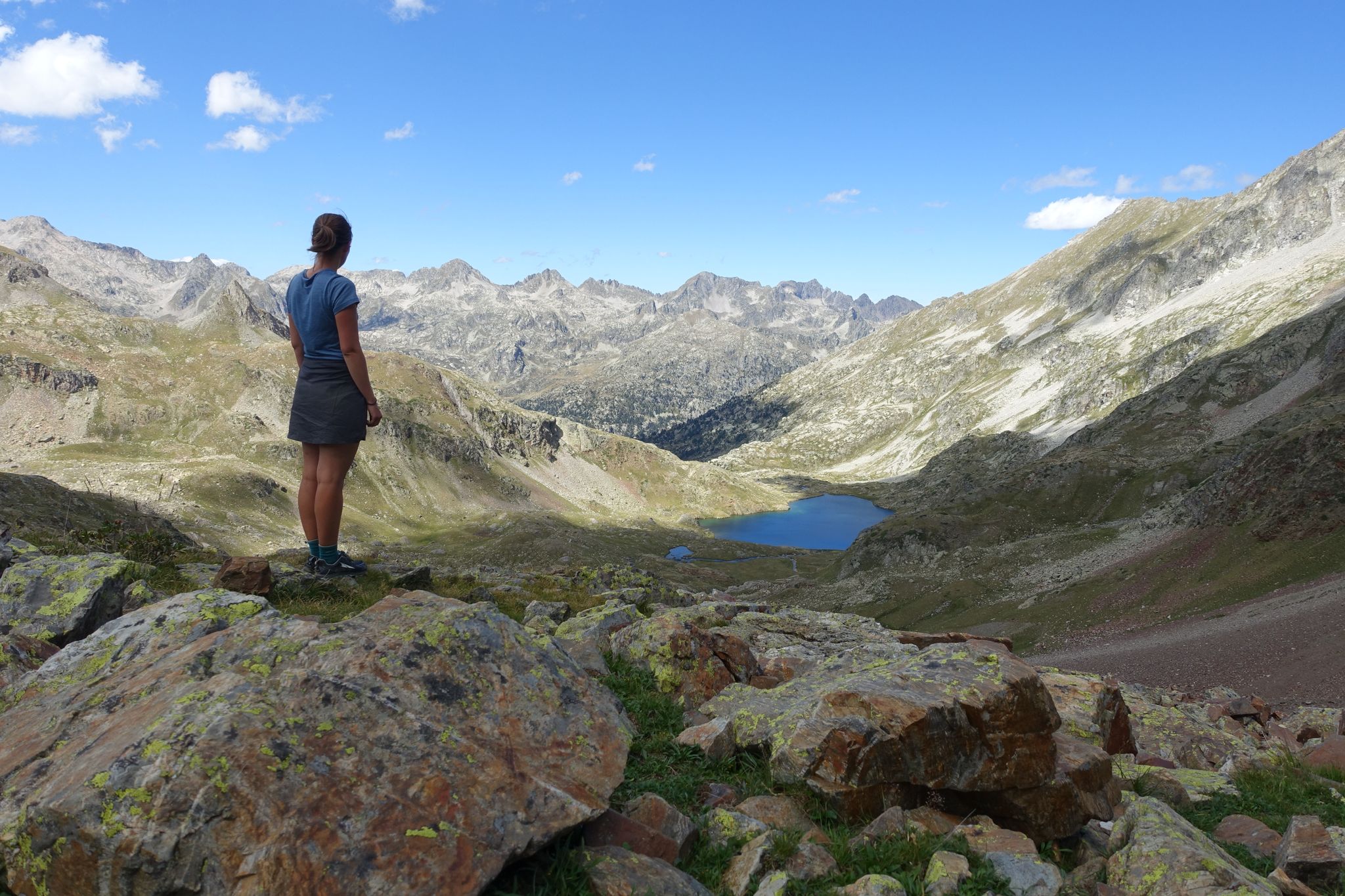
Haute Route Pyrénéenne – Pyrenees Crossing
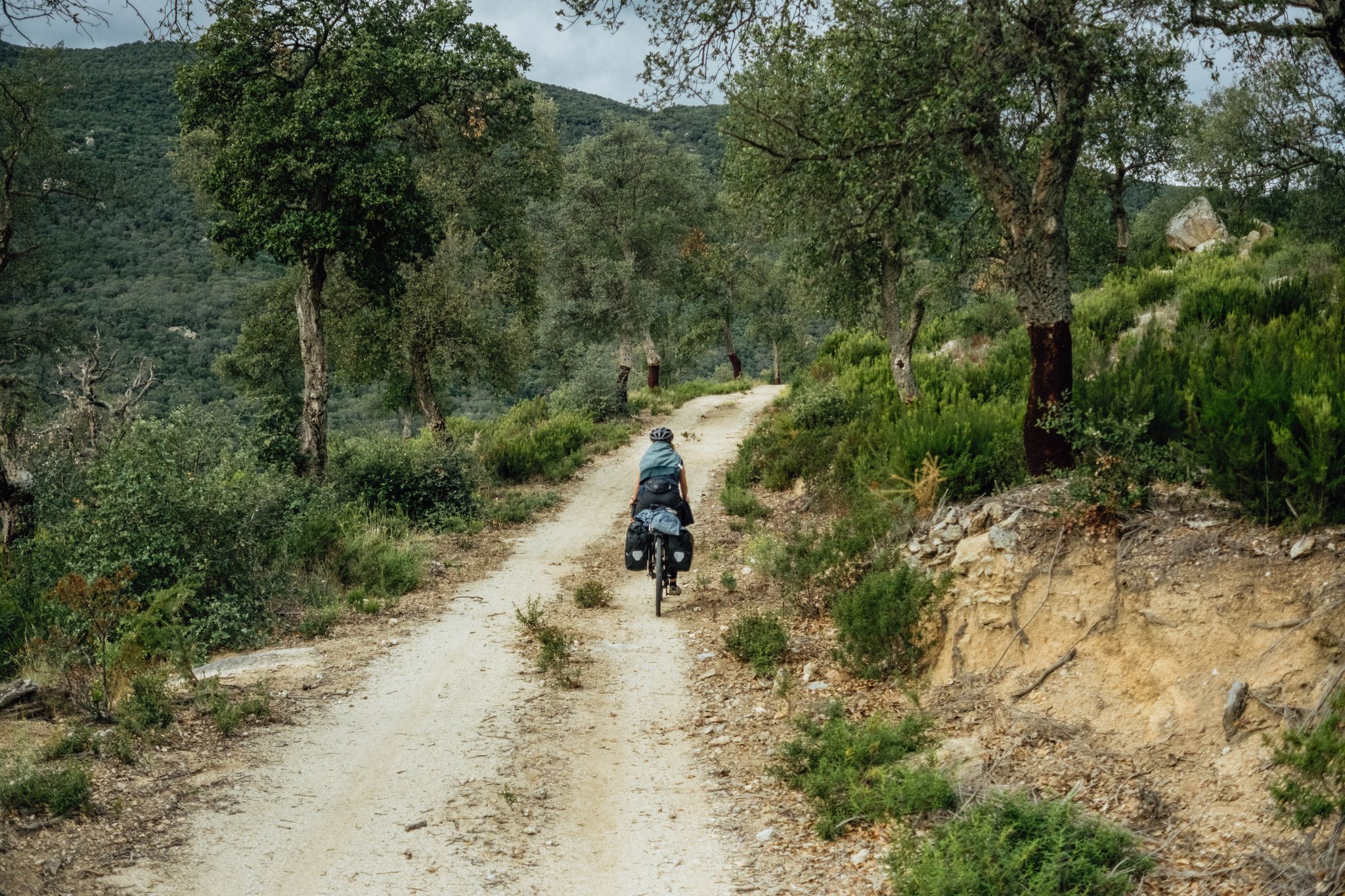
In search of the sun – between the Pyrenees and the Mediterranean
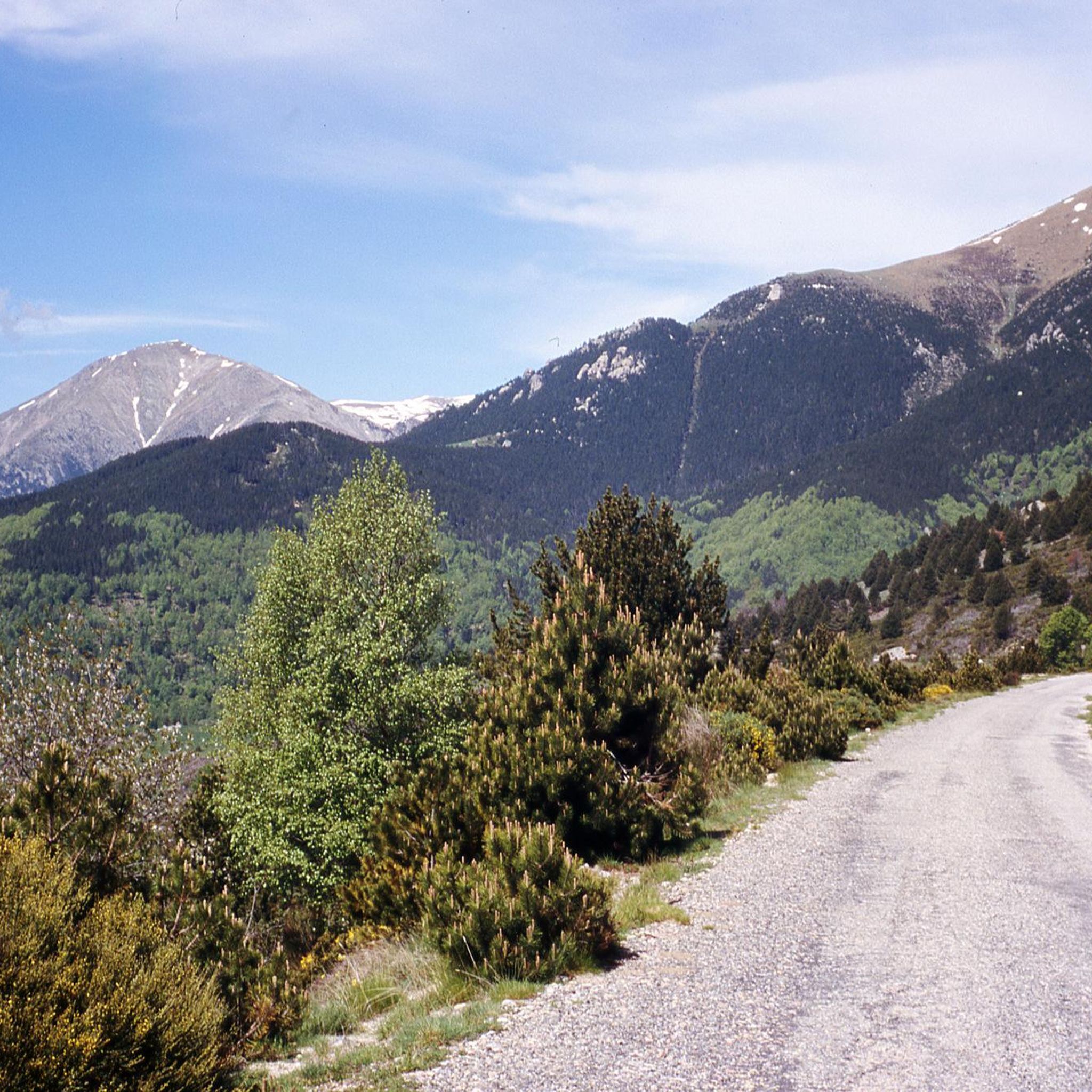
Hiking around Prats-De-Mollo-La-Preste
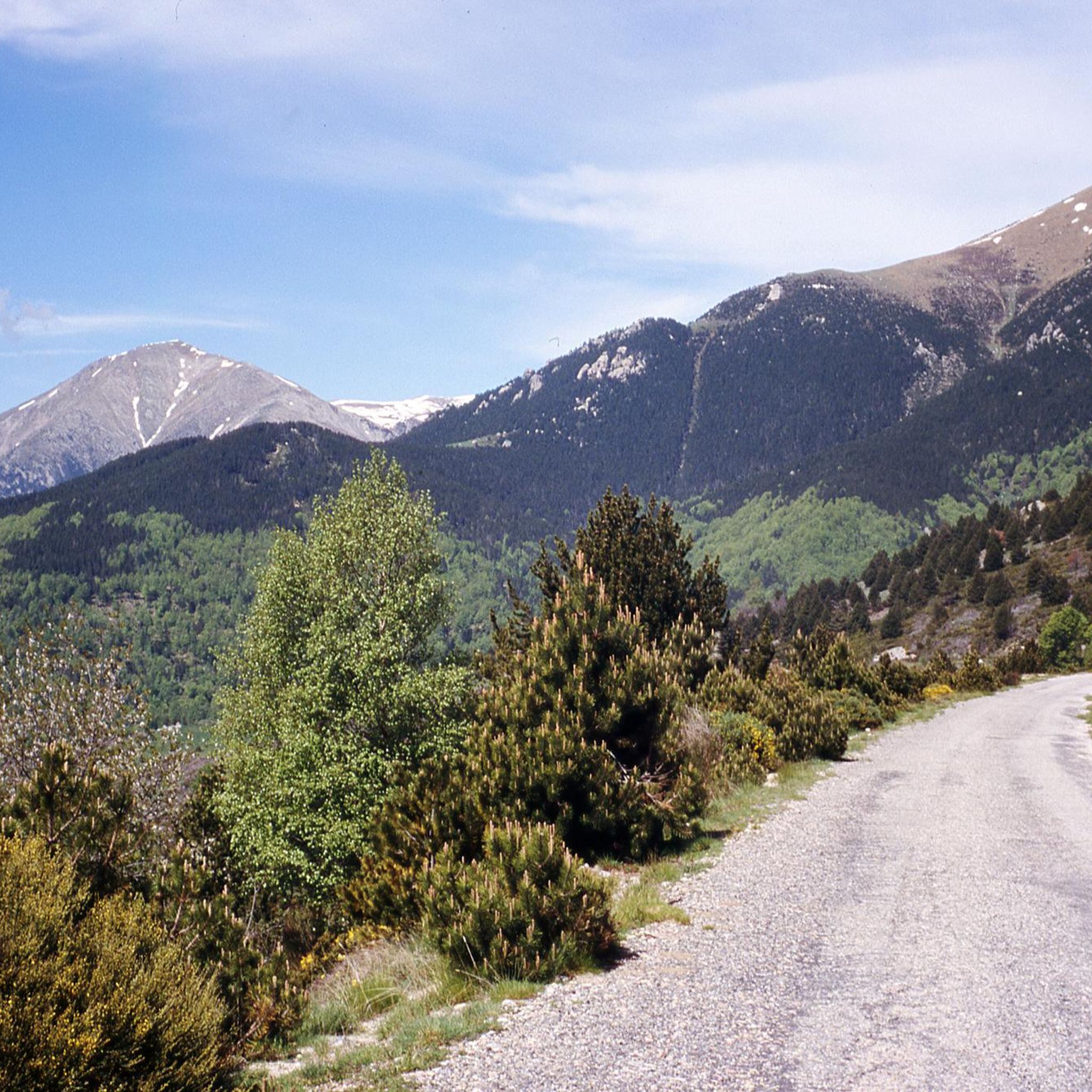
Road Cycling Routes around Prats-De-Mollo-La-Preste
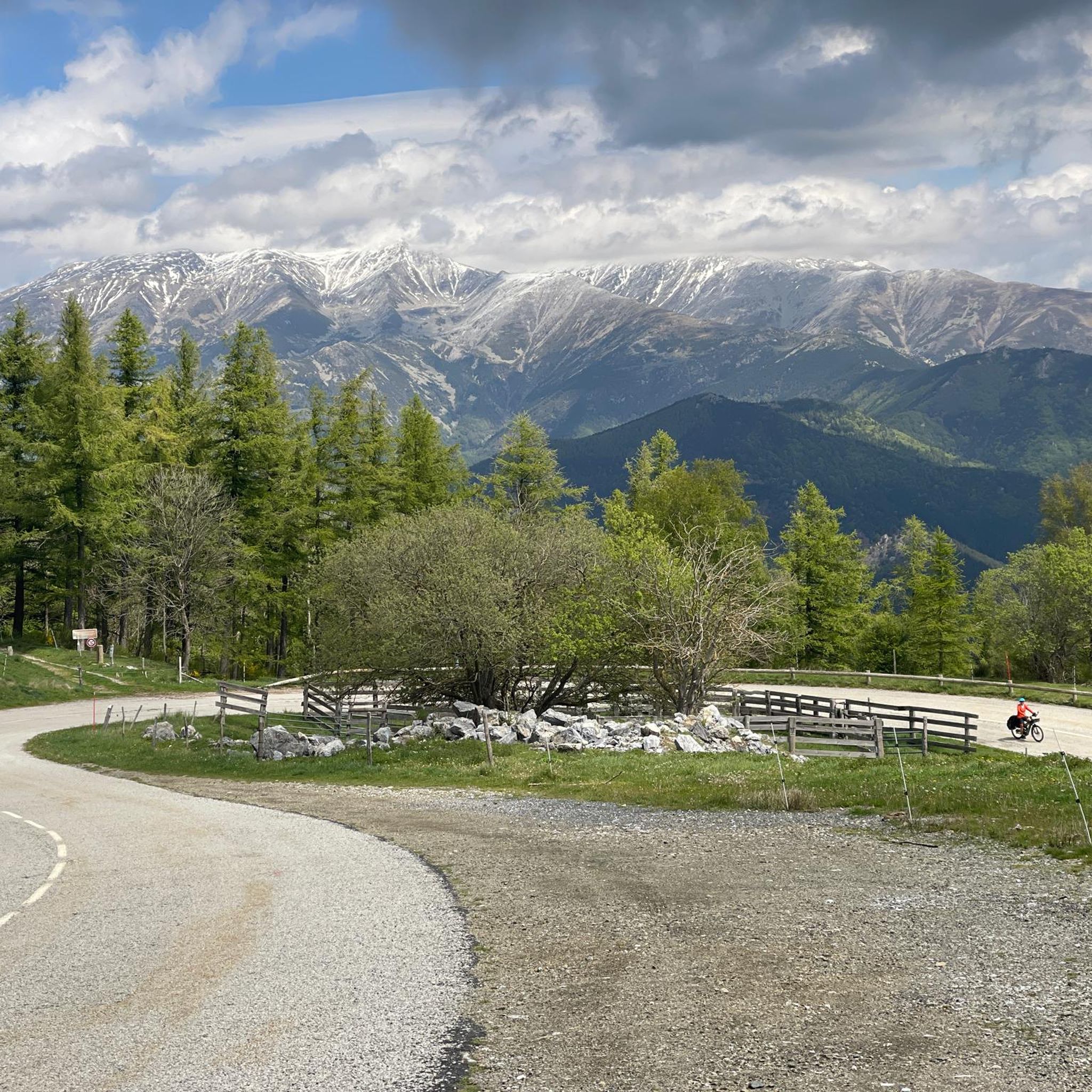
Cycling around Prats-De-Mollo-La-Preste
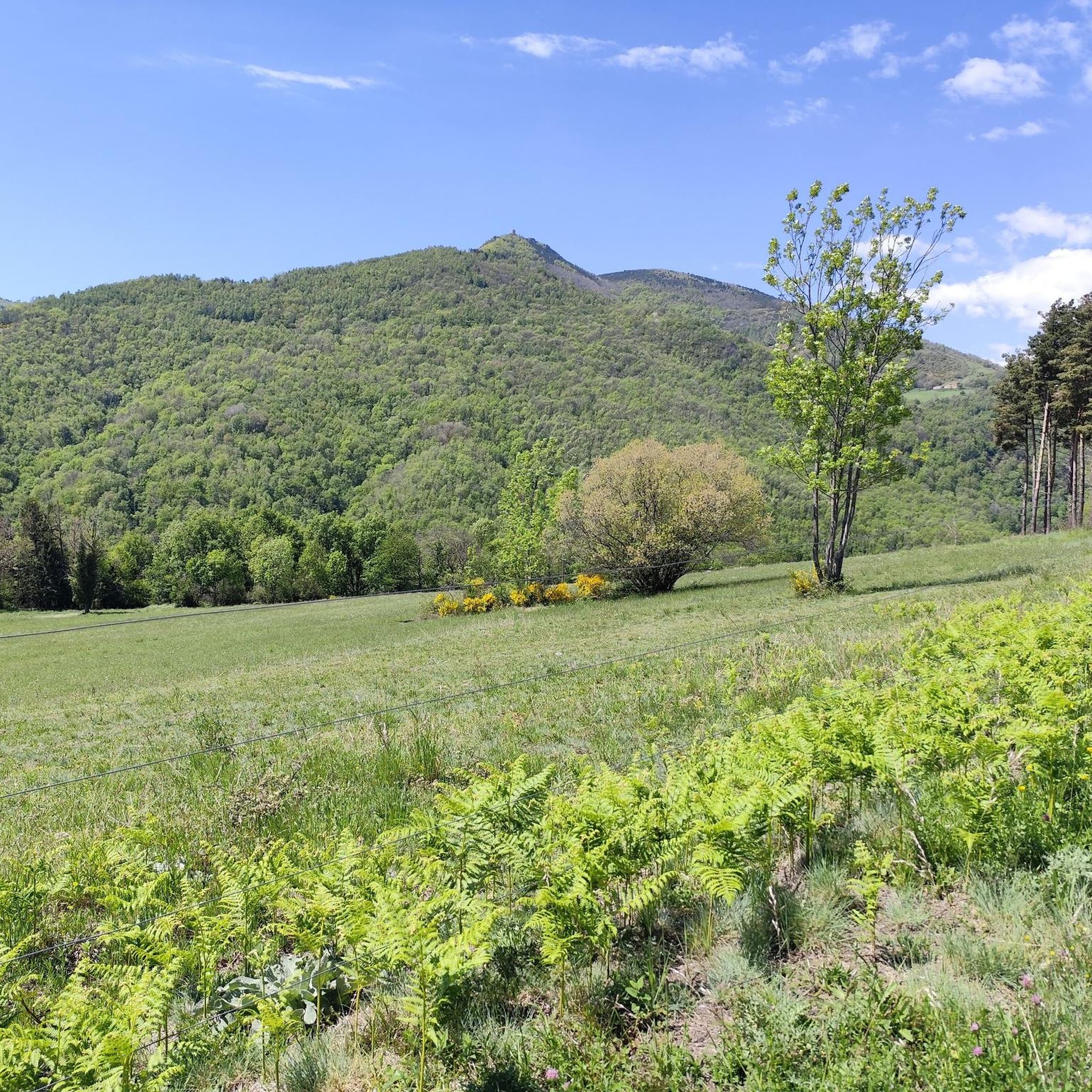
Running Trails around Prats-De-Mollo-La-Preste

Mountain Hikes around Prats-De-Mollo-La-Preste

Gravel biking around Prats-De-Mollo-La-Preste
Other adventures around Prats-De-Mollo-La-Preste


Tips from the Community

from the French side a regular ascent to the pass
0
0


A truly magnificent view, just past the refuge. The horse stayed put for a moment for the photo 😀 .
13
0
The summit is 2150 metres high, with beautiful views.
13
0
A beautiful, easily navigable path through the dense forest. Above about 1600 meters, the path becomes more stony.
13
0
information about routes that are and are not open
11
0
The Col de Jou from Villefranche de Conflent is a climb in the French Pyrenees. This climb is 11.4 kilometers long and has a positive elevation gain of 687 meters. The Col de Jou from Villefranche de Conflent has an average gradient of 6%.
15
0
beautiful and steep road towards refuge marailles
23
0
Frequently Asked Questions
How many mountain bike trails are available in Prats-de-Mollo-La-Preste?
The region offers a comprehensive network of 14 mountain bike trails, with four directly accessible from Prats-de-Mollo itself. Komoot lists 12 routes in the area, including 4 moderate and 8 difficult options, catering to various skill levels.
What kind of terrain can I expect on mountain bike trails around Prats-de-Mollo-La-Preste?
You'll encounter diverse and dramatic landscapes, typical of the French Pyrenees. Trails feature significant altitude variations, from 525 meters to over 2500 meters, leading through extensive forests, particularly within the Canigó National Park. The Tech River valley also contributes to varied topography, with routes often including challenging climbs and scenic descents, sometimes crossing into the Spanish Catalan side.
What are the typical difficulty levels of mountain bike trails in this region?
The trails cater to all skill levels, from easy introductory loops to very difficult circuits. For example, the Col d'Ares – Coll d'Arès loop from Col d'Ares is a moderate option, while routes like the Col d'Ares – Prats-de-Mollo-La Presta loop from Col d'Ares are classified as difficult, featuring substantial climbs and descents.
Are there any circular mountain bike routes available?
Yes, many of the mountain bike routes in Prats-de-Mollo-La-Preste are circular. Examples include the Col d'Ares – View of Pont Nou in Camprodon loop from Prats-de-Mollo-la-Preste, which is a difficult 64 km trail, and the Prats-de-Mollo-la-Preste – Puig de la Clapa loop from Prats-de-Mollo-la-Preste, a 35 km route through varied mountain terrain.
What natural features can I see while mountain biking in Prats-de-Mollo-La-Preste?
The region is rich in natural beauty. You'll ride through the Canigó National Park, with views of the dominant Canigou Massif. The Tech River valley offers varied topography, and you might encounter 'estives' where horses and Gascon cows graze. The area also boasts four Natura 2000 sites, highlighting its rich biodiversity.
Are there any historical or cultural landmarks accessible from the mountain bike trails?
Yes, Prats-de-Mollo-La-Preste is home to several historical sites. You can explore the majestic 17th-century Fort Lagarde, a Vauban-fortified citadel offering views over the valley. The town itself is a medieval gem with cobbled streets and 14th-century ramparts. The 13th-century Mir Tower, located at 1,540 meters, also offers a glimpse into the region's past.
What is the best time of year for mountain biking in Prats-de-Mollo-La-Preste?
Given its location in the Pyrenees with altitudes up to 2693 meters, the warmer months, typically from late spring through early autumn, offer the most favorable conditions for mountain biking. This avoids snow at higher elevations and provides pleasant temperatures for riding through forests and mountain passes.
Are there family-friendly mountain bike trails in Prats-de-Mollo-La-Preste?
While many trails are moderate to difficult, the region does offer options suitable for families or those new to mountain biking. The 'Boucle des Deux Catalognes' (n°07), for instance, is described as an easy 12.75 km loop with a moderate elevation gain, providing an excellent introduction to mountain biking in the mountains.
What do other mountain bikers enjoy the most about mountain biking in Prats-de-Mollo-La-Preste?
The area is highly rated by the komoot community, with an average score of 4.2 stars from over 60 reviews. Reviewers often praise the diverse Pyrenean peaks, dense forests, and the unique experience of cross-border routes into Spain, which offer varied terrain and breathtaking panoramas.
Where can I find accommodation or places to eat near the trails?
Prats-de-Mollo-La-Preste, being an attractive medieval town and a spa destination, offers various accommodation options and places to eat. The town itself has amenities, and the nearby town of La Preste is known for its healing waters and spa facilities, providing options for rest and refreshment after your rides.
Are there any specific regulations or permits required for mountain biking in the area?
The mountain bike trails in Prats-de-Mollo-La-Preste are approved by the FFC (French Cycling Federation), indicating they are officially recognized and maintained. While general access is permitted, it's always advisable to respect local signage, especially within protected areas like the Canigó National Park and Natura 2000 sites, to ensure environmental preservation.
Most popular routes around Prats-De-Mollo-La-Preste
Most popular attractions around Prats-De-Mollo-La-Preste

Get inspired with the komoot mobile app


Explore more
Browse the best MTB trails in other regions.
