Attractions and Places To See around Mensignac - Top 16
Best attractions and places to see around Mensignac include a blend of historical sites and natural landscapes in the Dordogne region. This area, situated northwest of Périgueux, offers a preserved historical and natural heritage. Visitors can explore a variety of landmarks, natural features, and cultural sites, making it suitable for those interested in history and outdoor activities. The region provides numerous opportunities for discovery walks and exploring local heritage.
Best attractions and places to see around Mensignac
- The most popular…
Last updated: July 8, 2026
Garden of the Arenas
Highlight • Other
Translated by Google •
Tip by

Bourdeilles Castle
Highlight • Castle
Visit Bourdeilles for its medieval castle, partly renovated during the Renaissance.
For its rich history: The castle, with its two distinct parts – medieval …
Translated by Google •
Tip by

Sign up now to discover places like this
Get recommendations on the best single tracks, peaks, & plenty of other exciting outdoor places.
Sign up for free
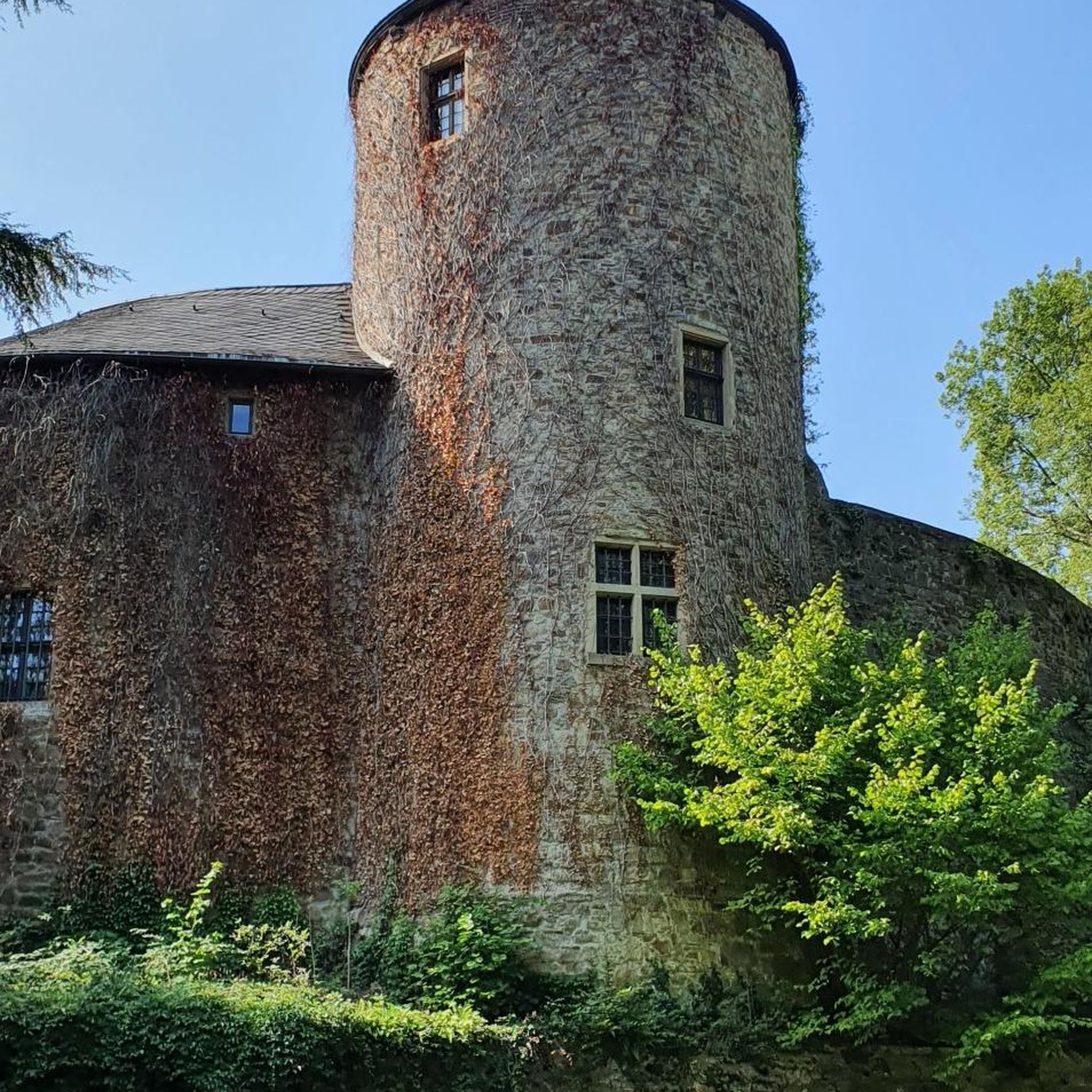
View of the ruined castle
Highlight • Other
Translated by Google •
Tip by

Saint-Aquilin
Highlight • Other
Translated by Google •
Tip by

Boulou Forge
Highlight • Other
Here, I don't understand. At the limit, Gravel, but we cannot qualify these loops "MTB".
Translated by Google •
Tip by

Sign up for free to discover even more attractions around Mensignac.
Sign up for free
Already have an account?
Start today with a free account
Your next adventure awaits.
Login or Signup



Tips from the Community

very beautiful ruin
1
0

Why Visit Saint-Aquilin? For its historical heritage: Between the Romanesque church, the Château de la Jarthe and its ancient traditions, Saint-Aquilin is a village where the past continues to live. For its peaceful landscapes: Nestled in a valley, the village offers magnificent views of the surrounding nature, ideal for recharging your batteries far from the hustle and bustle of modern life. For the authentic experience of rural life: The village, with its farms, craftsmen and local traditions, allows visitors to discover the culture of Périgord in all simplicity. Saint-Aquilin, with its discreet charm and rich heritage, is an ideal stopover for those who wish to explore the calm and authenticity of the Dordogne.
2
0
Natural Heritage: Bucolic Landscapes: Saint-Aquilin is surrounded by green hills, forests and fields, offering many opportunities for hiking and strolling through the countryside. It is a privileged place for nature lovers and those seeking peace and quiet. Rivers and Streams: The presence of small rivers and streams adds to the beauty of the landscape. These waterways are an integral part of the charm of the region. Fontaine Saint-Jean: Ancient Place of Worship: The Fontaine Saint-Jean is an ancient place of pilgrimage where, in the past, the inhabitants came to pray and ask for healings. This site, surrounded by peaceful nature, remains a point of curiosity for visitors. Holy Water: The fountain is still considered a place of meditation, with water that is traditionally associated with healing properties. Rural Life and Crafts: Local Agriculture: The region around Saint-Aquilin is rich in agricultural land. Visitors can discover local products, such as honey, fruits, and other regional specialties, directly from local farms. Crafts: A few local artisans perpetuate traditional skills, offering a unique opportunity to acquire handmade objects, which reflect the authentic character of the region.
2
0
Saint-Aquilin is a picturesque village located in the Dordogne department, in the Nouvelle-Aquitaine region. This charming village, nestled in a rolling and green landscape, is known for its historical heritage, its natural landscapes and its peaceful atmosphere. Saint-Aquilin embodies the essence of French rural villages, with its old stones, its small streets and its connection with the surrounding nature. Points of Interest in Saint-Aquilin: Saint-Eutrope Church: Roman Heritage: The Saint-Eutrope Church is a listed Romanesque building, dating from the 12th century. Its sober architecture, with its typical bell-wall of the region, makes it one of the historical jewels of the village. Refined Interior: The interior of the church contains interesting elements such as ancient frescoes and sculpted capitals. It is a place that bears witness to the long Christian history of the village. Château de la Jarthe: Historic Residence: The Château de la Jarthe, located not far from the village center, is a beautiful building dating from the 17th century. Surrounded by greenery and gardens, it bears witness to the elegance of the rural residences of the time. Park and Gardens: The castle park, with its shaded paths and century-old trees, is a peaceful place, ideal for a relaxing walk.
2
0
Why Visit the Château de Bourdeilles? Visit Bourdeilles for its medieval castle, partly renovated during the Renaissance. For its rich history: The castle, with its two distinct parts – medieval and Renaissance – offers a unique perspective on several centuries of French history. For its panoramas: The castle tower offers magnificent views of the surrounding countryside, a highlight for landscape lovers. For its architectural heritage: This castle combines the charms of a medieval fortress and the elegance of a Renaissance palace, a rarity that makes it a must-see destination in the Dordogne. The Château de Bourdeilles is a captivating visit, offering both an immersion in history and an appreciation of the region's landscapes. It is a place where one can travel through the centuries while enjoying the natural charm of the Dordogne.
1
0
Why visit Château Barrière? A site rich in history: The castle is a unique place where you can observe the evolution of Périgueux through the ages, from Roman Antiquity to the Renaissance. A picturesque setting: Located in a historic district and close to the Vesunna Museum, the castle offers an interesting stroll in a unique heritage setting. Fascinating architecture: The combination of architectural styles and ruins makes this place captivating for history and architecture lovers. Château Barrière is an essential witness to the rich past of Périgueux, which deserves a visit to better understand the history of the city and the region.
3
0
The Château Barrière de Périgueux is a fascinating historical site that combines elements from the Gallo-Roman, medieval and Renaissance periods. Located near the Vesunna Museum and the remains of the ancient city of Vesunna, the castle is a testimony to the architectural and historical evolution of Périgueux. Points of interest at Château Barrière: Gallo-Roman origins: The foundations of the castle rest on Gallo-Roman remains, making it an important site for understanding the ancient history of Périgueux. It is located near the ramparts of the ancient city, and parts of its structure are built with materials from the ancient Roman walls. Medieval evolution: The castle was built in the 12th century by the Barrière family, from which it takes its name. It was originally a medieval fortified residence, which was modified and extended over the centuries. The keep and fortified walls bear witness to this period, as do the pointed windows and other defensive features. Renaissance architecture: In the 16th century, the castle was partially rebuilt in a Renaissance style. The mullioned windows and decorative details visible on some parts of the building reflect this architectural influence, which contrasts with the older, austere parts of the castle. Partial destruction: The castle was badly damaged during the Wars of Religion in the 16th century and has remained partly in ruins ever since. However, these ruins add to the charm of the site, offering a striking insight into how history has marked this building. An archaeological site open to the public: Although partially in ruins, the Château Barrière is accessible to visitors, and explanatory panels provide an understanding of the history and architecture of the place. It is also regularly used for temporary exhibitions and cultural events.
3
0
Why visit the Jardin des Arènes? A unique blend of history and nature: This garden combines the historical richness of Roman remains with the serenity of a landscaped green space, offering an ideal setting for a relaxing stroll in the middle of the city. Discovery of the Gallo-Roman past: The remains of the amphitheater recall the importance of Périgueux in Roman times, and the park allows you to walk among the traces of this fascinating history. A place to relax: Whether you want to rest, read or simply enjoy a moment outdoors, the Jardin des Arènes offers a pleasant and green setting. The Jardin des Arènes is a must-see place for history buffs and nature lovers, combining the charm of Antiquity with a relaxing space in the heart of Périgueux.
3
0
Frequently Asked Questions
What historical landmarks can I explore in Mensignac?
Mensignac offers a rich historical heritage. You can visit the Château de Mensignac (also known as Château Sanzillons), which now serves as the town hall, showcasing classical architecture. The Church of St. Peter and St. Paul, dating back to the 12th century, blends Romanesque and Gothic styles. Another fascinating site is the Old Parish Church of Chantegelin (Saint Fiacre), with its 12th-century foundations. Nearby, explore the medieval and Renaissance elements of Bourdeilles Castle, or the archaeological site of Château Barrière de Périgueux, which features Gallo-Roman, medieval, and Renaissance history.
Are there natural attractions or features to see around Mensignac?
Yes, Mensignac is surrounded by natural beauty. The Faye Forest, located southeast of the village, is recognized for its rich flora and fauna, including pedunculate oaks, making it ideal for nature enthusiasts. You can also discover the Source of the Font-de-l'Auche during discovery walks. For a tranquil experience, the Garden of the Arenas offers a peaceful setting with various trees and shrubs, surrounded by the remains of a 1st-century Roman amphitheater.
What kind of hiking trails are available near Mensignac?
Mensignac provides several well-marked hiking routes, ranging from 8 km to 15 km in length. These trails allow you to discover historical and natural sites, such as the Font-de-l'Auche spring and old lime kilns. The "Chemin des Glycines," a former royal path, is a starting point for some scenic walks. For more options, you can find various running trails, including the "Running loop from Merland du Puy" (7.8 km, moderate), on the Running Trails around Mensignac guide.
Are there cycling routes around Mensignac?
Yes, Mensignac offers several cycling opportunities. You can explore the area on road bikes with routes like the "Dronne River – Le Moulin du Pont loop from Tocane-Saint-Apre" (38.1 km, easy) or the "Saint-Aquilin loop from Gandy" (32.5 km, moderate). Find more options on the Road Cycling Routes around Mensignac guide. For mountain biking, routes such as the "Dronne River loop from Lisle" (25.5 km, moderate) are available in the MTB Trails around Mensignac guide.
What are some family-friendly activities in the Mensignac area?
Families can enjoy exploring the historical sites and natural landscapes. Bourdeilles Castle is considered family-friendly, offering a glimpse into medieval and Renaissance history with panoramic views from its tower. The various hiking and biking trails are also suitable for families looking for outdoor adventures. The protected village area, with its charming gardens and squares, provides a pleasant environment for leisurely strolls.
What is the best time to visit Mensignac?
The Dordogne region, including Mensignac, is generally pleasant to visit from spring through early autumn (April to October). During these months, the weather is typically mild, making it ideal for outdoor activities like hiking and cycling, and for exploring historical sites. The natural features, such as the Faye Forest, are particularly vibrant during spring and summer.
Are there any hidden gems or less-known spots to discover?
Beyond the main attractions, you can discover the remnants of Old Lime Kilns along the walking trails, offering a glimpse into Mensignac's past industries. The Protected Village North Area, encompassing the church, town hall, and connecting lanes, is a well-preserved, picturesque area with charming gardens and courtyards, perfect for a quiet exploration. The village of Saint-Aquilin, with its Romanesque church and Château de la Jarthe, also offers a peaceful, authentic rural experience.
Can I find viewpoints with scenic vistas in Mensignac?
Yes, for scenic views, the tower of Bourdeilles Castle offers magnificent panoramas of the surrounding countryside, making it a highlight for landscape lovers. The rolling and green landscapes around Mensignac, particularly in areas like Saint-Aquilin, also provide numerous picturesque spots for appreciating the natural beauty of the Dordogne.
What is the significance of the protected village area in Mensignac?
The northern part of Mensignac, which includes the church, town hall, old school, and connecting lanes, is a protected area. This designation ensures the preservation of its well-preserved, picturesque character. Visitors can enjoy charming gardens, courtyards, and small squares, offering a tranquil and authentic village atmosphere that reflects the historical essence of Mensignac.
What kind of architecture can be seen in Mensignac?
Mensignac showcases a blend of architectural styles. The Château de Mensignac (Château Sanzillons) is a prime example of classical architecture from 1830. The Church of St. Peter and St. Paul features a fascinating fusion of Romanesque and Gothic elements, with its 12th-century origins and 15th-century choir revisions. The Old Parish Church of Chantegelin also retains 12th-century Romanesque foundations, remodeled in later centuries, including a unique wall-tower.
Are there any specific cultural sites or points of interest related to local heritage?
Beyond the churches and castles, Mensignac's local heritage can be explored through its Old Lime Kilns, which are remnants of past industries found along walking trails. The Source of the Font-de-l'Auche is another point of interest for those on discovery walks, connecting visitors to the natural and historical landscape. The nearby village of Saint-Aquilin also features the ancient Fontaine Saint-Jean, a former pilgrimage site.
What do visitors enjoy most about the attractions around Mensignac?
Visitors appreciate the blend of historical sites and natural landscapes. The rich history of places like Bourdeilles Castle and Château Barrière de Périgueux, combined with the peaceful natural settings of the Faye Forest and the various walking trails, offers a diverse experience. The charm of the protected village area and the picturesque character of nearby villages like Saint-Aquilin are also highly valued.
Most popular routes around Mensignac

Get inspired with the komoot mobile app


Explore more
Still not found the Highlight you’re looking for? See guides of the top attractions in other regions:
