The best road cycling routes around Mensignac
4.5
(141)
5,439
riders
331
rides
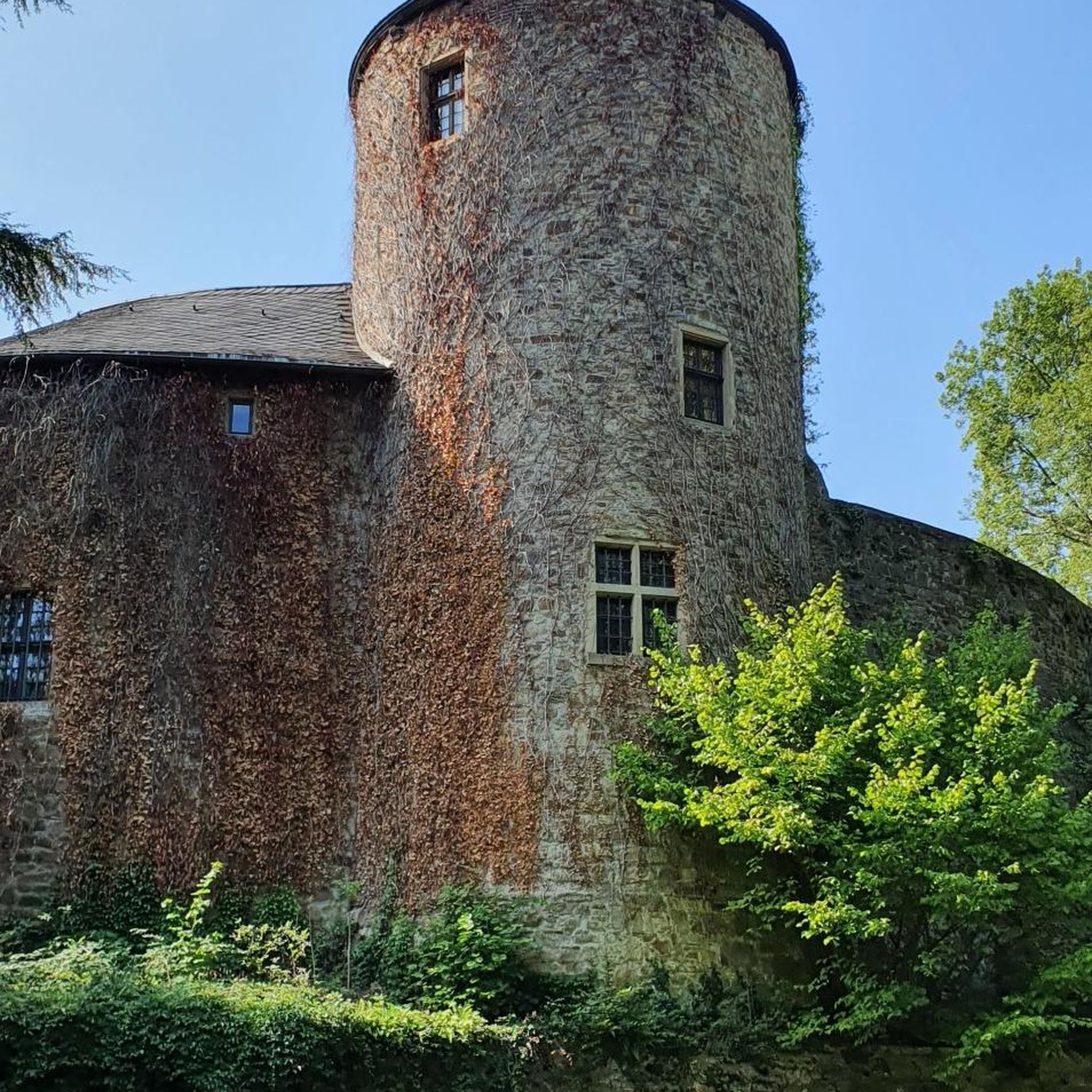
Road cycling routes around Mensignac are situated in the Périgord Vert, offering varied landscapes for cyclists. The region features a mix of gentle valleys, challenging climbs, and dedicated greenways, with mostly paved surfaces. Cyclists can explore routes that meander through lush forests, skirt rivers, and pass by historical sites such as the Château de Mensignac. The terrain provides diverse experiences, from flat sections along rivers to areas with moderate elevation changes.
Best road cycling routes around Mensignac
- The most popular…
Last updated: July 7, 2026
17
riders
48.4km
02:17
510m
520m
Moderate road ride. Good fitness required. Mostly well-paved surfaces and easy to ride.
10
riders
56.1km
02:23
420m
420m
Moderate road ride. Good fitness required. Mostly well-paved surfaces and easy to ride.

Sign up for free
7
riders
62.0km
02:50
680m
680m
Moderate road ride. Good fitness required. Mostly well-paved surfaces and easy to ride.
10
riders
42.1km
01:49
350m
350m
Moderate road ride. Good fitness required. Mostly well-paved surfaces and easy to ride.
3
riders
32.7km
01:32
310m
310m
Moderate road ride. Good fitness required. Mostly well-paved surfaces and easy to ride.
Get access to more routes and recommendations from other explorers.
Sign up for free
Already have an account?
Our route recommendations are based on thousands of hikes, rides, and runs completed by other people on komoot.
Start today with a free account
Your next adventure awaits.
Login or Signup



Tips from the Community


very beautiful castle perched on a rock carved out by the waves
0
0

Why Visit the Château de Bourdeilles? Visit Bourdeilles for its medieval castle, partly renovated during the Renaissance. For its rich history: The castle, with its two distinct parts – medieval and Renaissance – offers a unique perspective on several centuries of French history. For its panoramas: The castle tower offers magnificent views of the surrounding countryside, a highlight for landscape lovers. For its architectural heritage: This castle combines the charms of a medieval fortress and the elegance of a Renaissance palace, a rarity that makes it a must-see destination in the Dordogne. The Château de Bourdeilles is a captivating visit, offering both an immersion in history and an appreciation of the region's landscapes. It is a place where one can travel through the centuries while enjoying the natural charm of the Dordogne.
1
0
Gardens and Panoramic Views: Terraced Gardens: Visitors can stroll through the terraced gardens surrounding the castle, where they can enjoy breathtaking views of the valley and the Dronne River. Viewpoint: The top of the medieval tower offers a spectacular view of the picturesque village of Bourdeilles and its surroundings, a panorama that is worth the climb. Visits and Activities: Guided Tours: Guided tours are offered to learn more about the history of the castle and the daily life of its inhabitants over the centuries. Family Activities: In addition to traditional tours, activities and entertainment are often organized, especially for children, such as workshops or outdoor games. Why Visit the Château de Bourdeilles? For its rich history: The castle, with its two distinct parts – medieval and Renaissance – offers a unique perspective on several centuries of French history. For its panoramas: The castle tower offers magnificent views of the surrounding countryside, a highlight for landscape lovers. For its architectural heritage: This castle combines the charms of a medieval fortress and the elegance of a Renaissance palace, a rarity that makes it a must-see destination in the Dordogne. The Château de Bourdeilles is a captivating visit, offering both an immersion in history and an appreciation of the region's landscapes. It is a place where you can travel through the centuries while enjoying the natural charm of the Dordogne.
2
0
The Château de Bourdeilles is one of the most impressive historical and architectural treasures of the Périgord, in the Dordogne. Located in the charming commune of Bourdeilles, it is actually two separate castles, reflecting different eras and styles. Château de Bourdeilles Highlights: Two Castles in One: The Medieval Castle: Dating back to the 13th century, this imposing fortress is a classic example of medieval defensive architecture. It features a 35-metre high watchtower that offers panoramic views of the Dronne Valley. The Renaissance Palace: Next to the medieval castle is an elegant 16th-century palace, built in the Renaissance style. Its magnificent rooms are decorated with period furniture and works of art, adding a refined contrast to the austerity of the medieval fortress. Magnificent Interiors: Renaissance Furniture: The palace contains one of the finest collections of Renaissance furniture in France. Each room offers a glimpse into the aristocratic lifestyle of the time. The Salle des Etats: This imposing room in the palace is particularly notable for its coffered ceiling and frescoes, which are examples of Renaissance art. History and Heritage: Bourdeille Family: For centuries, the château was the residence of the Bourdeille family, an influential noble family. Pierre de Bourdeille, better known as Brantôme, a writer and warrior, grew up here. Strategically Important Site: Perched above the Dronne River, the château played a crucial defensive role during medieval wars, particularly during the Hundred Years' War.
2
0
Why visit the Église Saint-Étienne de la Cité? Historical and spiritual heritage: The church is an important place of memory for Périgueux, having been the seat of the bishopric for centuries. It reflects the religious and architectural history of the region. A peaceful setting: Located in a quiet area full of history, the church offers an atmosphere conducive to reflection and contemplation. Proximity to ancient sites: A visit to the church can be combined with the discovery of the nearby Roman remains, including the amphitheater and the Vesunna Museum. The Église Saint-Étienne de la Cité is a hidden gem of Périgueux, to be discovered for its historical character and its serene atmosphere, while exploring the Gallo-Roman roots of the city.
1
0
The Church of Saint-Étienne de la Cité is one of the oldest churches in Périgueux, located in the old district of the Cité Vesunna, the historic heart of the city during the Gallo-Roman era. It is an exceptional witness to the religious and architectural history of the region, with a style that combines Romanesque and Gothic influences. Points of interest of the Church of Saint-Étienne de la Cité: History and architecture: The church dates from the 12th century and served as a cathedral until the 16th century, before this honor went to the Cathedral of Saint-Front. Its structure bears witness to the architectural evolution, with a massive Romanesque nave, sculpted capitals and a vaulted apse in a cul-de-four, characteristics of the Romanesque style. After being partially destroyed during the Wars of Religion, the church was restored several times, preserving a unique blend of Romanesque and Gothic styles. A sober and spiritual interior: The interior of the church is relatively bare, which adds to its peaceful and spiritual atmosphere. The sobriety of the place highlights the clean lines of the architecture and the historical elements that remain, such as the Romanesque columns and sculpted capitals. Traces of ancient frescoes, as well as some colored stained glass windows, add touches of subtle beauty to the whole. Impressive bell tower: The church is topped by a massive bell tower, whose Romanesque base is a typical example of the architecture of the Périgord. This bell tower, with its robust buttresses, is a dominant element of the landscape of the Cité. An archaeological site: The church is located in the heart of the Cité Vesunna district, which is home to many Gallo-Roman remains. In the immediate vicinity of the church, visitors can discover the ruins of the Roman amphitheater and other testimonies of antiquity.
2
0
Frequently Asked Questions
How many road cycling routes are available around Mensignac?
There are over 350 road cycling routes around Mensignac, offering a wide variety of options for different skill levels and preferences. You'll find everything from easy loops to more challenging rides.
What kind of terrain can I expect on road cycling routes near Mensignac?
The region around Mensignac, situated in the Périgord Vert, offers a diverse cycling experience. You can expect a mix of gentle valleys, some challenging climbs, and dedicated greenways. Routes often meander through lush forests, skirt rivers like the Dronne, and feature mostly paved surfaces, providing varied landscapes for exploration.
Are there routes suitable for beginners or families in Mensignac?
Yes, Mensignac offers routes suitable for beginners and families. There are over 40 easy routes, many of which are loops, providing a gentle introduction to road cycling in the area. The region also features dedicated greenways, such as sections of the Flow Vélo, which offer car-free and scenic cycling opportunities along rivers and through green countryside, ideal for a relaxed pace.
What historical sites or landmarks can I see while cycling near Mensignac?
Many routes pass by historical points of interest. For instance, the View of the Old Bridge – Bourdeilles Castle loop from Tocane-Saint-Apre leads past the impressive Bourdeilles Castle. The village of Mensignac itself features the historic Château de Mensignac, now the town hall, which is a notable sight. The wider Dordogne region is rich in medieval villages and ancient castles, offering plenty of opportunities to integrate cultural stops into your rides.
Are there any scenic viewpoints or natural features to look out for on the routes?
Absolutely. The routes often provide panoramic views of the varied landscapes, including rolling vineyards and charming stone villages. You'll find opportunities to cycle through portions of the Faye Forest, known for its diverse flora, and along rivers like the Dronne, as seen on the Dronne River – Le Moulin du Pont loop from Tocane-Saint-Apre. The broader Dordogne Valley, with its stunning natural beauty, also influences the picturesque backdrops for many rides.
What do other road cyclists enjoy the most about road cycling in Mensignac?
The area is highly rated by the komoot community, with an average score of 4.3 stars from over 120 reviews. Cyclists often praise the varied terrain that caters to different abilities, the scenic beauty of the Périgord Vert, and the combination of natural landscapes with historical sites. The mix of gentle valleys, riverside paths, and occasional challenging climbs is frequently highlighted.
Are there challenging routes for experienced cyclists around Mensignac?
Yes, for experienced cyclists seeking a challenge, Mensignac offers routes with more significant elevation changes. There are 36 difficult routes and over 280 moderate routes that include more demanding sections and longer distances. For example, the Saint-André-de-Double Church – Saint-Aulaye loop from Tocane-Saint-Apre is a longer route with over 600 meters of elevation gain, providing a good workout.
Are there loop road cycling routes available in Mensignac?
Many of the road cycling routes around Mensignac are designed as loops, making them convenient for starting and ending at the same point. Examples include the Dronne River – Le Moulin du Pont loop from Tocane-Saint-Apre and the Saint-Aquilin loop from Gandy. These circular routes allow you to explore the diverse landscapes without retracing your steps.
Is it possible to find cafes, pubs, or restaurants near the cycling routes?
Mensignac and the surrounding charming towns and villages in the Périgord region are known for their local culture and gastronomy. Many routes pass through or near these villages, offering opportunities to stop and enjoy local cafes, pubs, and restaurants. It's a great way to refuel and experience the regional charm during your ride.
What is the best time of year for road cycling in Mensignac?
The Périgord region generally offers pleasant cycling conditions from spring through autumn. Spring brings blooming landscapes, while autumn provides beautiful foliage. Summer can be warm, so early morning or late afternoon rides are often preferred. Winter cycling is possible, but checking local weather conditions is always advisable.
Are there any specific greenways or dedicated cycle paths in the Mensignac area?
While Mensignac is in Périgord Vert, it benefits from the wider Dordogne region's cycling infrastructure. The area is crisscrossed by rivers and features numerous greenways ('Voies Vertes'). A notable example is the Flow Vélo, which traverses the Périgord and offers car-free, scenic cycling along rivers and through the countryside. These paths are excellent for a relaxed ride away from traffic.
Most popular attractions around Mensignac

Get inspired with the komoot mobile app


Explore more
Browse the best Road cycling routes in other regions.
