The best walks and hikes around Couvignon
4.5
(49)
202
hikers
39
hikes
Hiking around Couvignon offers access to varied landscapes within the Aube department of France. The region features rolling Champagne vineyard hillsides, providing elevated views and distinct terrain. Extensive forests and the Aube river contribute to the natural environment, with several lakes located nearby. The area's topography includes a mix of valleys and moderate hills, suitable for diverse outdoor activities.
Best hiking trails around Couvignon
- The most popular hiking route is View of the Vineyards – Bar-sur-Aube loop from Bar-sur-Aube,…
Last updated: May 7, 2026
4.6
(5)
16
hikers
18.9km
05:14
340m
340m
Hard hike. Very good fitness required. Easily-accessible paths. Suitable for all skill levels.
4.7
(6)
13
hikers
8.52km
02:31
240m
240m
Moderate hike. Good fitness required. Easily-accessible paths. Suitable for all skill levels.

Sign up for free
4.7
(3)
12
hikers
5.98km
01:45
170m
170m
Easy hike. Great for any fitness level. Easily-accessible paths. Suitable for all skill levels.
5.0
(1)
6
hikers
9.58km
02:44
220m
220m
Moderate hike. Good fitness required. Easily-accessible paths. Suitable for all skill levels.
4.0
(2)
4
hikers
12.5km
03:28
220m
220m
Moderate hike. Good fitness required. Easily-accessible paths. Suitable for all skill levels.
Get access to more routes and recommendations from other explorers.
Sign up for free
Already have an account?
Our route recommendations are based on thousands of hikes, rides, and runs completed by other people on komoot.
Start today with a free account
Your next adventure awaits.
Login or Signup


Tips from the Community

Viewpoint of the town of Bar-sur-Aube. Celtic oppidum. Paragliding spot.
0
0
Viewpoint of the town of Bar-sur-Aube. Celtic oppidum. Paragliding spot.
0
0

The St. Peter's Church in Bar-sur-Aube is a church dedicated to the apostle Peter. The church is located in the town of Bar-sur-Aube, in the Aube department, in the Grand Est region. The church dates from the 12th century and is Romanesque in style. The church has a remarkable organ from the 17th century, which originally came from another monastery. The church also has an 18th century tower, which offers a beautiful view of the town and the Aube River.
8
0
Via Francigena: During this stage, a stop in Bar-sur-Aube is a must. Situated on a north-south axis, the town acquired strategic importance and the status of a commercial centre during the period of the Counts of Champagne. The latter had indeed guaranteed the security of the merchants and set up an adapted logistical organisation that contributed to the development of Bar-sur-Aube as a commercial centre. Thus, from mid-February to mid-April, traders from Flanders and Italy exchanged oriental spices, silk, textiles and raw materials from Northern Europe. The architecture of the town bears witness to this past activity.
7
0

The Saint-Pierre Church of Bar-sur-Aube is a historic monument which deserves special attention. Dating from the 12th century, it has remarkable architecture with its harmonious apse and its halloy, a 14th century wooden portico which gives it a unique exterior originality. Inside, the nave offers a beautiful perspective, allowing you to admire the capitals of very Cistercian simplicity and the vault. The church also houses a Romanesque Sedes Sapientiae from the 12th century and sculptures from the 16th century, including a particularly beautiful Virgin and Child with a Bouquet. The Bouchardon altarpiece dating from 1736 and the magnificent Baroque organ case from the 18th century are also notable elements of this heritage. Visitors appreciate the calm and light of the nave, which reveals traces of past polychromy. The exhibition of 16th century statuary and the organ case in three bodies from three distinct periods add to the historical and artistic richness of Saint-Pierre Church. In short, the Saint-Pierre Church is a jewel of Bar-sur-Aube which offers visitors a journey through time and sacred art. It is a living testimony to the history and culture of the region, and its visit is highly recommended for those interested in religious architecture and art history.
4
0

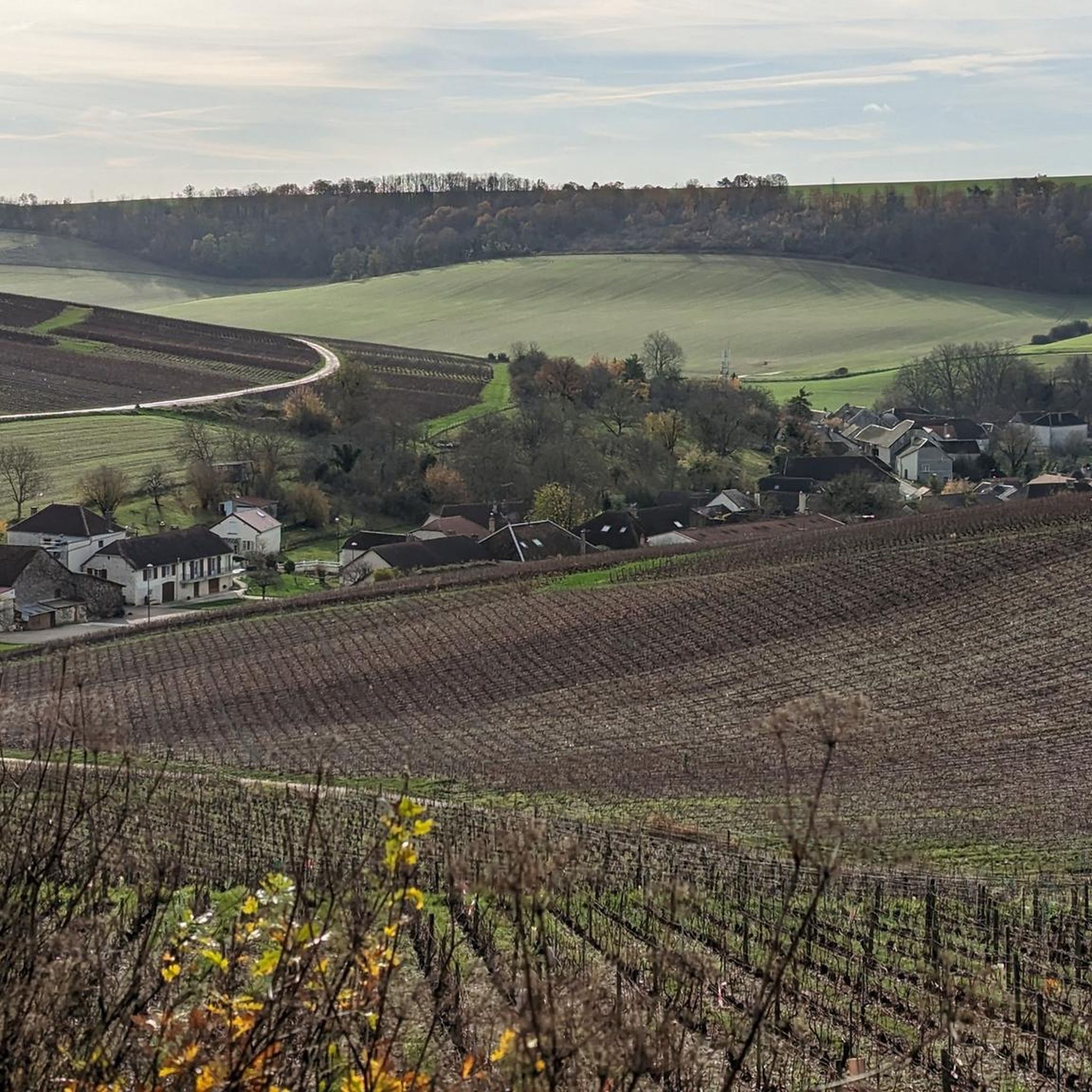
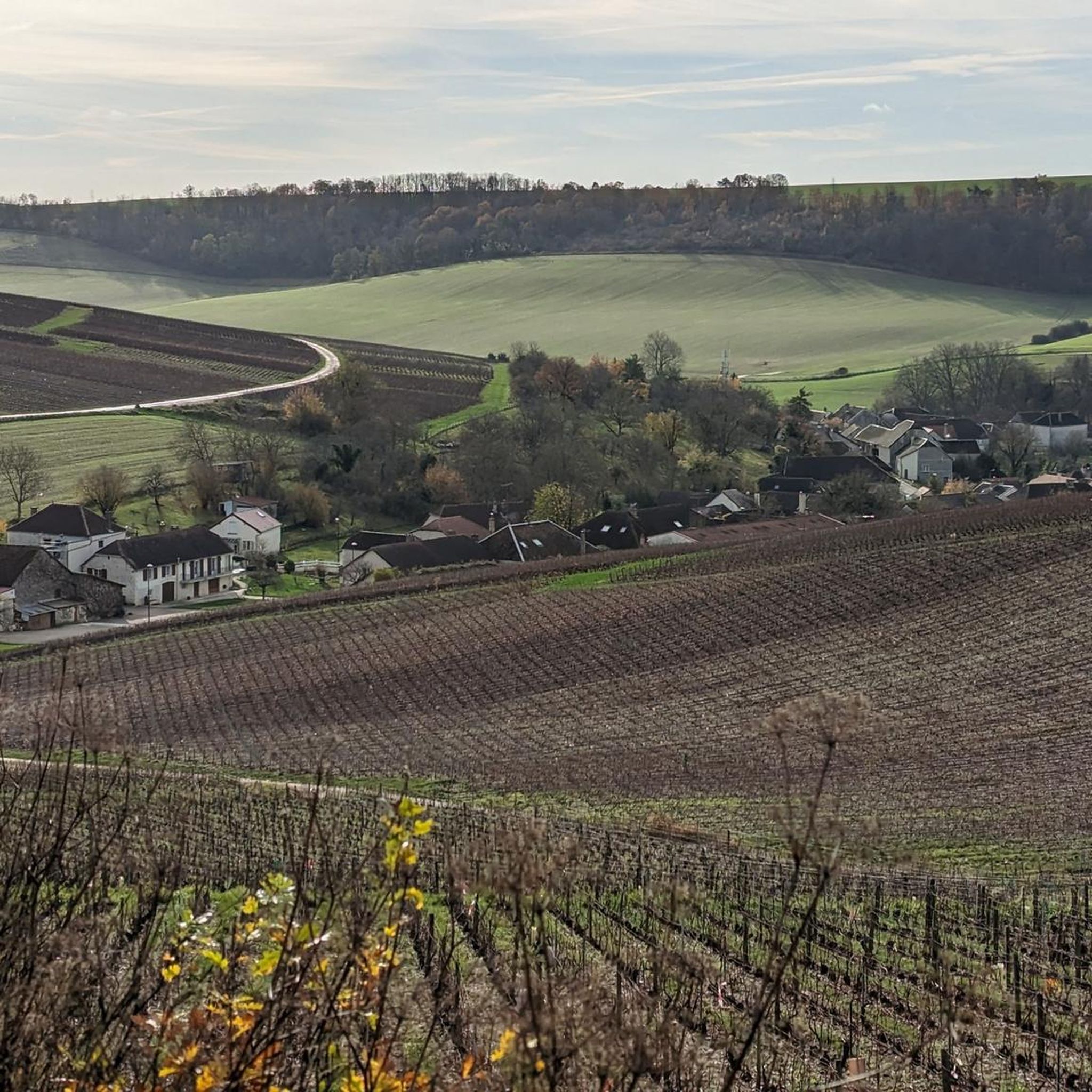
This serious road offers a great reward to those who take it. You will be amazed by the splendid panorama of the vineyards. If you visit it in autumn, you will be dazzled by the colors of the leaves turning orange and red.
0
0
Two rivers cross the pretty town of Bar-sur-Aube. These are the Aube river which gives its name to the department and the Bresse. Numerous Champagne vineyard hillsides surround it, which makes it a renowned place for the production of champagne.
2
0

Situated at an altitude of 349 metres, Sainte-Germaine Hill offers a magnificent view of the entire valley from the orientation table. The remains of the embankments and ditches of a Gallic oppidum, called the "Roman camp", still remain. Traces of ancient fortifications can also be seen. A chapel is dedicated to Sainte-Germaine.
1
0
Frequently Asked Questions
What kind of landscapes can I expect to see while hiking around Couvignon?
Hiking around Couvignon offers a diverse experience. You'll encounter picturesque Champagne vineyard hillsides, especially vibrant in autumn, and extensive forests that are part of the Forêt d'Orient Regional Natural Park. The region also features river valleys, such as those along the Aube river, and is close to several large lakes like Lacs Amance et du Temple, providing varied natural scenery.
How many hiking trails are available in the Couvignon area?
There are over 30 hiking trails around Couvignon, catering to various preferences and skill levels. These routes explore the region's vineyards, forests, and river valleys, offering a wide range of outdoor experiences.
Are there any easy hiking trails suitable for beginners or leisurely strolls?
Yes, there are several easy trails around Couvignon. For instance, the Bar-sur-Aube loop from Bar-sur-Aube is an easy 3.7-mile (6.0 km) route that takes about 1 hour 45 minutes, leading through the town's surroundings and along the Aube river.
What are the typical trail lengths and durations for hikes near Couvignon?
Hiking trails around Couvignon vary in length and duration. You can find shorter routes, like the 3.7-mile (6.0 km) Bar-sur-Aube loop from Bar-sur-Aube, which takes under two hours. Longer, moderate trails, such as the Bar-sur-Aube – Sainte-Germaine Hill loop from Bar-sur-Aube, cover about 6.9 miles (11.1 km) and can take around 3 hours 10 minutes.
Are there any circular hiking routes in the Couvignon area?
Yes, many of the trails around Couvignon are circular, allowing you to start and end at the same point. An example is the Sainte-Germaine Hill loop from Fontaine, a moderate 5.3-mile (8.5 km) path that leads through wooded areas and offers views from Sainte-Germaine Hill.
What natural features or landmarks can I see along the hiking trails?
Many trails offer views of the Champagne vineyard hillsides and pass through the extensive forests of the Aube department. You can also explore the Aube river and its surroundings. For specific points of interest, consider visiting Gravel Path Through the Vineyards for an immersive experience, or the historic Saint Pierre Church of Bar-sur-Aube in the nearby town.
Is the Couvignon area suitable for family-friendly hikes?
Yes, the region offers trails suitable for families. The diverse landscapes include easy paths through vineyards and forests, providing options for various ages and fitness levels. The Forêt d'Orient Regional Natural Park, nearby, also features family-friendly routes and 'green paths' ideal for walking.
Can I bring my dog on the hiking trails around Couvignon?
Many trails in the Couvignon area, particularly those through forests and vineyards, are generally dog-friendly. It's always advisable to keep your dog on a leash, especially in areas with wildlife or near agricultural land, and to check local regulations for specific routes within protected areas like the Forêt d'Orient Regional Natural Park.
What is the best time of year to go hiking in Couvignon?
The best time to hike around Couvignon is often during spring, summer, and especially autumn. Autumn offers stunning panoramas as the Champagne vineyard hillsides transform into vibrant orange and red hues. The weather is generally pleasant for outdoor activities during these seasons.
Are there options for public transport to reach trailheads near Couvignon?
While Couvignon itself is a smaller village, nearby towns like Bar-sur-Aube, which serves as a starting point for several trails, may have more public transport connections. For specific trailheads, it's recommended to check local bus schedules or consider driving, as many routes are more easily accessible by car.
What do other hikers enjoy most about the trails around Couvignon?
The hiking trails around Couvignon are highly rated by the komoot community, with an average score of 4.5 stars from over 40 reviews. Hikers often praise the varied terrain, from scenic vineyard landscapes to peaceful wooded areas, and the well-maintained paths that offer options for different ability levels.
Most popular routes around Couvignon
Most popular attractions around Couvignon

Get inspired with the komoot mobile app


Explore more
Browse the best Hikes in other regions.
