The best road cycling routes around Coublanc
4.1
(26)
403
riders
82
rides
Road cycling routes around Coublanc traverse the varied terrain of the Saône-et-Loire department in France. The region is characterized by rolling countryside, agricultural lands, and moderate ascents, including passes like the Col du Pavillon. Cyclists can expect routes that wind through vineyards, alongside rivers, and past historic villages. This landscape offers a blend of accessible climbs and scenic paths suitable for road cycling.
Best road cycling routes around Coublanc
- The most popular road cycling route is Crossing of the Saôlon…
Last updated: October 18, 2026
8
riders
48.4km
02:18
630m
620m
Moderate road ride. Good fitness required. Mostly well-paved surfaces and easy to ride.
4
riders
55.2km
02:25
440m
440m
Moderate road ride. Good fitness required. Mostly well-paved surfaces and easy to ride.

5.0
(1)
6
riders
50.1km
02:18
520m
520m
Moderate road ride. Good fitness required. Mostly well-paved surfaces and easy to ride.
4
riders
50.1km
02:08
430m
420m
Moderate road ride. Good fitness required. Some segments of this route may be unpaved and difficult to ride.
5
riders
31.1km
01:19
250m
250m
Easy road ride. Great for any fitness level. Mostly well-paved surfaces and easy to ride.
Get access to more routes and recommendations from other explorers.
Already have an account?
Our route recommendations are based on thousands of hikes, rides, and runs completed by other people on komoot.
Start today with a free account
Your next adventure awaits.

Tips from the Community

La Maison des Lumières Denis Diderot is a museum. It is dedicated to the writer, philosopher, Enlightenment thinker, and co-editor of the Encyclopédie, Denis Diderot, who was born there on October 5, 1713.
1
0
Jeanne Mance (* 12 November 1606 in Langres, France; † 18 June 1673 in Montreal) was a French laywoman and nurse. She was involved in the founding of the city of Montreal and founded the first hospital on Canadian soil with the Hôtel-Dieu de Montréal.
2
0

Imposing cathedral of a small town steeped in history! Worth seeing from the outside and inside
2
0

Beautiful old town with simple but impressive cathedral
1
0

Langres Cathedral is dedicated to the 3rd century martyr Mammes of Caesarea. The cathedral is the seat of the Bishop of Langres and is a national monument. The cathedral dates from the 12th century and has a mixture of Romanesque, Gothic and Classical styles. The roof is decorated with colourful tiles and the façade has many details. The cathedral has some remarkable tapestries that are worth seeing. The cathedral is also a place of pilgrimage, as it houses the holy relic of the head of Saint Mammes. The cathedral is 94m long and 23m high. The façade was destroyed by fire and replaced in the 18th century by a three-storey classical façade.
3
0

Lac de Villegusien is a beautiful artificial lake that offers a variety of recreational activities such as swimming, sailing, fishing, bird watching and hiking; so it is perfect for running. You will enjoy views of the lake, forest, beach and wildlife along the way. The trail is open year-round and is suitable for all skill levels. Dogs are welcome but must be kept on a leash.
2
0

Langres is a French town in the Haute-Marne department of the Grand Est region. The city has 7682 inhabitants (as of January 1, 2020), roughly the same number as at the end of the 18th century. Source: Wikipedia
2
0

Take a detour every now and then to switch the scenery
2
0
Frequently Asked Questions
What kind of terrain can I expect on road cycling routes around Coublanc?
The region around Coublanc offers varied terrain, characterized by rolling countryside, agricultural lands, and moderate ascents. You'll find routes winding through vineyards and alongside rivers, with accessible climbs like the Col du Pavillon, which reaches 755 meters with generally easy gradients. The landscape provides a blend of scenic paths and manageable hills suitable for road cycling.
How many road cycling routes are available in the Coublanc area?
There are nearly 100 road cycling routes available around Coublanc, catering to various skill levels. This includes 15 easy routes, 77 moderate routes, and 7 more challenging options.
Are there any family-friendly road cycling routes near Coublanc?
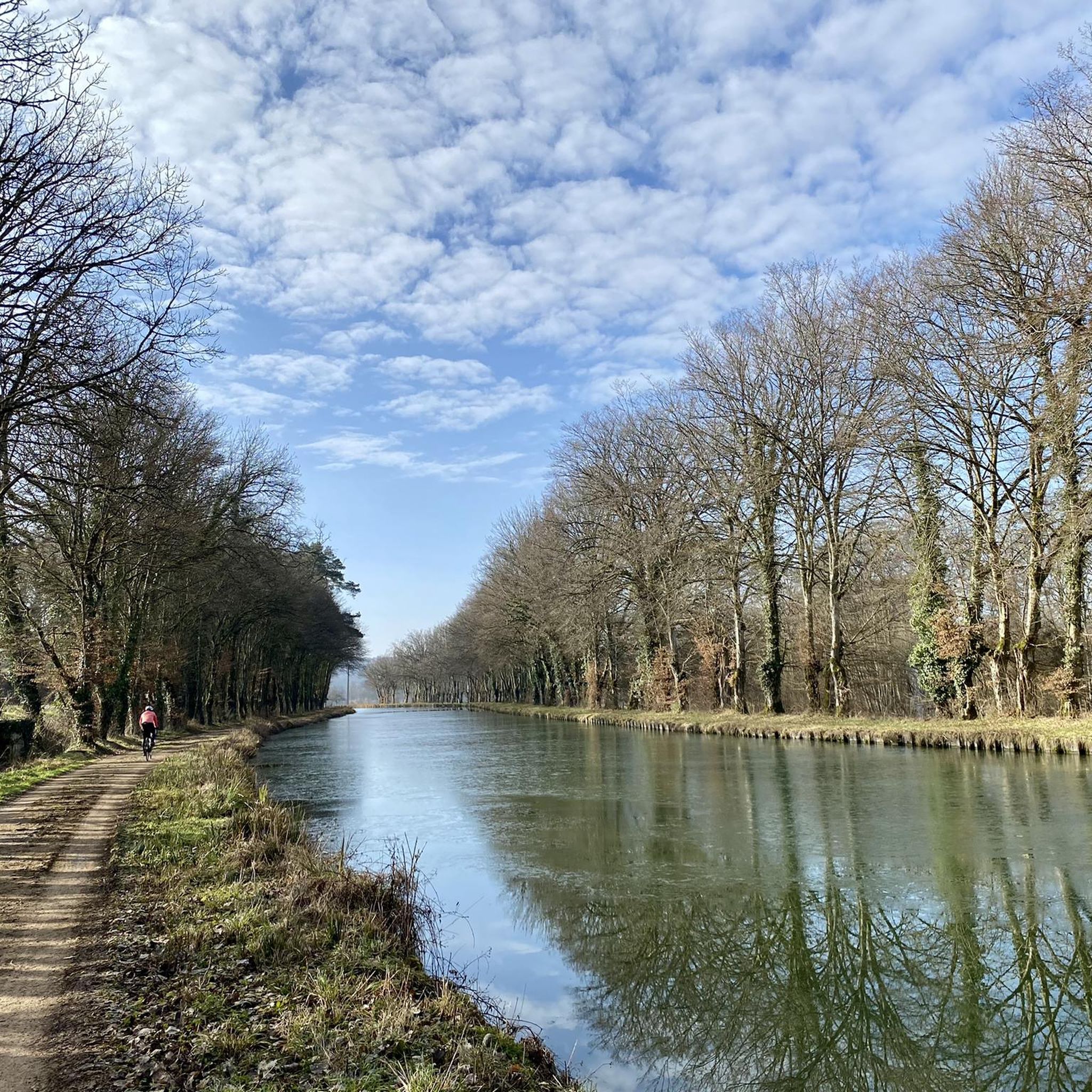
Yes, the region offers several routes suitable for families. Many paths feature gentle terrain and low-altitude sections, particularly along riverside routes like the Voie Bleue. An example of an easier route is the Le Grand Étang – Le Petit Étang loop from Dommarien, which is 34.9 km long and has an easy difficulty rating.
What are some notable landmarks or natural features I can see along the cycling routes?
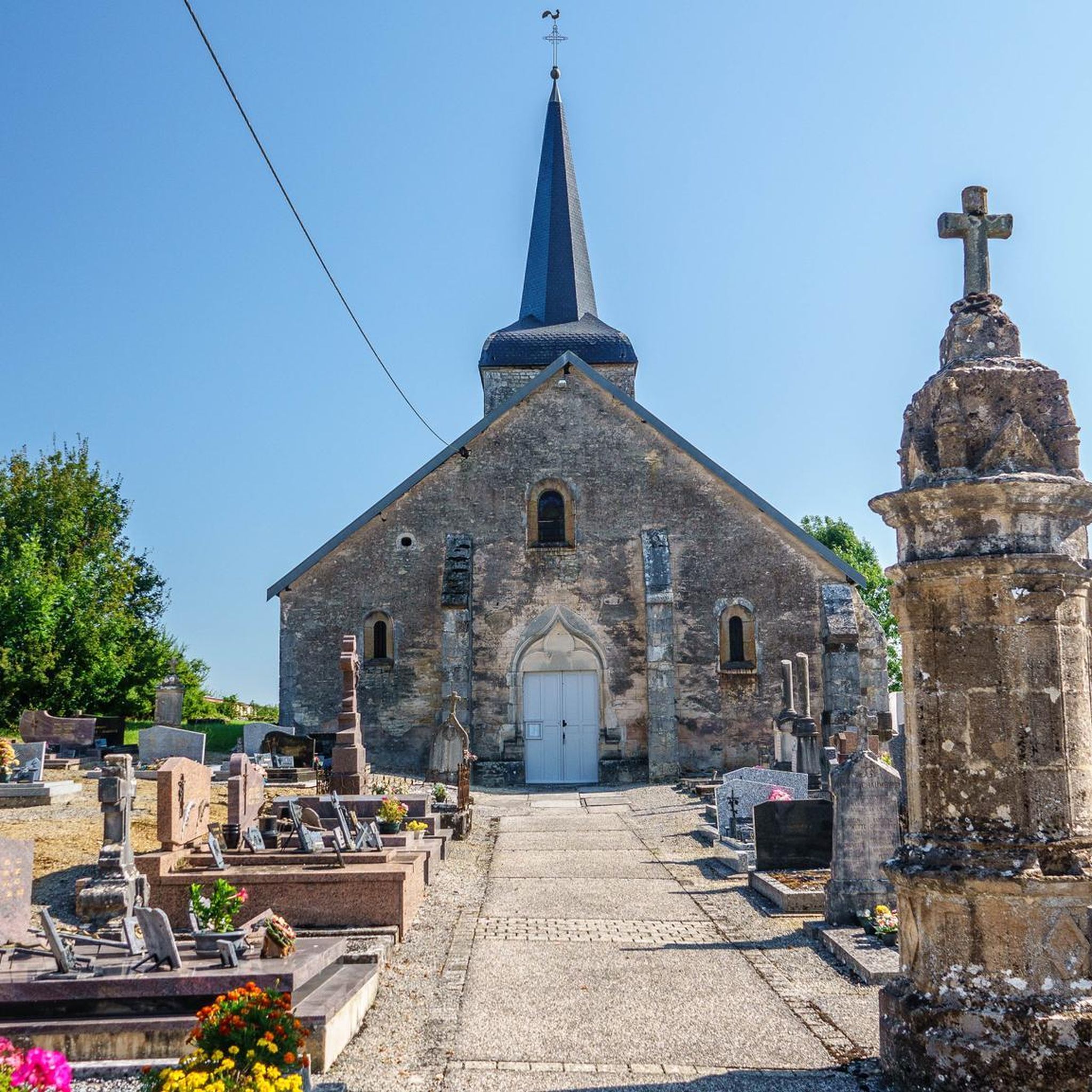
Cyclists can explore a rich tapestry of landscapes and cultural attractions. Routes often lead through picturesque towns and villages, offering glimpses of Romanesque churches and medieval architecture. Natural features include lush countryside, vineyards, and forests. You might also encounter highlights such as the Canal between Champagne and Burgundy, Lac de Villegusien, or the historic Château du Pailly.
What is the best time of year for road cycling in Coublanc?
The region is generally enjoyable for cycling during spring, summer, and early autumn. These seasons offer pleasant weather for exploring the vineyards, riverside routes, and countryside. The moderate climbs are approachable throughout these periods.
Where can I find refreshments or a break point on longer rides?
At the summit of the Col du Pavillon, a notable pass near Coublanc, you can find an auberge (inn) for a well-deserved break and refreshments. Additionally, many routes pass through charming villages where you can find local cafes and restaurants.
What do other road cyclists enjoy most about cycling in Coublanc?
The area is highly rated by the komoot community, with an average score of 4.1 stars from over 20 reviews. Cyclists often praise the varied terrain, the scenic routes through vineyards and along rivers, and the opportunity to explore charming French towns and natural landscapes.
Are there any challenging road cycling routes for experienced riders?
Yes, for more experienced riders, there are routes with greater elevation gain. An example is the Quiet road with nice views – Silière Garden loop from Rivières-le-Bois, which is 87.9 km long and has a difficult rating, featuring over 900 meters of elevation gain.
Can I access cycling routes using public transport in Coublanc?
While specific public transport options for cyclists in Coublanc itself might be limited, the broader Saône-et-Loire region is well-regarded for its cycling infrastructure. For longer routes like the Voie Bleue, which connects Luxembourg to Lyon, you might find sections accessible via regional transport that accommodates bikes. It's advisable to check local transport schedules and bike policies for specific connections.
Are there any long-distance cycling routes that pass through or near Coublanc?
Yes, the region is part of significant cycling networks. The 'Voie Bleue' is a 700 km national cycle route that runs alongside the Saône River, with a 106-kilometer stretch within Saône-et-Loire. Additionally, cyclists can traverse the 'Great Southern Burgundy Loop,' a scenic 145-kilometer route winding through vineyards. More information on these routes can be found on the Burgundy Tourism website.
What is a good moderate-difficulty route for exploring the countryside?
A popular moderate route is the Vereux Diversion – Bridge over the Salon loop from Leffond. This 78.5 km path offers extensive views of the surrounding countryside and passes through rural areas, making it a great option for a longer ride without extreme difficulty.
Are there any specific wine regions I can cycle through?
Absolutely. The Saône-et-Loire department is home to significant wine regions, including the Côte Chalonnaise and Mâconnais. Many cycling routes, such as sections of the 'Great Southern Burgundy Loop,' wind directly through these vineyards, offering a picturesque experience dotted with charming villages and historic sites.
Most popular attractions around Coublanc

Get inspired with the komoot mobile app


Explore more
Browse the best Road cycling routes in other regions.
