The best cycling routes around Serpa
4.0
(4)
42
riders
8
rides
Touring cycling routes around Serpa traverse a landscape characterized by rolling plains and agricultural areas, offering varied terrain. The region features undulating paths that connect small towns and rural settings, with moderate elevations. The Guadiana Valley Natural Park integrates into the area, providing routes through agricultural fields, past vineyards, olive groves, and traditional montados.
Best touring cycling routes around Serpa
- The most popular touring cycling route is Serpa MTB Trail P2, a 19.9 miles (32.0 km) trail that takes…
Last updated: June 24, 2026
7
riders
32.0km
02:21
370m
370m
This moderate 19.9-mile touring cycling route in Guadiana Valley Natural Park takes you through agricultural fields and past the Azenha da O
1
riders
13.7km
01:02
110m
110m
Easy bike ride. Great for any fitness level. Mostly paved surfaces. Suitable for all skill levels.

Sign up for free
4
riders
12.7km
00:49
120m
120m
Easy bike ride. Great for any fitness level. Mostly paved surfaces. Suitable for all skill levels.
3
riders
60.8km
05:08
560m
560m
Hard bike ride. Very good fitness required. Mostly paved surfaces. Suitable for all skill levels.
2
riders
26.8km
01:37
230m
230m
Moderate bike ride. Good fitness required. Mostly paved surfaces. Suitable for all skill levels.
Get access to more routes and recommendations from other explorers.
Sign up for free
Already have an account?
Our route recommendations are based on thousands of hikes, rides, and runs completed by other people on komoot.
Start today with a free account
Your next adventure awaits.
Login or Signup
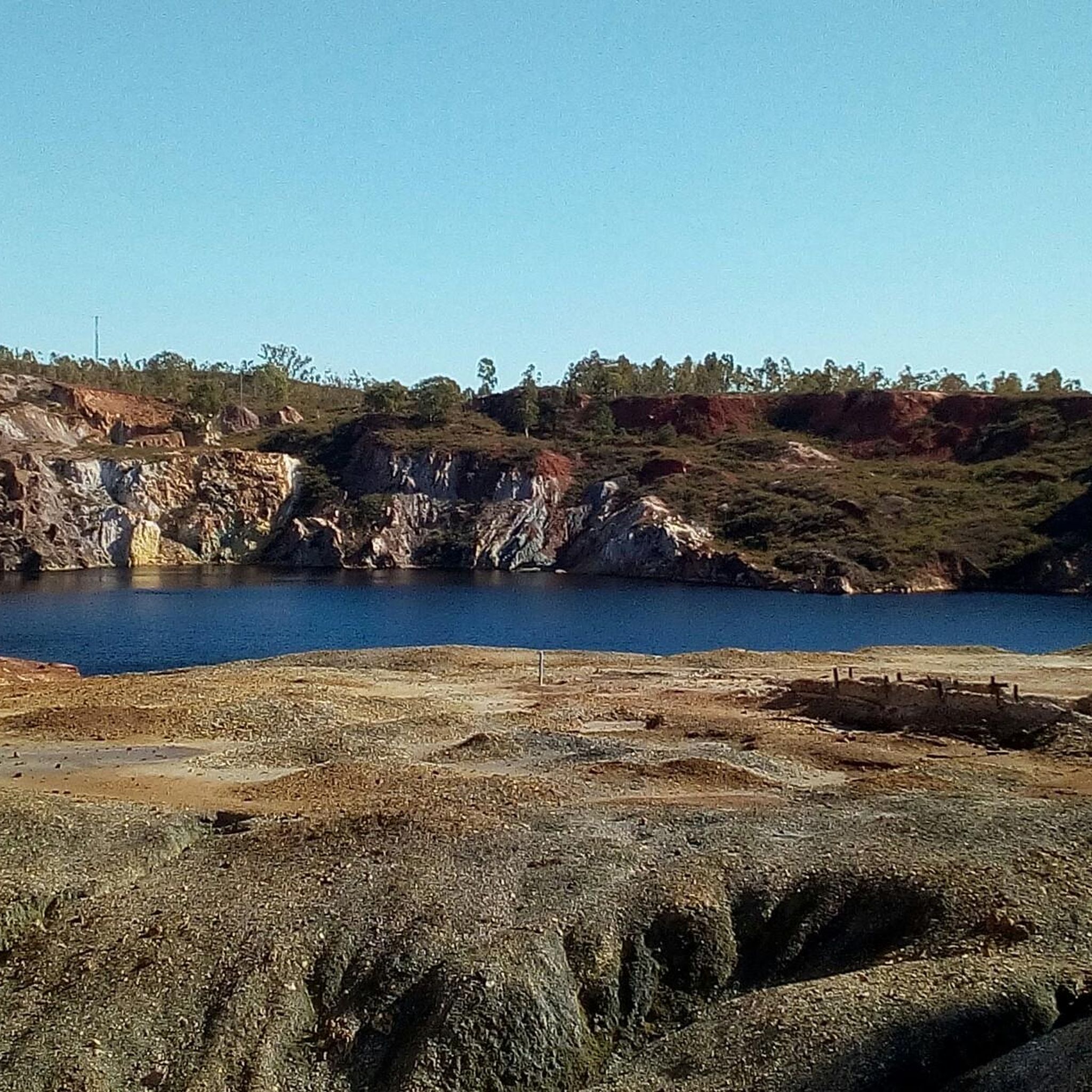
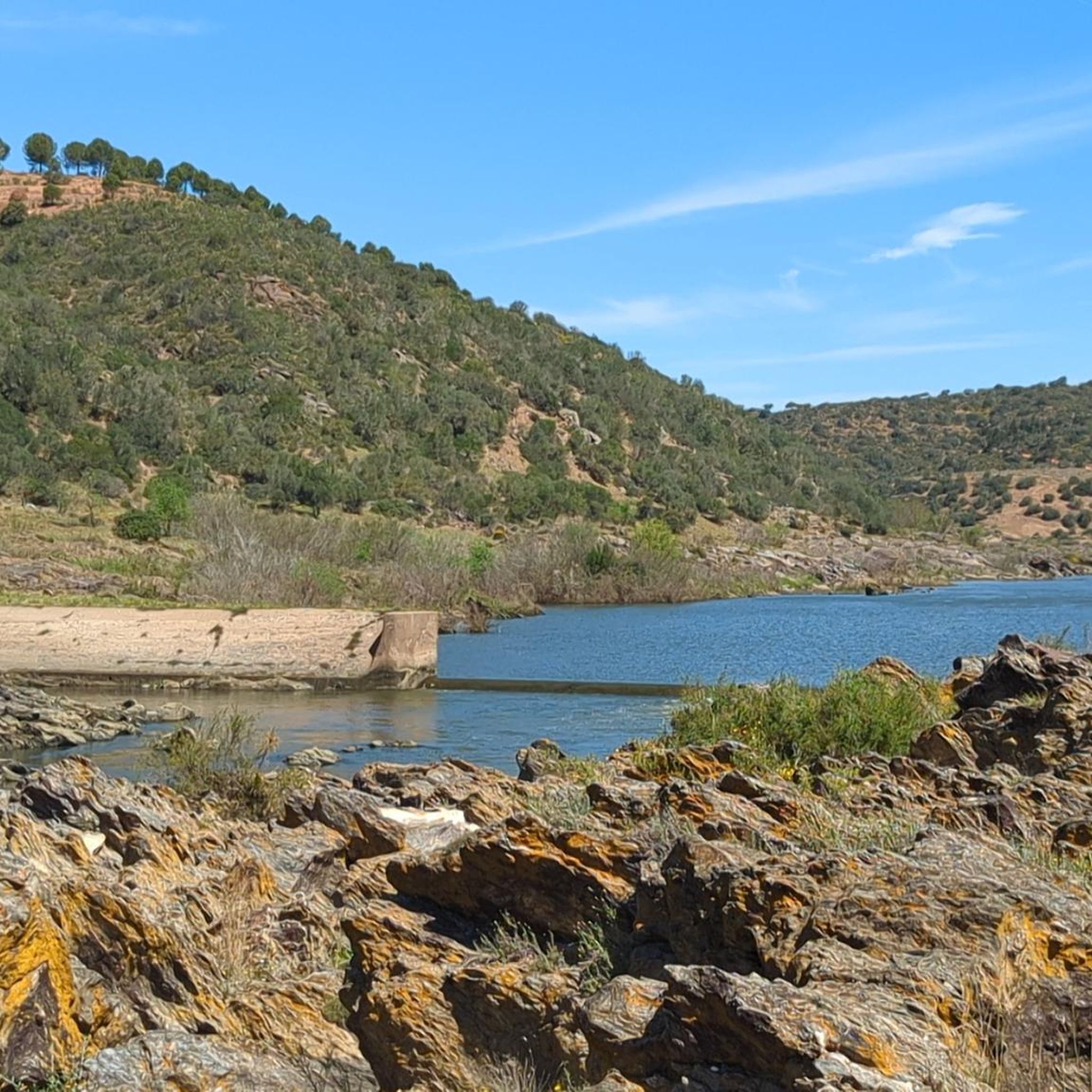
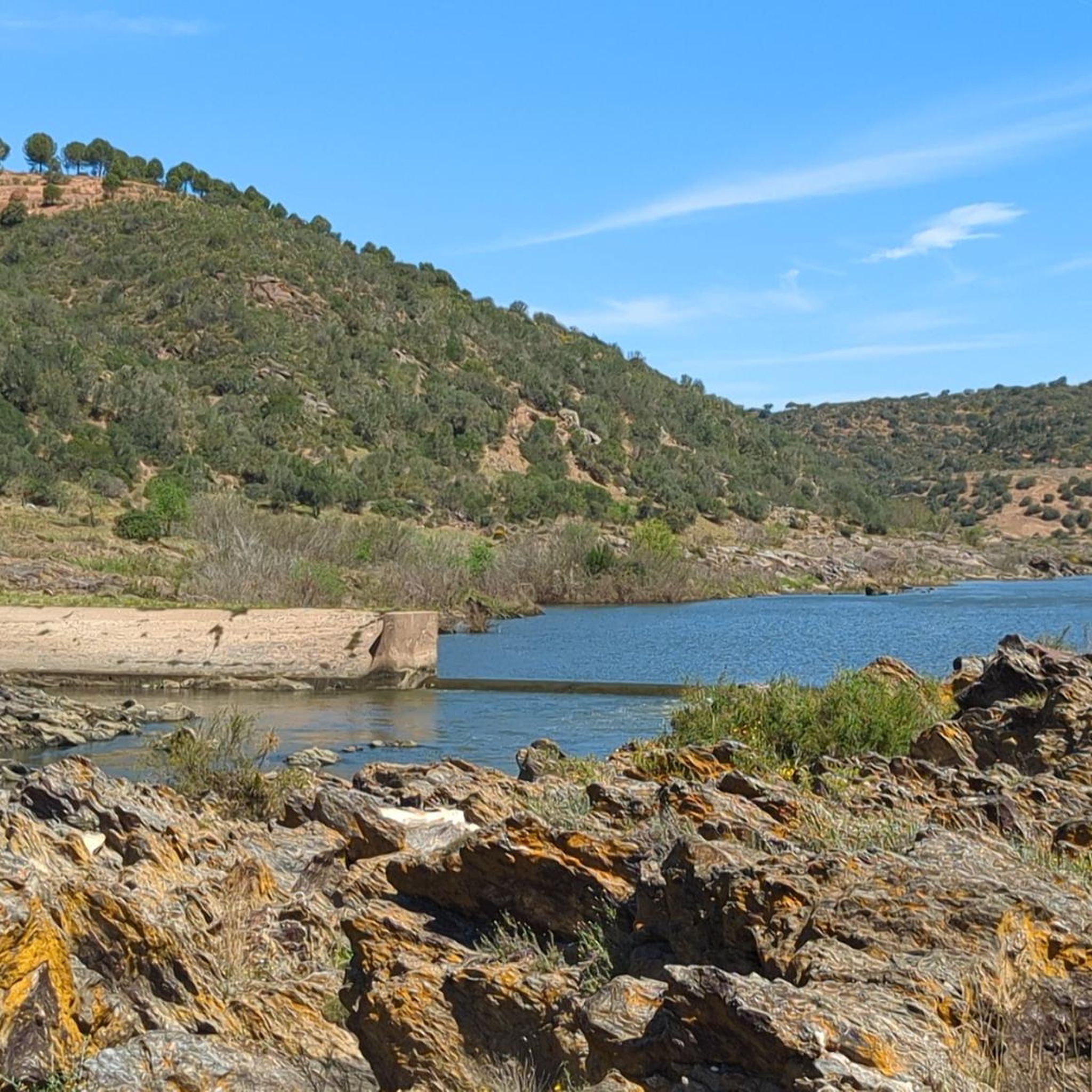
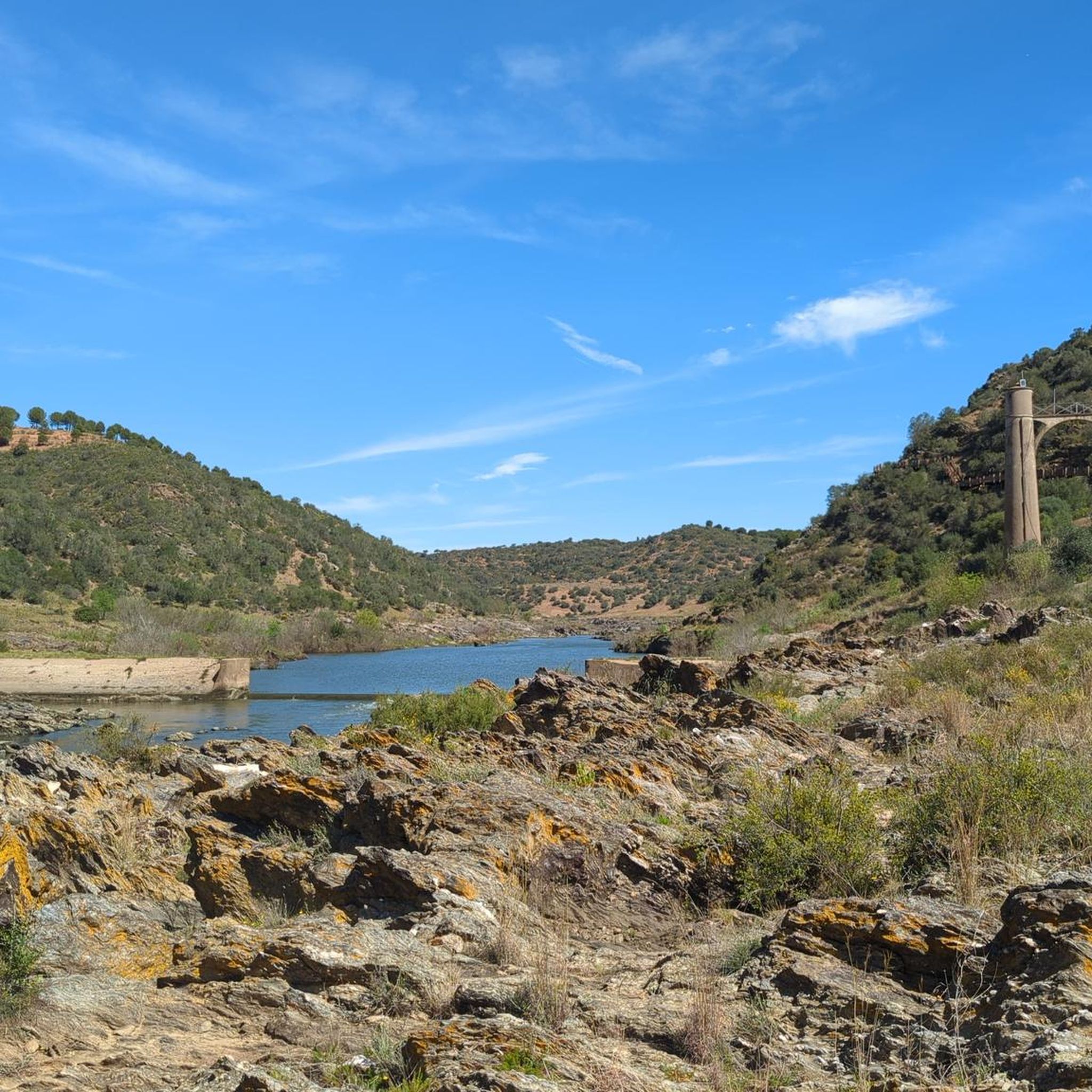
Tips from the Community


Pretty town near the Portugal-Spain border at the foot of the Ficalho hill that gives the town its name. It can be reached from Rosal de al Frontera (SP) by a picturesque road through the hill that crosses the border.
0
0

In the Guadiana Valley Natural Park, the main protagonist is, of course, the river that gives it its name. The fourth largest in the Iberian Peninsula, the Guadiana rises in Spain, crosses the south of Portugal from east to west to Badajoz and then flows down towards the Atlantic. Within the park, the river displays all its wild beauty: winding, serene and surrounded by breathtaking landscapes.
4
0

This church, built in the 18th century, stands out for its Baroque architecture and impressive bell tower. Inside, you'll find carved wooden altarpieces and frescoes that create an atmosphere of peace and contemplation. In addition to its religious significance, the church is also a center for community and cultural activities. Various religious events and festivals are held here, such as processions and solemn masses in honor of San Isidro Labrador.
2
0

Vila Verde Ficalho has history. It is a village located in the easternmost part of the municipality of Serpa, bordering the Spanish town of Rosal de la Frontera and belonging to the territory known as the Left Bank of the Guadiana. Our people have ancient traditions and historical records that extol them. All the landscape, historical and cultural settings make this border village very special, both for its inhabitants and visitors. Its area measures approximately 10,402,3909 hectares, and the town is flanked by the Ficalho mountain range, which is approximately 518 metres high. Throughout our region, you can see mountains, valleys, hills, dotted with trees, wells and springs. All the archaeological heritage found here reveals bits and pieces of the passage of various peoples through our land, from the Paleolithic era, when man was still a gatherer, to the Neolithic era (3500 BC), to the Visigoths, the Romans (where the city of Finis possibly existed), and the Arab people who left us several customs. The exact date of the founding of our town as a historical place is unknown; hypothetically, it was in the 1940s, in the 13th century, at the end of the reign of D. Sancho II and the beginning of the reign of D. Afonso III. Our people are mainly dedicated to agriculture, although artisanal agriculture is still being seen, new technologies are beginning to be used. There has been a significant decrease in commercial activity, many establishments have been closing and we no longer see, as we once did, clusters of Spanish people. It is worth noting that tourism is likely to increase in this area; in recent months, some have appeared in our town. tourists who have shown a fondness for this small village with an aging population.
2
0
In 1281, when Serpa and all the lands on the Left Bank of the Guadiana were still under Castilian rule, Alfonso X established the demarcation of the municipality, so that it could be better populated, and granted it its first charter, that of Seville. After a century of military and diplomatic adventures, with the Christian Reconquest of the Alentejo, Serpa received a new charter from King Dinis in 1295.
3
0

Magnificent historical center. The Serpa Aqueduct is an unusual work of Portuguese engineering due to its private nature. It was built at the end of the 17th century to serve the Solar dos Condes de Ficalho, located on one of the sections of the Serpa city walls. The most interesting part of the structure is located next to the Beja Gate, where the aqueduct is supported by arches built on the wall. At the end of the aqueduct, there is a Moorish waterwheel, leaning against the wall and serving as a buttress for the aqueduct itself. (Source: roteirodoalqueva.com)
10
0

Today's town was created in 1232 as part of the new settlements after the Reconquista under King D. Sancho II. The community is characterized by agriculture, particularly by the striking olive groves. It has always been known for its olive oil, wine and honey. Ficalho's coat of arms shows a honey bee and olive tree branches.
3
1
Frequently Asked Questions
How many touring cycling routes are available around Serpa?
There are over 7 touring cycling routes around Serpa, offering a variety of experiences for cyclists. These routes are highly rated by the komoot community, with an average score of 4.0 stars.
What is the overall difficulty level of touring cycling routes in Serpa?
Serpa offers a mix of routes suitable for various skill levels. You'll find 2 easy routes, 4 moderate routes, and 1 difficult route, ensuring options for both beginners and more experienced cyclists.
Are there any easy touring cycling routes suitable for beginners or families in Serpa?
Yes, for a relaxed ride, consider the Circular Route 1 Serpa. This easy path is 13.7 km long with relatively flat terrain, making it ideal for beginners or a leisurely family outing.
Which touring cycling routes offer a more challenging experience around Serpa?
For a more challenging ride, the Alto do Esconcha – Serpa loop from Serpa is a difficult route spanning over 60 km with significant elevation changes, perfect for experienced touring cyclists looking for a demanding adventure.
Are there any circular touring cycling routes in Serpa?
Yes, many routes in Serpa are designed as loops. A popular option is the Serpa loop from Serpa, which covers 35.9 km through varied terrain and is often completed in about 2 hours 50 minutes.
What kind of landscape can I expect while cycling around Serpa?
Touring cycling around Serpa takes you through a landscape of rolling plains and agricultural areas. The routes feature undulating paths that connect small towns and rural settings, with generally moderate elevations providing a scenic backdrop for your ride.
What are some natural features or viewpoints I can see along the cycling routes?
While cycling, you might encounter natural beauty spots such as the Pulo do Lobo Waterfall, or enjoy views of the Guadiana River, especially from viewpoints like the one near Anta das Pias. The Vale do Guadiana Natural Park also offers stunning natural scenery.
Are there any historical sites or landmarks to explore near the cycling paths?
Absolutely! You can visit historical landmarks such as Serpa Castle, the Castle of Moura, or the ancient mining site of Mina de São Domingos. The Ermida de São Pedro de Serpa is another notable religious building in the area.
What is the best season for touring cycling in Serpa?
The Alentejo region, where Serpa is located, experiences hot, dry summers and mild winters. Spring (March to May) and Autumn (September to November) generally offer the most pleasant temperatures for cycling, avoiding the intense summer heat.
What do other touring cyclists enjoy most about cycling in Serpa?
The area is highly rated by the komoot community, with an average score of 4.0 stars from over 4 reviews. Cyclists often praise the varied terrain, from rolling plains to undulating paths, and the opportunity to explore rural settings and small towns.
Is there a moderately difficult route that is popular among local cyclists?
Yes, the Serpa MTB Trail P2 is a popular moderate route. It's 32 km long and typically takes about 2 hours 20 minutes to complete, featuring moderate elevation changes.
Most popular attractions around Serpa

Get inspired with the komoot mobile app


Explore more
Browse the best Cycling routes in other regions.
