The best road cycling routes around Serpa
3.0
(1)
89
riders
8
rides
Road cycling around Serpa, located in Portugal's Alentejo region, offers diverse landscapes characterized by gentle plains and rolling hills. The area features vast agricultural fields, rural estates, and cork oak forests, with the Guadiana River playing a central role in its geography. To the southeast, the Serra de Serpa presents undulating reliefs and schistous soils, providing varied terrain for cyclists.
Best road cycling routes around Serpa
- The most popular road cycling route is Vila Verde de Ficalho – Santa Bárbara…
Last updated: July 10, 2026
9
riders
Moderate road ride. Good fitness required. Mostly well-paved surfaces and easy to ride.
7
riders
67.1km
02:54
630m
630m
Moderate road ride. Good fitness required. Mostly well-paved surfaces and easy to ride.

Sign up for free
3.0
(1)
7
riders
55.3km
02:22
430m
430m
Moderate road ride. Good fitness required. Mostly well-paved surfaces and easy to ride.
6
riders
50.8km
02:15
440m
440m
Moderate road ride. Good fitness required. Mostly well-paved surfaces and easy to ride.
3
riders
48.8km
02:06
330m
330m
Moderate road ride. Good fitness required. Mostly well-paved surfaces and easy to ride.
Get access to more routes and recommendations from other explorers.
Sign up for free
Already have an account?
Our route recommendations are based on thousands of hikes, rides, and runs completed by other people on komoot.
Start today with a free account
Your next adventure awaits.
Login or Signup
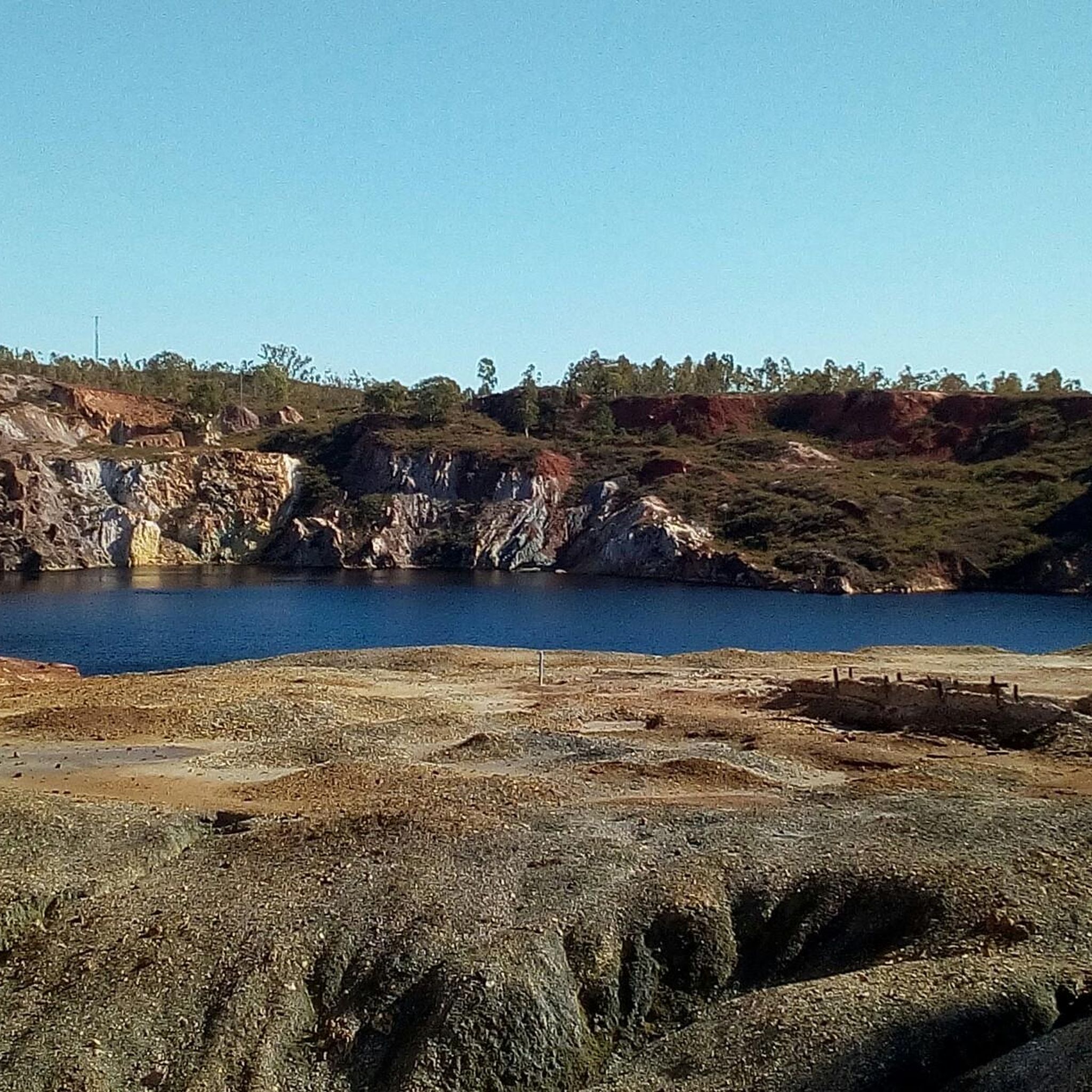
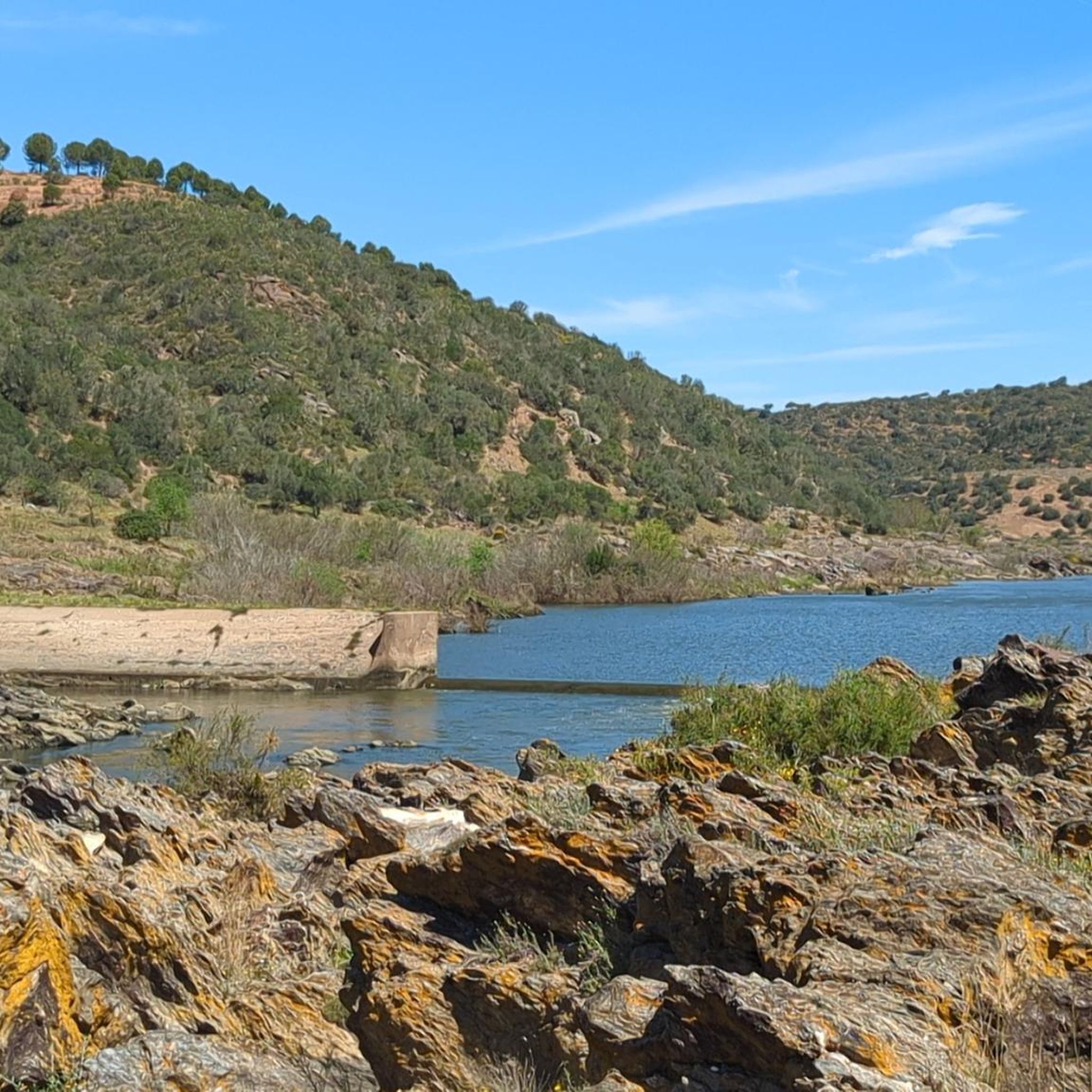
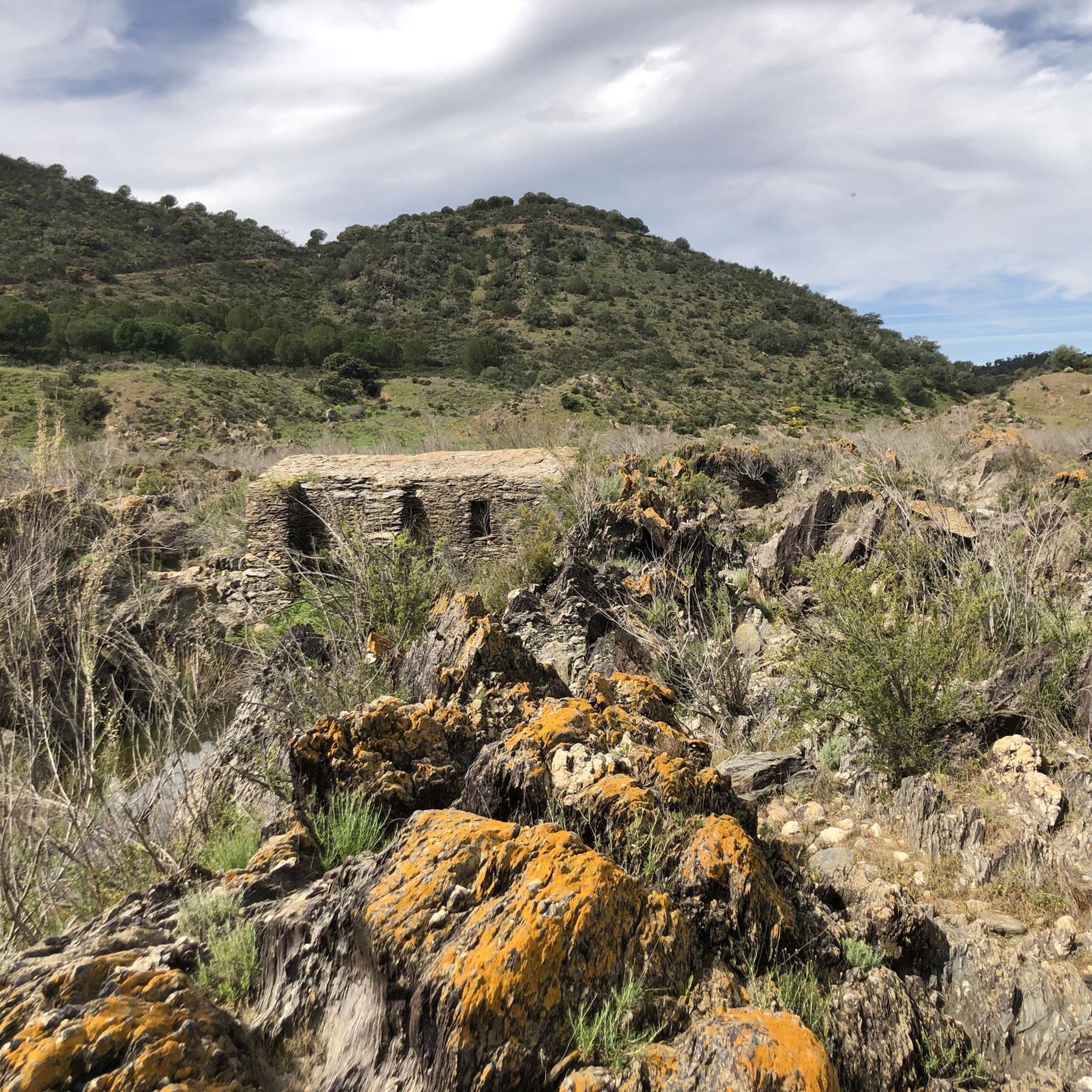
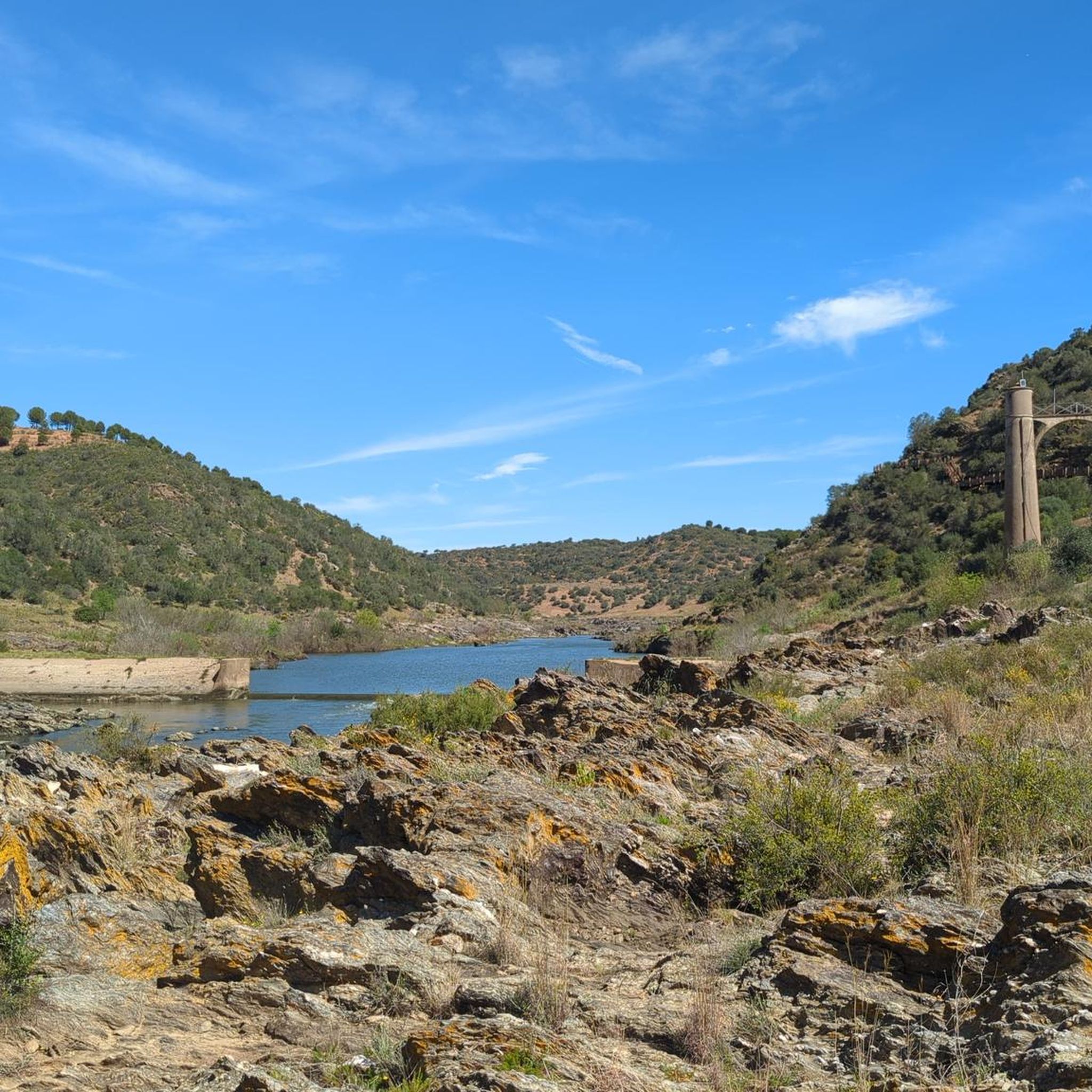
Tips from the Community

The Hermitage of Our Lady of La Peña in Puebla de Guzmán (Huelva) is one of the most emblematic sanctuaries in the Andévalo region of Huelva province, with a deep spiritual, artistic, and cultural tradition. Location: On Cerro del Águila (Eagle Hill), about 4 km from the town center. Origin: Probably built in the 16th century, with significant renovations in the 17th century, 1960, and 1992. Founding legend: According to tradition, the Virgin Mary appeared to the shepherd Alonso Gómez in the 15th century, who was instructed to build a hermitage on that site.
4
0


Pias is a village in the municipality of Serpa, Alentejo region, with around 2,500 inhabitants. Known for its white houses, traditional crafts, and rich gastronomy, it also features landmarks like the Ermida de Santa Luzia and the Torre do Relógio. Its name likely comes from granite basins ("pias") once used in local industry.
0
0
Pretty town near the Portugal-Spain border at the foot of the Ficalho hill that gives the town its name. It can be reached from Rosal de al Frontera (SP) by a picturesque road through the hill that crosses the border.
0
0
This church, built in the 18th century, stands out for its Baroque architecture and impressive bell tower. Inside, you'll find carved wooden altarpieces and frescoes that create an atmosphere of peace and contemplation. In addition to its religious significance, the church is also a center for community and cultural activities. Various religious events and festivals are held here, such as processions and solemn masses in honor of San Isidro Labrador.
2
0

Vila Verde Ficalho has history. It is a village located in the easternmost part of the municipality of Serpa, bordering the Spanish town of Rosal de la Frontera and belonging to the territory known as the Left Bank of the Guadiana. Our people have ancient traditions and historical records that extol them. All the landscape, historical and cultural settings make this border village very special, both for its inhabitants and visitors. Its area measures approximately 10,402,3909 hectares, and the town is flanked by the Ficalho mountain range, which is approximately 518 metres high. Throughout our region, you can see mountains, valleys, hills, dotted with trees, wells and springs. All the archaeological heritage found here reveals bits and pieces of the passage of various peoples through our land, from the Paleolithic era, when man was still a gatherer, to the Neolithic era (3500 BC), to the Visigoths, the Romans (where the city of Finis possibly existed), and the Arab people who left us several customs. The exact date of the founding of our town as a historical place is unknown; hypothetically, it was in the 1940s, in the 13th century, at the end of the reign of D. Sancho II and the beginning of the reign of D. Afonso III. Our people are mainly dedicated to agriculture, although artisanal agriculture is still being seen, new technologies are beginning to be used. There has been a significant decrease in commercial activity, many establishments have been closing and we no longer see, as we once did, clusters of Spanish people. It is worth noting that tourism is likely to increase in this area; in recent months, some have appeared in our town. tourists who have shown a fondness for this small village with an aging population.
2
0
In 1281, when Serpa and all the lands on the Left Bank of the Guadiana were still under Castilian rule, Alfonso X established the demarcation of the municipality, so that it could be better populated, and granted it its first charter, that of Seville. After a century of military and diplomatic adventures, with the Christian Reconquest of the Alentejo, Serpa received a new charter from King Dinis in 1295.
3
0
Frequently Asked Questions
How many road cycling routes are available around Serpa?
There are over 8 road cycling routes around Serpa, catering to various skill levels. The majority of these, 6 routes, are rated as moderate, while 2 routes are considered difficult, offering challenges for experienced cyclists.
What kind of terrain can I expect when road cycling in Serpa?
Road cycling in Serpa offers a diverse landscape characterized by gentle plains and rolling hills. You'll traverse vast agricultural fields, rural estates, and cork oak forests. The Guadiana River plays a central role in the geography, with routes often following its course. To the southeast, the Serra de Serpa presents undulating reliefs and schistous soils, providing varied terrain.
When is the best time of year to go road cycling in Serpa?
The Alentejo region, including Serpa, generally experiences hot, dry summers and mild winters. Spring and autumn are typically the most pleasant seasons for road cycling, offering comfortable temperatures and less chance of extreme heat. These seasons also showcase the region's natural beauty with blooming wildflowers or autumnal colors.
Are there circular road cycling routes available in Serpa?
Yes, many of the road cycling routes around Serpa are designed as loops, allowing you to start and finish in the same location. For example, the Vila Verde de Ficalho – Santa Bárbara de Casa loop from Vila Verde de Ficalho is a popular circular route traversing varied Alentejo landscapes.
What natural features can I see along road cycling routes in Serpa?
The routes often feature the scenic Guadiana River, and you might encounter highlights such as the Pulo do Lobo Waterfall or the tranquil Vale do Guadiana Natural Park. The landscape is also rich with cork oaks and diverse birdlife, including storks and bee-eaters.
Are there historical landmarks or points of interest to explore while cycling in Serpa?
Absolutely. Serpa and its surroundings are rich in history. You can cycle past the impressive Serpa Castle, the Castle of Moura, or the historical Mina de São Domingos. Along the Guadiana River, you might discover sites like the well-preserved Azenha da Ordem (watermill).
Are there any scenic viewpoints on the road cycling routes around Serpa?
Yes, many routes offer picturesque views of the Alentejo landscape. A notable viewpoint is the View of the Guadiana River from Anta das Pias, providing expansive vistas of the river and surrounding nature.
Is parking available for cyclists in Serpa?
Serpa is a designated 'Serpa Cyclin'Portugal Centre,' indicating established infrastructure for cyclists. While specific parking areas for cyclists are not detailed, you can generally find public parking within Serpa and in the smaller villages that serve as starting points for many routes.
Are there quiet roads for cycling in Serpa?
The Alentejo region is known for its generally quiet roads, offering a peaceful cycling environment. Many routes traverse rural areas and agricultural fields, where traffic is minimal. While some sections on more major roads may be encountered, the overall experience is one of tranquility.
Can I find cafes or places to stop for refreshments along the routes?
Yes, many routes pass through charming villages and towns where you can find local cafes and establishments to refuel. The region's focus on cycling infrastructure suggests that amenities for cyclists are generally accessible, especially in the larger settlements like Serpa, Pias, or Vila Verde de Ficalho.
What is a good moderate-difficulty route for road cycling in Serpa?
For a moderate challenge with scenic views, consider the Alto do Esconcha – Serpa loop from Serpa. This 34.3-mile (55.2 km) path offers rolling plains and passes through historic towns, providing a rewarding experience without extreme difficulty.
Are there longer distance road cycling routes available around Serpa?
For those seeking a longer ride, the Vila Verde de Ficalho – Santa Bárbara de Casa loop from Vila Verde de Ficalho covers 56.9 miles (91.6 km) and takes approximately 4 hours to complete. This route traverses varied Alentejo landscapes, including rural areas and quiet roads, making it suitable for a longer excursion.
Most popular attractions around Serpa

Get inspired with the komoot mobile app


Explore more
Browse the best Road cycling routes in other regions.
