The best walks and hikes around Seia
4.4
(627)
2,445
hikers
28
hikes
Hiking around Seia offers diverse landscapes within the Serra da Estrela mountains in central Portugal. The region is characterized by rugged terrain, dense forests, and panoramic views, providing varied experiences for hikers. Seia is part of the Serra da Estrela Nature Park, known for its majestic natural scenery and extensive network of trails. This area features significant natural landmarks such as Covão d'Ametade and the Rio Seia Valley.
Best hiking trails around Seia
- The most popular hiking route is Covão…
Last updated: June 24, 2026
4.6
(184)
777
hikers
8.86km
02:32
210m
210m
Moderate hike. Good fitness required. Easily-accessible paths. Suitable for all skill levels.
4.5
(116)
424
hikers
11.1km
03:22
200m
200m
Hard hike. Good fitness required. Sure-footedness, sturdy shoes and alpine experience required.

Sign up for free
4.8
(78)
269
hikers
7.23km
02:26
360m
360m
Moderate hike. Good fitness required. Easily-accessible paths. Suitable for all skill levels.
4.5
(25)
93
hikers
14.8km
04:31
490m
490m
Moderate hike. Good fitness required. Easily-accessible paths. Suitable for all skill levels.
4.5
(26)
82
hikers
8.89km
02:41
300m
300m
Moderate hike. Good fitness required. Easily-accessible paths. Suitable for all skill levels.
Get access to more routes and recommendations from other explorers.
Sign up for free
Already have an account?
Our route recommendations are based on thousands of hikes, rides, and runs completed by other people on komoot.
Start today with a free account
Your next adventure awaits.
Login or Signup
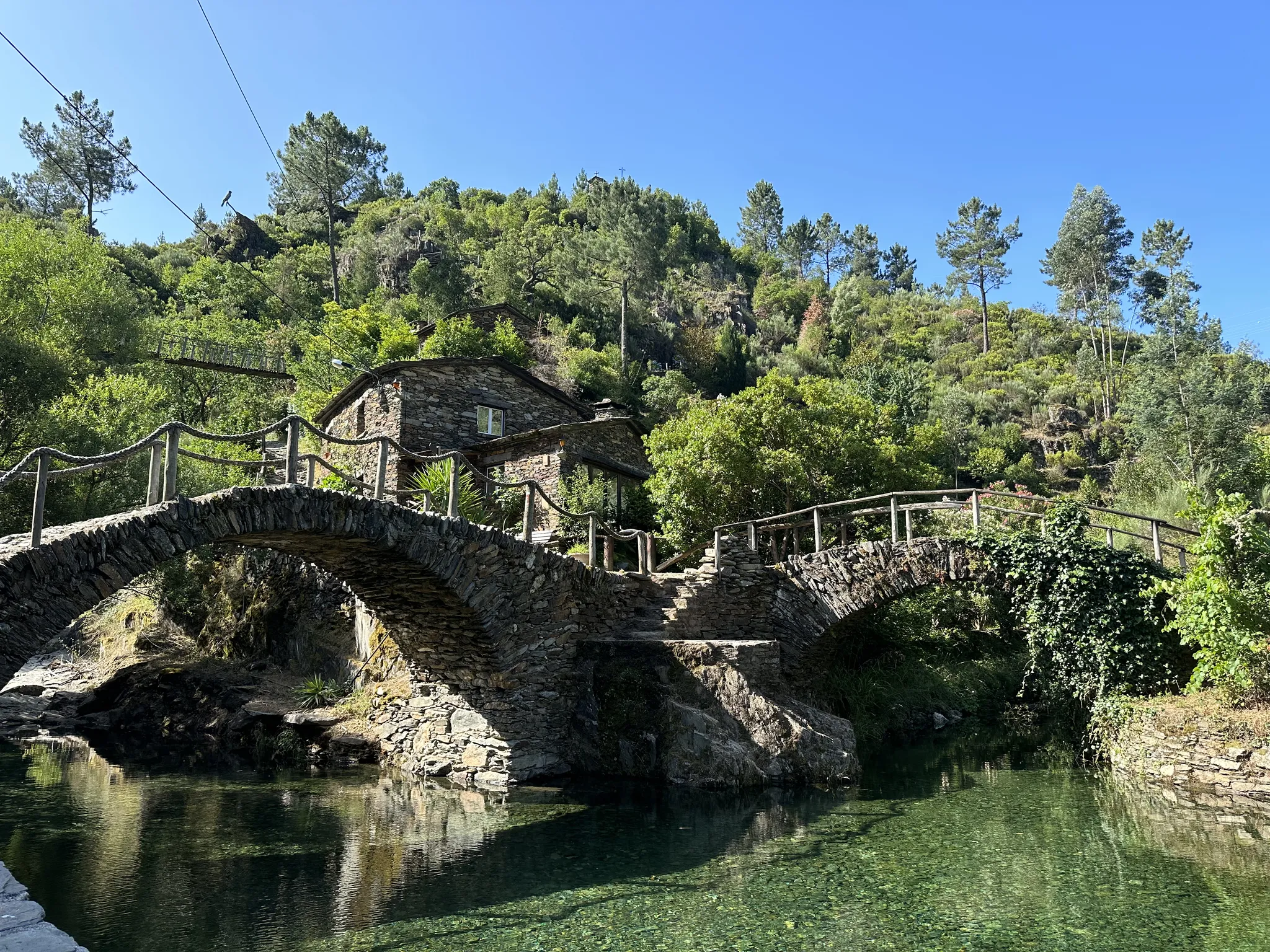
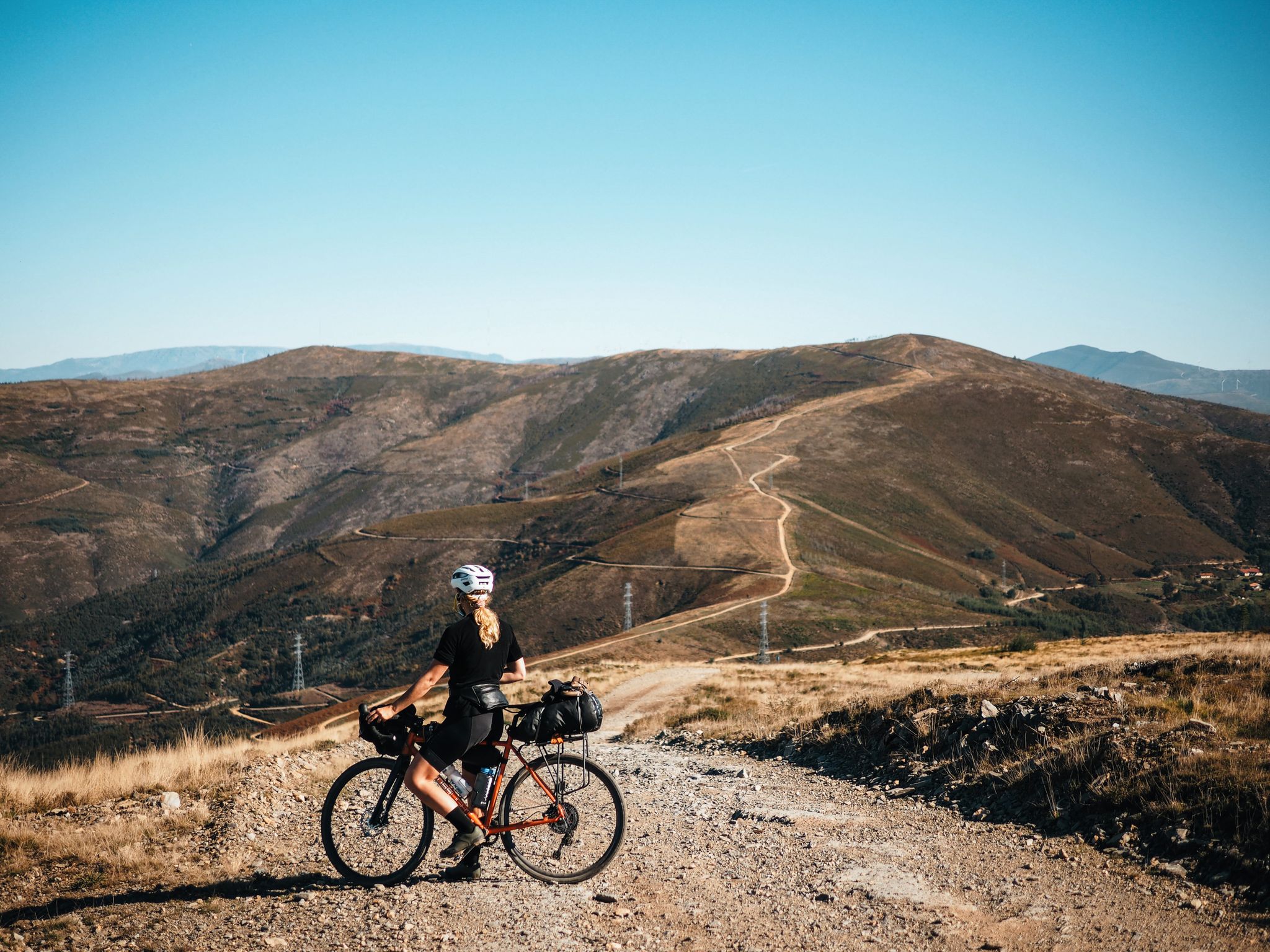
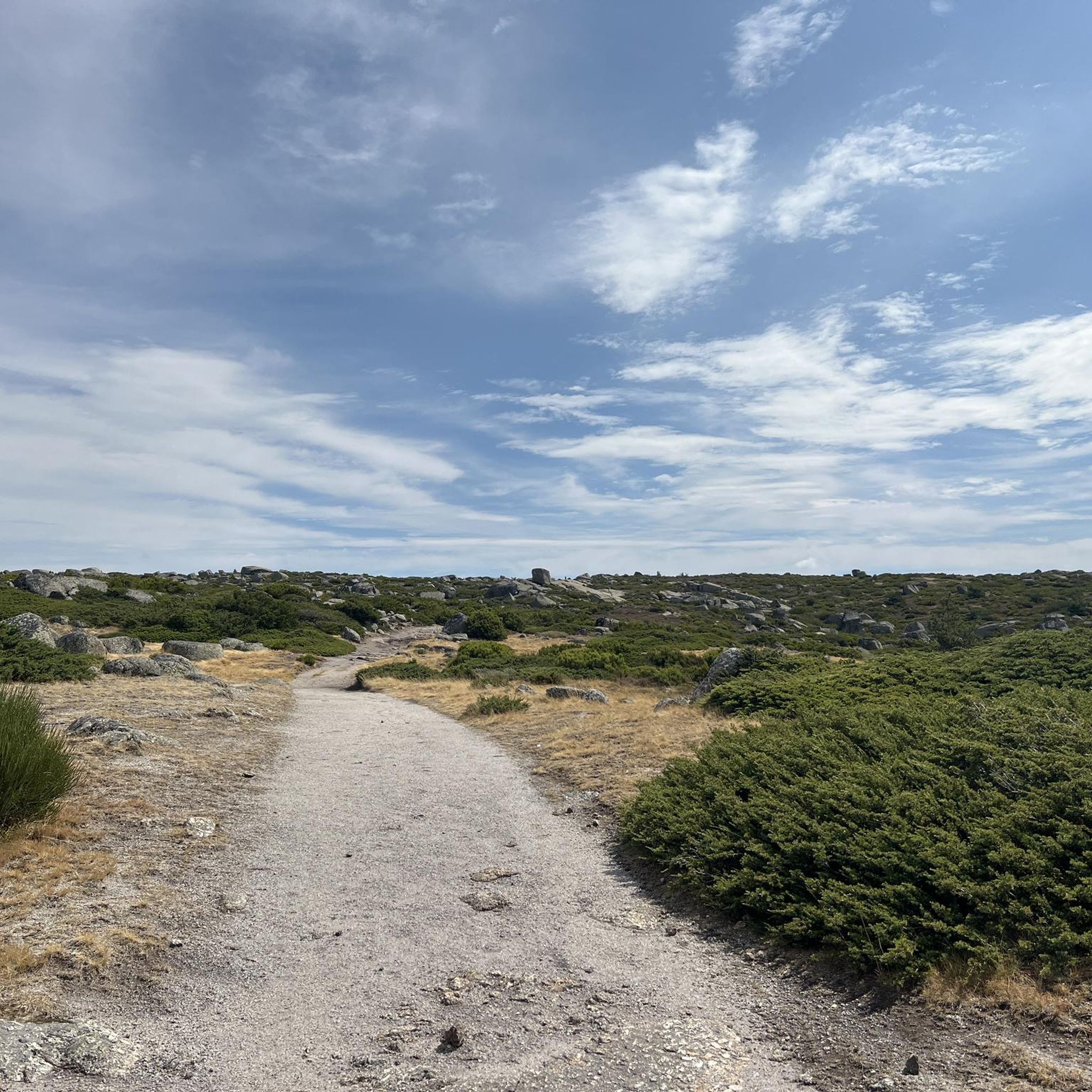
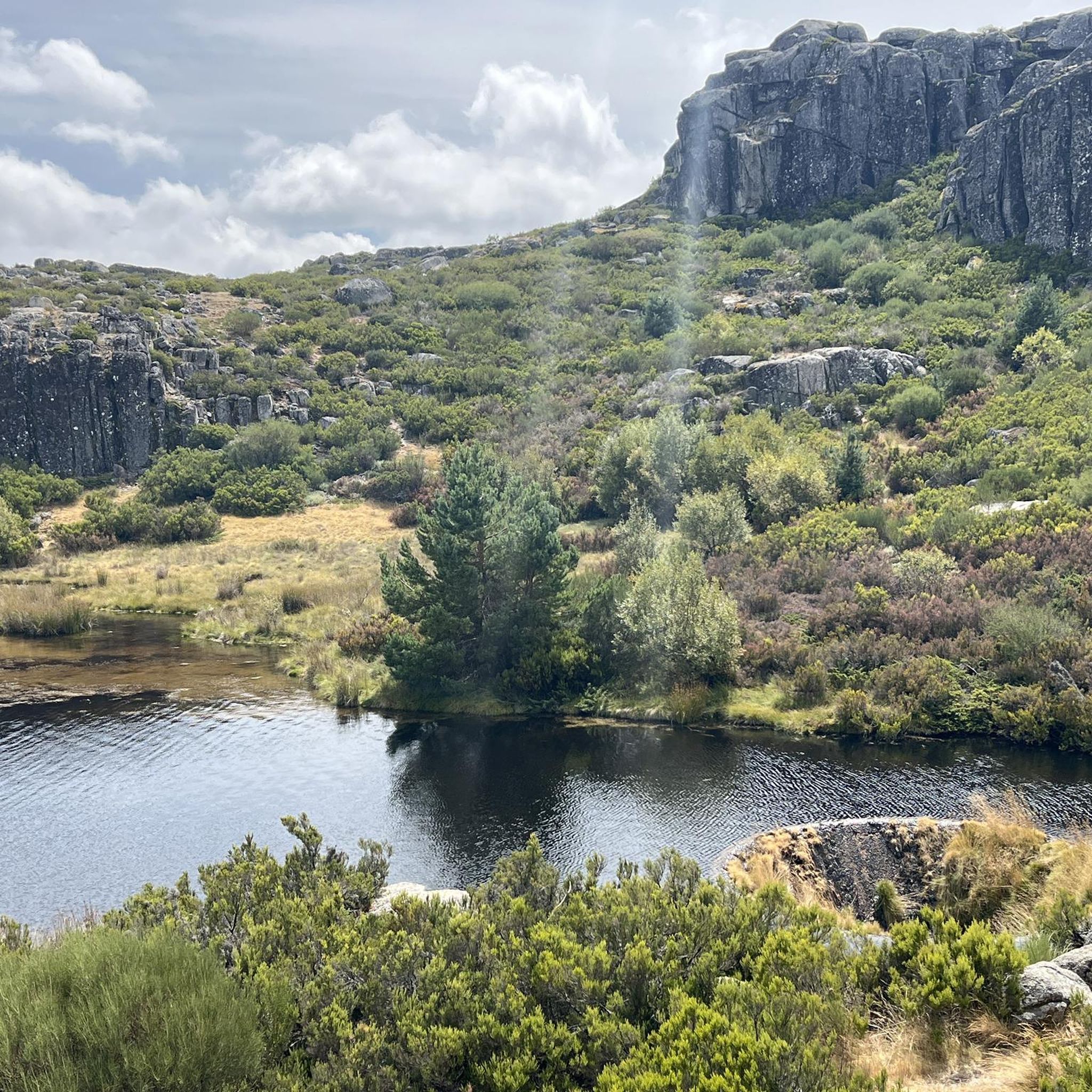


Tips from the Community

The Loriga Glacial Valley is an impressive geological formation of glacial origin, approximately 6.5 kilometers long, located in the municipality of Seia, right in the Serra da Estrela Natural Park. Shaped during the last ice age, this "U"-shaped valley stands out for its steep granite slopes, staircase-like cirques, and the famous village of Loriga, often nicknamed the "Portuguese Switzerland" due to its mountainous surroundings.👍🥾
0
0

The way is arduous, but the destination is worth it.
0
0
The Devil's Horns are a prominent granite rock formation with two horn-like points, located in the Serra da Estrela mountain range, near Lapa dos Dinheiros and Senhora do Desterro (not in Gerês, but in Seia, Portugal). They are the highlight of a famous circular hiking trail that follows a water channel and the Caniça stream, offering stunning landscapes, lagoons, and waterfalls. 👍🥾
0
0

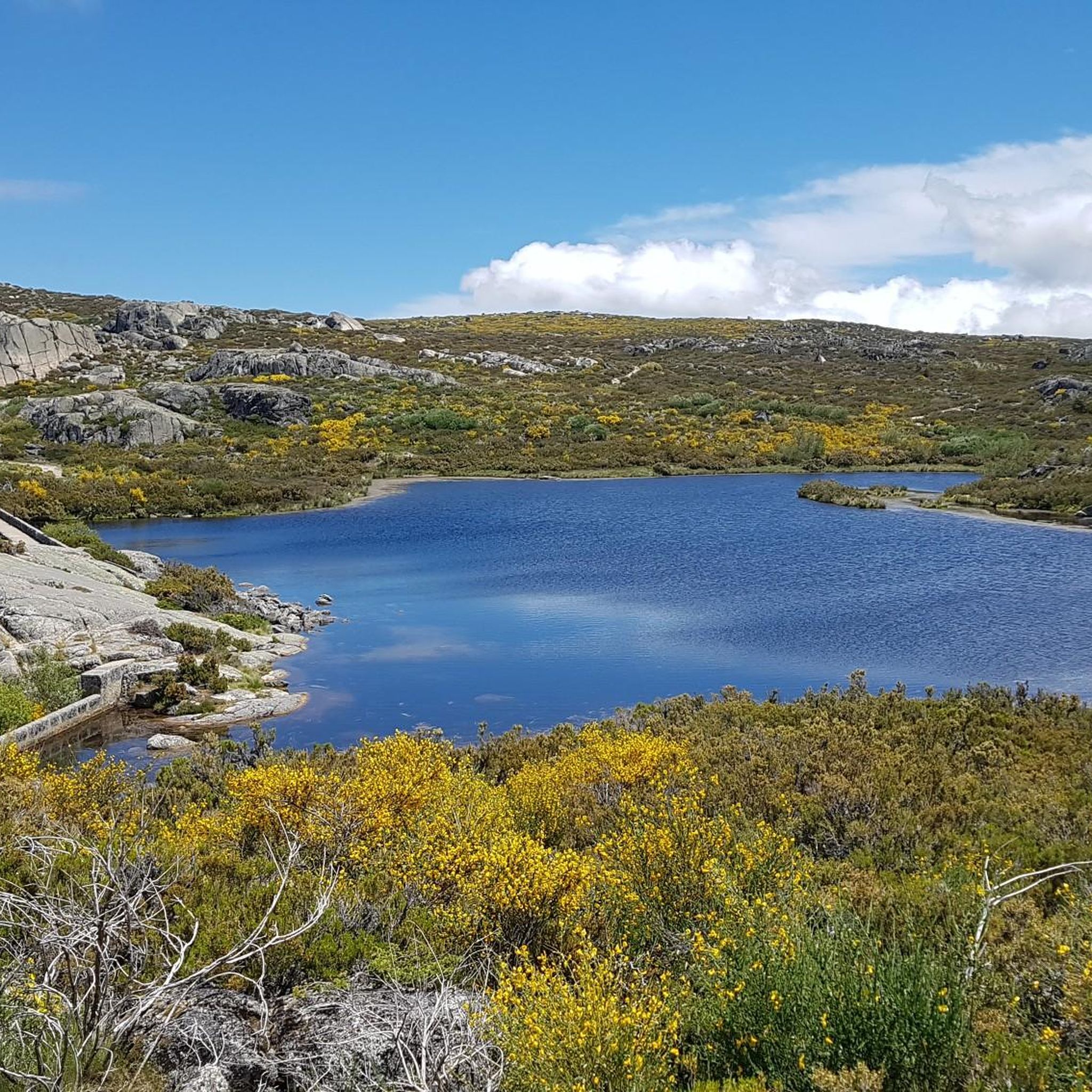
Covão dos Conchos is an artificial lagoon located in the Serra da Estrela Natural Park, Portugal, near the mountain village of Sabugueiro. Covão dos Conchos became famous for its bell-mouth spillway[1]. The spillway was built in 1955 to allow water to be transferred from the Ribeira das Naves River to Lagoa Comprida. It is part of the Serra da Estrela Hydroelectric System. This science fiction-style spillway became famous when photographs of the hole went viral on social media in 2016. Over the past 60 years, the growth of vegetation at the funnel's mouth has created extraordinary biodiversity and increased its ethereal allure. It is 4.6 meters high and 48 meters in circumference. The tunnel that collects the water is 1,519 meters long.
2
0
Covão dos Conchos is an artificial lagoon located in the Serra da Estrela Natural Park, Portugal, near the mountain village of Sabugueiro. Covão dos Conchos became famous for its bell-mouth spillway[1]. The spillway was built in 1955 to allow water to be transferred from the Ribeira das Naves River to Lagoa Comprida. It is part of the Serra da Estrela Hydroelectric System. This science fiction-style spillway became famous when photographs of the hole went viral on social media in 2016. Over the past 60 years, the growth of vegetation at the funnel's mouth has created extraordinary biodiversity and increased its ethereal allure. It is 4.6 meters high and 48 meters in circumference. The tunnel that collects the water is 1,519 meters long.
1
0
The Lapa dos Dinheiros river beach is in perfect harmony with nature. Located in the parish of Lapa dos Dinheiros, on the Caniça River, a right-bank tributary of the Alva River, this bathing area is nestled in a mountainous landscape dominated by the Lapa Souto (south of Lapa) and imposing granite outcrops. With clear water, very appealing for swimming, the beach boasts the award for accessible beach and has lifeguards and a bar available to visitors. The rugged terrain of the valley causes the river to form a succession of small waterfalls nearby. The Lapa Souto, in addition to its valuable collection of centuries-old chestnut trees, is also home to a high level of biodiversity. From the bridge, a pedestrian path leads to the Moura Hole and a viewpoint over the Caniça Waterfalls. The Buraco da Moura is a natural cave system created by the sliding and accumulation of large granite blocks, which formed a complex system of rooms and galleries. How to get there? Once in Seia, follow the EN231 to S. Romão. From there, continue uphill for about 5 km, toward Loriga/Lapa, until you find the sign for Lapa dos Dinheiros on the left. Once inside the town, simply follow the beach signs. Coordinates: 40º 23′ 07.0″ N / 7º 41′ 50.1″ W
1
0

A beautiful nature trail, about 9 km round trip to Covão dos Conchos. Unfortunately, on August 15th, the water couldn't reach the hole and thus reveal the waterfalls. It's a reservoir, part of the Serra da Estrela hydroelectric system. A funnel-shaped drainage structure that allows water to flow from this body of water to Lagoa Comprida. The spillway was built in 1955 to divert water from Ribeira das Naves to Lagoa Comprida. Over the past 60 years, moss and foliage have grown over the mouth of the funnel, creating a captivating spectacle. It is 4.6 meters high and 4.8 meters in circumference. The tunnel that collects the water is 1,519 meters long. It's a stunning place to visit, not only for the combination of human intervention and nature, but also for the surrounding landscape.
2
1
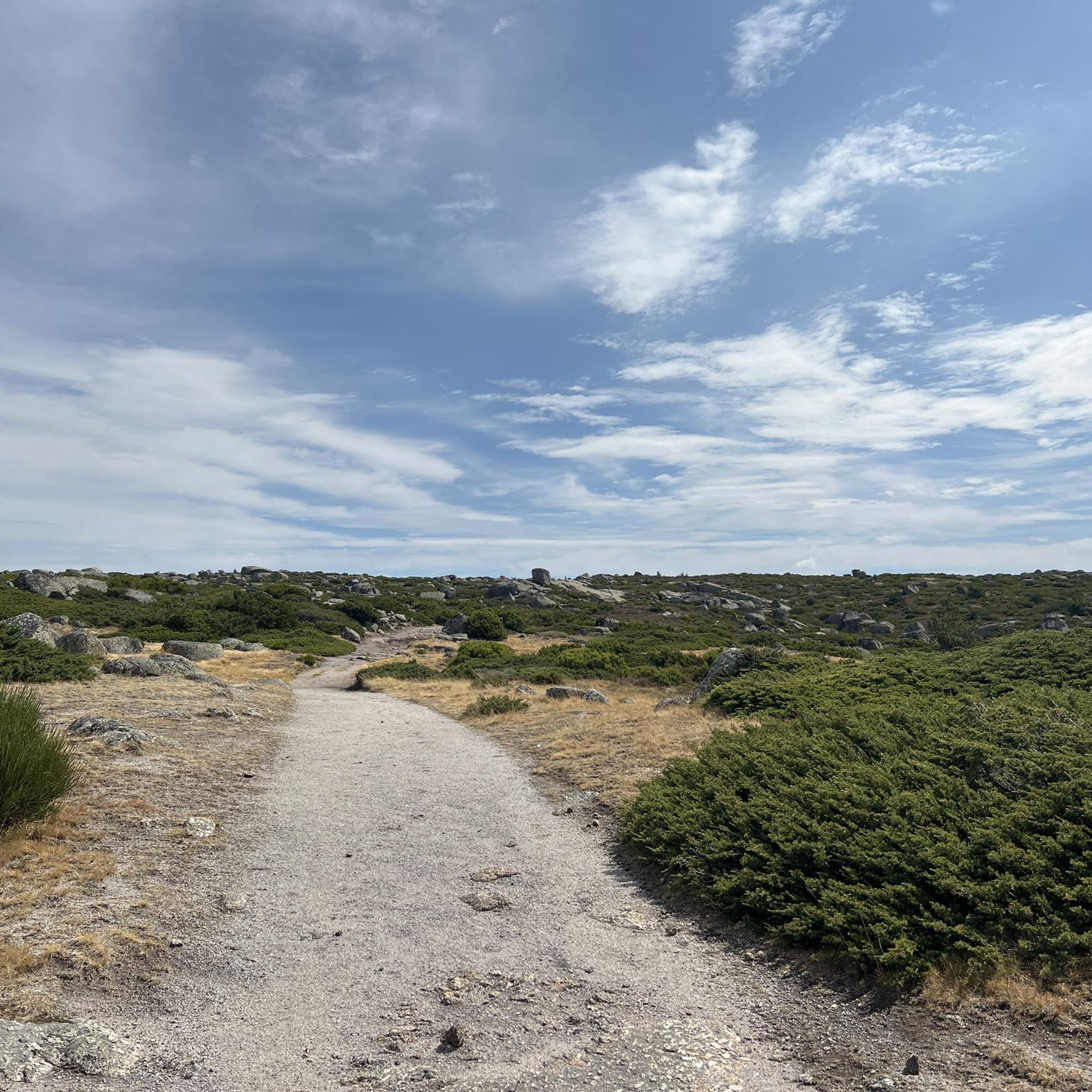
This reservoir, part of the Serra da Estrela hydroelectric system, is a popular tourist destination. Part of this attraction comes from a funnel-shaped drainage structure that allows water to flow from this body of water to Lagoa Comprida. The spillway was built in 1955 to divert water from Ribeira das Naves to Lagoa Comprida. The conical spillway was little known until photos of the hole went viral in 2016. Over the past 60 years, moss and foliage have grown over the mouth of the funnel, creating a captivating spectacle. It is 4.6 meters high and 4.8 meters in circumference. The tunnel that collects the water is 1,519 meters long. It is a stunning place to visit, not only for the combination of human intervention on nature, but also for the surrounding landscape. The trail from Lagoa Comprida leads here is truly beautiful in any season. Bring windbreaker and water.
2
0
Frequently Asked Questions
How many hiking trails are available around Seia?
Seia, nestled within the Serra da Estrela mountains, offers a diverse network of over 25 hiking trails. These routes cater to various skill levels, from gentle strolls to more demanding ascents, allowing you to explore the region's rugged terrain, dense forests, and panoramic views.
What kind of natural features can I expect to see on hikes near Seia?
Hiking around Seia offers majestic natural scenery within the Serra da Estrela Nature Park. You can discover cascading waterfalls like the Hidden cascade at Poço do Inferno, crystal-clear pools, and significant landmarks such as Covão d'Ametade and the Cântaros. Many trails also feature impressive rock formations and expansive views over the Rio Seia Valley.
Are there any family-friendly hiking options in Seia?
Yes, Seia offers several easy hiking options suitable for families. While specific family-designated routes aren't listed, the region has 11 easy trails that provide beautiful views and a chance to explore nature without strenuous effort. The area around Vale do Rossim, for instance, offers easy walks with scenic vistas.
Can I bring my dog on the hiking trails in Seia?
The Serra da Estrela Nature Park generally welcomes dogs on trails, provided they are kept under control, preferably on a leash, to protect local wildlife and ensure the safety of other hikers. Always check specific trail regulations or local signage for any restrictions before heading out with your pet.
Are there any circular hiking routes around Seia?
Yes, you can find circular routes in the Seia area. For example, the Circular do Planalto Superior is a moderate 8.9 km loop in Serra da Estrela, offering a great way to experience the high-altitude landscapes. Another popular option is the Covão dos Conchos and Lagoa Comprida Loop, a more challenging 11.1 km route that explores the scenic lake areas.
What is the best time of year to go hiking in Seia?
The best time to hike in Seia is typically during spring (April to June) and autumn (September to October) when the weather is mild and the landscapes are vibrant. Summer can be warm, especially at lower elevations, while winter brings snow to the higher peaks of Serra da Estrela, offering a different, more challenging hiking experience.
Are there any long-distance hiking trails that pass through Seia?
Yes, Seia is part of the network for longer routes. The Grande Rota do Alva (GR51) is a notable long-distance, linear route that passes through several municipalities in the region, offering a more challenging and immersive experience for hikers looking to cover significant distances.
What do other hikers enjoy most about the trails in Seia?
The hiking trails in Seia are highly rated by the komoot community, with an average score of 4.4 stars from over 550 reviews. Hikers frequently praise the diverse landscapes, from rugged mountains to dense forests, and the panoramic views. The unique natural features, such as the Covão dos Conchos, are also often highlighted as memorable experiences.
Are there any notable landmarks or attractions near the hiking trails?
Absolutely. Many trails lead to or pass by significant landmarks. You can visit the iconic Covão dos Conchos, explore the serene Long Lake, or even reach the Torre (Serra da Estrela Summit). The charming Historical Village of Piódão is also within reach for those looking to combine hiking with cultural exploration.
What is the difficulty level of hiking trails around Seia?
The trails around Seia offer a range of difficulty levels. You'll find 11 easy routes, 12 moderate trails, and 5 more difficult paths. This variety ensures that both casual walkers and experienced hikers can find suitable challenges. For instance, the Caniça Trail (PR10 Seia) is a moderate route with notable elevation changes, while the Ribeira de Loriga Route is a longer moderate option.
Are there places to eat or stay near the hiking areas in Seia?
Yes, Seia and its surrounding villages offer various amenities. Sabugueiro, an emblematic mountain village, is a good example of a place where you can find accommodation, cafes, and restaurants. The region provides options for hotels, guesthouses, and local eateries to refuel after your hikes.
What are some less crowded hiking options in Seia?
While popular spots like Covão dos Conchos can attract visitors, many trails in the vast Serra da Estrela Nature Park offer tranquility. Exploring routes in the middle sector of the Rio Seia Valley or lesser-known paths connecting to Vale do Rossim can provide a more secluded experience away from the main tourist hubs.
Most popular attractions around Seia

Get inspired with the komoot mobile app


Explore more
Browse the best Hikes in other regions.
