The 11 Most Amazing Peaks around Spreyton
Best mountain peaks around Spreyton offer a diverse landscape of granite tors and elevated viewpoints. This region features distinctive rock formations that provide panoramic views across moorland. The area is characterized by its unique geological features, including weathered outcrops and ancient historical sites. Visitors can explore a variety of natural monuments and summits, each with its own character and historical significance.
Best mountain peaks around Spreyton
- The most popular mountain peaks is Kes Tor and Rock Basin, a viewpoint…
Last updated: June 22, 2026
Hunter’s Tor
Highlight • Natural Monument
Tip by

Kes Tor and Rock Basin
Highlight • Viewpoint
Translated by Google •
Tip by

Sign up now to discover places like this
Get recommendations on the best single tracks, peaks, & plenty of other exciting outdoor places.
Sign up for free
Higher Tor
Highlight • Summit
Tip by

Oke Tor
Highlight • Viewpoint
Look west to the summits of Yes Tor and Willhayes, the two tallest peaks on Dartmoor. …
Tip by

Cosdon Beacon
Highlight • Historical Site
Tip by
Sign up for free to discover even more peaks around Spreyton.
Sign up for free
Already have an account?
Start today with a free account
Your next adventure awaits.
Login or Signup
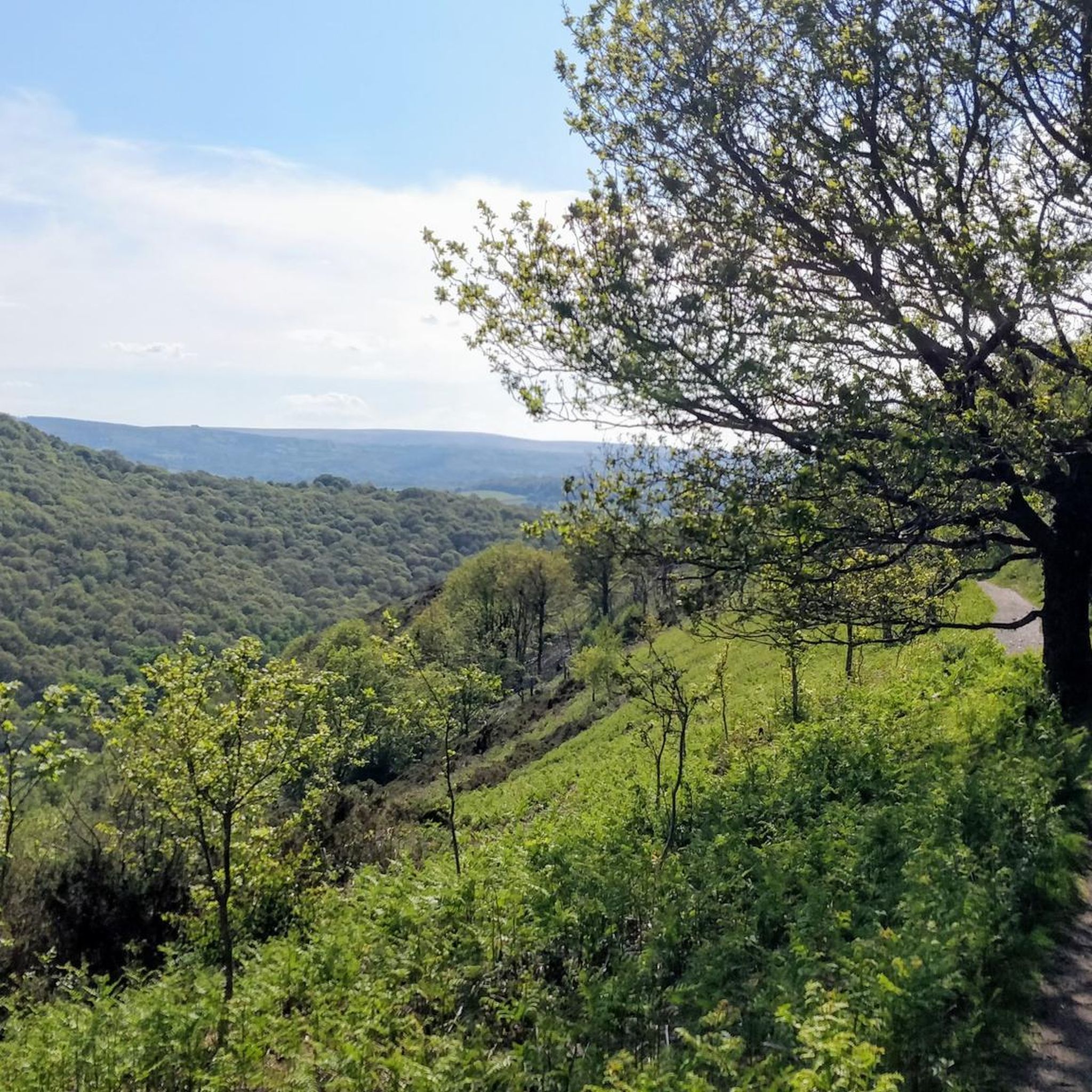
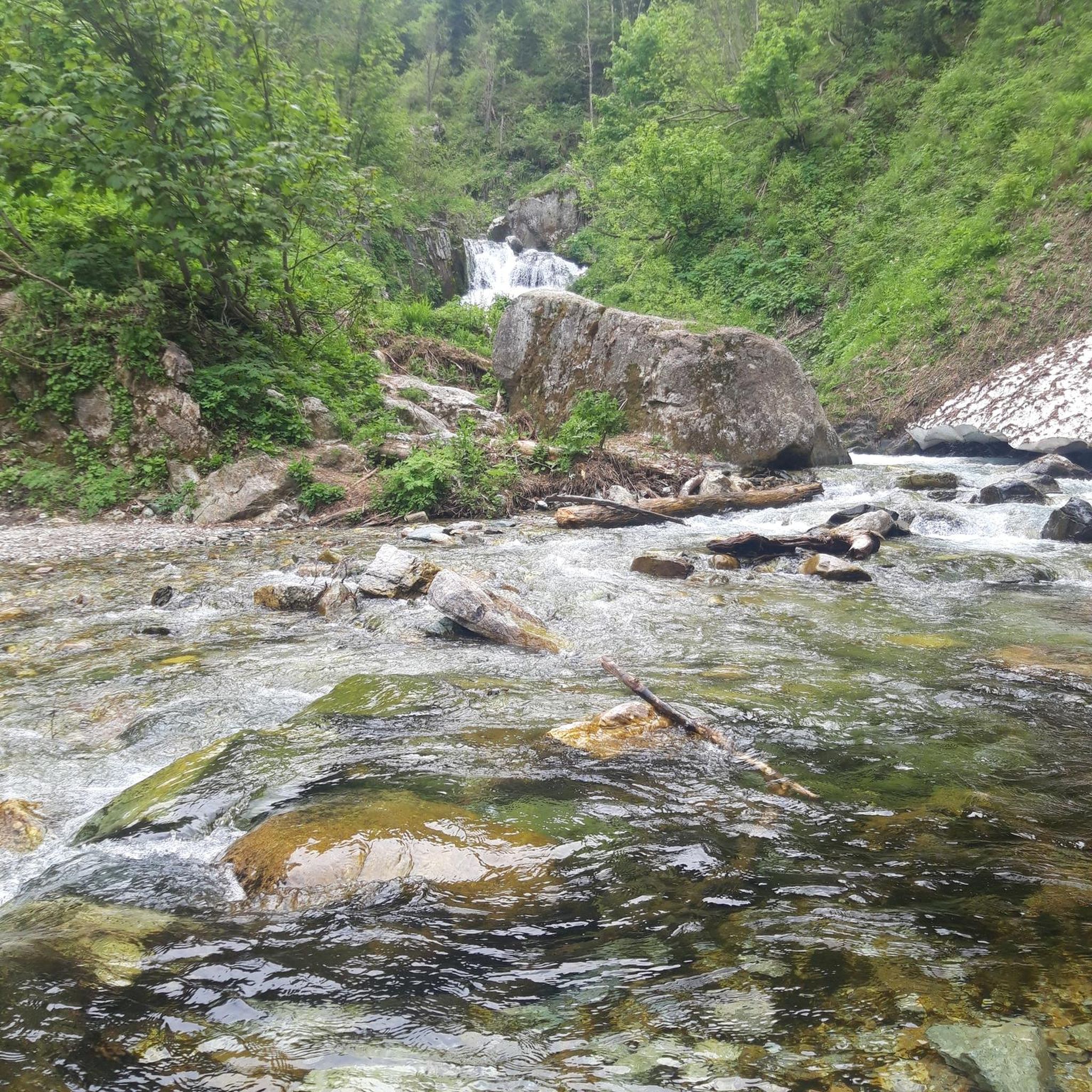
Tips from the Community

Hunters Tor on Dartmoor – overview and practical guide Notes on the feature Name variants: Hunters Tor (also found in some guides as “Hunters’ Tor” or “Hunters Tor” with occasional apostrophe usage). It is one of the granite tors you’ll encounter on the eastern Dartmoor plateau. Location context: Situated on the eastern Dartmoor moor, in the general area between Widecombe-in-the-Moor and the higher moorland to the north and east. It’s often visited as part of longer routes from classic eastern Dartmoor starting points. What to expect Elevation and geology: A granite tor typical of Dartmoor—weathered outcrops with rough boulder features and exposed granite. Provides a vantage point to survey surrounding moorland. Scenery: Wide moorland views with horizon lines; potential for good visibility across East Dartmoor on clear days. Getting there Access points: Likely starting points include car parks and laybys near the eastern moor, with access from roads serving Widecombe-in-the-Moor, Ashburton, or Two Bridges. Public transport: Buses to nearby villages with a short walk onto the moor; check current timetables. Parking: Local parking areas around the eastern moorland; follow local signage and
0
0

It is a distinctive rock, not only for its magnificent views, but also for its huge rock pool at the summit, formed by the weathering of weakened feldspar crystals. Before geological processes were fully understood, rock pools were described in folklore as the work of the Druids, who needed a camp as close to the sky as possible to "store sacred water and collect the blood of human sacrifices". More info here: https://visitdartmoor.co.uk/things-to-do/moors-tors/kes-tor/
6
0

Just below Belstone Tor, Higher Tor is huge. The granite rocks extend across the hillside and give a glimpse into the past when the whole of the area would have been strewn with rock. Running up here you'll find rewarding views across to Yes Tor in the West and Cosdon Hill in the east.
0
0
Sometimes called Cawsand Beacon or Cosdon Hill, Cosdon Beacon was once thought to be the highest peak on Dartmoor. Willhayes has since taken the crown but that doesn't take away the immenseness of this spot. Bronze Age settlements have been found on the west of the hill and evidence of neolithic tools. It is peppered with cairns and kistvaens which shine a light on the historic importance of the site. On a clear day both the English and Bristol Channels can be see from high up here.
1
0
From the top of the rocks there are 360 degree views atop Oke Tor. Look west to the summits of Yes Tor and Willhayes, the two tallest peaks on Dartmoor. Oke Tor sits within the Dartmoor Military Range. It is sometimes shut for military exercises so please check the website before you travel to ensure access is open. https://www.gov.uk/government/publications/dartmoor-firing-programme
1
0

This majestic tor sits a short distance below the castellated peaks of Belstone Tor but retains its own character and is very distinct. Its huge granite mass, which from certain angles is block-like, is on the southern side of Belstone Common. The tor is a truly epic rock formation in its own right that is noted for its striking jointings, looking a little like tightly packed cubes that are accentuated by patches of moor grass. Indeed, Hemery (1983) describes it as a "splendid ruin of Nature" that "has a massive east face - resembling cyclopean masonry - and a huge break-away on both south and west sides." Collingwood (2017) later remarks that "Its bulk and pattern of jointing make it unforgettable." Higher Tor affords terrific views in all directions, even to the north where the fine southern outcrop of Belstone Tor stands in stark contrast as a smooth-faced pile. To the south, Oke Tor sits on the elongated ridgeline that extends towards Knack, but it is perhaps the grand Steeperton Hill, that is topped by Steeperton Tor, that is the most conspicuous landmark towering high above Taw Marsh. Whilst modern Ordnance Survey Maps place Higher Tor south of the ridge summit where Belstone Tor resides, that was not always the case. The survey of Devon, by Lieutenant Colonel William Mudge, in 1809, named the summit 'Higher Tor' as one might expect and placed Belstone where Higher is now. Whilst it makes sense that the highest point on the ridge would be named 'Higher Tor', later surveys were amended and this is now the accepted location. This alteration juxtaposes the widely accurate survey of Mudge and the reason for the movement of the two names remains to be seen. It is an anomaly that rarely, if ever, receives attention. The entire moorscape, capped by tremendous rockpiles as far as the eye can see, is well worth a visit, and the visitor will not be left disappointed by what he finds here, as it is one of the most captivating pieces of scenery on Dartmoor.
2
1


Frequently Asked Questions
What are the most popular mountain peaks around Spreyton?
The komoot community highly recommends Kes Tor and Rock Basin, known for its magnificent views and a unique rock pool at the summit. Other popular choices include Hunter’s Tor and Higher Tor, both offering stunning panoramic views of the moorland.
What kind of natural features can I expect to see on the peaks near Spreyton?
The peaks around Spreyton are characterized by distinctive granite tors, which are weathered rock outcrops. You'll find features like the huge rock pool at Kes Tor and Rock Basin, the striking jointings of Higher Tor, and wide moorland views with expansive horizon lines from many summits.
Are there any historical sites or ancient monuments on these peaks?
Yes, several peaks have historical significance. Kes Tor and Rock Basin is linked by folklore to ancient Druid ceremonies. Cosdon Beacon is particularly rich in history, with evidence of Bronze Age settlements, cairns, and kistvaens, highlighting its importance through millennia.
What are the best viewpoints for panoramic scenery?
For breathtaking panoramic views, consider Kes Tor and Rock Basin, Hunter’s Tor, and Higher Tor, all of which offer terrific views in all directions across the moorland. Oke Tor also provides 360-degree views, including the two tallest peaks on Dartmoor.
What outdoor activities can I do near the mountain peaks around Spreyton?
Beyond hiking to the peaks, the area offers a variety of outdoor activities. You can explore numerous cycling routes, including those for touring bicycles, by checking out the Cycling around Spreyton guide. For off-road adventures, there are gravel biking options in the Gravel biking around Spreyton guide and dedicated mountain biking trails in the MTB Trails around Spreyton guide.
Are there specific hiking trails to reach these peaks?
Yes, the peaks are accessible via various hiking routes. For example, Hunter’s Tor is often visited as part of longer routes from eastern Dartmoor starting points. Many of these peaks are integrated into the wider network of trails across Dartmoor, offering options for different skill levels.
What should I know about accessibility and difficulty for these mountain peaks?
Many of the highlighted peaks, such as Kes Tor and Rock Basin, Hunter’s Tor, Higher Tor, and Oke Tor, are generally rated as intermediate difficulty. This often involves walking over uneven moorland terrain and some scrambling on the granite outcrops. Always check specific route details for the most accurate difficulty assessment.
Is there anything special to consider when visiting Oke Tor?
Oke Tor sits within the Dartmoor Military Range. It is sometimes shut for military exercises, so it's crucial to check the firing programme before you travel to ensure access is open. You can find this information on the official government website.
What do visitors enjoy most about the mountain peaks around Spreyton?
Visitors frequently praise the magnificent views and the unique geological formations. The sense of history, particularly at sites like Kes Tor and Rock Basin and Cosdon Beacon, also adds to the appeal. The komoot community has shared 37 photos and given 132 upvotes, indicating a strong appreciation for the area's natural beauty and captivating scenery.
Are there any family-friendly mountain walks near Spreyton?
While many of the prominent tors involve intermediate-level hiking, the broader Dartmoor area offers a range of walks. For family-friendly options, look for routes that avoid steep scrambles and are shorter in duration. Always check the specific trail descriptions for suitability for children and varying fitness levels.
What is the best time of year to hike the mountains near Spreyton?
Spring and summer generally offer the most pleasant weather for hiking, with longer daylight hours and milder temperatures. However, Dartmoor weather can be unpredictable, so always be prepared for changing conditions. Autumn can also be beautiful with vibrant colors, but days are shorter. Winter hiking is possible but requires appropriate gear and caution due to potential for cold, wet, and windy conditions.
Can I see both the English and Bristol Channels from any of these peaks?
Yes, from high up on Cosdon Beacon, on a clear day, you can see both the English and Bristol Channels. This makes it a particularly rewarding viewpoint for expansive coastal views.
Most popular attractions around Spreyton

Get inspired with the komoot mobile app


Explore more
See even more amazing summits around Spreyton with these guides:
