The best walks and hikes in Tuscany
4.4
(53148)
235,713
hikers
15,430
hikes
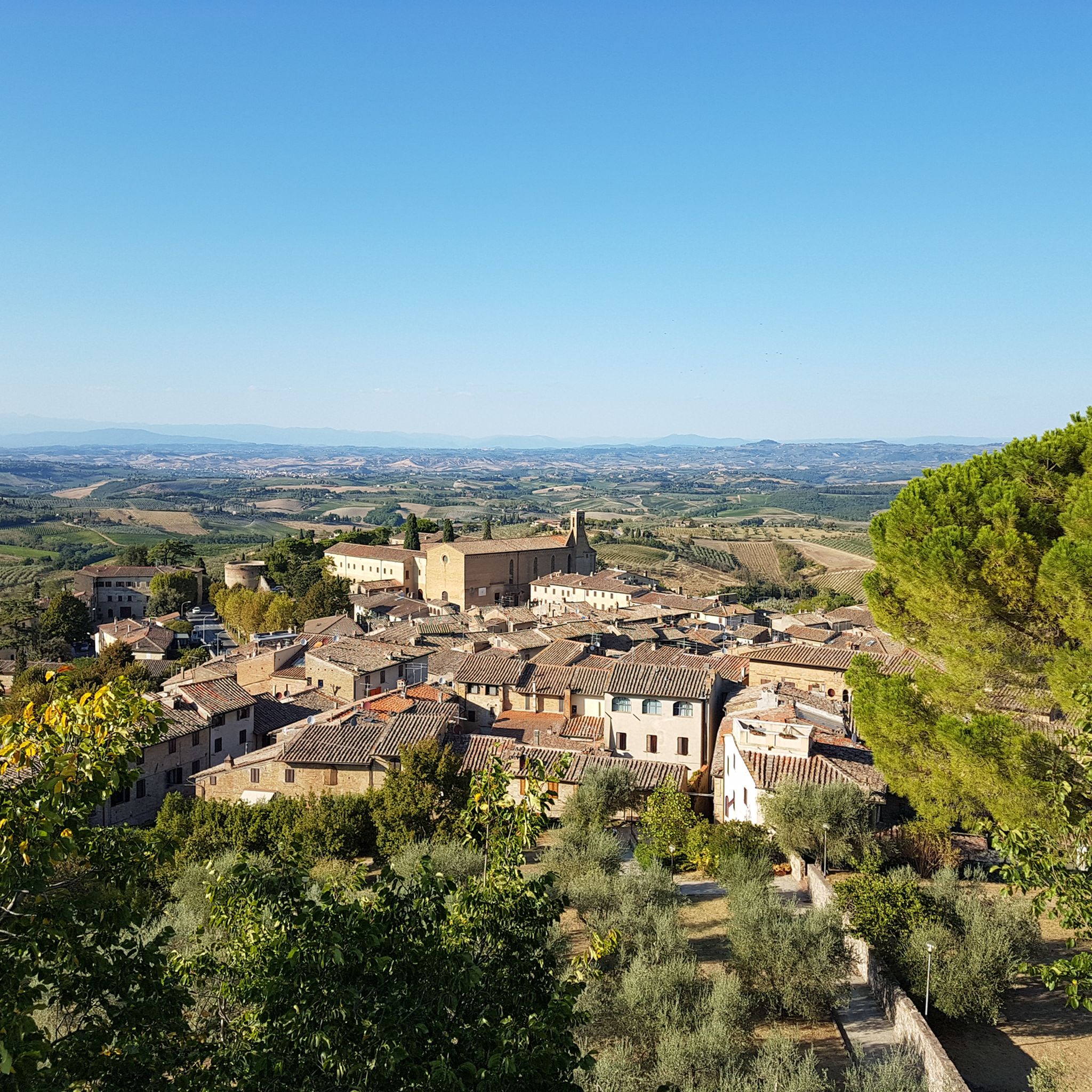
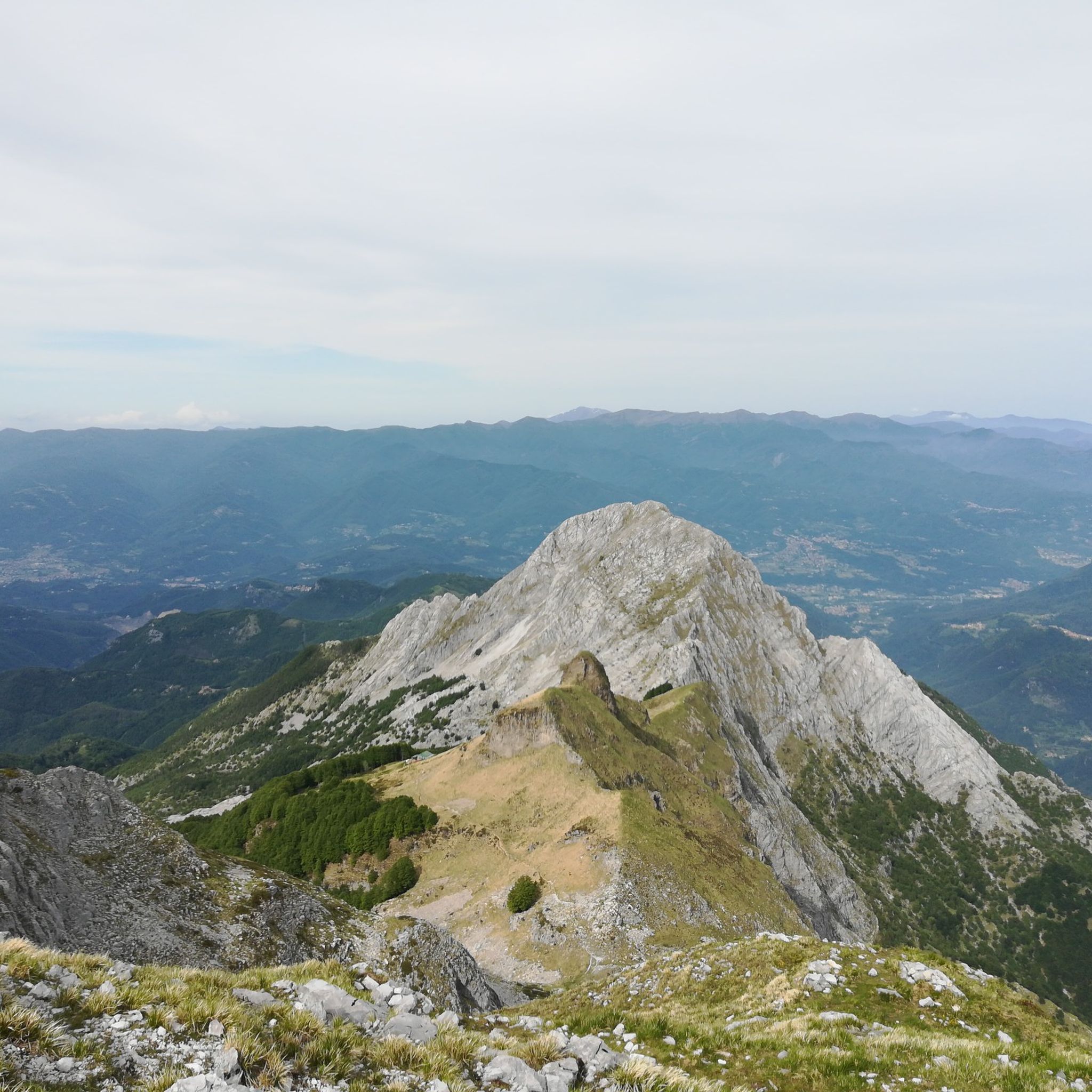
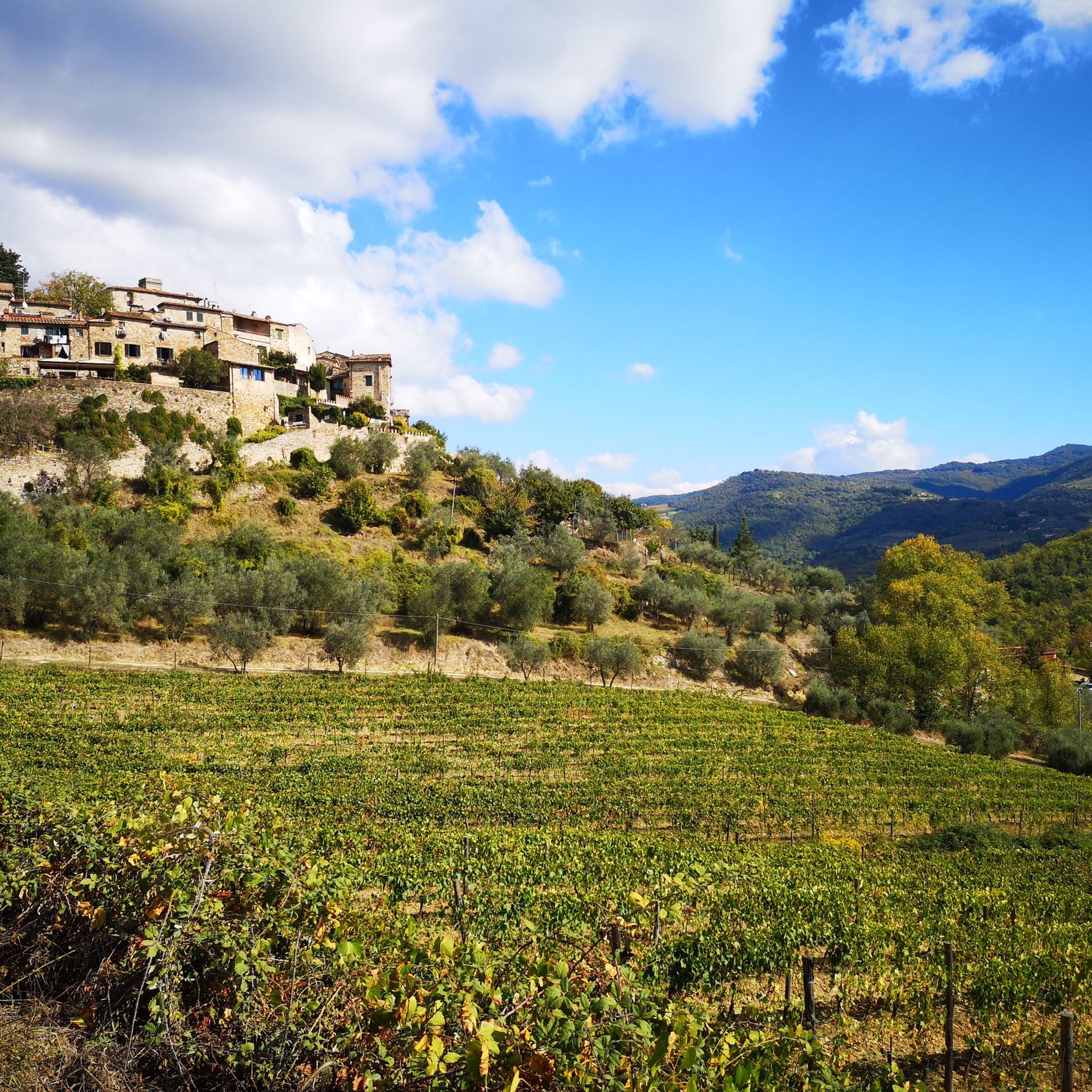
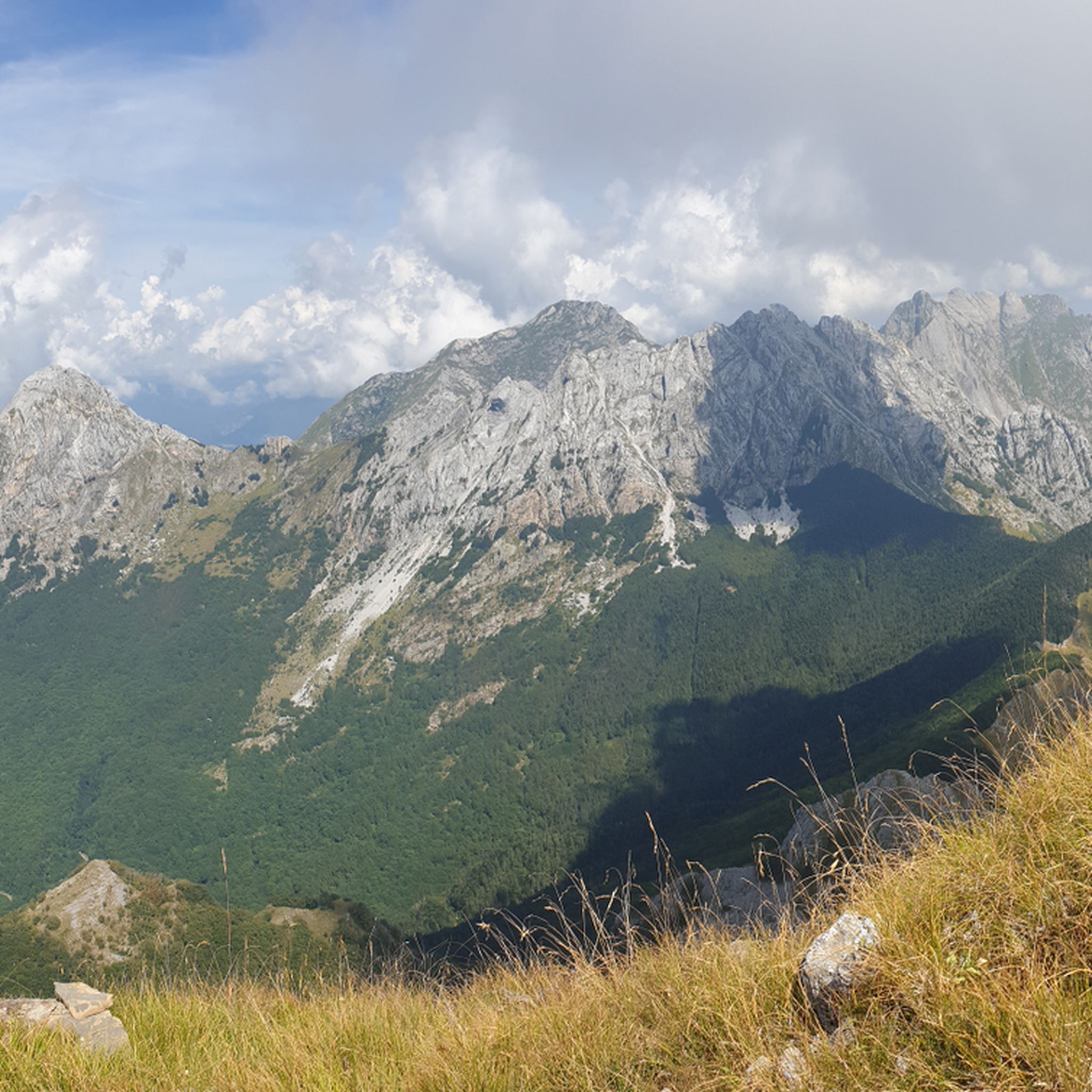
Hiking in Tuscany offers diverse landscapes, from the iconic rolling hills covered in vineyards and olive groves to the rugged peaks of the Apennine Mountains. The region features extensive dense forests, such as those in the Casentinesi Forest National Park, and a varied coastline with sandy beaches and cliffs. Rivers and valleys, like the Val d'Elsa, also crisscross the territory, providing a range of natural environments for outdoor activities.
Best hiking trails in Tuscany
- The most popular hiking route is Poggio to Monte Capanne Trail, a moderate 4.2 miles (6.8 km) trail that takes 3 hours 8 minutes to complete. This route ascends Monte Capanne, offering panoramic views across Elba Island and the Tuscan Archipelago.
- Another top favourite among local hikers is The River Park of the high Val D'Elsa — Ring tour, an easy 3.6 miles (5.9 km) path. This trail follows the course of the Elsa river, featuring clear waters and lush riverside vegetation.
- Local hikers also love the The landscapes around Greve in Chianti – Ring tour, a 5.3 miles (8.6 km) trail leading through the renowned Chianti wine region, often completed in about 2 hours 32 minutes.
- Hiking in Tuscany is defined by rolling hills, Apennine peaks, and dense forests. The network of hiking trails offers options for various ability levels, from gentle vineyard strolls to challenging mountain ascents.
- The routes in Tuscany are highly rated by the komoot community with an average score of 4.5 stars from over 42000 reviews. More than 199000 hikers have used komoot to explore Tuscany's varied terrain.
Last updated: October 13, 2026
4.0
(254)
1,032
hikers
5.85km
01:32
40m
40m
Embark on an easy hike along the Elsa River, known for its striking crystal-clear, turquoise waters and lush woods. This 3.6-mile (5.9 km) ring tour takes about 1 hour and 31 minutes to complete, with a minimal elevation gain of 145 feet (44 metres). You will follow natural paths and footpaths, encountering wooden walkways and stepping stones that cross the river. The route is celebrated for its "enchanted corners" and cool, shaded environments, perfect for a summer excursion. A highlight is the impressive 15-meter-high Diborrato waterfall, which plunges into a deep pool. While generally flat, some river crossings require attention, and your feet might get wet.
The River Park trail is easily accessible from various points within Colle di Val d'Elsa, with convenient parking available nearby. This easy route is suitable for most people, including families, though strollers are not recommended due to the nature of the river crossings. Be prepared for your feet to potentially get wet when navigating the stepping stones and rope-assisted sections. The cool, shaded environments make it a particularly pleasant option for summer excursions. Beyond hiking, you can find areas along the river suitable for swimming, and soft rafting sessions are also offered for a different perspective of the waterway.
This natural oasis in Tuscany blends natural beauty with historical intrigue. Along the trail, you can discover Le Caldane, ancient thermal baths with Etruscan and Roman origins, showcasing the area's long thermal tradition. The route also passes by 11th-century hydraulic engineering marvels like La Steccaia and Callone Reale, which once channeled river water to power local artisanal activities. The River Park is rich in biodiversity, offering opportunities to spot various animal species like herons, egrets, and kingfishers.
4.6
(207)
1,323
hikers
20.7km
05:50
420m
350m
Hard hike. Very good fitness required. Easily-accessible paths. Suitable for all skill levels.

4.6
(242)
1,369
hikers
13.5km
04:04
420m
400m
Moderate hike. Good fitness required. Easily-accessible paths. Suitable for all skill levels.
4.6
(339)
1,805
hikers
6.77km
03:08
590m
590m
Embark on the Poggio to Monte Capanne Trail, a moderate hike that takes you to the highest point of the Tuscan Archipelago. This route covers 4.2 miles (6.8 km) and involves a significant climb of 1949 feet (594 metres), typically taking around 3 hours and 8 minutes to complete. You will experience varied terrain, beginning in cool, lush chestnut woodlands before the path transitions to fragrant Mediterranean scrub. As you ascend, look forward to encountering unique granite rock formations and eventually reaching the Monte Capanne Summit, where sweeping 360-degree views await, stretching across Elba Island, the Tuscan coast, and even Corsica on clear days. The journey offers a rich display of local flora and fauna, making every step a discovery.
To make the most of your visit, consider hiking during spring or autumn to avoid the intense summer heat. If you prefer a less strenuous ascent, a distinctive open-basket cable car from Marciana provides a scenic alternative to reach the summit. Many hikers choose to ascend on foot and then take the cable car down, or vice versa, offering flexibility for your adventure. Always check local conditions and cable car operating hours before you go.
This trail is a highlight within the Monte Capanne — National Park of the Tuscan Archipelago, an area renowned for its ecological significance. The unique granite geology and diverse plant life contribute to a rich ecosystem you will observe throughout your hike. Reaching the summit offers not just physical reward but also a profound connection to the island's natural grandeur, providing a unique perspective on Elba and its surrounding waters.
4.7
(332)
1,133
hikers
Embark on an easy hike around the Gulf of Capoliveri, a 3.9-mile (6.2 km) ring tour on Elba Island. This route takes about 1 hour and 47 minutes to complete, with an elevation gain of 490 feet (149 metres), making it suitable for nearly any fitness level. You will traverse natural paths, some paved sections, and unpaved stretches, all while enjoying constant panoramic views of the coastline and the Mediterranean Sea. Look out for the village of Capoliveri perched on a hill, offering elevated perspectives over the surrounding plains and gulfs.
This popular route is easily accessible and offers a blend of coastal beauty and Mediterranean scrub. While the terrain is generally easy, some parts might feature slate-like, pointed, and sharp white stones. The scent of rosemary often fills the air, enhancing your experience. This hike is a great option if you are looking for a straightforward and scenic outdoor activity on Elba Island.
Located within the Tuscan Archipelago National Park, this trail is the most popular hiking route around Capoliveri. The area is rich in history, having been an Etruscan settlement and a medieval village. You might also encounter old miners' paths, as the region was historically significant for iron ore mining. The broader Monte Calamita area, which includes this trail, offers sweeping panoramas that can encompass all of Elba, other islands of the Tuscan Archipelago, and even the Tuscan mainland.
4.7
(140)
805
hikers
26.4km
07:31
680m
410m
Hard hike. Very good fitness required. Easily-accessible paths. Suitable for all skill levels.
4.5
(244)
869
hikers
7.25km
02:13
250m
250m
Embark on the Acropoli di Populonia and Buca delle Fate - Loop tour, a moderate hike spanning 4.5 miles (7.3 km) with an elevation gain of 817 feet (249 metres), typically completed in 2 hours and 12 minutes. This route guides you through fragrant Mediterranean scrub and holm oak woods, revealing dramatic cliffs and rocky coves overlooking the sea. You will encounter ancient paved roads and uphill segments with steps, leading to breathtaking panoramic views over the Gulf of Baratti, the Island of Elba, and sometimes even Corsica. The trail's highlight is Buca delle Fate, a beautiful bay known for its crystal-clear waters and sea-sculpted rocks.
When planning your visit, be prepared for varied terrain that includes both natural paths and historical sections. The route is part of the Archaeological Park of Baratti and Populonia, suggesting a managed area where you might find facilities or specific access points. Given the moderate difficulty and varied landscape, wearing appropriate hiking footwear is advisable. The trail's blend of coastal views and historical sites makes it a rewarding experience for those looking to combine nature with ancient history.
This loop tour offers a unique journey through history, traversing the Archaeological Park of Baratti and Populonia, a significant Etruscan and Roman city. You can explore the Acropolis of Populonia, where ruins of Etruscan and Roman temples, ancient city walls, and mosaics are still visible. The trail also passes by Etruscan necropolises, featuring chamber tombs carved into the rock near Buca delle Fate, providing a glimpse into ancient burial practices. Populonia was also an ancient center for iron processing, and the park preserves evidence of its industrial past, adding another layer to its rich heritage.
4.6
(139)
695
hikers
25.7km
06:55
220m
400m
Hard hike. Very good fitness required. Easily-accessible paths. Suitable for all skill levels.
4.6
(249)
684
hikers
8.05km
02:21
210m
210m
Embark on a moderate hike along the Trail of the Weirs, a 5.0-mile (8.0 km) route that guides you through the picturesque Chianti hills. You will gain 703 feet (214 metres) in elevation over approximately 2 hours and 20 minutes, immersing yourself in a classic Tuscan landscape. Expect to see rolling vineyards, ancient olive groves, and tall cypress trees, with a particularly scenic stretch following the Agliena River where you can observe the historic Weirs of the Agliena.
This route begins and ends conveniently near the historic center of Barberino Val d'Elsa, where you can find parking and other amenities. While most paths are easily accessible, some sections require you to be sure-footed, as the trail combines dedicated hiking paths, footpaths, and portions on local roads. Consider starting your hike in the morning to enjoy cooler temperatures and fewer people on the trail.
The Trail of the Weirs offers a unique blend of natural beauty and historical intrigue. The route is notable for its diverse terrain, transitioning from cultivated fields to wilder, rockier, and wooded areas. The highlight is undoubtedly the ancient Weirs of the Agliena, some of which are believed to have been designed by Leonardo da Vinci, adding a fascinating historical layer to your outdoor adventure.
4.6
(239)
635
hikers
5.90km
02:18
320m
330m
Embark on a moderate hike through the scenic Candalla valley, where the lively Lombricese stream cascades over waterfalls. This 3.7-mile (5.9 km) loop involves a climb of 1041 feet (317 metres), typically taking around 2 hours and 18 minutes to complete. As you traverse the diverse landscape, you'll discover charming villages like Casoli, known for its unique murals, and pass by ancient mill ruins. The route offers a rewarding experience, blending natural beauty with a rich historical past.
Your journey begins from the picturesque locality of Ponte di Candalla. While much of the path is accessible, some sections can be narrow, so ensure you are sure-footed. Plan your visit to allow ample time to enjoy the varied scenery and historical points of interest along the way.
This trail is part of the larger "Camaiore Antiqua" project, which aims to rediscover old paths and historical beauty within the region. You will explore the Parco Regionale delle Alpi Apuane, encountering historical chestnut drying kilns in Metato and the Medieval Ruins of Monte Penna. It's a unique opportunity to connect with the area's heritage and natural environment.
Get access to more routes and recommendations from other explorers.
Already have an account?
Our route recommendations are based on thousands of hikes, rides, and runs completed by other people on komoot.
Start today with a free account
Your next adventure awaits.
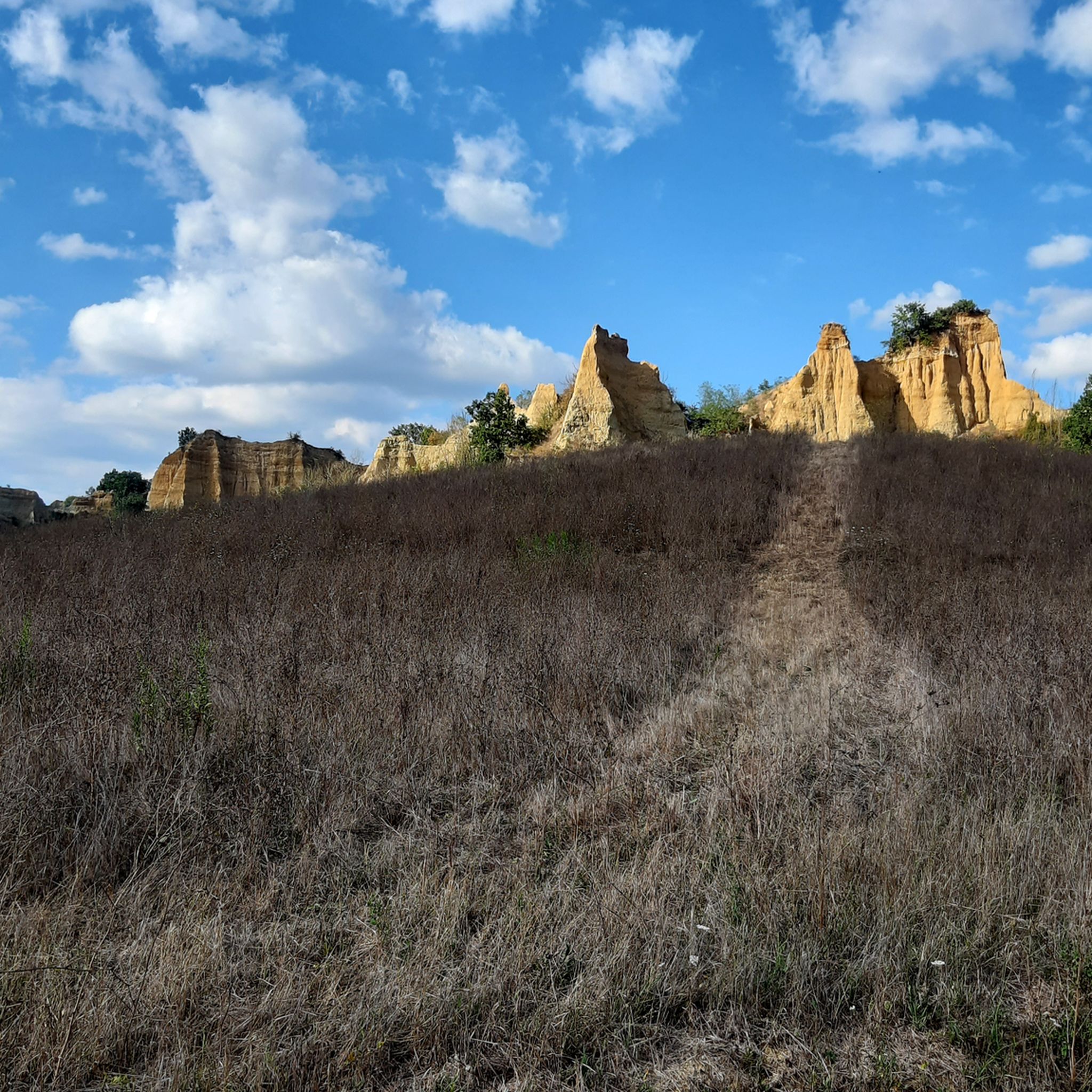
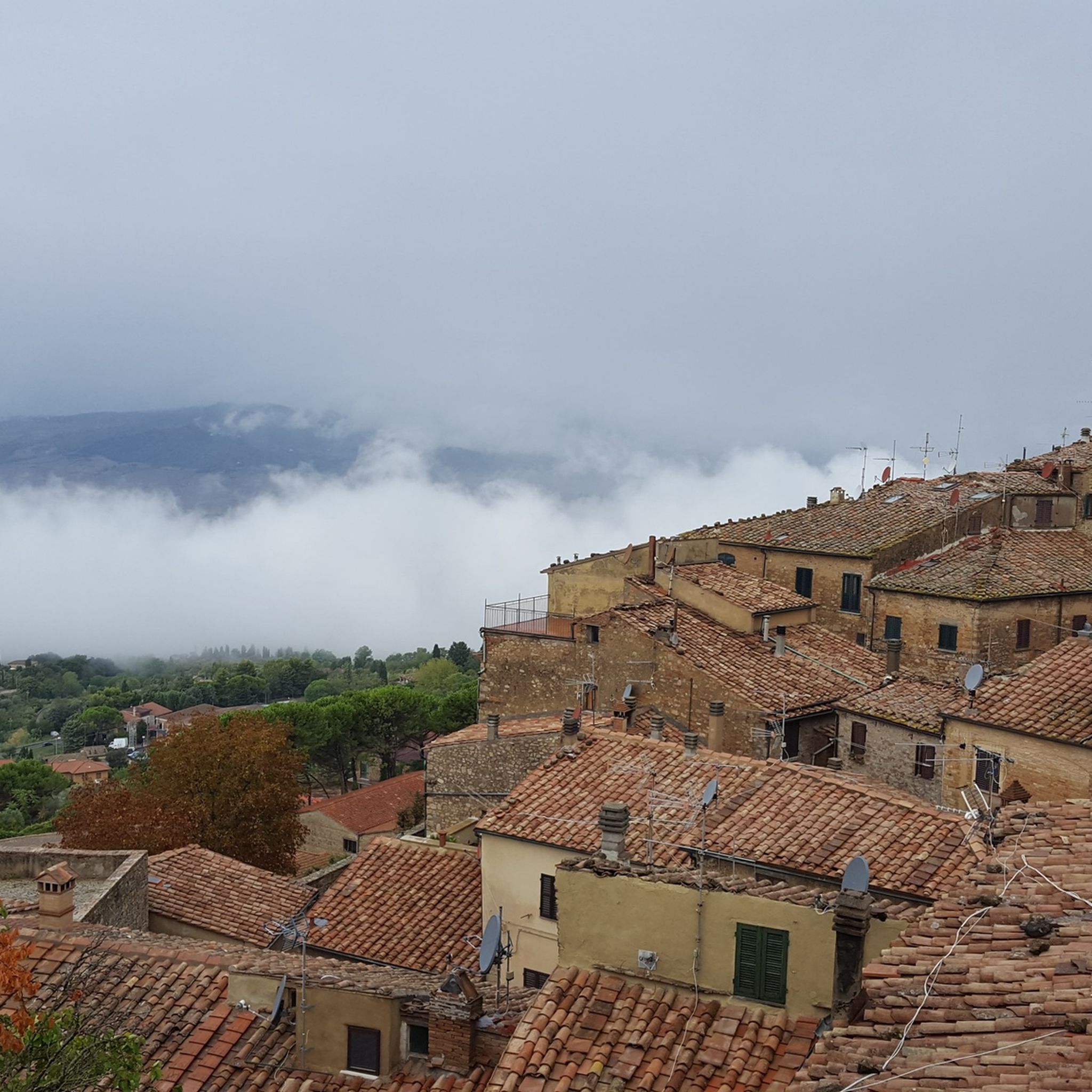
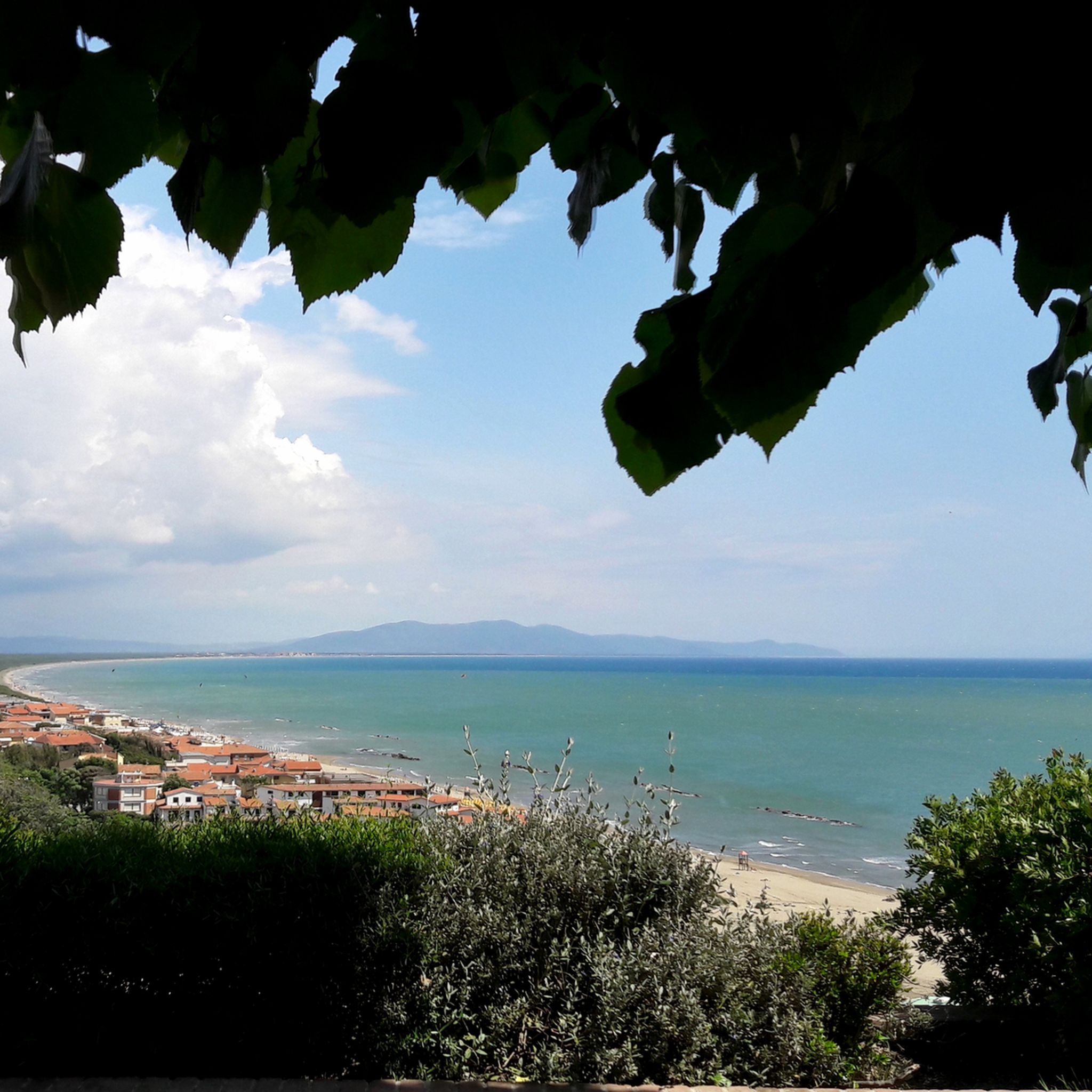
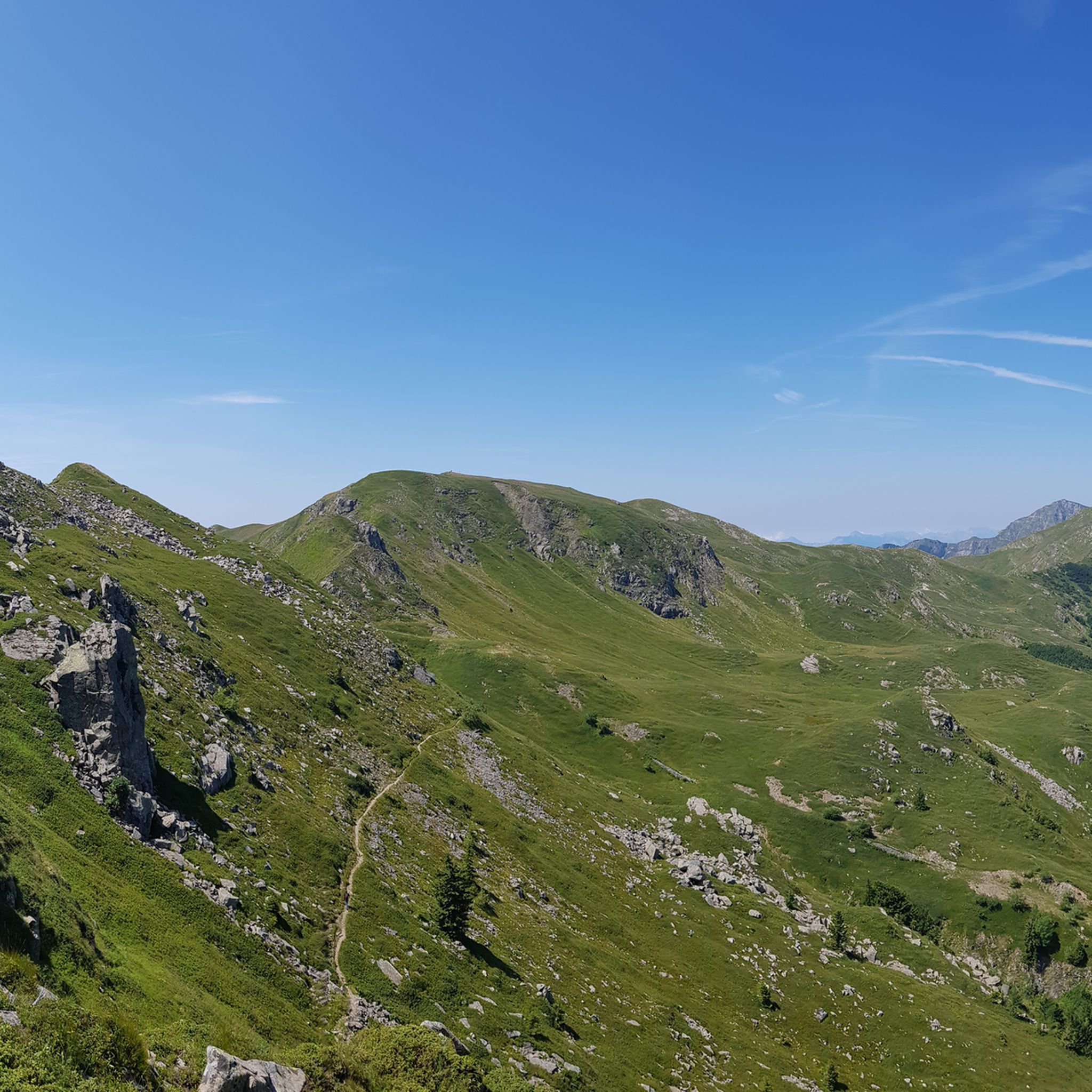
Other adventures in Tuscany


Tips from the Community

The Gulf of Lacona and the coastal territory of Capoliveri hold some of the most evocative panoramic views of the Island of Elba. The combination of deep sandy coves, rocky cliffs covered in Mediterranean scrub, and the elongated shape of Capo Stella offers an incredible variety of sea views.
0
0
The view of the Stella Gulf and Margidore beach can be admired by walking along the promontory and the Capo Stella trail on the Island of Elba, in the municipality of Capoliveri
0
0

very beautiful to visit
0
0

Barberino Val d’Elsa is a picturesque village in the Italian region of Tuscany. The charming village is located on a hill in the northwestern Chianti area, between the world-famous cities of Florence and Siena. Thanks to its well-preserved historic walls, the place is considered a real insider tip away from the major tourist flows.
0
0
The Bear Cave along the Elsa river is located within the Alta Val d'Elsa River Park (known as SentierElsa), in Colle di Val d'Elsa in the province of Siena. It takes its name from its characteristic shape and is one of the most striking natural stops along the pedestrian path that runs along the turquoise waters of the river.
0
0

The view of Buca delle Fate offers one of the wildest landscapes on the Etruscan Coast. The bay can be reached by leaving the car at the parking lots along the road to Populonia (about 1.5 km from the village). From there, hiking trail no. 301 starts, which takes about 20 minutes of walking through the Mediterranean scrub to reach the cliff and the small pebble beach.
0
0
Buca delle Fate is a splendid and wild rocky cove on the Etruscan Coast, near Populonia (Piombino). You can reach it via the hiking trail 301, which starts just before the inhabited area of Populonia and requires about 20-30 minutes of shaded walk through the Mediterranean scrub. Location: Populonia / Golfo di Baratti (LI) Route: CAI trail no. 301 (approx. 1.5 km, challenging elevation gain on the return) Beach type: Rocks and pebbles (ideal for snorkeling) Parking: Dirt clearing along the road to Populonia (about 1.5 km from the town), often paid in high season.
1
0

Frequently Asked Questions
What types of hiking trails can I find in Tuscany?
Tuscany offers an incredibly diverse range of hiking experiences. You'll find trails winding through iconic rolling hills covered in vineyards and olive groves, rugged mountain paths in the Apennines and Apuan Alps, dense forests like those in the Casentinesi Forest National Park, and scenic coastal walks along the Tyrrhenian Sea. Rivers and valleys, such as the Val d'Elsa, also provide unique natural environments for exploration.
What is the best time of year to go hiking in Tuscany?
The best times for hiking in Tuscany are during the spring (April to June) and fall (September to October). During these seasons, the weather is mild and pleasant, trails are generally less crowded, and the scenery is particularly vibrant with blooming flowers or golden autumn leaves. Summer can be very hot, especially in July and August, while winter can bring colder temperatures and snow to higher elevations.
Are there hiking trails suitable for families with children?
Yes, Tuscany has many family-friendly options. Look for easy-rated trails that are shorter in distance and have minimal elevation gain. For example, The River Park of the high Val D'Elsa — Ring tour is an easy 3.6-mile path following the Elsa river, perfect for a leisurely family outing. Many routes through vineyards or coastal areas are also generally suitable for children.
Can I bring my dog on hiking trails in Tuscany?
Many trails in Tuscany are dog-friendly, allowing you to enjoy the region's beauty with your canine companion. However, regulations can vary, especially within protected areas like national parks or nature reserves. It's always best to keep your dog on a leash and ensure they are well-behaved. Always check specific trail rules before you go.
Are there any circular hiking routes in Tuscany?
Yes, Tuscany features numerous circular routes, perfect for day trips as they bring you back to your starting point. Examples include The landscapes around Greve in Chianti – Ring tour, which takes you through the renowned Chianti wine region, or The Gulf of Capoliveri — Ring tour in the Tuscan Archipelago National Park.
What kind of natural landmarks or attractions can I see while hiking?
Tuscany's trails often lead to or pass by stunning natural features. You might encounter dramatic waterfalls like the Diborrato Waterfall or the Candalla Waterfalls. The region also boasts unique geological formations such as the Monte Forato Natural Arch. Coastal trails offer pristine beaches like Cala Violina.
Are there any challenging hikes for experienced trekkers?
Absolutely. For those seeking a challenge, the mountainous regions of Tuscany, particularly the Apuan Alps and parts of the Apennines, offer strenuous hikes with significant elevation gain. An example is the Monte Sagro and Monte Spallone Loop, a difficult 6.4-mile route with over 2,100 feet of ascent, providing panoramic views.
What historical sites or cultural points of interest can I explore on a hike?
Tuscany's rich history is woven into its landscapes. Many trails connect charming hilltop towns and medieval villages like Volterra, San Gimignano, and Pienza. You can also hike ancient pilgrimage routes such as the Via Francigena or the Via Degli Dei. Some routes pass by historic structures like the Volterraio Castle or through areas with ancient ruins and abandoned villages.
How many hiking routes are available in Tuscany?
There are over 14,400 hiking routes available in Tuscany, catering to all levels of experience. This includes over 4,900 easy trails, more than 7,600 moderate routes, and nearly 2,000 difficult ascents, ensuring there's a path for every hiker.
What do other hikers say about the trails in Tuscany?
The hiking trails in Tuscany are highly rated by the komoot community, with an average score of 4.5 stars from over 42,000 reviews. Hikers often praise the region's diverse landscapes, from the serene vineyards to the dramatic mountain views, and the opportunity to combine outdoor activity with cultural exploration and local gastronomy.
Are there long-distance hiking routes in Tuscany?
Yes, Tuscany is home to several significant long-distance routes. The Via Francigena, an ancient pilgrimage path, traverses the region, offering a blend of natural beauty and historical significance. Another notable route is the Via Degli Dei (Route of the Gods), an ancient Roman military road connecting Bologna and Florence, which crosses mountainous terrain on mostly gravel tracks.
Are there any trails that feature waterfalls?
Yes, Tuscany has trails where you can discover beautiful waterfalls. The Casentinesi Forest National Park is known for its rivers and waterfalls. Specific highlights include the Diborrato Waterfall and the Candalla Waterfalls, which can be incorporated into your hiking plans.
Most popular routes in Tuscany
Most popular attractions in Tuscany

Get inspired with the komoot mobile app


Didn’t find what you were looking for?
Check out more Hikes throughout Tuscany below and find the perfect route in your destination.
Explore more
Browse the best Hikes in other regions.
