The best walks and hikes in Ireland
4.5
(27106)
168,028
hikers
5,157
hikes
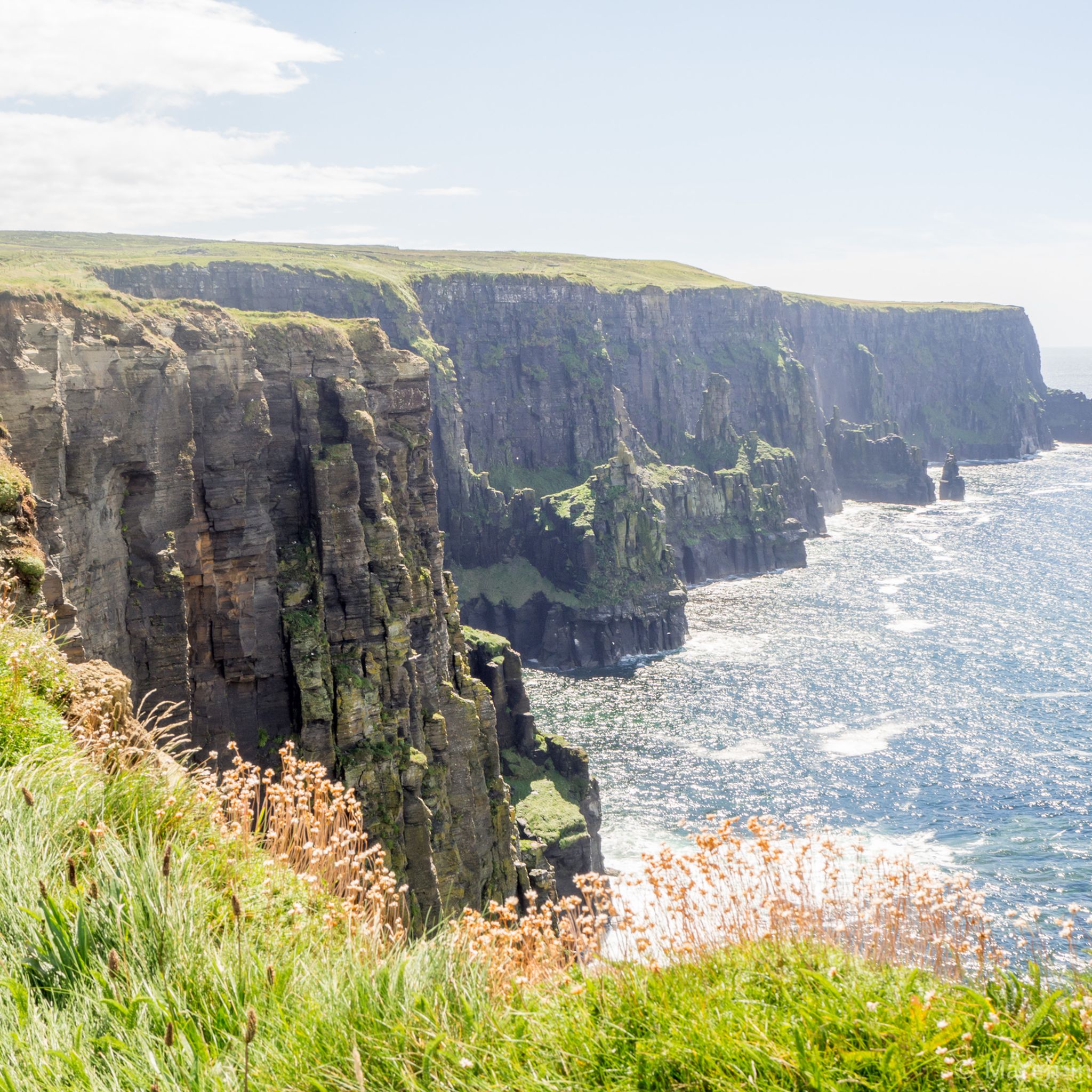
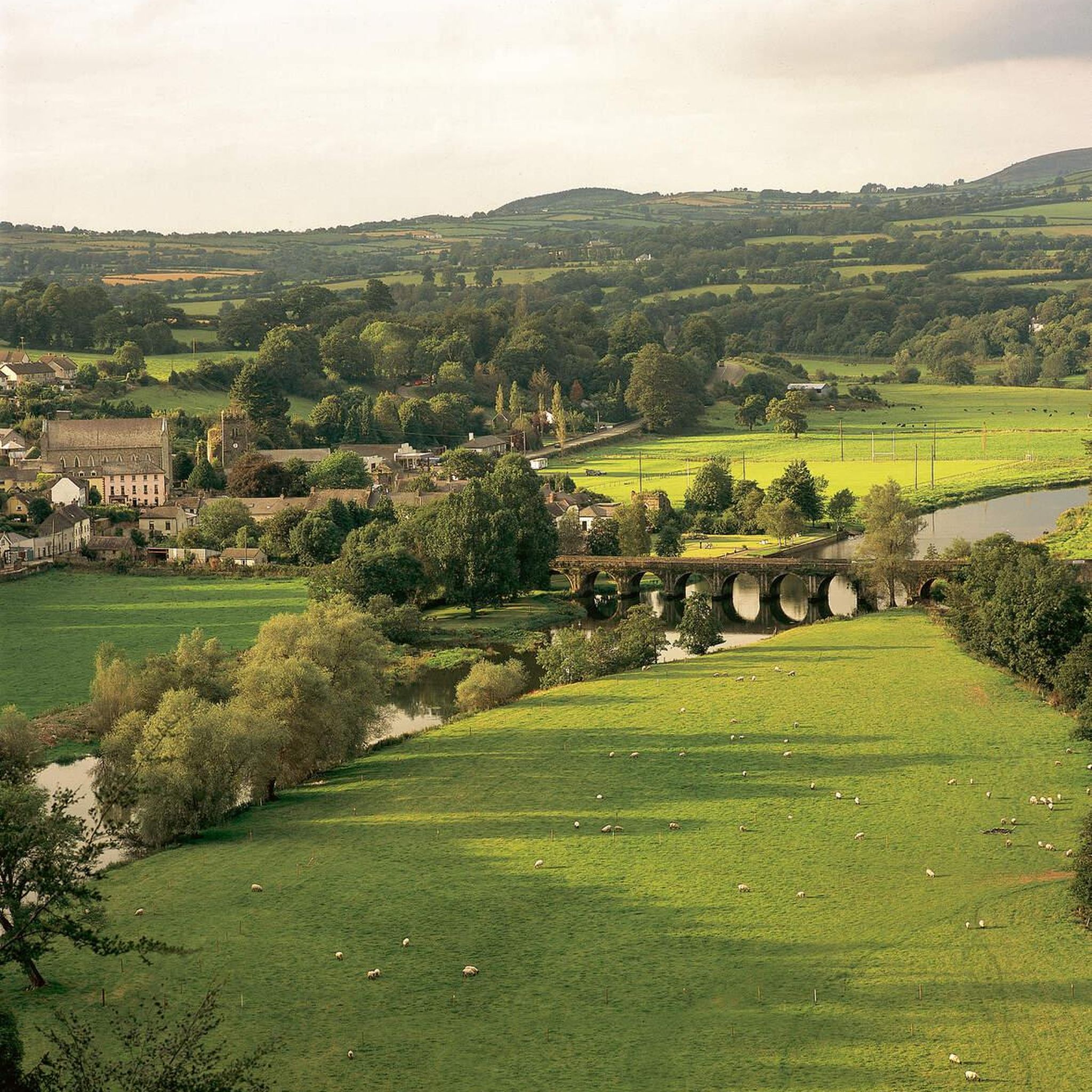
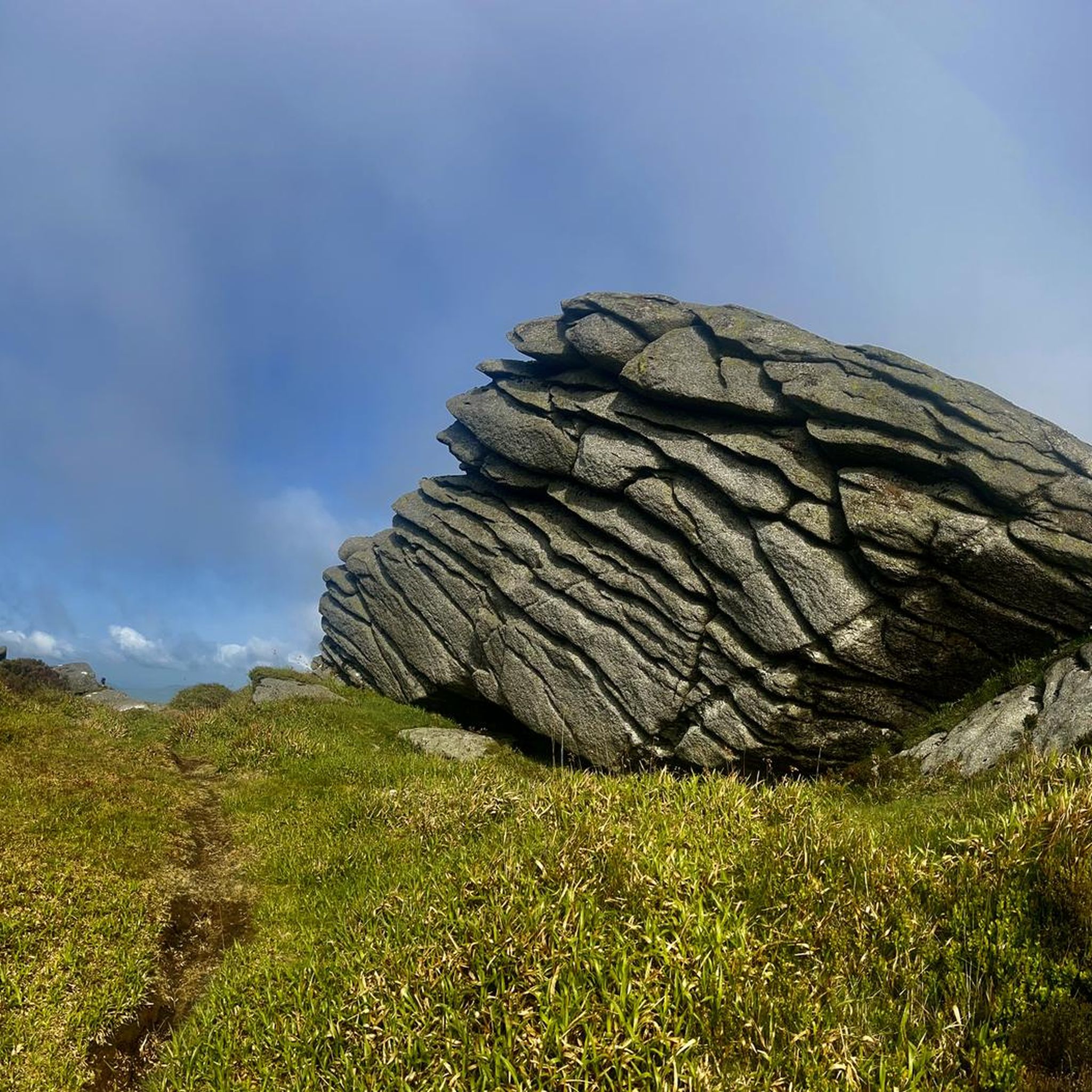
Hiking in Ireland offers diverse landscapes, from rugged coastlines and dramatic sea cliffs to majestic mountains and serene glacial valleys. The country features extensive boglands, ancient forests, and numerous lakes, providing varied terrain for outdoor exploration. Its geology includes unique basalt columns, limestone pavements, and quartzite peaks, shaping a distinctive environment for hikers. This varied topography ensures a wide range of experiences across its six national parks and numerous waymarked trails.
Best hiking trails in Ireland
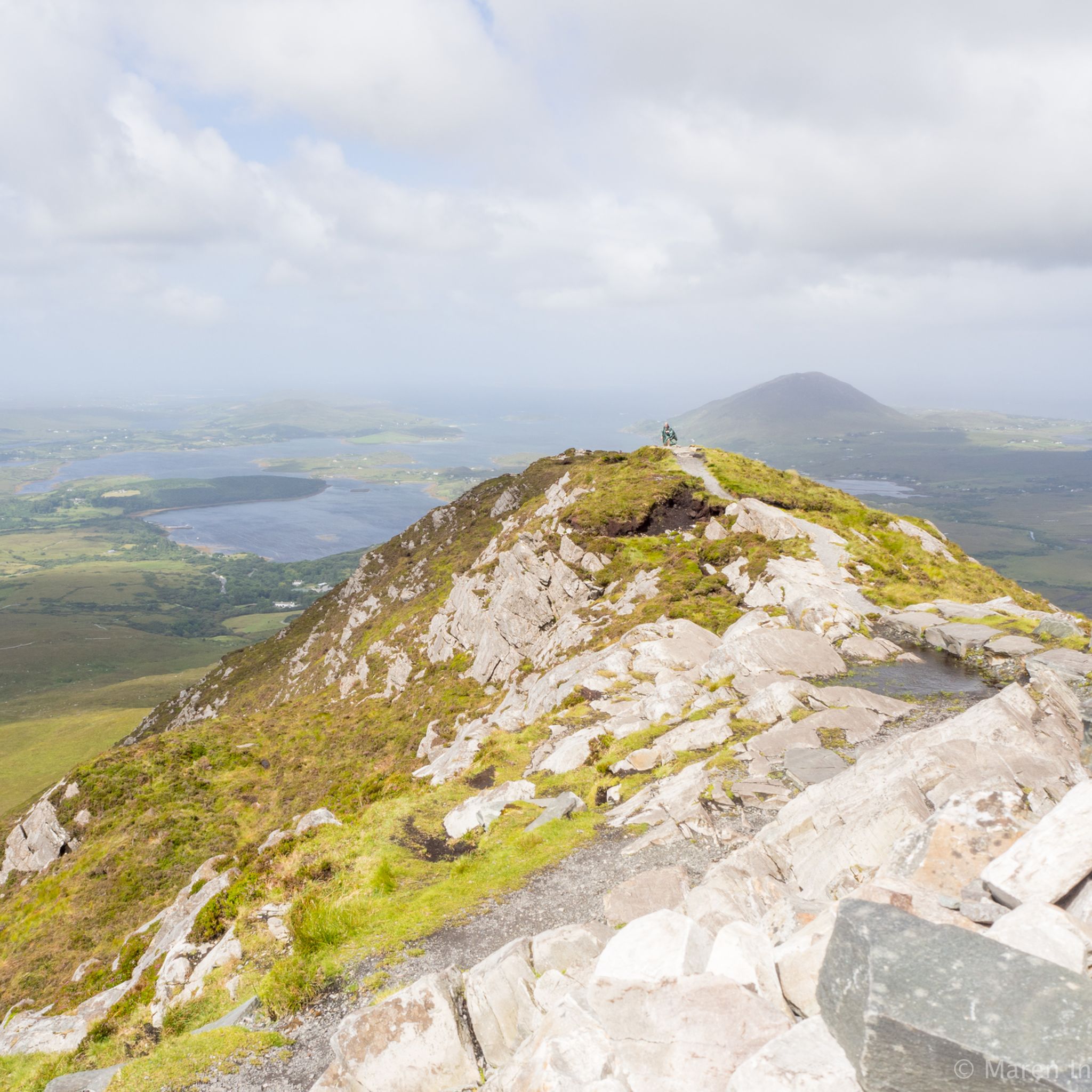
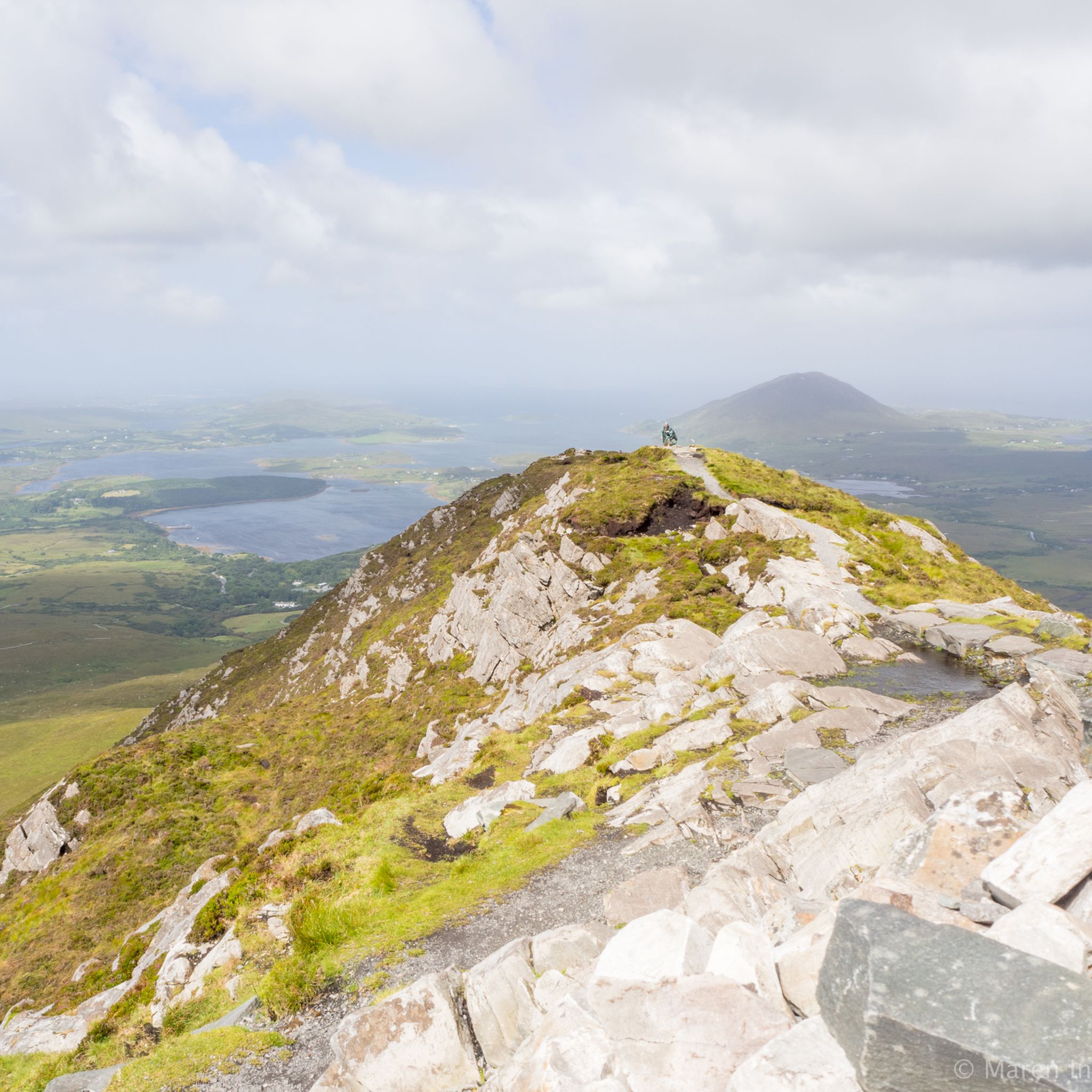
- The most popular hiking route is Diamond Hill loop from Letterfrack — Connemara National Park, a 4.8 miles (7.8 km) trail that takes 2 hours 34 minutes to complete. This moderate path offers panoramic views of Connemara National Park's mountains, bogs, and coastline.
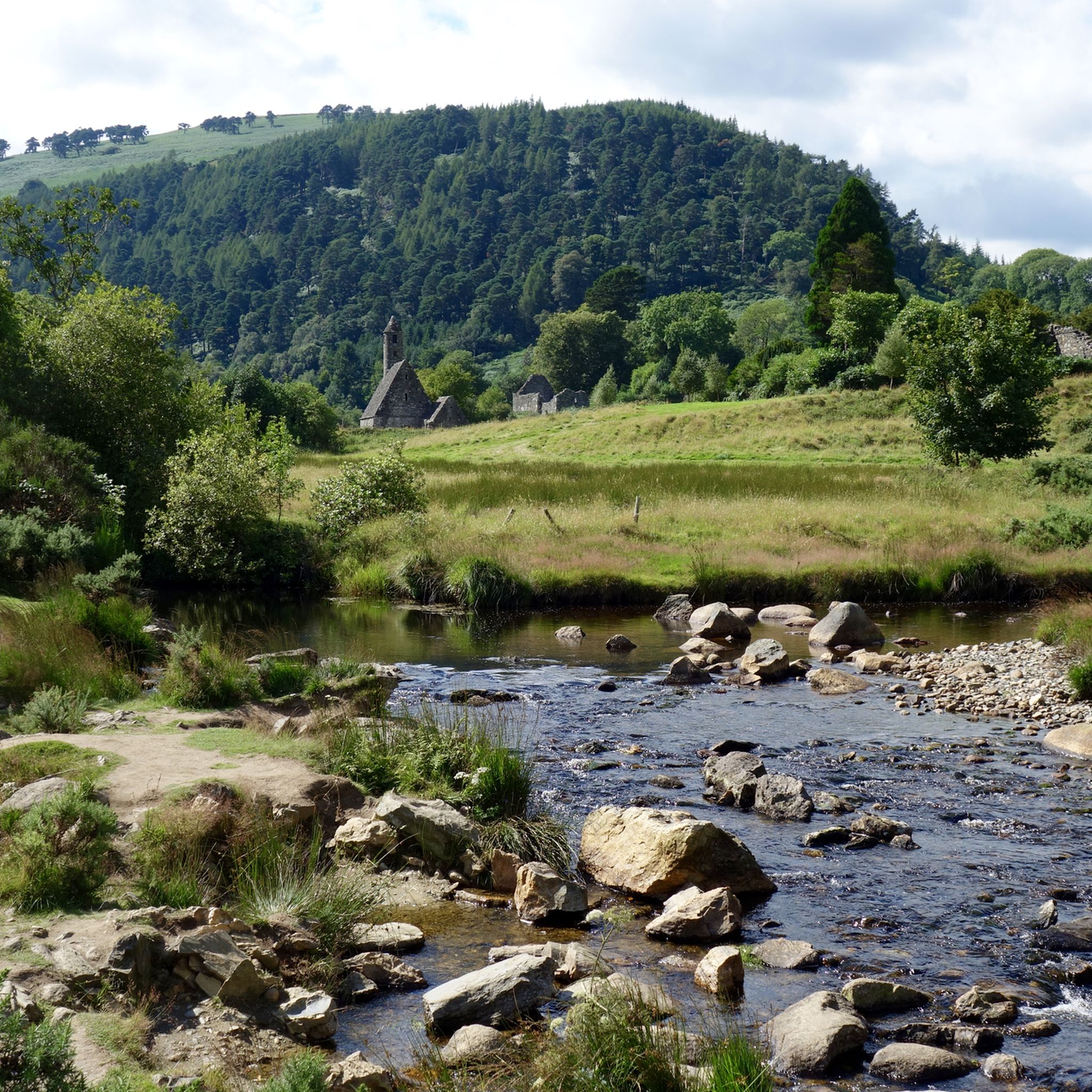
- Another top favourite among local hikers is Spinc and the White Route from Glendalough — Wicklow Mountains National Park, a moderate 8.4 miles (13.6 km) path. This route ascends through forests to a boardwalk offering views over Glendalough's Upper Lake and glacial valley.
- Local hikers also love the Muckross Lake loop — Killarney National Park, a 8.6 miles (13.9 km) trail leading through Killarney National Park's woodlands and along the shores of Muckross Lake, often completed in about 3 hours 43 minutes.
- Hiking in Ireland is defined by its dramatic coastal paths, varied mountain ranges, and tranquil forest trails. The extensive network of routes offers options for all ability levels, from gentle lakeside strolls to challenging mountain ascents.
- The routes in Ireland are highly rated by the komoot community with an average score of 4.5 stars from over 22,000 reviews. More than 148,000 hikers have used komoot to explore Ireland's varied terrain.
Last updated: August 10, 2026
4.8
(1644)
8,327
hikers
7.75km
02:34
370m
370m
Moderate hike. Good fitness required. Easily-accessible paths. Suitable for all skill levels.
4.9
(927)
4,977
hikers
Moderate hike. Good fitness required. Mostly accessible paths. Sure-footedness required.

Sign up for free
4.8
(829)
3,686
hikers
12.6km
03:29
220m
220m
Moderate hike. Good fitness required. Easily-accessible paths. Suitable for all skill levels.
4.7
(905)
3,071
hikers
13.9km
03:43
170m
170m
Moderate hike. Good fitness required. Easily-accessible paths. Suitable for all skill levels.
4.8
(318)
1,983
hikers
7.43km
02:05
140m
140m
Moderate hike. Good fitness required. Easily-accessible paths. Suitable for all skill levels.
4.8
(404)
1,777
hikers
7.61km
02:31
150m
150m
Moderate hike. Good fitness required. Mostly accessible paths. Sure-footedness required.
4.8
(229)
2,092
hikers
7.35km
04:21
680m
680m
Hard hike. Good fitness required. Sure-footedness, sturdy shoes and alpine experience required.
4.8
(236)
1,246
hikers
9.75km
03:32
430m
430m
Moderate hike. Good fitness required. Mostly accessible paths. Sure-footedness required.
4.6
(183)
810
hikers
12.5km
05:26
840m
840m
Hard hike. Very good fitness required. Sure-footedness, sturdy shoes and alpine experience required.
4.7
(209)
1,008
hikers
12.7km
03:29
200m
200m
Moderate hike. Good fitness required. Easily-accessible paths. Suitable for all skill levels.
Get access to more routes and recommendations from other explorers.
Sign up for free
Already have an account?
Our route recommendations are based on thousands of hikes, rides, and runs completed by other people on komoot.
Start today with a free account
Your next adventure awaits.
Login or Signup
Other adventures in Ireland


Tips from the Community

What an impressive scenery - definitely worth the effort to get there (e.g. cycling)!
0
0

Especially when the sun is low, a wonderful photo opportunity.
0
0

A great view from there!
0
0

View top People top Scenery top Simply beautiful and always gladly 😀
0
0

Bridge at the entrance to the gap.
0
0

Very special place with old graves standing askew. The whole area breathes a distant mystical history.
0
0
More Information
Ireland’s national parks
Ireland’s six national parks are wonderfully varied. If there’s one commonality, it’s fantastic hiking on waymarked trails. On Dublin’s doorstep, Wicklow Mountains National Park is a beautiful region of rounded granite peaks and scenic forested glens. In the north of the country is Glenveagh National Park where sumptuous sights abound, such as that of the golden eagle circling high or the classic visage of Lough Veagh’s castle standing proud by the picturesque lakeshore.
In the west, Connemara National Park’s raw splendour and wilderness comprises of forests, mountains and Ireland’s only fjord. Ballycroy National Park is wild and remote, containing one of the last active blanket bog systems in Western Europe. Superb forest hikes through internationally important yew and oak woodland await in Kilarney National Park. Meanwhile, Burren National Park’s glaciated karst landscape features vast limestone pavements and an incredible array of flora.
Towering cliffs and sharp aretes
Hikes on Ireland’s coastline contain some staggering sights. The Dingle Peninsula is effortlessly dramatic; an ascent of Mount Brandon at 3,123 feet (952 m) rewards with astounding ocean views. On the south western edge of the Burren region are the famous Cliffs of Moher. Ravaged by the elements and towering above the waves, they are an awesome sight and make for a superb hiking objective.
Some of the best hiking trails in Ireland, and certainly the most adrenaline-inducing, are those found in the MacGillycuddy’s Reeks mountain range. Characterised by deep gullies, sharp arêtes and dramatic corries, it offers sensational ridge walking for those of a strong constitution. At its heart stands Ireland’s highest peak, Carrauntoohil at 3,408 feet (1,039 metres), one of Britain’s most prominent mountains.
Climate and other considerations
Ireland’s climate is at the whim of the Atlantic, with generally warm, wet summers and cool, wet winters. During walks in Ireland it is not uncommon to experience four seasons in a day so, regardless of the forecast, a waterproof is always a good idea. Wild camping is legal, though there are areas which are out of bounds, such as in Glendalough in the Wicklow Mountains, so check during the planning stage.
Like the Scottish Highlands, Ireland’s uplands are inhabited by ticks: tiny arachnids that love nothing more than clamping onto exposed flesh. Check yourself post-walk and if you have picked up one of these unwanted hitchhikers, remove carefully using tweezers or specialised tick twisters.
Frequently Asked Questions
What types of landscapes can I expect to see while hiking in Ireland?
Ireland offers an incredibly diverse range of landscapes for hikers. You can explore dramatic sea cliffs like the Cliffs of Moher, rugged coastlines, majestic mountains such as Carrauntoohil in County Kerry, and serene glacial valleys like those found in Glendalough. The country also features extensive boglands, ancient forests, and numerous lakes, providing varied terrain for all types of outdoor exploration.
Are there many easy hiking trails suitable for beginners or casual walkers?
Yes, Ireland has a significant number of easy trails. Out of over 5,000 hiking routes available, more than 2,800 are classified as easy. These often include gentle lakeside strolls and forest paths, perfect for those new to hiking or looking for a relaxed walk. For example, parts of the Muckross Lake loop in Killarney National Park offer accessible sections through woodlands.
What are some challenging hikes for experienced hikers in Ireland?
For experienced hikers seeking a challenge, Ireland offers several demanding routes. The Devil's Ladder & Carrauntoohill loop is a difficult ascent to Ireland's highest peak, offering unparalleled views. Another challenging option is the Croagh Patrick Pilgrim Trail, known for its steep climb and stunning vistas of Clew Bay.
Can I find circular hiking routes in Ireland?
Yes, many of Ireland's hiking trails are designed as circular routes, allowing you to start and end at the same point. Examples include the popular Diamond Hill loop in Connemara National Park, which offers panoramic views, and the Howth Bog of the Frogs Loop near Dublin.
Are there any notable landmarks or natural features to see along the trails?
Ireland's trails are rich with natural and historical landmarks. You can hike to the Croagh Patrick summit, visit the summit cross on Carrauntoohil, or explore the unique basalt columns of the Giant's Causeway. Other highlights include the Diamond Hill Summit in Connemara and the ancient Queen Maeve's Grave (Knocknarea Cairn).
What is the best time of year to go hiking in Ireland?
The best time for hiking in Ireland is generally from late spring to early autumn (May to September). During these months, the weather is milder, with longer daylight hours and less rainfall, making conditions more favorable for exploring coastal paths and mountain trails. However, the changeable Irish weather means being prepared for all conditions is always advisable.
Are there family-friendly hiking options in Ireland?
Many trails across Ireland are suitable for families, offering shorter distances and gentler terrain. National Parks like Killarney and Connemara often have well-maintained paths perfect for all ages. The Muckross Lake loop, for instance, provides an enjoyable experience through woodlands and along the lake shore.
Can I bring my dog on hiking trails in Ireland?
Many trails in Ireland are dog-friendly, especially in national parks and forests, though regulations can vary. It's always best to check specific park or trail guidelines beforehand. Generally, dogs should be kept on a leash, especially in areas with livestock or wildlife, and owners are expected to clean up after their pets.
What are the typical durations for hikes in Ireland?
Hiking durations in Ireland vary widely depending on the trail's length and difficulty. You can find shorter walks lasting around 2-3 hours, such as the Diamond Hill loop (approx. 2h 34m). Longer, more challenging routes, like the Devil's Ladder & Carrauntoohill loop, can take over 5 hours to complete.
How accessible are hiking trails in Ireland by public transport?
Public transport access to hiking trails in Ireland varies by region. Major trailheads near larger towns or cities, such as those in the Wicklow Mountains or around Dublin (like Howth), often have bus or train connections. However, more remote trails, particularly in the west or in less populated areas, may require private transport or a taxi to reach the starting point.
What do other hikers say about their experiences in Ireland?
The hiking experience in Ireland is highly rated by the komoot community, with an average score of 4.5 stars from over 22,000 reviews. Hikers often praise the stunning natural beauty, the variety of terrain, and the well-marked paths. Many appreciate the dramatic coastal views, the tranquility of the forests, and the challenge of the mountain ascents.
Are there any hikes that feature waterfalls?
Yes, Ireland's lush landscape and mountainous regions are home to several beautiful waterfalls. While specific waterfall trails are not listed in the top routes, areas like Killarney National Park, particularly around Torc Mountain, are known for their cascades, including the impressive Torc Waterfall, which can be incorporated into various hikes.
Most popular routes in Ireland
Most popular attractions in Ireland

Get inspired with the komoot mobile app


Didn’t find what you were looking for?
Check out more Hikes throughout Ireland below and find the perfect route in your destination.
Explore more
Browse the best Hikes in other regions.
