Attractions and Places To See around Grimley - Top 20
Best attractions and places to see around Grimley include a variety of historical landmarks, natural features, and recreational opportunities. The village is located in Worcestershire, UK, on the right bank of the River Severn, north of Hallow. This area offers diverse points of interest for exploration.
Best attractions and places to see around Grimley
- The most popular attractions is Worcester Cathedral, a historical site that has a Christian tradition spanning nearly a thousand years, with construction beginning in 1084.…
Last updated: October 5, 2026
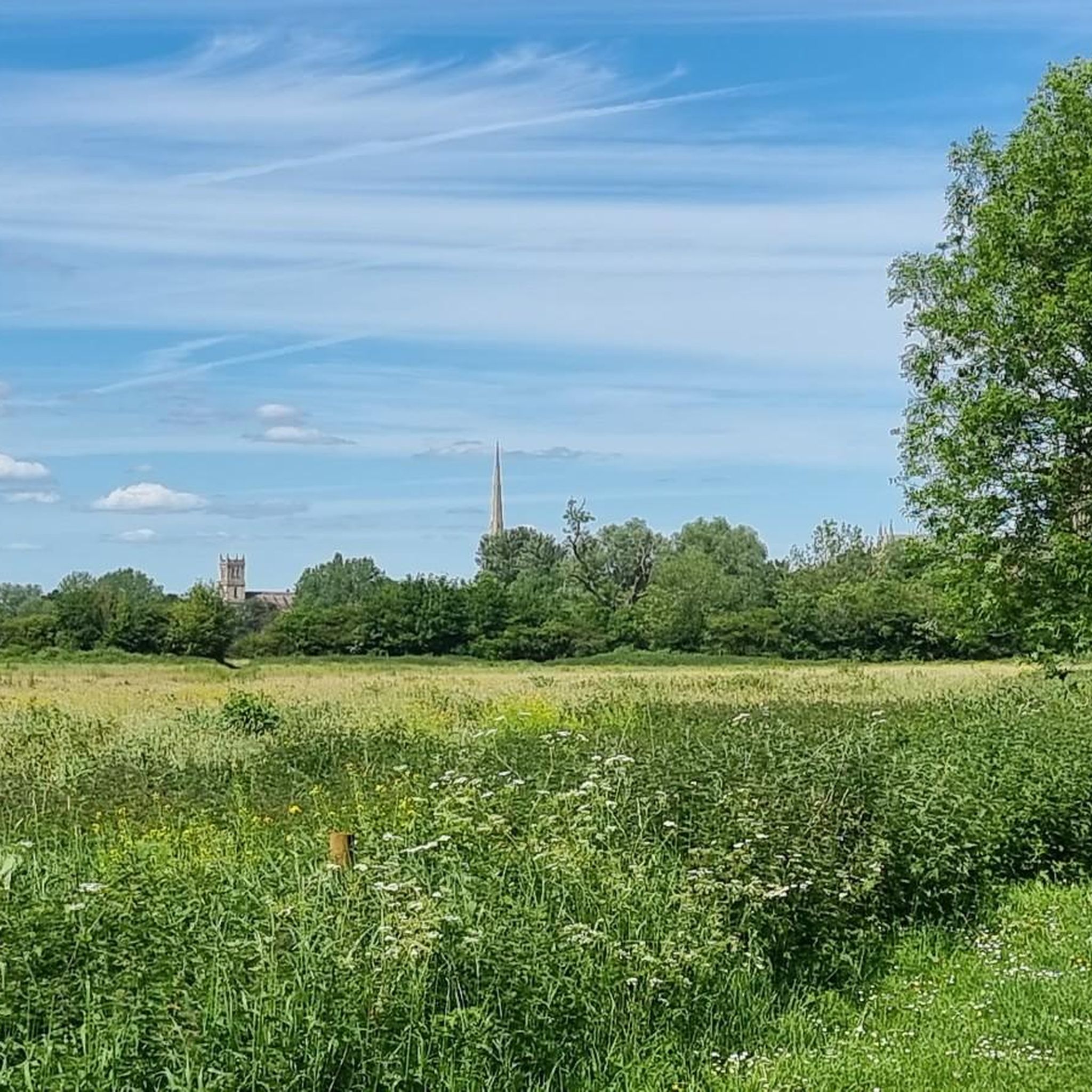
Worcester Cathedral
Highlight • Historical Site
Showing Translation
Tip by

Hylton Road Cycle and Pedestrian Bridge
Highlight (Segment) • Cycleway
Tip by

Sign up now to discover places like this
Get recommendations on the best single tracks, peaks, & plenty of other exciting outdoor places.
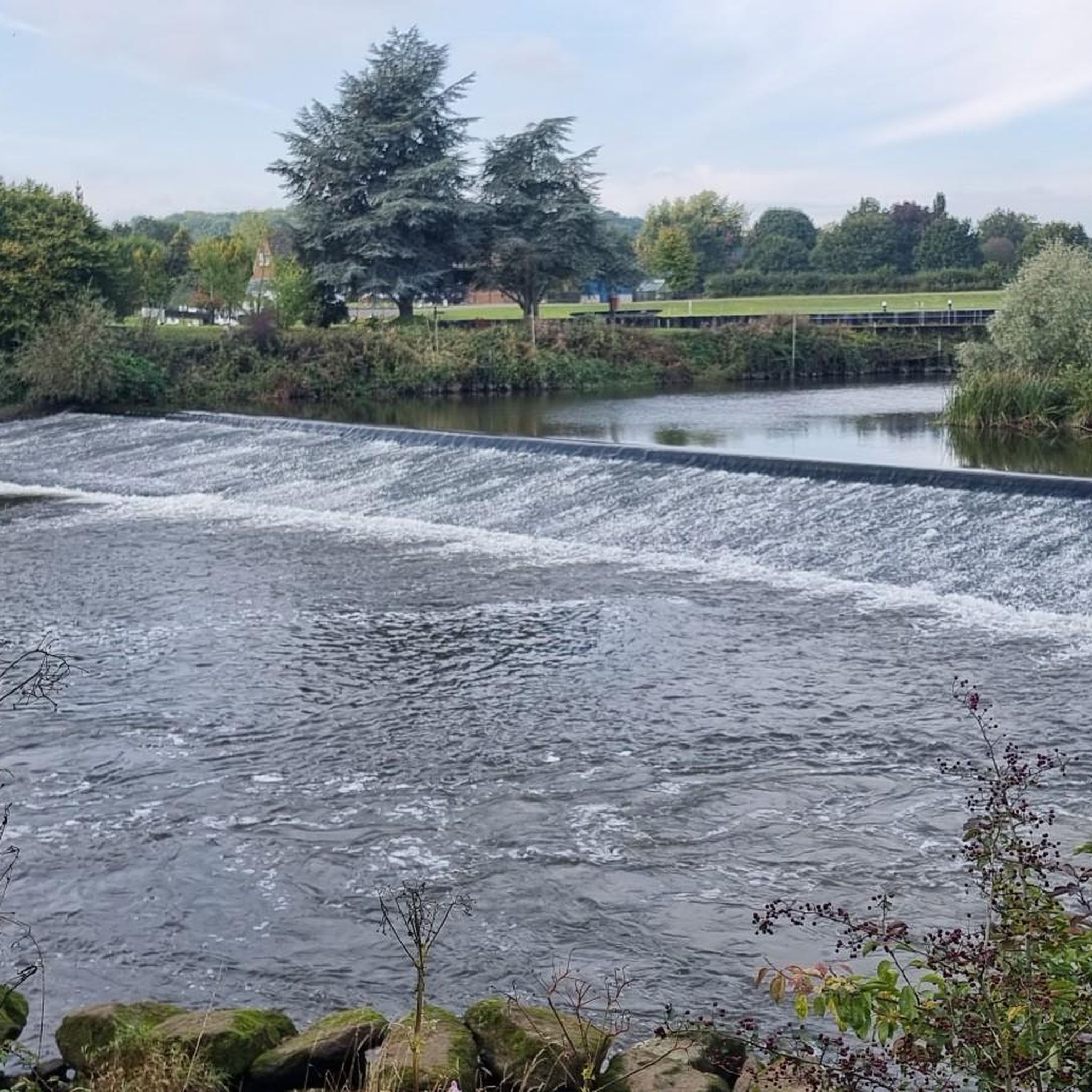
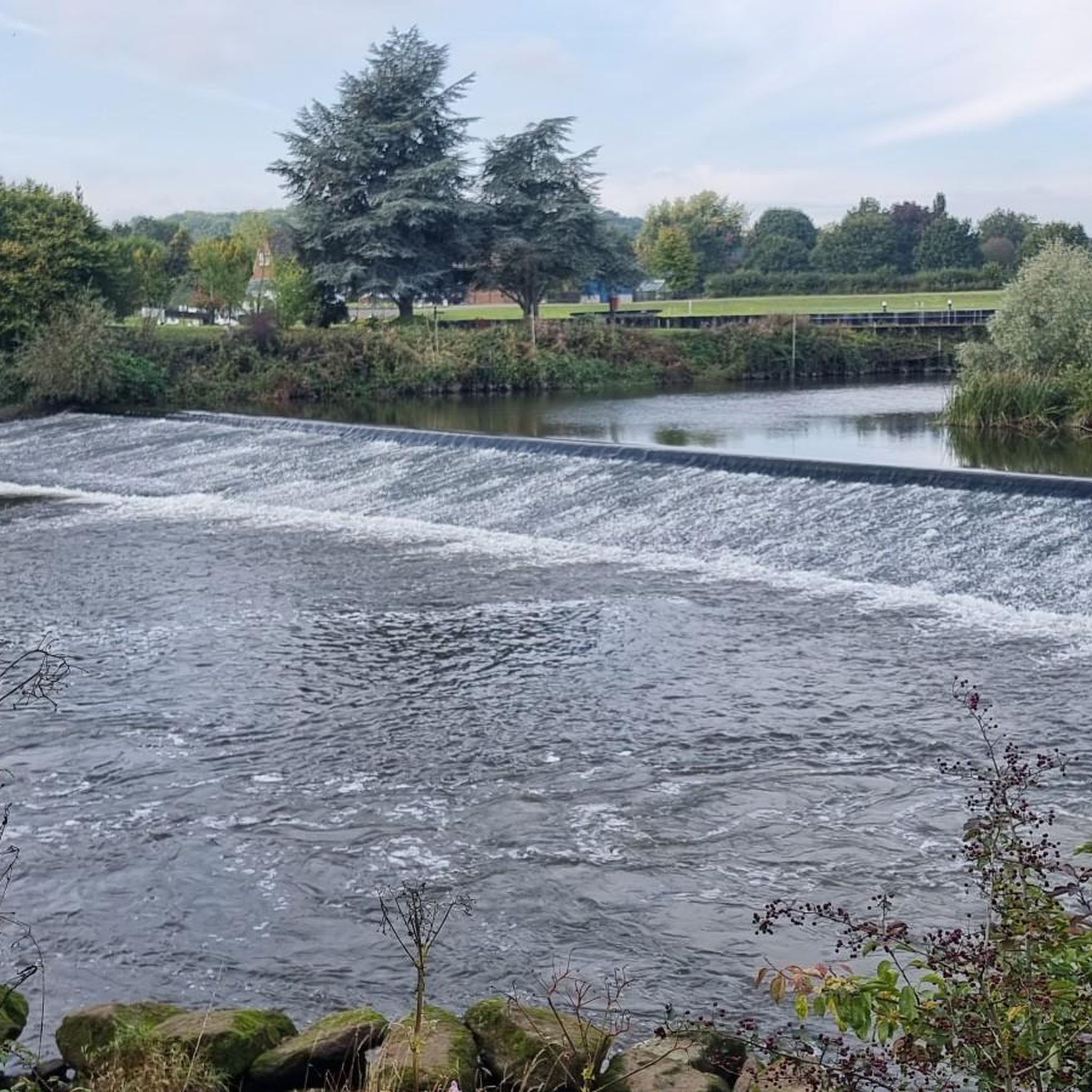
Diglis Weir and Worcester Riverside Path
Highlight (Segment) • Trail
Tip by

Diglis Bridge
Highlight • Bridge
As part of a £5 million riverside regeneration project aimed at revitalising the Diglis Basin …
Tip by

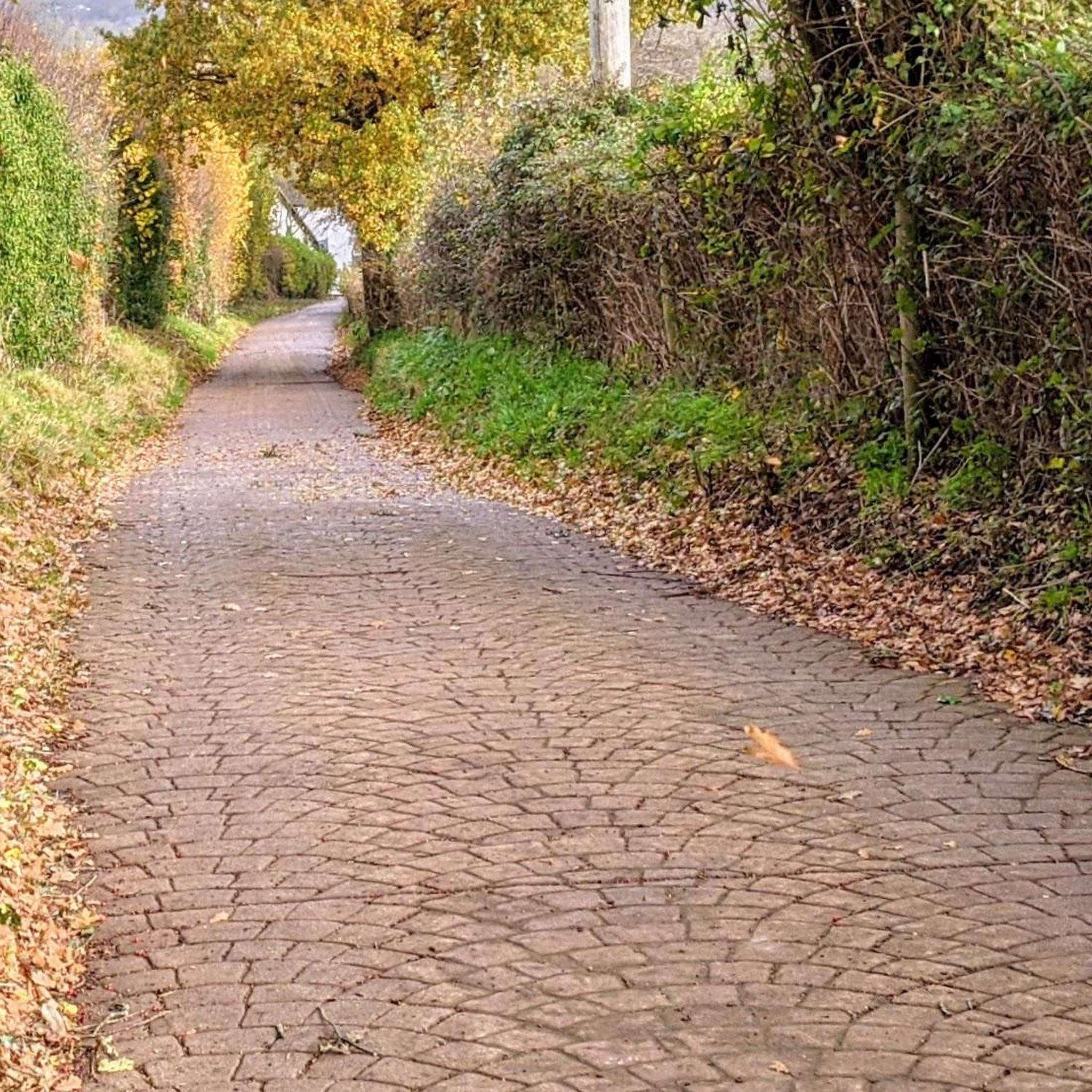
Leapgate Old Railway Line
Highlight • Trail
Tip by
Sign up for free to discover even more attractions around Grimley.
Already have an account?
Start today with a free account
Your next adventure awaits.

Tips from the Community

Cute cable stayed Bridge over the River Severn
0
0

The Cathedral – i.e. a bishop’s church – in the city of Worcester is a very historic building with an almost thousand-year-old Christian tradition. The construction of this house of worship was begun as early as AD 1084, shortly after the Norman conquest of England (by William the Conqueror, formerly Duke of Normandy, then King of England, AD 1066). This house of worship and thus the entire diocese has, which is by no means unusual for Anglican cathedrals, been entrusted to a double patronage: firstly Jesus Christ himself, the God-son incarnate, and secondly the most blessed Mother of God and Virgin Mary.
2
0

A super nice cycleway that goes along the banks of the Severn and beyond. The surface is super good and avoids busy road sections. A good alternative if you were doing the LEJOG like us.
0
0

very useful for cyclists, especially in terms of safety
0
0

Built by the order of Norman kings, astonishing place for history lovers. A tomb of King John is located inside of the cathedral. Additionally, the top is also worth checking, but it is better to double check opening hours.
0
0
A brilliant, relatively new cycleway along the River Severn. I would recommend visiting Diglis Pass (opening hours can be checked here - https://canalrivertrust.org.uk/things-to-do/museums-and-attractions/diglis-island-and-fish-pass/drop-in-sessions-at-the-fish-pass).
0
0

Worth checking if the tower is open as well. 235 steps to the top.
0
0
Frequently Asked Questions
What historical and cultural sites can I visit around Grimley?
The area around Grimley is rich in history. You can explore the magnificent Worcester Cathedral, a Grade I-listed structure with a Christian tradition spanning nearly a thousand years. Also notable is St Peter's Church, Martley, which boasts 12th-century Norman origins and impressive wall paintings. Within Grimley itself, the village church features 15th-century stained glass, and the historic Ball Mill offers a glimpse into the area's industrial past.
Are there any natural features or scenic viewpoints to explore near Grimley?
Yes, Grimley offers several natural attractions. You can enjoy fantastic views towards Abberley Hill and its clock tower from Walsgrove Hill Summit View, which is part of the geologically significant Abberley and Malvern Hills Geopark. The Sunken Lane provides a unique opportunity to see Triassic-aged rocks, while the Redstone Caves, carved from Triassic sandstone, are also nearby. The Diglis Weir and Worcester Riverside Path offers scenic views along the River Severn.
What cycling opportunities are available around Grimley?
Grimley and its surroundings are excellent for cycling. You can ride across the modern Hylton Road Cycle and Pedestrian Bridge, known for its gentle gradients and 'go fast lights' at night. The Diglis Bridge, a 66-meter-long cycle and pedestrian bridge, forms a new link in the National Cycle Network and is popular with photographers. For more routes, explore the various options in the Cycling around Grimley guide, which includes routes like the 'View of Worcester Bridge – Worcester Orbital Pedway loop'.
Are there family-friendly attractions in the Grimley area?
Many attractions around Grimley are suitable for families. Both Worcester Cathedral and St Peter's Church, Martley are listed as family-friendly historical sites. The Diglis Weir and Worcester Riverside Path offers a relaxing, scenic multi-use path perfect for family strolls or bike rides. Exploring the natural features like Walsgrove Hill or the Sunken Lane can also be an engaging activity for all ages.
What walking and hiking trails are available near Grimley?
You'll find a variety of walking and hiking trails around Grimley. The Diglis Weir and Worcester Riverside Path is a classic option for a relaxing walk along the River Severn. The Geopark Way, a long-distance footpath, passes by the Redstone Caves, offering a more extensive hiking experience. For specific routes, you can consult the Easy hikes around Grimley guide for shorter, accessible options, or the Hiking around Grimley guide for more moderate trails.
Are there any wheelchair-accessible attractions around Grimley?
Yes, the Diglis Bridge is specifically designed to be wheelchair accessible, with a minimum width of 3.5 meters. This modern bridge provides a smooth and enjoyable experience for all visitors, linking the marina area with Lower Wick and forming part of the National Cycle Network.
What is the best time of year to visit attractions around Grimley?
The best time to visit Grimley's attractions largely depends on your preferred activities. Spring and summer offer pleasant weather for outdoor activities like cycling along the River Severn or hiking the trails. Historical sites like Worcester Cathedral and St Peter's Church, Martley, are accessible year-round, though checking their specific opening hours is always recommended.
Where can I find unique geological features near Grimley?
The Grimley area is part of the Abberley and Malvern Hills Geopark, which is recognized for its significant geological history. You can explore the Sunken Lane, a geological feature that cuts through Triassic-aged rocks, revealing siltstones, sandstones, and conglomerates deposited approximately 220 million years ago. The Redstone Caves, carved from Triassic sandstone, also offer a fascinating geological insight.
Are there any bridges of interest for cyclists or pedestrians?
Absolutely. The Hylton Road Cycle and Pedestrian Bridge is a modern structure with gentle gradients and a grippy surface, featuring 'go fast lights' at night. The Diglis Bridge is another notable pedestrian and cycle bridge, known for its unique inclined pylon design and its role in connecting parts of the National Cycle Network. Both offer scenic crossings over the River Severn.
What do visitors enjoy most about the attractions around Grimley?
Visitors frequently praise the blend of historical significance and natural beauty. Many appreciate the serene experience of cycling or walking along the River Severn, with highlights like the Diglis Weir and Worcester Riverside Path offering scenic views. The architectural grandeur of Worcester Cathedral and the unique design of the Diglis Bridge are also highly regarded.
Can I find picturesque water features or mills in the area?
Yes, the area features several charming water-related points of interest. The Diglis Weir and Worcester Riverside Path offers views of the weir on the River Severn. Additionally, Prior's Mill, a picturesque 17th-century timber-framed water mill, is located nearby with a very high weir on the Dick Brook.
Most popular attractions around Grimley

Get inspired with the komoot mobile app


Explore more
Still not found the Highlight you’re looking for? See guides of the top attractions in other regions:
