Attractions and Places To See around Silkstone - Top 20
Best attractions and places to see around Silkstone, a village in South Yorkshire, England, offers a blend of historical sites, cultural attractions, and natural beauty. Situated in the foothills of the Pennines, the area provides opportunities to explore its past and enjoy scenic walks. Visitors can discover industrial heritage, religious history, and diverse landscapes.
Best attractions and places to see around Silkstone
- The most popular attractions is Elsecar Heritage Centre, a man-made monument that is a living history centre on the site of the Elsecar Ironworks. It houses an exhibition centre, galleries, shops, and cafes, and features the only Newcomen Beam Engine in the world still in its original location.
- Another must-see spot is The Strines Road (North to South), a cycle way known for its beautiful tarmac and challenging hills. This route offers a rewarding stretch of road for cyclists, with undulating terrain and sharp climbs.
- Visitors also love Langsett Reservoir, a lake that provides a lovely place for walks with great views across the water. It serves as a base for exploring longer walks in the Peak District and has well-maintained paths.
- Silkstone is known for its historical sites, natural features like lakes and trails, and cultural attractions. The area offers a variety of attractions to see and explore, from industrial heritage to scenic walking routes.
- The attractions around Silkstone are appreciated by the komoot community, with more than 245 upvotes and 48 photos shared by visitors.
Last updated: June 23, 2026
Langsett Reservoir
Highlight • Lake
Tip by

Elsecar Heritage Centre
Highlight • Monument
elsecar-heritage.com/your-visit-
Tip by

Sign up now to discover places like this
Get recommendations on the best single tracks, peaks, & plenty of other exciting outdoor places.
Sign up for free
Newmillerdam Lake
Highlight • Natural Monument
The dam was built to provide a lake and therefore power to the mills owned by the Pashley family just south of Wakefield.
The lake and surrounding area is now a nature reserve owned and managed by Wakefield Council.
The lake has a well surfaced path all around it, suitable mostly for pushchairs and wheelchairs as well as kids on bikes. It's a popular place and fun for a short walk.
Tip by

Plank Gate, Trans Pennine Trail
Highlight (Segment) • Cycleway
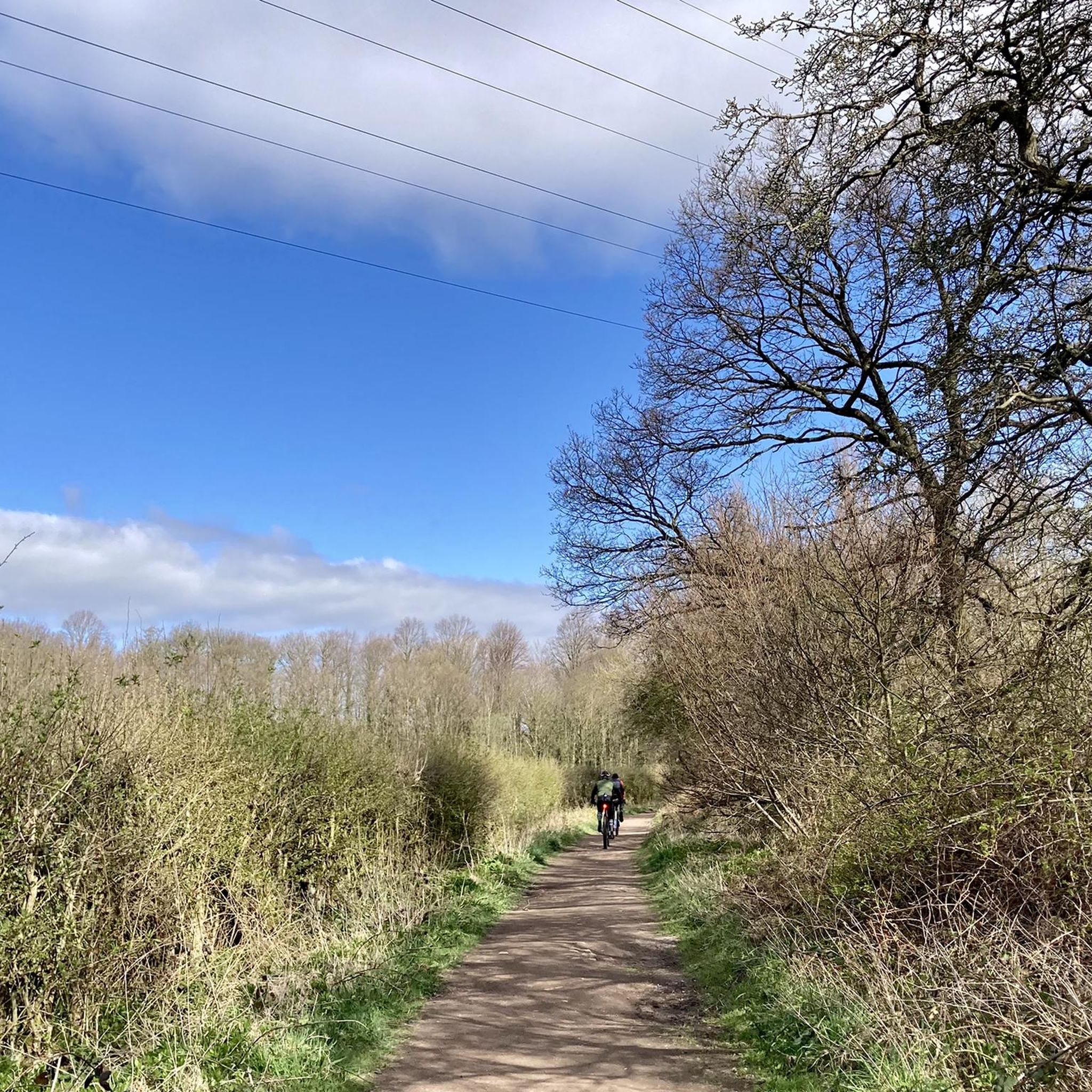
This section of the Trans Pennine Trail is a wide, groomed, gravel path through the woodland linking Wortley to Oughtibridge. It's undulating but there aren't any very steep climbs.
It's less than 6 miles (10 km) out of Sheffield city centre but it feels like you could be in the middle of nowhere, even though the busy A6102 runs just to the west of it.
Tip by
The Strines Road (North to South)
Highlight (Segment) • Cycleway
Take care - there are some sharp turns at the bottom of those descents.
Tip by

Sign up for free to discover even more attractions around Silkstone.
Sign up for free
Already have an account?
Start today with a free account
Your next adventure awaits.
Login or Signup
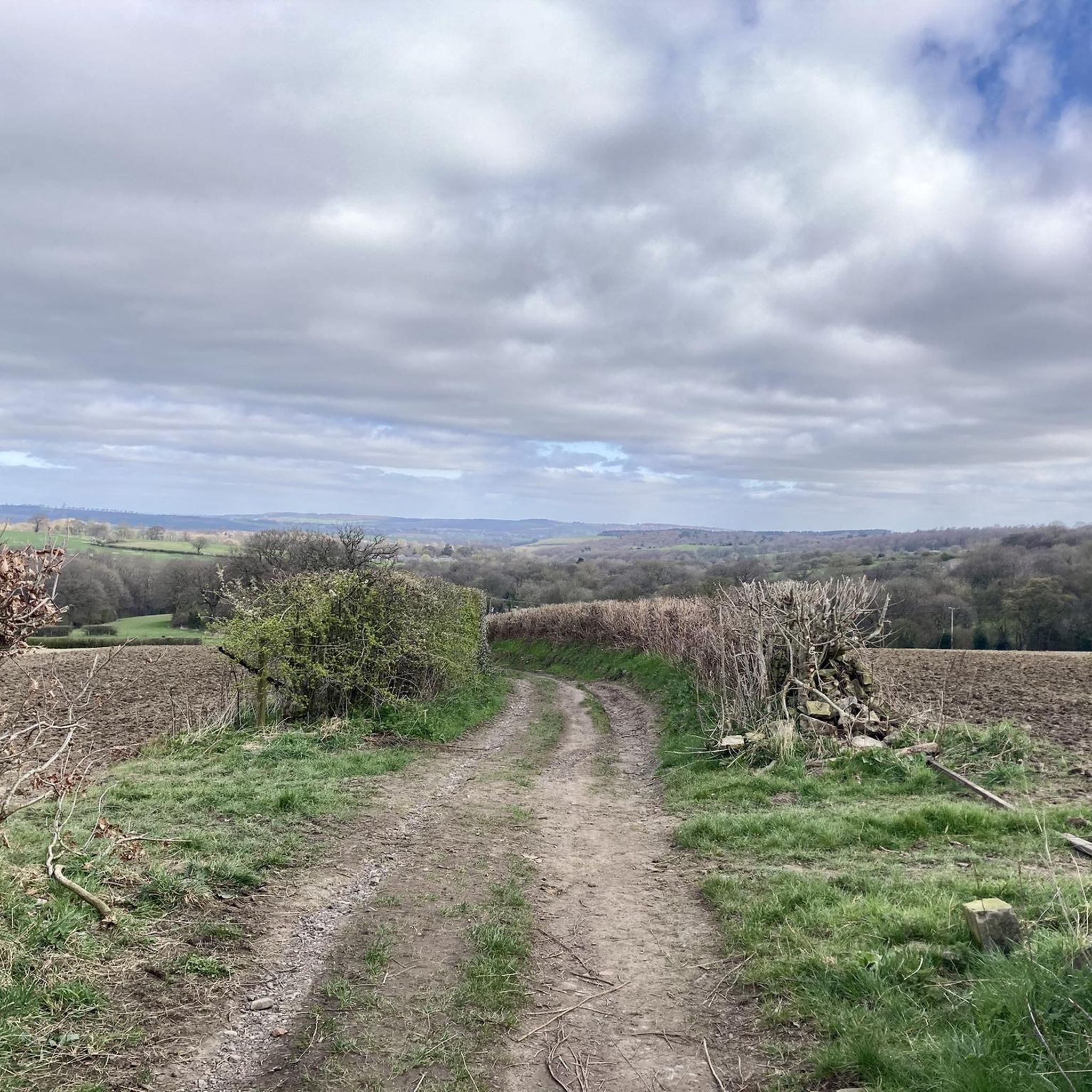
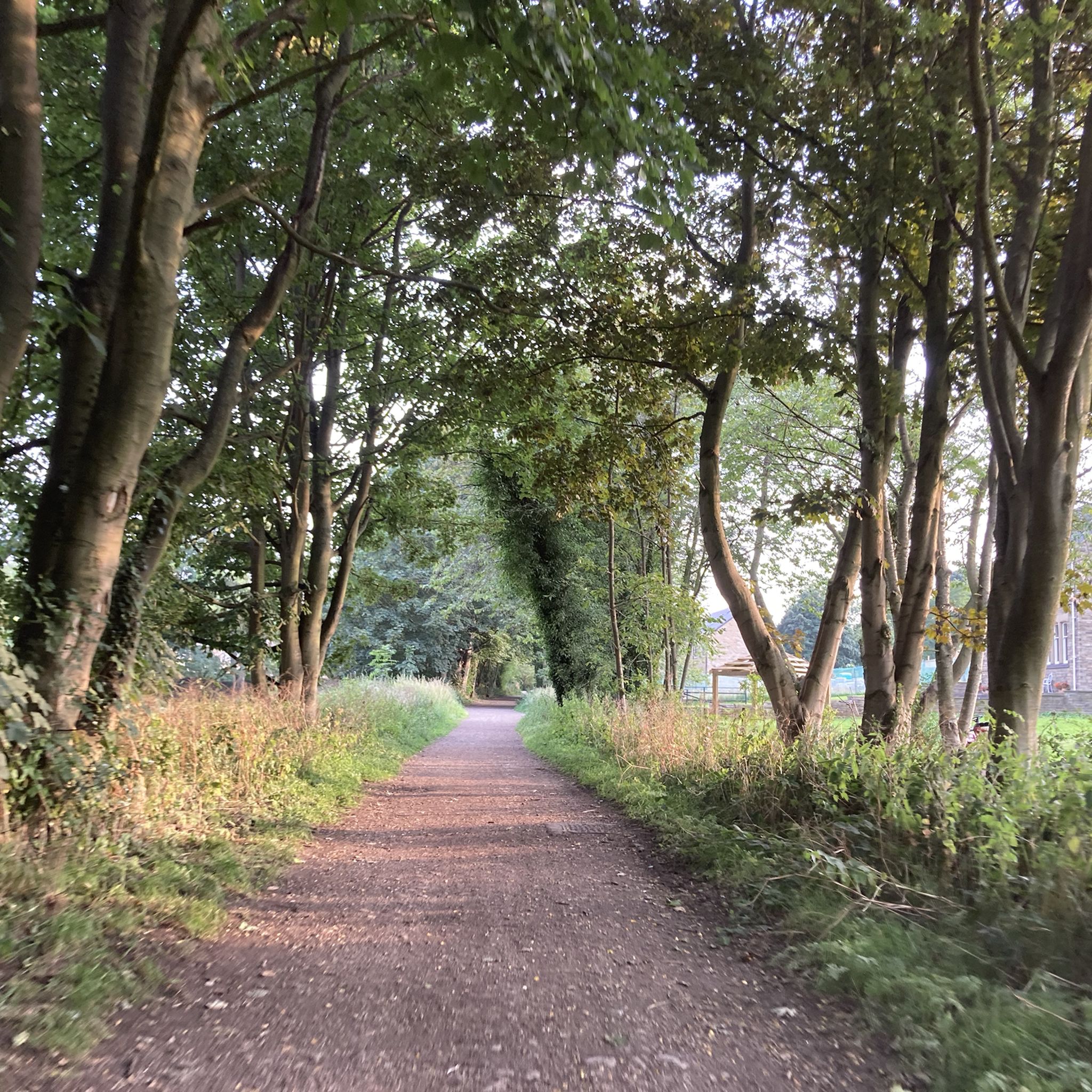
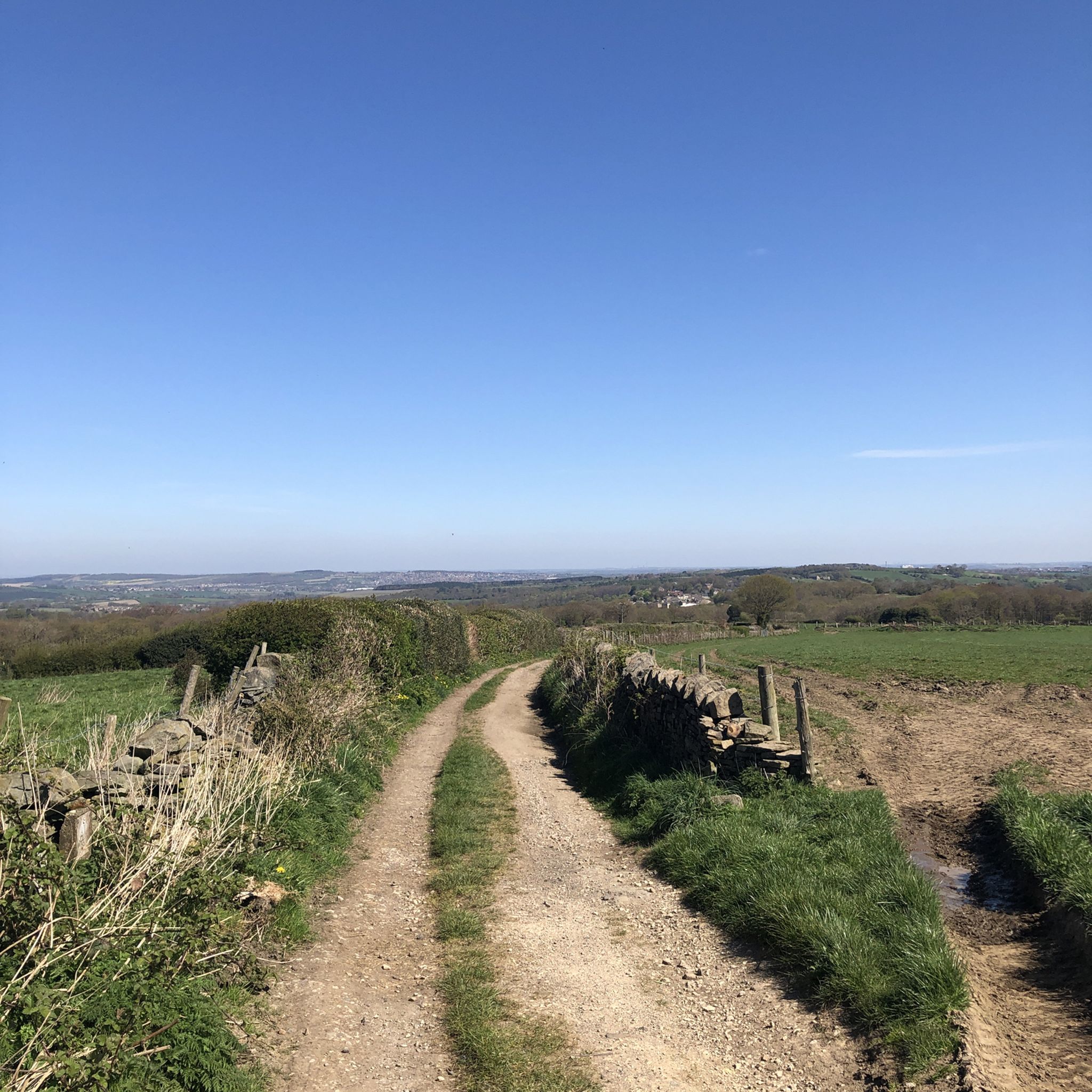
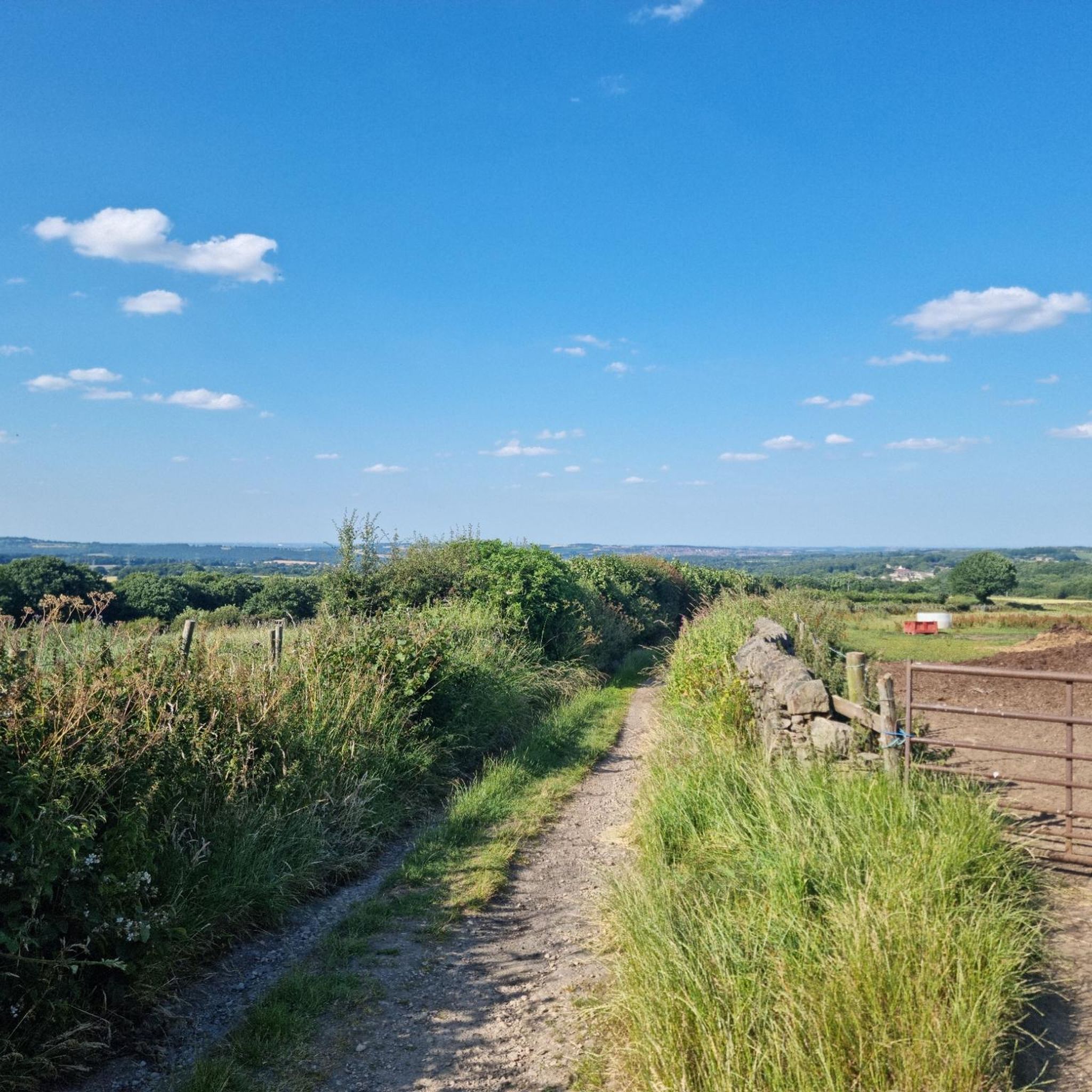
Tips from the Community


Good cafe, interesting curiosity shops and interesting historic buildings.
0
0

Langsett Reservoir boasts well-maintained paths suitable for various abilities, making it ideal for walking, cycling, or even a leisurely stroll. The surrounding woodland and moorland offer diverse landscapes, changing beautifully with the seasons. The dam wall itself is an impressive feat of engineering, and walking across it provides great views of the reservoir and surrounding countryside.
0
0

The embankment of Langsett Reservoir is 352m/1, 156ft long and has a depth of 35m/117ft, to the old river bed beneath. When full, the reservoir holds 59 million m3 or 1,409 million gallons of water. The castellated valvehouse at the northern end of the dam wall is supposed to have been modelled on the gatehouse of Lancaster Castle. The reservoir took 14 years to build, between 1889 and 1904. The reservoir is now controlled by Yorkshire Water, and its naturally acidic, brown water is treated at the modern Langsett Treatment Works just below the embankment wall to the right.
0
0

Good coffee break and interesting craft and antique shops.
0
0
I definitely prefer riding the Strines from north to south, rolling down to Ladybower Reservoir at the end. Do visit this road when the heather is in bloom. The purple moors are stunning.
0
0
Great spot for a decent coffee and piece of cake
0
0

Newmiller Dam is the lake created by the dam for the new mill :-) The village is called Newmillerdam as in New Mill on the Dam. The dam was built to provide a lake and therefore power to the mills owned by the Pashley family just south of Wakefield. The lake and surrounding area is now a nature reserve owned and managed by Wakefield Council. The lake has a well surfaced path all around it, suitable mostly for pushchairs and wheelchairs as well as kids on bikes. It's a popular place and fun for a short walk.
0
0
Frequently Asked Questions
Are there family-friendly attractions around Silkstone?
Yes, Silkstone offers several family-friendly options. The Elsecar Heritage Centre is a living history center with exhibitions, shops, and cafes, and it's home to a unique Newcomen Beam Engine. Pot House Hamlet, located below Silkstone Church, features independent retail outlets, a petting farm, and a café. Newmillerdam Lake also has a well-surfaced path suitable for pushchairs and children's bikes, with a gnome-finding track in the woods for little ones.
What historical sites can I visit in Silkstone?
Silkstone is rich in history. You can explore the 12th-century Church of All Saints, known as the 'minster of the moors,' which also houses an exhibition on mining families. Pot House Hamlet, an English Heritage recognized underground national ancient monument, was once an 18th-century pottery and 17th-century glassworks. The Huskar Pit Disaster Memorial on Silkstone Common commemorates a tragic mining accident, offering a moment for reflection on the region's deep mining past.
What natural features or scenic spots are there near Silkstone?
The area around Silkstone is known for its natural beauty. Langsett Reservoir provides lovely walks with great views across the water. The Silkstone Rock, a regional sandstone body, forms prominent landscape features throughout the area, visible in disused quarries and Cannon Hall Country Park. The rolling hills and woodlands also offer many scenic vistas.
Are there good walking or hiking trails around Silkstone?
Absolutely. Silkstone is popular with ramblers, offering numerous routes through hills, woodlands, and open fields. The historic Silkstone Waggonway is now a scenic path ideal for country walks, with original sleeper stones still visible. Popular routes include the Shaded Forest Path – Huskar Disaster Memorial loop and the Pot House Hamlet – Silkstone Waggonway loop. Many trails are considered easy to moderate, and you can find more options on the Hiking around Silkstone guide.
What cycling opportunities are available near Silkstone?
Cyclists can enjoy the area's diverse terrain. The Strines Road (North to South) is a well-regarded cycle way known for its beautiful tarmac and challenging hills, offering a rewarding ride. The Trans Pennine Trail, accessible near Silkstone, provides a wide, groomed gravel path suitable for cycling. For more routes, check the Road Cycling Routes around Silkstone guide.
Are there any accessible trails or attractions in the area?
Yes, Newmillerdam Lake features a well-surfaced path all around it, which is suitable for pushchairs and wheelchairs. It also has disabled parking spots and wide entrances to the paths, making it a popular and accessible choice for many visitors.
Can I bring my dog to attractions or trails in Silkstone?
Many of the outdoor trails and natural areas around Silkstone are dog-friendly, especially the numerous walking routes through rolling hills and woodlands. Always check specific attraction rules before visiting, but generally, the scenic paths like the Silkstone Waggonway and walks around Langsett Reservoir are welcoming to dogs on leads.
When is the best time to visit Silkstone for outdoor activities?
The area around Silkstone is enjoyable year-round, but spring and summer offer the most pleasant weather for walking and cycling, with lush greenery. Autumn brings beautiful fall colors to the woodlands. While winter can be colder, many trails remain accessible, offering a different, serene experience, especially around natural features like Langsett Reservoir.
Are there cafes or pubs near the attractions or walking routes?
Yes, you'll find options for refreshments. Pot House Hamlet hosts a café called 'The Potting Shed' in a transformed water mill. Near Langsett Reservoir, there is a nice café and pub close to the parking area. The village of Silkstone itself also has local pubs like the Ring O' Bells, which is conveniently located near the Silkstone Waggonway.
Where can I learn about Silkstone's mining history?
Silkstone has a deep mining history. The Church of All Saints features an exhibition about the lives of mining families and a stained-glass window commemorating the children lost in the Huskar Pit Disaster. The Huskar Pit Disaster Memorial on Silkstone Common is a poignant site. Additionally, Heritage Silkstone, based in the Bramah Gallery within the Church of All Saints, provides extensive resources and archives on the village's past, including its 19th-century coal mining connections.
What is the Silkstone Waggonway and can I walk on it?
The Silkstone Waggonway was originally built in 1809 to transport coal from local collieries. Today, it serves as a scenic path perfect for country walks. You can still see original sleeper stones in parts of the route, particularly from the Ring O' Bells pub to Pot House Hamlet. Storyboards along the way preserve its history, making it an engaging walk.
What types of outdoor sports can I do around Silkstone?
Beyond walking and hiking, Silkstone offers opportunities for various outdoor sports. The area is popular for road cycling, with routes like The Strines Road offering challenging terrain. Running trails are also abundant, with options like the Maggot Lane Gravel Path loop. You can find detailed routes for these activities in the Running Trails around Silkstone and Road Cycling Routes around Silkstone guides.
Most popular routes around Silkstone
Most popular attractions around Silkstone

Get inspired with the komoot mobile app


Explore more
Still not found the Highlight you’re looking for? See guides of the top attractions in other regions:
