Top 20 Natural Monuments around Hasselt
Natural monuments around Hasselt feature diverse ecosystems and serene landscapes, offering various recreational opportunities. The region is characterized by extensive pond areas, unique meadows, and significant heathlands. These natural spaces provide habitats for rare species and opportunities for quiet enjoyment and exploration. Hasselt and its surroundings present a blend of ecological significance and scenic beauty.
Best natural monuments around Hasselt
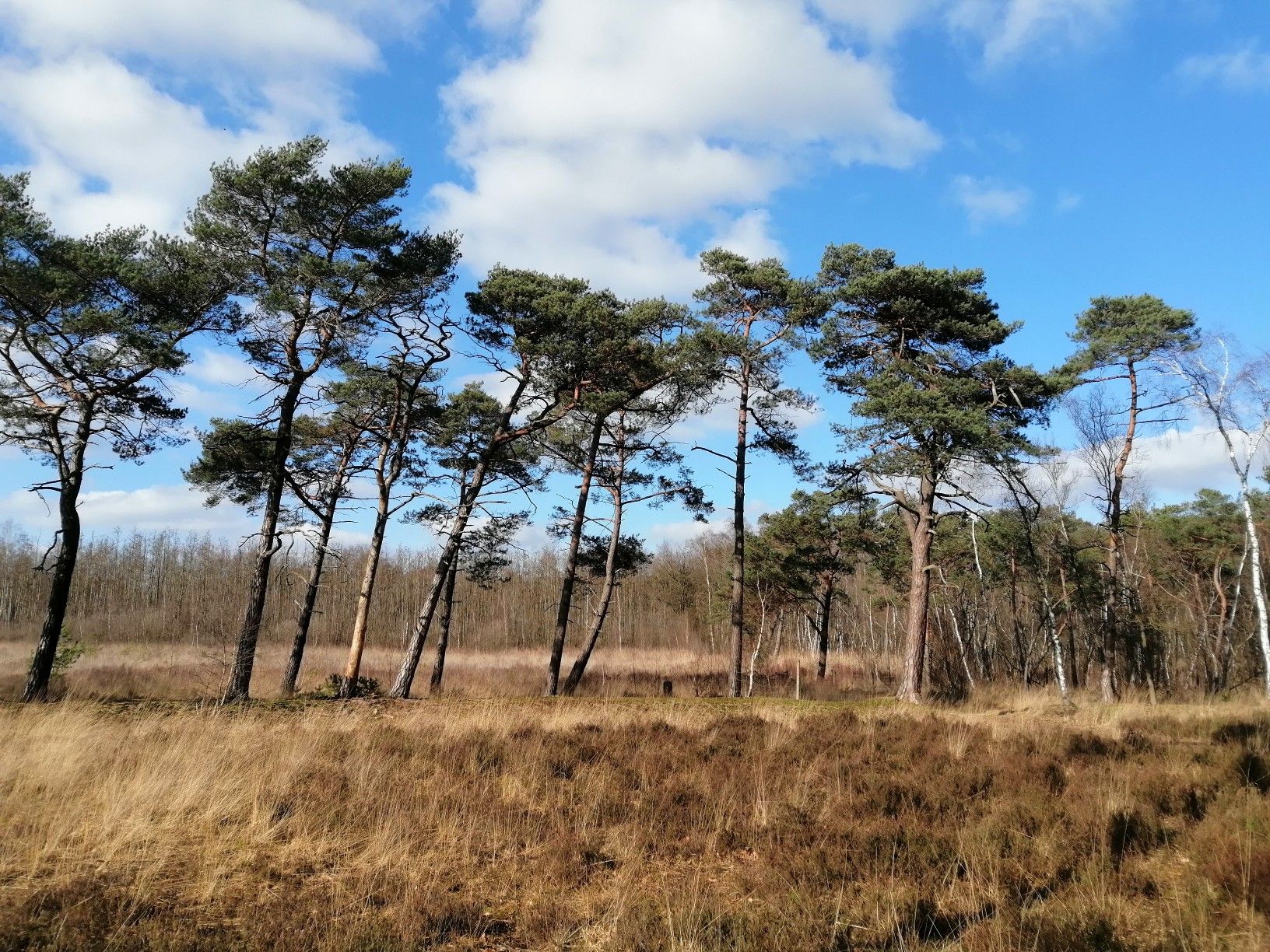
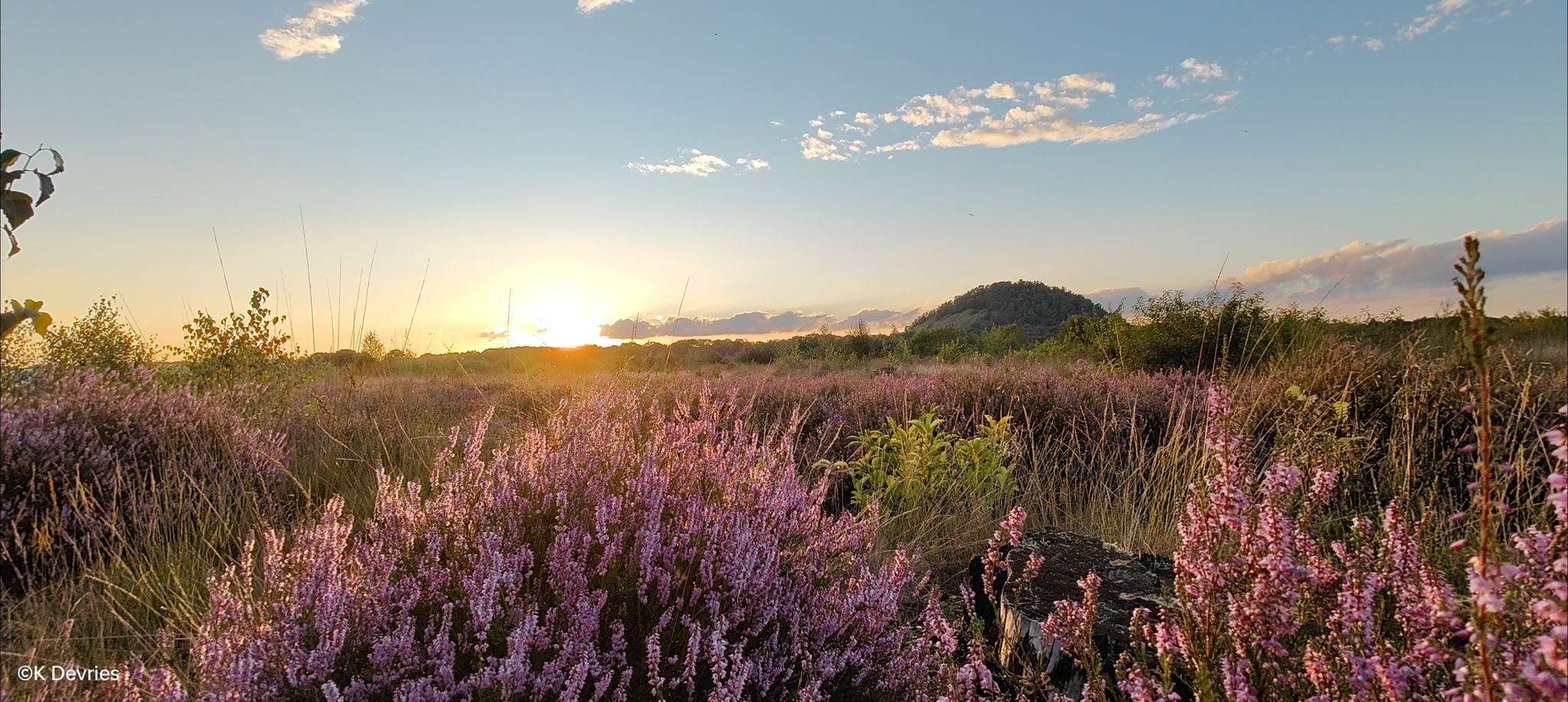
- The most popular natural monuments is De Teut and Tenhaagdoornheide Nature Reserve, an extensive heathland that forms the largest…
Last updated: August 20, 2026
De Teut and Tenhaagdoornheide Nature Reserve
Highlight • Natural
Translated by Google •
Tip by

De Platwijers-Wijvenheide Nature Reserve
Highlight • Lake
Translated by Google •
Tip by

Sign up now to discover places like this
Get recommendations on the best single tracks, peaks, & plenty of other exciting outdoor places.
Sign up for free
Herkenrode Abbey Site
Highlight • Historical Site
Translated by Google •
Tip by

Ponds at Natuurdomein Klaverberg
Highlight • Lake
Translated by Google •
Tip by

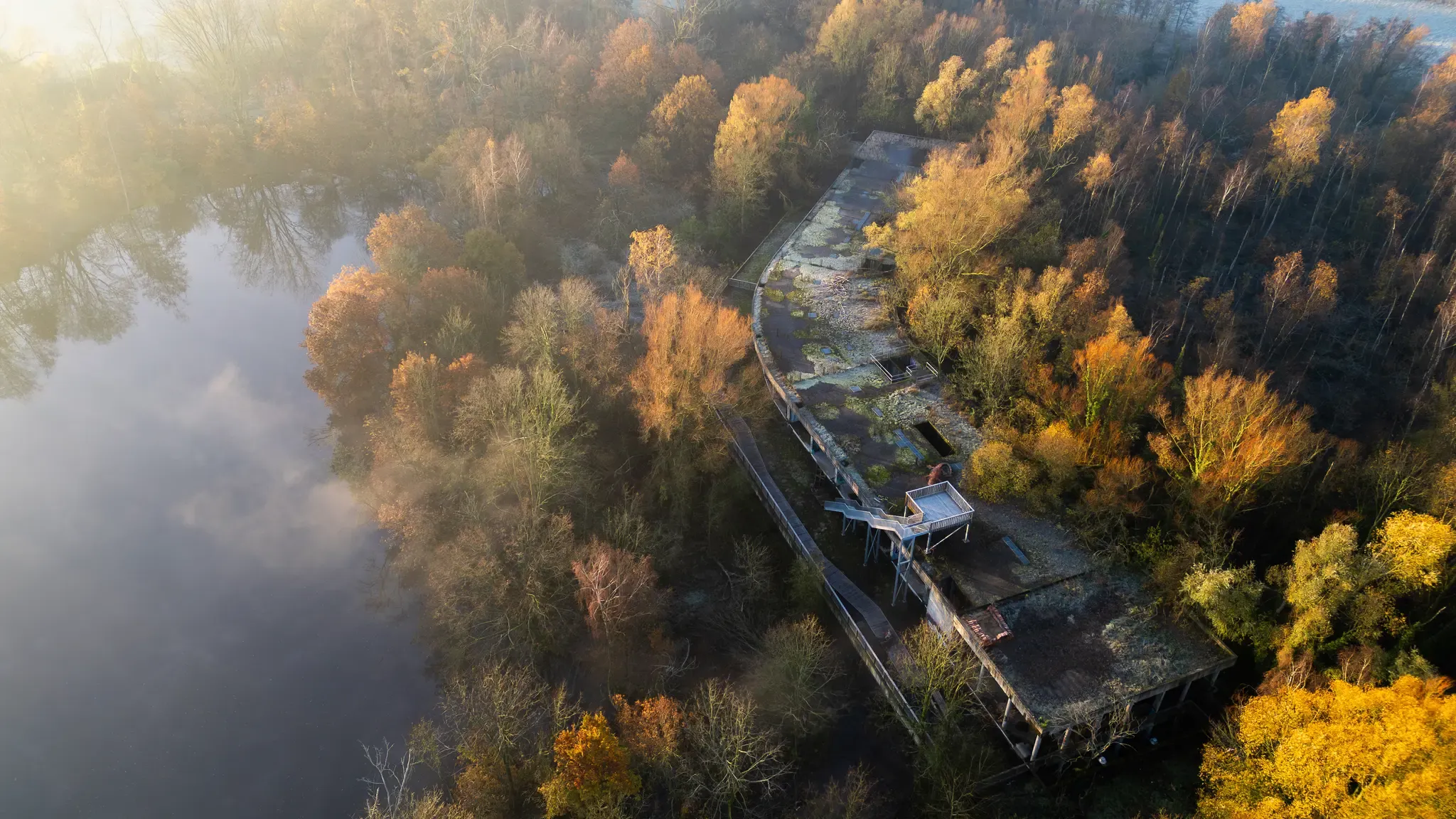
Floating Chapel of Helshoven
Highlight • Monument
Showing Translation
Tip by
Waterschei spoil heap
Highlight • Natural Monument
Translated by Google •
Tip by
Picnic area by the pond at De Teut Nature Reserve
Highlight • Rest Area
Translated by Google •
Tip by

Kattevennen Nature Reserve
Highlight • Forest
Translated by Google •
Tip by

Adventure Hill and be‑MINE spoil tip
Highlight • MTB Park
Translated by Google •
Tip by

Black Brook
Highlight • River
In Halen she squeezes …
Translated by Google •
Tip by

Sign up for free to discover even more natural monuments around Hasselt.
Sign up for free
Already have an account?
Start today with a free account
Your next adventure awaits.
Login or Signup
Popular around Hasselt
From Flanders to the Ardennes — GR 5 in Belgium
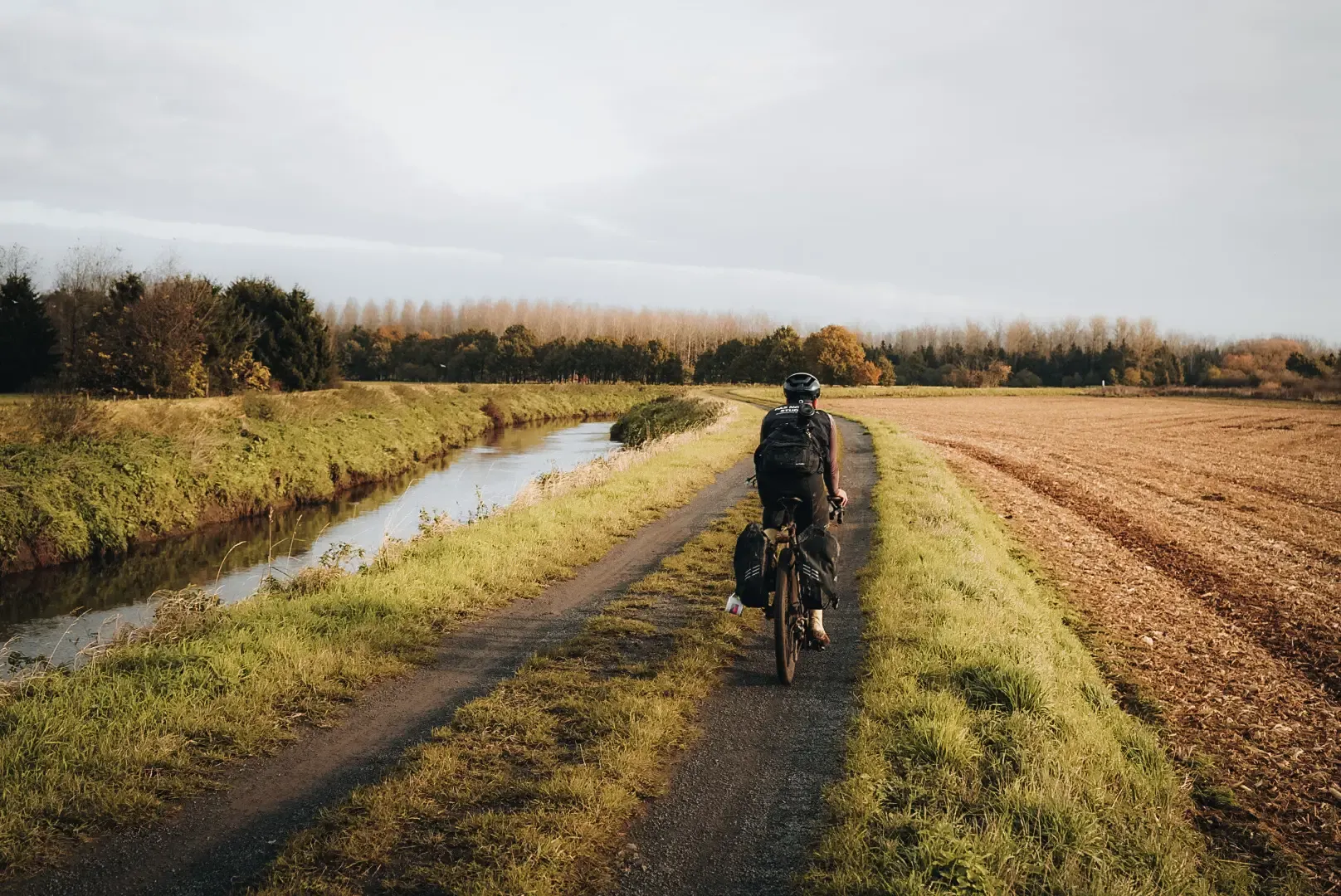
Trappist abbeys cycle route – Between beers and heritage
Flanders Divide - Across Flanders
Three days through Belgian Limburg – art, heritage and views
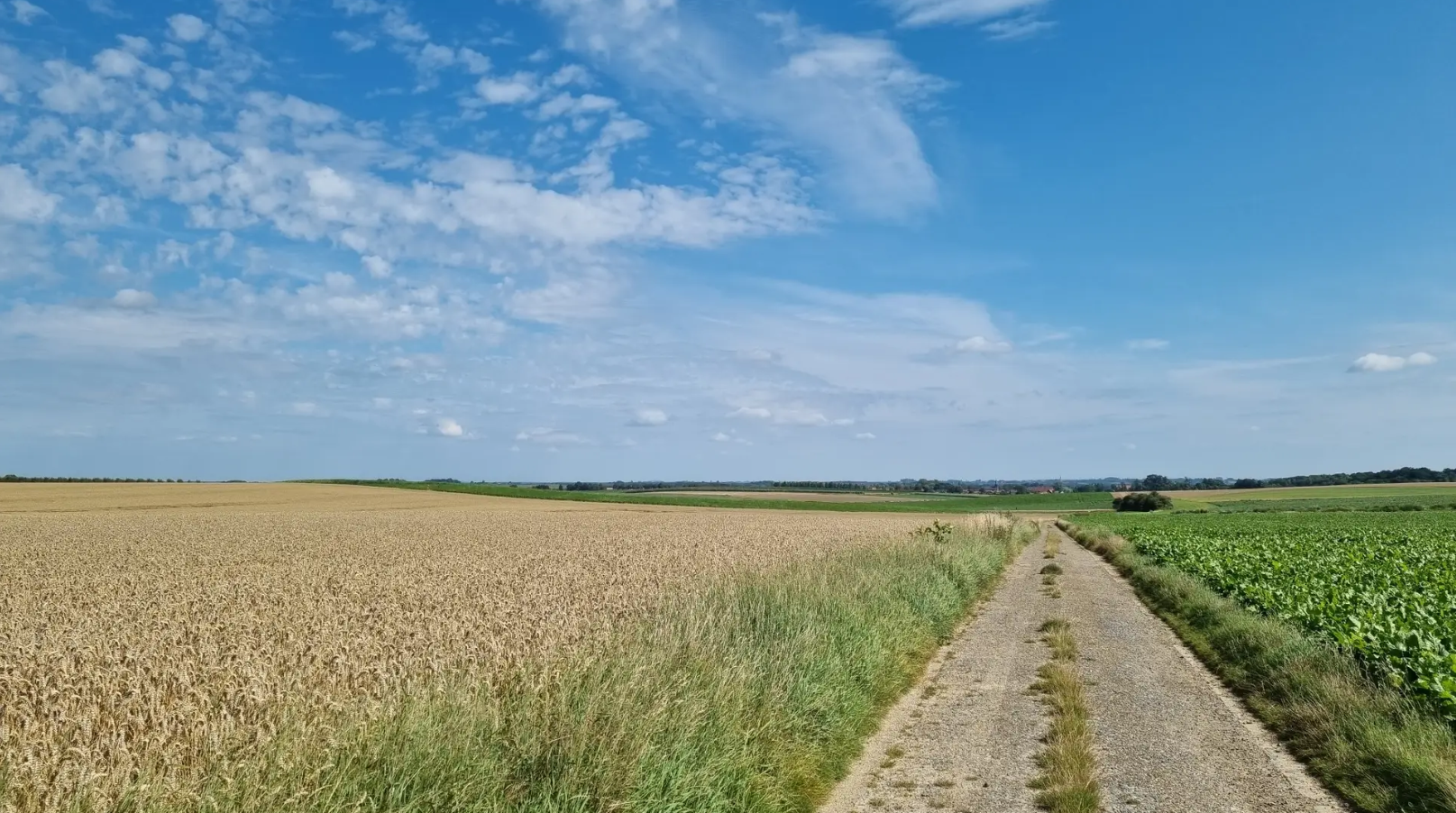
Bloesems, Forests and hidden Heritage – Streek-GR Haspengouw
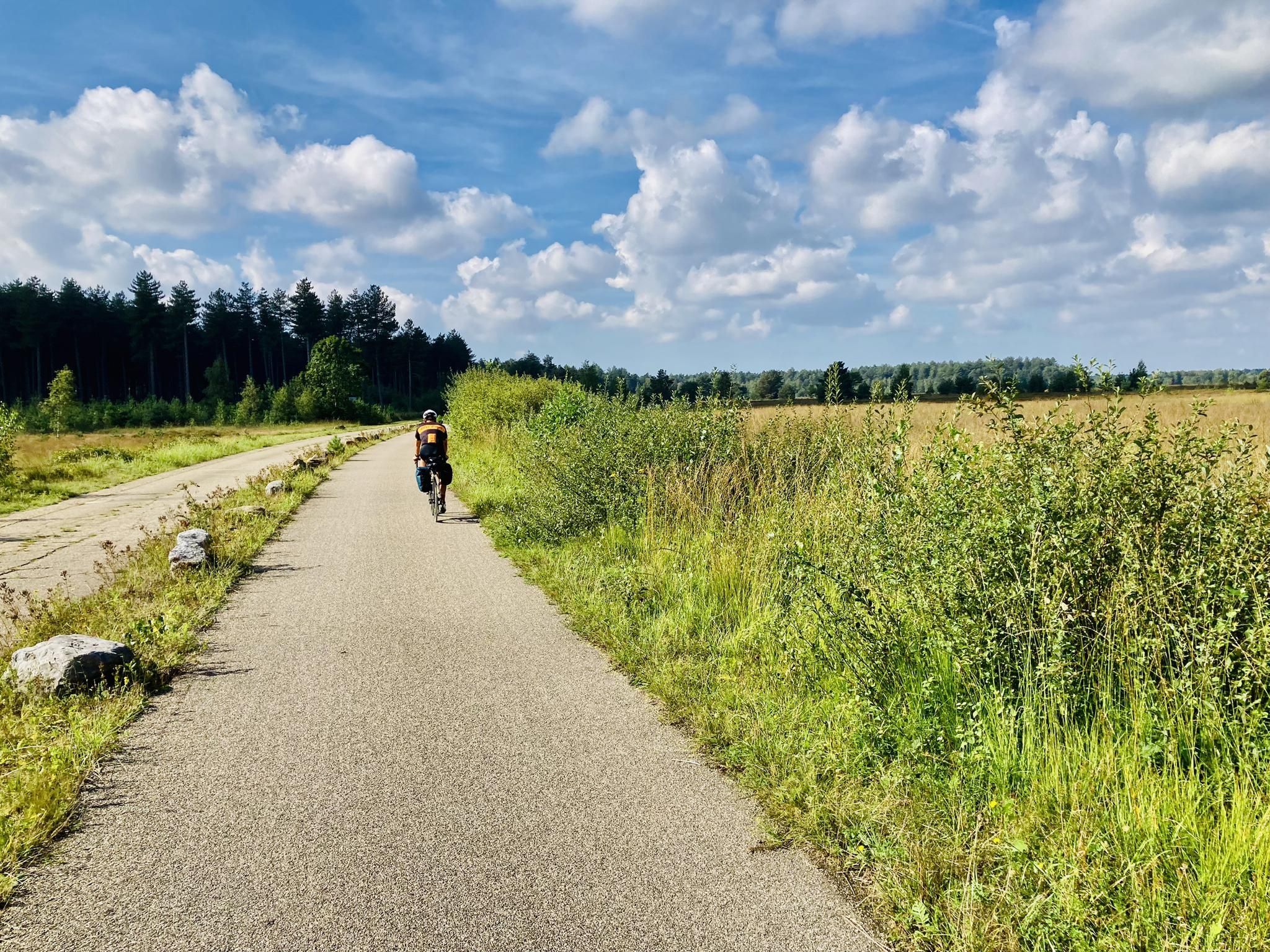
Explore the Kempen – a three-day cycling adventure on the Kempen Route
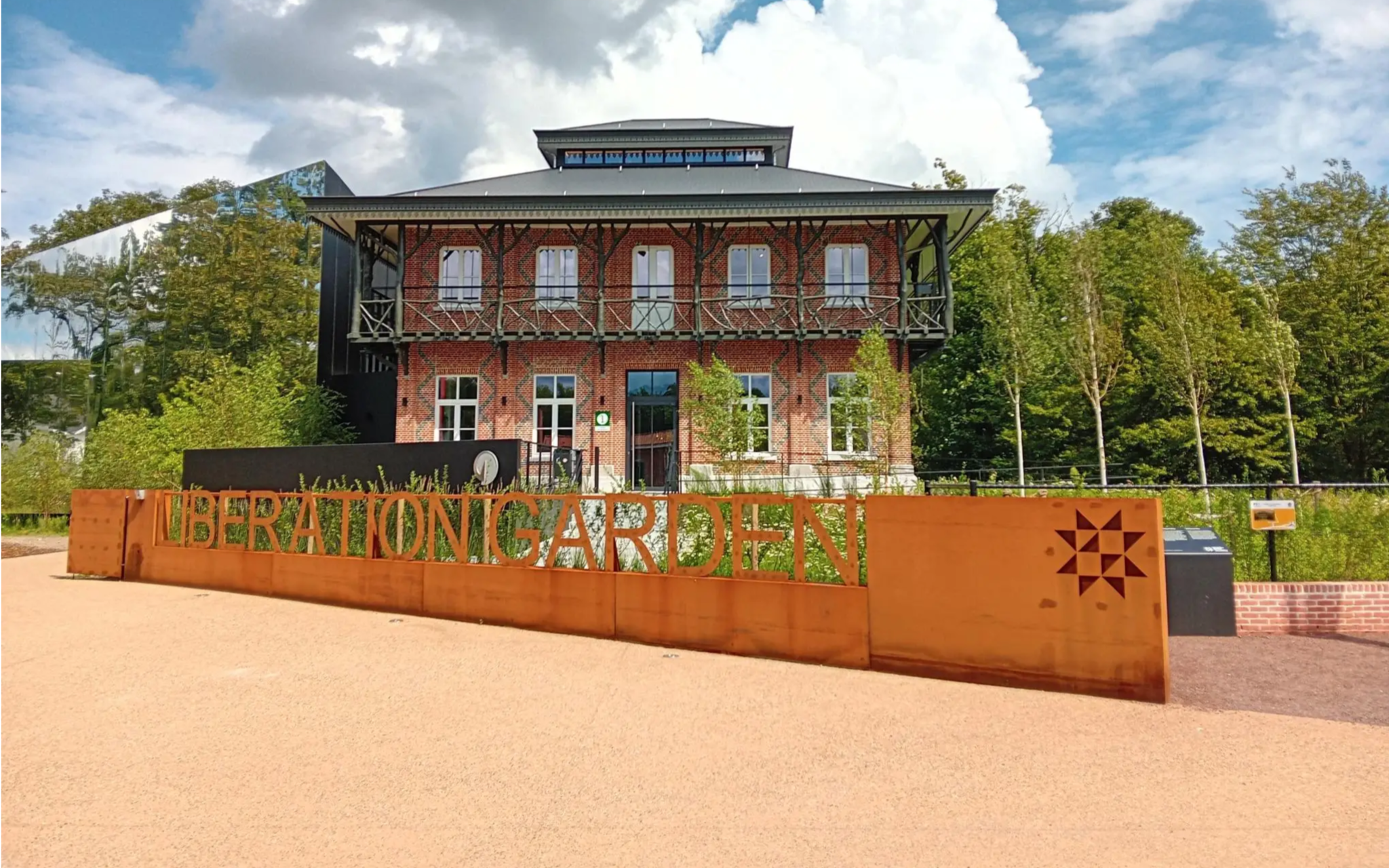
Operation Market Garden – A WW2 history lesson by bike
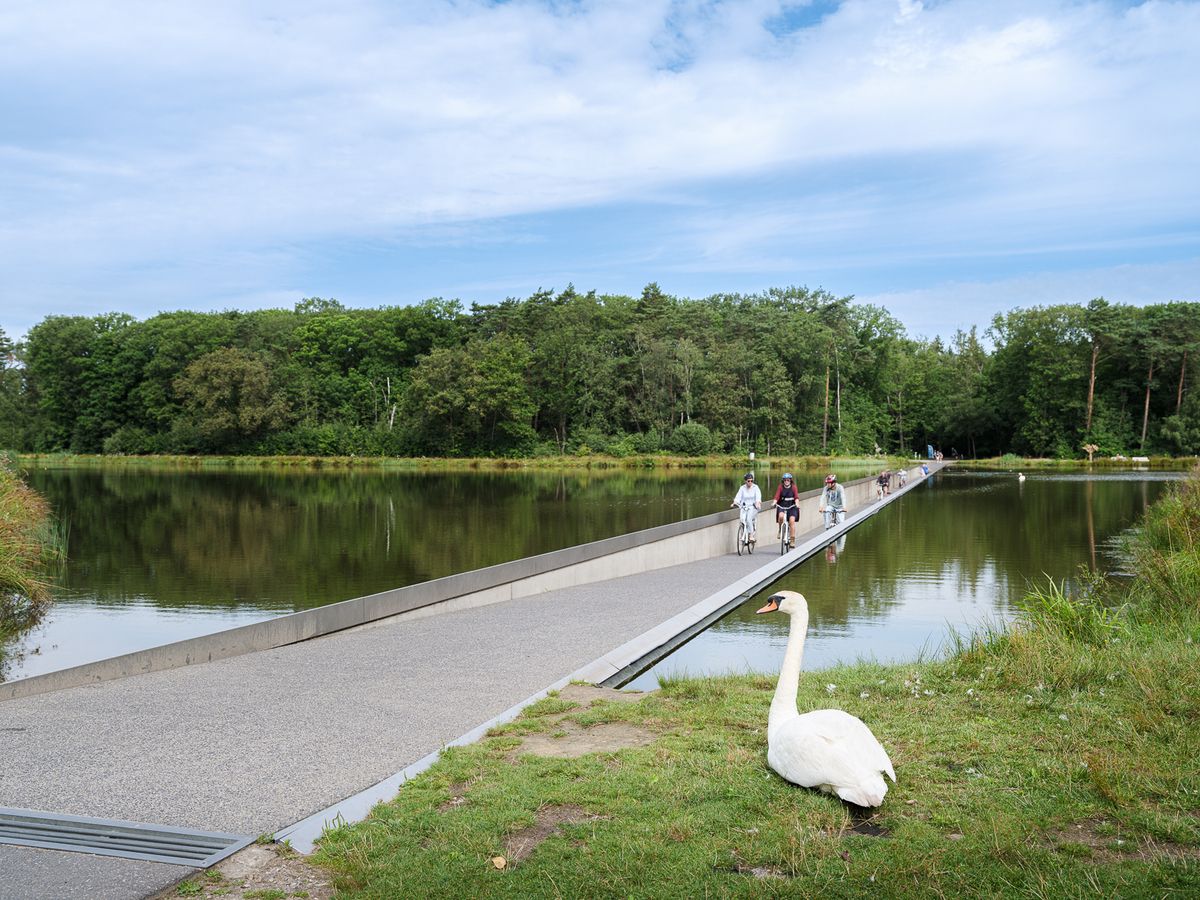
Flanders' Finest Cycle Routes: routes to discover Flemish nature and heritage
Treinstappers – from station to station in Flanders
Three-day National Park Trail (from Genk Station)
Other adventures around Hasselt


Tips from the Community

On the Avonturenberg you can scramble, climb and discover. Via a forest of 1,600 poles you reach the top of the spoil tip via stairs, rope courses, climbing structures, crawl tunnels and hiking trails. The path leads you from one viewpoint to another and offers background information on the history of the coal mine. At the top you can catch your breath on the sunken coal square and enjoy the peace and the view.
3
0

At the highest point of Helshoven, you can now enjoy a breathtaking view over the Haspengouw landscape. Artist Frits Jeuris has created a unique work of art from dozens of felled fruit trees from the area. “Helsh(ea)ven”, a wooden work of art consisting of 90 standard cherry trees, each fifty years old, was hit by the cherry plague virus at the end of 2016, a contagious plant disease that causes small fruits on cherries. Now the felled trees are getting a second life. The work of art symbolizes the dynamic landscape of Haspengouw.
2
0

The Waterschei spoil heap is one of the most striking remnants of coal mining in Belgian Limburg, located in the Waterschei district of Genk. The spoil heap originated as a waste heap from coal mining – during coal mining, rock material that did not contain usable coal was brought to the surface and piled up into an artificial hill. These centuries-old spoil heaps have since become visible landmarks in the landscape and are now deeply rooted in the region's culture and nature. The former mining area around Waterschei was active between 1924 and 1987 and played a significant role in the economic development of the Kempen coal basin. After the mines closed, the area lost its industrial function, but the spoil heaps remained as immense silent witnesses to that mining past. In 1999, the Waterschei spoil heaps were officially designated a protected landscape, emphasizing the value of these structures, not only historically but also ecologically. Today, the slag heaps are part of Thor Park, a redeveloped nature recreation and heritage area of approximately 30 hectares where industrial history and natural experiences converge. Hiking trails have been laid out around the slag heaps, often marked with small stacked stones—symbolic "cairns"—that invite visitors to climb the slopes and leave their own markings. At the top of the slag heap, you're rewarded with a panoramic view of the former mining site, forest, heathland, and the surrounding landscape. The Waterschei slag heap combines history, nature, and recreation. The hill is not only a monument to the mining industry but also a place where vegetation and biodiversity have developed on the rugged stone. As such, the slag heap offers a fascinating example of how an industrial artifact can transform into an ecologically and recreationally valuable landscape.
0
0

You can have a beautiful view of it if you walk up the slag heap, but with a bit of luck you can also spot deer in the surrounding nature.
2
0

The Teut gives you colorful fun...
5
0

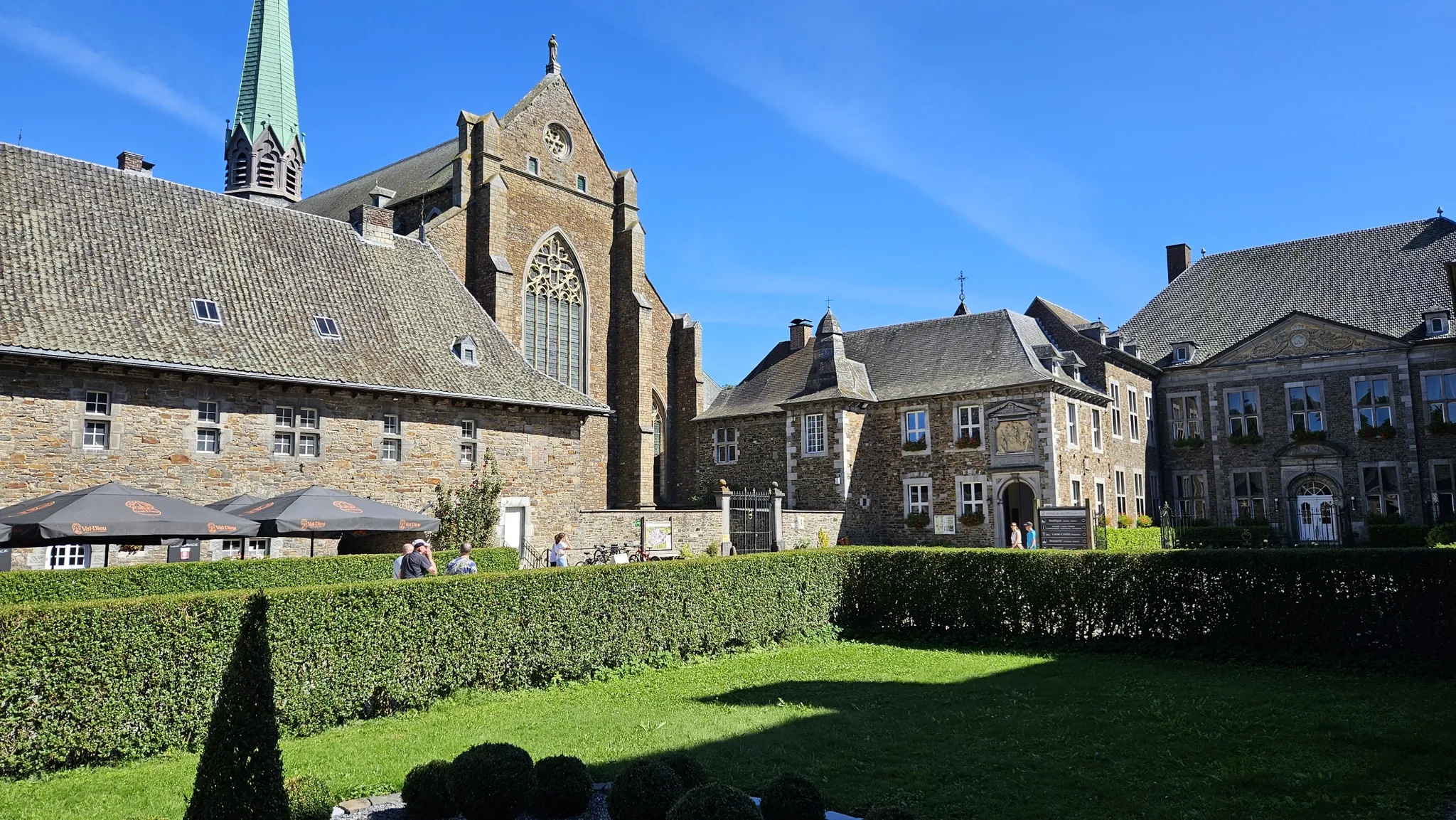
The Herkenrode Abbey site is an interesting combination of culture, history, nature and an ideal starting point for walks.
10
0

Breathtaking panorama in good weather
2
0

Beringen mine spoil heap is a nature reserve on the territory of Koersel (part of Beringen) and is located on Terril number 2 of the former Beringen coal mine. Between 1941 and 1949, 11,600,000 m³ of stone was dumped here. Beringen mine spoil heap is owned by the Agency for Nature and Forests. The mine was closed in 1989 and the spoil heap was cleaned up in 1995. Herbs were sown and the whole was made accessible to the public. At a height of 125 m, 100 m above the surroundings, there is a plateau from which one has a view of the surroundings. The birds include the skylark, tree pipit, meadow pipit and lapwing. The queen page and the blue-winged grasshopper are some of the rare insects that occur in the area.
3
0
Frequently Asked Questions
What are some of the most popular natural monuments to explore around Hasselt?
Visitors frequently enjoy the expansive heathlands of De Teut and Tenhaagdoornheide Nature Reserve, which is the largest heath area in Central Limburg. Another favorite is De Platwijers-Wijvenheide Nature Reserve, a significant part of the 'land of 1001 ponds' known for its abundant birdlife. The historic Herkenrode Abbey Site, with its surrounding nature reserve and walking paths, is also highly appreciated.
Are there natural monuments suitable for families with children?
Yes, many natural monuments around Hasselt are family-friendly. De Teut and Tenhaagdoornheide Nature Reserve offers diverse landscapes for walks. The Herkenrode Abbey Site provides pleasant nature walks through orchards and meadows. Additionally, the Kattevennen Nature Reserve is an access gate to the Hoge Kempen National Park and offers various recreational and educational attractions suitable for all ages.
What kind of wildlife can I expect to see in the natural monuments near Hasselt?
The region is rich in biodiversity. In areas like De Wijers and De Platwijers-Wijvenheide Nature Reserve, you can spot rare species such as the bittern and the tree frog, along with various waterfowl and herons. The heathlands of De Teut and Tenhaagdoornheide Nature Reserve are home to diverse flora and fauna, maintained partly by grazing sheep. Observation huts are often available for quiet wildlife viewing.
Are there accessible natural monuments for visitors with limited mobility?
While specific accessibility details vary, areas like Nietelbroeken feature boardwalks to navigate swampy parts, making it easier to explore its unique bluegrass meadows. For general information on accessibility, it's always recommended to check specific site details before your visit.
What are the best times of year to visit the natural monuments around Hasselt?
Spring and summer are particularly beautiful. In May, Nietelbroeken transforms into a vibrant sea of blossoms with wild plants like spotted orchids and cuckoo flowers. The Japanese Garden, while not entirely natural, is highly recommended in April for its cherry blossoms. The extensive pond areas and heathlands are enjoyable throughout the warmer months for walking and cycling, offering lush greenery in spring/summer and unique colors in autumn.
Can I go hiking near these natural monuments?
Absolutely. The region offers numerous hiking opportunities. De Wijers, for example, boasts 81 km of hiking trails. The Herkenrode Abbey Site has four signposted nature walks ranging from 1 km to 9.2 km. For more options, you can explore easy hikes around Hasselt, which include trails like the Holsteen Yellow Hexagon Trail and routes in De Wijers.
Are there cycling routes that pass through or near the natural monuments?
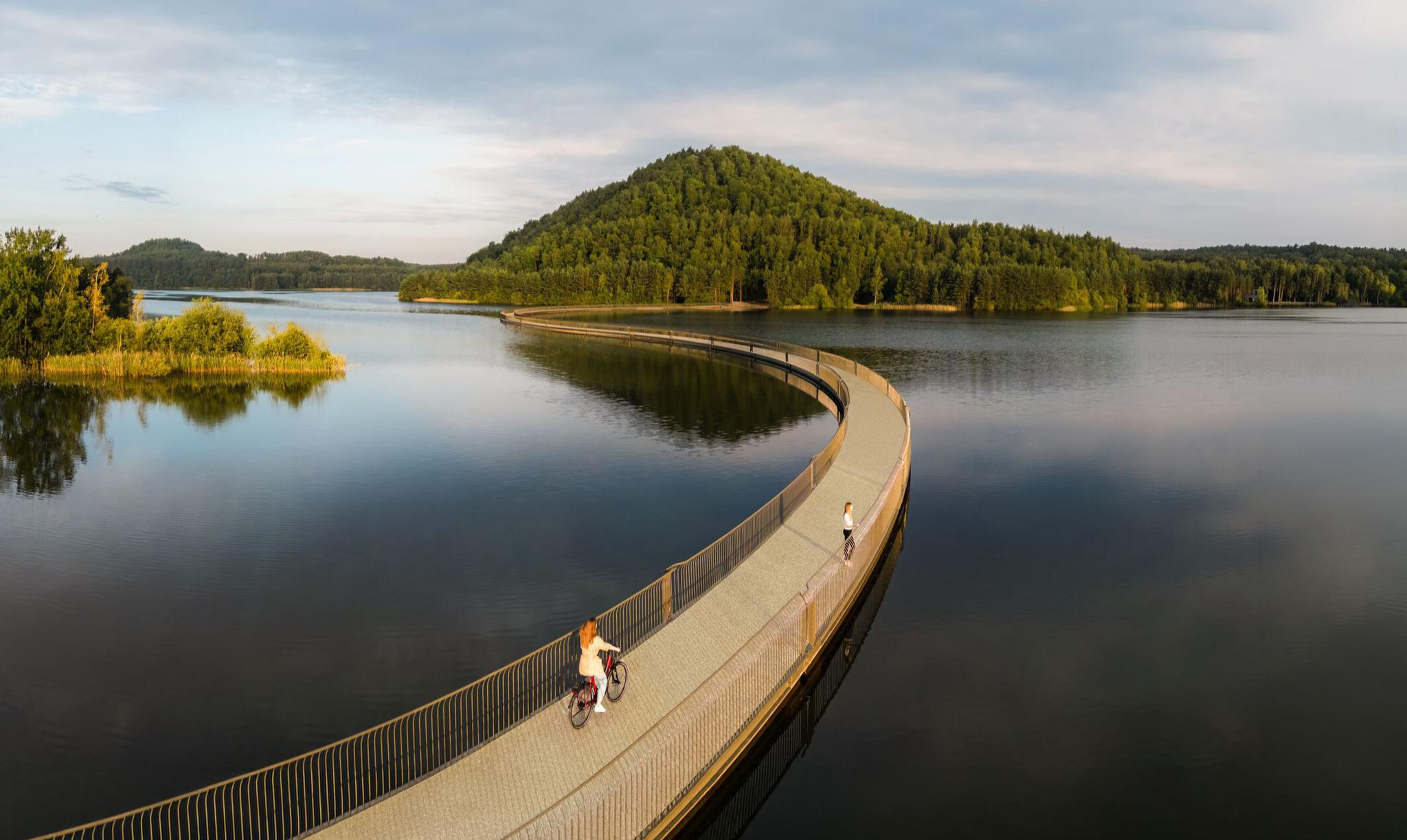
Yes, cycling is a popular way to experience the natural beauty. The 'Cycling through Water' path in Bokrijk, within De Wijers, offers a unique immersive experience. You can find various options, including the 'De Teut Cycleway' which loops through De Teut Nature Reserve. For more cycling adventures, check out road cycling routes around Hasselt.
What historical elements can be found within or near these natural areas?
The Herkenrode Abbey Site is a prime example, combining historical buildings with a surrounding nature reserve. It's an 800-year-old site with restored historic buildings and a botanical garden. The Waterschei spoil heap and Adventure Hill and be‑MINE spoil tip are also natural monuments with significant historical ties to the region's mining past.
Are there any unique natural features or landscapes to discover?
Beyond the well-known sites, the Mombeek Valley offers a 'fairy-tale walk along meadows and brooks' with idyllic scenery shaped by the Mombeek River. Nietelbroeken is celebrated for its unique bluegrass meadows and rare plant species. The extensive pond landscape of De Wijers, with its 'land of 1001 ponds,' is also a distinctive feature of the region.
What do visitors enjoy most about the natural monuments around Hasselt?
Visitors particularly appreciate the tranquility and diverse landscapes. The opportunity to observe rare bird species at places like De Platwijers-Wijvenheide Nature Reserve, the unique experience of cycling through water in De Wijers, and the peaceful walks through heathlands and forests are frequently highlighted. The blend of natural beauty with historical sites like the Herkenrode Abbey Site also adds to the appeal.
Are dogs allowed on trails in the natural monuments?
Many natural areas around Hasselt are dog-friendly, though regulations can vary by specific reserve. It's generally advisable to keep dogs on a leash to protect wildlife and ensure a pleasant experience for all visitors. For specific details on off-leash zones or restrictions, checking local signage or official websites for areas like De Wijers or Herkenrode Abbey is recommended.
Where can I find a good picnic spot within these natural areas?
You can find pleasant spots throughout the region. For instance, there's a dedicated Picnic area by the pond at De Teut Nature Reserve, offering a scenic place to rest and enjoy a meal amidst nature. Many other reserves also have designated or informal spots perfect for a break.
Most popular routes around Hasselt
Most popular attractions around Hasselt

Get inspired with the komoot mobile app


Didn’t find what you were looking for?
Find even more amazing natural monuments around Hasselt by checking out the top Highlights region by region:
Explore more
Extend your search for the best caves by checking out these guides of the top ones around Hasselt:
