The best dog-friendly hikes and walks around Hasselt
4.3
(23581)
136,640
hikers
269
hikes
Dog friendly hiking trails around Hasselt traverse a varied landscape in Belgium's Limburg region, characterized by extensive nature reserves, rolling hills, and numerous green spaces. The area features a unique wetland ecosystem with a "land of 1001 ponds" in De Wijers, alongside traditional orchards and wooded ridges in Haspengouw. Hikers can explore tranquil valleys with meadows and brooks, as well as diverse forests and open fields. This diverse terrain provides a range of natural environments for dog friendly walks.
Best…
Last updated: August 10, 2026
4.5
(30)
201
hikers
25.1km
06:32
180m
170m
Hard hike. Very good fitness required. Easily-accessible paths. Suitable for all skill levels.
4.3
(162)
1,163
hikers
5.08km
01:17
10m
10m
Easy hike. Great for any fitness level. Easily-accessible paths. Suitable for all skill levels.

Sign up for free
4.5
(86)
642
hikers
Easy hike. Great for any fitness level. Easily-accessible paths. Suitable for all skill levels.
4.5
(82)
552
hikers
Easy hike. Great for any fitness level. Easily-accessible paths. Suitable for all skill levels.
4.5
(48)
345
hikers
5.98km
01:31
20m
20m
Easy hike. Great for any fitness level. Easily-accessible paths. Suitable for all skill levels.
Get access to more routes and recommendations from other explorers.
Sign up for free
Already have an account?
Our route recommendations are based on thousands of hikes, rides, and runs completed by other people on komoot.
Start today with a free account
Your next adventure awaits.
Login or Signup
Popular around Hasselt
Dog-friendly hikes around Albert Canal

Dog-friendly hikes in Vlaams Natuurreservaat Molenheide

Dog-friendly hikes in Vlaams Natuurreservaat De Teut

Dog-friendly hikes in Natuurreservaat Vallei Van De Zwarte Beek - Beringen

Dog-friendly hikes in Rammelaars
Dog-friendly hikes around Melberg
Dog-friendly hikes in Natuurreservaat De Maten

Dog-friendly hikes around Schulensmeer

Dog-friendly hikes in Natuurgebied Gerhagen
Dog-friendly hikes in Vlaams Natuurreservaat Helderbeek-Terril
Other adventures around Hasselt


Tips from the Community

Extreme variety, from a sodden peat bog valley to the bone-dry sandy dunes on the heath, that is what the Valley of the Black Creek is known for. In the upper reaches, the creek meanders through the military domain “Kamp van Beverlo”. Here it has retained its natural meandering. That is why a rare fish species like the brook lamprey certainly feels at home here. The creek valley gradually transitions into the large heathland area: wet heath with bogs and dry heath with dunes. Only a few species of plants and animals can withstand the large temperature fluctuations, enormous drought, and very dynamic sand drifts. Between purple moor grass, rough haircap moss, and sea sandwort, sand beetles hunt small insects. Wheatears, pipits, and larks, in turn, try to outwit the fast sprinters.
3
0
The pond by the small stream in Korspel (Beringen) is a quiet and green spot located right next to a cycle path and walking trail. It is an ideal stop for hikers and cyclists to rest for a while.
3
0
The original flat heath landscape in Limburg changed its relief thoroughly when coal mining began. The coal that was brought up had to be separated from the unusable stones. For this, the coal was 'washed' and the waste was piled up. This is how the mine dumps were created. Today, the dump and its surroundings have been transformed into a nature reserve with a variety of flora and fauna.
2
0

The cycle path through the water leads cyclists over a 212-meter-long and three-meter-wide concrete path, with water at eye level on both sides. Swans and other waterfowl swim along the banks, curiously watching the cyclists. Since its opening, interest in this unique cycle path has been enormous. On average, 800 visitors per day explore this unforgettable part of the Limburg cycle network, with peaks on Saturdays and Sundays, and on some days even up to 5,000 cyclists.
2
1
The heath landscape is a remnant of a historical, extensive agricultural ecosystem. Of the area of heath that existed around 1850, about 5 percent remained at the end of the twentieth century. The remaining heathlands are now nature reserves or are used as military training grounds. Today, heath is scarce in Flanders and still covers 0.6 to 1 percent of the total area: about 7,700 to 13,000 hectares. Nevertheless, the heath landscape is of great importance for the preservation of biodiversity: 13% of the most endangered animal and plant species in Flanders can be found in the heath landscape.
1
0
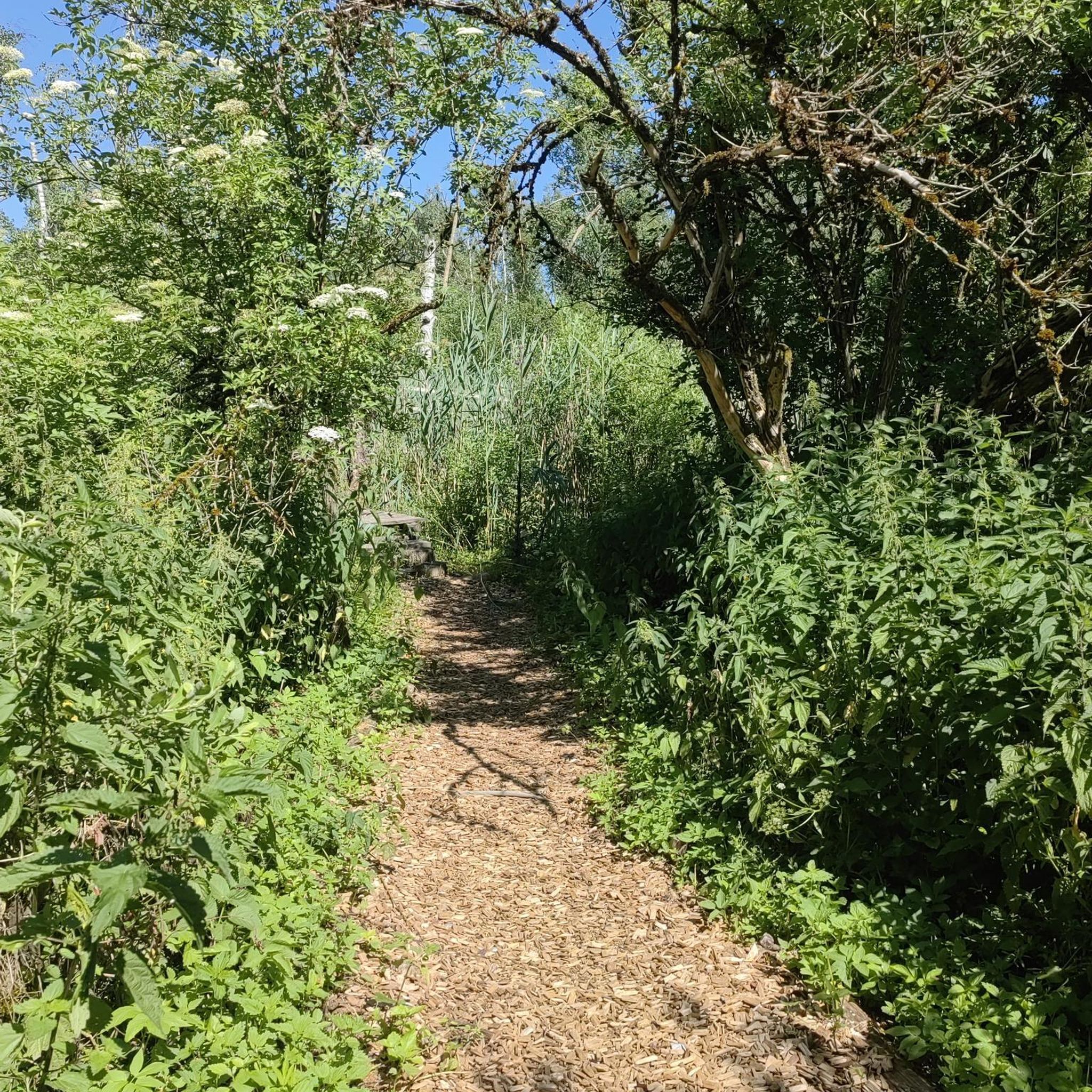
The name Maten is related to the English "meadows". The area is part of De Wijers, a pond complex on the transition from the Kempens Plateau to the Demer Valley. On the poor sandy soils of the Kempen, fish farming was a source of extra protein. As early as the Middle Ages, series of ponds were created by means of simple cross-dikes in the valley. The overflow from one pond simultaneously forms the supply for the next pond. For the ponds in De Maten, the Stiemerbeek valley was dammed up several times. As fish farming became more intensive in the first half of the twentieth century, many ponds were given separate inlets and outlets. In De Maten, you will still find a mix of both systems. The water management is therefore a complex part of the management of one of the oldest nature reserves in Flanders.
3
0
Ornithology or bird science is a specialization of zoology that deals with the study of birds. It includes the classification of species and observation of behavior, migration, song, and flight patterns. Birds are ringed, among other things, to learn more about their migratory behavior and age. An ornithologist is a practitioner of ornithology. A hobby ornithologist is a birdwatcher.
1
0
This small castle is actually a neoclassical manor house with accompanying service buildings and a farm complex from the 19th century, situated in a wooded park in a landscape style with remarkable old oaks and beeches.
2
0
Frequently Asked Questions
How many dog-friendly hiking trails are available around Hasselt?
There are over 240 dog-friendly hiking trails around Hasselt, catering to various preferences and skill levels. You'll find a wide selection, from easy strolls to more challenging treks, all suitable for exploring with your canine companion.
What kind of terrain can I expect on dog-friendly hikes in Hasselt?
The terrain around Hasselt is quite diverse. You can expect a mix of wetland ecosystems with ponds and reed beds in areas like De Wijers, gently rolling hills with orchards in Haspengouw, and tranquil paths alongside meadows and brooks in the Mombeek Valley. Many trails also lead through forests and green spaces, offering varied surfaces for you and your dog.
Are there easy dog-friendly walks suitable for beginners or older dogs?
Yes, Hasselt offers many easy dog-friendly walks. For instance, the Paalse Plas – Paalse Plas loop from Paal is an easy 5.2 km route with minimal elevation gain, perfect for a relaxed outing. Another great option is the Galloway Cattle – Bench with a view loop from Domein Kiewit, which is just over 4.5 km and also very flat.
Are there longer dog-friendly hikes for more experienced hikers?
Absolutely. For those seeking a longer adventure with their dog, the Treinstapper from Beverlo to Zolder offers a challenging 25 km route with moderate elevation changes. This trail provides a great opportunity for a full day out in nature with a fit dog.
What natural features or landmarks can I see on dog-friendly hikes?
Hasselt's dog-friendly trails often lead through beautiful natural areas. You can explore the 'land of 1001 ponds' in the De Wijers Nature Reserve, where you might spot various bird species from observation points like the Schoenbroek Pond Bird Hide or the Bird Observation Platform at Augustine Pond. Many routes also pass by historical sites such as Bokrijk Castle or Kiewit Castle, offering a blend of nature and culture.
Are there any circular dog-friendly walks around Hasselt?
Yes, many dog-friendly trails around Hasselt are circular, allowing you to start and end at the same point. The Paalse Plas loop and the Galloway Cattle loop from Domein Kiewit are excellent examples of easy circular routes. The Bench with a view – Between the ponds loop from Openluchtmuseum Bokrijk is another popular circular option, offering scenic views around the ponds.
Is parking available for dog walks in Hasselt?
Parking is generally available at or near the trailheads for many dog-friendly walks around Hasselt. Specific parking information can often be found on individual route descriptions within komoot, or by checking local municipality websites for larger nature reserves like De Wijers or Bokrijk.
What is the best time of year to hike with my dog around Hasselt?
The spring and autumn months are often considered ideal for hiking with dogs around Hasselt. Spring brings beautiful blossom in the Haspengouw region and pleasant temperatures, while autumn offers stunning foliage. Summer can be enjoyable, but be mindful of warmer temperatures and ensure your dog has access to water. Winter walks can be peaceful, but trails might be muddy or icy, so appropriate gear is recommended.
What do other hikers enjoy most about dog-friendly hiking in Hasselt?
The area is highly rated by the komoot community, with an average score of 4.37 stars. Reviewers often praise the well-maintained paths, the diverse and peaceful natural landscapes, and the clear signage that makes navigating with a dog enjoyable. The variety of trails, from wetland reserves to forests and rolling hills, is also frequently highlighted.
Are there dog-friendly places to eat or stay near the trails?
While specific dog-friendly establishments aren't listed in the guide, many cafes and pubs in the Limburg region are becoming more accommodating to dogs, especially those with outdoor seating. It's always best to check with individual establishments beforehand. For accommodation, look for guesthouses or holiday rentals that explicitly state they are pet-friendly.
What should I pack for hiking with my dog in Hasselt?
When hiking with your dog, always bring plenty of water for both of you, a portable bowl, and some dog treats. A leash is essential, and a long line can be useful in areas where dogs are allowed more freedom but still need to be under control. Don't forget waste bags, and consider a first-aid kit for dogs, especially on longer routes. Depending on the weather, a dog coat or booties might also be beneficial.
Most popular routes around Hasselt
Most popular attractions around Hasselt

Get inspired with the komoot mobile app


Didn’t find what you were looking for?
Check out more Hikes throughout Hasselt below and find the perfect route in your destination.
