The best walks and hikes around Tongeren
4.4
(23076)
113,288
hikers
2,705
hikes
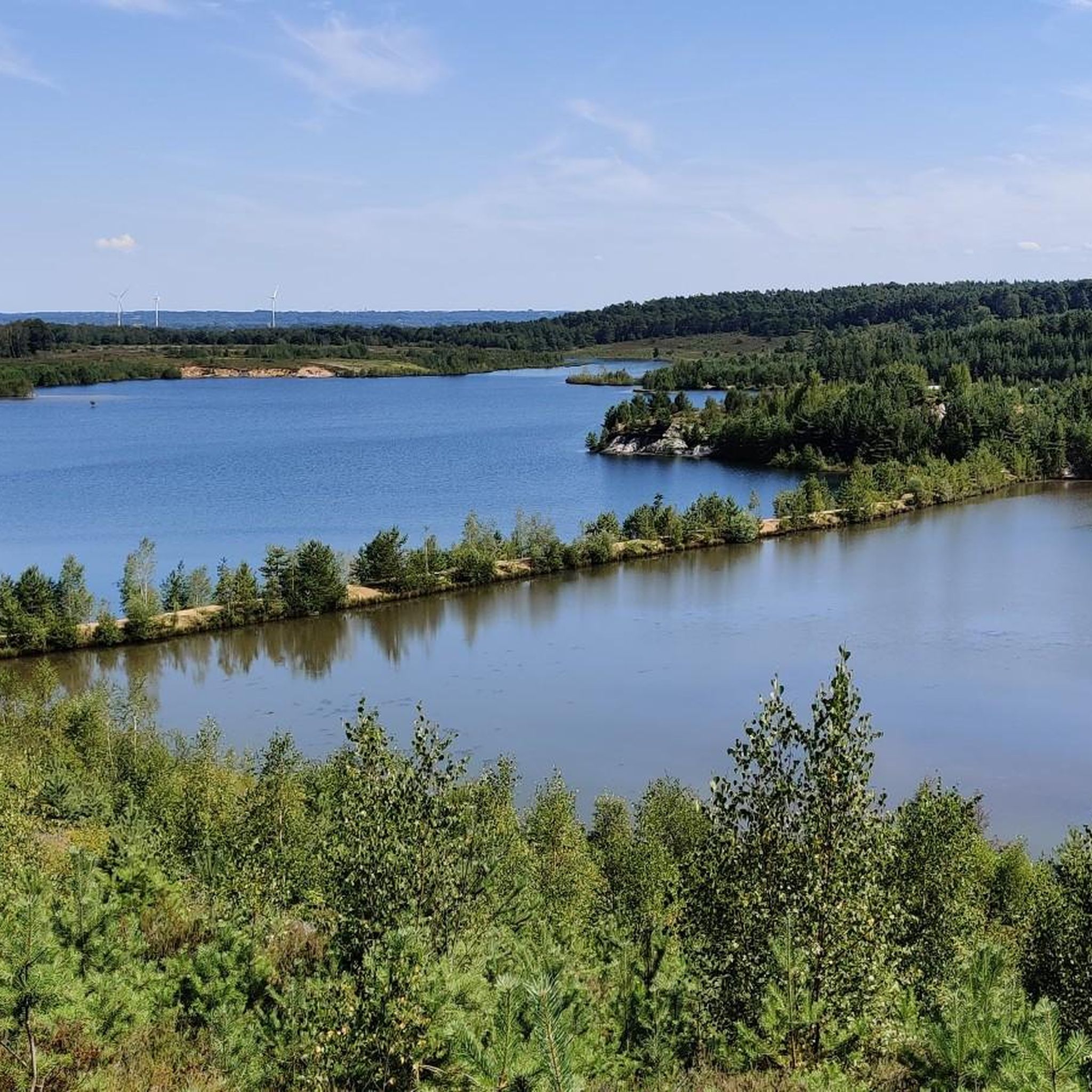
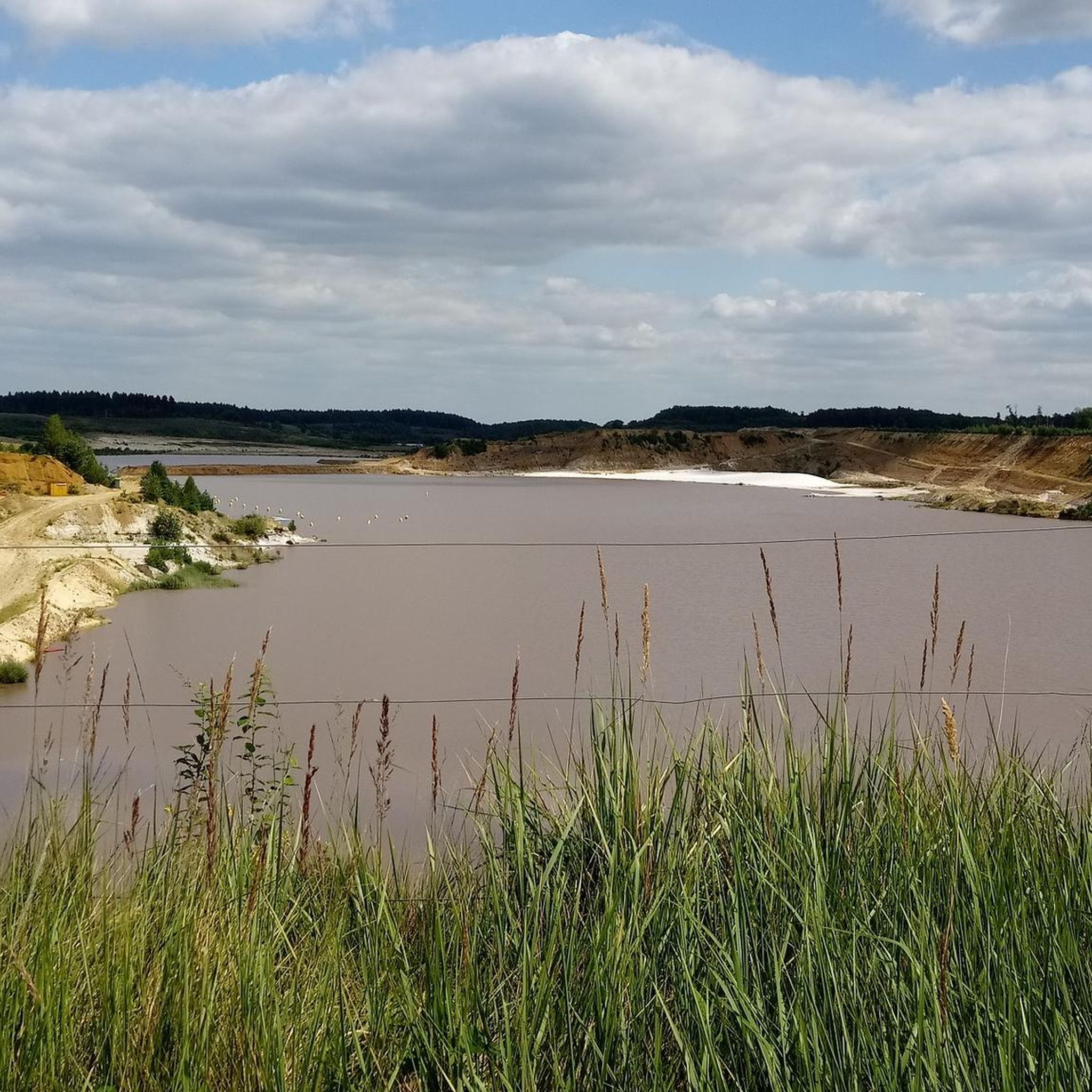
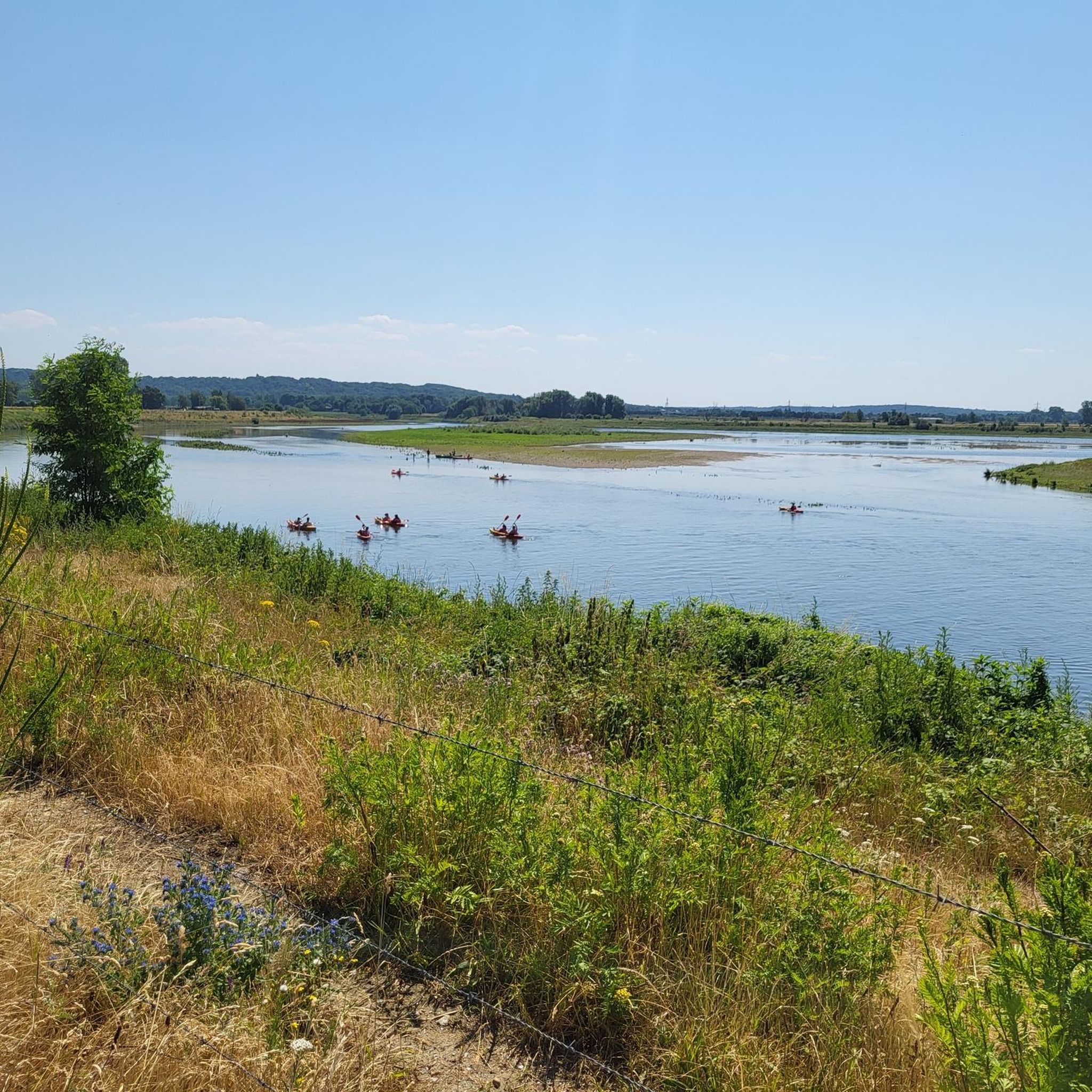
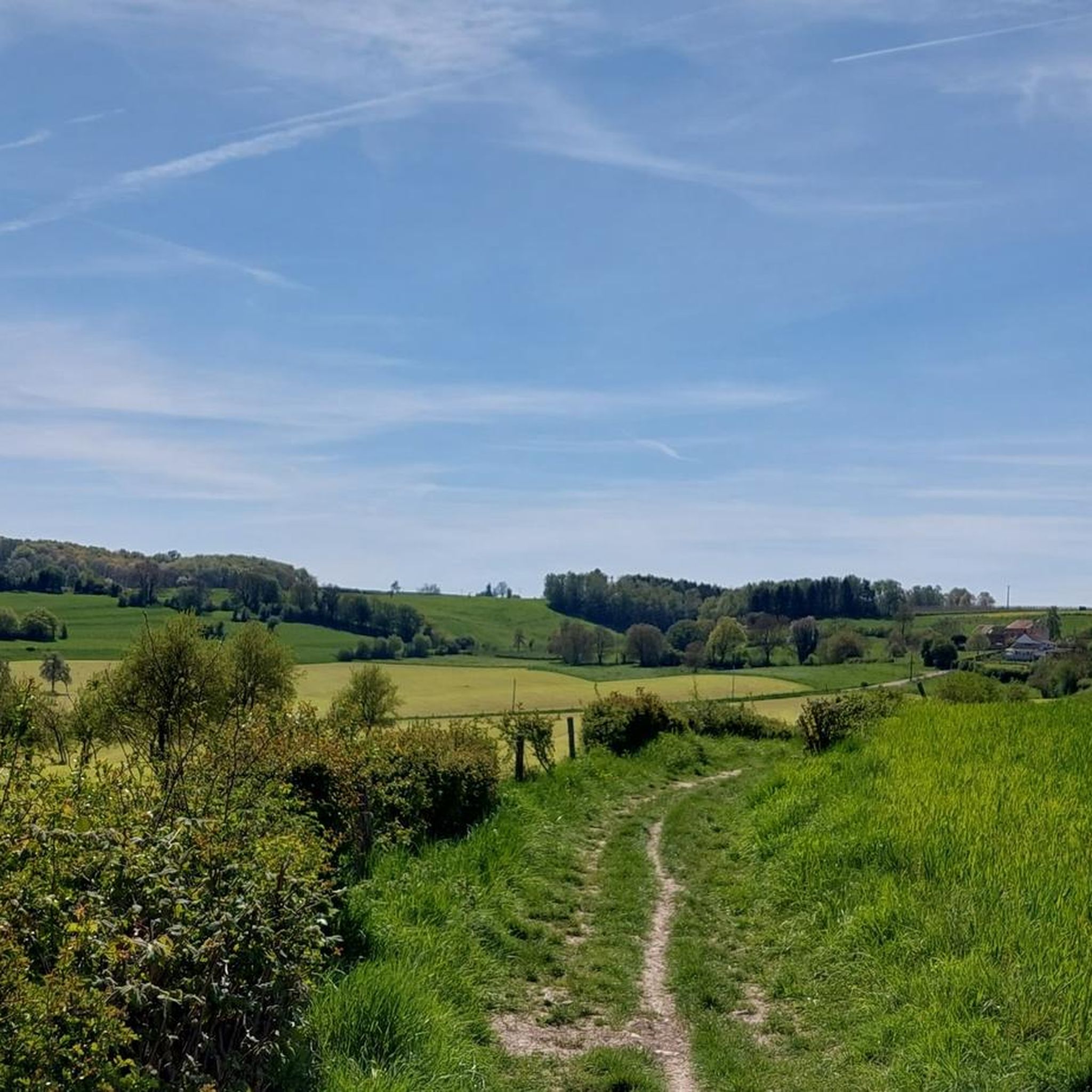
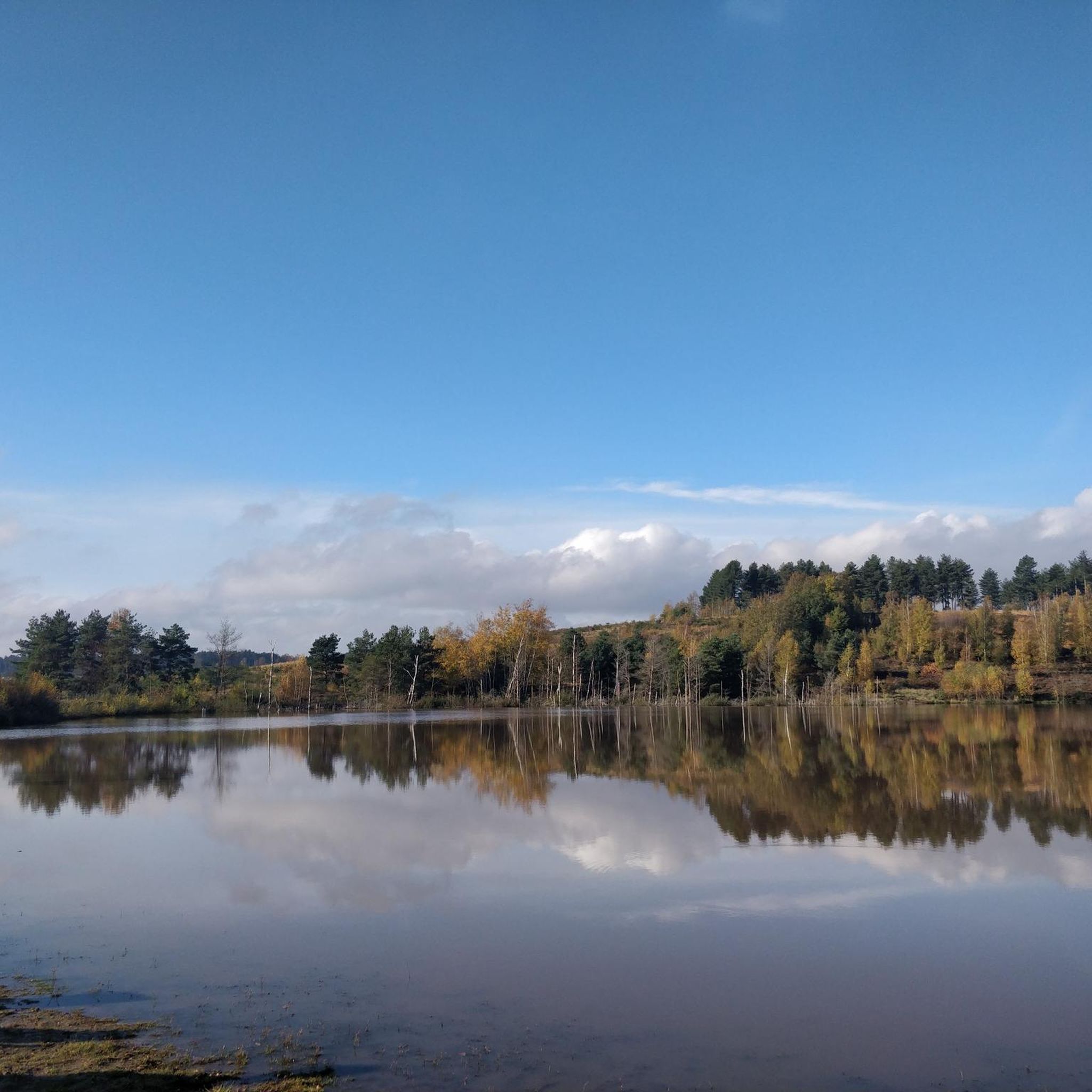
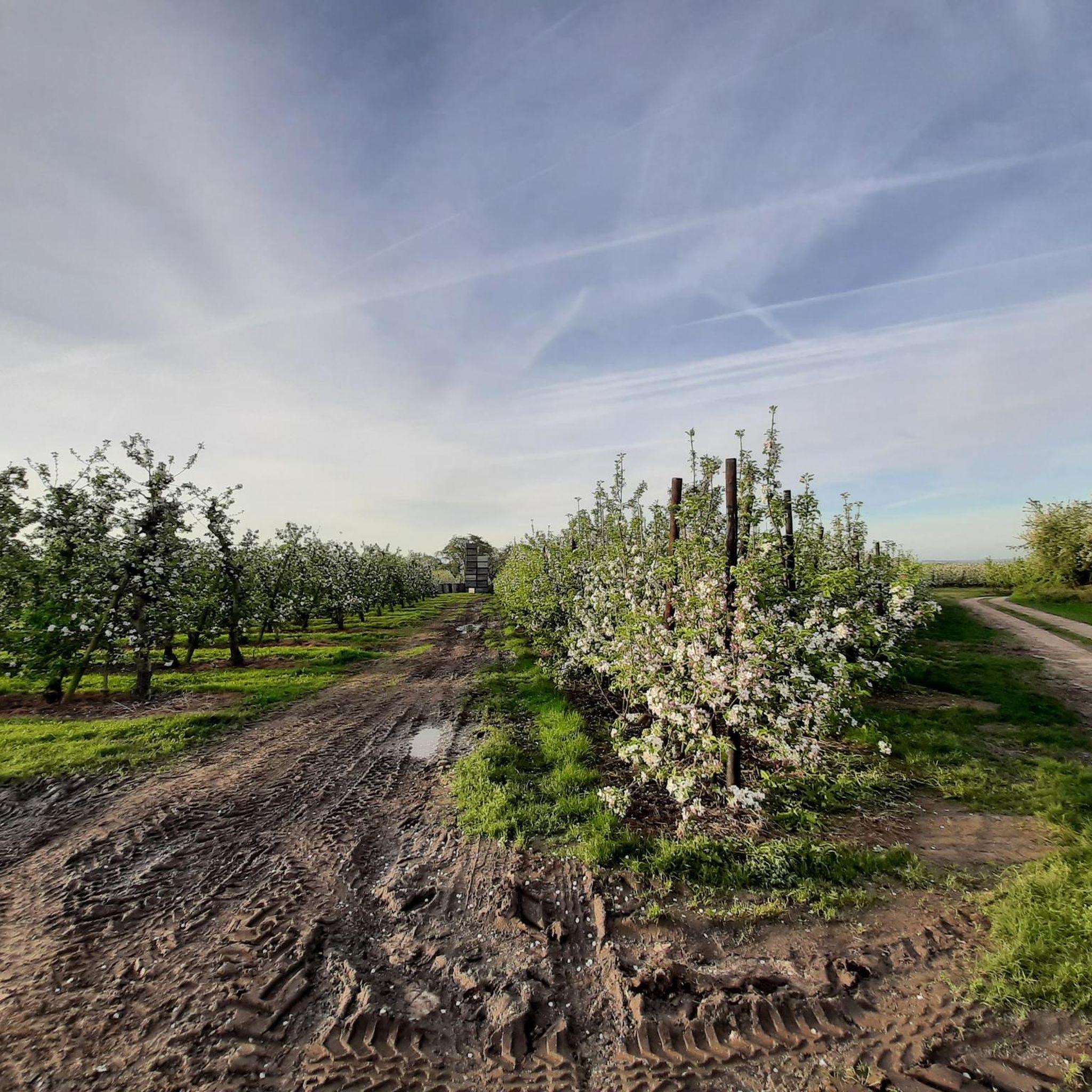
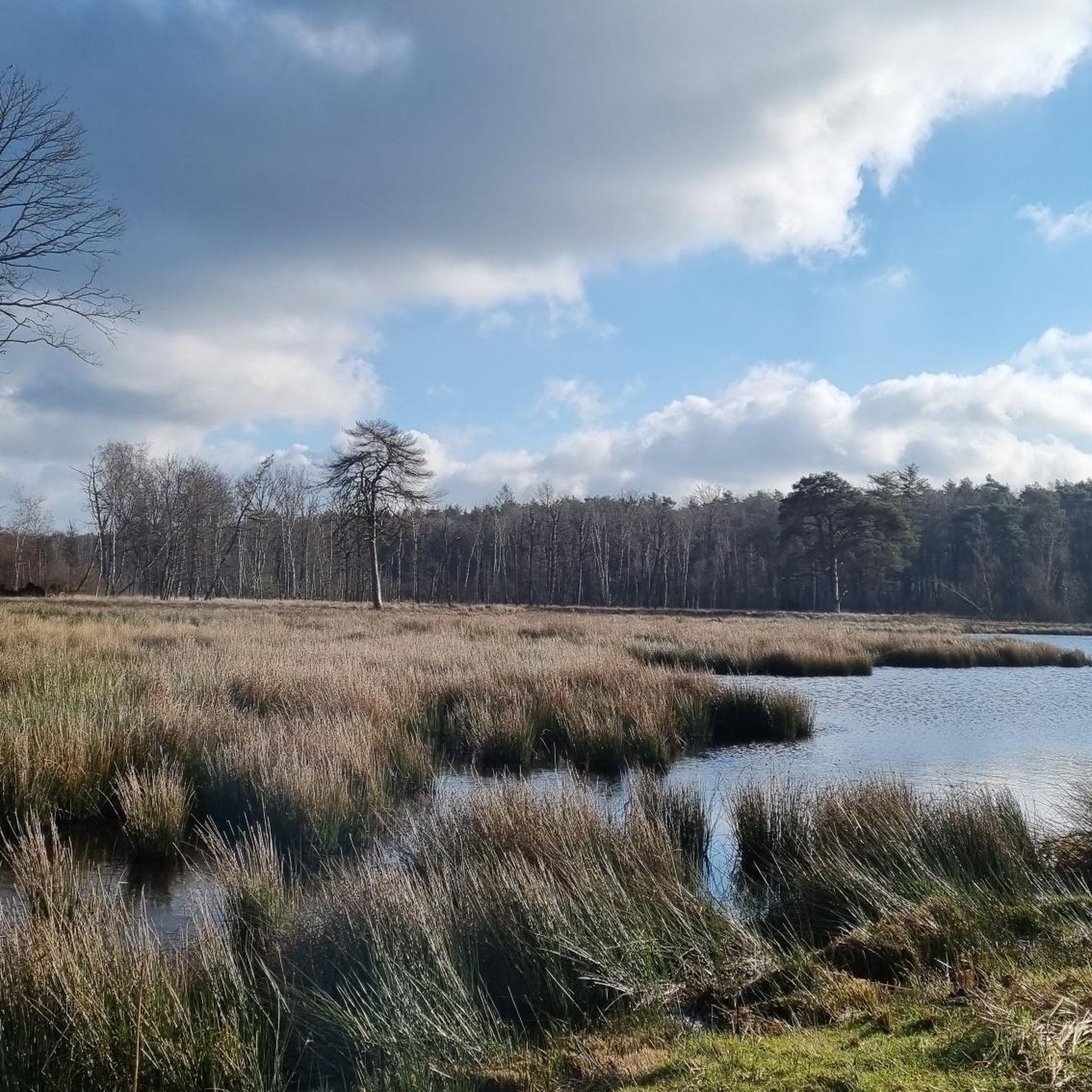
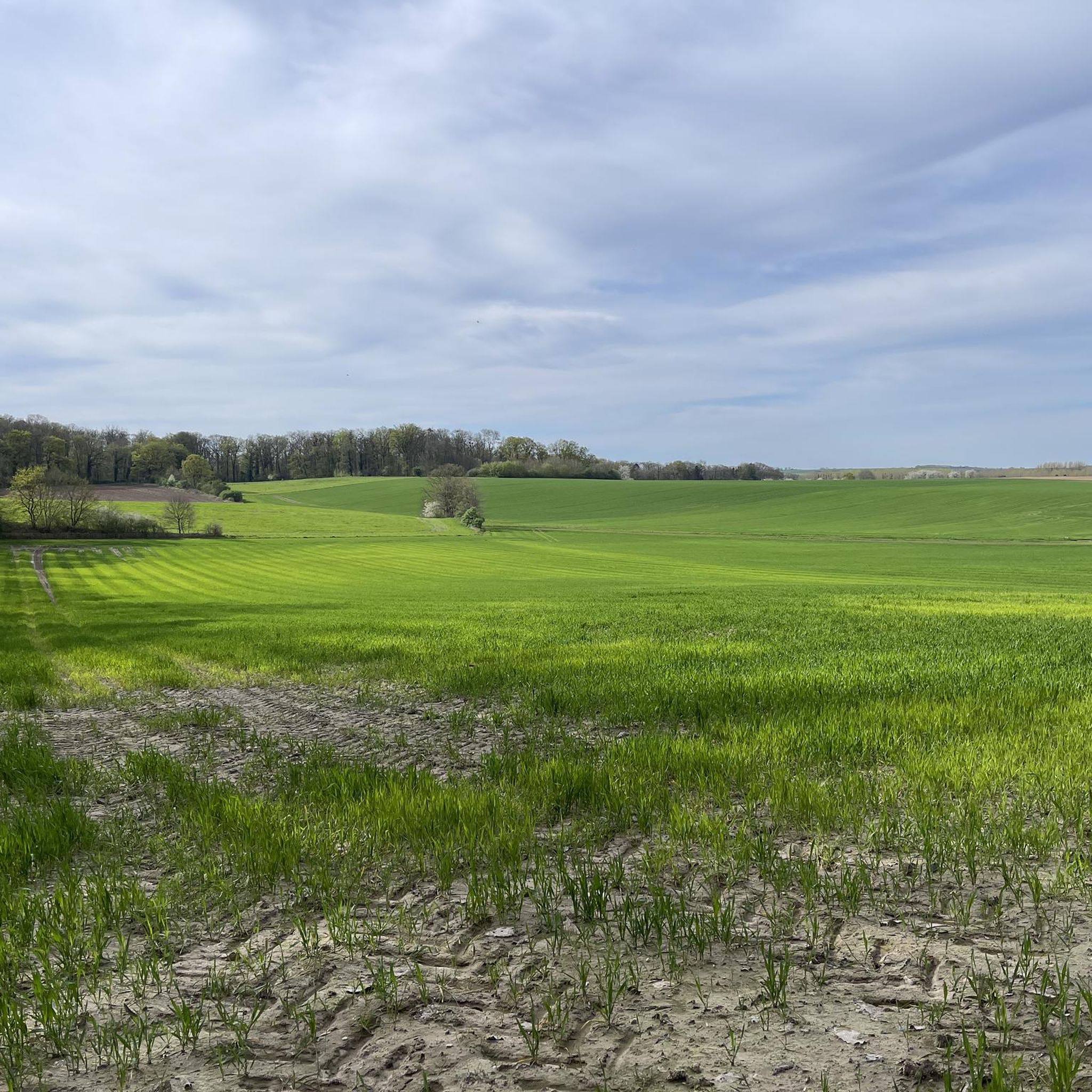
Hiking around Tongeren offers diverse landscapes, from the rolling countryside and fruit orchards of Haspengouw to extensive heathlands and dense forests. The region is characterized by a network of paths, including distinctive sunken lanes and riverine nature along the RivierPark Maasvallei. Hikers can also explore unique industrial heritage landscapes, such as slag heaps, which provide panoramic views. This varied terrain provides routes suitable for all fitness levels.
Best hiking trails around Tongeren
- The most popular hiking route is Mechelse Heide…
Last updated: October 10, 2026
4.7
(550)
2,534
hikers
7.48km
01:58
60m
60m
Hike the easy 4.6-mile Mechelse Heide Red Triangle Trail through diverse landscapes and viewpoints in Hoge Kempen National Park.
4.6
(558)
2,249
hikers
11.3km
02:53
30m
30m
Moderate hike. Good fitness required. Mostly accessible paths. Sure-footedness required.

4.6
(494)
2,329
hikers
13.9km
03:45
180m
180m
Moderate hike. Good fitness required. Easily-accessible paths. Suitable for all skill levels.
4.7
(448)
2,172
hikers
9.38km
02:31
110m
110m
Hike the Grandloon - Orange hiking trail, a moderate 5.8-mile (9.4 km) route with 374 feet (114 metres) of elevation gain, passing the See-T
4.6
(268)
974
hikers
8.11km
02:11
110m
110m
Moderate hike. Good fitness required. Mostly accessible paths. Sure-footedness required.
4.6
(182)
837
hikers
16.9km
04:23
110m
110m
Hike the moderate 10.5-mile Alden Biesen Yellow Trail, exploring historic Alden Biesen Castle, orchards, and nature reserves.
4.6
(157)
819
hikers
5.63km
01:29
50m
50m
Hike the easy 3.5-mile Mechelse Heide Blue Loop for diverse scenery, panoramic views, and blooming heathland in Hoge Kempen National Park.
4.7
(127)
510
hikers
20.1km
05:42
440m
440m
A difficult 12.5-mile hike in Voeren, gaining 1448 feet through diverse landscapes including forests, pastures, and the Veurs Valley.
4.5
(115)
528
hikers
8.66km
02:15
50m
50m
Hike the moderate Mechels Bos Purple Trapezoid Trail, a 5.4-mile route through diverse woodlands and heathland in Hoge Kempen National Park.
4.5
(90)
563
hikers
5.86km
01:31
30m
30m
Easy hike. Great for any fitness level. Easily-accessible paths. Suitable for all skill levels.
Get access to more routes and recommendations from other explorers.
Already have an account?
Our route recommendations are based on thousands of hikes, rides, and runs completed by other people on komoot.
Start today with a free account
Your next adventure awaits.
Other adventures around Tongeren


Tips from the Community

Magnificent view during a break...
4
0

Super great idea and a real highlight of the region. Whoever looks closely will see at which points the bridge is movable and can slightly change its shape.
11
0

Sint-Pietersberg offers a unique mosaic of open chalk grasslands and light-permeable forests, worth visiting for every nature lover. On the 'Sint-Pietersberg' you will feel like you are in a foreign country. Where else can you find such beautiful hills and such a special marl landscape? The Plateau of Caestert consists of valuable slope forests and chalk grasslands, a rare biotope in Flanders. Beneath the forests and grasslands are unique marl quarries, which form a true paradise for a dozen species of bats.
3
0
The fathers walked from their monastery in Maastricht across the border to Kanne to reach the Jesuit Quarry. The 'Jezuitenpad' is therefore the specific route that took the Maastricht fathers across the Belgian border and through the forests of Kanne. The small bridge is part of this route.
3
0

This transparent church, aptly named 'Reading Between the Lines', is a work of art by PIT, designed by the architectural duo Gijs Van Vaerenbergh. It symbolises the decay of the church. The ten-meter-high artwork consists of one hundred stacked layers of sheet steel in the shape of a church in Loon. Thanks to the unique construction, the beautiful Haspengouw landscape remains visible through the church. In 2012, this transparent church received the 'Building of the Year' award from the renowned website ArchDaily. It was the first time a Belgian project had received this honour. Enjoy the view; this is a place with one of the most breathtaking panoramas.
1
0
Cycling between the terraces, also known as cycling over water, is a cycling project that opened to the public in September 2024. It is a pontoon cycle/footpath across the Große Plas (Great Pond) between the waste heaps at resort Terhills. It is a new addition to the series of special cycling projects previously realised in the cycling paradise of Limburg (such as cycling through the water (Domain Bokrijk), cycling through the heathlands (north of Zutendaal), and cycling through the forests (Bosland National Park)).
0
0
Station As is a former railway station on lines 21A (Hasselt-As) and 21B (As-Eisden). The station building now houses a restaurant and the Kolenspoorvereniging (Coal Railway Association) uses it for the operation of the tourist railway line Waterschei-As-Eisden. Station As is also one of the gateways to Hoge Kempen National Park and has an observation tower.
2
0
Watch here a beautiful film about the history of Alden Biesen and the Teutonic Order: https://youtu.be/YXJjgloHpH8?si=-T5CilBr4_Vu4Ov4
6
1
Frequently Asked Questions
How many hiking trails are available around Tongeren?
Tongeren boasts a vast network of over 2,400 hiking trails. This extensive selection ensures there's a route for every preference, from gentle strolls through picturesque orchards to more challenging hikes with significant elevation gain across diverse landscapes.
What kind of terrain and difficulty can I expect on hikes around Tongeren?
The terrain around Tongeren is highly varied. You'll find rolling countryside with fruit orchards, extensive heathlands such as the Mechelse Heide, dense forests, and unique sunken lanes. The region offers routes for all fitness levels, with over 1,400 easy trails, nearly 900 moderate routes, and more than 100 difficult options for those seeking a challenge.
What natural features or landmarks can I see while hiking near Tongeren?
Many trails integrate natural beauty with historical sites. You can explore picturesque pear orchards in the Haspengouw region, discover riverine nature along the RivierPark Maasvallei, or encounter unique industrial heritage landscapes like the slag heaps in the Hoge Kempen National Park. Hikers can also visit highlights such as the Mechelse Heide — Lakes and Sand Dunes or enjoy a View of the Quarry and Lake at Mechelse Heide.
Are there any historical sites or castles along the hiking routes?
Yes, Tongeren, as Belgium's oldest city, offers a rich historical context. Many routes pass by Roman remnants, including sections of the Roman wall and the statue of Ambiorix. You can also find impressive castles, such as the Castles of Betho, 's Herenelderen, and Rooi, integrated into various trails. The Commandery of Sint-Pieters-Voeren is another notable historical highlight.
Are there any circular hiking routes available in Tongeren?
Yes, many of the hiking trails around Tongeren are designed as circular routes, allowing you to start and end at the same point. An example is the challenging Voeren Villages and Veurs Valley Loop, which takes you through rolling countryside and valleys.
What do other hikers say about the trails in Tongeren?
The hiking trails in Tongeren are highly regarded by the komoot community, holding an impressive average rating of 4.5 stars from over 19,000 reviews. Hikers often praise the diverse landscapes, well-marked paths, and the blend of natural beauty with historical and cultural points of interest.
Are there family-friendly hiking options in Tongeren?
Absolutely. Tongeren offers numerous easy and accessible paths suitable for families. Many routes are designed for shorter, gentler strolls through orchards or heathlands, providing a pleasant outdoor experience for all ages. The Mechelse Heide Blue Loop is an easy option that families might enjoy.
Can I bring my dog on the hiking trails around Tongeren?
Many trails in the Tongeren region are dog-friendly, allowing you to enjoy the beautiful landscapes with your canine companion. It's always recommended to check specific trail regulations or local signage for any restrictions, especially in nature reserves, but generally, dogs are welcome on a leash.
Are there hiking trails accessible by public transport in Tongeren?
Yes, some hiking areas around Tongeren are accessible via public transport, particularly those closer to urban centers or with designated trailheads near bus stops or train stations. For example, the Route Station As (blauw) - Mechelse Heide is designed with public transport access in mind.
Where can I find parking for hiking trails near Tongeren?
Many popular trailheads and nature reserves around Tongeren offer dedicated parking facilities. Areas like the Mechelse Heide and other parts of the Hoge Kempen National Park typically have well-signposted parking lots. It's advisable to check the starting point of your chosen route for specific parking information.
What is the best time of year to go hiking in Tongeren?
Tongeren offers enjoyable hiking experiences throughout the year. Spring (April-May) is beautiful with blooming fruit orchards, while autumn (September-October) provides stunning fall foliage. Summer is great for longer days, and even winter can offer serene, crisp walks, especially in the forests and heathlands.
Are there any trails that offer panoramic views?
Yes, several trails provide excellent viewpoints. The industrial heritage landscapes, such as the slag heaps within the Hoge Kempen National Park, now offer panoramic vistas over the surrounding area. The Terhillsroute (geel) - Mechelse Heide is known for exploring these unique landscapes and offering natural tranquility and viewpoints.
Most popular routes around Tongeren
Most popular attractions around Tongeren

Get inspired with the komoot mobile app


Didn’t find what you were looking for?
Check out more Hikes throughout Tongeren below and find the perfect route in your destination.
