Attractions and Places To See around Huy - Top 20
Best attractions and places to see around Huy include a blend of historical landmarks, natural features, and cultural sites. This historic town in the Walloon province of Liège, Belgium, is situated along the Meuse River, offering a picturesque setting. Visitors can explore ancient fortifications, significant churches, and natural rock formations. The region provides diverse opportunities for outdoor activities and historical exploration.
Best attractions and places to see around Huy
- The most popular attractions is Modave Castle, a castle that can be visited from April to mid-November. Its gardens are also open for exploration.
- Another must-see spot is Wall of Huy, a challenging climb famous in the cycling world. It features a 26% inclination in a bend, making it a notable landmark for cyclists.
- Visitors also love Sy Rocks, a natural monument consisting of rocky outcrops above the Ourthe River. These formations offer spectacular views and are used by mountaineers.
- Huy is known for its historical sites, natural monuments, and challenging climbs. The area offers a variety of attractions to see and explore, from ancient castles to river trails.
- The attractions around Huy are appreciated by the komoot community. With more than 450 upvotes and over 200 photos, the komoot community appreciates the attractions around Huy.
Last updated: October 9, 2026
Sy Rocks
Highlight • Natural Monument
Translated by Google •
Tip by

Modave Castle
Highlight • Castle
Translated by Google •
Tip by
Sign up now to discover places like this
Get recommendations on the best single tracks, peaks, & plenty of other exciting outdoor places.
Ourthe River Trail
Highlight • Trail
Translated by Google •
Tip by

Wall of Huy
Highlight (Segment) • Climb
Translated by Google •
Tip by

Le Hoyoux River
Highlight • River
This significant difference in altitude makes the Hoyoux one of the steepest rivers in Wallonia.
Source: meuseaval.be/crma/comites-locaux/hoyoux
Translated by Google •
Tip by

Roman Bridge of the Solières Valley
Highlight • Bridge
lavenir.net/regions/huy-waremme/huy/2024/06/24/le-pont-romain-de-la-vallee-de-la-solieres-a-huy-sera-renove-au-mois-daout-prochain-EXXPVTKHOFH7FHICRIIAIXB3YU
Translated by Google •
Tip by

Palogne Estate
Highlight • Rest Area
Translated by Google •
Tip by

Moha Castle
Highlight • Castle
Translated by Google •
Tip by

Collegiate Church of Our Lady and Saint Domitian, Huy
Highlight • Religious Site
Translated by Google •
Tip by
Collegiate Church of Notre-Dame and Huy Citadel
Highlight • Historical Site
Among the must-sees, besides the Grand Place and surrounding streets, I appreciate the view from the fort, the climb of the Mur, and the friendly welcome at Mur Coffee & Cycling.
Showing Translation
Tip by

Sign up for free to discover even more attractions around Huy.
Already have an account?
Start today with a free account
Your next adventure awaits.
Popular around Huy
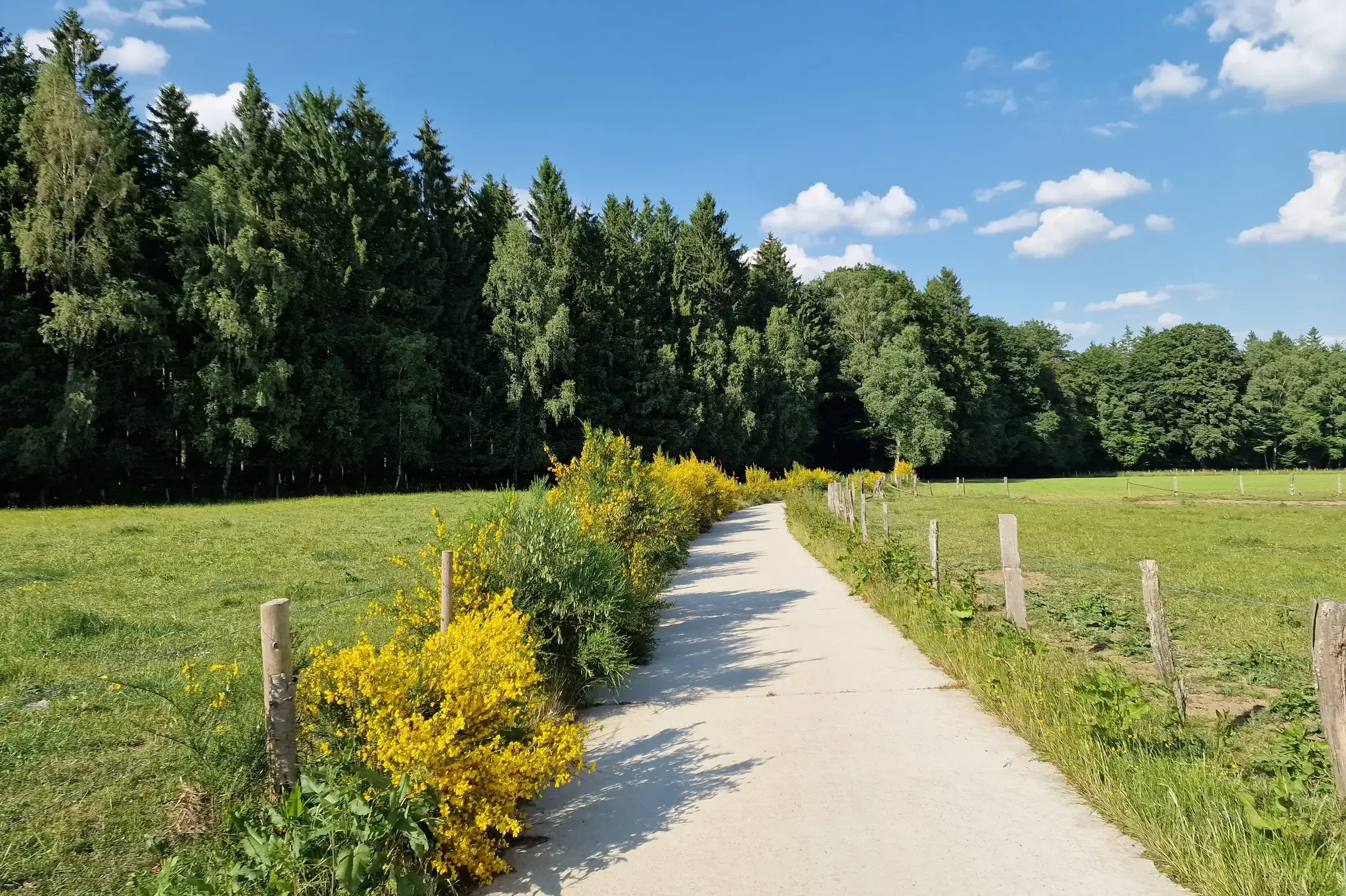
RAVeL W7 — On the road of the Ardennes

Belgian Ballads – winter hiking in the Belgian Ardennes
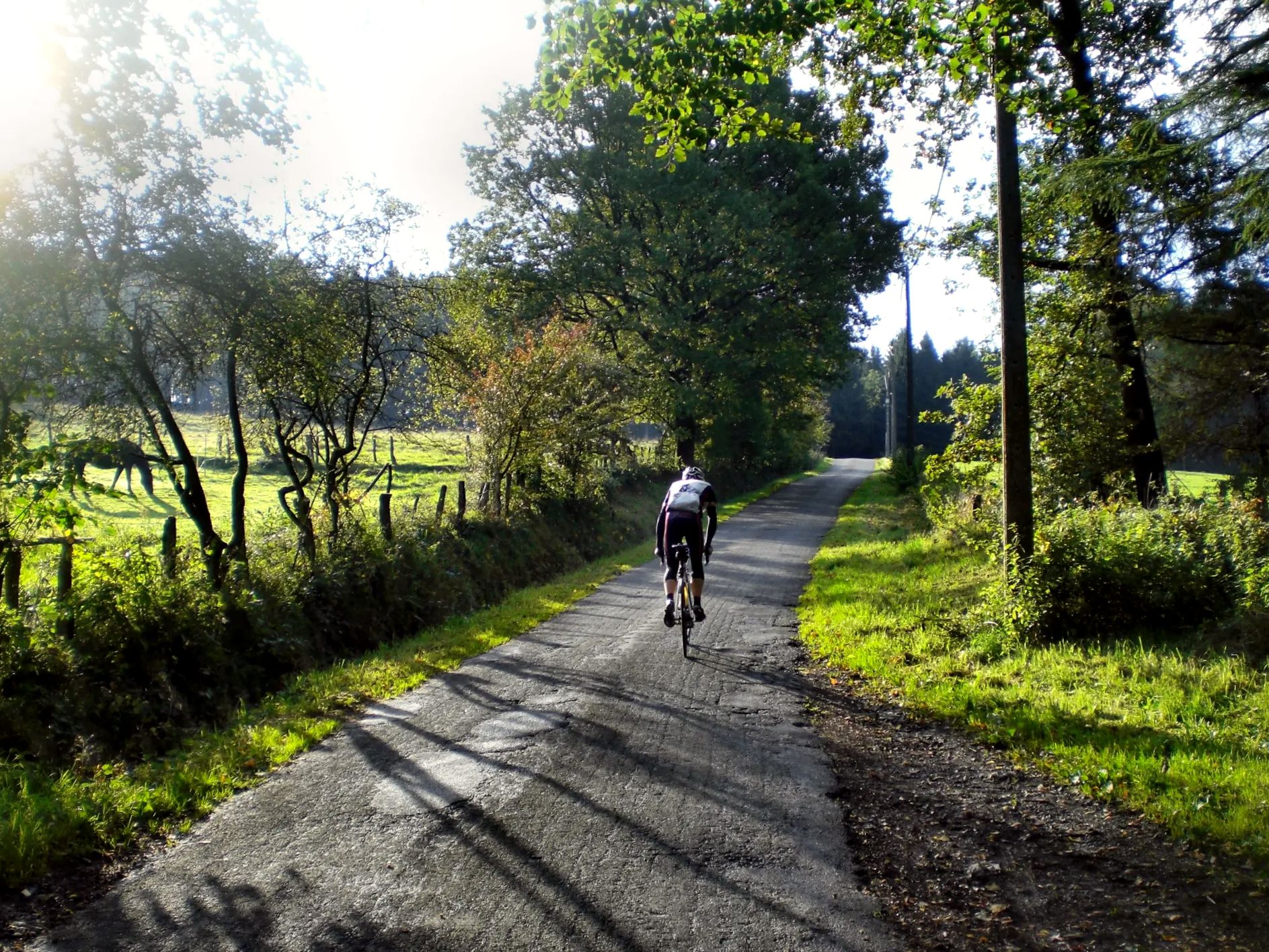
Belgium’s hardest ultra cycling race – the Ardennes Monster
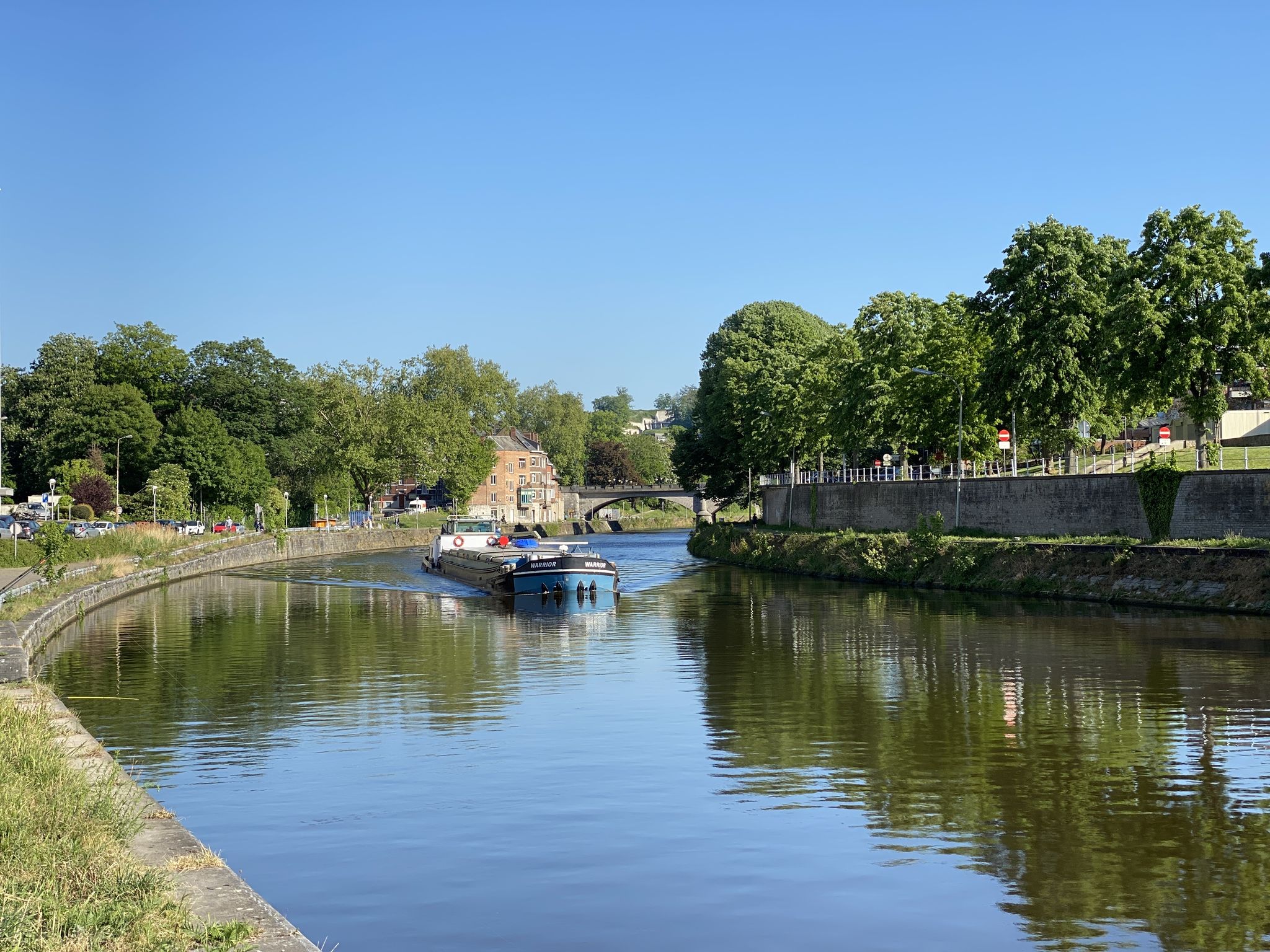
Entre Sambre et Meuse — A Walloon crossroads
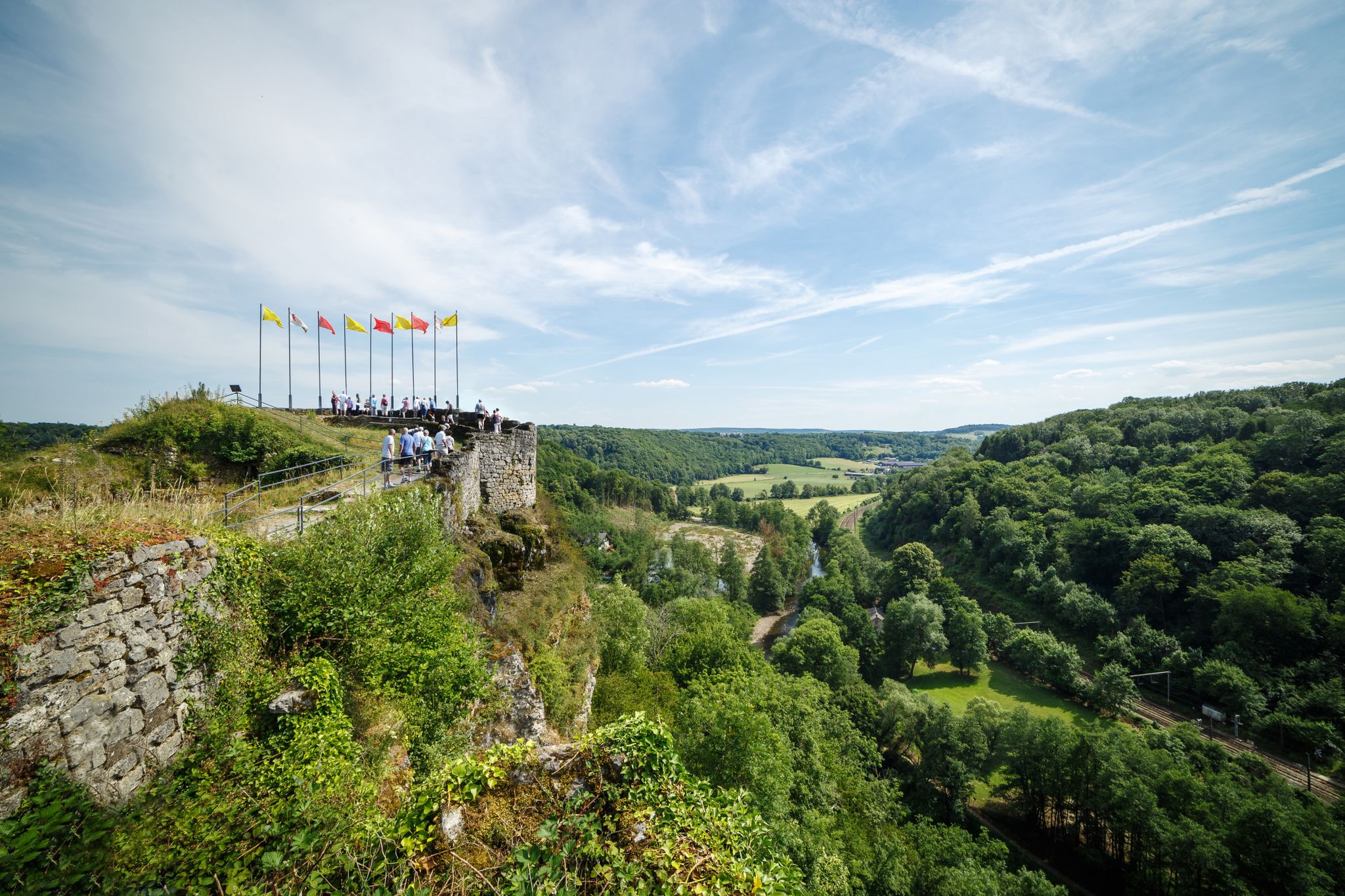
The wild rivers Ourthe, Vesdre and Amblève in the Belgian Ardennes
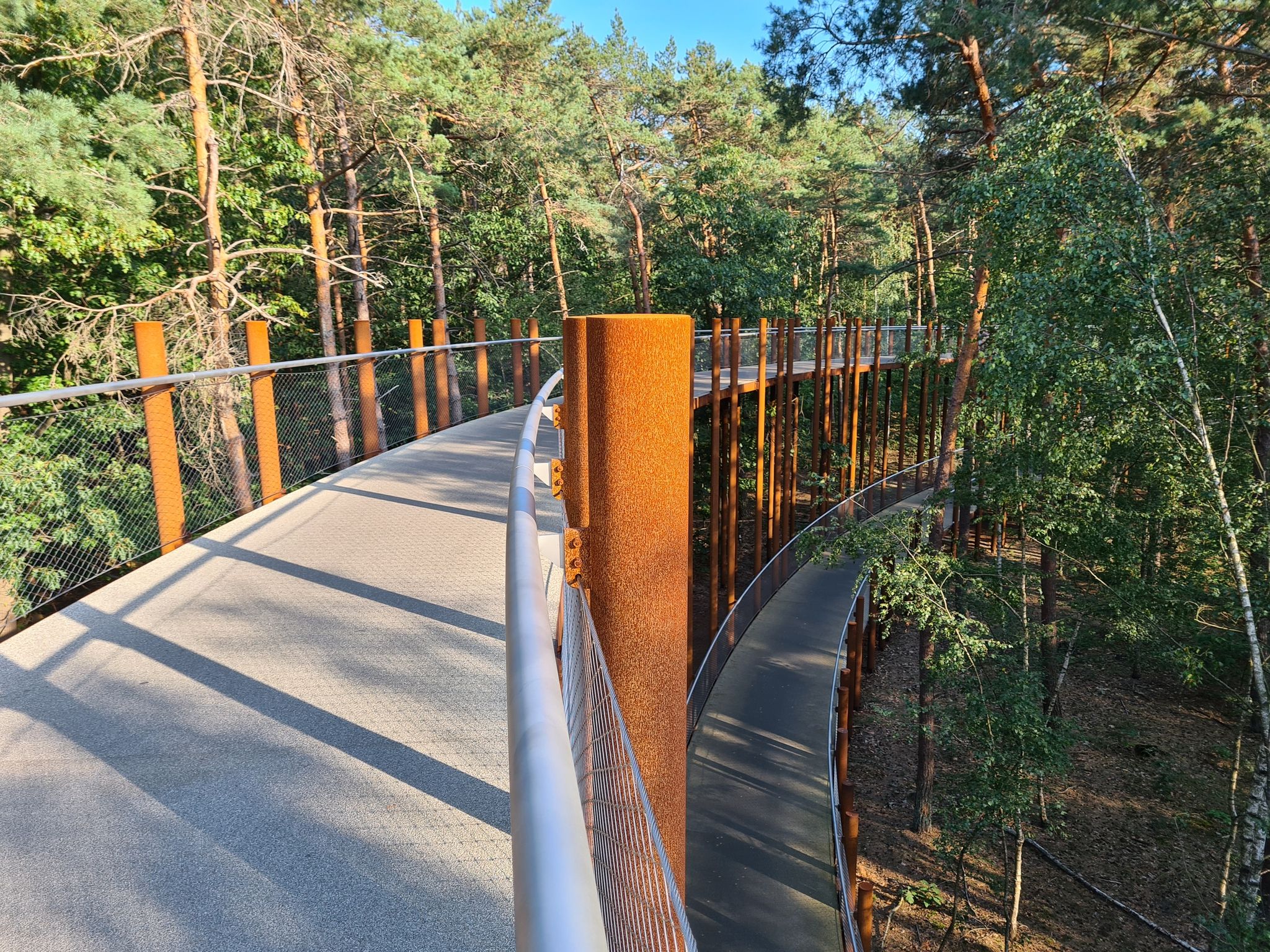
Cycling on Belgium’s most beautiful bike paths — 10 boucles à vélo
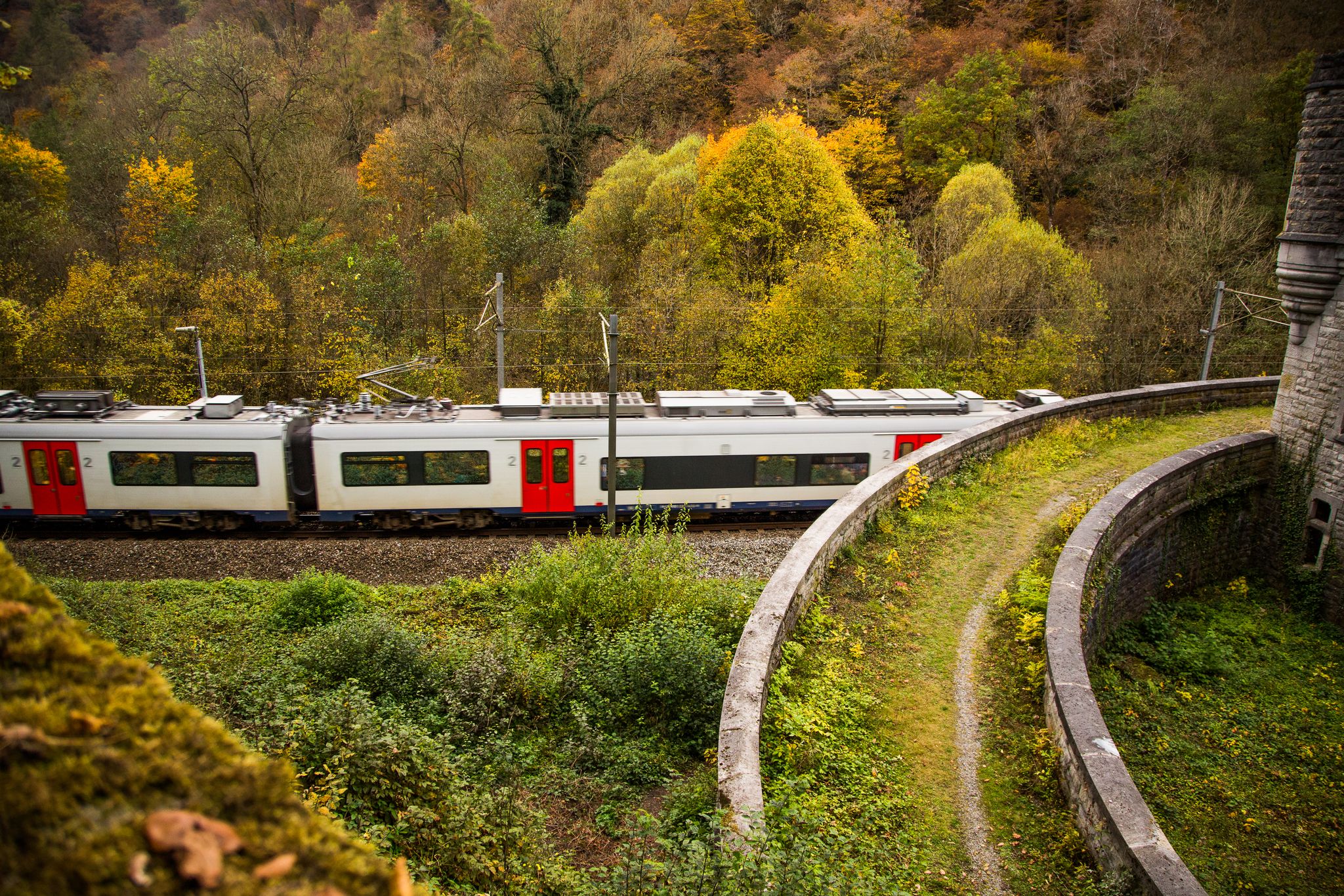
Exploring Belgium’s Wallonia — 8 hikes from station to station
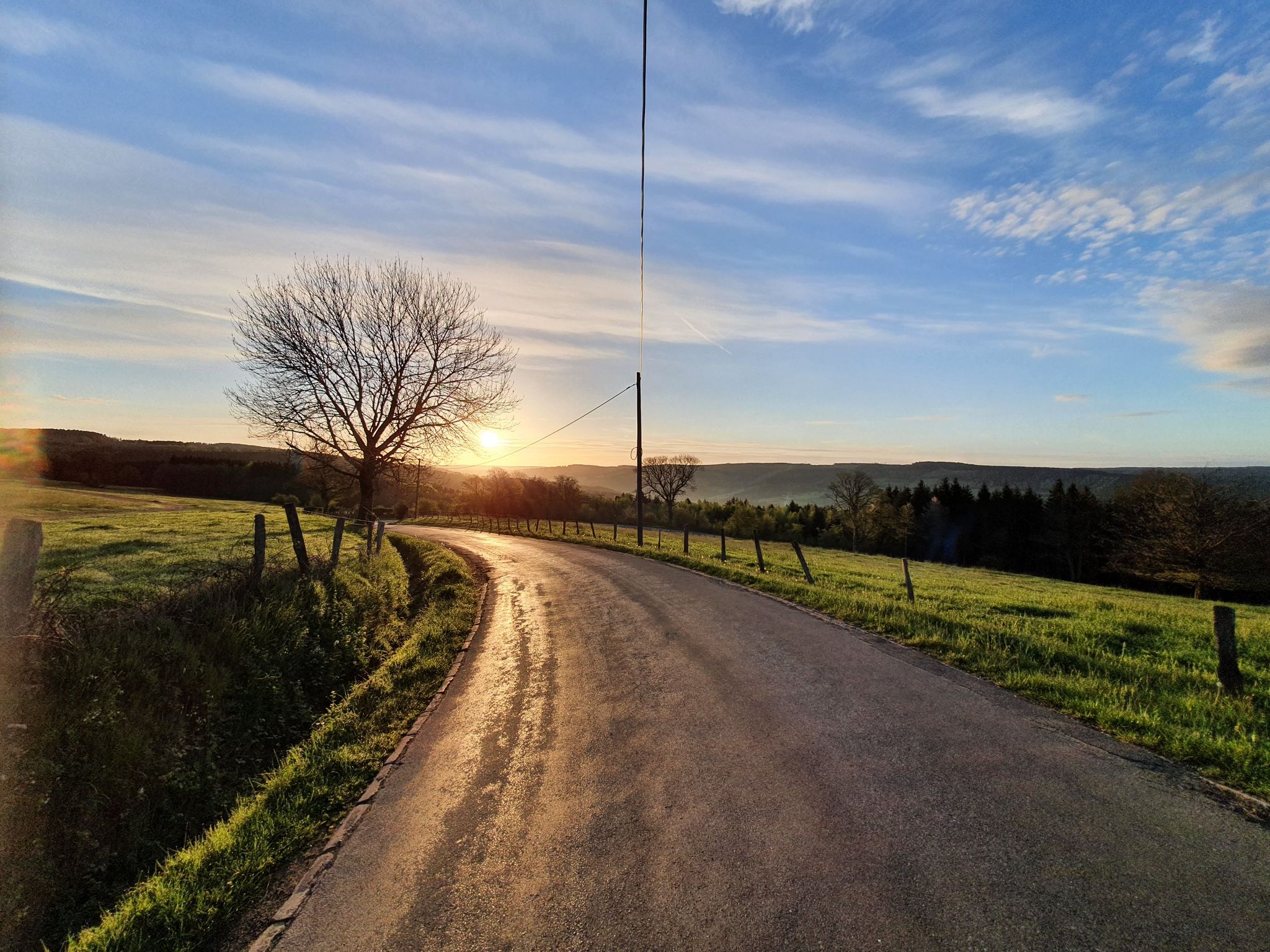
The Conquest of the Ardennes — a bike adventure to remember
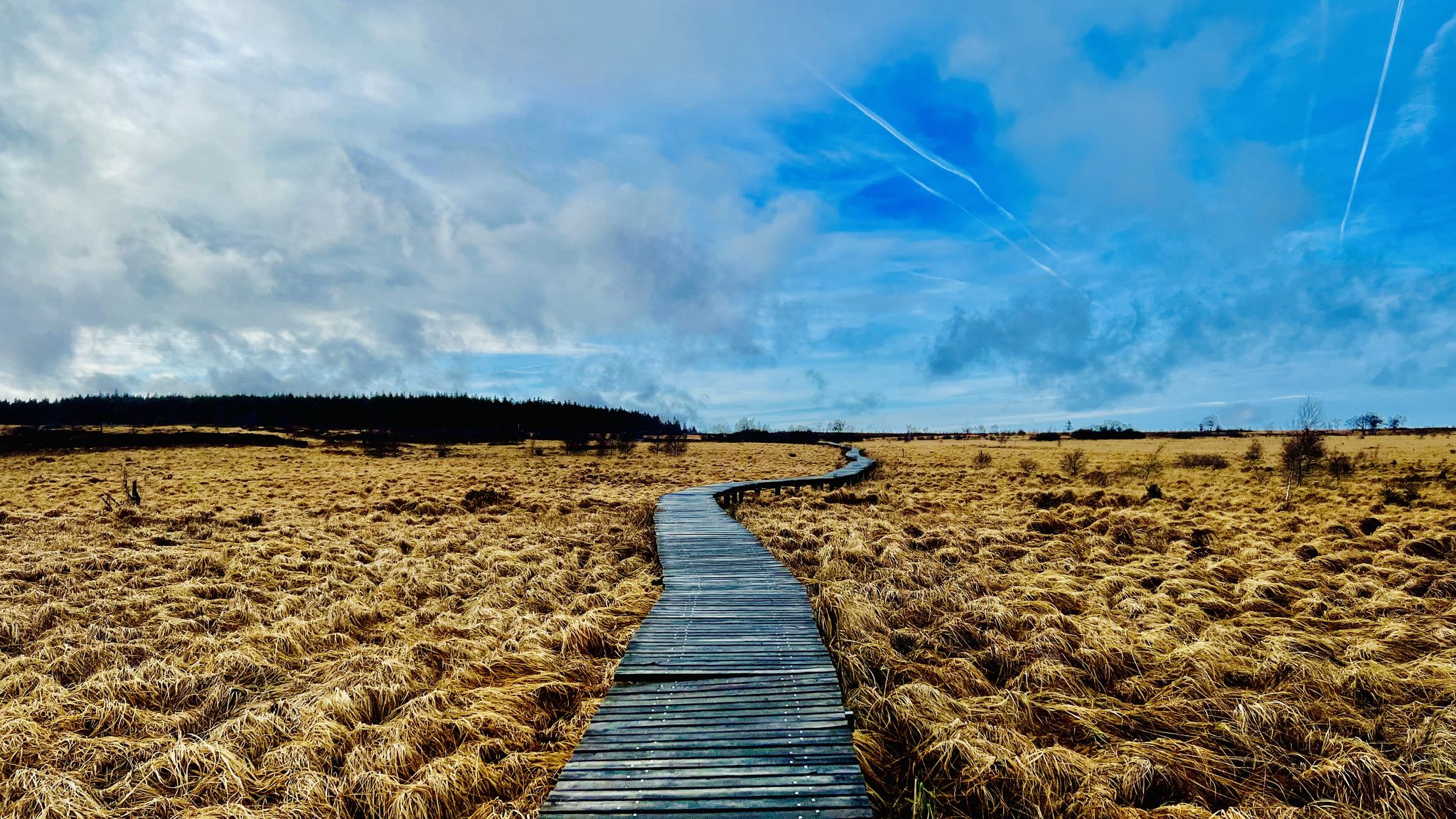
Belgische Balladen - charmante Kurzwanderungen in den belgischen Ardennen
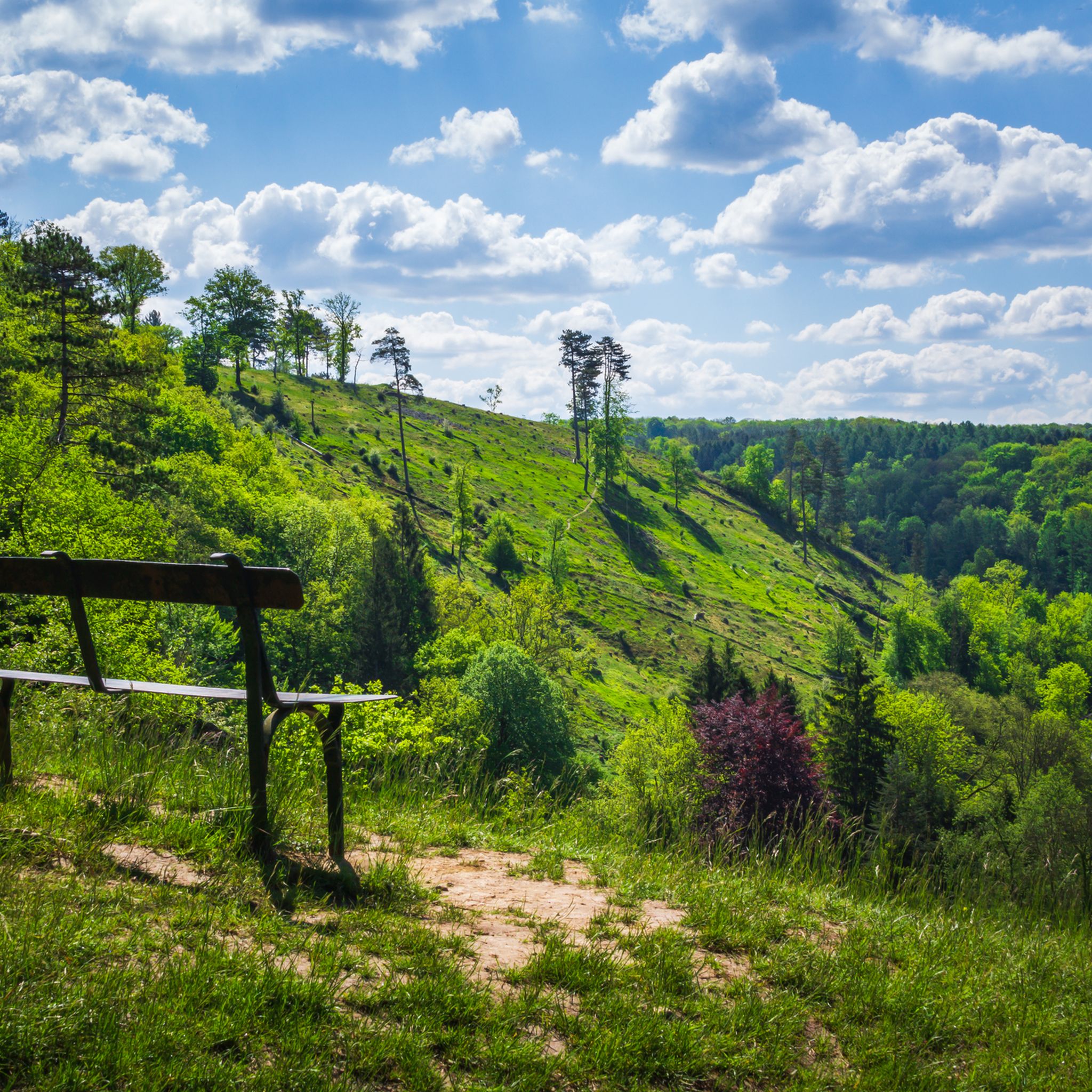
Hiking around Huy
Other adventures around Huy


Tips from the Community

Although the bridge undoubtedly dates from Roman times, it is unclear how old the bridge exactly is. Anyway, old enough to have already suffered considerably from the ravages of time. In 1998 it was restored by the non-profit organization Huy Verte. In 2015, enthusiasts of these hiking trails sounded the alarm again, because the bridge was deteriorating further and threatened to collapse into the stream if nothing was done to reinforce it. After much insistence, the municipal authorities were finally convinced: they first had a stability study carried out by the company Greisch (which also designed the large Pater-Pire bridge over the Meuse in Ben-Ahin). In August 2024, the works finally began, so that hikers can now cross it safely and with peace of mind. source: lavenir.be
2
0

Ideal resting place during a longer hike.
0
0
Excavations are conducted year-round at Moha Castle, making it unique in Belgium. When I visited, two archaeologists were uncovering a wall that runs beneath the visible castle and likely dates back to the 12th century.
2
0
The castle is free to visit. At the foot of the rock, there's a visitor center where you can pick up a badge to open the gate. For €4, you can also get a brochure with information about the most important points. The castle is only open to visitors starting in April, but the friendly man at the visitor center let me in on February 27th... as far as you can even call it "inside" at this ruin ;-)
2
0

The exact origins of the medieval County of Moha remain unknown. It is likely that the county was formed during the fragmentation of the Carolingian Empire and the Hesbaye region at the end of the 9th century. The first known count, Albert of Moha, is mentioned in a document dated 1026 or 1028. The first defensive stone walls also date from the first half of the 11th century. Having no male heir, Albert of Moha married his daughter to Henry I of Dasbourg around 1050, thus linking the county's destiny to that of this powerful family of Alsatian origin. Initially, it is highly unlikely that the Counts of Dasbourg regularly resided in Moha, entrusting the county's administration to trusted men and a small garrison. However, the situation changed with Hugh II (1130-1180) and his son Albert II (d. 1212), who decided to become more involved in the region's politics. Albert II, in particular, chose to align his interests with those of his nephew, Duke Henry I of Brabant, whose policies he would follow until the end of the 12th century. In 1204, Count Albert III, having lost hope of having a son, chose the Prince-Bishop of Liège as his heir. But the late birth of his daughter Gertrude would jeopardize these agreements. Quickly betrothed to Thibaut of Lorraine, who died in 1219, she then married Thibaut of Champagne, who repudiated her, and subsequently Simon of Linange. At 19, she died childless. On March 19, 1225, the Prince-Bishop of Liège, Hugues de Pierrepont, took possession of Moha. Under the Prince-Bishops, Moha became a prison for political prisoners and a fortification tasked with controlling the city of Huy and blockading merchants. This policy was deeply unpopular and led to reprisals: the people of Huy besieged Moha in 1255. The fortress of Moha was considered impregnable. It was therefore through trickery that the people of Huy, taking advantage of a request for a truce, seized the castle on May 6, 1376. After the attack on the castle, the site's history is largely unknown. Mass is still celebrated twice a year in the castle chapel. During the 18th century, the ruins served as a refuge for a hermit. The castle's stones were gradually plundered, notably to build the surrounding houses. In 1889, the ruins of the castle were purchased by the Belgian state. Source: https://chateaumoha.be/histoire
6
0

The "Rocher du Château de Moha" is a limestone outcrop rising from the Mehaigne valley. It was a strategically important site in the Middle Ages, when more castles were built on rocks. This made the site difficult to besiege, and it was well-placed as a control point over the valley. The rock is very recognizable in the landscape. The ruins on the rock are still clearly visible, and the medieval structures are still easily recognizable.
7
0
An important tributary of the Meuse, with a fast current, historically important for the water pumping stations near Modave, and forms a beautiful natural area with hiking opportunities.
1
0
The Château de Moha is a medieval feudal castle in Wanze, built on a rock at the confluence of the Mehaigne and Fosseroule rivers. Dating back to the 7th century, the castle served as a defense for the region. It became the property of the Prince-Bishops of Liège, who used it as a fortress and prison. In 1376, the castle was captured by the inhabitants of Huy through deception, marking the end of its military function. The castle subsequently fell into disrepair, but the ruins have been preserved and are open to the public.
7
0
Frequently Asked Questions
What historical sites can I visit in and around Huy?
Huy is rich in history. You can explore the impressive Modave Castle, a splendid and well-preserved castle with gardens open from April to mid-November. Another significant site is the Collegiate Church of Our Lady and Saint Domitian, known for its Gothic architecture and the largest Gothic rose window in Belgium. The historic Huy Fortress, also known as the Citadel of Huy, offers insights into the town's past, including its use as a concentration camp during WWII, which is documented at the Musée de la Résistance et des Camps de Concentration located within its walls. Additionally, the Castle at Moha is another feudal Meuse castle worth exploring.
Are there any natural attractions or scenic viewpoints near Huy?
Absolutely. The Sy Rocks are a prominent natural monument, offering spectacular and dizzying views above the Ourthe River. For a different perspective, you can find a lovely distant view of the Sy rocks from the opposite bank. The Hoyoux and Meuse Rivers are significant geographical features, with the Le Hoyoux River flowing through the area. The Téléphérique des Vallées also provides scenic views of the region.
What family-friendly activities are available around Huy?
For families, Modave Castle is a great option, as its gardens are open for exploration and it's listed as family-friendly. A short distance from Huy, Mont Mosan is a popular amusement park featuring rides, a miniature train, a mini-golf course, and a mini-zoo with animal demonstrations. The Le Hoyoux River area also offers family-friendly opportunities for gentle walks and enjoying nature.
Where can I go hiking near Huy?
The region around Huy offers diverse hiking opportunities. You can explore the Ourthe River Trail, which provides an adventure along the riverbed, with changing water levels influencing your route. For more structured options, consider the various routes listed in the Mountain Hikes around Huy guide, which includes trails like the 'Natural Rock Tunnel near Bomal – Sy Rocks loop from Sy'. There are also Waterfall hikes around Huy, such as the 'Chaudière Waterfall – Venus' Bath loop'.
Are there cycling routes around Huy, especially challenging ones?
Yes, Huy is famous in the cycling world for the Wall of Huy (Mur de Huy), a challenging climb with a 26% inclination in a bend. This landmark is a must for cyclists. You can find more cycling routes, including those featuring the Wall of Huy, in the Road Cycling Routes around Huy guide, which lists options like the 'Wall of Huy – Mur de Huy loop from Barse'.
What is the best time of year to visit Huy for outdoor activities?
The spring and autumn months generally offer pleasant weather for outdoor activities. Modave Castle, a popular attraction, is open from April to mid-November, suggesting these months are suitable for visiting. The region's natural beauty, including the rivers and rock formations, can be enjoyed throughout the warmer seasons.
What unique cultural or spiritual sites can I find in the Huy area?
Beyond the traditional historical sites, the Institut Tibétain Yeunten Ling, located on the grounds of the historic Château de Fond l'Evêque, is one of Europe's largest Buddhist Dharma centers. It features a temple built with traditional Tibetan techniques and a stupa, offering a unique spiritual and cultural experience. Guided tours are available on Sundays.
What are some of the most appreciated attractions by the komoot community?
The komoot community highly appreciates the attractions around Huy. Modave Castle is a top-rated highlight, praised for its beauty and gardens. The challenging Wall of Huy is a favorite among cyclists, and the Sy Rocks are loved for their spectacular views and natural beauty, with visitors often commenting on the dizzying heights and great nature trails.
Can I explore the Meuse River in Huy?
The Meuse River is a central feature of Huy, offering opportunities for exploration. While the original medieval bridge, 'Li Pontia,' was destroyed, a new construction in a historic style was inaugurated in 1956. The surrounding region also features extensive RAVeL paths along the river, ideal for walking and cycling, allowing you to enjoy the river's scenic beauty.
Are there any museums in Huy that focus on local history or specific events?
Yes, the Musée de la Résistance et des Camps de Concentration is located within the Huy Fortress and provides a poignant look into the fort's use as a Nazi concentration camp during World War II. Additionally, the Huy town museum offers insights into the municipal history and heritage of the area, and the Ben-Ahin Ecomuseum focuses on local heritage and the environment.
What kind of terrain can I expect on outdoor trails around Huy?
The terrain around Huy is quite varied. For instance, the Sy Rocks area features rocky outcrops and can be dizzying, offering challenging sections for mountaineers. The Wall of Huy is a very steep climb for cyclists, indicating significant elevation changes in some areas. River trails, like the Ourthe River Trail, can be adventurous with varying water levels and natural obstacles like fallen trees, while other paths may be more gentle along the Meuse and Hoyoux rivers.
Most popular routes around Huy
Most popular attractions around Huy

Get inspired with the komoot mobile app


Didn’t find what you were looking for?
Are you keen on exploring more awesome places nearby? Browse our guides:
Explore more
Still not found the Highlight you’re looking for? See guides of the top attractions in other regions:
